


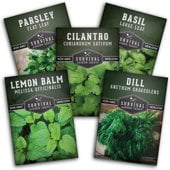
Tahoe Hydroponics Flower & Pod Growing Systems


















About Tahoe Hydroponics Flower & Pod Growing Systems - Walmart.com
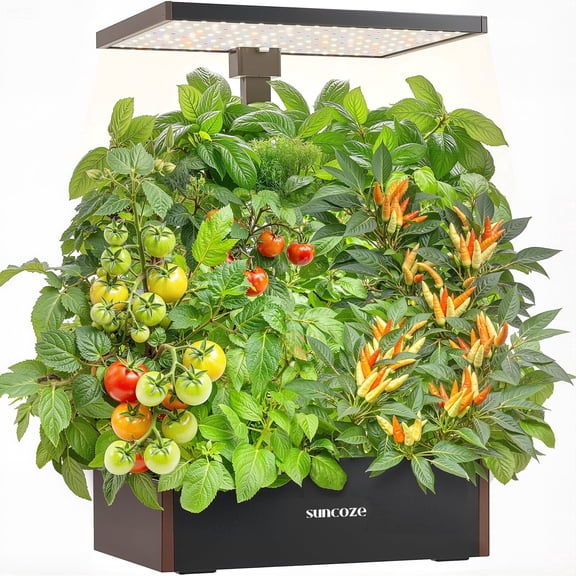
You can compare tahoe hydroponics flower options with practical hydroponics guides that make pod systems, grow trays, and seed starting supplies easier to choose. You’ll find indoor growing setups that fit counters, shelves, and dedicated plant rooms without guessing which format suits your space.
If you’re starting fresh or replacing parts, you can narrow your choices by system type, capacity, growth medium, and target plants. You’ll make faster decisions when you match pod count, tray size, and lighting needs to the crops you want to raise.
How to choose tahoe hydroponics flower systems
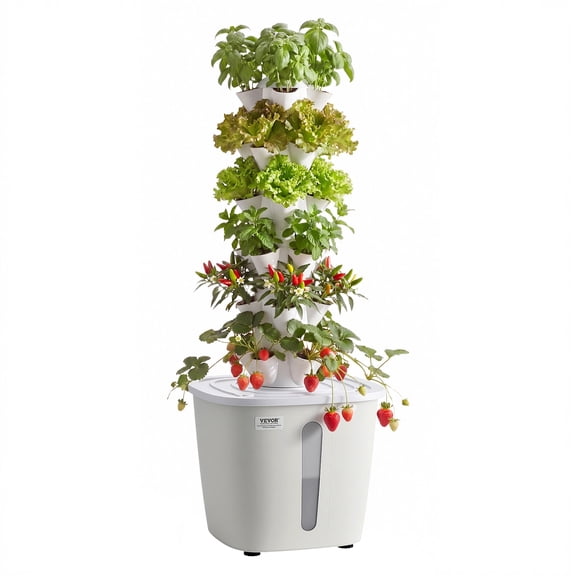
You should start with system type because it shapes your watering routine, your setup space, and your daily maintenance. You can compare DWC, ebb and flow, aeroponics, and passive pod formats by how actively they move water.
If you want fewer moving parts, you may prefer a passive pod growing system for herbs or compact greens. If you want more circulation, you can look at DWC or ebb and flow designs with pumps and timed watering.
You’ll also want to compare aeration and water movement before choosing a kit or accessory. You can use active pumps for steady oxygen flow, or you can choose simpler passive methods for small countertop gardens.
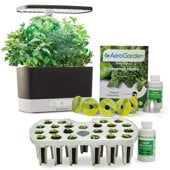
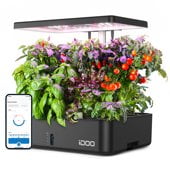
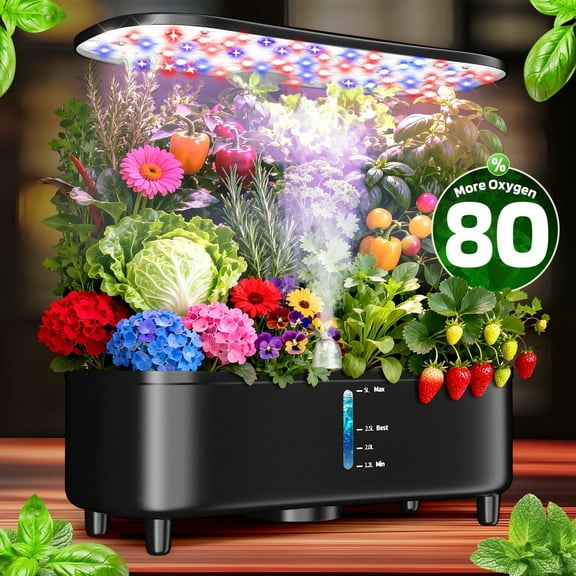
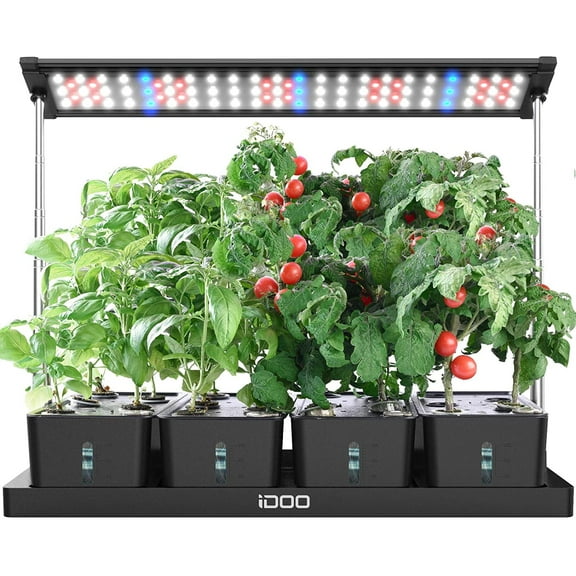
- You can use a pod growing system when you want a compact layout with guided spacing.
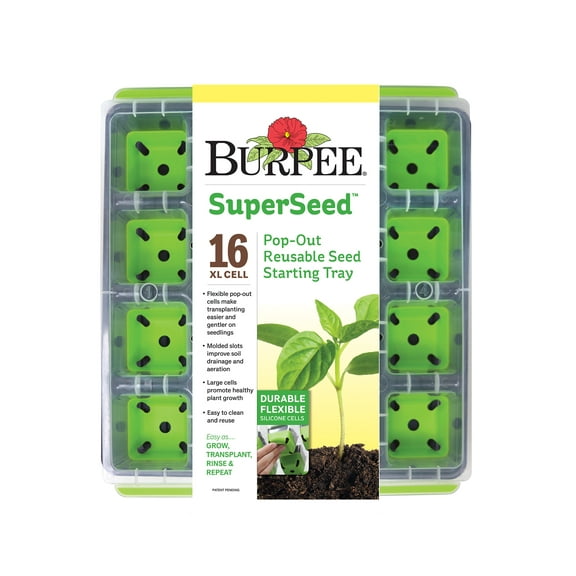
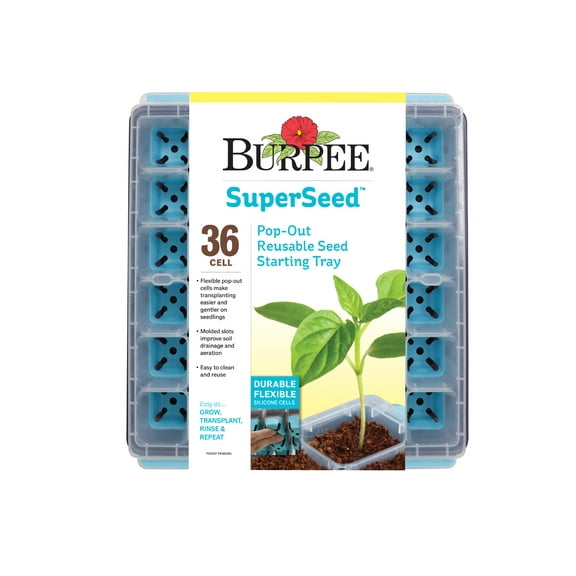
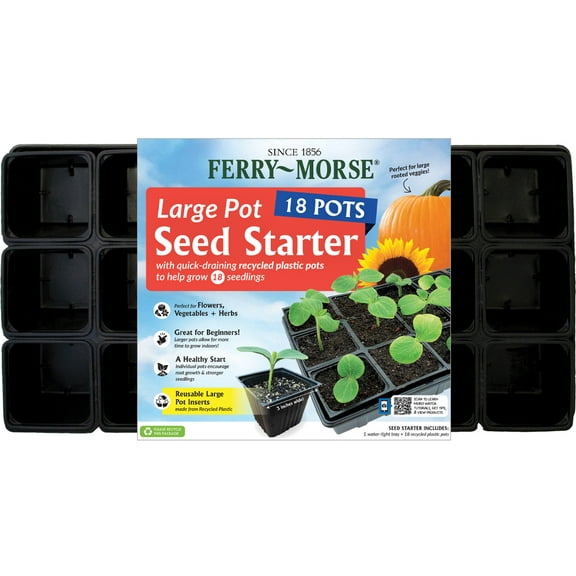
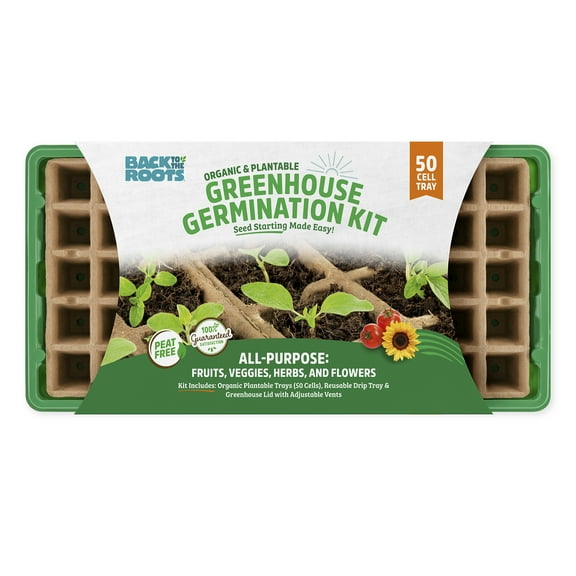
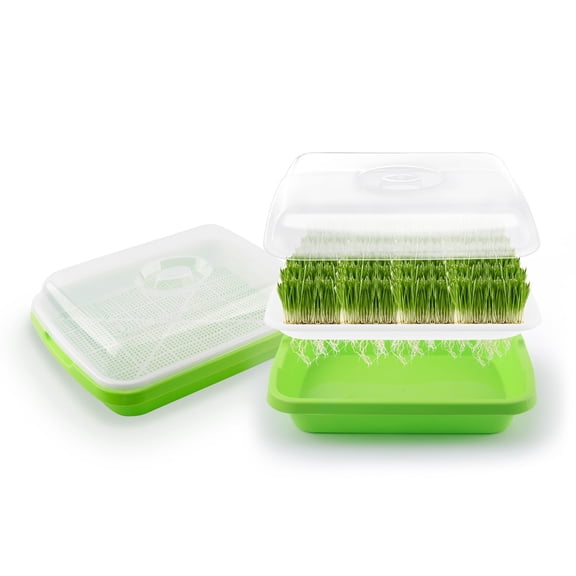
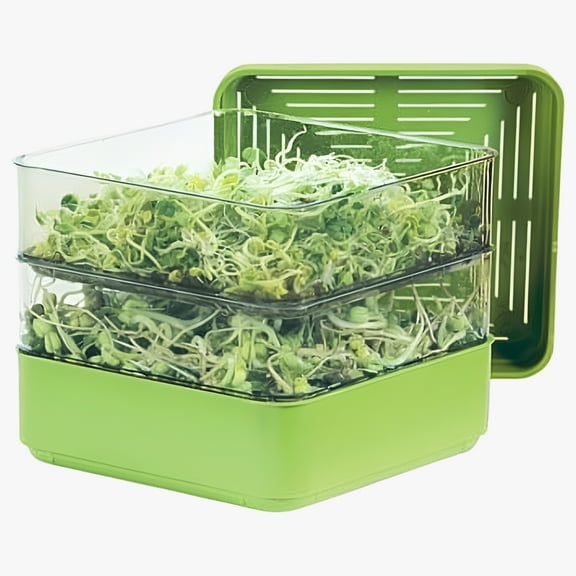
- You can choose grow trays when you want to start many seedlings at once.
- You can compare garden pods by refill style, plant spacing, and replacement part availability.
- You can match seed plate layouts to your seed size and starter plan.
Choosing capacity, lighting, and grow trays
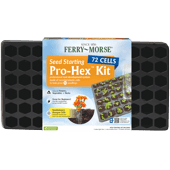
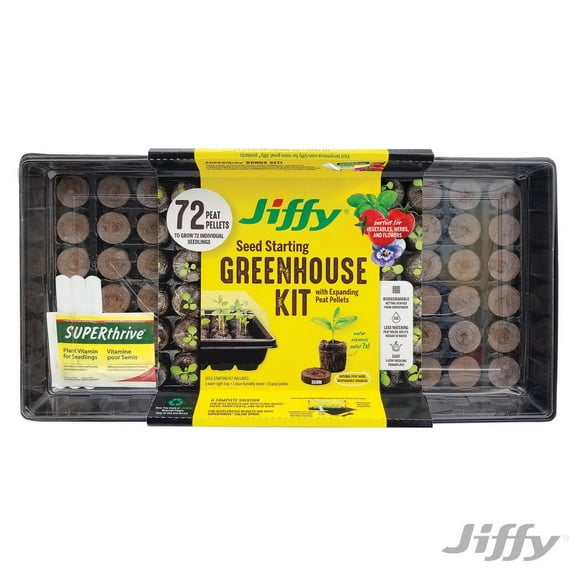
You should measure your growing area before you choose between six-pod, 12-pod, and 72-cell formats. You’ll usually find six-pod units fit kitchen counters, while 72-cell grow trays support larger seed-starting projects.
If you want to start salad greens for weekly harvesting, you may need more openings than a small herb setup. You can use a 12-pod layout for mixed herbs, leafy greens, or a few compact vegetable starts.
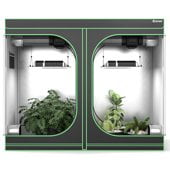
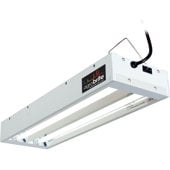
You’ll also need to compare lighting because indoor plants depend on usable light, not just brightness. You can check PAR output and wattage to estimate how much light reaches leaves during each growth stage.
If you’re growing flowers or fruiting vegetables, you may want stronger output than a simple countertop herb garden. You can compare light height, timer settings, and coverage so your seedlings don’t outgrow the lit area.
You should review tray depth and cell spacing when you shop for seed plate options and propagation tools. You can use shallow seed trays for quick sprouts, while deeper cells support longer rooting time.
What to look for in growth medium and nutrients
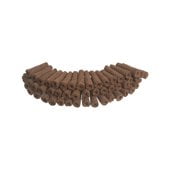
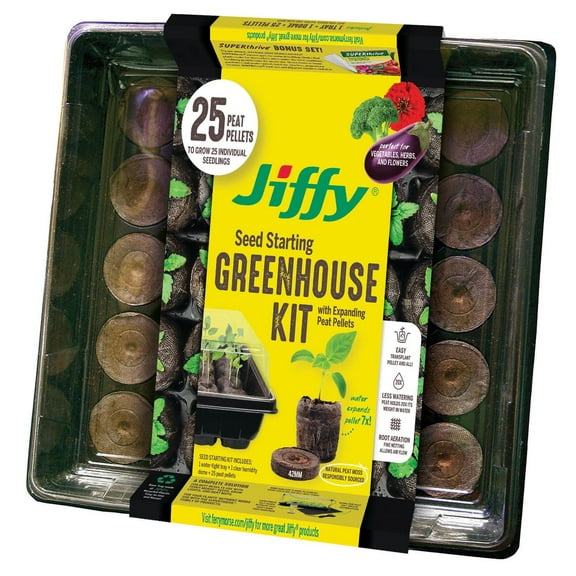
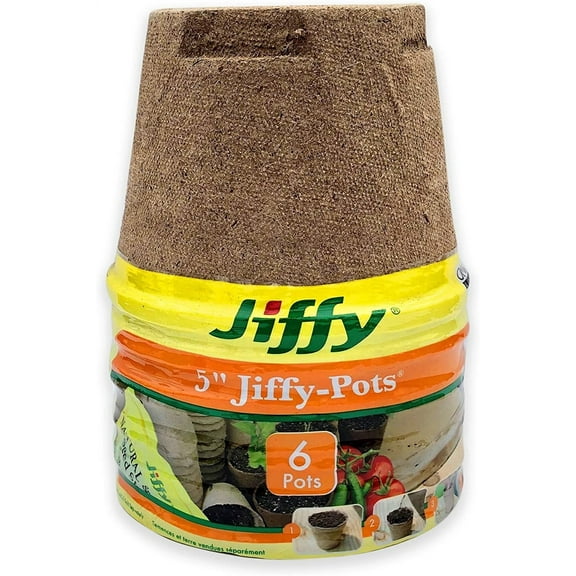
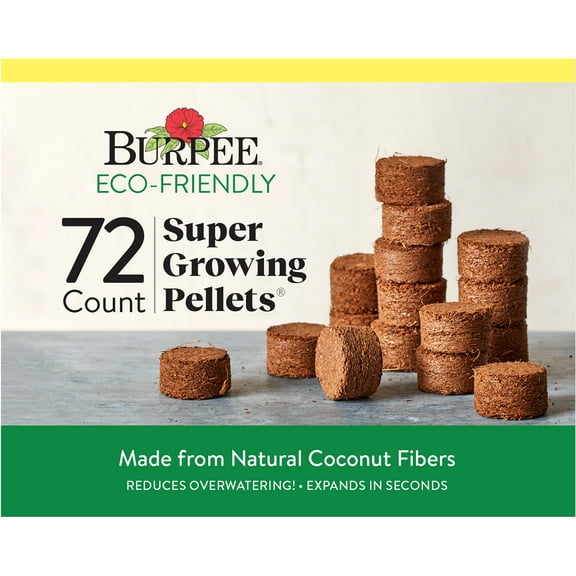
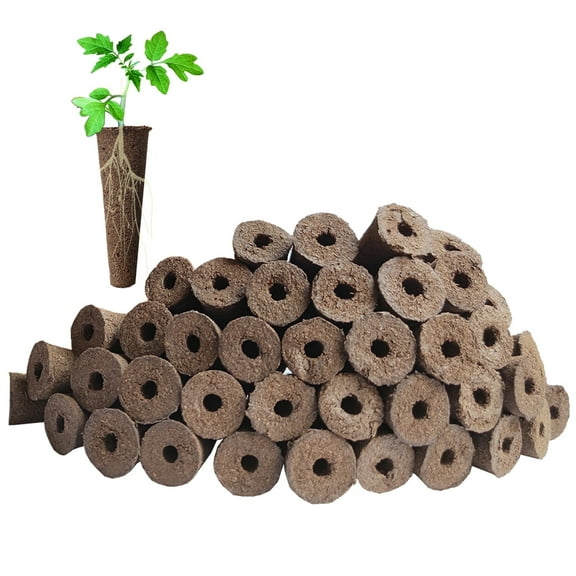
You can compare growth media by water retention, airflow, and cleanup needs. You’ll see options like peat pods, coco coir, clay pebbles, and pellets, each with a different balance of moisture and structure.
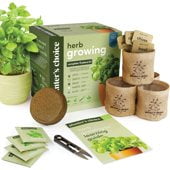
If you want tidy starts for a pod growing system, you may prefer peat pods or flower pellets. If you want reusable media with strong airflow, you can consider clay pebbles for systems that recirculate water.
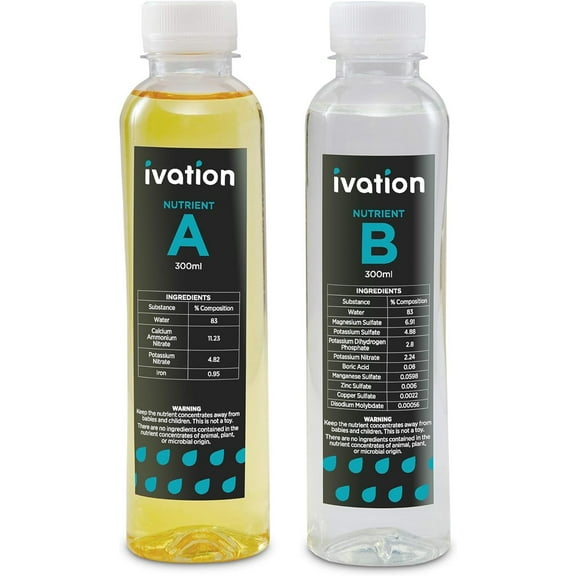
You should also check whether your nutrients match your system style and plant stage. You can compare formulas for seedlings, leafy greens, vegetables, and flowers so your feeding plan stays consistent.
If you’re reviewing technical specs, you can use EC or PPM ranges as a guide for nutrient strength. You’ll also want pH buffers and test tools because hydroponic roots respond to narrow pH ranges.
You can make maintenance easier when you pair your medium with the right reservoir size and refill schedule. You’ll spend less time correcting imbalances when your media, nutrients, and water volume work together.
Matching target plants to garden pods and seed plates
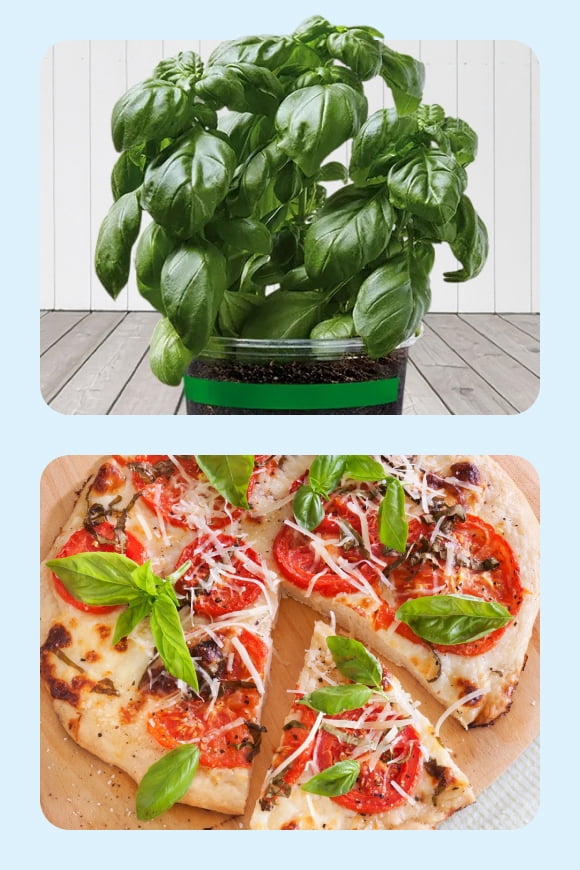
You should choose your setup around what you plan to grow most often. You can use garden pods for basil, mint, and lettuce, while larger trays help you start tomatoes, peppers, celery plant starts, or cut flowers.
If you want quick kitchen harvests, you may lean toward herbs and leafy greens in compact systems. If you want seasonal transplants, you can start vegetables and flowers in seed plate formats before moving them onward.
You can also compare media by crop type because roots behave differently across plant categories. You’ll often want steady moisture for leafy greens, while flowering plants may benefit from stronger support and carefully managed feed levels.
If you search hidroponia terms or broad indoor garden supply phrases, you’re likely looking for flexible tools that work across crops. You can build that flexibility with modular trays, replacement pods, nutrient sets, and adjustable lights.
You may also want convenient fulfillment when you need refills, replacement parts, or a new tray quickly. You can use shipping and pickup options at Walmart to keep your indoor garden project moving without long delays.
Using hydroponics for everyday indoor growing
You can use compact systems for countertop herbs, shelf gardens, classroom projects, and apartment growing. You’ll get a cleaner indoor setup when your water reservoir, pod spacing, and light footprint match your room.
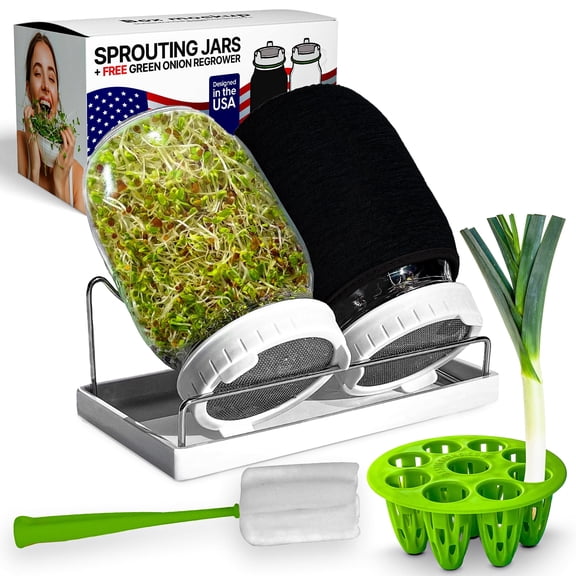
If you’re germinating many seeds at once, you can use grow trays and a 72-cell starter format for organized labeling. You can then move strong sprouts into larger hydroponic sites once roots and leaves develop.
You should think about your routine before you choose accessories and refill supplies. You’ll appreciate easy-fill reservoirs, clear water lines, and simple timers when you want a setup that stays manageable through every stage.
You can shop this category with more confidence when you compare system type, capacity, medium, and crop goals first. You’ll end up with a hydroponics setup that fits your space, supports your planting plan, and keeps your starts organized.