

Jet in Shop By Pro Tools Brand








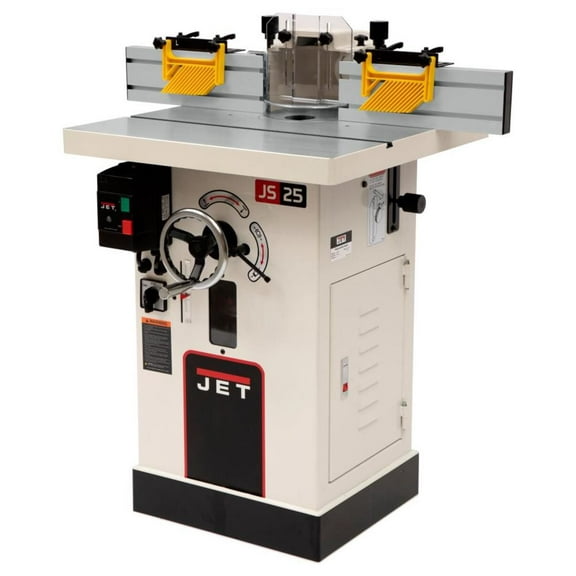


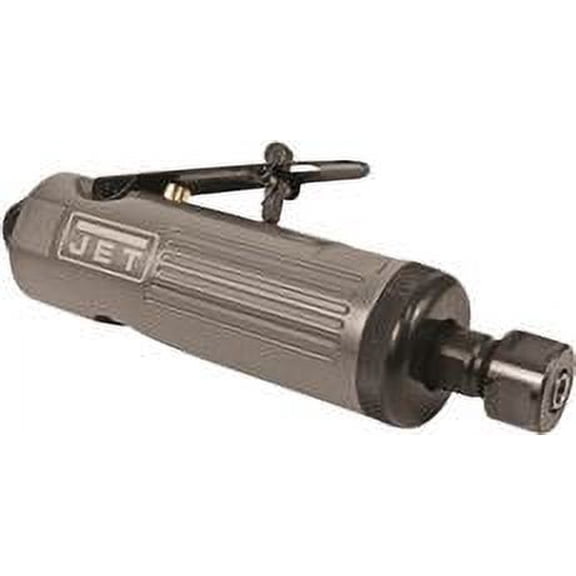

About Jet in Shop By Pro Tools Brand - Walmart.com
Jet tools help you build a more capable shop for woodworking, metalworking, and daily machine tasks. You can compare machinery classes, power options, and shop-fit details before you choose equipment for serious work.
How to choose Jet tools for your shop
When you compare tool type first, you can narrow your options faster. You can focus on woodworking, metalworking, or shop accessories based on the materials you handle most.
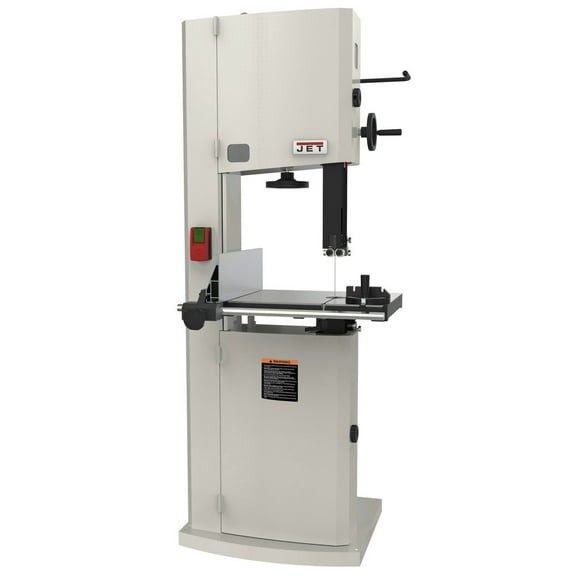
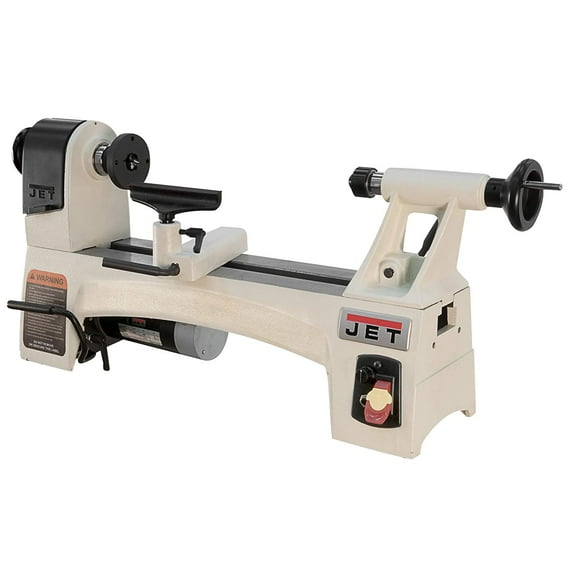
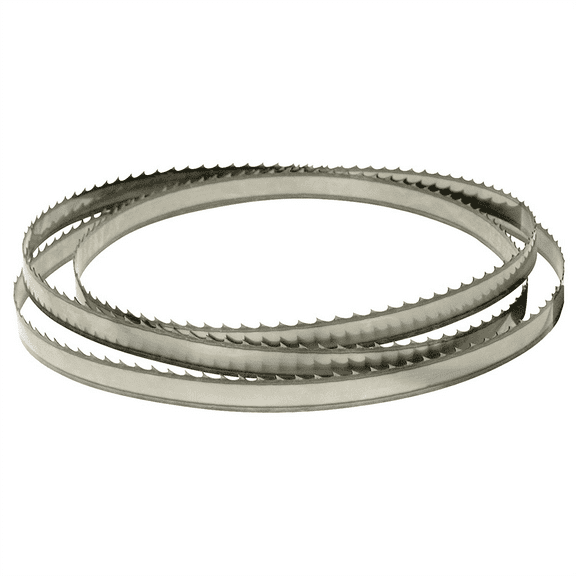
For woodworking, you may look for a Jet band saw, Jet wood lathe, or dust collector. You can use these machines for curved cuts, turning blanks, and keeping sawdust managed.
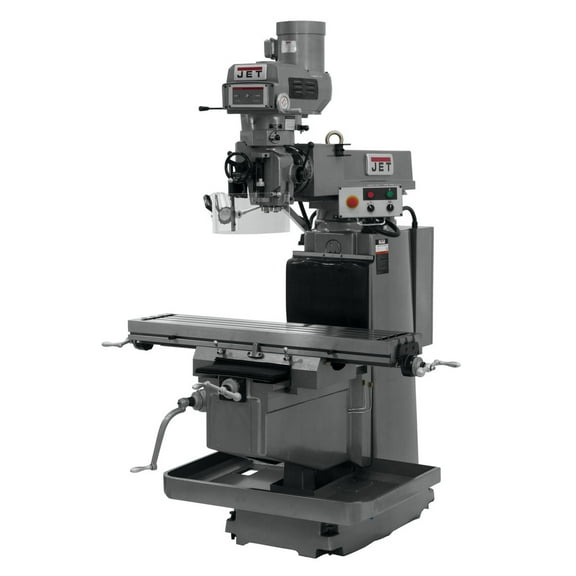
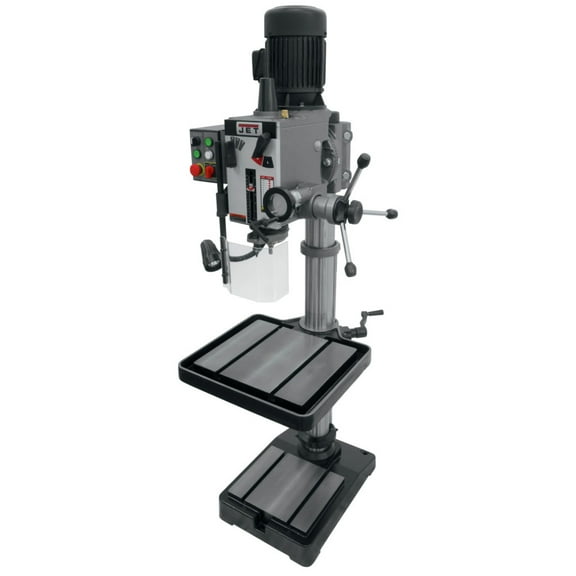
For metalworking, you may compare drill presses and other shop machinery with tighter tolerance goals. You can look for sturdy tables, measured adjustments, and clear speed settings for repeatable setups.
Shop accessories matter when you want smoother workflow around larger machines. You can check stands, mobile bases, and collection components that support cleaner, more organized work zones.
Key differences in Jet woodworking tools and machinery classes
When you compare machinery class, you can match the tool to the task instead of forcing one machine to do everything. You can choose band saws for resawing and curves, lathes for turning, and drill presses for controlled vertical drilling.
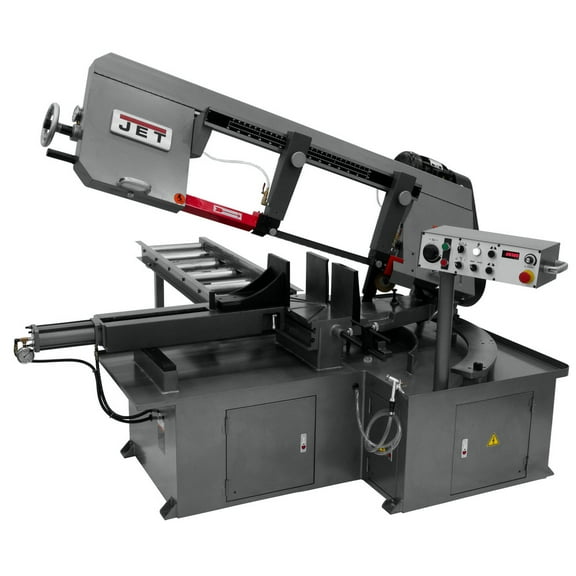
A band saw can suit you when you need straight rip support and curved cutting in one footprint. You can compare throat capacity, resaw height, and fence design for the stock you process.
A wood lathe can fit your shop when you turn bowls, pens, or furniture parts. You can check swing over bed, distance between centers, and speed range for your project sizes.
A drill press can help you keep holes square and spacing consistent across repeated parts. You can compare quill travel, table tilt, and depth stops when accuracy matters to your workflow.
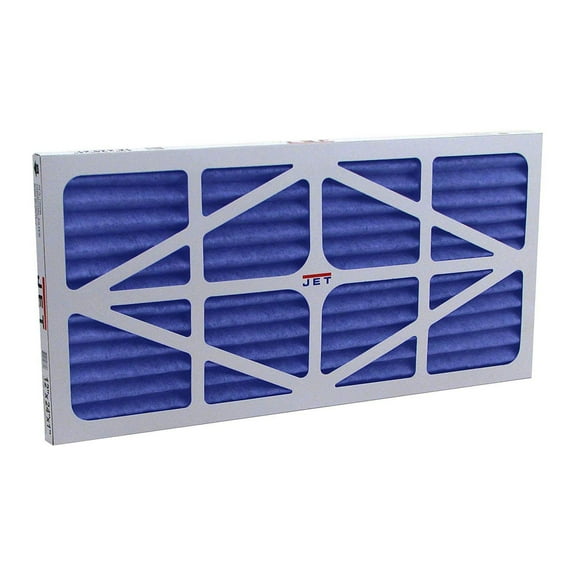
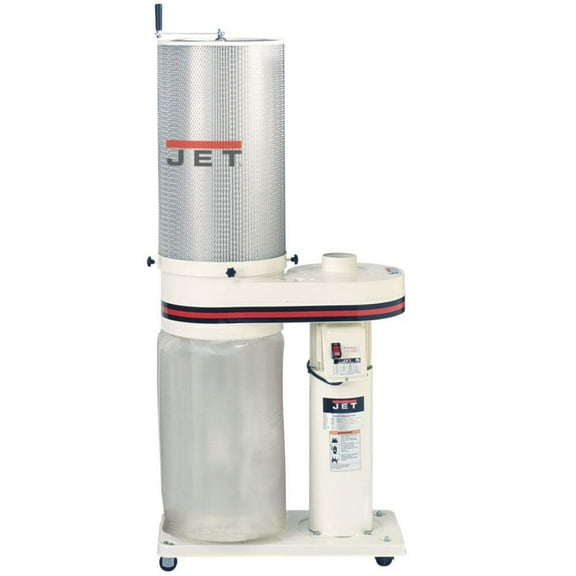
A dust collector becomes important when you run several machines in the same area. You can compare collection capacity, hose compatibility, and placement needs for cleaner shop operation.
- You can choose band saws when you need curved cuts, resaw capacity, and steady fence guidance.
- You can choose lathes when your work involves spindles, bowls, pens, or other turned pieces.
- You can choose drill presses when you need repeatable hole depth, square drilling, and stable work support.
- You can choose dust collectors when you want stronger chip control around saws, lathes, and sanding stations.
What to look for in Jet power tools and motor specs
Power source is a major decision because you need a machine that matches your electrical setup. You can compare corded electric models and heavy-duty phase motor options before planning placement.
Horsepower tells you how much workload a machine is built to handle during demanding cuts or drilling. You can use HP ratings to compare light shop tasks with longer, heavier production sessions.
Voltage compatibility matters because you need equipment that connects to your available power. You can check whether a machine requires standard shop service or a heavier-duty circuit.
Phase is another technical detail that affects installation and intended use. You can compare single-phase options for many workshops and heavier-duty phase motor setups for industrial spaces.
Precision specs deserve close attention when you want consistent results across repeated parts. You can look for measured adjustments, stable fences, and controls that support tighter tolerance work.
Footprint also shapes your decision because large machinery needs room for infeed, outfeed, and operator movement. You can measure doorways, bench spacing, and floor area before choosing machine size.
How Jet metalworking machinery fits real workspaces
User level can guide you toward the right balance of capacity, control, and shop requirements. You can compare options for a professional shop, an industrial workspace, or a serious hobbyist setup.
In a professional shop, you may need dependable settings for repeated cuts and drilled parts. You can focus on table stability, speed changes, and adjustment controls that support regular production.
In an industrial space, you may prioritize heavier-duty motors and larger work envelopes. You can compare machine dimensions and electrical requirements before placing equipment on your floor.
As a serious hobbyist, you may want pro-style capability without overwhelming your available space. You can look for machinery that fits your room while still supporting precise setups and clean finishes.
If your shop handles both wood and metal, you can compare categories by project frequency and material type. You can place cutting, drilling, and collection tools around your workflow for fewer interruptions.
When dust collection and safety features matter, you can look for guards, collection ports, and shutoff access. You can use those details to support cleaner operation and easier machine management.
Choosing Jet tools with confidence
Jet tools make more sense when you compare tool type, machinery class, power source, and user level together. You can choose equipment that fits your space, your power access, and the precision your projects require.