



























Juices
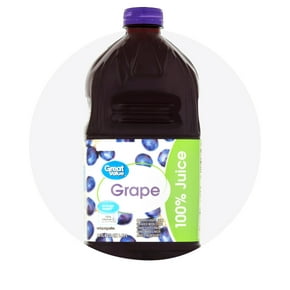
Shop Juice by type
Shop by brand
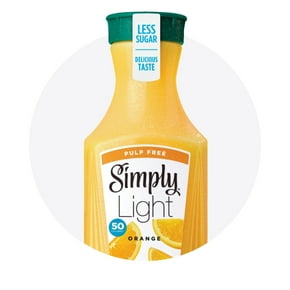
Smart options
Refreshing juices, no added sugars
Holiday Flavors

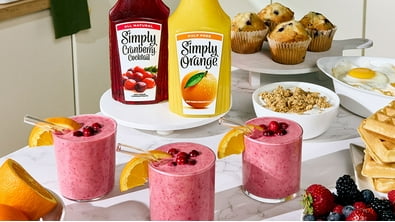

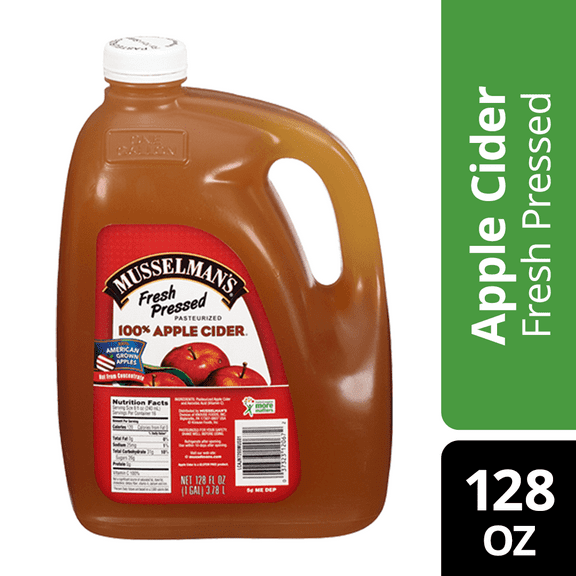

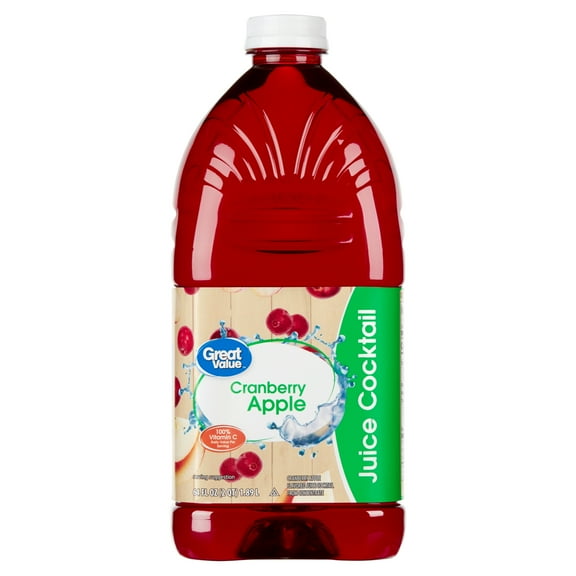

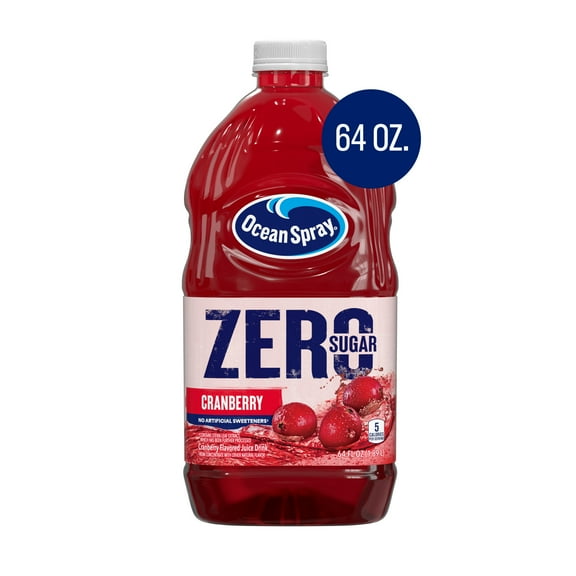
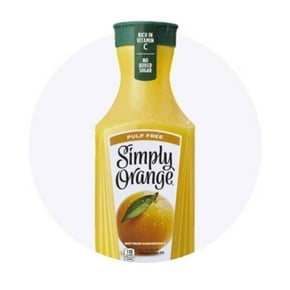
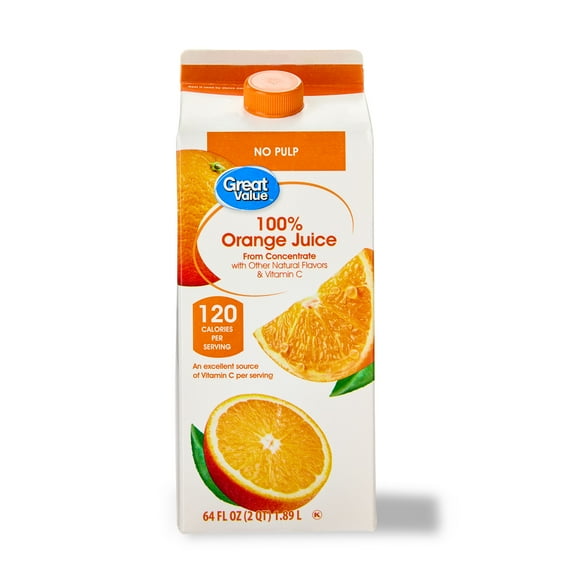
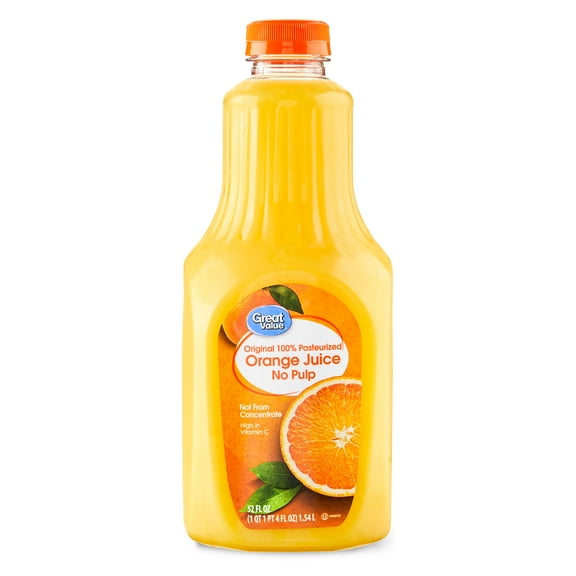
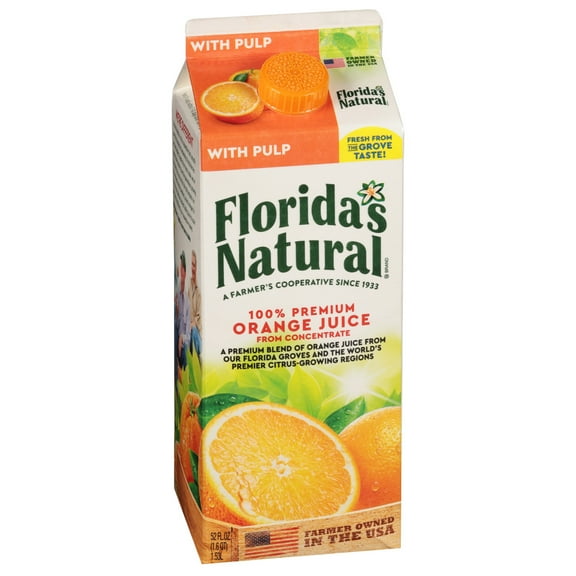
Orange Juice

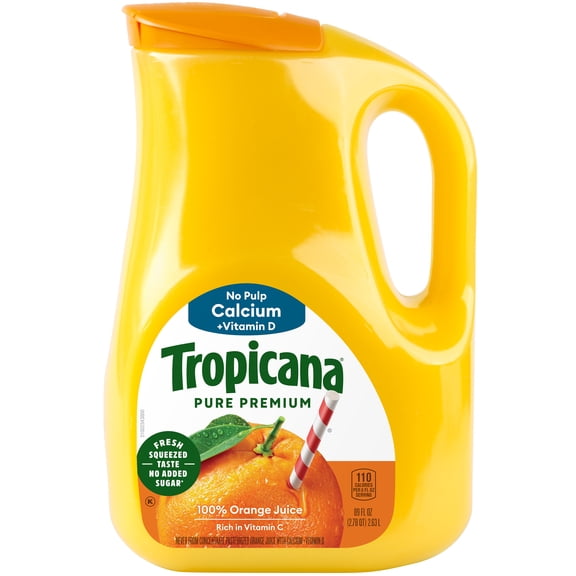
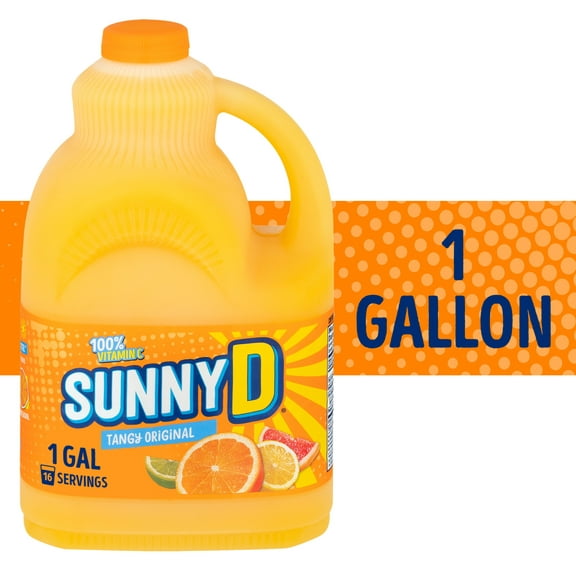
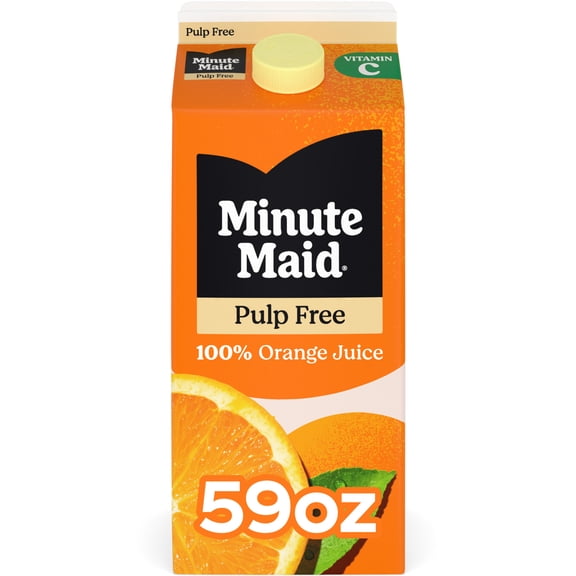
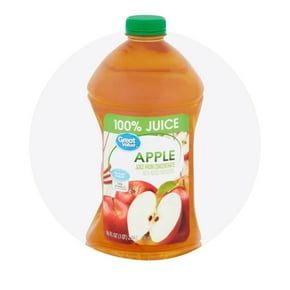
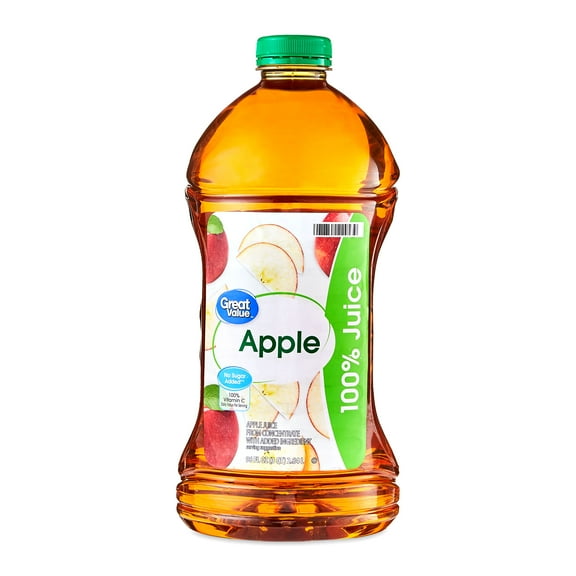
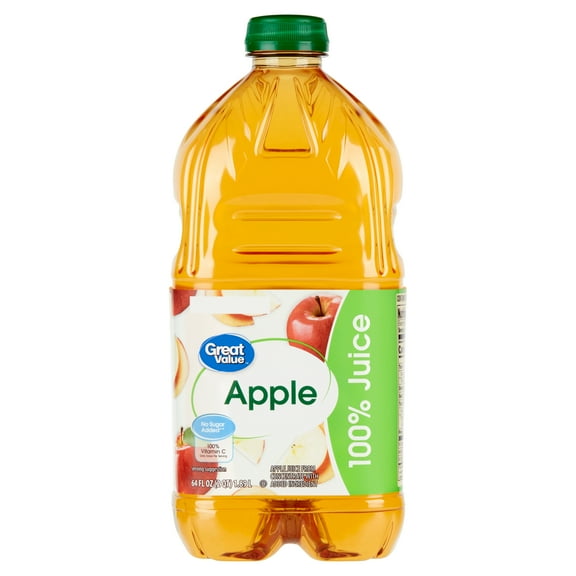
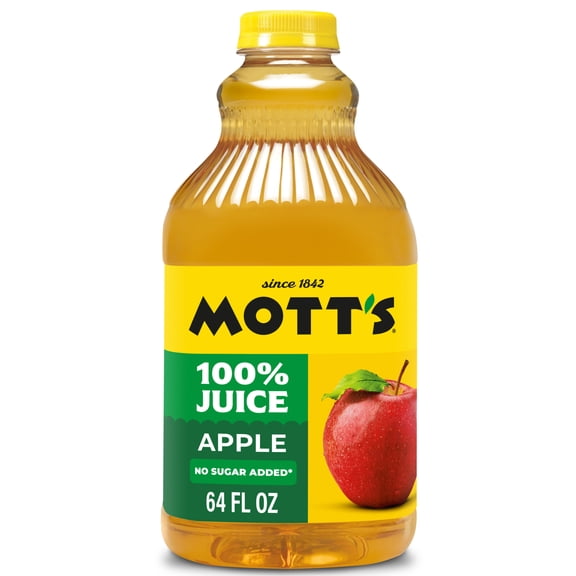
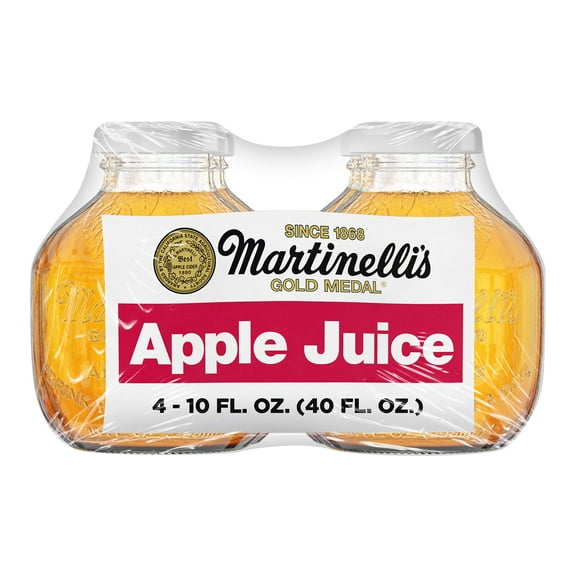
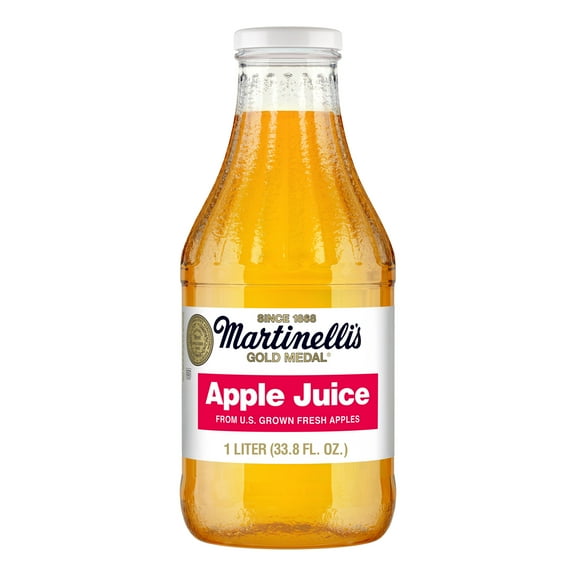
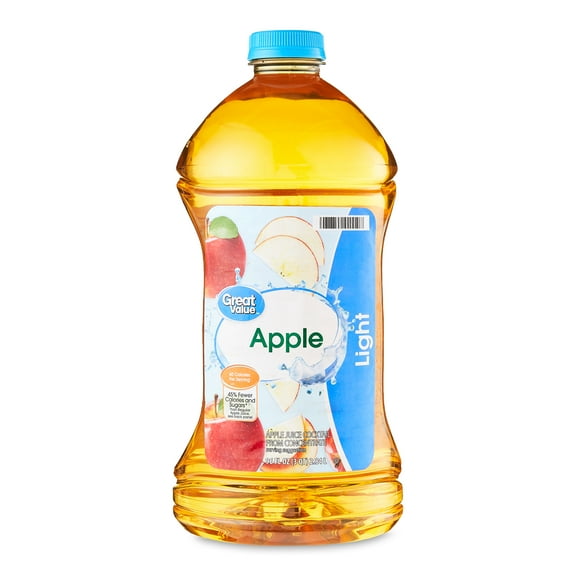
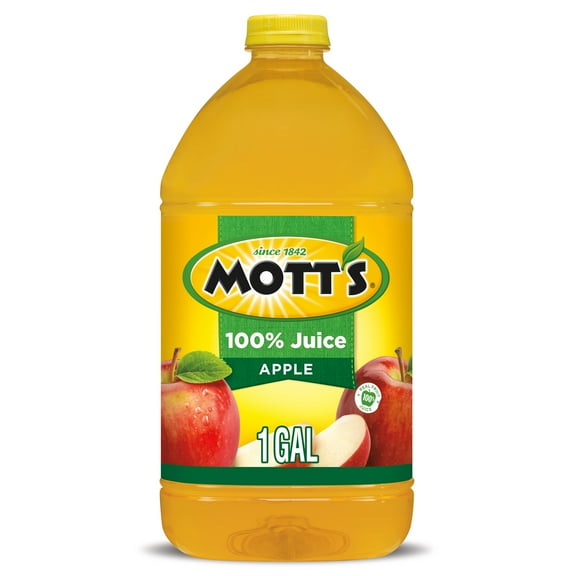
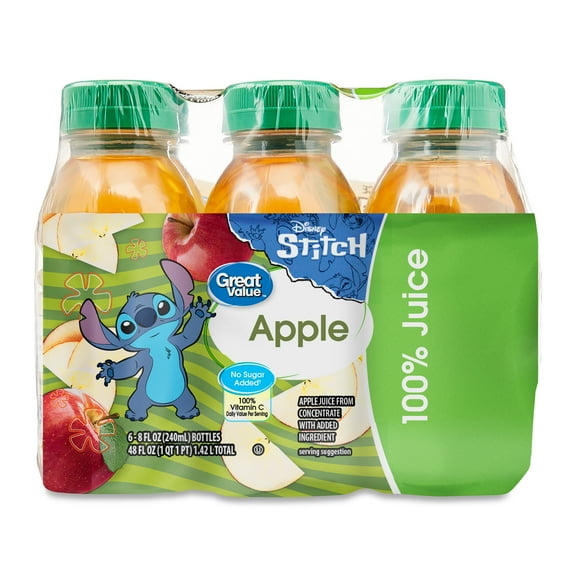
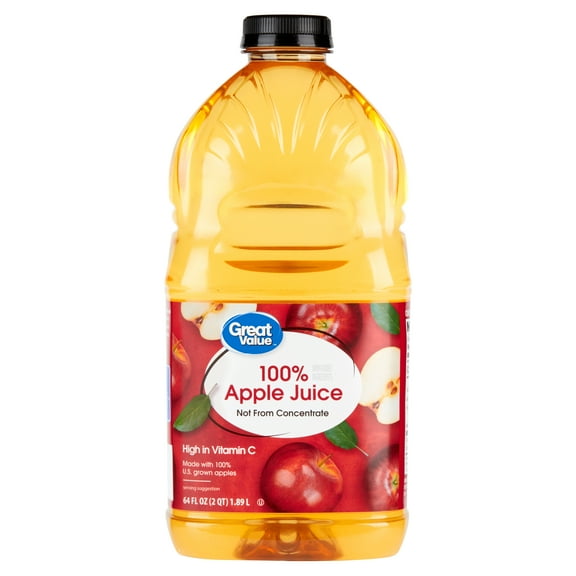
Apple Juice
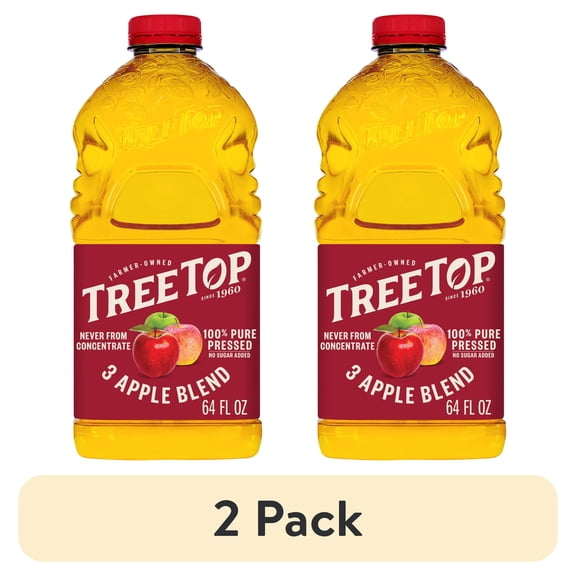



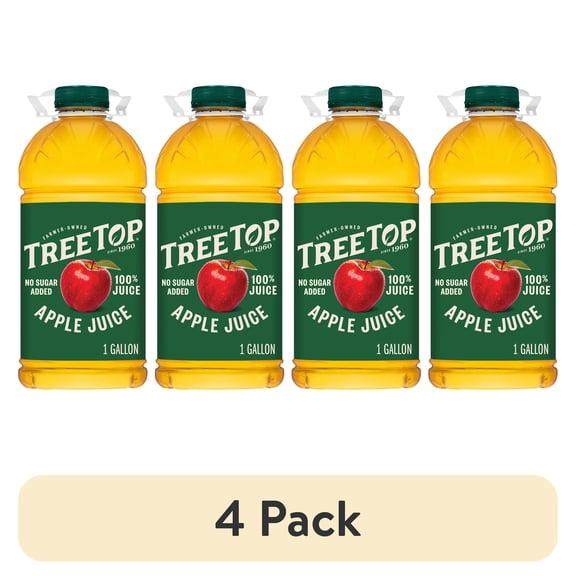

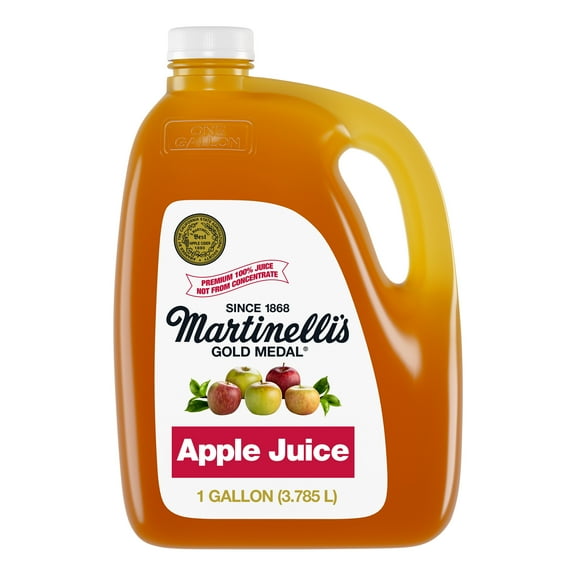
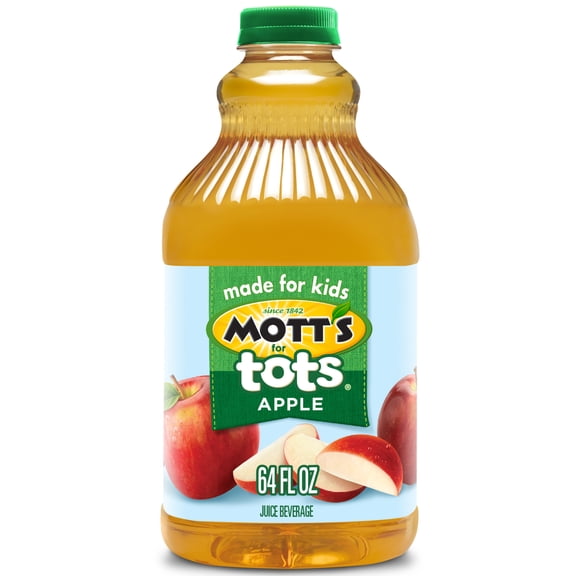

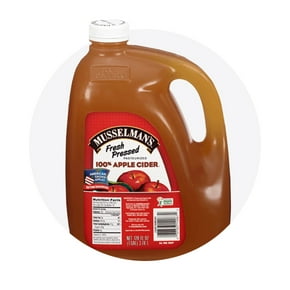
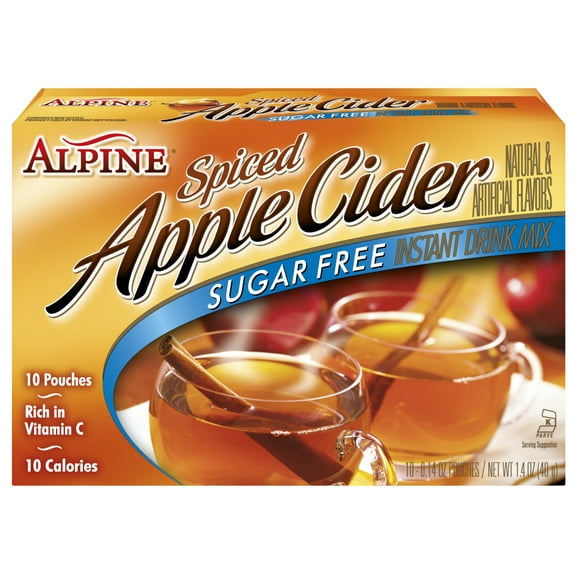
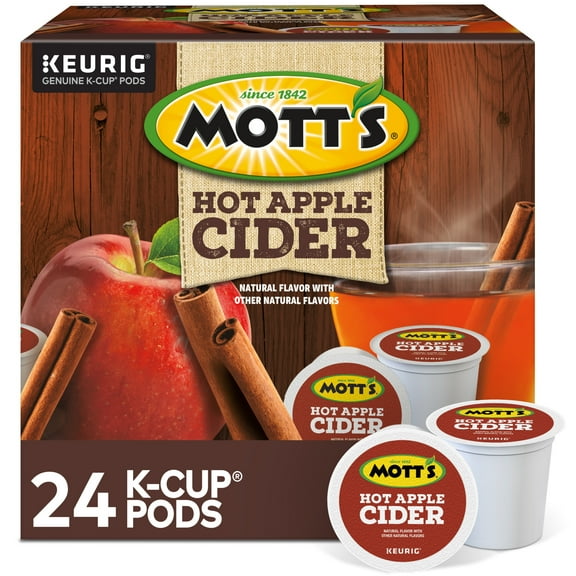
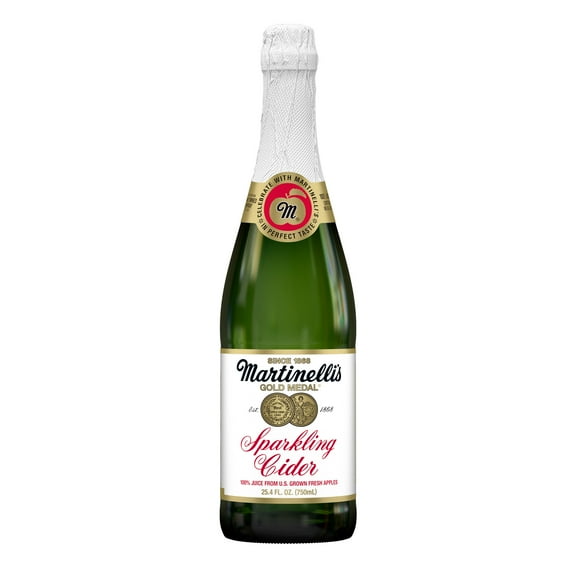
Apple Cider

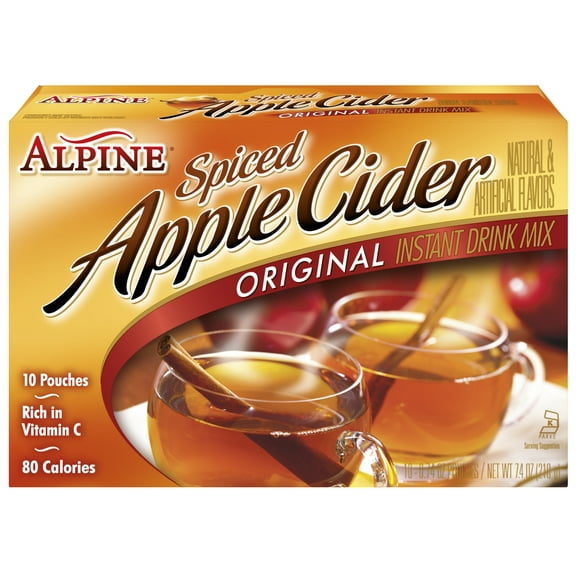

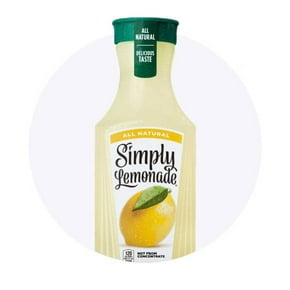
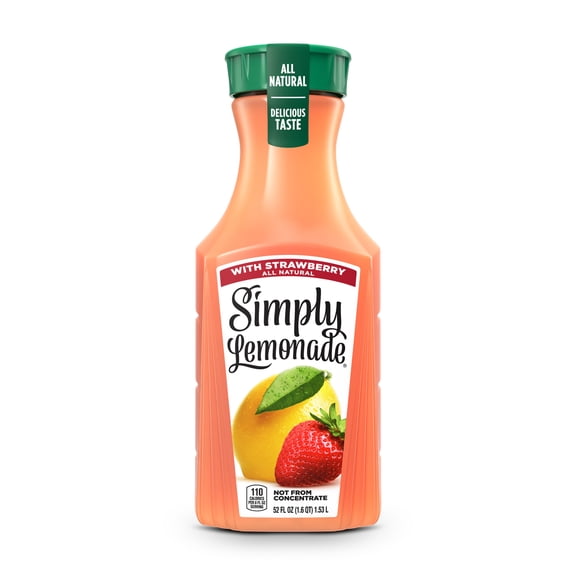
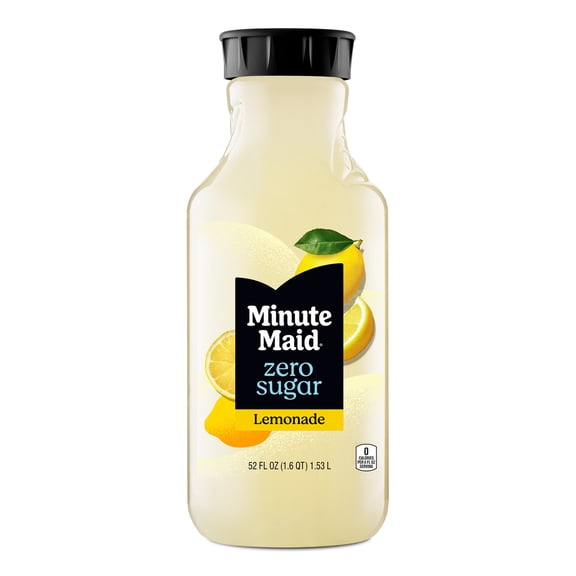
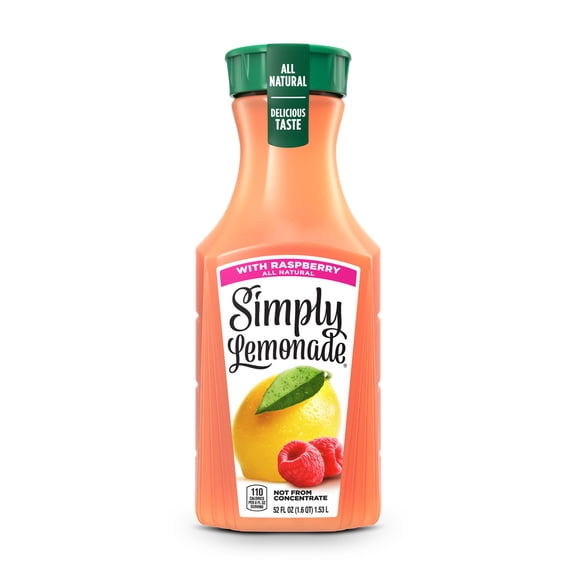
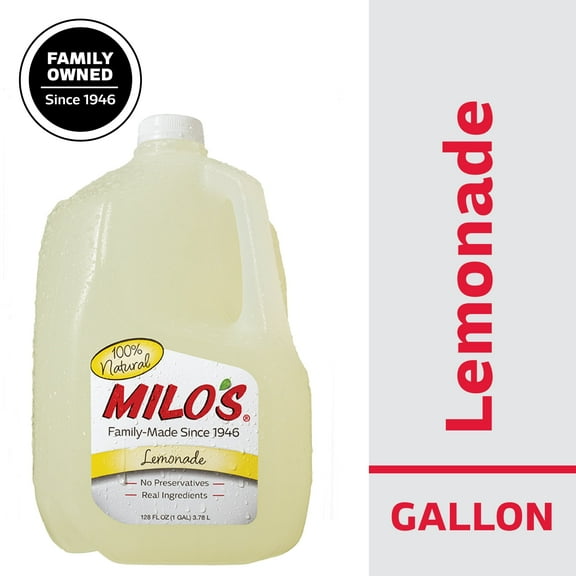
Lemonade



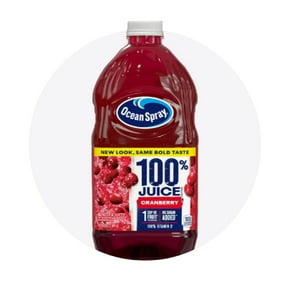
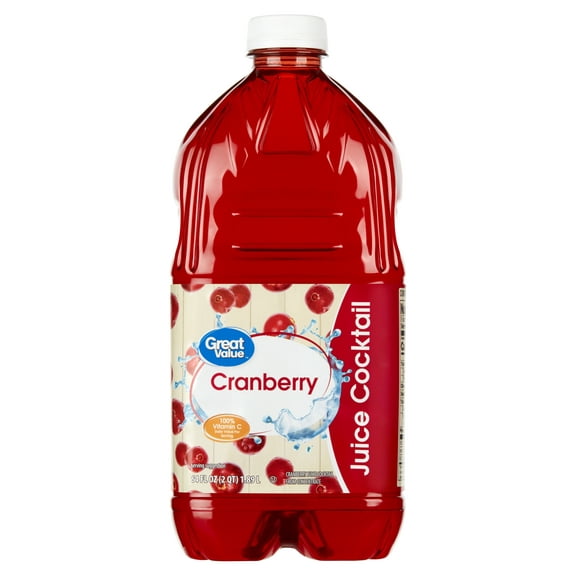
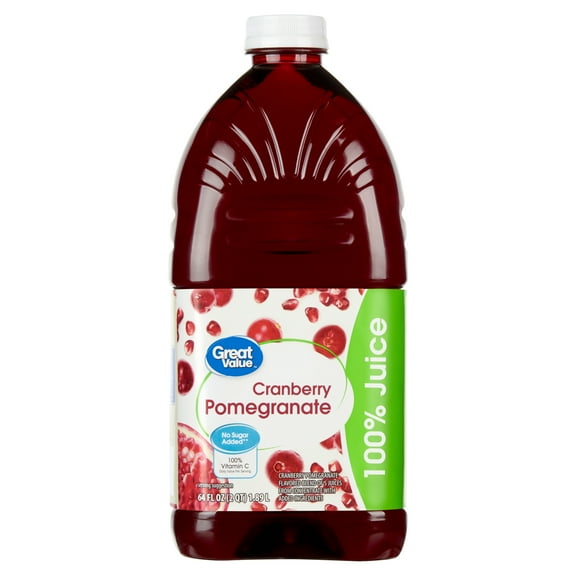
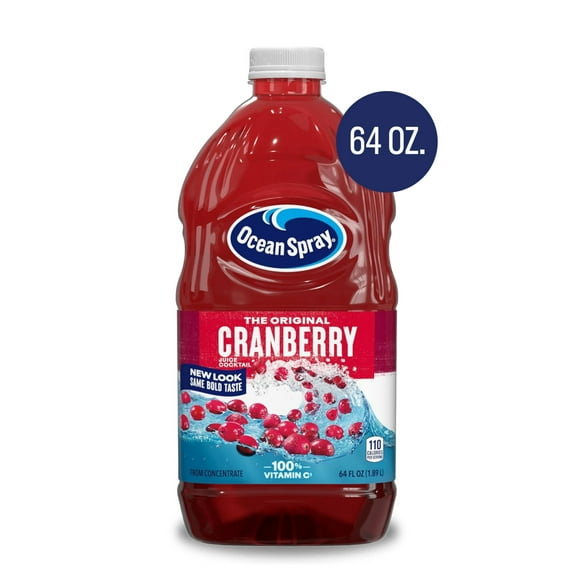
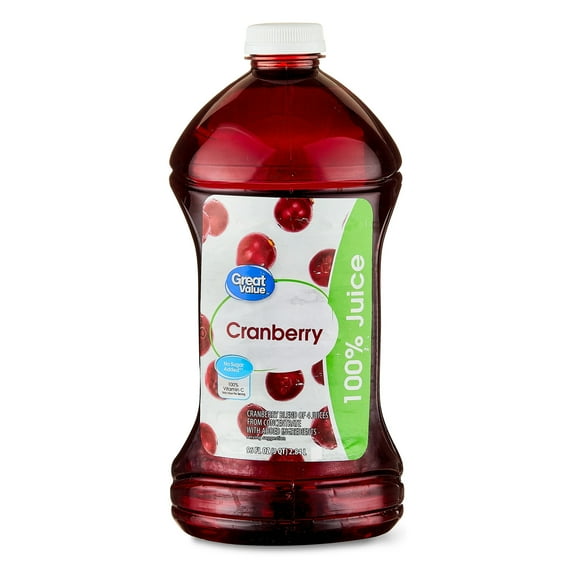
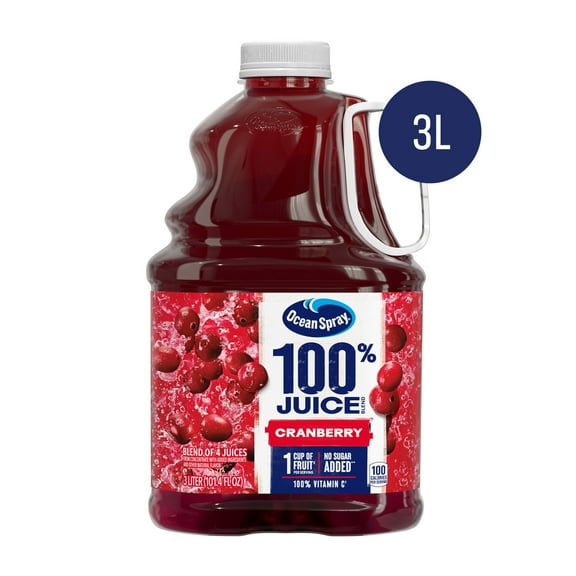
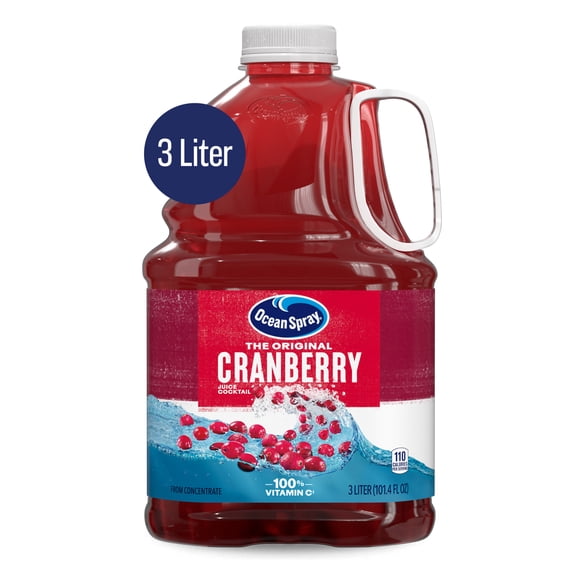
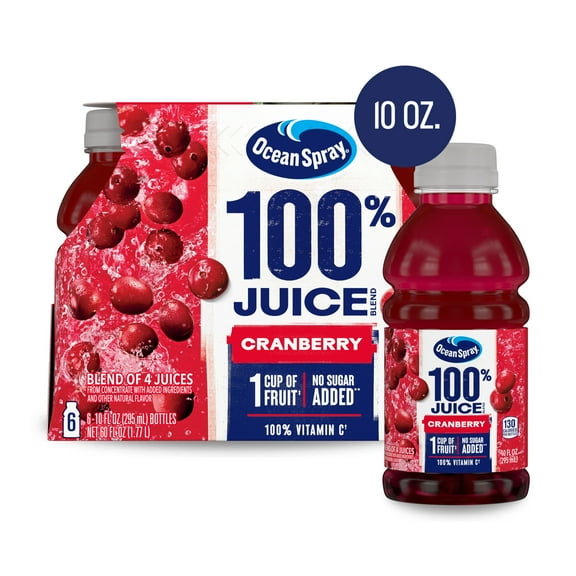
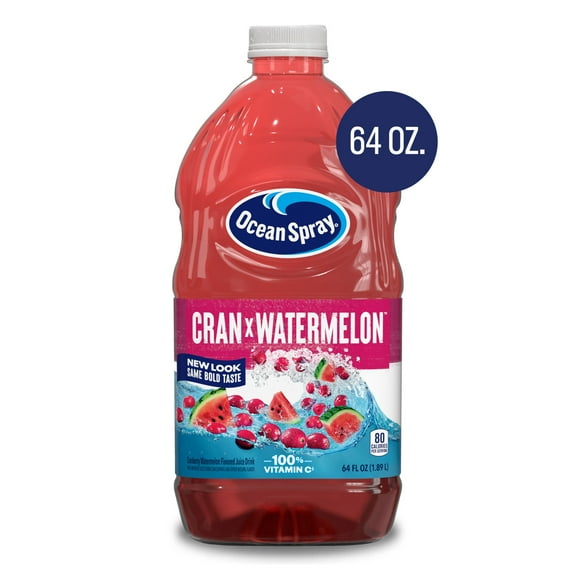
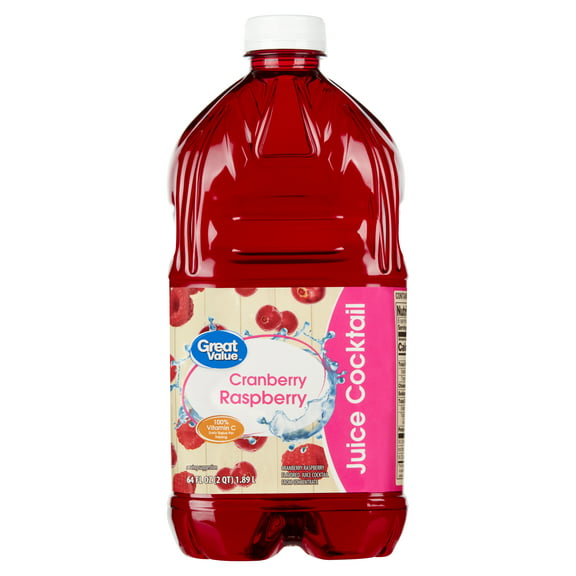
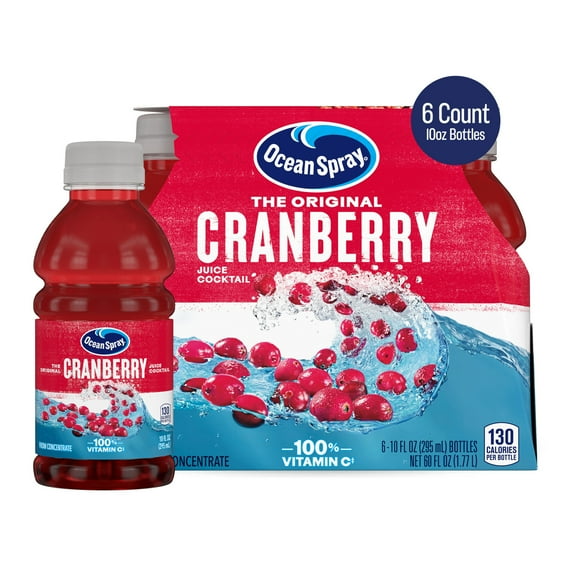
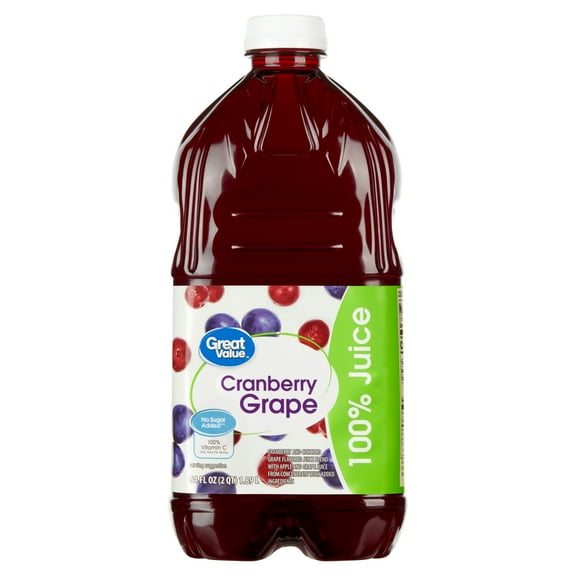
Cranberry Juice


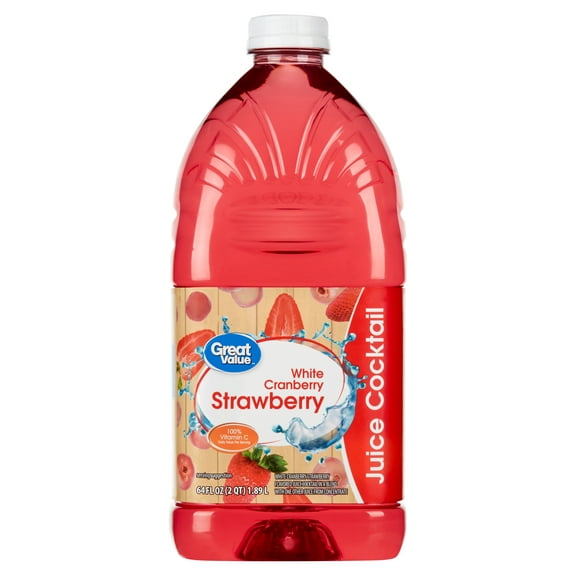
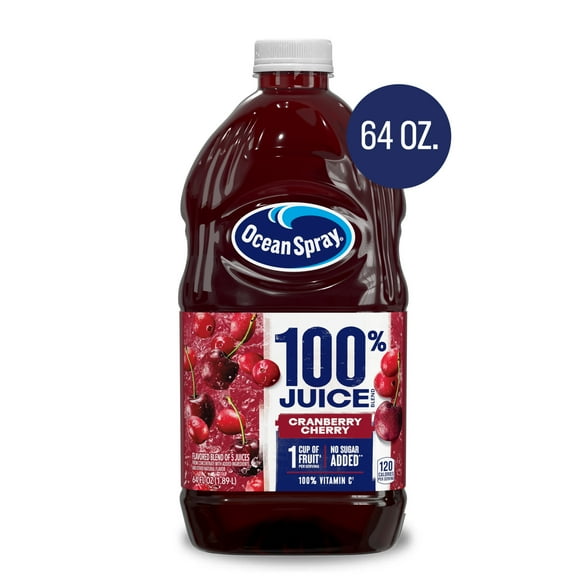
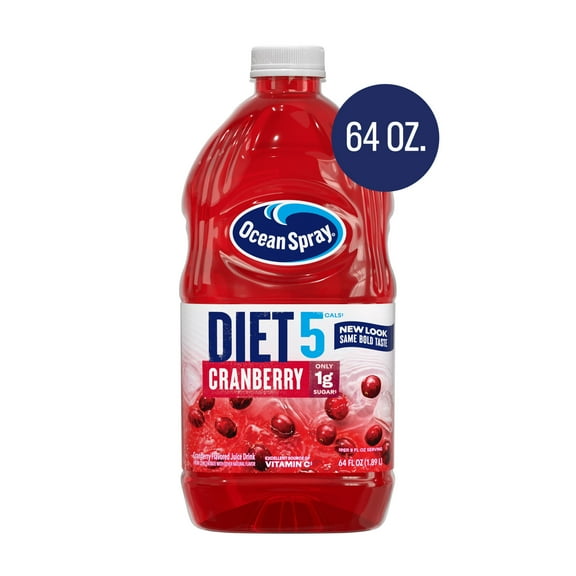
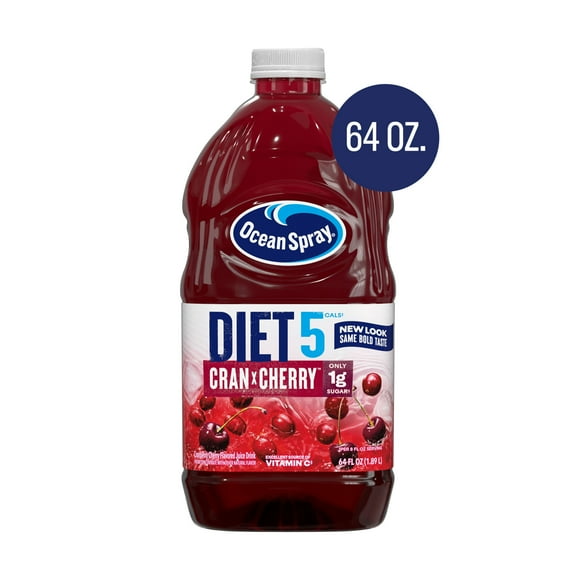

Explore more juices
FAQ
About Juices - Walmart.com
Juice gives you a simple way to stock breakfast staples, lunchbox picks, and flavor-packed drinks in one place. You can compare 100% juice, juice drinks, organic options, and kid-friendly packs without guessing what fits your routine.
How to choose juice for your routine
When you compare juice types, you should start with the label and ingredient style. You can use those details to narrow choices for breakfast, packed lunches, or recipe use.
If you want a straightforward pick, you can look for 100% juice with fruit or vegetable ingredients listed clearly. If you want a lighter-tasting option, you may prefer juice drinks or juice cocktail blends.
You can also compare concentrate and not-from-concentrate options when taste and storage matter to you. You may notice concentrate choices often work well for stocking the pantry or fridge.
- You can choose 100% juice when you want a direct fruit or vegetable option.
- You can pick juice drinks when you want blended flavor profiles for casual sipping.
- You can select juice cocktail varieties when you want tart or mixed-fruit taste combinations.
- You can consider concentrate formats when you want flexible storage and serving options.
Choosing between fruit juice, vegetable juice, and blends
Fruit juice usually gives you familiar flavors like apple juice, orange juice, and cranberry blends. You can keep those options on hand for breakfast, smoothies, and quick chilled servings.
Vegetable juice can help you add savory flavor to your beverage lineup and recipes. You may use it in mixed drinks, soups, marinades, or a simple cold glass with meals.
If you want variety, you can compare blended options that combine fruit and vegetable bases. You can use blends when your household likes balanced flavor instead of a single-fruit taste.
You should also think about texture and sweetness when you compare ingredient bases. You may prefer citrus styles for a bright finish, while berry blends can taste fuller.
What to look for in organic juice and ingredient sourcing
Organic juice can matter when you want to compare farming and sourcing approaches across your options. You can review labels closely to see whether organic ingredients match your household preferences.
Conventional choices can still work well when you want classic flavors and broad format options. You may find them in bottled sizes, multipacks, and shelf-stable cartons for easy planning.
If sourcing details matter to you, you should check whether the label highlights organic or blend information. You can use those cues to compare apple, orange, and mixed-fruit options quickly.
You may also compare packaging notes, serving size, and ingredient lists before you choose. You can make a more confident selection when those details match your pantry and fridge habits.
Understanding cold pressed juice, pasteurized options, and storage
Processing method is a key decision because you need to know how your juice is handled and stored. You should check whether your pick is cold pressed, pasteurized, or another refrigerated format.
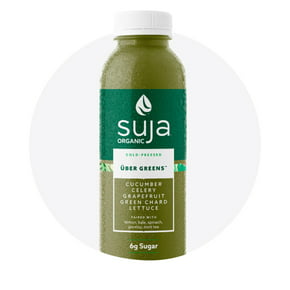
Cold pressed juice often appeals when you want fresh-style variety in smaller bottles. You should check storage instructions carefully, because refrigerated handling can shape when and how you serve it.
Pasteurized options can suit you when you want dependable shelf or fridge flexibility for everyday use. You may find them especially practical for stocking family breakfasts, lunches, and larger households.
If you compare shelf life, you should read package guidance before choosing larger counts or sizes. You can avoid waste when your storage space and serving pace match the format.
Choosing bottled juice, juice boxes, cans, and pouches
Packaging can change how easily you serve juice at home, at work, or on the go. You should match the package type to who drinks it and where you plan to use it.
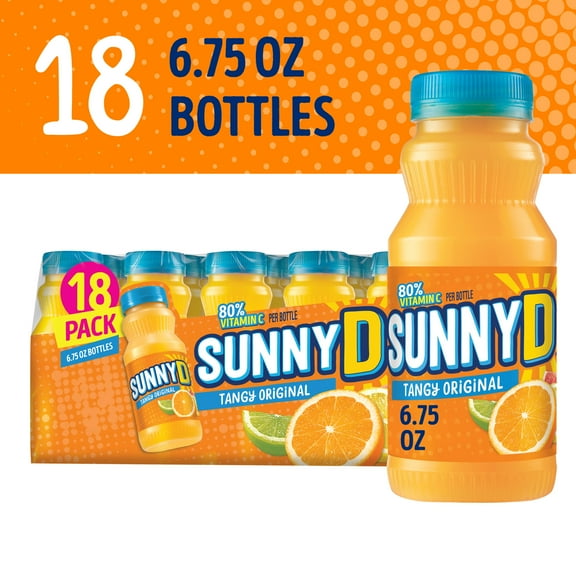
Bottled formats can work well when you want larger pours for breakfast tables or shared meals. You may prefer them for orange juice, apple juice, or family-size fruit juice blends.
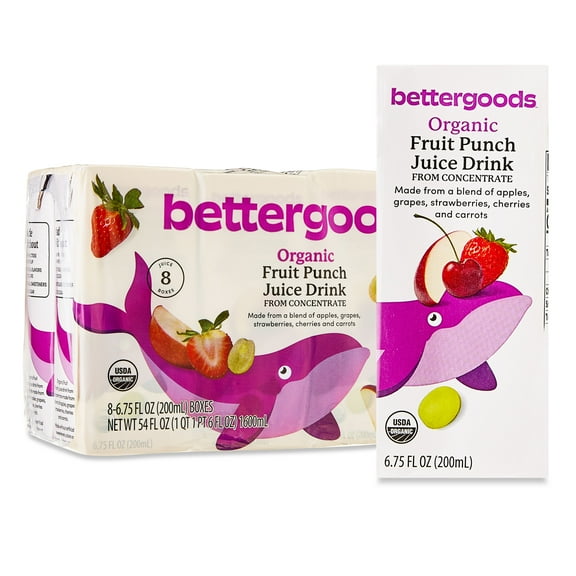
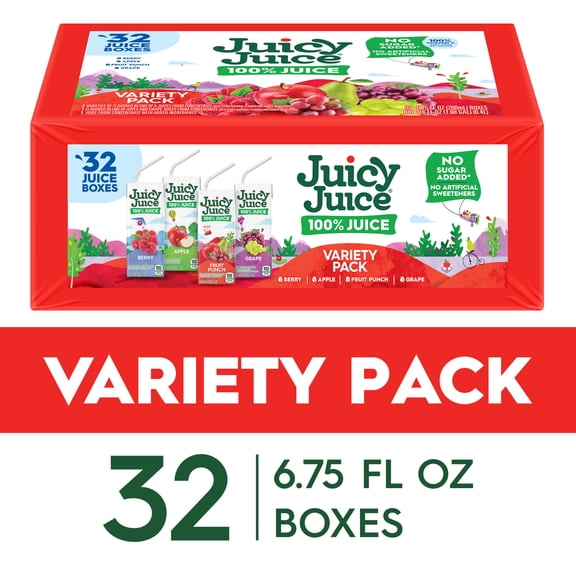
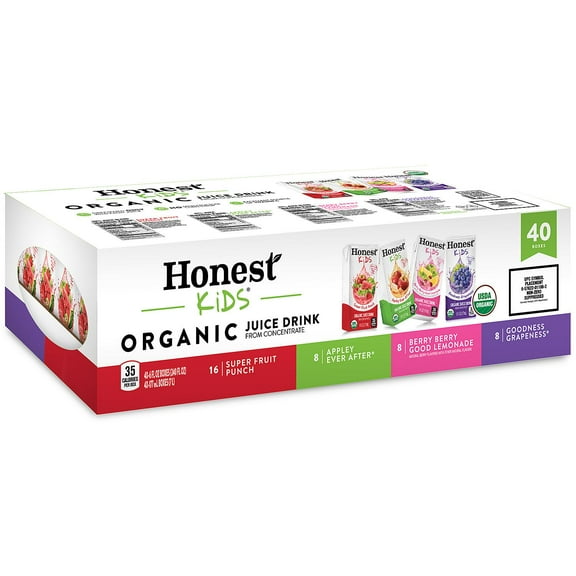
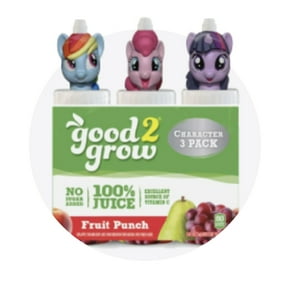
Juice boxes make sense when you want lunchbox convenience and easy portioning for kids. You can also keep multipacks ready for road trips, practices, and quick weekday packing.
Cans and pouches can help you handle single servings with less measuring or pouring. You may like those formats when your household wants grab-and-go convenience without opening a large bottle.
How juice fits everyday meals and seasonal occasions
You can use juice in more ways than a morning glass, which makes this category easy to plan around. You may pour it at breakfast, blend it into smoothies, or chill it for warm-weather gatherings.
During busy school weeks, you can pair juice boxes with packed lunches and snack breaks. You can keep bottled options in the fridge when your family prefers larger shared servings.
For brunch or weekend hosting, you may choose fruit juice and vegetable juice for mixing and meal pairings. You can serve citrus flavors with breakfast foods and savory blends with lunch spreads.
In summer, you might reach for cold pressed juice or lighter juice drinks for chilled refreshment. You can also freeze some varieties into ice pops or mix them into mocktails.
When you cook, you can use juice in marinades, glazes, smoothies, and frozen treats. You may find cranberry, apple, and orange options especially useful for sweet-tart flavor in recipes.
Juice questions shoppers often compare
You may wonder how 100% juice differs from juice drinks when you read similar-looking labels. You should check the front panel and ingredient list to understand the blend style.
You may also compare refrigerated and shelf-stable choices before buying larger packs. You can make that call by checking storage instructions, package size, and how quickly your household finishes each container.
If you shop for kids, you should focus on package format and serving convenience first. You can narrow options quickly by comparing juice boxes, pouches, and resealable bottles.
When you want a confident category choice, you should compare type, ingredient base, processing, and package together. You can find a juice format that fits your meals, storage, and daily pace.