

Kitchen Appliances


Shop by category








Trending appliances




Shop major appliances



All your kitchen needs




Standout kitchen brands

FAQ
About Kitchen Appliances - Walmart.com
Tips for Choosing Small Kitchen Appliances
Having the right kitchen appliances on hand is crucial for enjoying your time in the kitchen, whether you’re an experienced cook or just starting out. At Walmart, you’ll find a wide variety of kitchen appliances at Every Day Low Prices, which means more room in the budget to better equip your kitchen. We offer options in a range of finishes to coordinate with your kitchen’s decor and style while adding convenience and faster prep time to your mealtimes.
Microwaves
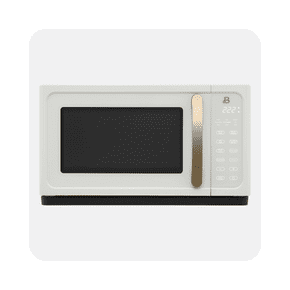
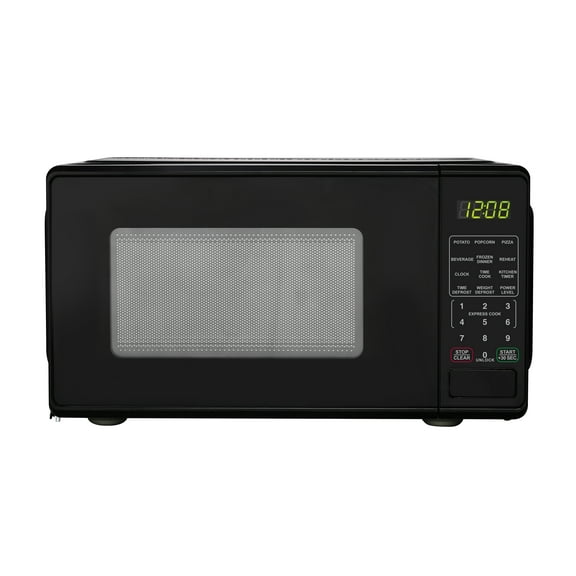
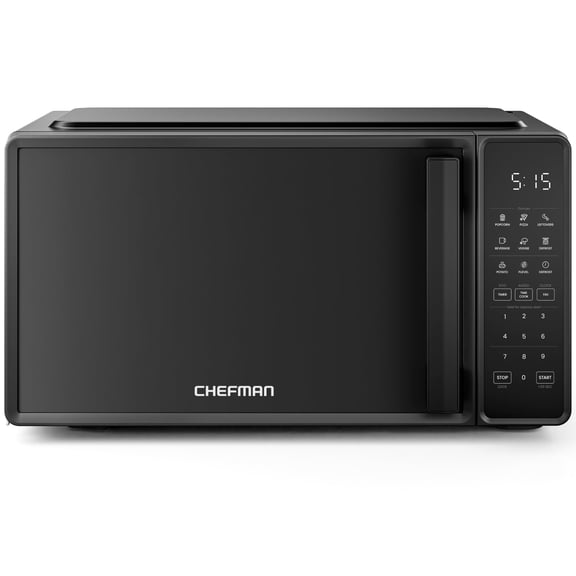
Microwaves provide fast cooking, steaming and reheating, which makes them an ideal addition to the kitchen, especially if you have a busy schedule. Built-in models save counter space by installing into the cabinets or wall. They can also cost more but deliver higher power for fast cooking. Countertop models are easy to move, and they’re available in a variety of power ranges.
- Microwaves with higher watts deliver faster cooking and more power
- Commonly available finishes include stainless steel, black and white
- Look for microwaves with preprogrammed cooking cycles for easy cooking
Coffee and Espresso Makers
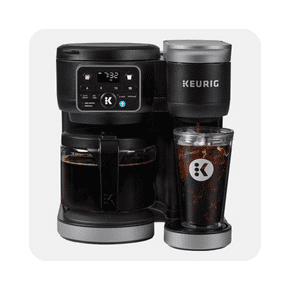
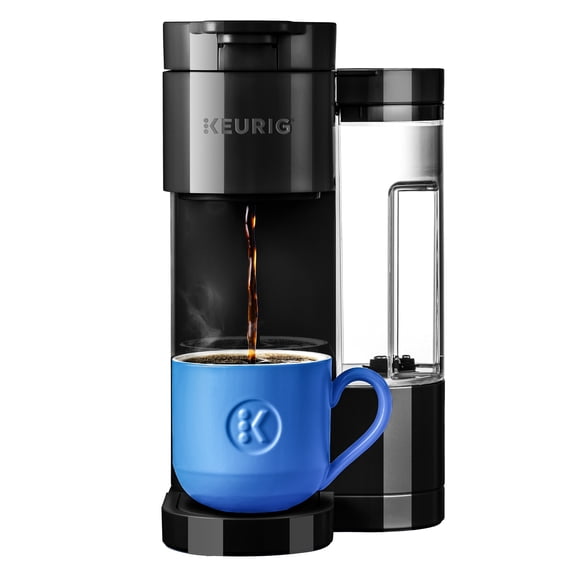
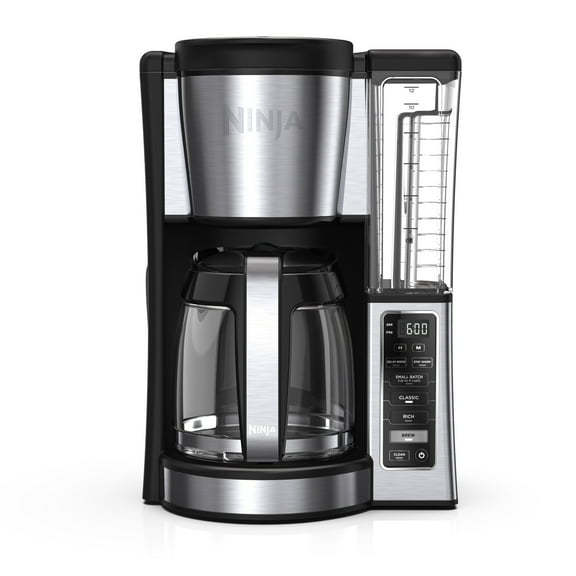
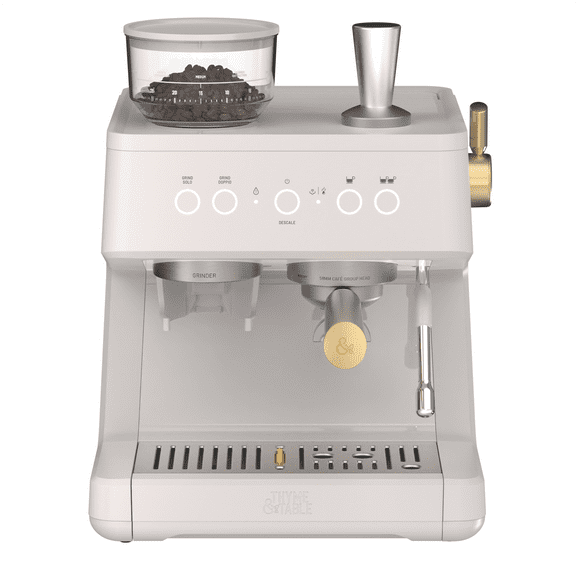
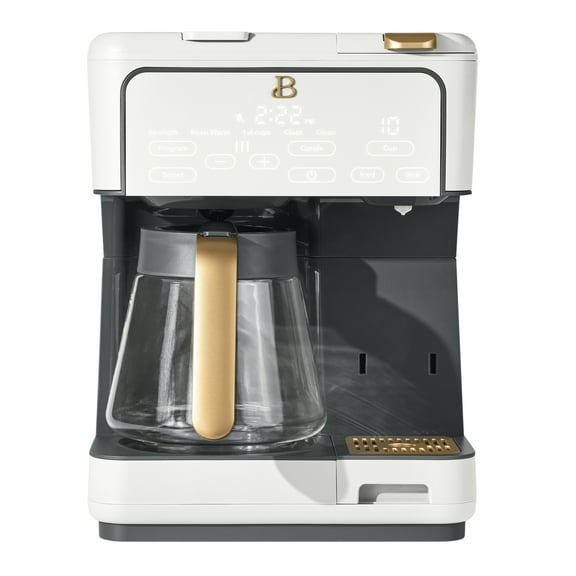
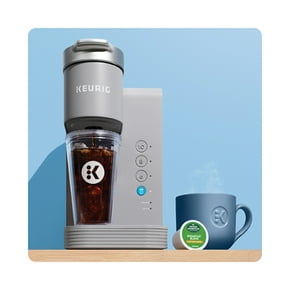
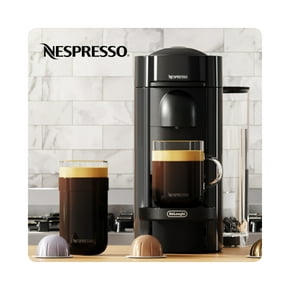
We carry everything from traditional full-pot brewing systems to single-serve and specialty brew makers that brew coffee, tea and unique coffee drinks. We also carry french presses for a low-tech, high-flavor option for coffee lovers wanting to try a new way to brew.
- Check pod compatibility for single-serve brewers
- Integrated grinders offer the freshest grind and brew experience
- Look for coffee makers with adjustable temperatures, integrated water filters and permanent filters for optimal versatility
- Helpful features include programming, automatic shut-off and pause-and-serve
slow cookers, Rice Cookers and Steamers
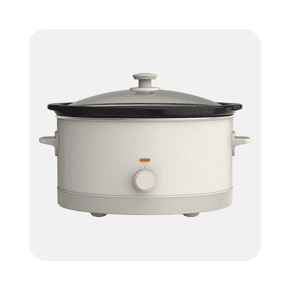
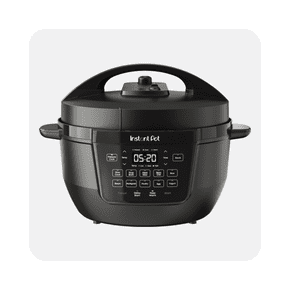
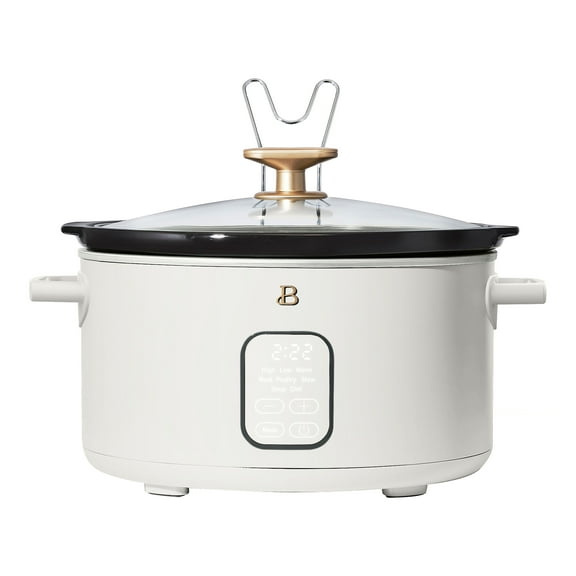
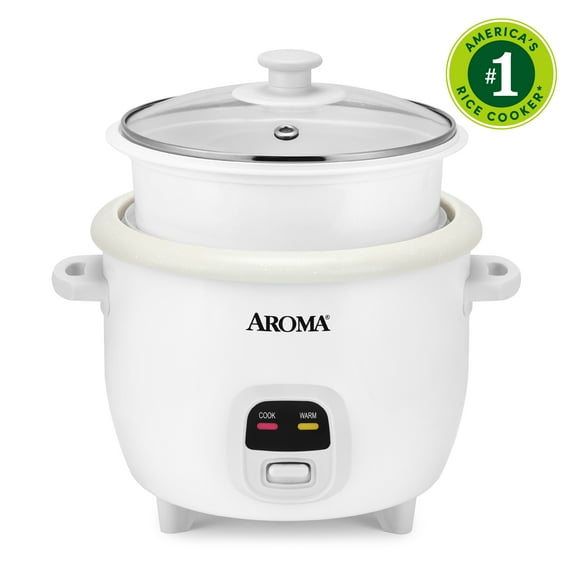
Slow cookers are a must-have for every busy household. Simply add your ingredients, set the time and temperature, and let the cooker do all the work while you’re at work or running errands. On the other end of the spectrum, pressure cookers deliver richly flavored meals in a fraction of the time it takes with traditional cooking methods. Rice cookers and steamers aren’t strictly necessary, but these kitchen appliances make easy work of cooking rice, whole grains and vegetables without having to stand over the stove.
- Choose from from 1 quart to 10+ quarts
- Removable, dishwasher-safe liners offer easy cleaning
- Look for added features such as reheating, programmable timers and the ability to switch from searing ingredients to slow or pressure cooking your food
blenders and Juicers
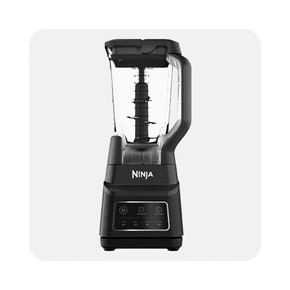
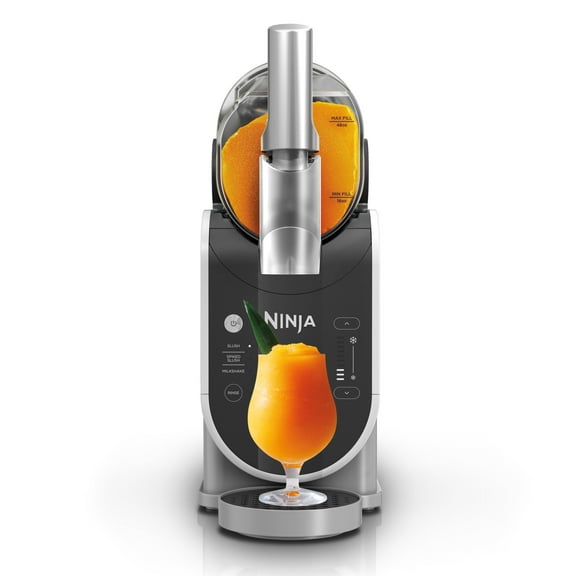
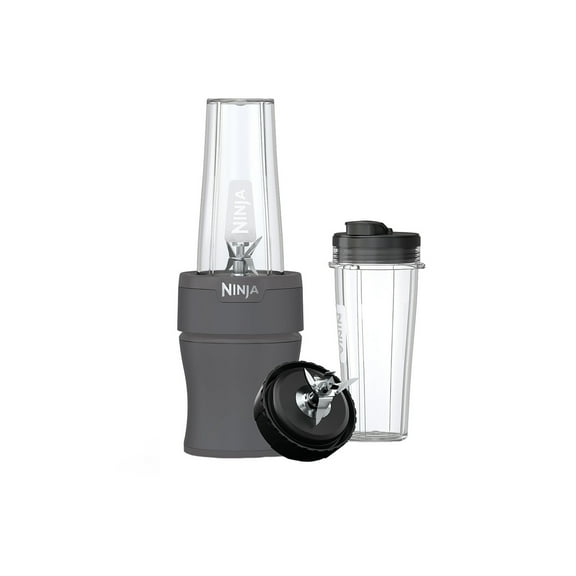
High-powered blenders often perform multiple functions, from pureeing and blending to chopping and smoothie making. Juicers aren’t essential kitchen appliances, but if you’re committed to a healthy lifestyle that includes freshly prepared juices, juice extractors deliver the performance you need.
- Blenders with higher wattage can handle blending frozen fruits, pulverizing ice and processing nuts
- Sizes range from 4 to 9 cups
- Look for BPA-free plastic or clear glass for safety and visibility
- Detachable bases offer the easiest cleaning options
toasters and Toaster Ovens
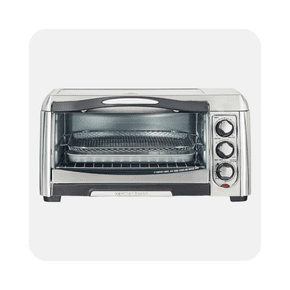
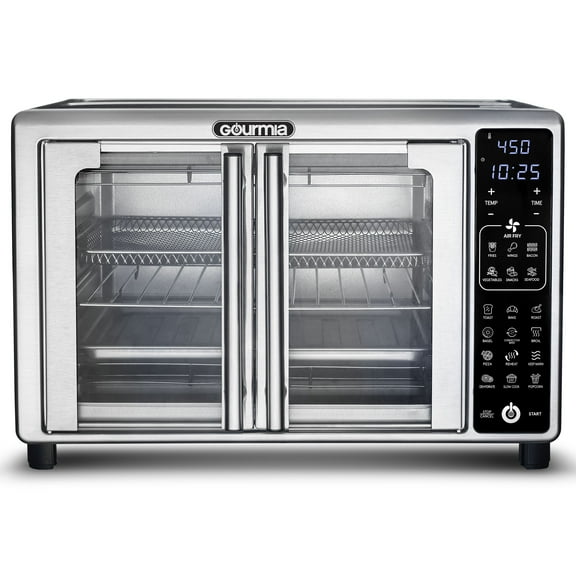
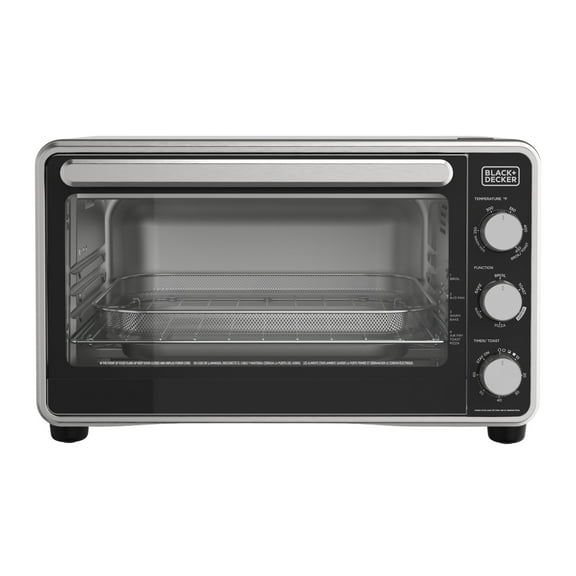
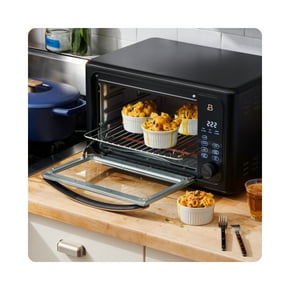
Traditional toasters take up less space, but they only provide a single function. Toaster ovens toast, bake and broil, eliminating the need to preheat your oven. Convection toasters offer even, fast toasting and cooking by circulating the air with a special fan. Look for models with four to six slots and extra-wide openings to fulfill family-sized toasting needs.
Mixers
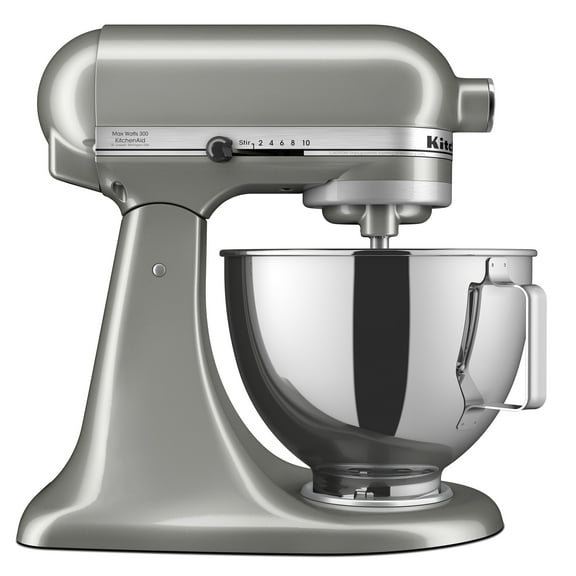
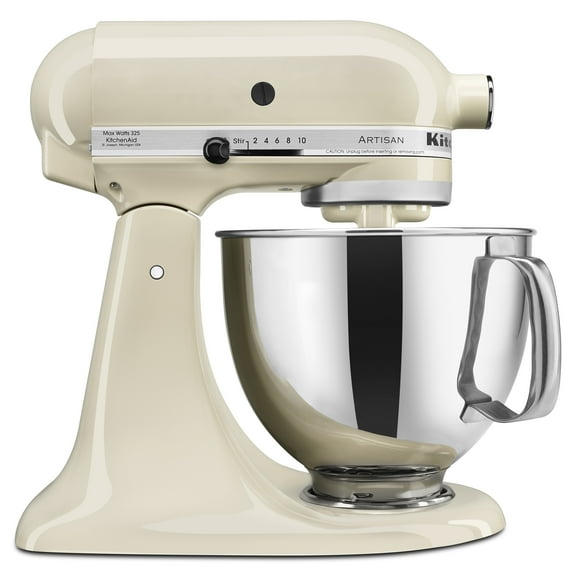
A must for anyone who enjoys baking, mixers do everything from beating eggs and blending batters to kneading dough and prepping ingredients.
- Hand mixers store neatly without taking up counter space
- Look for stand mixer attachments for making ice cream and pasta or slicing fruits and vegetables
- Planetary mixers move the bowl and beater; standard mixers only move the beaters
Food Prep and Processors
Save valuable prep time by letting your food processor do the heavy lifting. From spiralizers that create magical veggie "noodles" to high-powered processors that can grind meat and process nuts into nut butter, we carry a large selection of appliances to make food prep a breeze.
- Look for models with accessories such as grinders, slicers and chopping blades that let you handle multiple tasks
- Removable attachments allow easy cleaning
- Look for food processors with feed tubes that let you add ingredients while the appliance runs
Other Kitchen Appliances
Although not necessary, these appliances perform special functions that make life and certain recipes a little easier.
- Electric griddles cook everything from eggs to burgers without using your stovetop
- Ice cream makers let you churn your own sweet, frozen treats
- Deep fryers offer safety and less mess for making fries, chicken and other crispy favorites
Get More from Your Kitchen Appliances
- Look for kitchen appliance bundles that include multiple attachments or multiple appliances to save money on buying extras
- If you’re short on space, look for kitchen appliances that perform multiple functions; think blenders that can also perform the function of a juicer, food processor and coffee grinder, or mixers that chop, process and make ice cream.