

Lab Safety Equipment & Supplies | Walmart


































About Lab Safety Equipment & Supplies | Walmart - Walmart.com
You can compare lab safety options efficiently when you focus on compliance, protection level, and daily tasks. You can equip classrooms, research rooms, and industrial spaces with products built for splash control and organized response.
You may need eye protection, storage, signage, and spill tools in one order. You can use this guide to compare lab safety equipment with the standards and formats your workspace requires.
How to choose lab safety equipment
You should start with equipment type because each area needs a different layer of protection. You can compare PPE, spill control, signage, and chemical storage by matching them to your workflow.
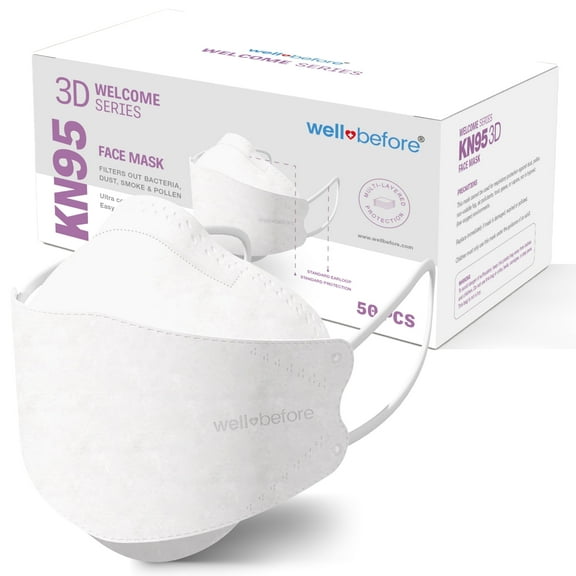
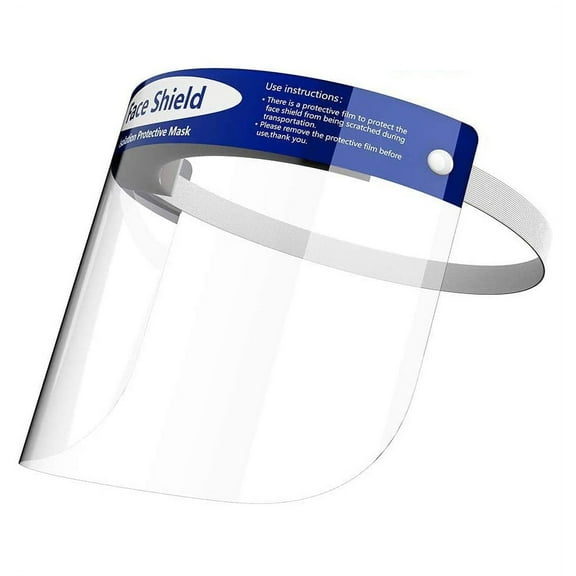
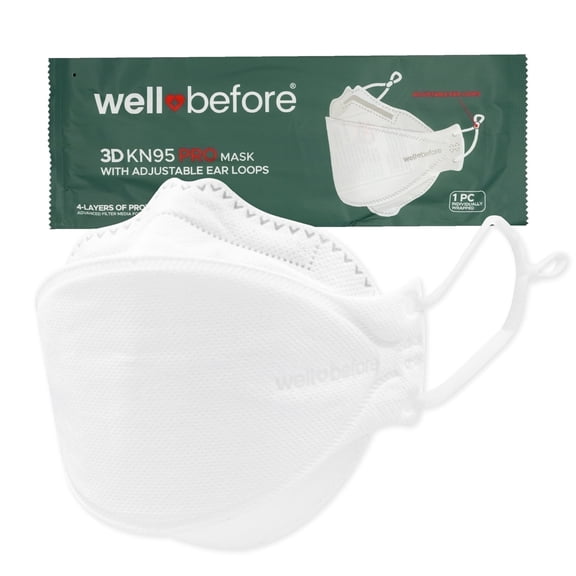
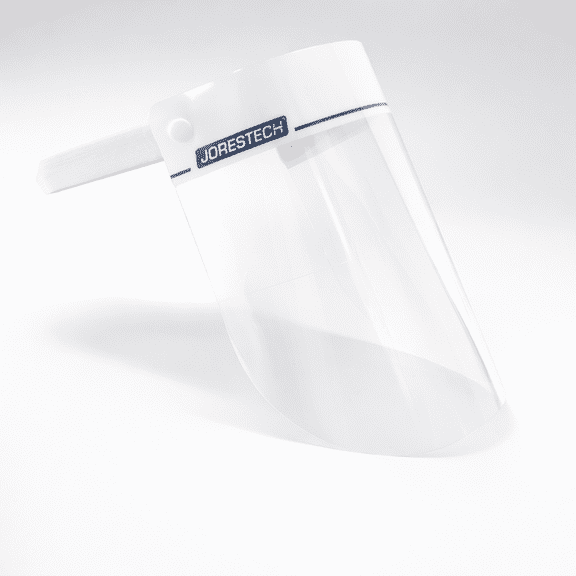
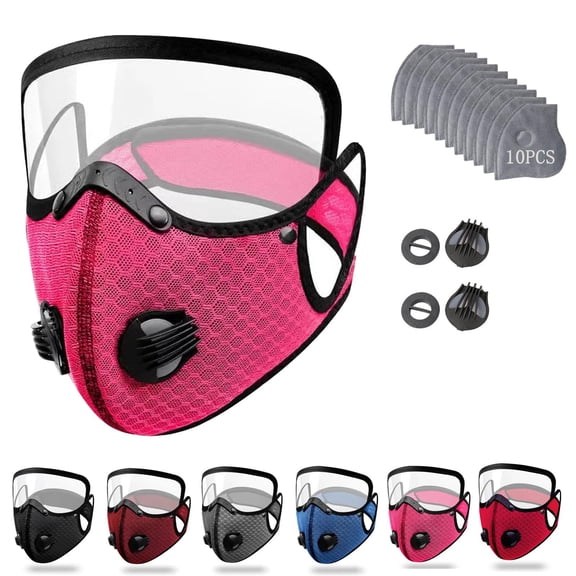
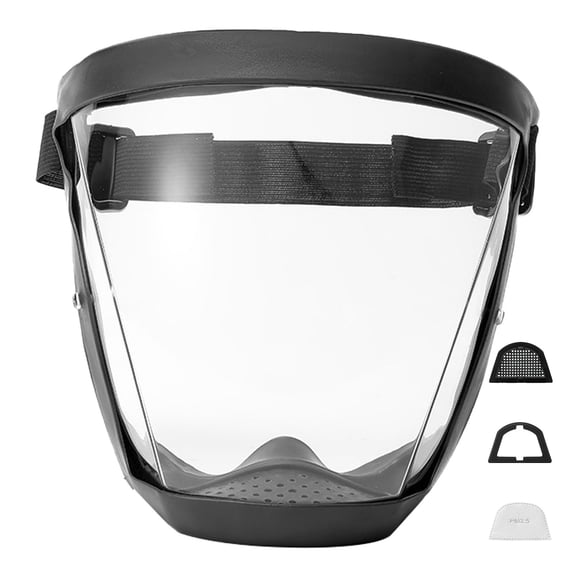
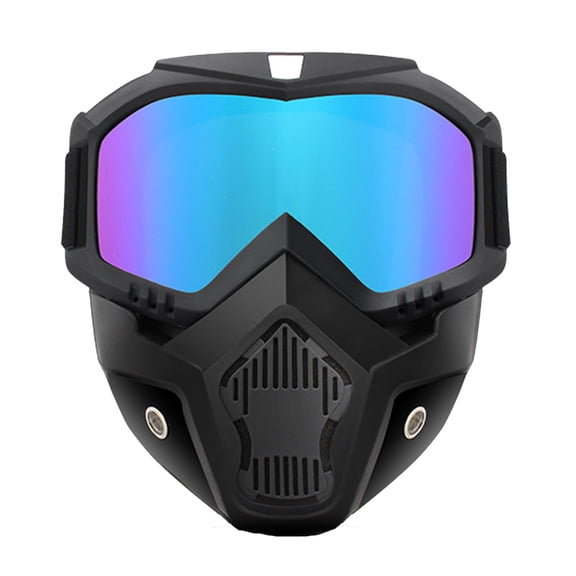
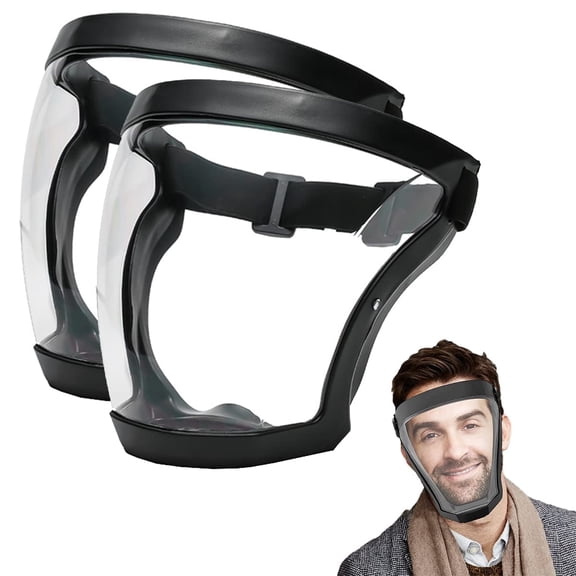
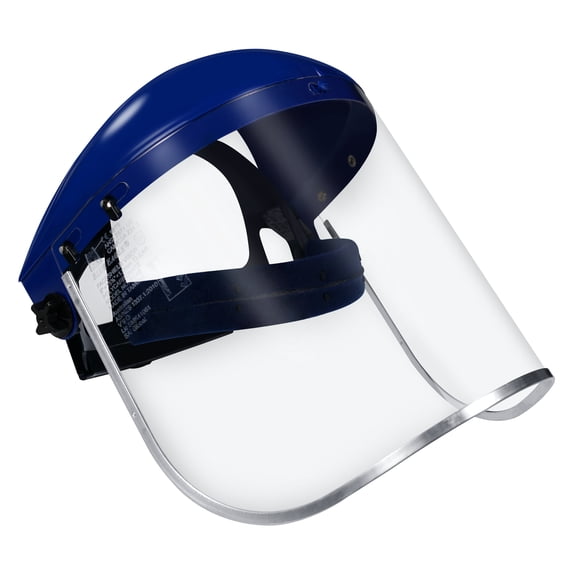
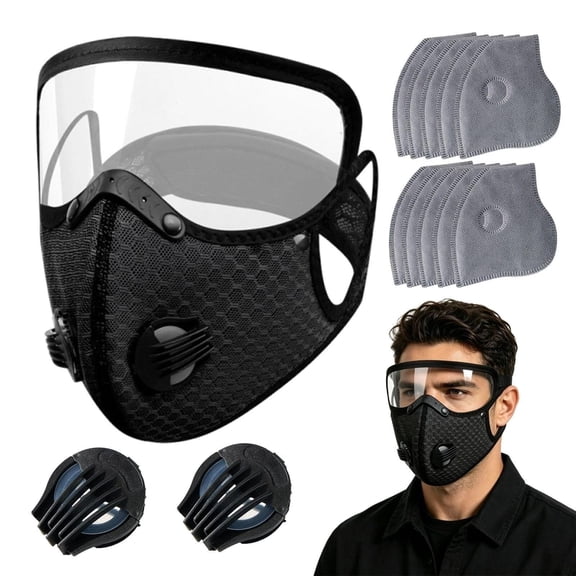
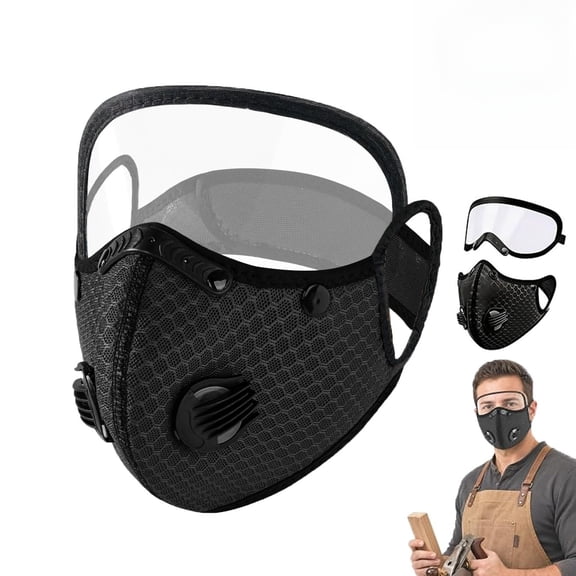
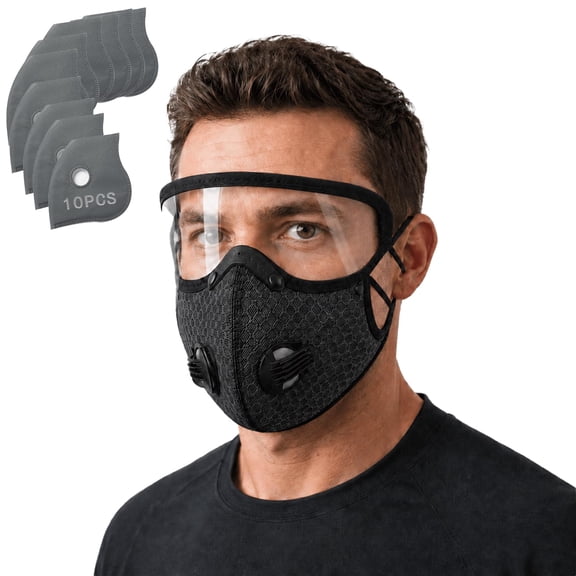
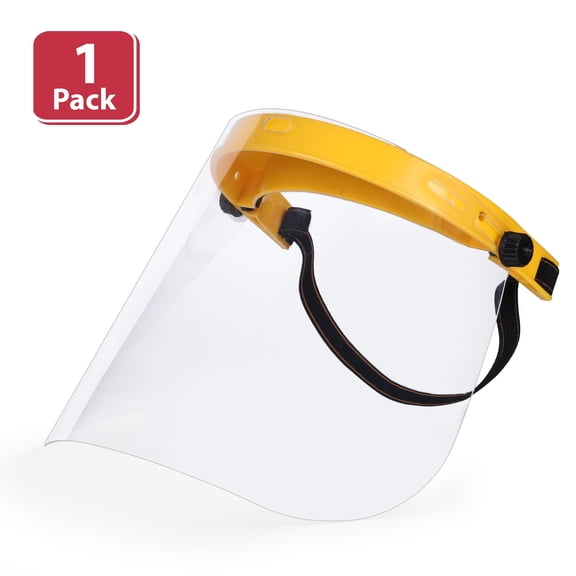
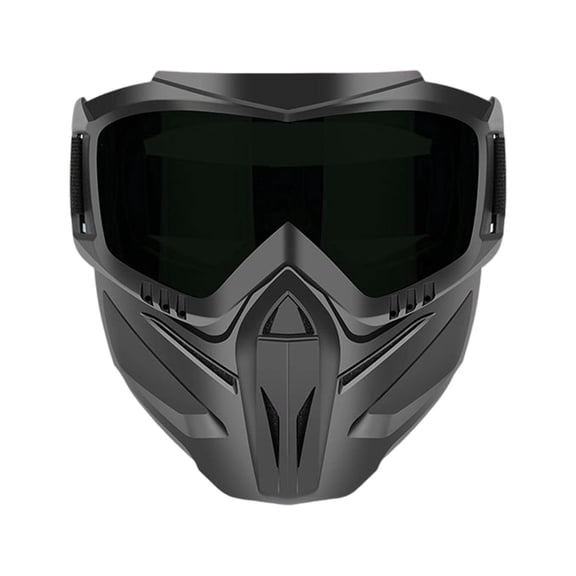
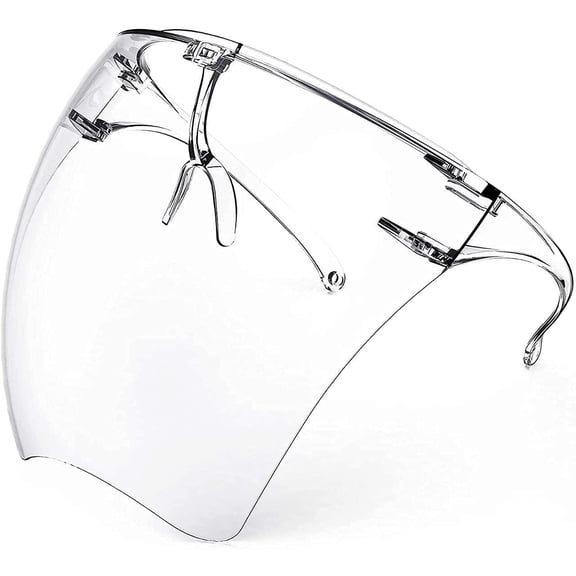
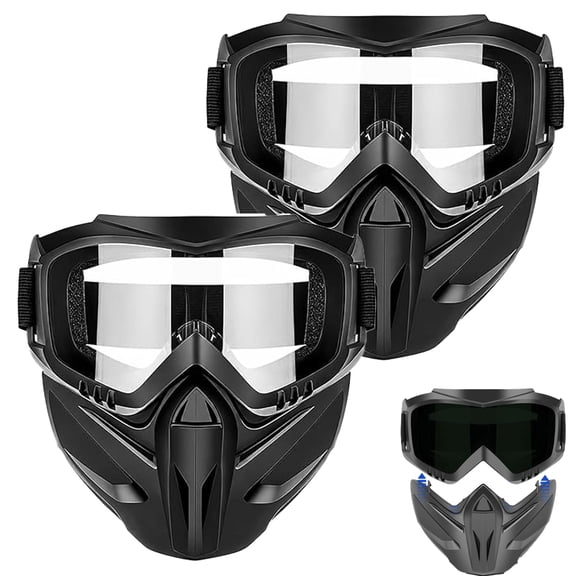
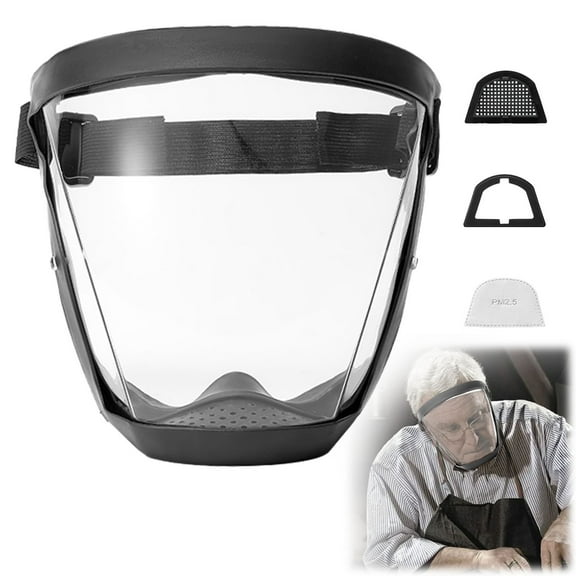
If you handle liquids, you may need safety goggles, face coverage, and absorbent response tools. If you manage cabinets and benches, you should check storage capacity, labeling visibility, and access points.
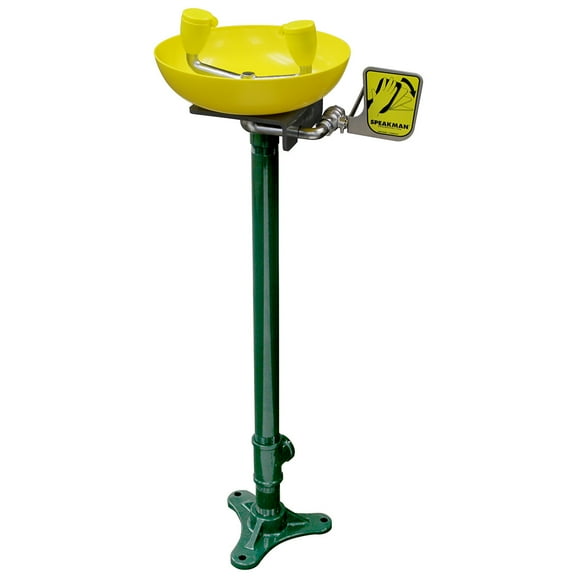
You can use lab PPE for routine handling, transfer tasks, and splash-prone procedures. You can rely on signage to mark eyewash stations, hazard zones, and required protective steps.
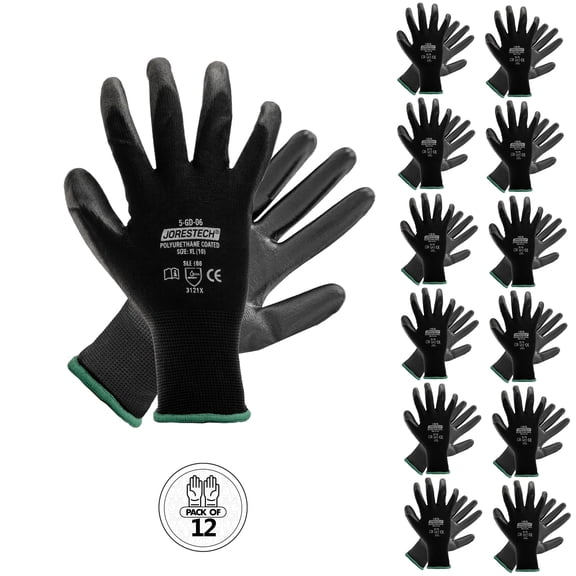
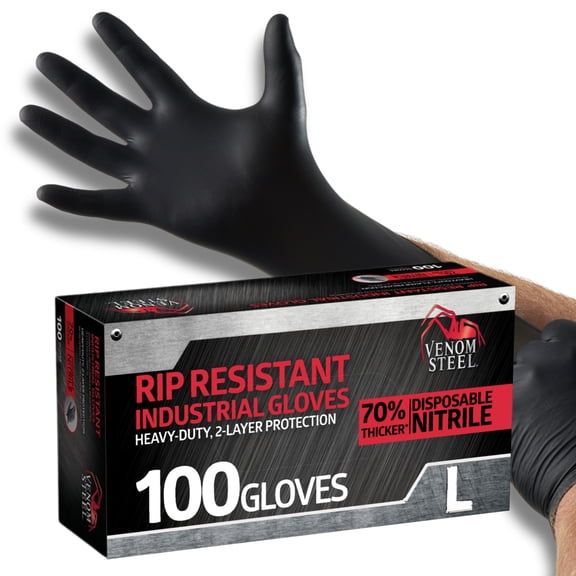
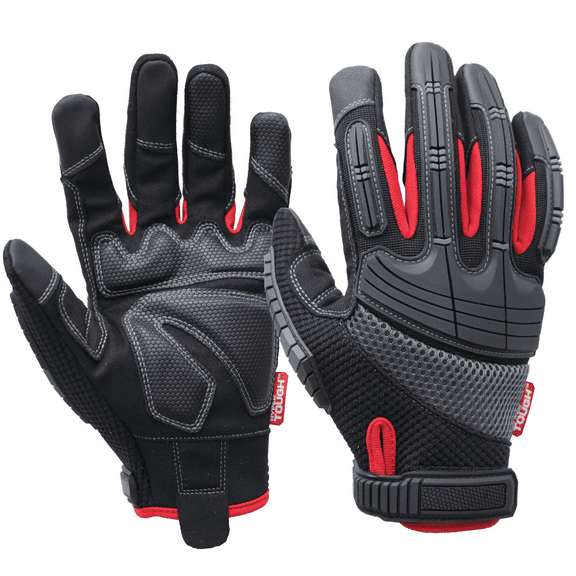
- You can choose lab PPE for eye, hand, and body coverage during daily lab tasks.
- You can select spill containment kits when your space needs efficient control of leaks and drips.
- You can use chemical storage options to separate contents and keep your workspace organized.
- You can add clear signage so your team follows entry, handling, and cleanup procedures.
Choosing protection levels for chemical safety gear
You should compare protection levels by the hazards in your process, not by appearance alone. You can narrow options by looking for chemical-resistant, heat-resistant, or impact-resistant designs.
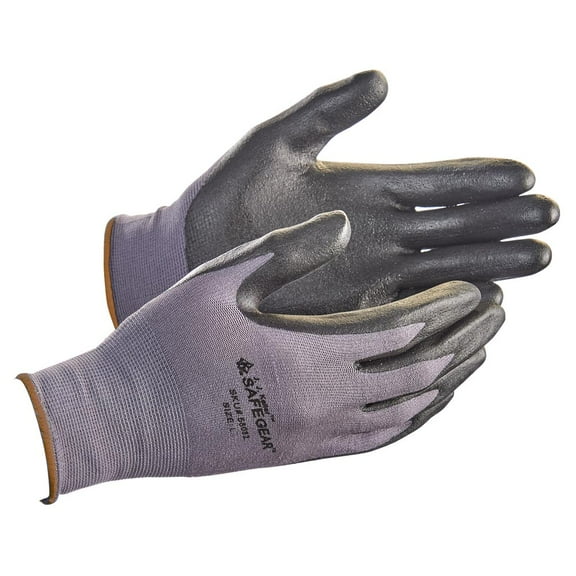
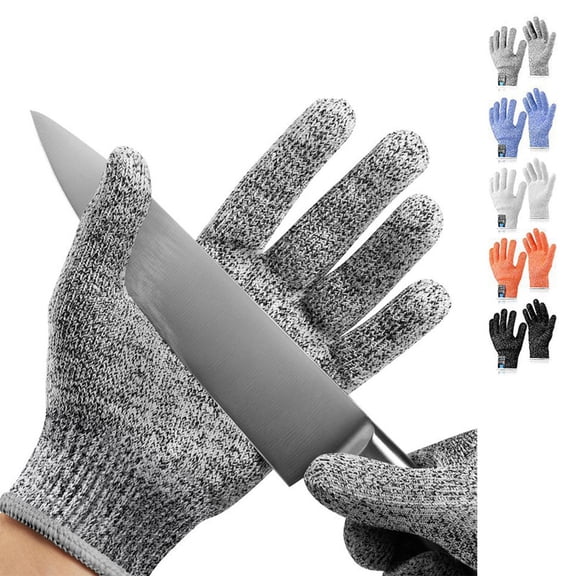
If you work with solvents or corrosives, you should check material resistance charts for gloves and aprons. You can match glove materials to the substances your team handles every day.
When you use burners, hot glassware, or heated plates, you may want heat-resistant coverage. When you handle flying fragments or pressurized transfers, you should consider impact-resistant eye protection.
You should also compare sizing and fit because loose PPE can interrupt movement and visibility. You can improve comfort and coverage by checking adjustable closures, cuff length, and face seal details.
What to look for in laboratory safety supplies
You should check compliance standards early because they guide many purchasing decisions. You can look for OSHA compliant products and ANSI certified eye protection when your lab requires documented standards.
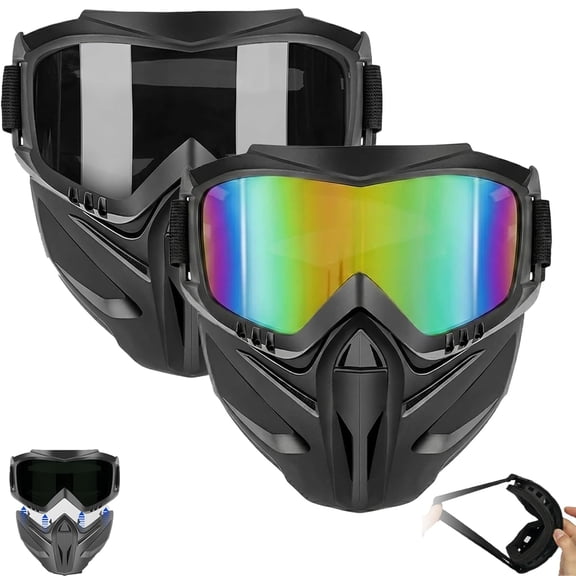
If you’re choosing safety goggles, you should review ANSI Z87.1 details for splash and impact applications. You can use that standard to compare eye protection for chemistry benches and teaching labs.
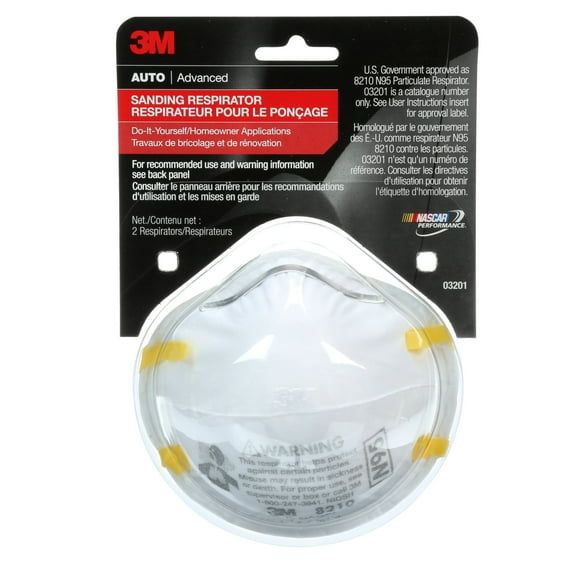
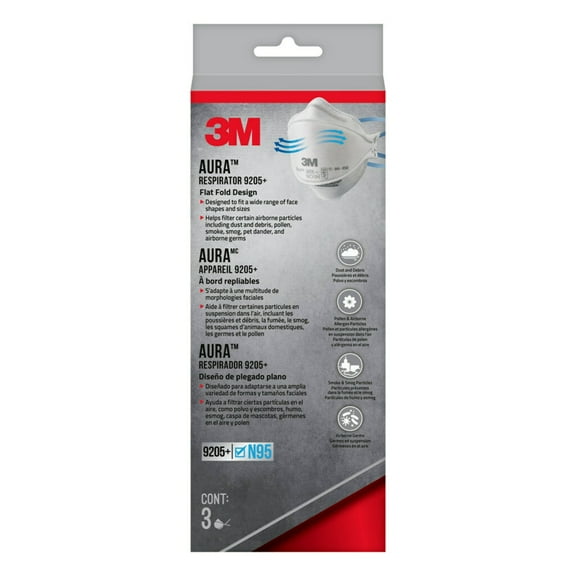
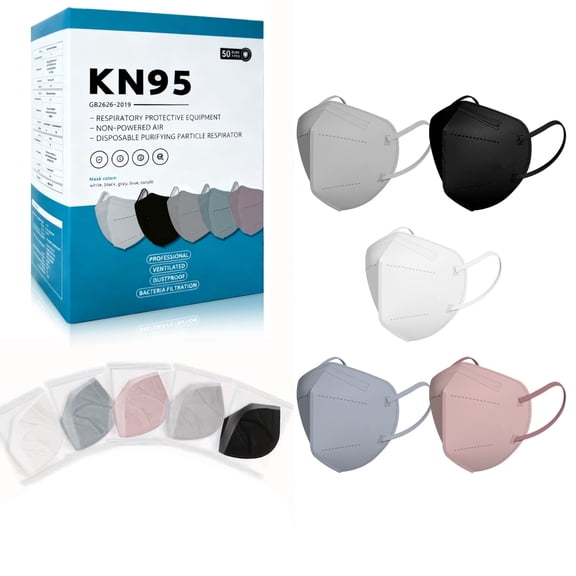
You may also see NIOSH approved respiratory items within broader laboratory safety supplies assortments. You should confirm that each standard matches your task, environment, and internal purchasing requirements.
Beyond standards, you should compare closure types, material thickness, and container format. You can also check shelf life and storage instructions for eyewash solutions, neutralizers, and refill components.
Matching lab safety to your setting
You should match your selection to the space where you use it. You can choose different combinations for a chemistry lab, biological research area, classroom safety station, or industrial facility.
In a chemistry lab, you may need splash protection, chemical storage, and spill containment kits near workstations. You can create an organized setup by separating acids, bases, and daily-use PPE.
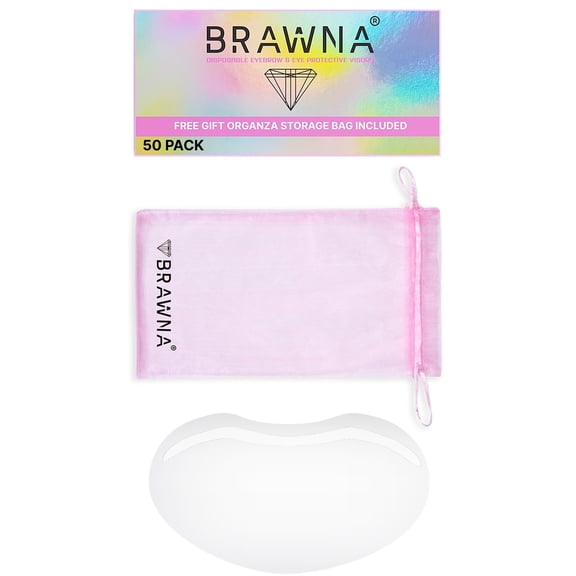
For biological research, you should consider disposable barriers, eye protection, and marked waste zones. You can support efficient workflows with signage that guides entry procedures and bench practices.
In classroom settings, you may want simple sizing, visible labels, and easy-to-identify safety stations. You can help students and staff follow directions with clear icons and straightforward storage layouts.
For an industrial facility, you should compare larger refill formats, cabinet capacity, and multi-user PPE stocking needs. You can support busy operations with durable dispensers, posted instructions, and accessible response kits.
Making an informed lab safety decision
You can make an informed choice when you compare standards, compatibility, fit, and storage needs together. You can be ready to support safer daily routines with lab safety equipment that fits your workspace and tasks.