

Lamps Plus in Lighting & Light Fixtures









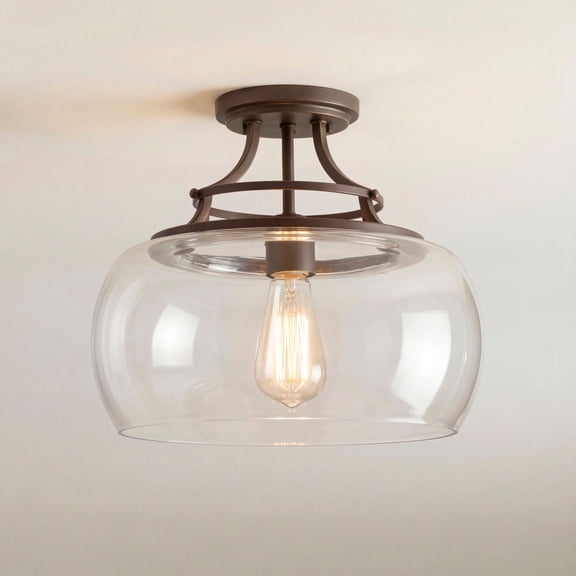
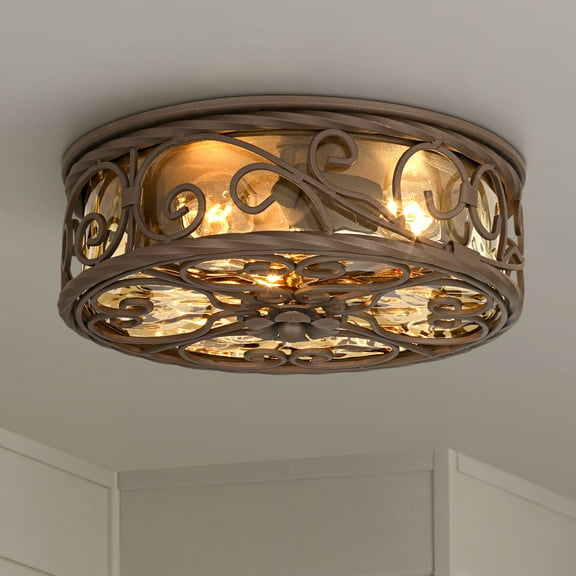






About Lamps Plus in Lighting & Light Fixtures - Walmart.com
Lamps Plus helps you compare stylish lighting choices at Walmart for living rooms, bedrooms, offices, and entryways. You can narrow your search by lamp type, finish, bulb fit, and scale, so your room feels pulled together.
How to choose Lamps Plus lighting for your room
When you shop Lamps Plus lighting, you’ll want to start with where your lamp will sit and how you’ll use it. You can compare table lamps, floor lamps, desk lamps, and accent lamps based on placement and daily tasks.
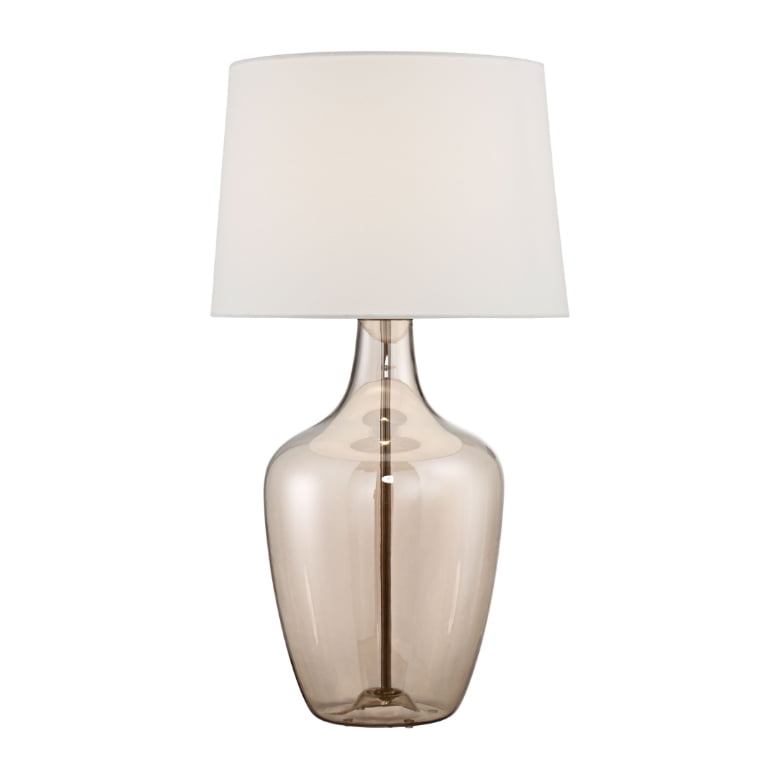
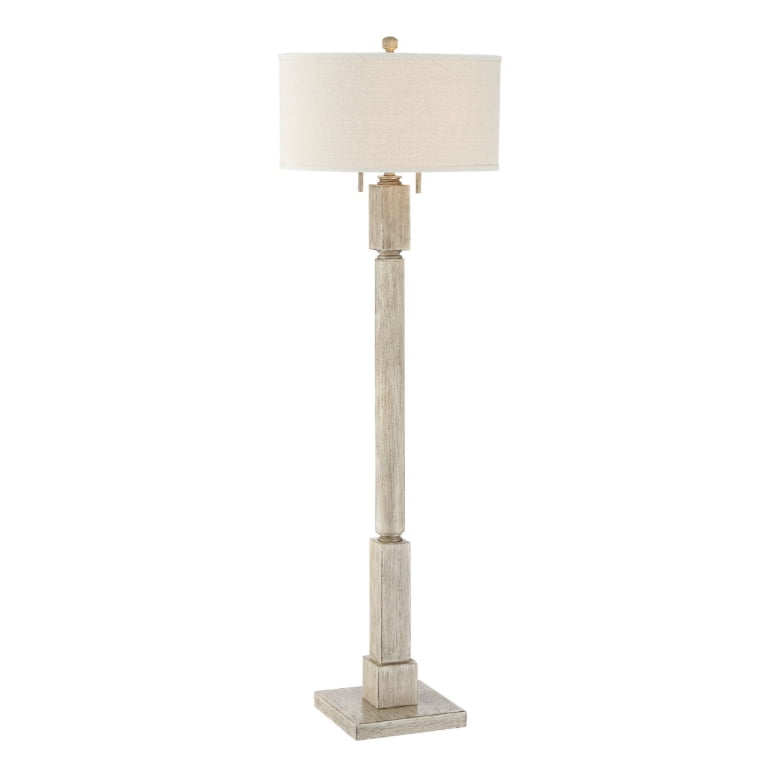
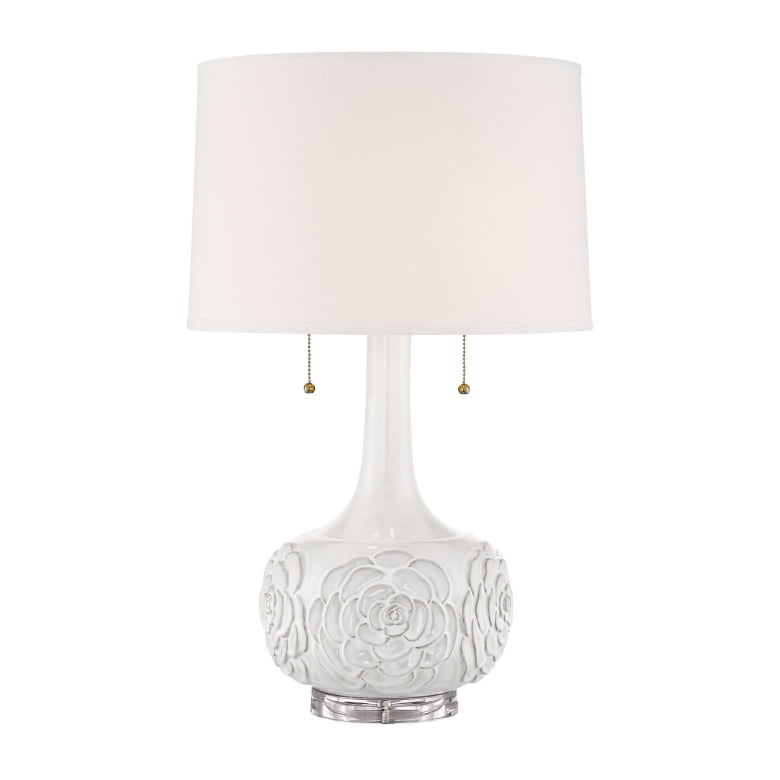
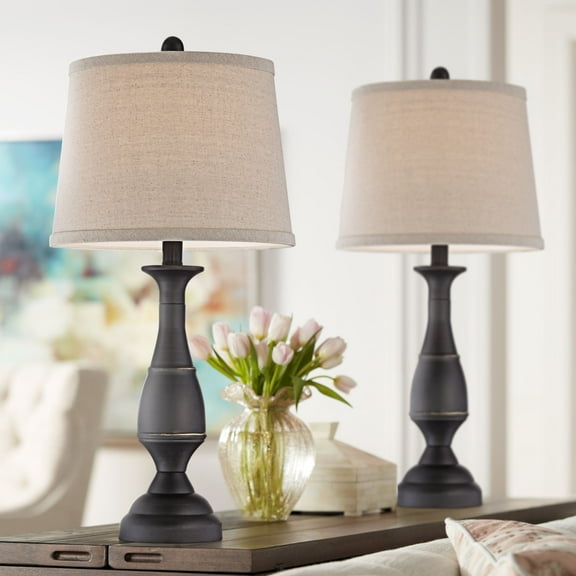
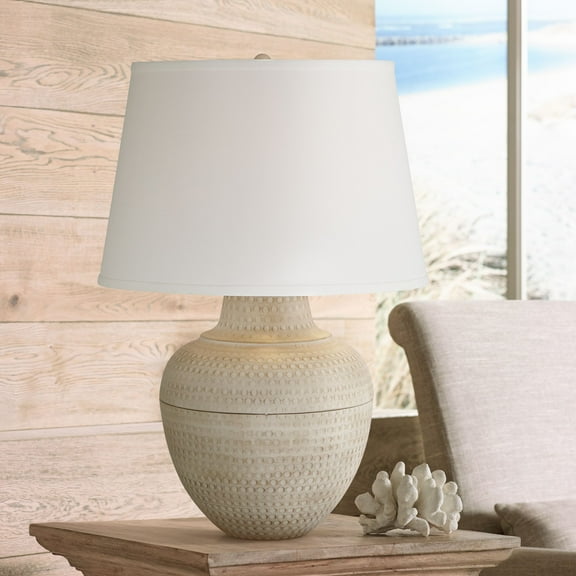
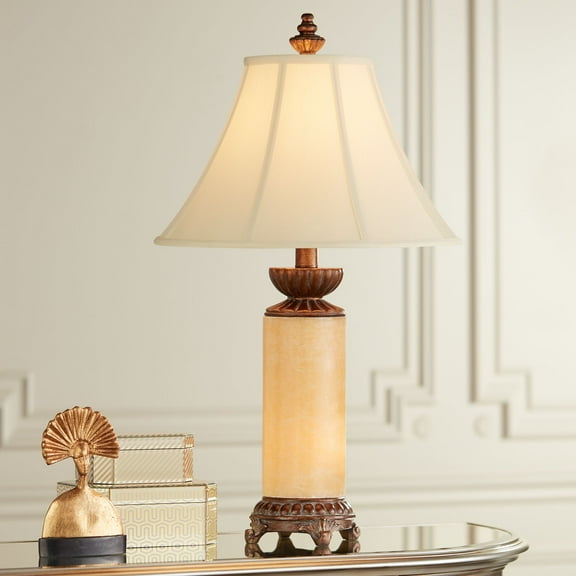
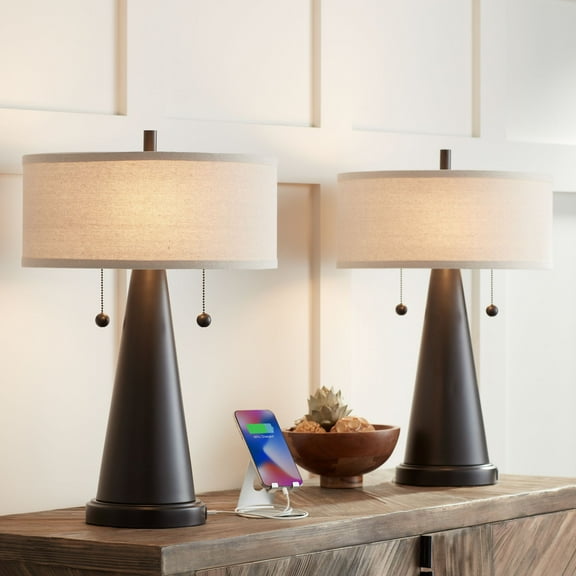
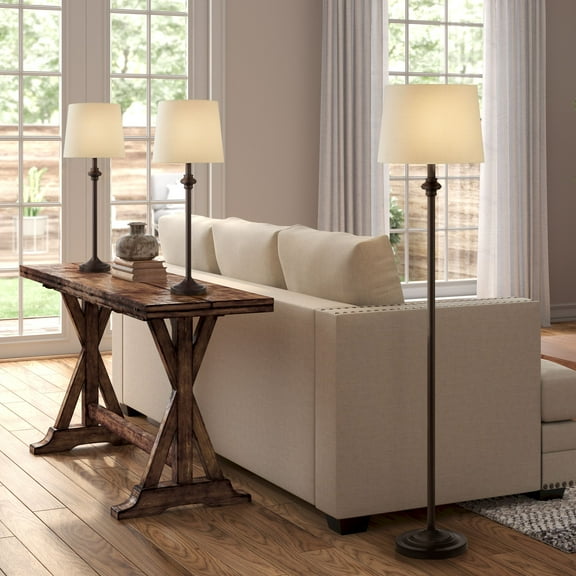
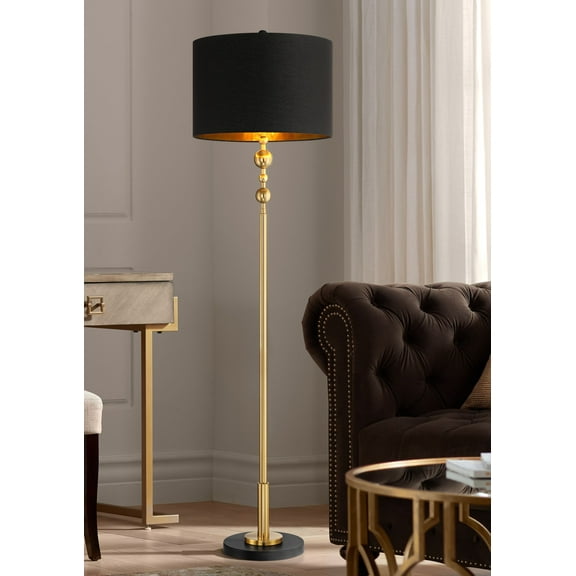
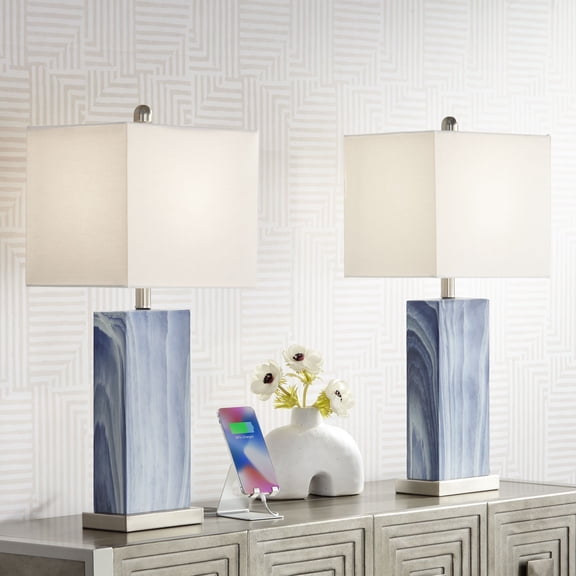
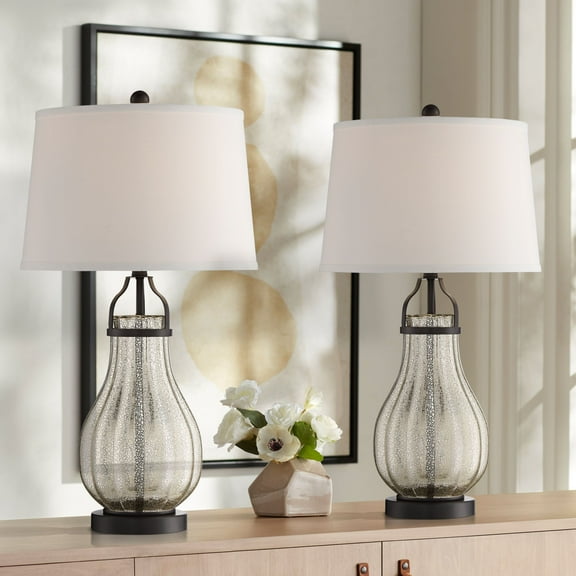
Table lamps work well when you need light beside a sofa, bed, or console. Floor lamps help you add height, fill an empty corner, and bring light closer to seating.
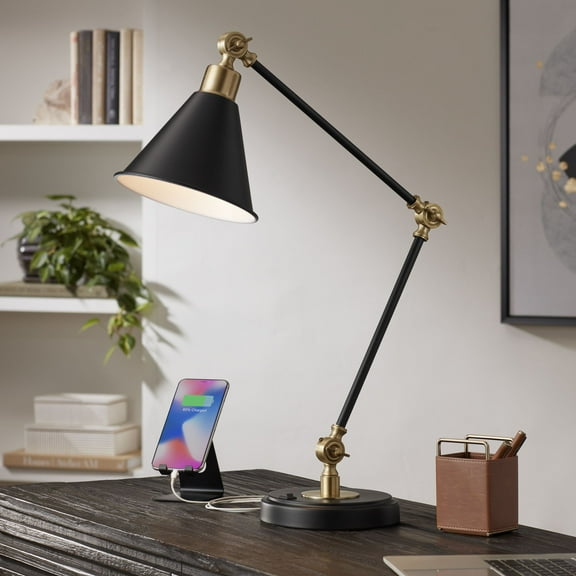
Desk lamps make focused lighting easier when you read, write, or work at a computer. Accent lamps help you soften a shelf, side table, or hallway with a smaller decorative touch.
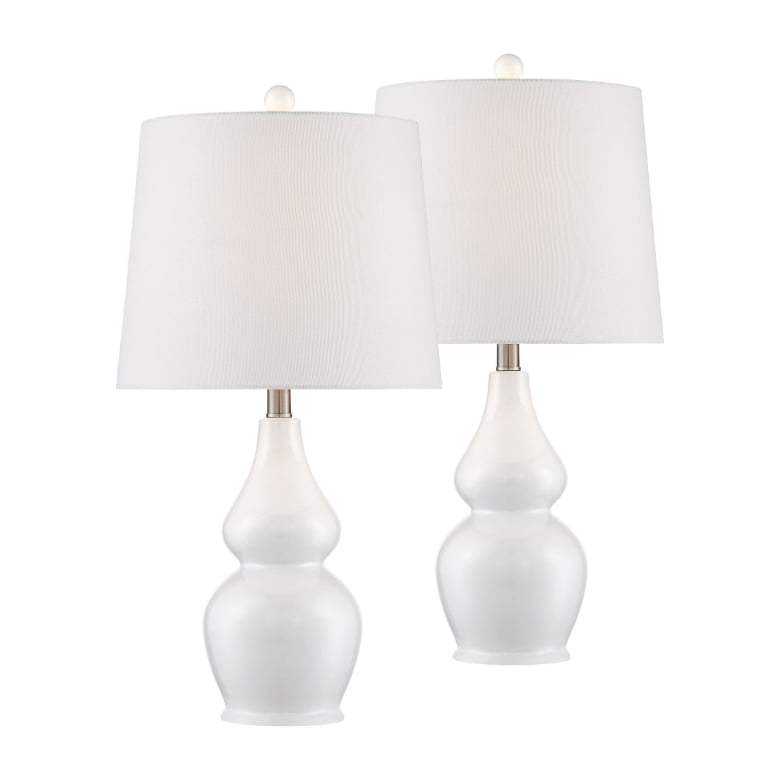
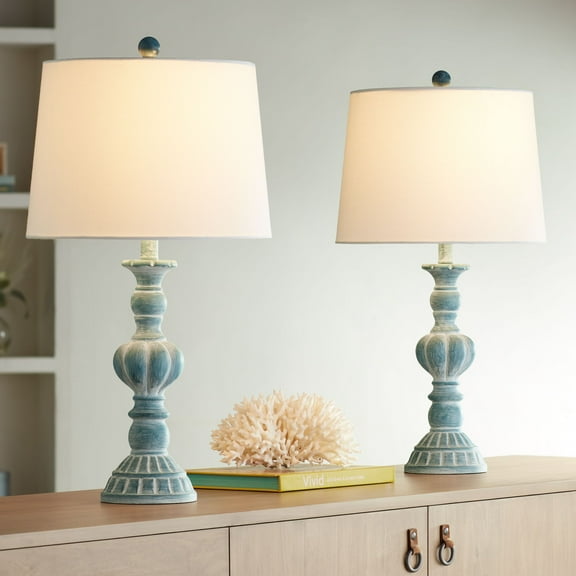
- You can use table lamps to frame a bed, balance a living room, or add light on end tables.
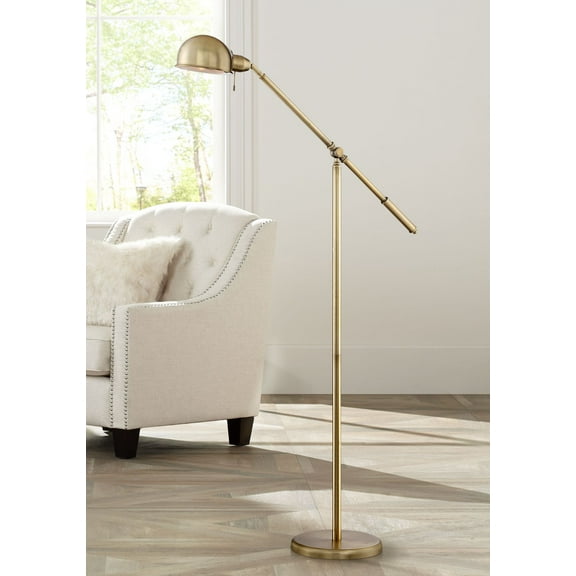
- You can use floor lamps when your room needs vertical presence without taking up table space.
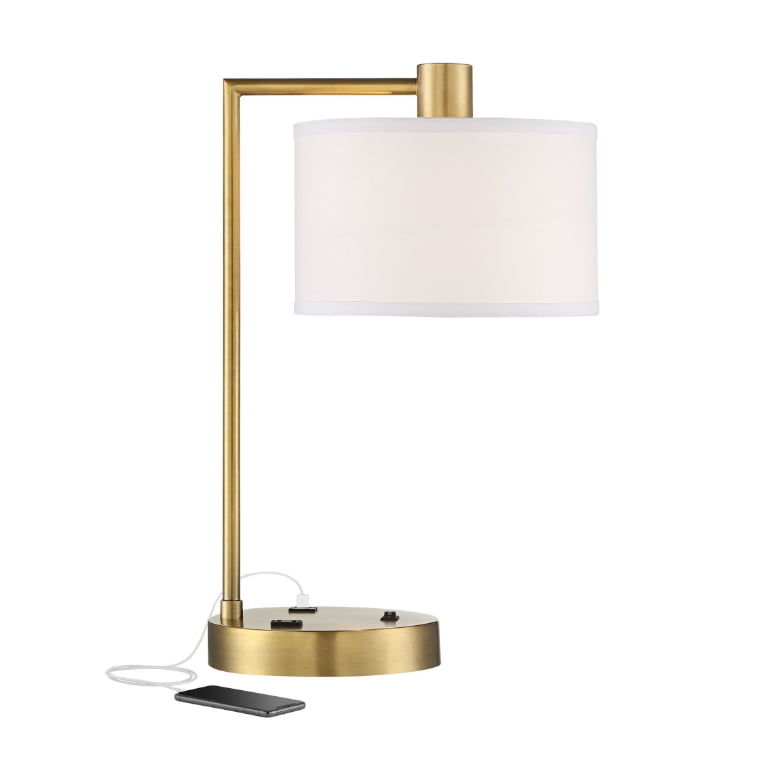
- You can use desk lamps when your workspace needs directed light and a compact footprint.
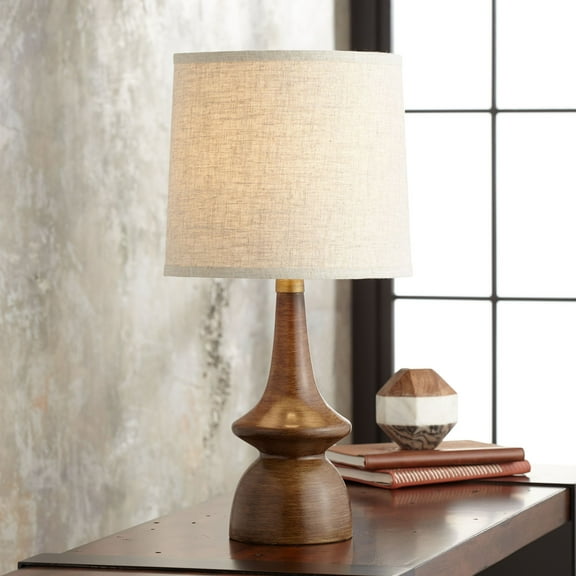
- You can use accent lamps when you want a softer glow in smaller areas.
Choosing style, finish, and shade details
You should compare style first, because your lamp needs to match the furniture lines already in your space. You can look for modern, traditional, transitional, industrial, or mid-century shapes to guide your choice.
Modern designs usually give you clean lines and simple silhouettes for updated rooms. Transitional styles help you bridge older furniture with newer accents in one coordinated space.
Traditional options often pair well with carved wood, classic bedding, and layered decor. Industrial looks often feature metal details and exposed structure, while mid-century shapes bring tapered forms and sculptural bases.
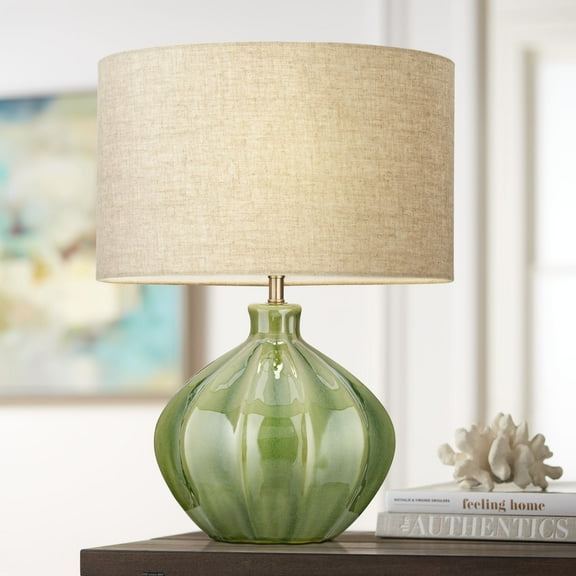
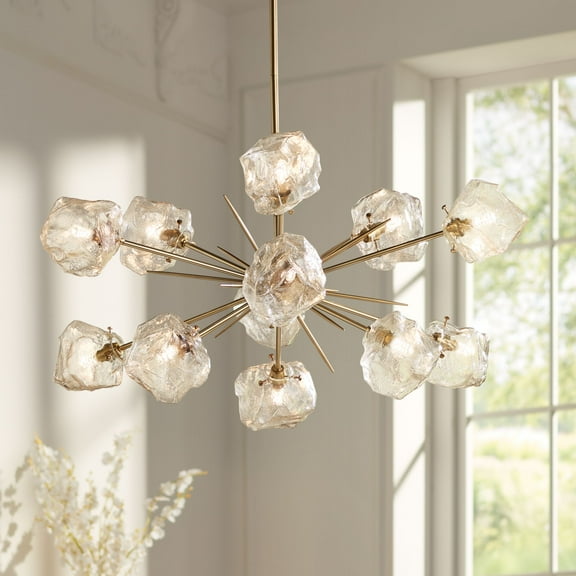
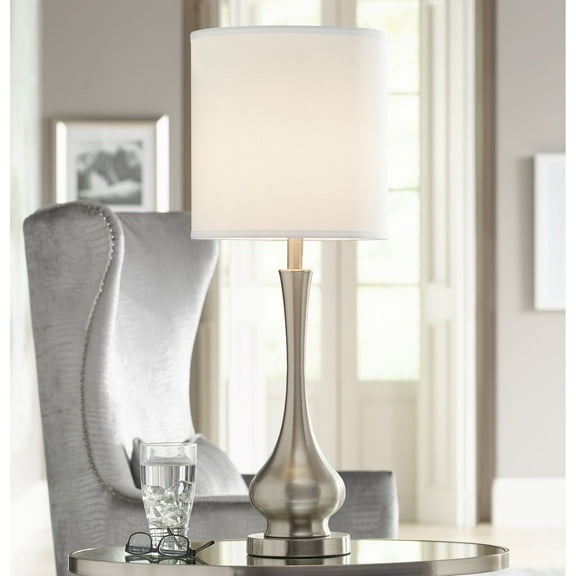
You can also compare brass, bronze, ceramic, glass, and brushed nickel finishes by how they reflect light. Glass and brushed nickel often look airy, while ceramic and bronze can add visual weight.
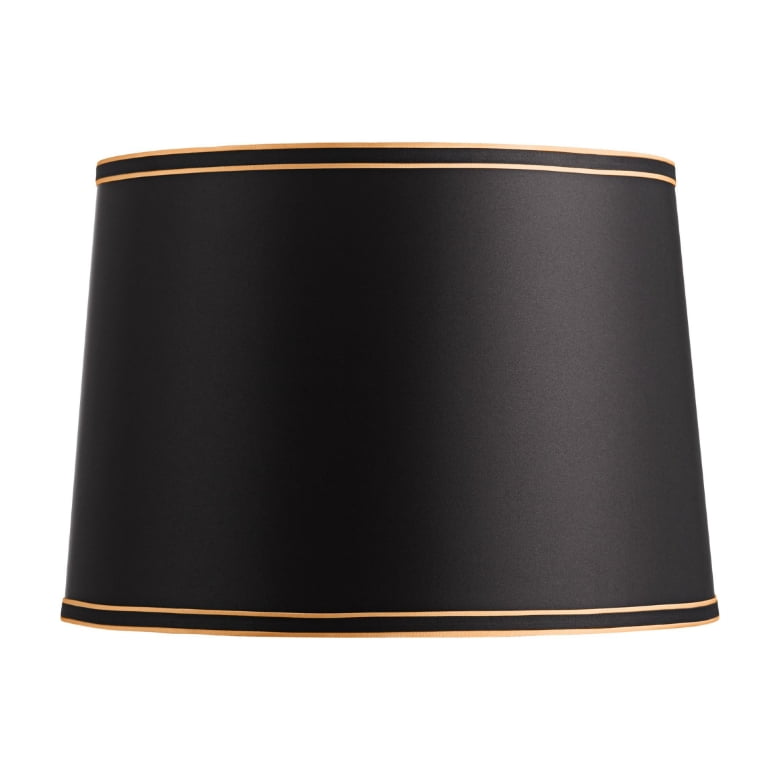
Shade shape matters because it changes how light spreads across your room and nearby surfaces. You’ll notice drum shades usually cast broader light, while tapered shades often focus light more downward.
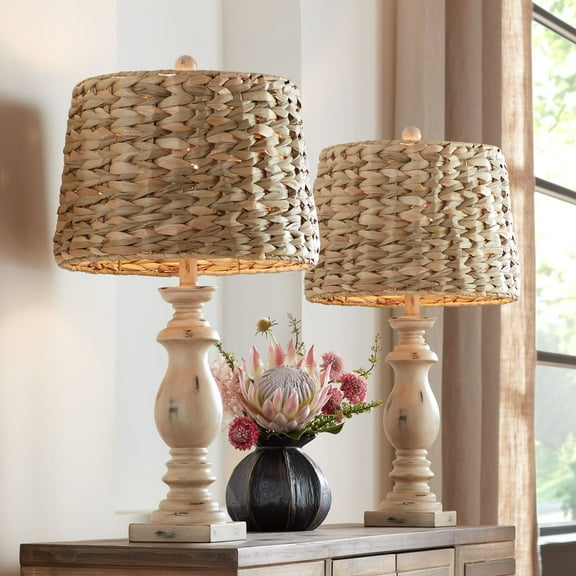
Shade material also affects the mood you create at night or during early mornings. Fabric shades usually diffuse light more softly, while harder materials can feel more directional and defined.
What to look for in Lamps Plus lamps features
When you compare Lamps Plus lamps, you should check bulb compatibility before you choose a design. You can avoid guesswork by looking at LED integrated, E26 medium base, 3-way bulb, and smart bulb compatible options.
LED integrated designs work well when you want a built-in lighting setup with a clean profile. E26 medium base sockets give you familiar bulb flexibility, which makes replacements simpler.
You should also check max wattage, because that number tells you the bulb range your lamp supports. You can match brightness needs more easily when you review socket type and wattage together.
A 3-way bulb setup helps you adjust brightness for reading, relaxing, or evening ambiance. Smart bulb compatibility helps you connect lighting to routines, voice control, or app-based schedules.
Switch type is another detail you should compare before narrowing your list. You may prefer a 3-way switch for more control, a rotary switch for quick use, or an inline cord switch for easier reach.
Height and scale matter just as much as socket details when you’re choosing living room lamps or bedside table lamps. You should measure your table height and seating height, so your shade sits comfortably in your line of sight.
Matching lamp types to real spaces
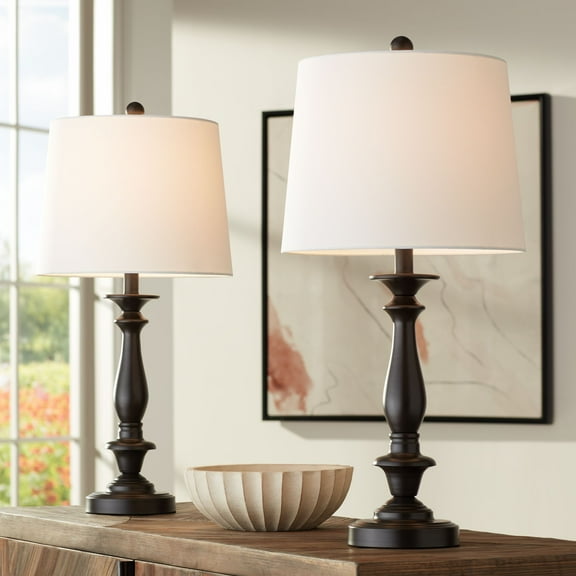
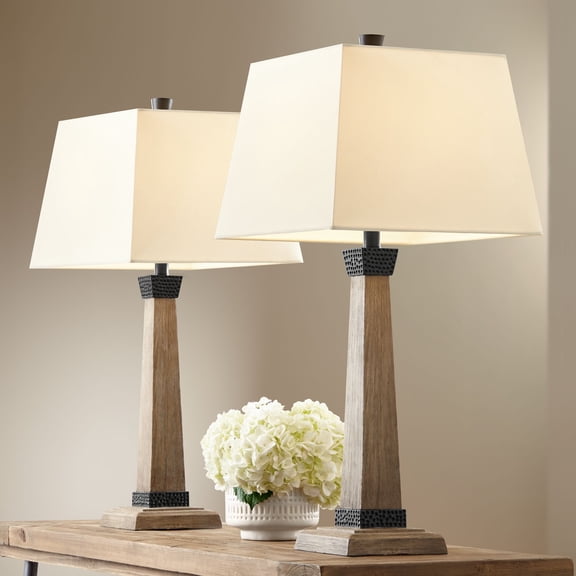
You can use a pair of bedside table lamps when you want balanced light on both sides of the bed. You should check overall height, shade width, and switch access, so nighttime use feels easy.
In a living room, you can pair a table lamp with a floor lamp to layer brightness across the space. You can get a more finished look when the finishes relate to your coffee table, hardware, or frames.
If your home office needs focused light, you can choose desk lamps with compact bases and directable shades. You should check bulb type and switch placement, so your desk stays clear and easy to use.
For entryways or consoles, you can choose accent lamps that add style without overwhelming narrow surfaces. You may want glass or brushed nickel when you want a lighter look in tighter spaces.
If you’re styling a reading corner, you can compare Lamps Plus floor lamps with taller profiles and accessible switches. You should measure the chair arm and side table first, so the light lands where you need it.
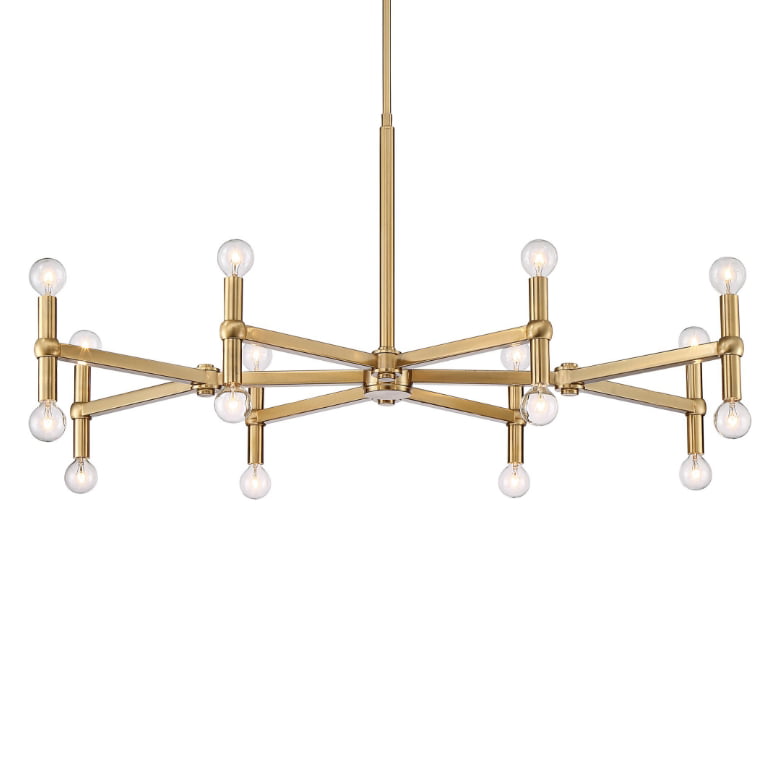
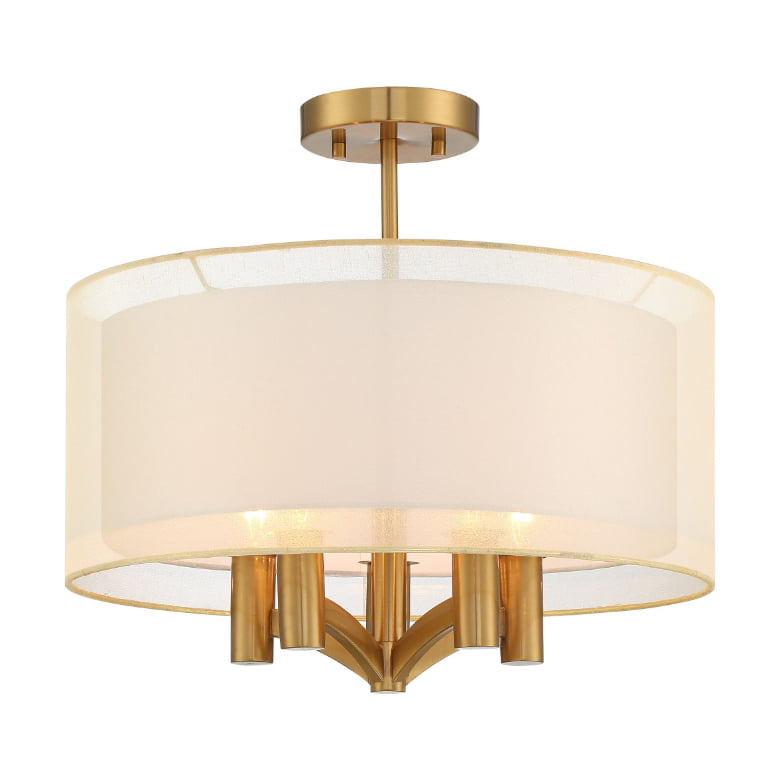
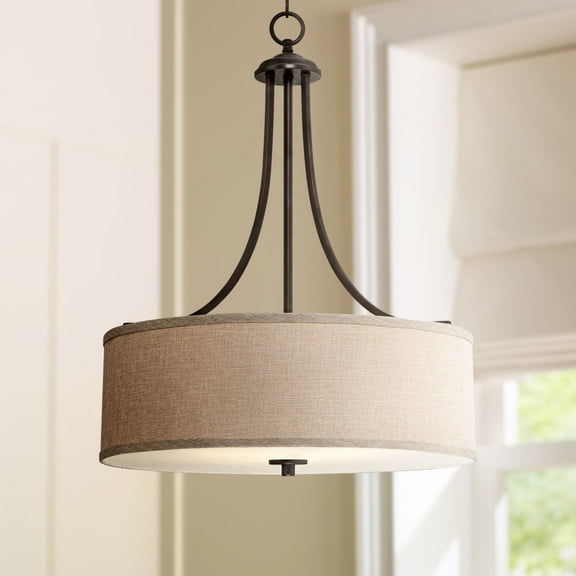
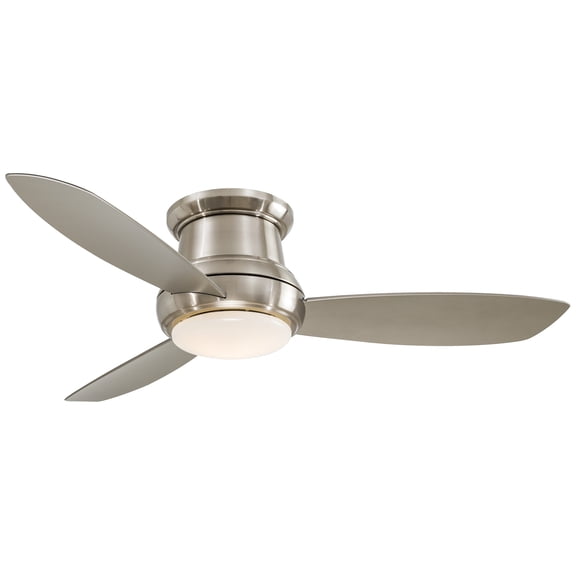
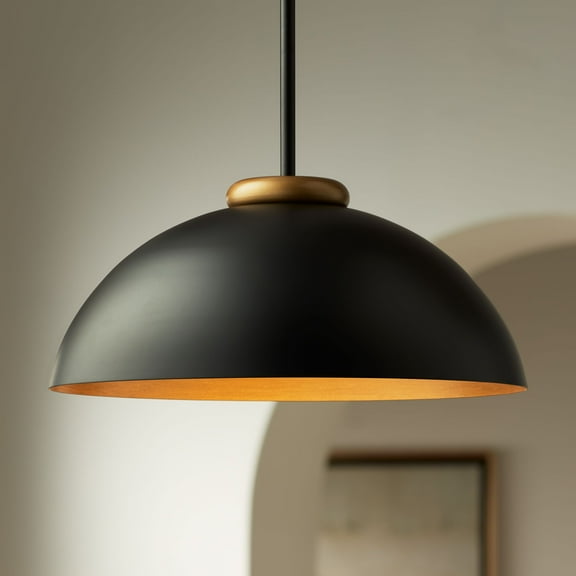
When you’re updating modern light fixtures and lamps in one room, you can keep the look cohesive through finish and shape. You can create stronger visual flow when your lamp style echoes nearby sconces, pendants, or ceiling lights.
Why this lighting guide helps you choose with confidence
You can shop with more clarity when you compare lamp type, style, finish, bulb fit, and switch details together. That approach helps you choose lighting that fits your furniture, supports your routine, and completes your room.