


Landscape Edging in Landscaping & Lawn Care
































About Landscape Edging in Landscaping & Lawn Care - Walmart.com
Landscape edging helps you create cleaner lines between grass, mulch, and planting beds. You can compare materials, heights, and installation styles to match your yard layout.
You may want a border that bends around trees, sits flush for mowing, or frames straight walkways. You can use this guide to sort through garden borders with more confidence.
How to choose landscape edging material
Material affects how your landscape edging looks, flexes, and handles weather over time. You should compare plastic, metal, stone, wood, and rubber by the job you need done.
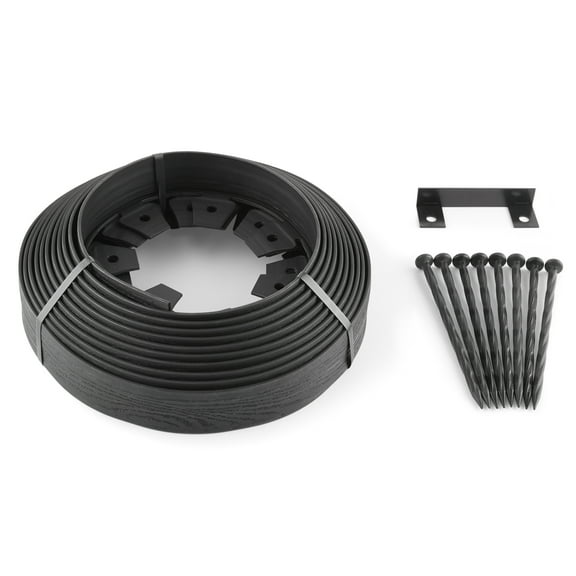
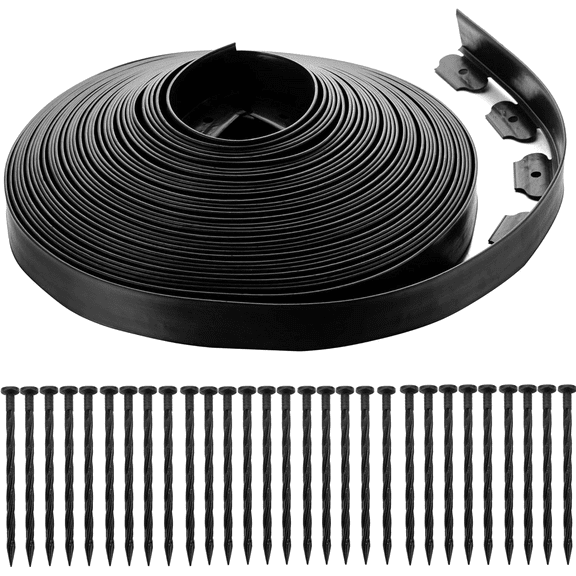
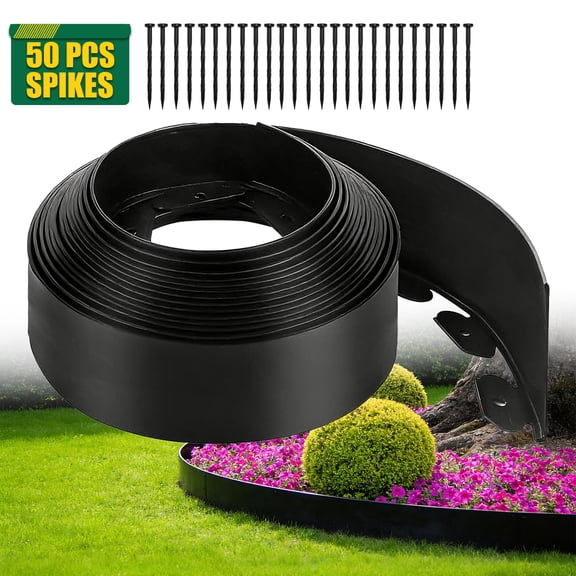
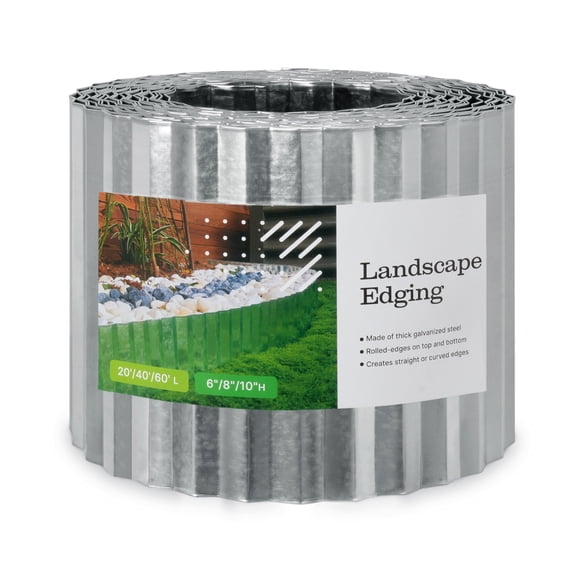
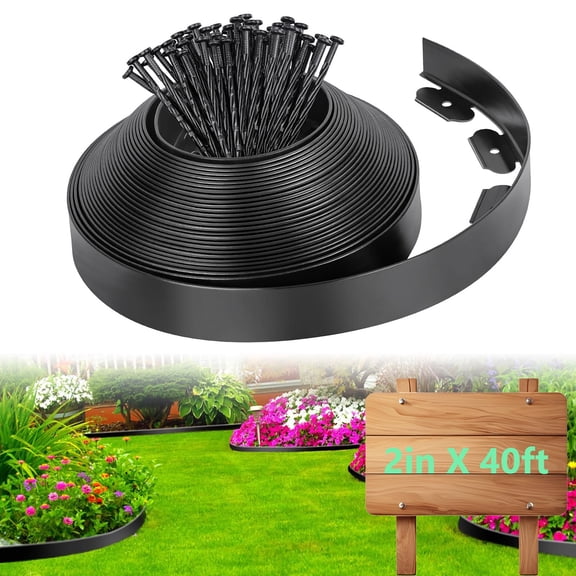
If you want lighter pieces and easy curves, you may prefer plastic landscape edging. If you want a crisp line for straight runs, you may lean toward metal landscape edging.
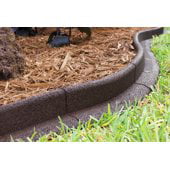
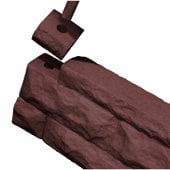
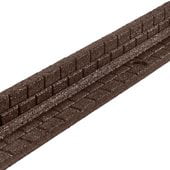
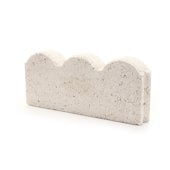
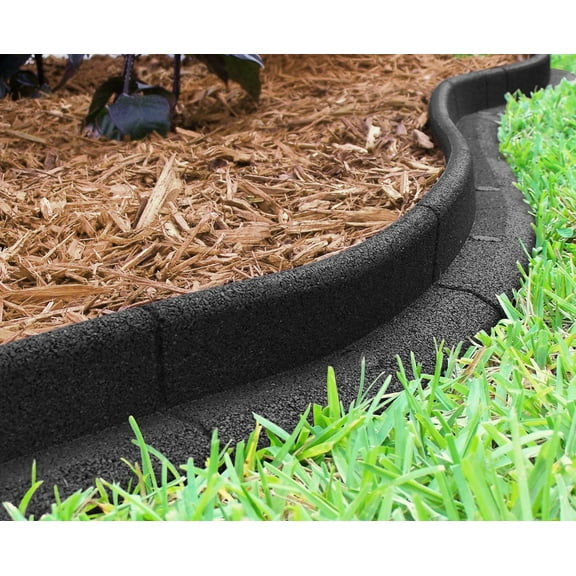
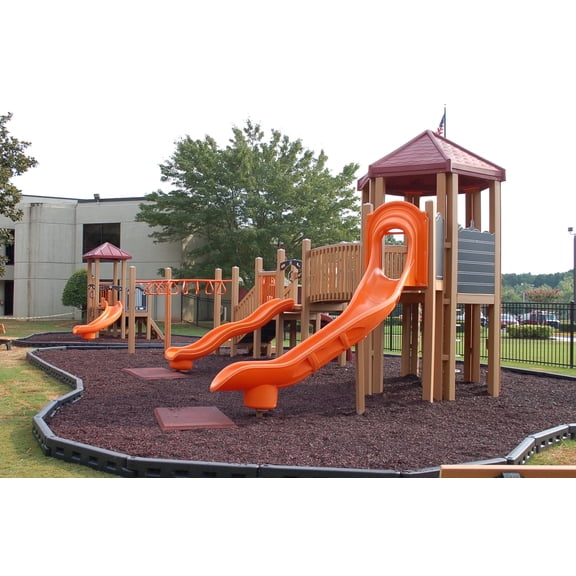
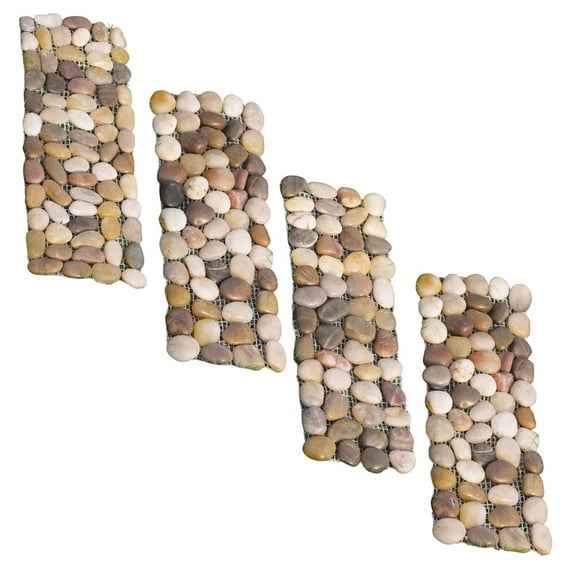
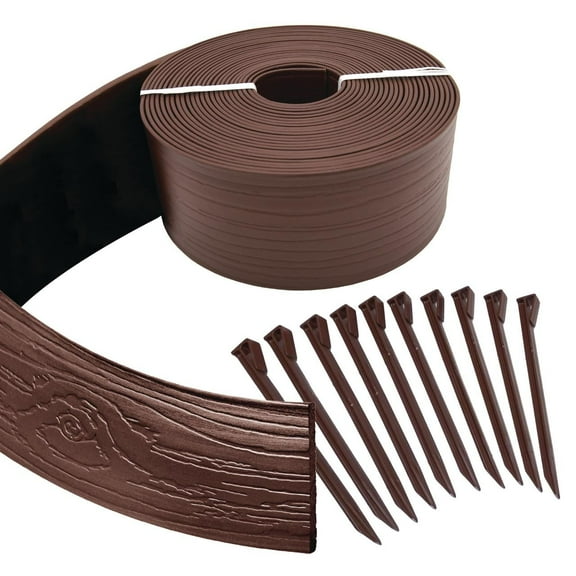
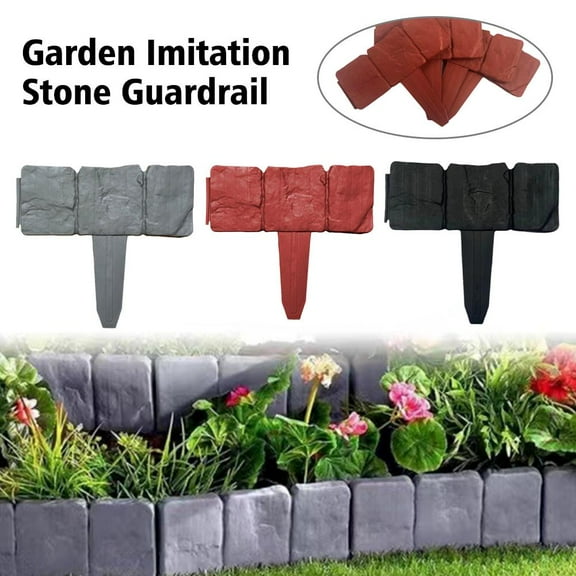
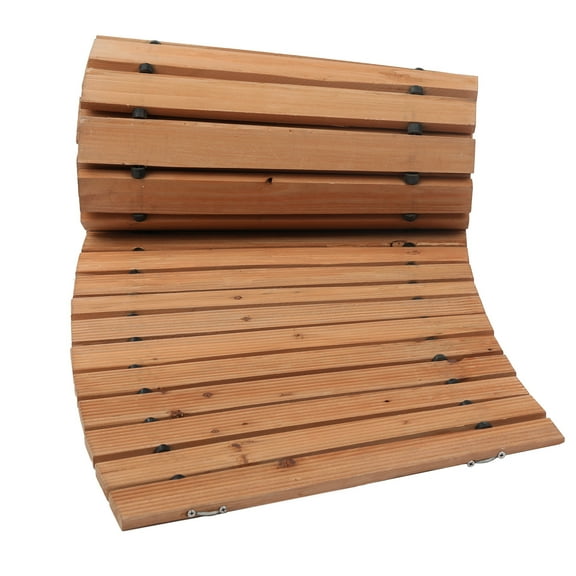
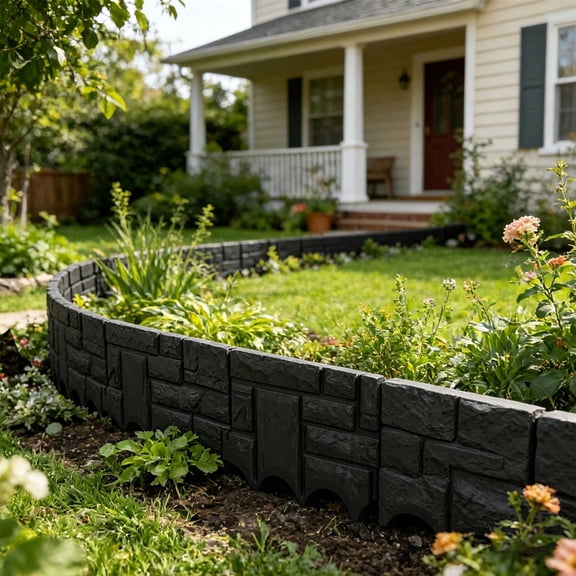
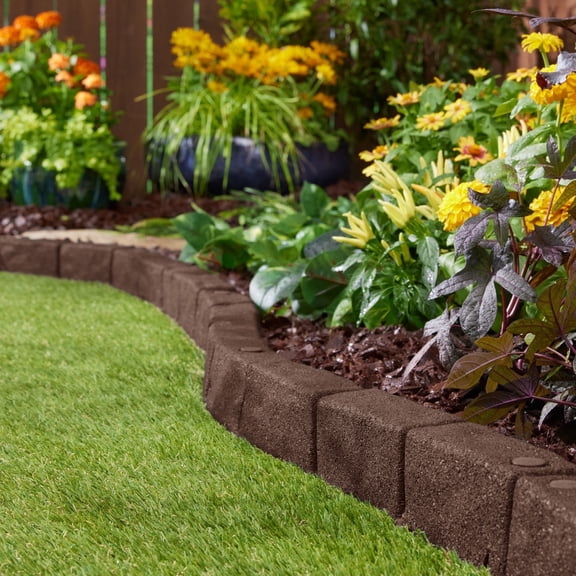
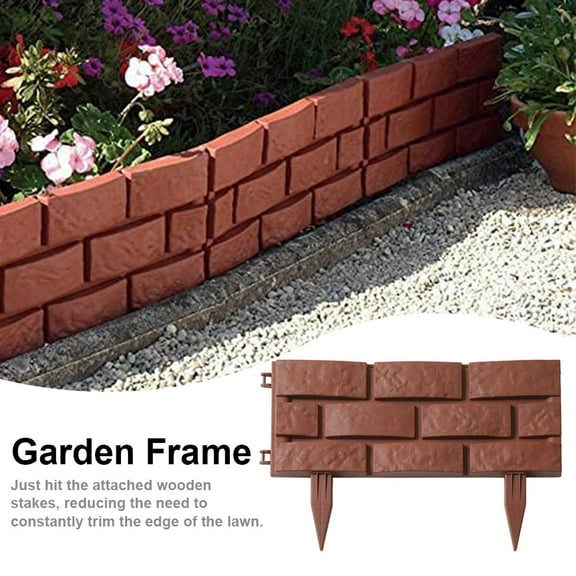
Stone-look and brick-look styles can give your beds a defined border without loose pavers. Wood and rubber options can help you match softer garden styles and play-friendly areas.
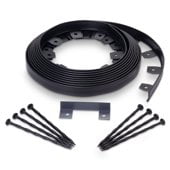
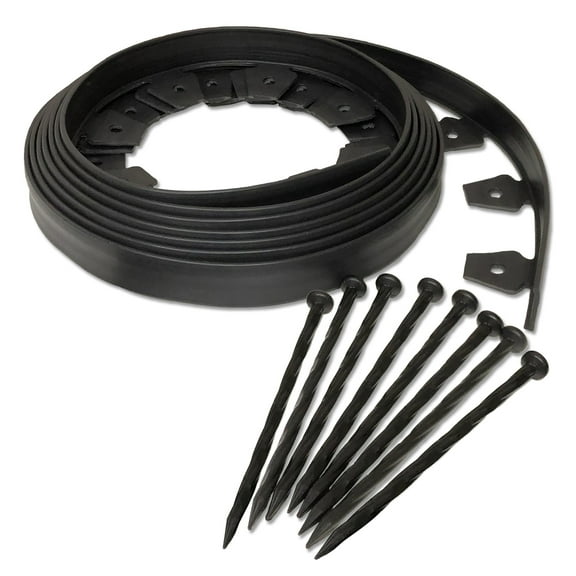
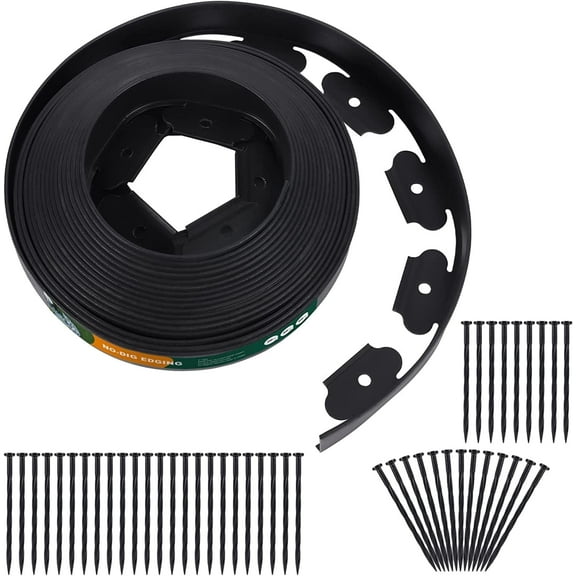
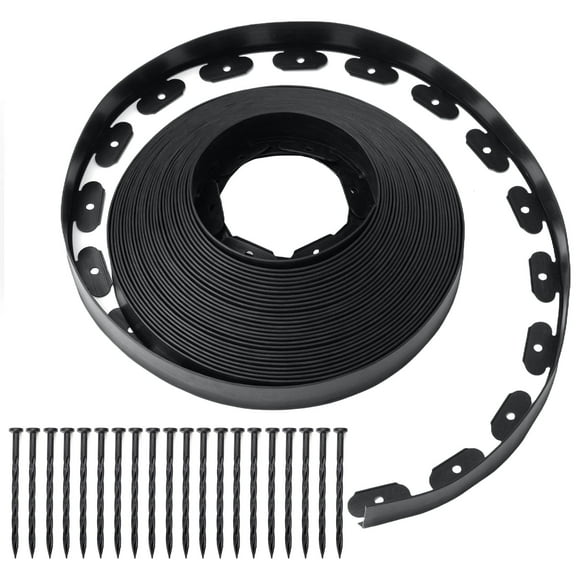
- You can choose plastic when you want flexible curves around trees, islands, and winding beds.
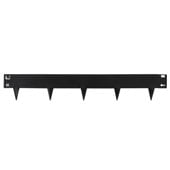
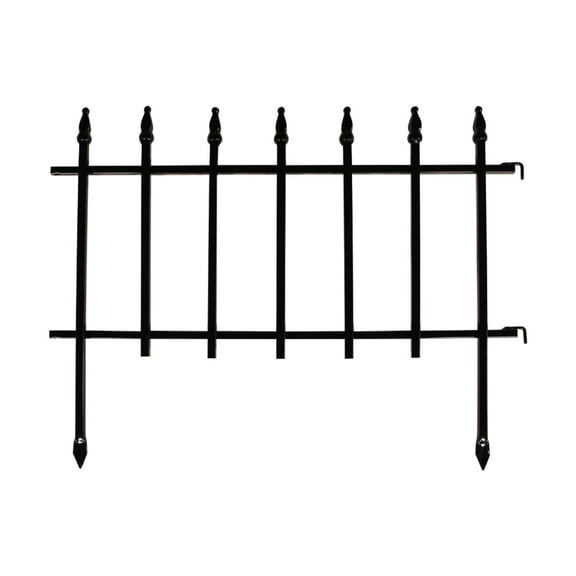
- You can choose metal when you want thin, clean lines along paths, driveways, and formal borders.
- You can choose stone-look styles when you want decorative garden borders with a built-in finished appearance.
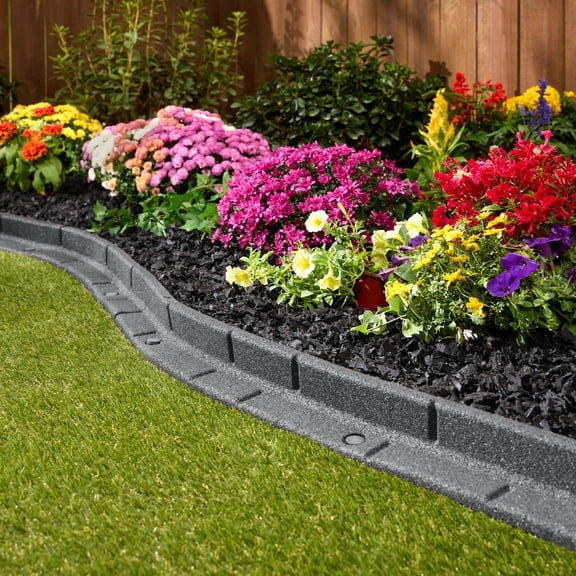
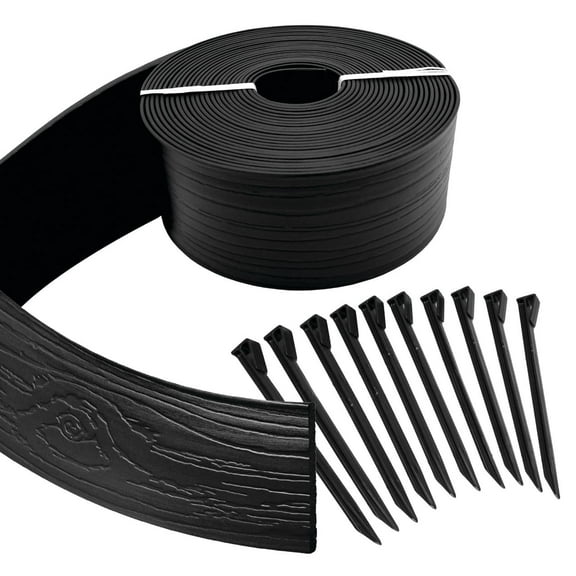
- You can choose rubber or wood when your project calls for a softer visual edge.
How to compare no dig landscape edging and other installation types
Installation type matters when you want a quicker project or a more anchored border. You should compare no dig landscape edging, hammer-in styles, trench-required options, and interlocking sections.
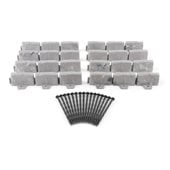
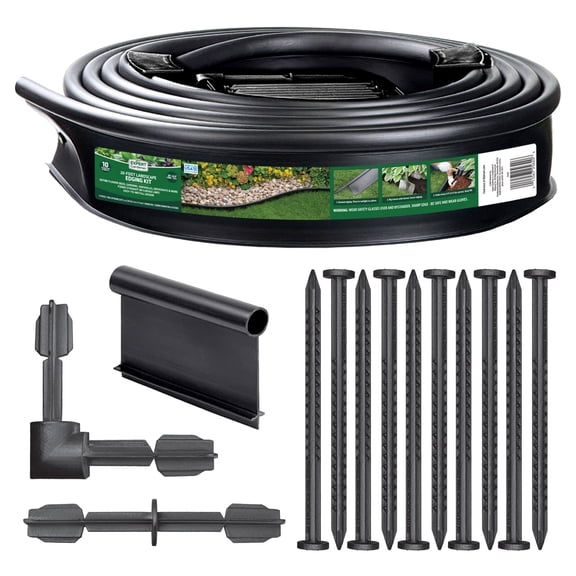
If your soil is workable and you want less digging, you may like no-dig styles with anchoring stakes. If your ground is packed or uneven, you should check stake length and trenching depth.
Hammer-in sections can help you mark small beds with simple tools and clear placement. Trench-required borders can give you a buried edge that helps define lawn edging more firmly.
Interlocking pieces can help you connect shorter sections around corners and short curves. You should measure your perimeter first, so your connections and stakes line up more cleanly.
What to look for in height, depth, and mower compatibility
Height and depth change how visible your border looks and how securely it sits. You should compare 3-inch, 4-inch, 5-inch, and 6-inch options based on your grass and mulch depth.
If you want a subtle line, you may prefer a lower profile that blends into the lawn. If you need stronger separation, you may want a deeper edge for mulch beds.
Mower compatibility matters when you want smoother trimming along your beds and paths. You should look for profiles that let mower wheels ride near the edge with less bumping.
A flush or low-profile border can help you maintain cleaner passes beside grass. A taller decorative border can stand out more, but you should leave enough room for trimming access.
How style and flexibility shape your garden borders
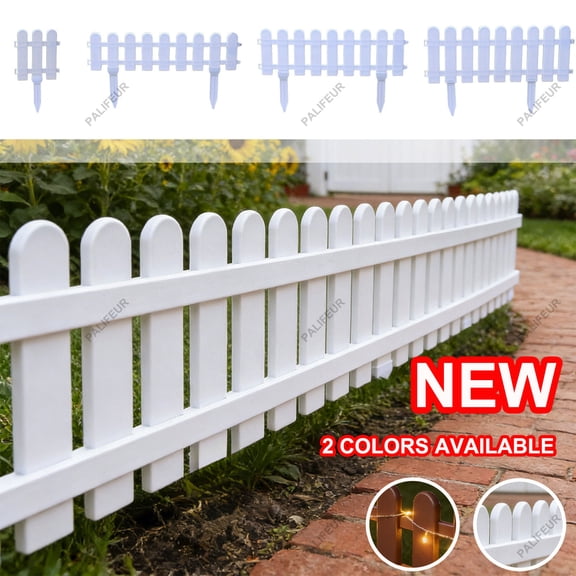
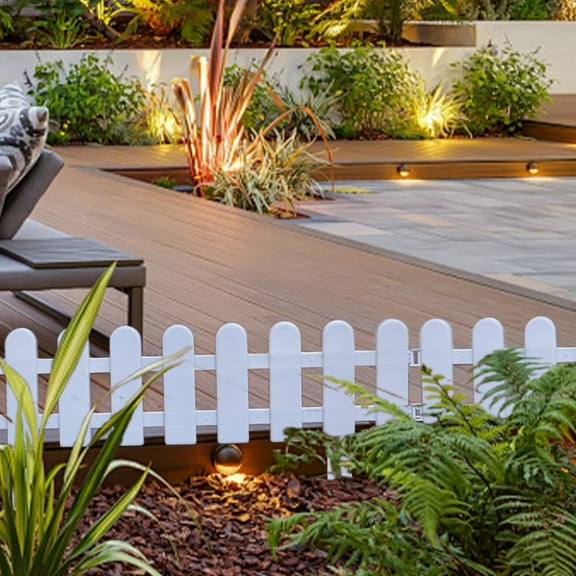
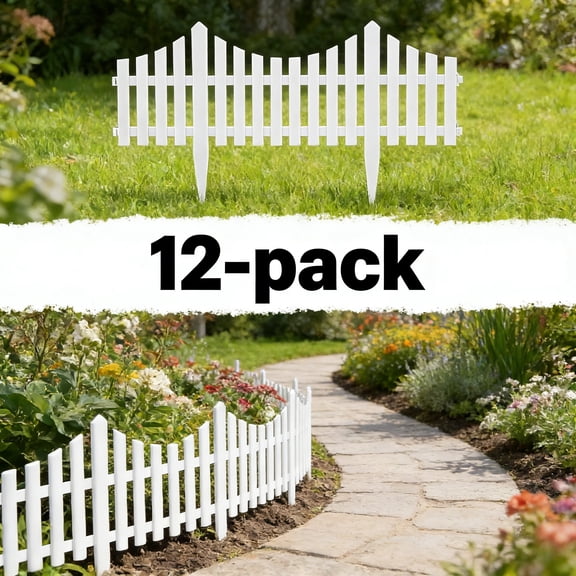
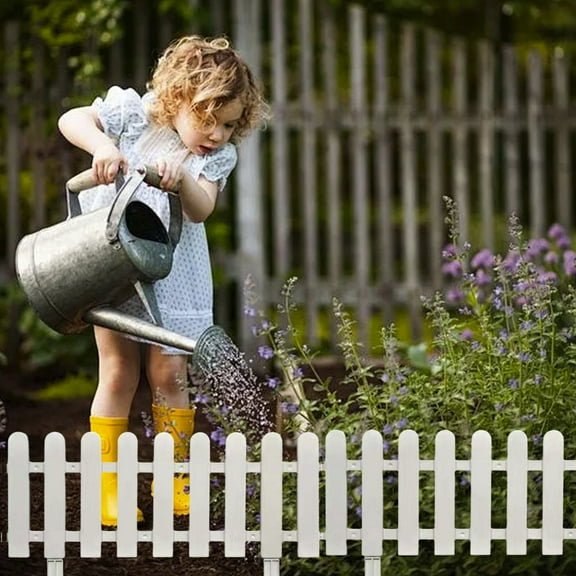
Style affects how your edging frames flower beds, trees, and walkways from the curb. You can compare brick-look, stone-look, picket, coiled, and straight-border designs by your landscape theme.
If your beds curve often, you should check whether the edging is flexible, rigid, or semi-flexible. Flexible pieces can handle sweeping shapes, while rigid sections suit straight lines and square corners.
For tight turns, you may need shorter segments or more bendable material. For long path edges, you may want straighter pieces that keep a consistent line.
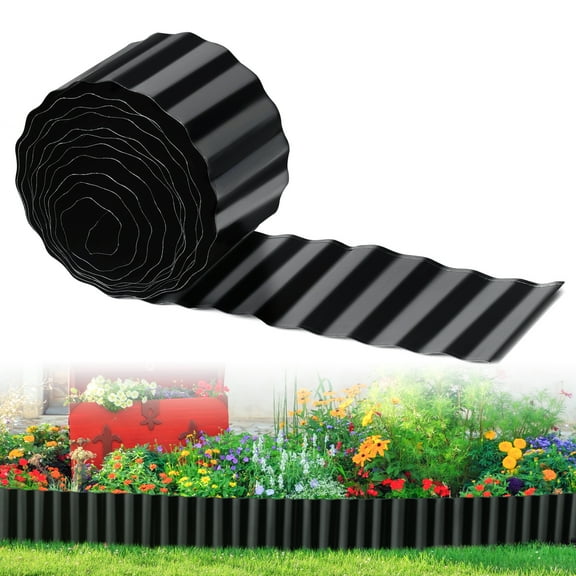
Coiled edging can help you create organic shapes around shrubs and island beds. Straight-border styles can help you define driveways, patios, and rectangular planting areas.
How weather exposure affects metal and plastic choices
Weather exposure can change how your edging looks through hot summers and wet seasons. You should compare finishes, coatings, and thickness when your border will stay out year-round.
If you choose metal, you should look for rust-resistant construction for damp soil and frequent watering areas. If you choose plastic, you should check whether it handles sun exposure without becoming brittle.
Thicker borders can feel more stable along high-traffic lawn edges and walkway borders. Lighter rolls can be easier for you to carry, shape, and place around beds.
Landscape edging ideas for common yard projects
You can use landscape edging to separate mulch from grass and keep bed lines more defined. You can also frame mailboxes, trees, vegetable plots, and path edges with a cleaner outline.
If you are outlining a curved flower bed, you may want flexible plastic or coiled sections. If you are bordering a driveway, you may want metal or rigid sections for straighter control.
For shallow decorative beds, you may only need a modest height and simple stake system. For deeper mulch zones, you may want more depth and stronger anchoring stakes.
When you want a quick weekend update, no-dig styles can simplify setup with less soil disruption. When you want a buried border, trench-required options can create a more integrated edge.
You can choose landscape edging that fits your soil, mowing routine, and yard design. With the right material, height, and flexibility, you can create cleaner borders that stay easier to maintain.