










Leaf Blowers











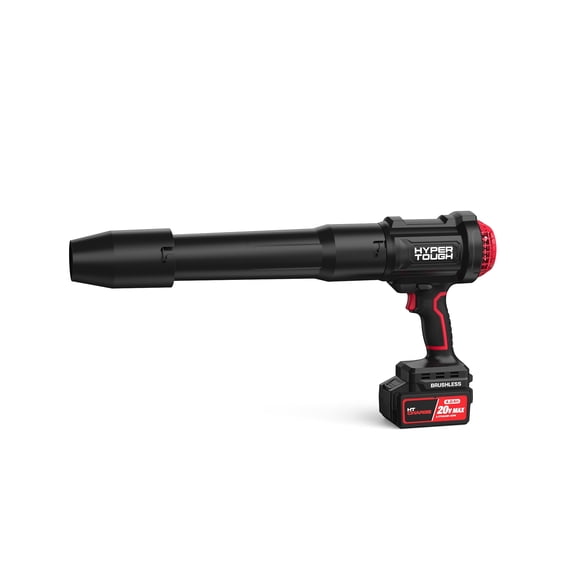
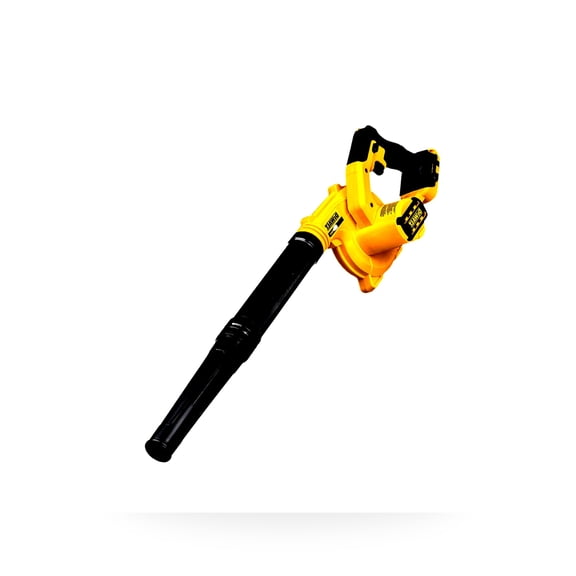
![Hyper Tough 12 Amp Electric Leaf Blower and Vacuum Combo HT21-401-002-05 [New]](https://i5.walmartimages.com/seo/Hyper-Tough-12-Amp-Electric-Leaf-Blower-and-Vacuum-Combo-HT21-401-002-05-New_c558c6fd-8f1f-40e1-adfe-788b3fdf99a7.b550b59595563bd794397a888b0d2852.jpeg?odnHeight=576&odnWidth=576&odnBg=FFFFFF)
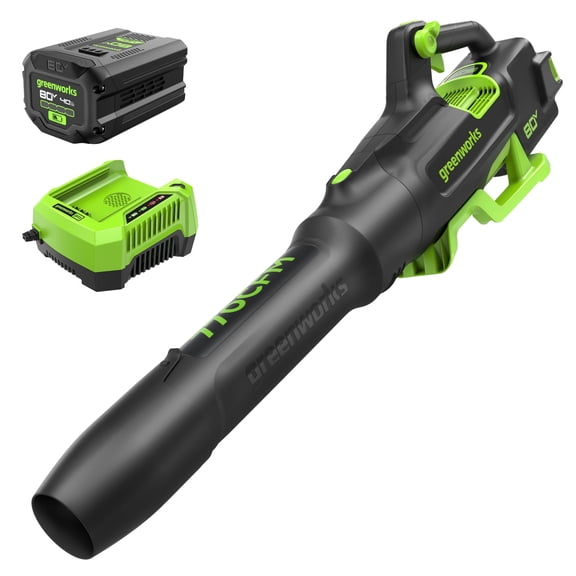


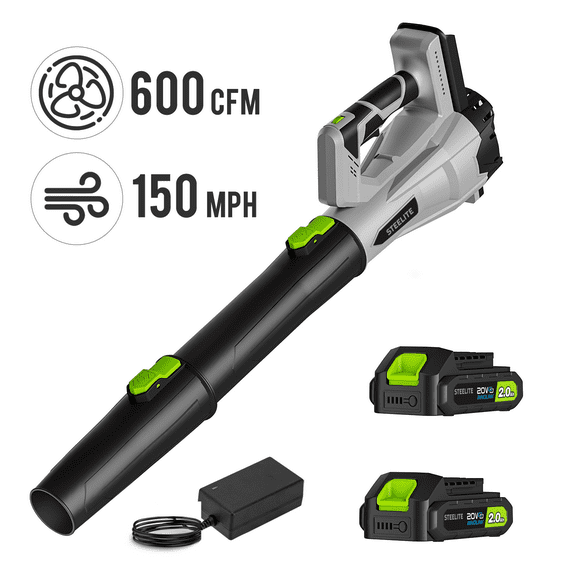






About Leaf Blowers - Walmart.com
Leaf blowers and accessories help you clear yards quickly and choose the right setup for your cleanup routine. You can compare power sources, blower styles, and attachment options in one place.
If you manage light touch-ups or heavy seasonal piles, you need decision-ready details before you choose. You also benefit from understanding CFM, MPH, and accessory fitment before you buy.
Choosing leaf blowers and accessories by power source
When you compare power sources, you should start with how long your cleanup sessions usually last. You can often find cordless battery models fit quick jobs, while corded and gas options support longer sessions.
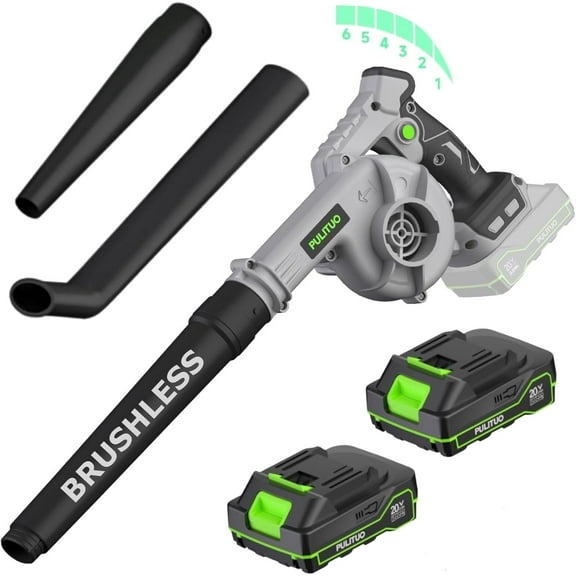
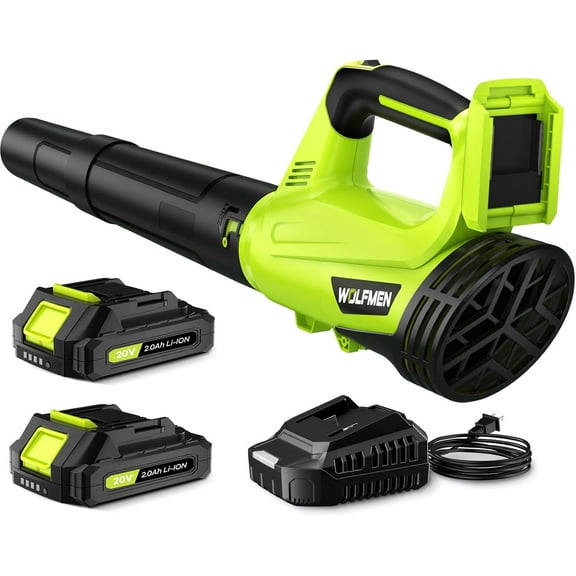
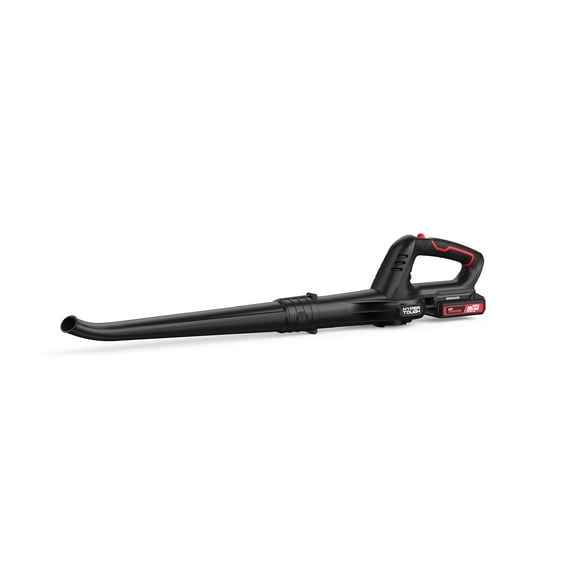
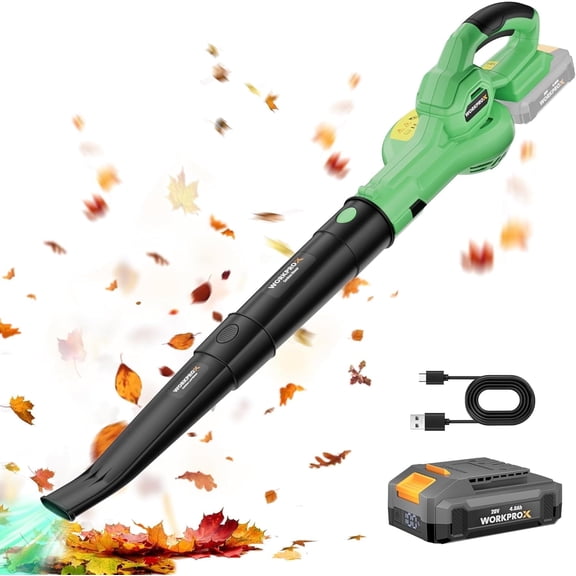
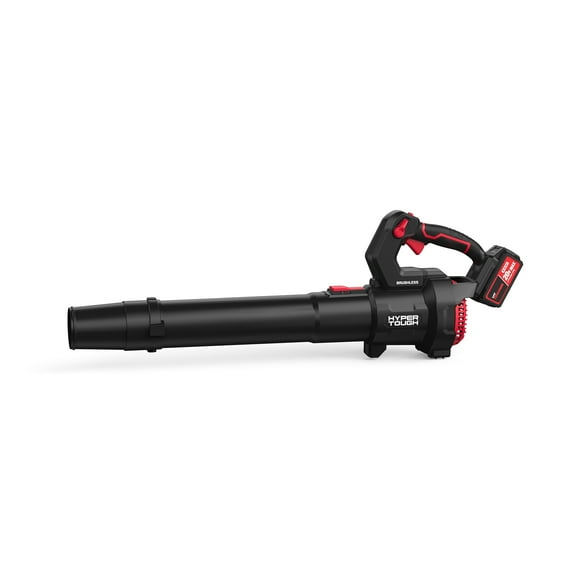
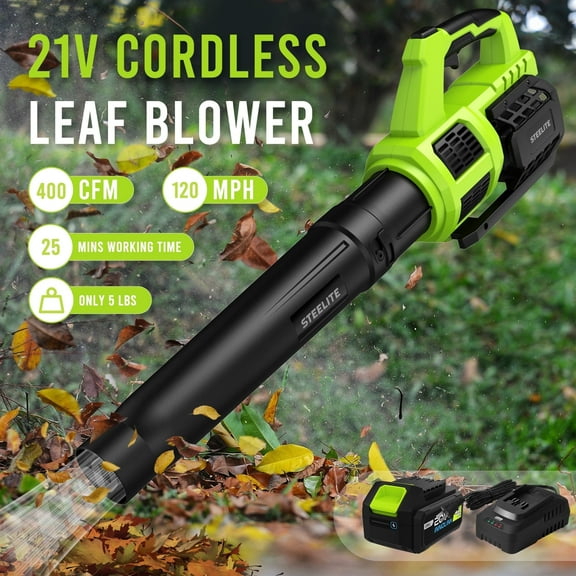
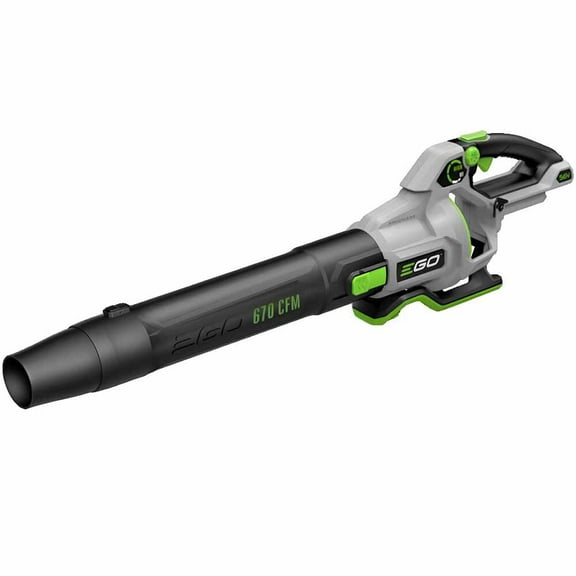
With cordless leaf blowers, you can move freely around driveways, patios, and garden beds without managing a cord. You should check voltage and run-time, because those details shape how long your work can continue.
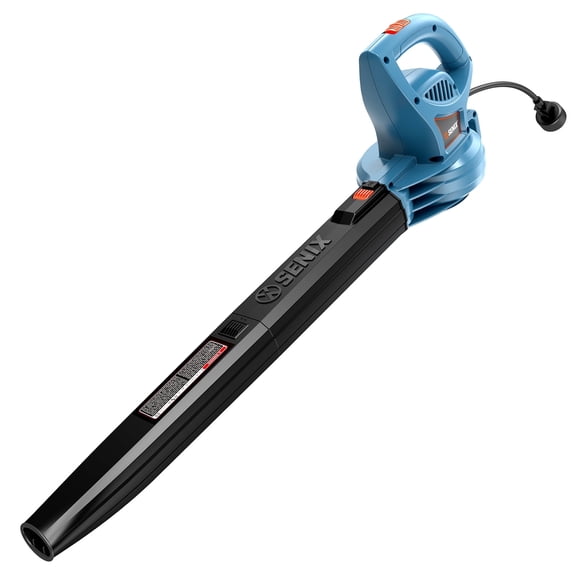
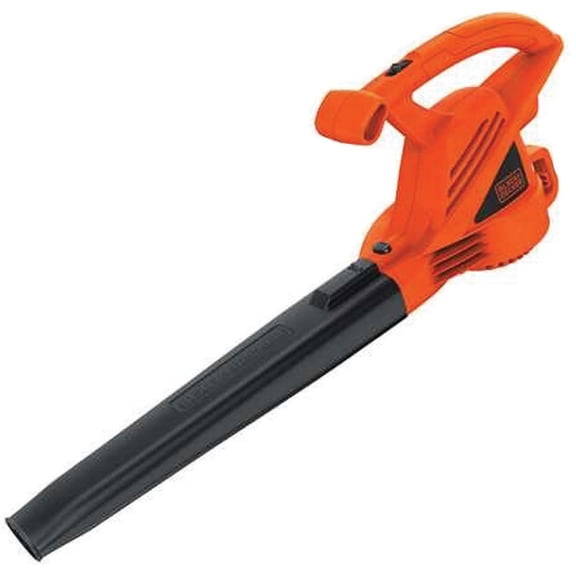
If you prefer steady plug-in performance, you may lean toward electric leaf blowers for smaller spaces near outlets. You can appreciate that corded models offer consistent airflow without battery charging breaks.
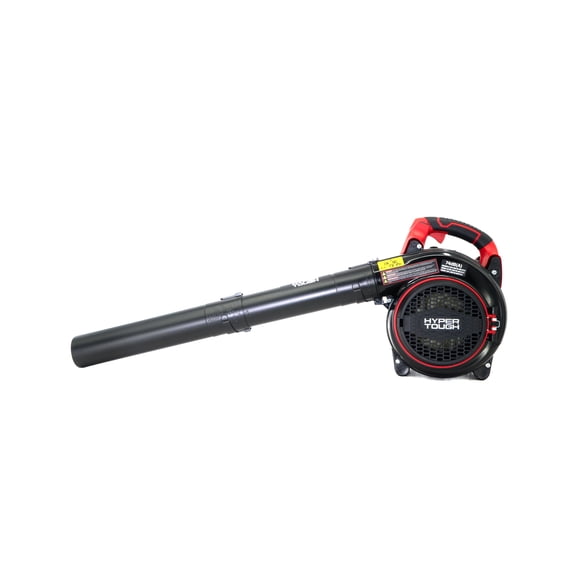
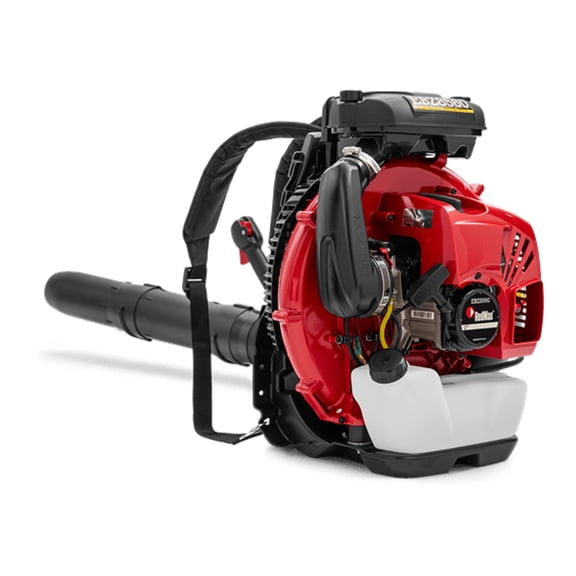
For larger properties, you may compare gas leaf blowers when you need longer operation and strong output. You should review engine displacement, because that spec helps you understand power for dense debris.
- You can choose cordless battery models for flexible movement and simple storage.
- You can select corded electric options for steady airflow in smaller yards.
- You can consider gas powered models for longer sessions and heavier outdoor cleanup.
- You can match battery run-time or engine size to your yard’s workload.
How to compare CFM and MPH
As you narrow your options, you should compare CFM and MPH instead of guessing from appearance alone. You can use CFM to understand air volume and MPH to understand air speed.
If you need to move wide piles of dry leaves, you should look for stronger CFM. Higher air volume helps you push more material across open lawn areas.
When you clear packed corners, damp clippings, or stubborn debris, you should check MPH closely. Stronger air speed helps you loosen heavier material from edges and cracks.
For mixed yard work, you may want a balance of both measurements instead of chasing one number. You make an informed choice when you match performance metrics to your actual cleanup tasks.
Choosing handheld, backpack, or walk-behind blowers
Blower type matters because you carry, guide, or wear the machine during every cleanup session. You should choose a format that matches your yard size and comfort preferences.
If you handle quick porch, deck, or driveway touch-ups, you may prefer handheld units. You can like how handheld styles feel easy to lift, turn, and store between jobs.
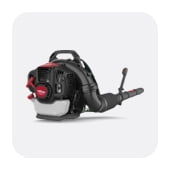
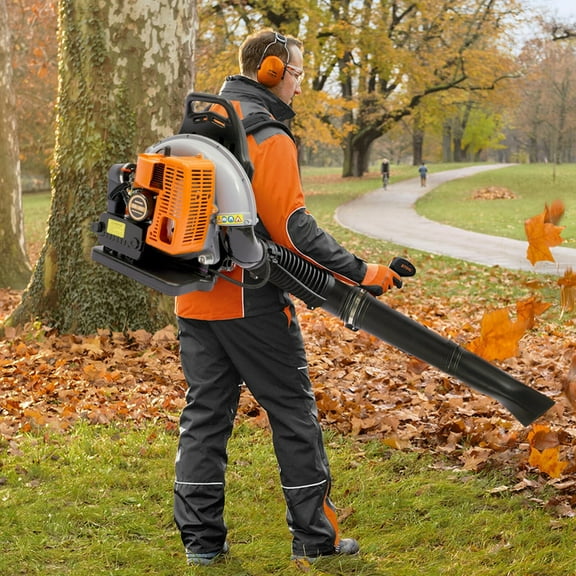
When your cleanup sessions run longer, you may compare backpack leaf blowers for improved weight distribution. You can feel the difference when shoulder straps spread the load across your back.
For broad spaces with heavy leaf coverage, you may look at walk-behind designs for extended passes. You benefit from pushing the unit instead of carrying blower weight in your hands.
You should also consider how often you switch directions around trees, beds, and fences. You usually want lighter handling for tight spaces and broader coverage for open ground.
What to look for in leaf blower accessories
Leaf blower accessories can change how you clean gutters, collect debris, or convert a blower for added tasks. You should confirm compatibility before choosing any attachment or replacement part.
If you want overhead reach, you may look for a leaf blower gutter attachment with the correct fitment. You need to check nozzle shape, connection style, and supported models before you decide.
When you want extra versatility, you may compare vacuum kits and collection bags for debris pickup. You can find those additions useful when you prefer gathering leaves instead of moving them into piles.
You should also review replacement tubes, nozzles, chargers, and batteries when you maintain existing equipment. You avoid guesswork when you match attachment types and connection points to your blower.
- You should check nozzle fitment before choosing a gutter tool or extension tube.
- You can compare collection bags if you want a blower and vacuum setup.
- You should match batteries and chargers to the same platform when required.
- You can use targeted attachments to reach gutters, edges, and narrow corners.
Matching the right setup to your yard
If you clean a small suburban yard, you may pair a handheld cordless unit with a charger and spare battery. You get quick access for weekly touch-ups on patios, steps, and sidewalks.
When you maintain a larger lot, you may lean toward gas powered or backpack formats for longer sessions. You can appreciate strong output and comfortable carrying during extended leaf clearing.
If you focus on spring dust, grass clippings, and light debris, you may prefer corded electric options. You get steady performance when you work close to the home and garage area.
For fall cleanup, you may want stronger CFM for larger piles and stronger MPH for wet patches. You handle mixed conditions smoothly when you compare both metrics together.
When you want one system for several tasks, you should consider included accessories and future add-ons early. You avoid mismatched parts and keep your cleanup routine efficient across the season.
With the right leaf blowers and accessories, you can match power, comfort, and attachment options to your property. You finish routine cleanup with less guesswork and added control over every pass.