

Light Therapy Lamps & Lamps for Light Therapy | Walmart

























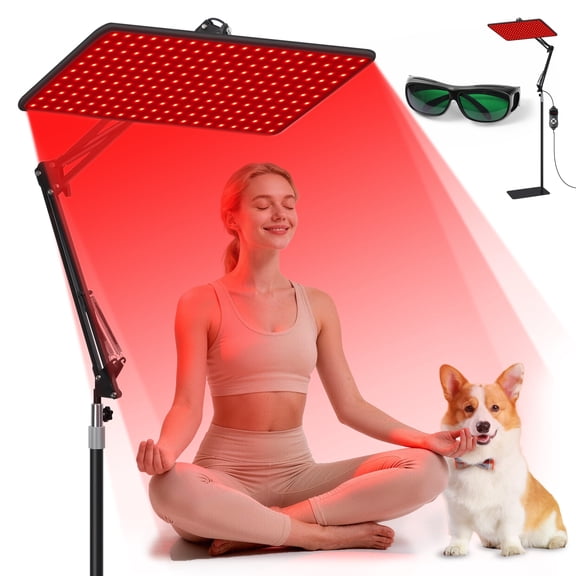
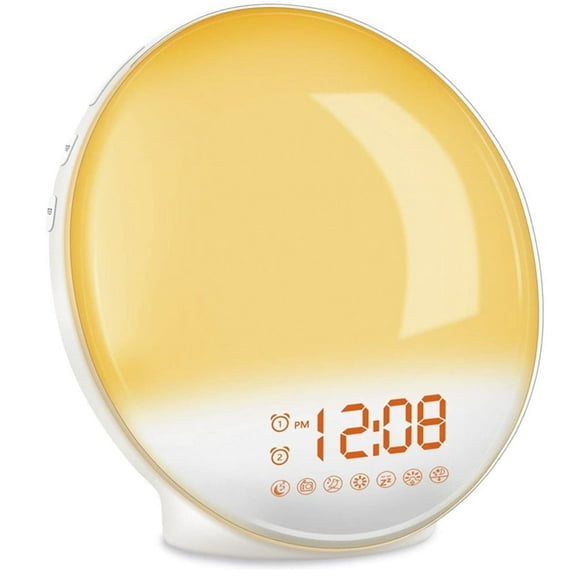


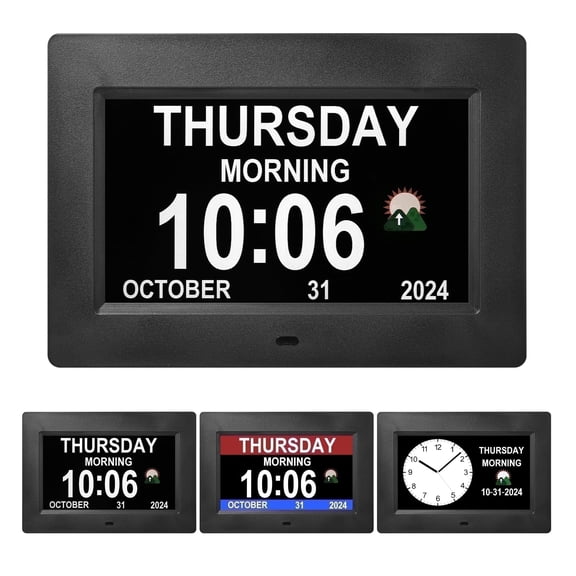


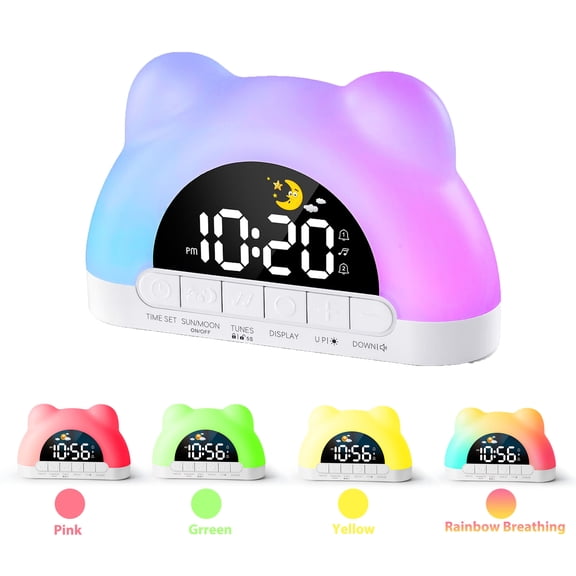
About Light Therapy Lamps & Lamps for Light Therapy | Walmart - Walmart.com
You can compare light therapy options clearly when you understand intensity, spectrum, and setup. Your search often starts with seasonal routines, and your ideal pick depends on where and how you'll use it.
You may want a desk-friendly lamp for morning reading, or you may need a compact unit for travel. Your category choices also include 10,000 Lux output, UV-free designs, and adjustable settings that fit daily sessions.
Choosing the right light therapy intensity
You should start with light intensity because it shapes how you plan each session. Your options often include 10,000 Lux, 5,000 Lux, or adjustable output for more control.
You’ll often see 10,000 Lux light therapy lamp models because that level is a common comparison point. Your routine may feel simple to plan when labels clearly show brightness and recommended distance.
You can use adjustable settings when your room changes throughout the day. Your setup may need lower output early on, then stronger light as you refine placement.
- You can compare 10,000 Lux models for a strong morning setup.
- You can choose 5,000 Lux options when you prefer longer sessions or gentler output.
- You can look for adjustable brightness when your schedule and room lighting vary.
- You can check viewing distance guidance so your placement matches the stated Lux level.
Comparing spectrum in a light therapy lamp
You should compare spectrum details next, because they affect how you narrow your options. Your shortlist may include UV-free, full spectrum, or blue light designs.
You’ll often look for a UV-free light therapy lamp when you want clear labeling and straightforward setup. Your comparison may also include a happy light or phototherapy lamp with similar category language.
You can use full spectrum models when you want a broad daylight-style appearance on your desk. Your preference may lean toward blue light styles when you want a more focused visual profile.
You may also search for a sad lamp or seasonal affective disorder light during darker months. Your page choices can help you compare naming differences without changing the core category.
How to choose the right form factor
You should measure where the lamp will sit before you compare shapes. Your available space often points you toward tablet style, desk lamp, floor lamp, or compact designs.
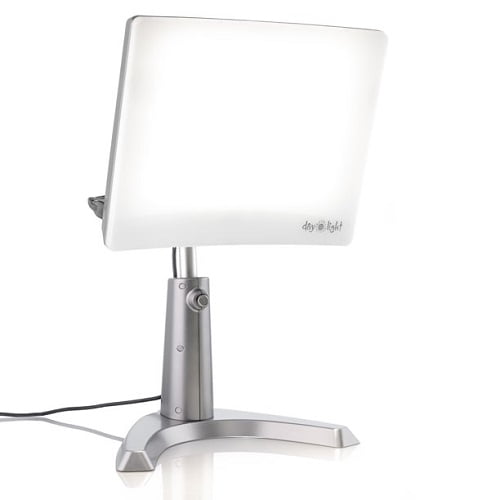
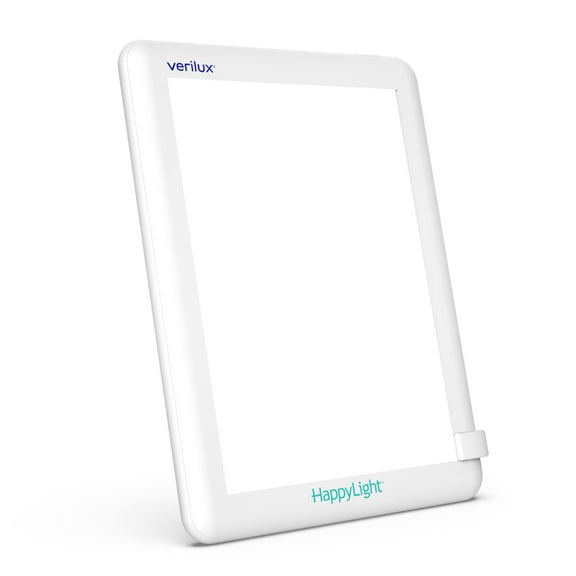
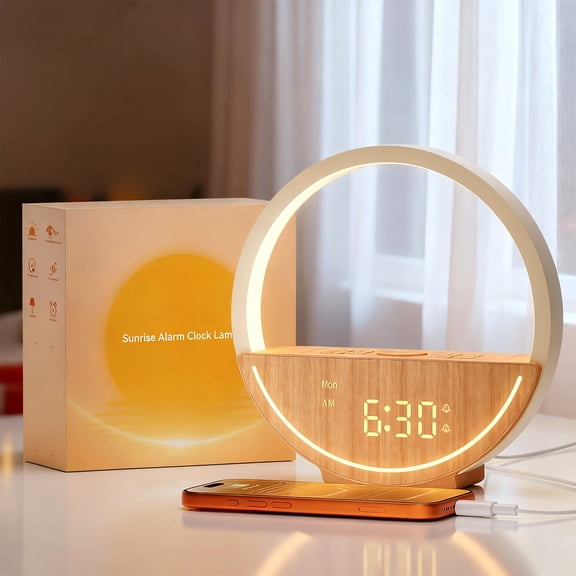
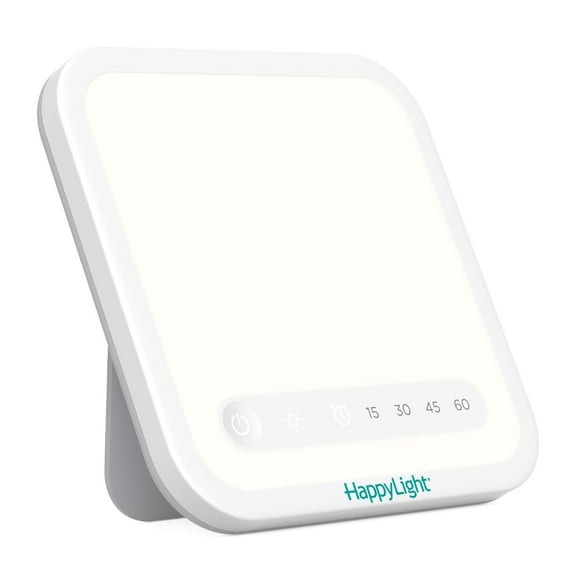
You can choose tablet style units when you want a slim profile beside a laptop or book. Your desk stays uncluttered when the base stays narrow and easy to position.
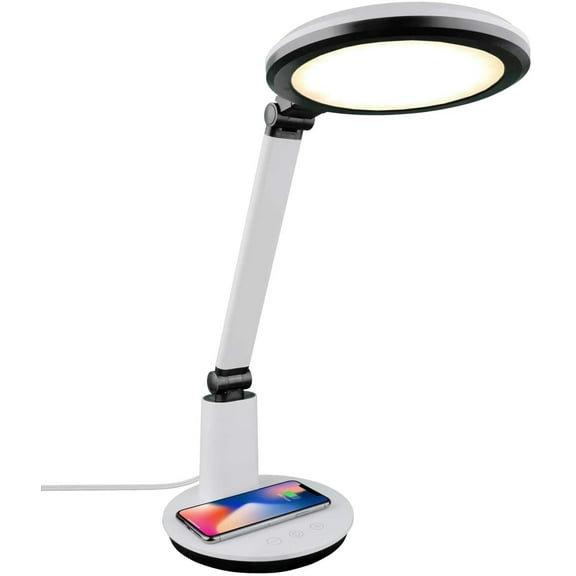
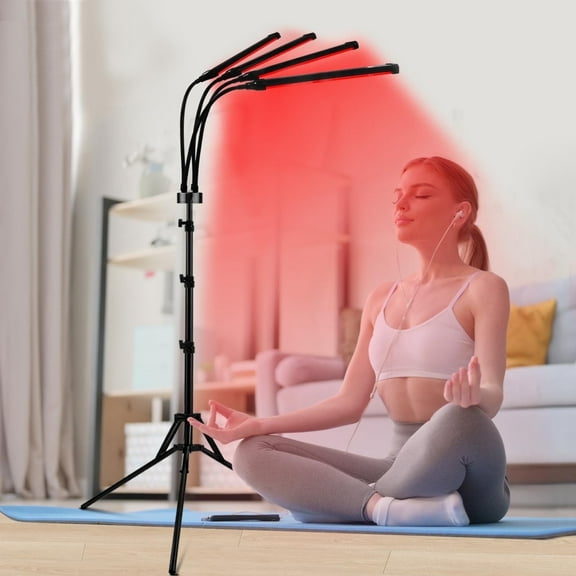
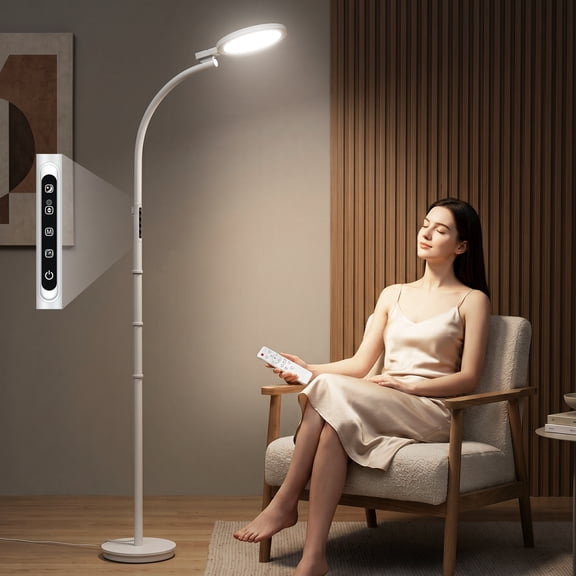
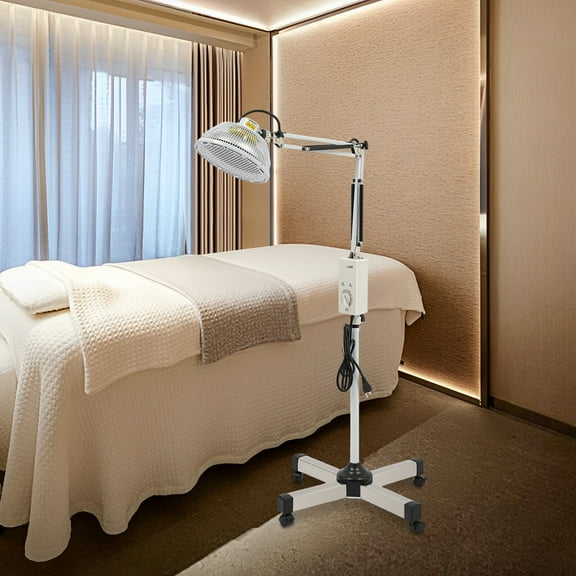
You may prefer a desk lamp style when you want a familiar shape with directional light. Your room layout might suit a floor lamp when you want hands-free placement near a chair.
You can keep compact models in a work bag or suitcase conveniently. Your travel routine may benefit from a smaller footprint that stores quickly between uses.
Understanding power and daily settings
You should compare power source details before you settle on a model. Your options may include corded electric, rechargeable battery, or USB powered designs.
You can choose corded units when your lamp stays in one spot each day. Your home office or bedside table may suit a fixed setup with simple plug-in use.
You may want a rechargeable light therapy lamp when your routine moves between rooms. Your flexible schedule can also pair well with USB powered options for desks and travel kits.
You should also check timers and brightness controls while comparing models. Your sessions may feel simple to manage when presets, countdown timers, and memory settings support repeat use.
Matching light therapy to your routine
You can narrow your choices efficiently when you match features to a real setting. Your morning routine, workspace, and travel plans each point to different combinations.
You may want a 10,000 Lux desk lamp with UV-free output for a dedicated morning station. Your reading nook or home office can support a larger base and corded power.
You could choose adjustable brightness and a compact frame for shared spaces. Your apartment desk may need a lamp that stores neatly after each session.
You may prefer a rechargeable or USB powered unit when you work in different rooms. Your mobile setup can benefit from a tablet style shape that fits beside a keyboard.
You can also compare a floor lamp form when you spend mornings in a lounge chair. Your routine may feel seamless when the light reaches eye level without taking desk space.
What to look for in light therapy details
You should check product labels for Lux rating, viewing distance, and timer options. Your comparison becomes clearer when those details appear together on the page.
You can also look for compact dimensions, adjustable angles, and easy controls. Your final pick should fit your space, your power needs, and your preferred session style.
You’ll make an informed light therapy choice when you compare intensity, spectrum, shape, and power together. Your routine gets a cleaner fit when those details align from day one.