




Lubricants

















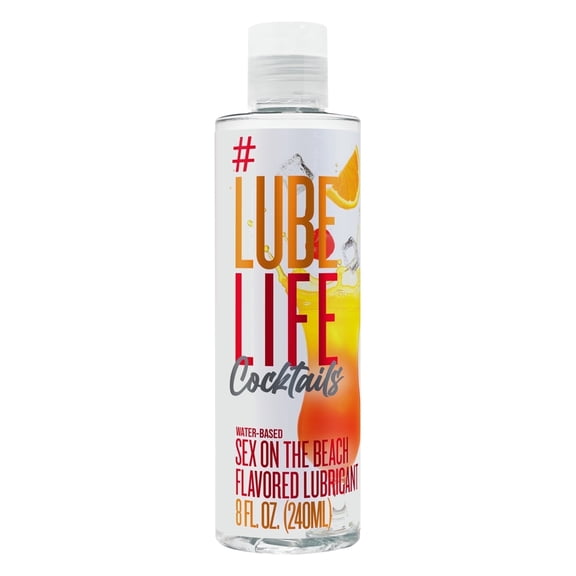

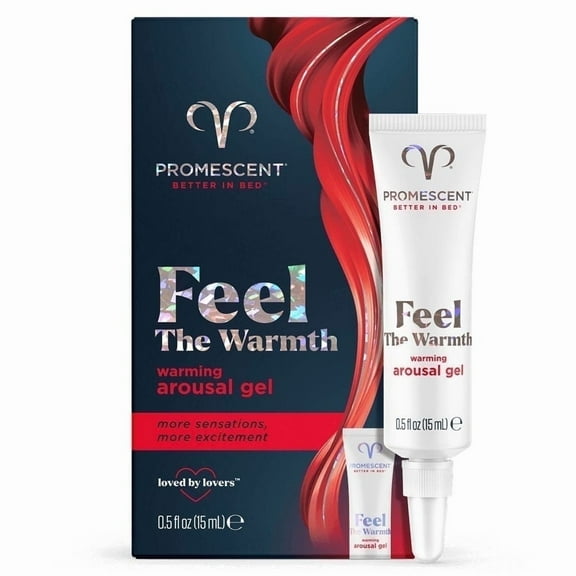

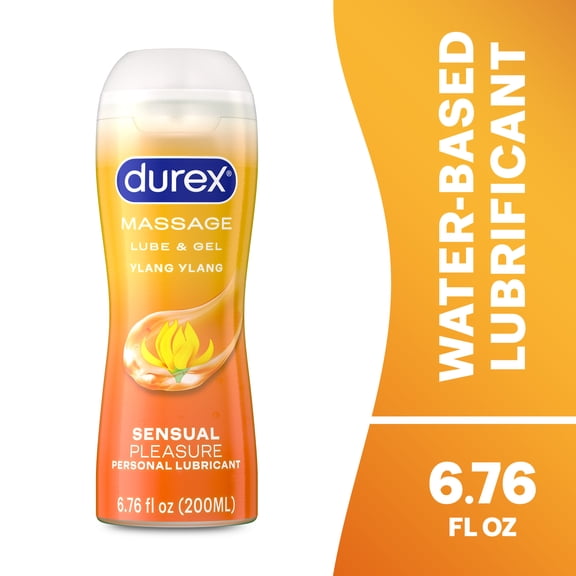

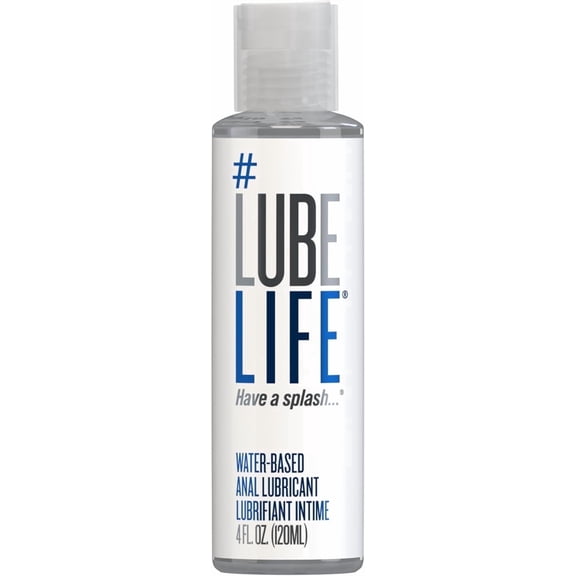



About Lubricants - Walmart.com
Your personal lubricant choices can feel clearer when you compare base formulas, ingredient profiles, and compatibility details before you decide. You can use this guide to sort water-based, silicone-based, oil-based, and hybrid options for comfort, cleanup, and intended use.
You may want a formula that works with condoms, feels smooth longer, or rinses away fast after use. You can also compare natural lube, lubricating gel textures, and sensitive skin lubricant options with more confidence.
Choosing the right personal lubricant
You can narrow your options faster when you start with the base formula. Your choice affects how long the glide lasts, how easily it washes off, and what items it pairs with.
When you compare labels, you should look for texture, reapplication needs, and ingredient profile. You can also check whether your formula is designed for massage, toy use, or condom compatibility.
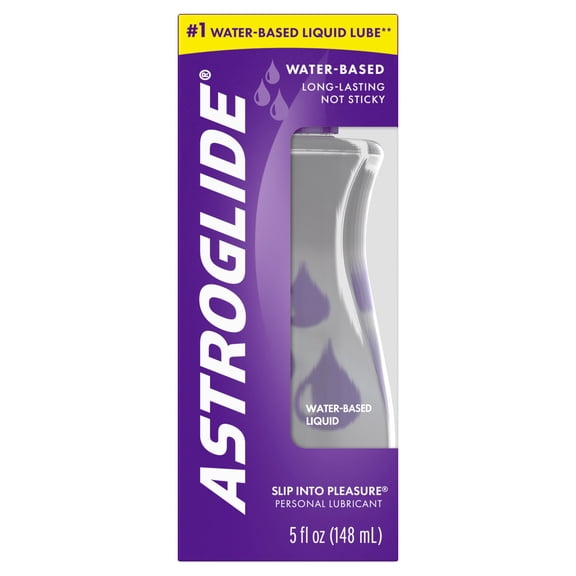
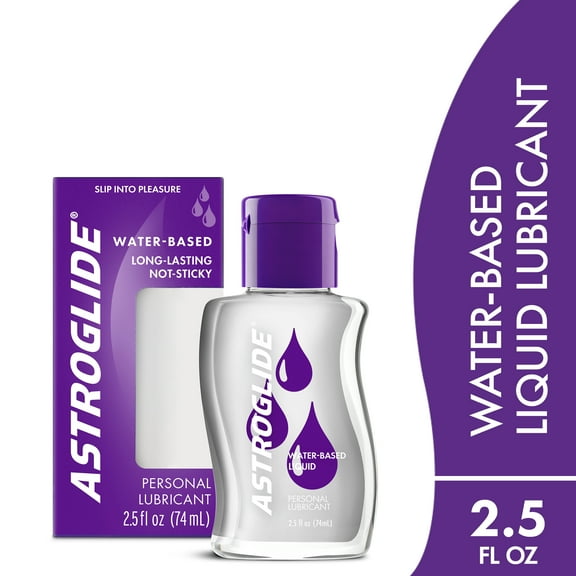
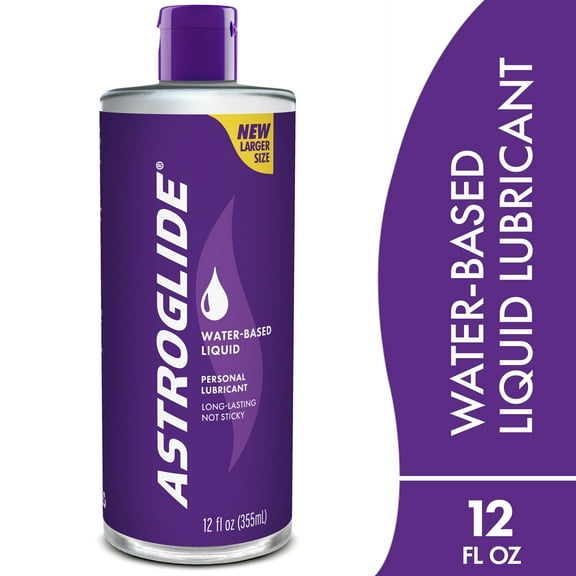
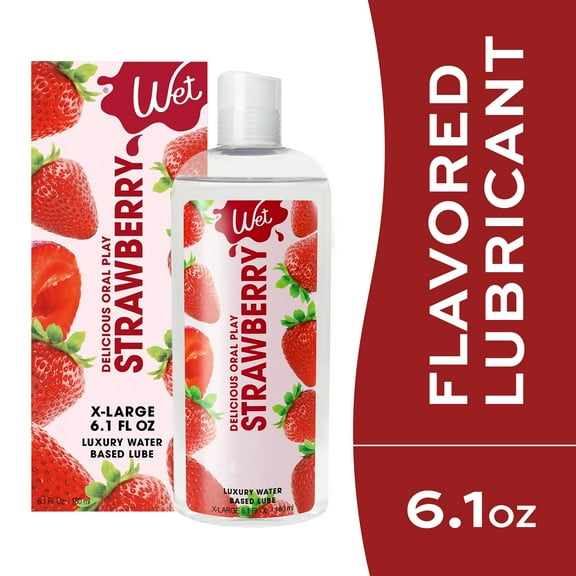
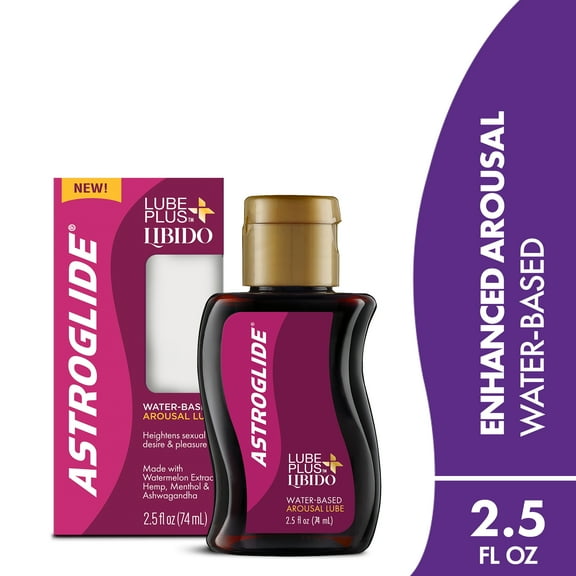
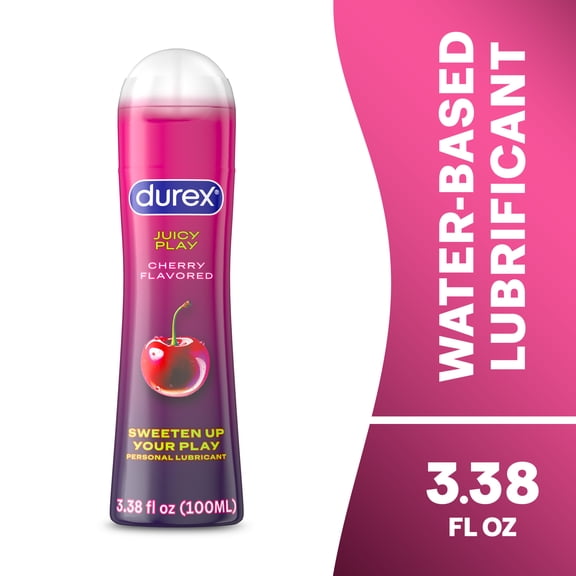
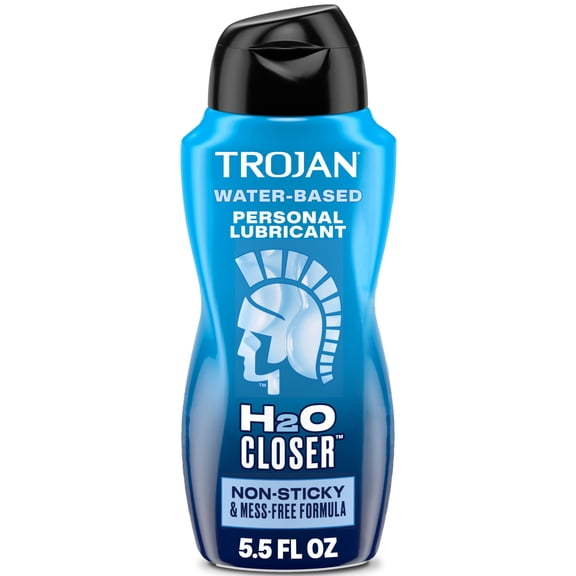
- You may prefer water-based lubricant when your routine calls for easy cleanup and a lighter feel.
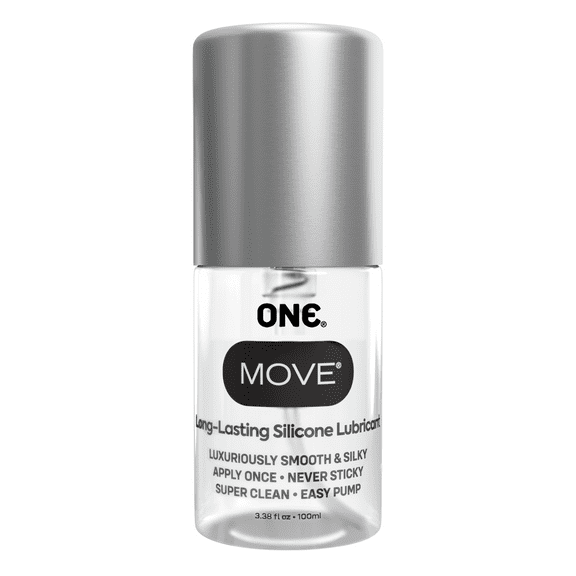
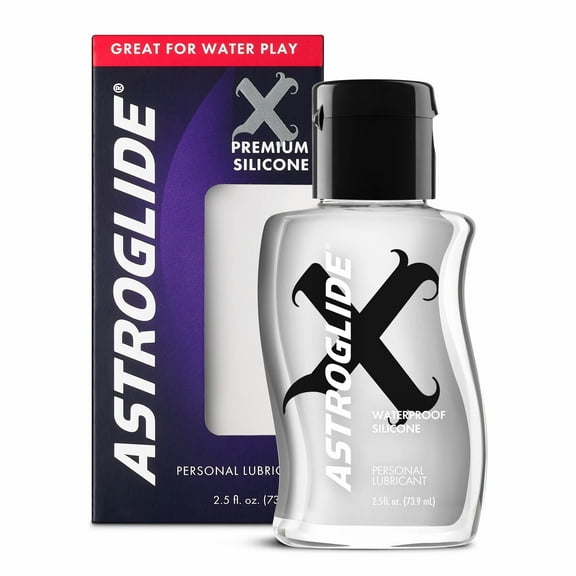
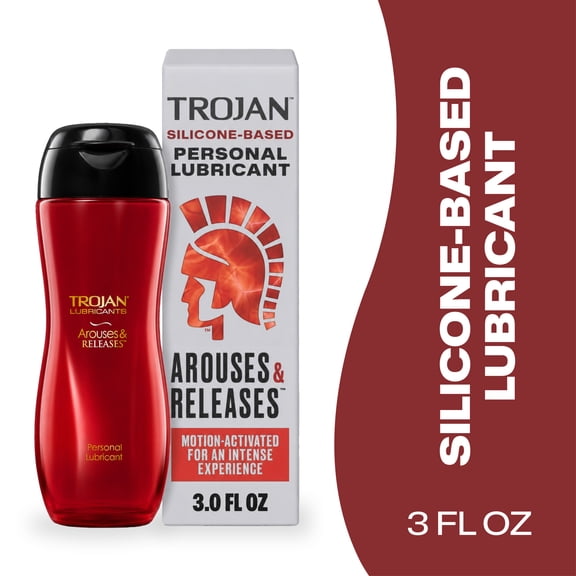
- You may choose silicone lube when you want a silkier texture and longer-lasting glide.
- You can compare oil-based and hybrid formulas when your priorities include a richer feel or blended performance.
- You should review ingredient details like glycerin-free, paraben-free, and pH-balanced language for more targeted selection.
- You can look for toy compatible and condom compatible details before you finalize your choice.
You can often find that water-based lubricant feels versatile for everyday use and rinses off with less effort. You may also notice it can need more frequent reapplication during longer sessions.
You can usually get longer glide from silicone-based formulas, which many shoppers compare for extended comfort. You should check silicone-safe guidance first if your routine includes silicone toys.
Comparing water-based lubricant and silicone lube
You can use formula type as your main decision point when performance is a key priority. Your cleanup preference and desired staying power usually make this choice much easier.
With water-based lubricant, you can often get a lighter, gel-like feel that spreads easily. You can usually clean it with water, which suits quick refreshes and simple post-use cleanup.
With silicone lube, you can often notice more slip over a longer period before reapplication. You may prefer that texture when you want a smoother feel that lasts through longer use.
If you’re comparing oil-based formulas, you should read compatibility details carefully before choosing. You may like the richer feel, but your intended use should guide whether it fits your routine.
Hybrid formulas can help you balance easier cleanup with added staying power. You can compare these when you want some water-based ease with a longer-lasting texture.
You should also compare whether a lubricating gel feels thin, cushiony, or silky on application. Your preferred texture often influences how much product you use and how often you reapply.
Checking ingredient profile and sensitive skin lubricant details
You can make ingredient filters work harder for you when you know what to scan for first. Your label review should focus on gentle formulas, simpler ingredient lists, and skin-type notes.
If you have ingredient preferences, you can compare natural lube and organic personal lubricant options by label language. You should also look for glycerin-free or paraben-free details when those matter to your routine.
You may want a sensitive skin lubricant that highlights hypoallergenic or gentle positioning on the package. You can also check for pH-balanced formulas when you want a more targeted filter.
When you compare textures, you should notice whether the formula reads as gel, liquid, or serum-like. Your preferred texture can shape how smoothly it spreads and how often you refresh it.
You can use ingredient filters to narrow choices for massage, daily intimacy, or toy use. Your ideal formula may depend on whether you want fewer additives or a more streamlined ingredient profile.
Checking compatibility, use case, and reapplication needs
You should confirm compatibility before choosing a formula for condoms or toys. Your product page details can help you identify latex compatibility and whether a formula is silicone-safe.
If latex compatibility matters to you, you should read the label and item description closely. Your intended pairing should guide the formula you choose for condom use.
If silicone toys are part of your routine, you should check whether the formula is silicone-safe. You can often avoid guesswork by confirming that detail before use.
You may also shop by use case when one formula needs to do more than one job. Your options can include toy compatible formulas, massage-focused textures, and moisturizing styles.
For massage, you may prefer a formula with more glide and a smoother spread. For quick cleanup, you may lean toward water-based options that rinse away with less effort.
You can also compare how long the glide lasts before reapplication becomes useful. Your choice between lighter gel textures and silkier formulas will often shape that experience.
When you want a focused filter path, you can sort by base formula, ingredient profile, skin type, and use case. Your search becomes easier when each choice matches how you actually plan to use it.
You can feel more certain about personal lubricant options when you compare formulas through compatibility, texture, and ingredient priorities. Your final choice should fit your routine with clearer cleanup expectations and a more comfortable feel.