

Machine Screws & Machine Screw Kits















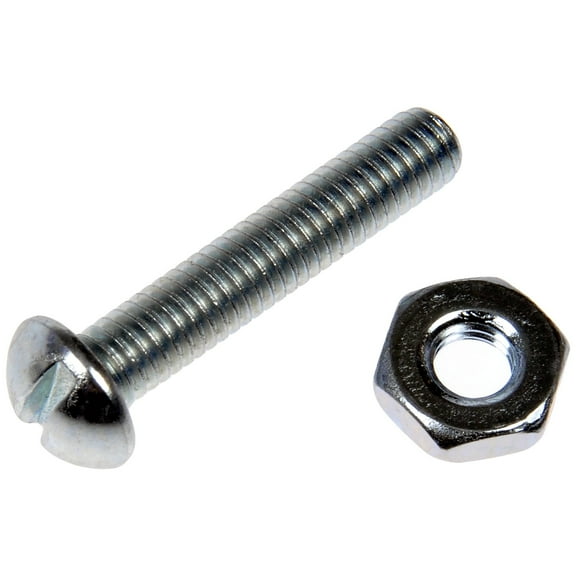
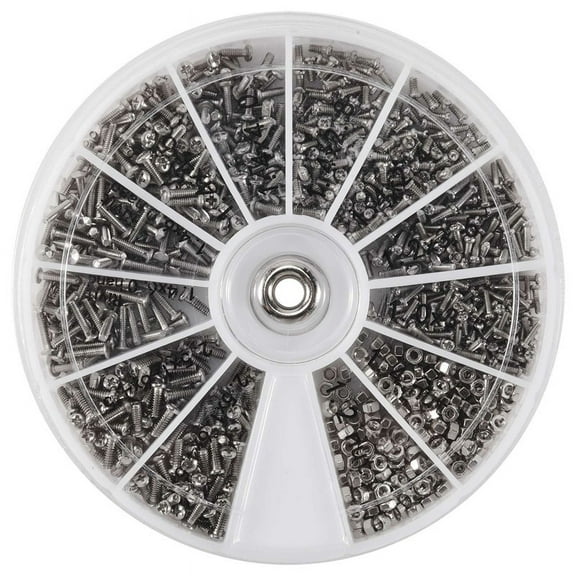

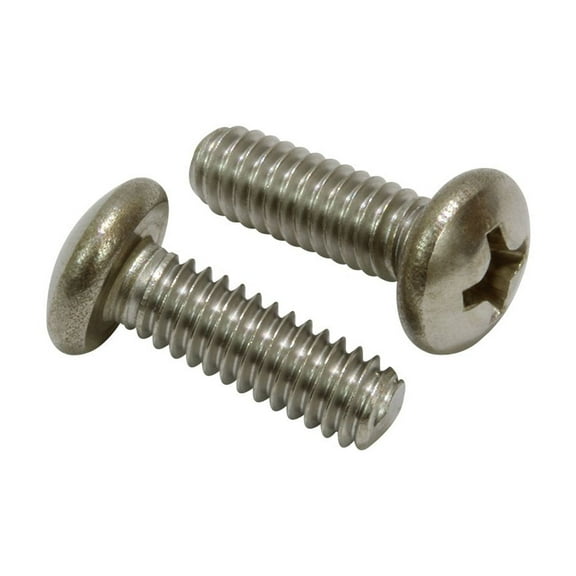
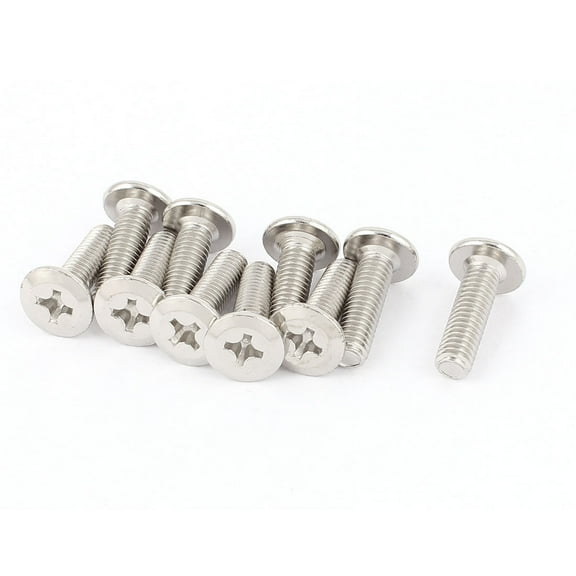



About Machine Screws & Machine Screw Kits - Walmart.com
Machine screws help you fasten metal, plastic, and equipment parts with clean threads and precise sizing. You can compare standard and metric options, plus kits and assortments, when your project needs a dependable machine thread match.
If you're replacing a lost fastener or building from scratch, you need thread size, length, and head style to line up. You can use this guide to compare the choices that matter for panels, brackets, electronics, and repair work.
How to choose machine screws
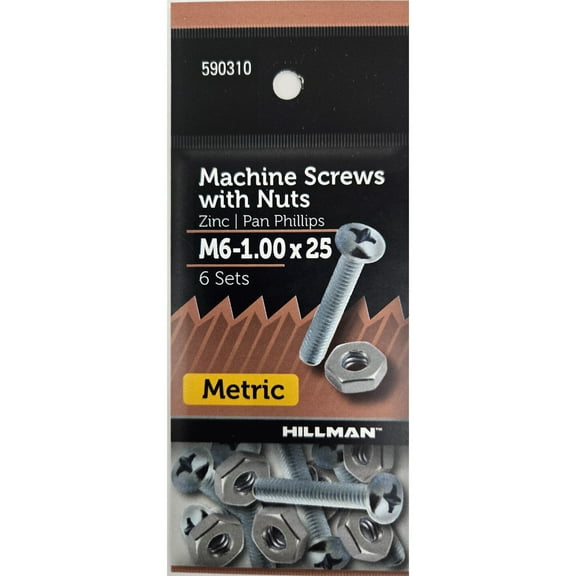
You should start with thread size and pitch, because that decision affects fit more than any finish or head shape. You may see common sizes like #6-32, #8-32, M5, and M6 when you compare standard and metric hardware.
If your existing hole uses imperial threads, you should match that exact count instead of forcing a close size. If your part takes an M6 1.0 screw, you should keep the same metric pitch for smooth installation.
You can also choose assortments when you handle mixed repairs across appliances, light fixtures, outlet covers, cases, or shop bins. You get organized access to several sizes, which helps when one project turns into three.
- You can match thread size for a cleaner fit in tapped holes and nuts.
- You can keep common lengths nearby for repairs that need quick replacements.
- You can choose kits when your workbench needs several sizes in one case.
- You can compare materials and head styles for indoor, outdoor, or visible installations.
Choosing thread size, pitch, and length for machine screws
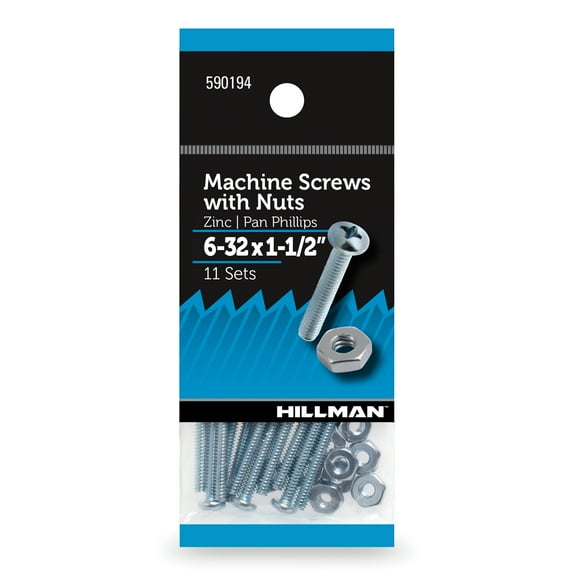
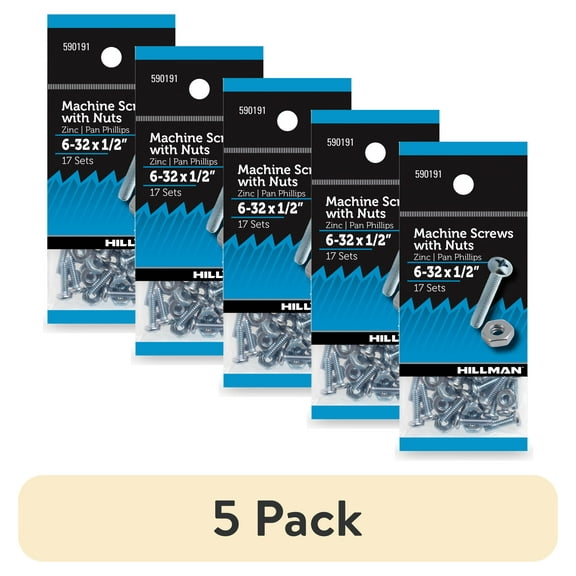
You should check whether your fastener uses UNC sizing or metric sizing before you compare packs. You may recognize 6-32 screw kit options for household hardware, electronics, and enclosure repairs.
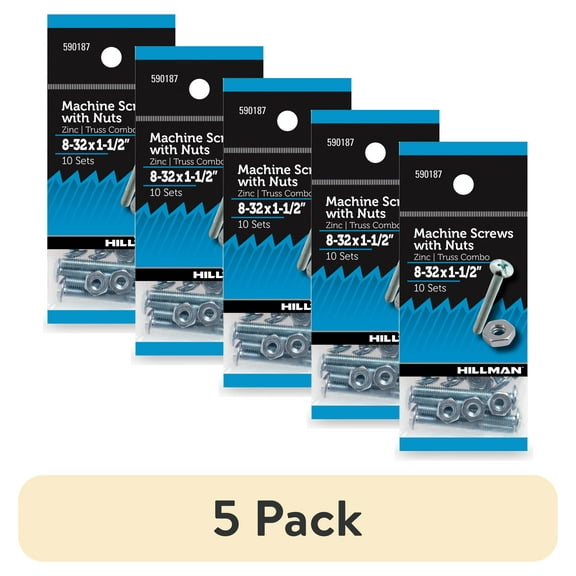
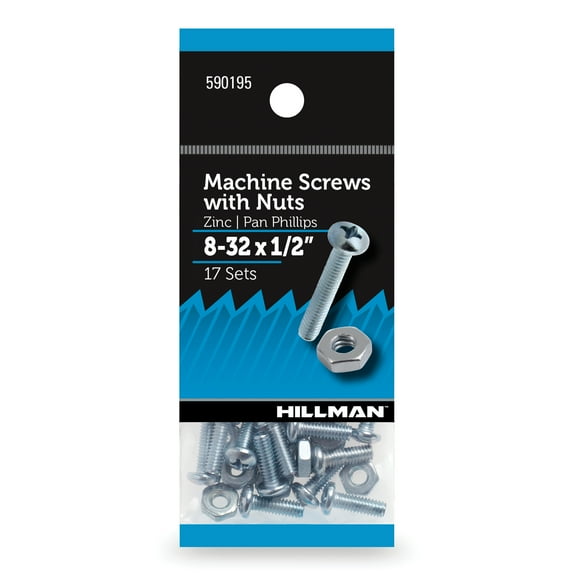
If you need a #8 machine screw, you should confirm both diameter and thread pitch before ordering. You can avoid mismatched fastening when your nut, insert, or threaded hole expects a specific pattern.
You should measure length carefully, because measurement methods vary by screw style. You measure most styles from under the head, while flat head screws use overall length.
If you need 1/2 inch, 1 inch, 25mm, or 30mm lengths, you should compare them against material thickness. You can prevent extra protrusion or shallow engagement by matching length to the stack you're fastening.
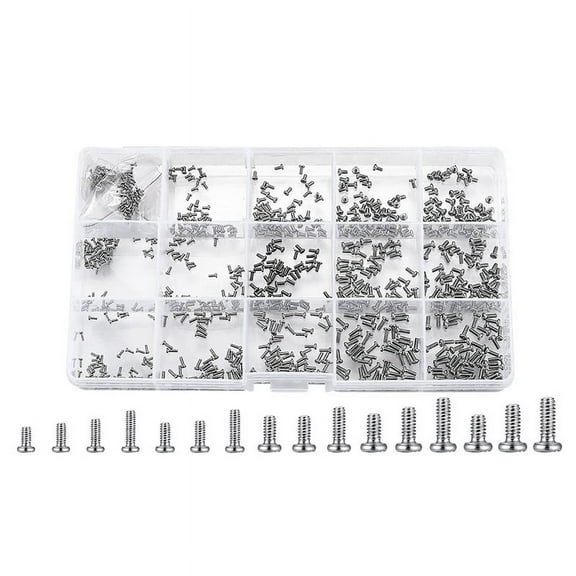
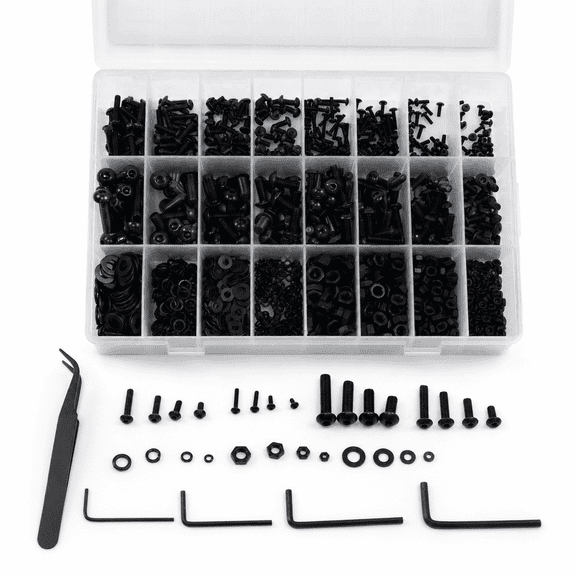
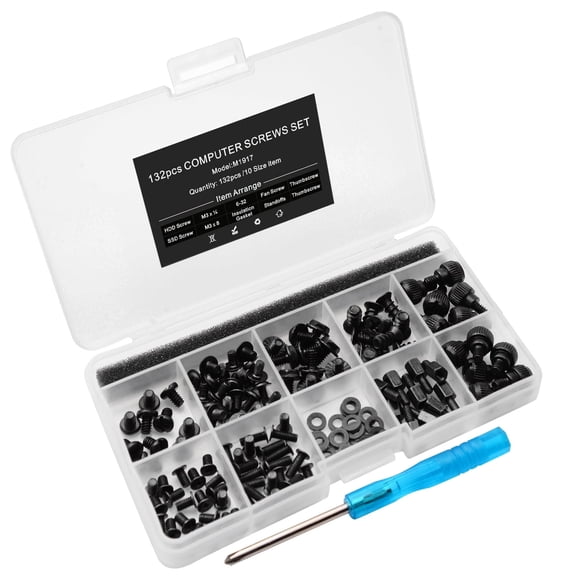
You may prefer a machine screw kit or machine screw set when your maintenance tasks vary by device. You can keep short and long pieces sorted, which helps when different housings need different reach.
Choosing head style and drive type
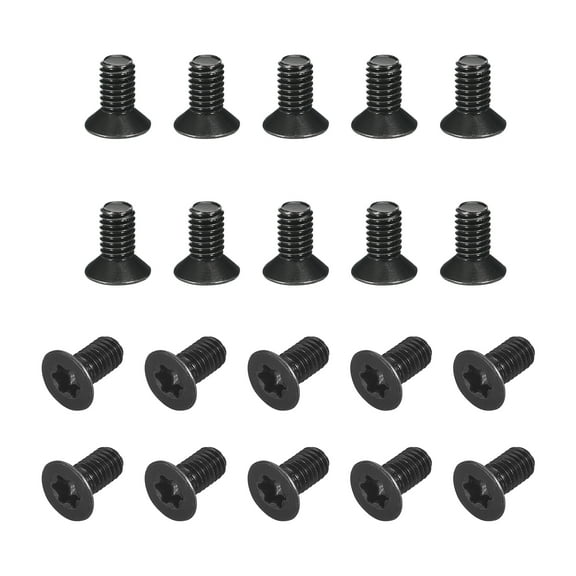
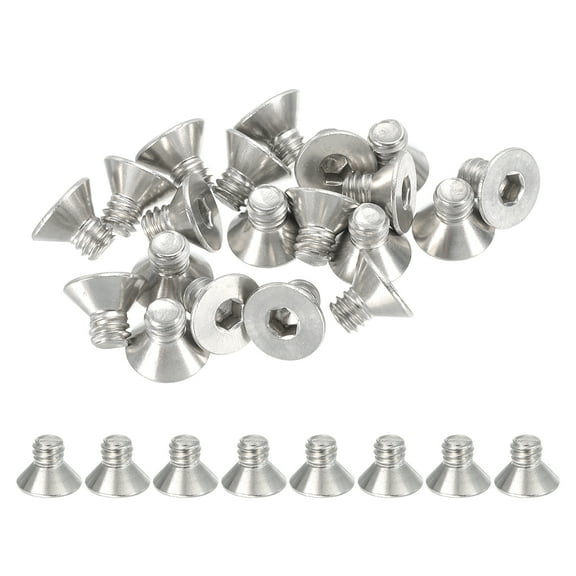
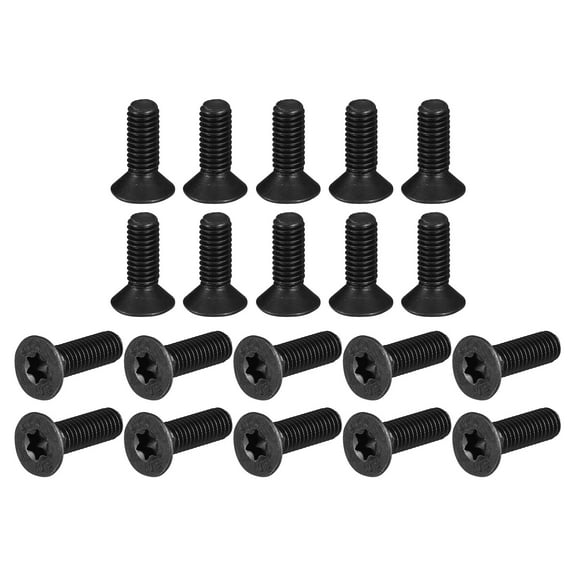
You should pick head style based on how you want the fastener to sit against the surface. You can use flat head screws when you need a countersunk finish that sits flush.
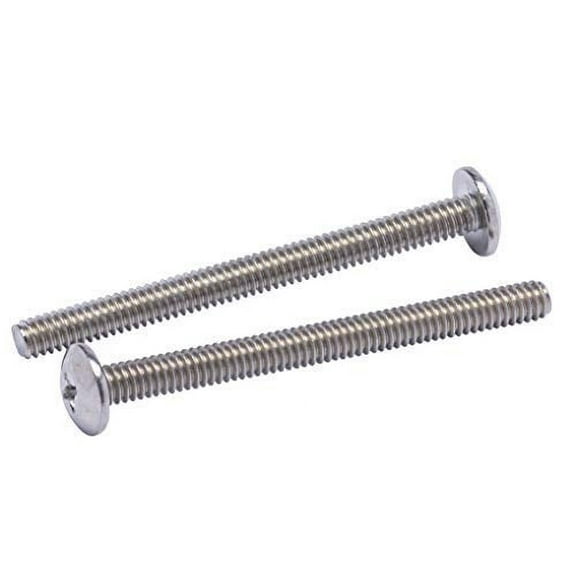
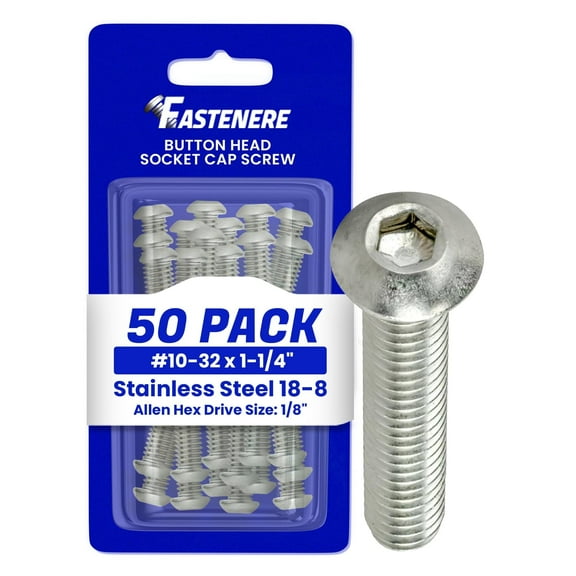
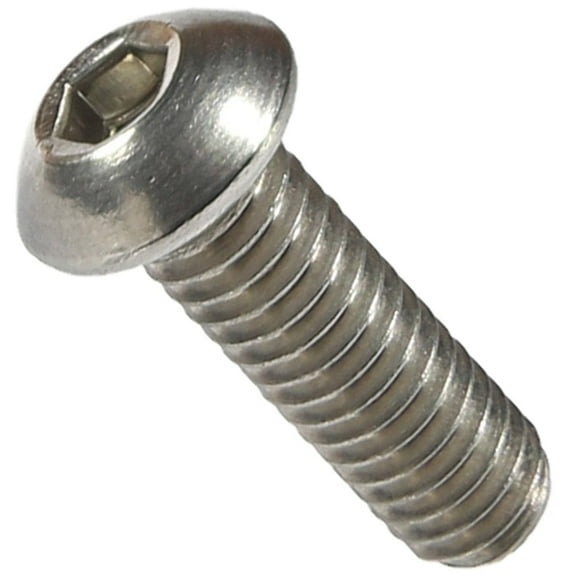
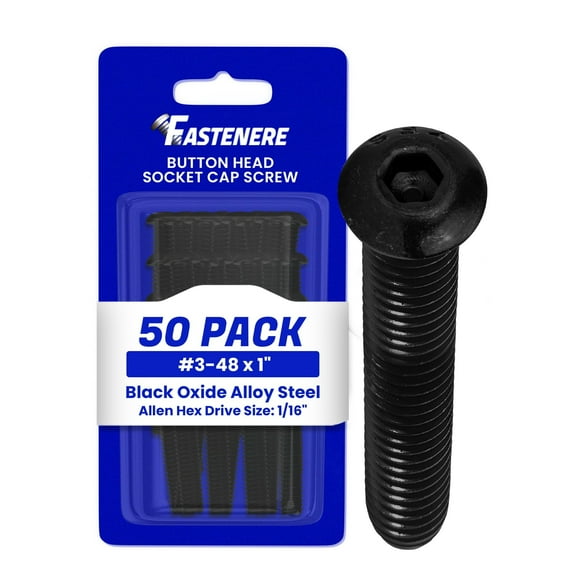
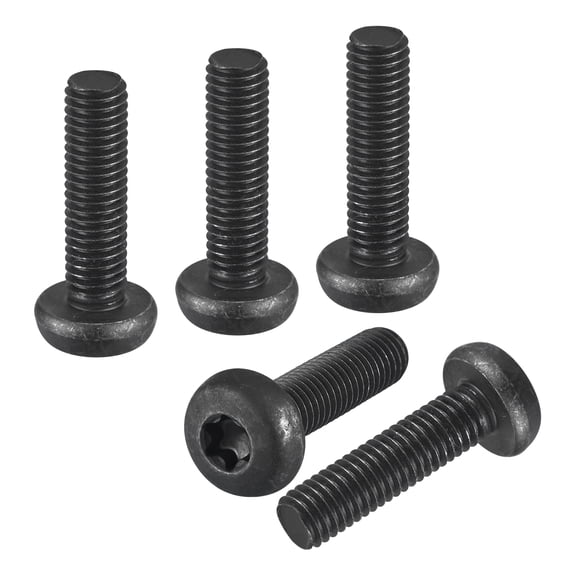
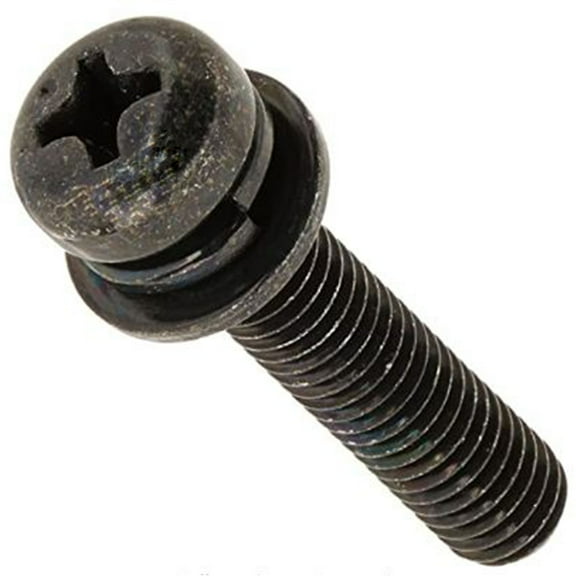
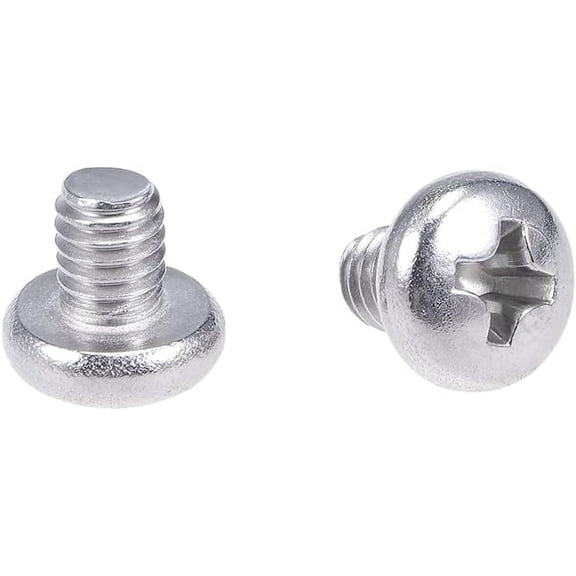
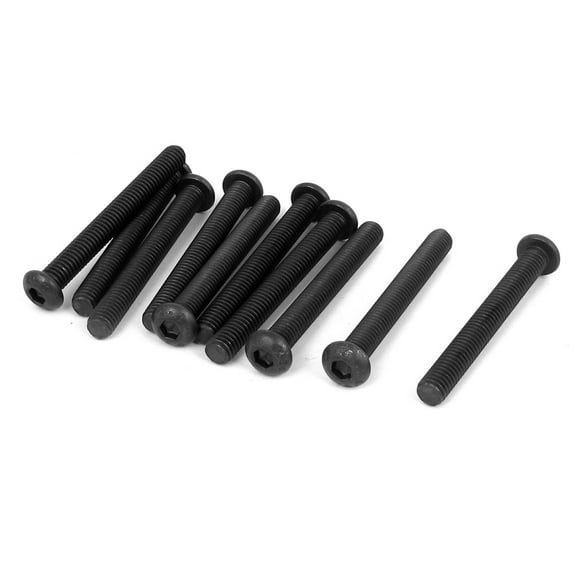
If you want a rounded profile, you may compare pan head, button head, and truss head options. You can use button socket cap screws when your project needs a low dome look with a hex or socket drive.
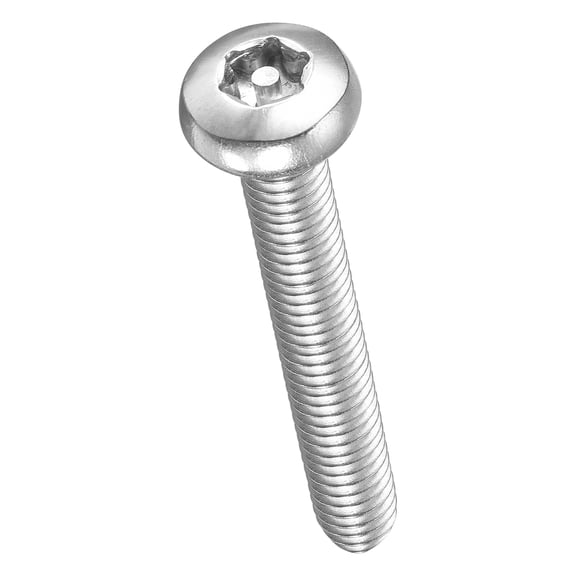
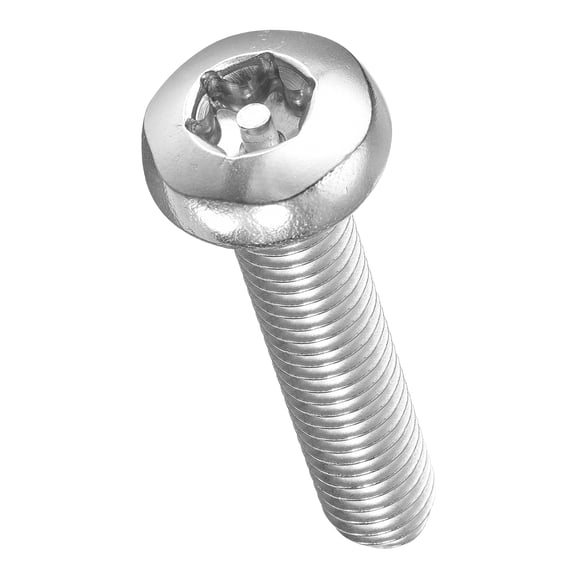
You should also match the drive type to the tool you already use at the bench. You may choose Phillips or slotted for common hand tools, while hex or Torx can help you keep a firmer grip.
If you work in tighter spaces, you should consider whether your driver can reach the screw head cleanly. You can make installation easier by matching the recess to your screwdriver bit or hex key.
Choosing material and finish for your project
You should compare material and finish based on where your hardware will live and how it needs to look. You may choose stainless steel for damp spaces, while zinc plated options fit many indoor jobs.
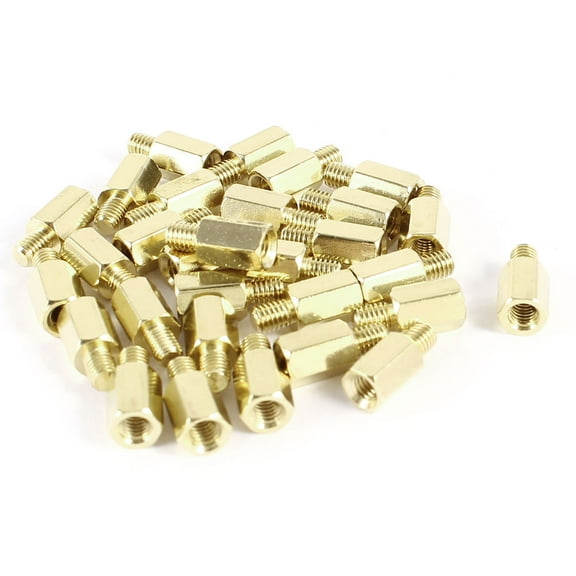
If you want a warmer finish for visible hardware, you may look at brass machine thread screw options. You can also choose black oxide when your project needs a darker appearance on fixtures or equipment.
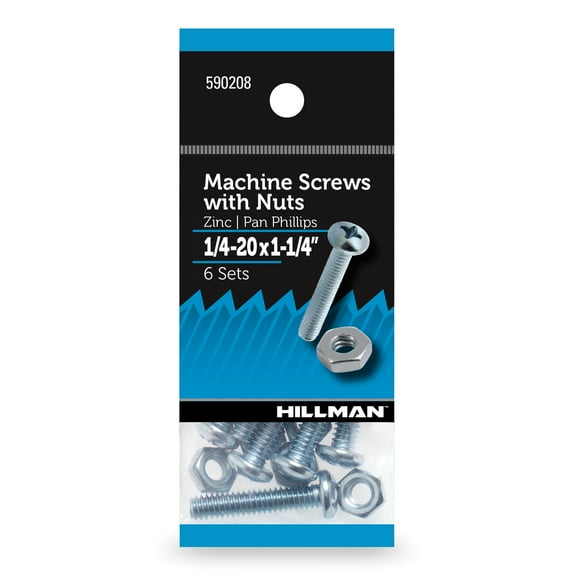
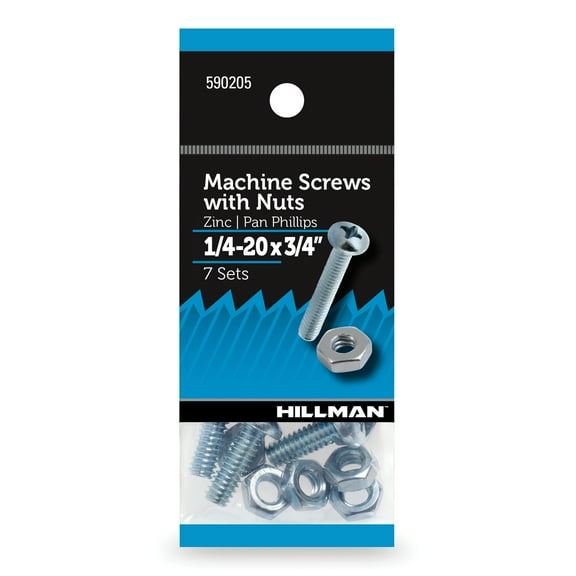
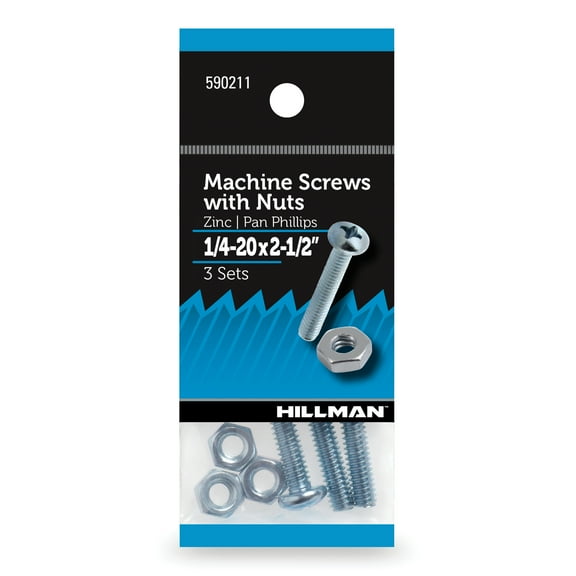
You should think about matching machine screws and nuts when you replace worn hardware sets. You can keep finishes and thread types aligned, which makes assembly look consistent and feel more secure.
If your project includes access panels, electrical boxes, brackets, or hobby builds, you should compare finish with function. You can use corrosion-conscious materials in wet areas and simpler finishes for dry interior repairs.
When kits and assorted packs make sense
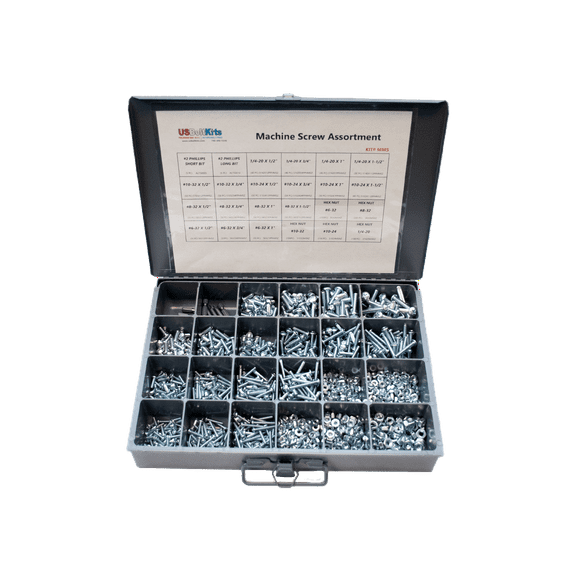
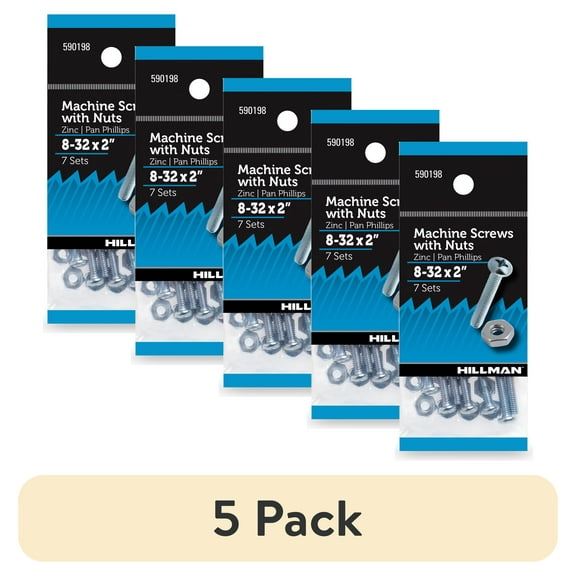
You may want a machine screw kit when you handle property maintenance, shop repairs, or repeated assembly tasks. You can open one case and compare sizes quickly instead of sorting through mixed loose hardware.
If you repair electronics, switches, mounts, or machine housings, you may use a 6/32 screws assorted pack often. You can keep common thread sizes ready for cover plates, terminal hardware, and small brackets.
You should consider assortments when your work includes both standard and metric parts from different manufacturers. You can move from a #6-32 repair to an M6 1.0 screw replacement without stopping the job.
If you build displays, restore equipment, or organize workshop hardware, you can use labeled kits to reduce guesswork. You get a clearer view of head styles, lengths, and finishes before installation starts.
Machine screws give you precise fastening choices when your project depends on matching threads, head style, length, and finish. You can choose with more confidence when you compare those details first, and that helps your assembly fit cleanly from the start.