






Lucky Q Worms & Dried Mealworms for Birds | Walmart
















![Kaytee Mealworms Bird Food [Bird, Wildbird Foods] 3.5 oz](https://i5.walmartimages.com/seo/Kaytee-Mealworms-Bird-Food-Bird-Wildbird-Foods-3-5-oz_3a40ce1c-636e-4f29-a89b-abc46208a25b.d52a1ec1b8838c4e5654b5c4c8afff5a.jpeg?odnHeight=576&odnWidth=576&odnBg=FFFFFF)
![Kaytee Mealworms Bird Food [Bird, Wildbird Foods] 17.6 oz](https://i5.walmartimages.com/seo/Kaytee-Mealworms-Bird-Food-Bird-Wildbird-Foods-17-6-oz_9ca9acd8-db25-47a2-8aed-4c024b0a1a8a.b28bfd942615f4078ac135dea11338e7.jpeg?odnHeight=576&odnWidth=576&odnBg=FFFFFF)
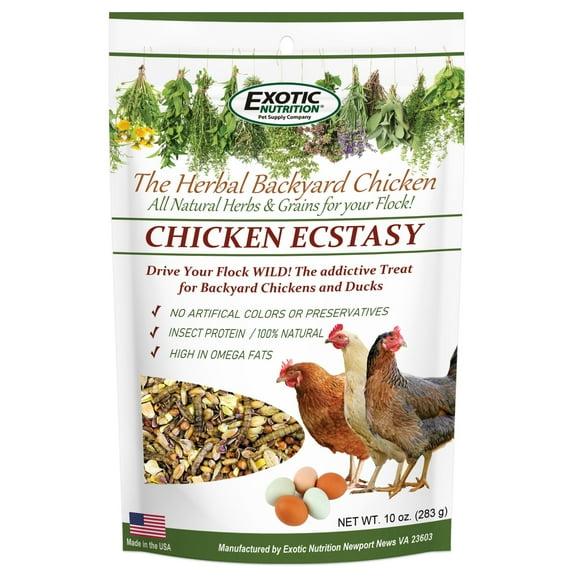


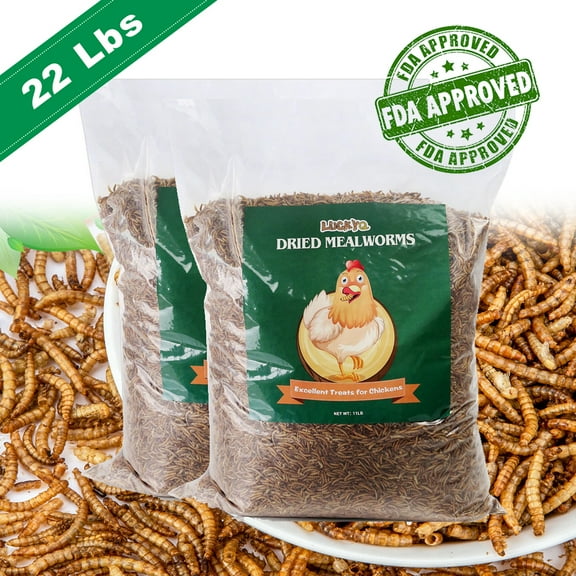


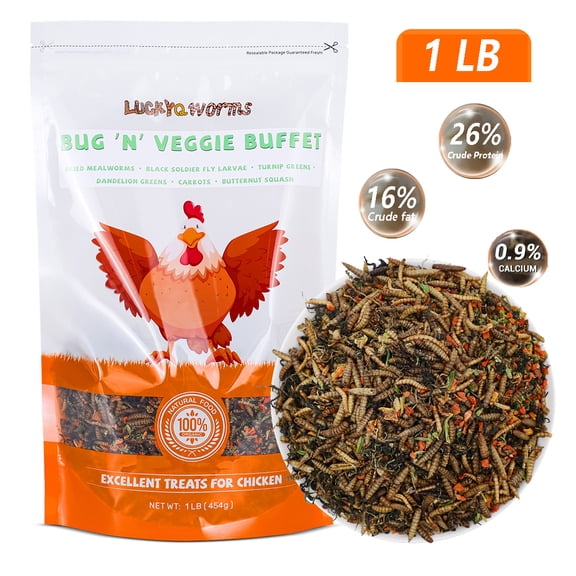
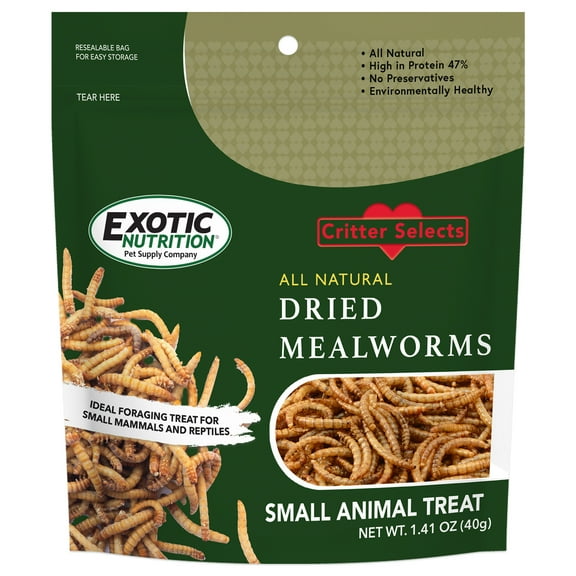
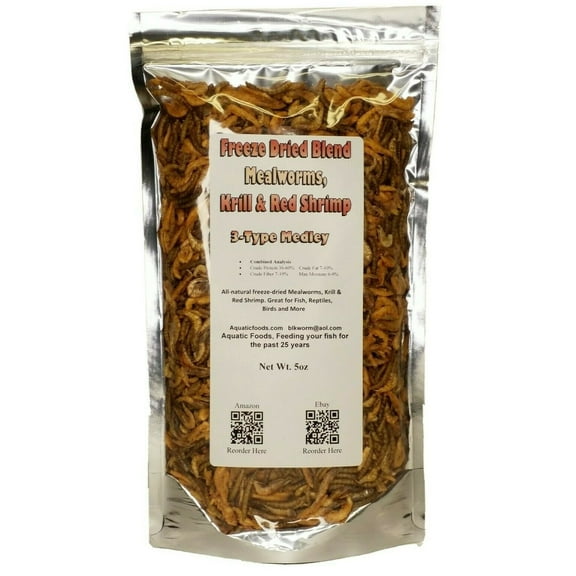
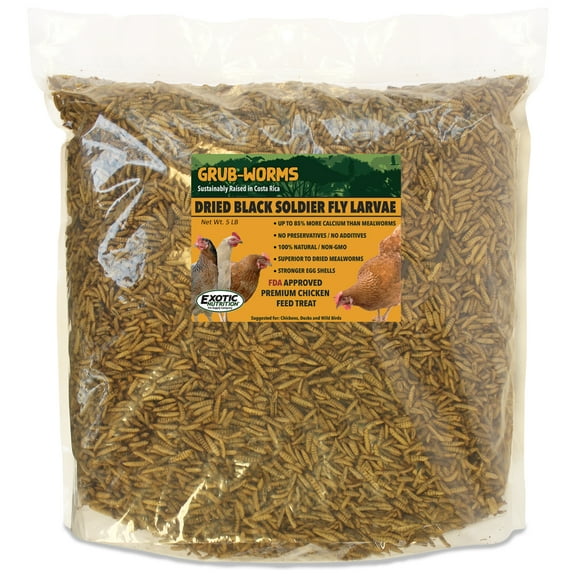

About Lucky Q Worms & Dried Mealworms for Birds | Walmart - Walmart.com
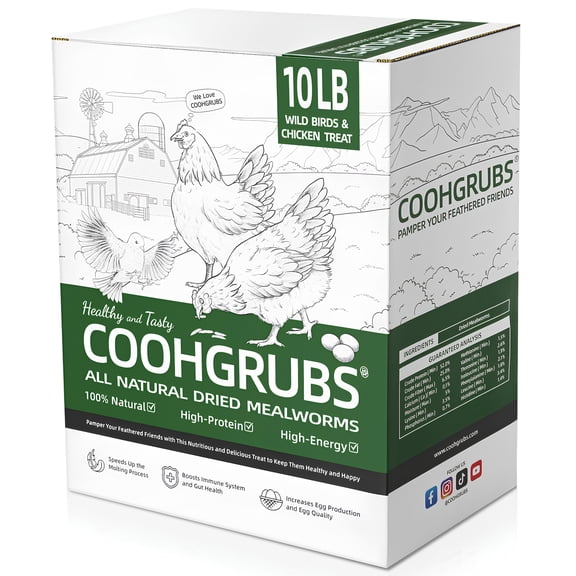
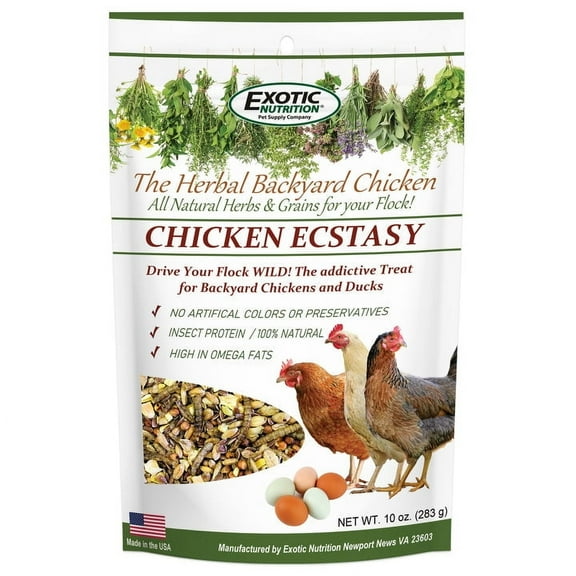
You'll find lucky q worms alongside mealworms for birds that fit daily feeding, poultry routines, and bait setups. You can compare dried, live, and canned forms fast, so your feeding plan stays simple and consistent.
When you shop this category, you can focus on form, target animal, use case, and package size. You get a clearer path to dry mealworms for birds, meal worms for ducks, or worms for fishing bait.
How to choose lucky q worms and mealworms for birds
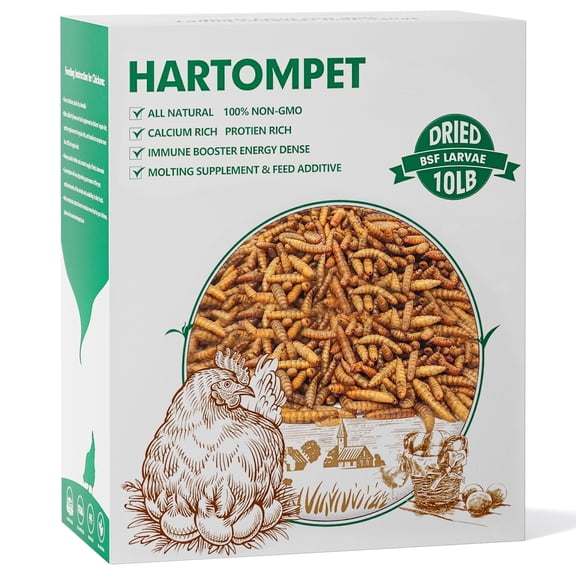
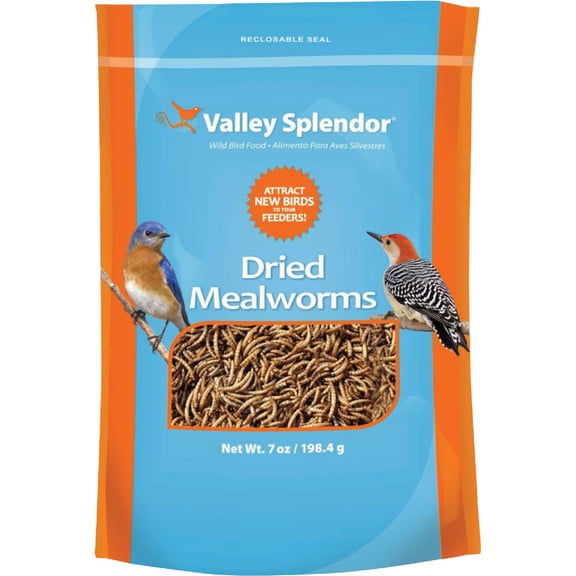
You should start with the form that matches your routine and storage space. If you want less mess and longer pantry storage, you may prefer dried mealworms for bird feeding.
You can choose live mealworms when you want movement that suits reptiles or some bait needs. You can also compare canned options when you want a ready-to-use format with straightforward portioning.
Your target animal matters because feeding habits differ across wild birds, chickens, ducks, and reptiles. You should check the label and product title, so your pick matches your intended animal and feeding style.
- You can use dried mealworms to keep wild bird feeders stocked with less day-to-day maintenance.
- You can choose bulk bags when your backyard feeding station needs frequent refills.
- You can pick resealable pouches when your storage space is tighter and your portions stay organized.
- You can keep multi-packs on hand when you feed different animals or rotate feeding locations.
Choosing the right form for dry mealworms for birds
You should compare dried, live, and canned options by convenience first. Dried mealworms for birds usually fit busy routines because you can scoop, pour, and store them with little prep.
If you feed often, you may notice dried options are easier to keep near seed, suet, and feeder tools. You can portion them quickly into tray feeders, platform feeders, or ground-feeding areas.
Live mealworms work differently because you handle a highly active format. You may choose them for reptiles or for worms for fishing bait when movement matters in your setup.
Canned choices can help when you want less handling than live options. You can open, portion, and close them with a highly controlled process for short feeding sessions.
Matching target animals to your feeding plan
You should match mealworms for birds to the species you feed frequently. If your yard attracts bluebirds, robins, wrens, or chickadees, you may lean toward dried pieces with easy feeder access.
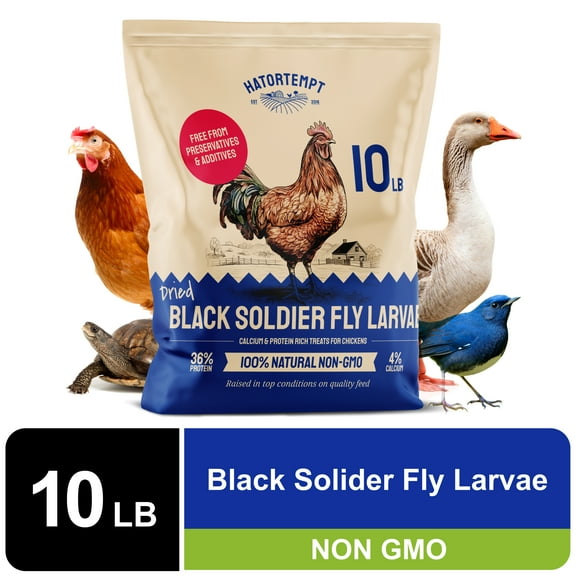
Your poultry routine may call for meal worms for ducks or chickens in larger amounts. You can compare package details and serving style, so your flock feeding stays highly predictable.
If you feed ducks, you may prefer formats that pour easily and spread across a wider area. You can use that approach when you want cleaner distribution around ponds, runs, or backyard spaces.
For reptiles, you may look closer at live formats and portion size. You should compare count, container style, and feeding frequency before you choose a recurring option.
Comparing use cases from bird feeding to worms for fishing bait
You can shop this category with a clear purpose, and that purpose changes what matters for your setup. If you feed backyard visitors, you may prioritize dry mealworms for birds and easy storage.
For poultry feed, you may focus on larger bags and simple portioning. You can keep your routine smoother when your package format matches how often you feed chickens or ducks.
If you need worms for fishing bait, you may compare live and canned forms first. You should think about portability, container style, and how quickly you want access at the water.
Your bait kit may work well with compact packs that travel easily in a tackle bag. You can also keep separate feeding and bait supplies, so each use stays organized.
Deciding on package size and storage
You should choose package size based on feeding frequency, not guesswork. If you refill feeders every day, bulk bags can give you fewer interruptions and easier planning.
Resealable pouches help when you want a neater pantry setup and simpler scooping. You can open only what you need, then close the pouch for your next feeding session.
Multi-packs make sense when you split supplies across sheds, garages, or bait kits. You can also use them when you want to test different pack sizes before settling on a routine.
Your storage habits affect convenience as much as the mealworms themselves. You should look for packaging that fits your shelves, feeding bins, or travel gear without extra transfer steps.
What to look for before you choose
You can narrow options faster when you compare form, target animal, use case, and package size together. That approach helps you avoid buying a bait format for a feeder routine, or the reverse.
You can feel confident when your choice matches your birds, flock, reptile, or tackle plan from the start. You can use this category to build a steadier feeding routine with less hassle.