

Metabo in Shop By Pro Tools Brand










About Metabo in Shop By Pro Tools Brand - Walmart.com
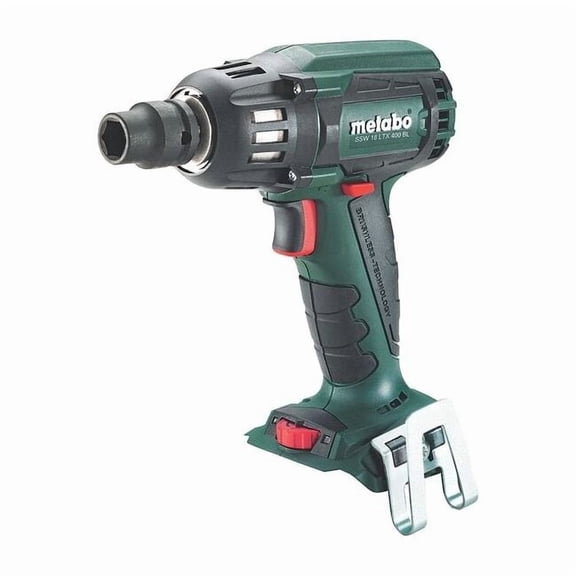
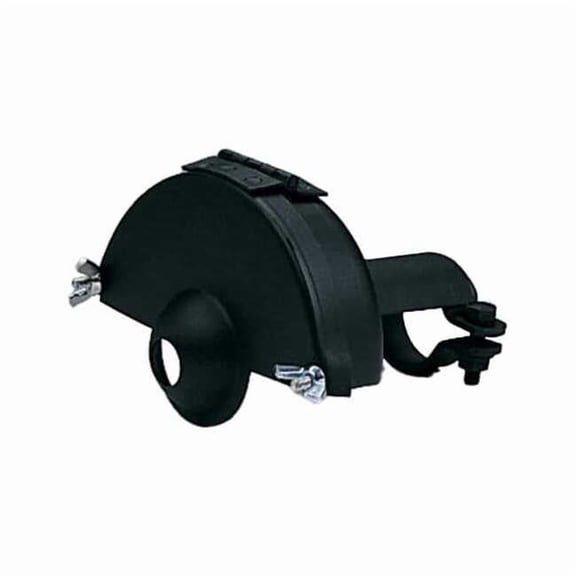
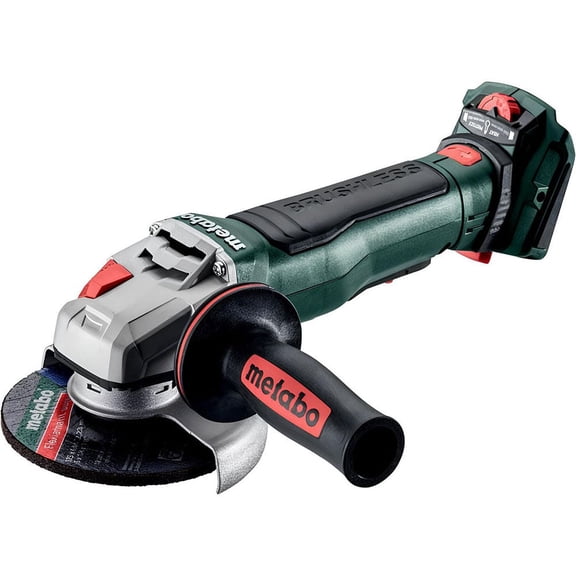
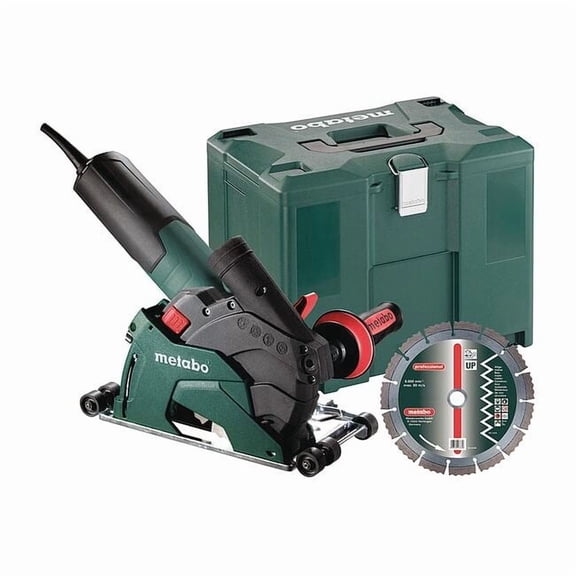
Metabo tools help you tackle demanding cutting, drilling, grinding, and fastening jobs with pro-focused design. You can compare corded and cordless options, battery platforms, and tool types in one place.
How to choose Metabo tools for your work
When you shop Metabo tools, you should start with the job you need to finish. You can narrow your choice by power source, tool type, voltage, and user segment.
If you handle daily trade work, you may want heavy-duty builds and steady output. If you handle weekend projects, you may prefer lighter tools and simpler controls.
You can also compare accessory needs before you choose a platform. Your workflow may call for grinding wheels, drill bits, saw blades, chargers, or storage options.
Choosing power source and battery compatibility
You should compare corded and cordless tools based on where you work most often. You’ll get easy movement from cordless models, while corded options give you continuous power.
If you move around a job site, you may prefer Metabo cordless tools for fewer outlet limitations. If you stay near a bench, you may like the steady pull of a corded setup.
You should also check battery compatibility before expanding your collection. Your tools may work more smoothly together when you match voltage and the Cordless Alliance System, or CAS.
- You can choose cordless tools when your jobs need mobility across rooms, ladders, or outdoor spaces.
- You can choose corded tools when your tasks run longer and you want uninterrupted power.
- You should match 12V, 18V, or 36V platforms to your tool and charger setup.
- You can look for CAS compatibility if you want fewer battery system mix-ups.
For lighter tasks, you may find 12V tools easier to carry and control. For routine trade work, you’ll often see 18V options support a wider mix of tools.
When you need extra output, you may look at 36V tools for more demanding applications. Your choice should reflect runtime expectations, weight preference, and task intensity.
Comparing Metabo power tools by tool type
You can narrow Metabo power tools by the material you handle and the finish you expect. Your decision often becomes easier when you compare grinders, drills, rotary hammers, and saws.
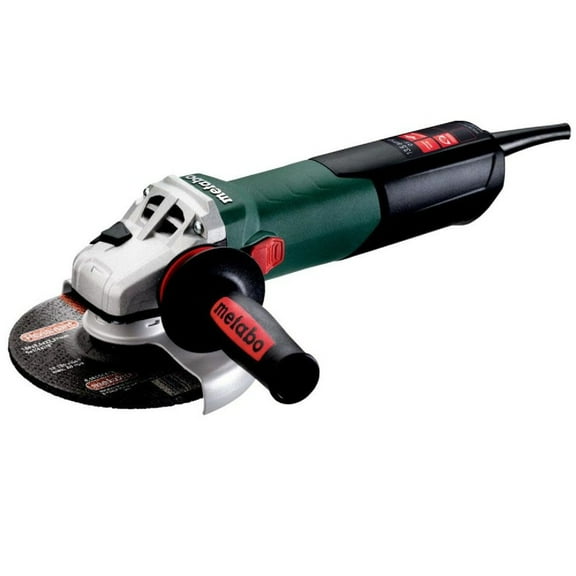
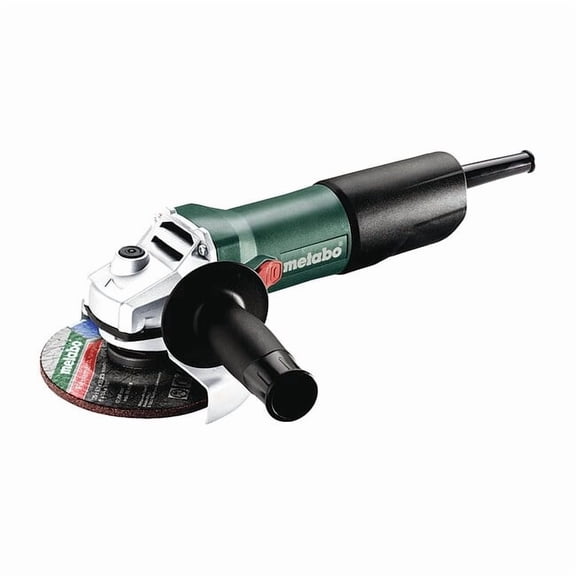
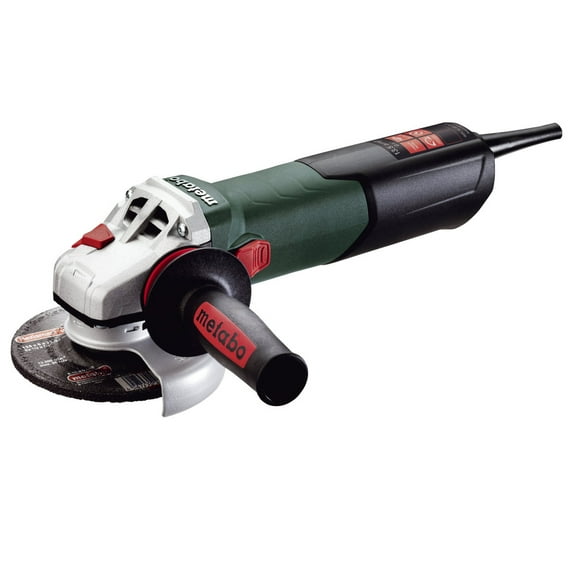
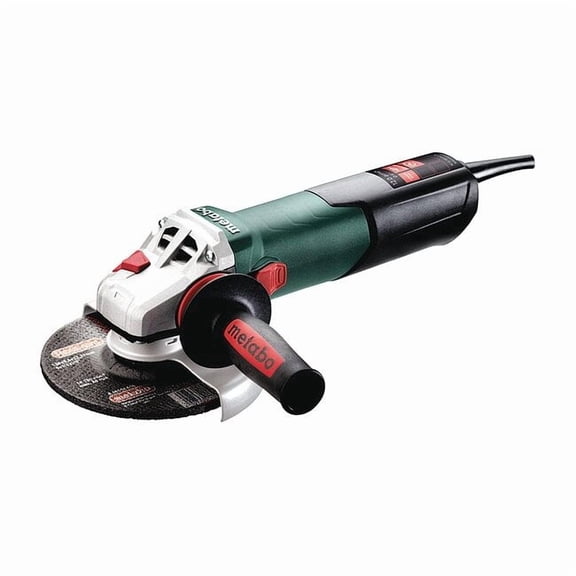
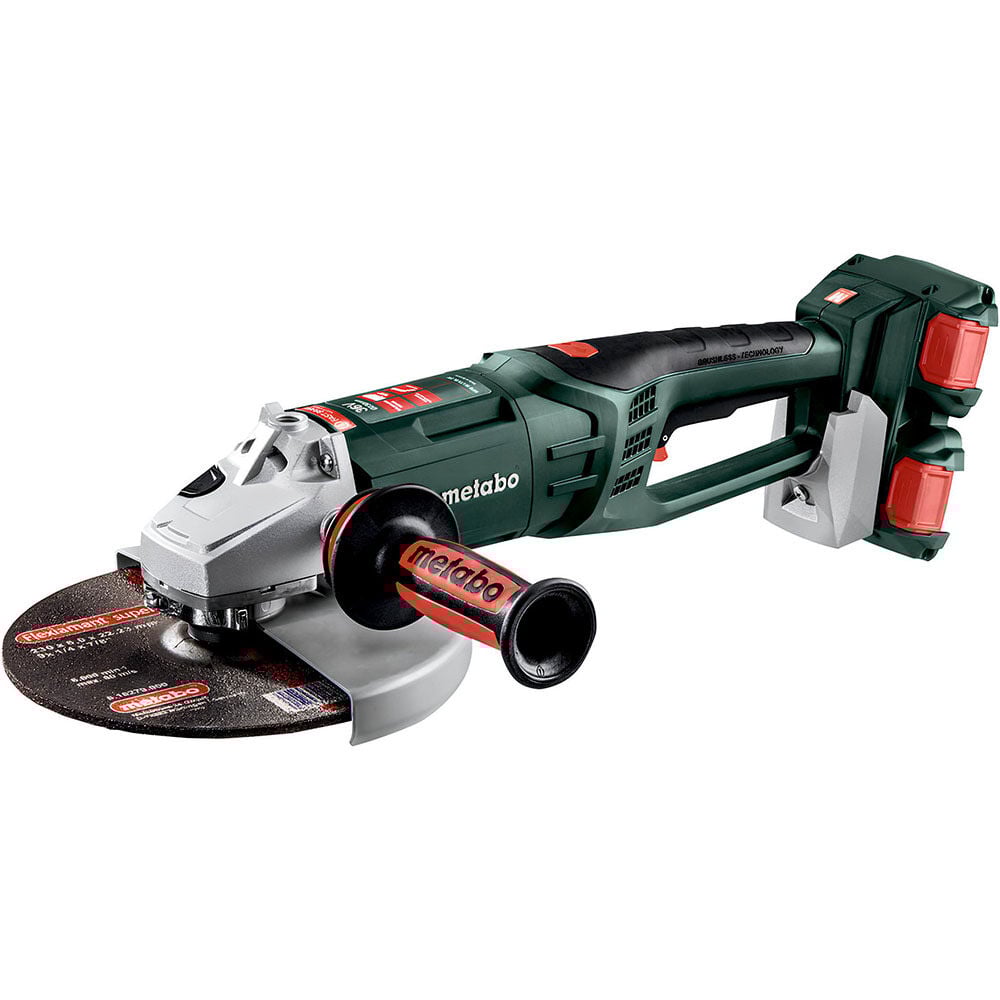
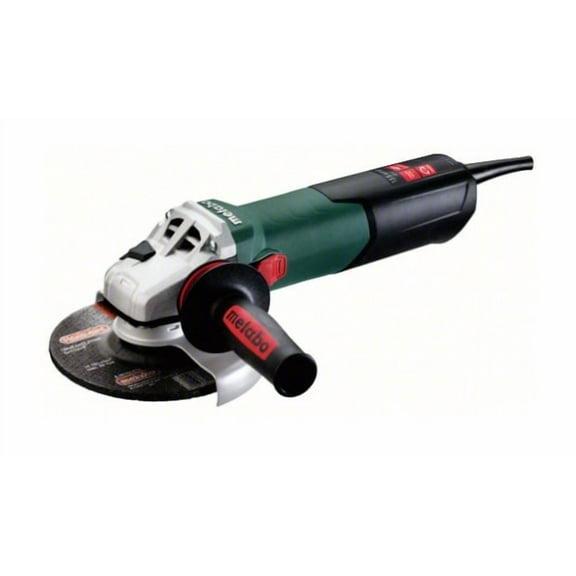
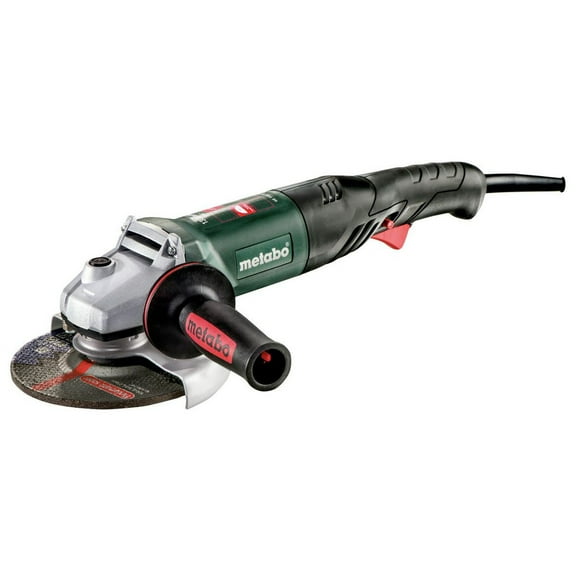
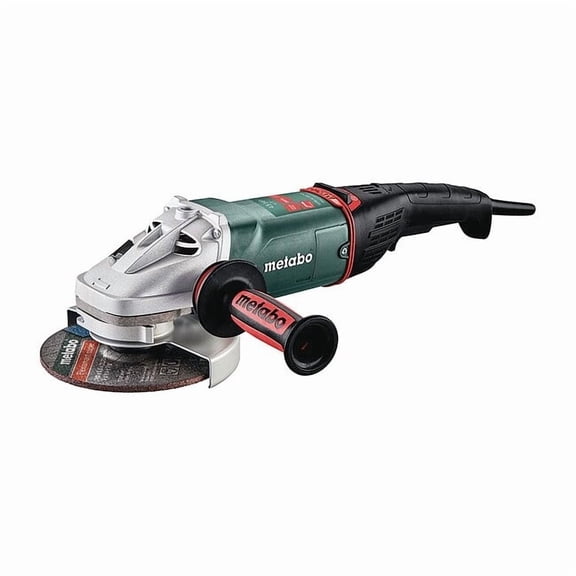
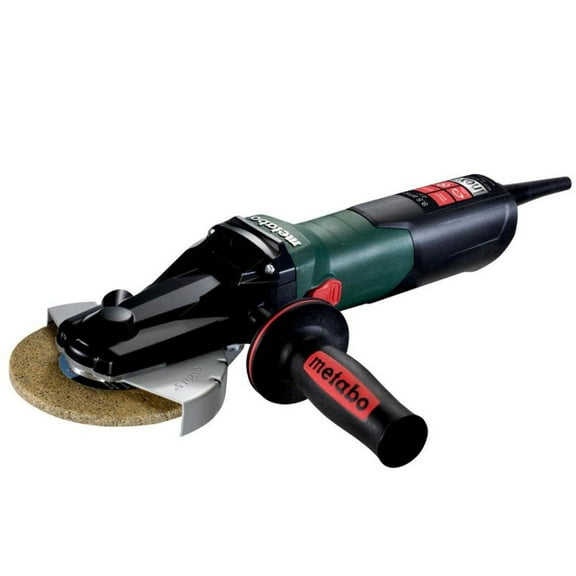
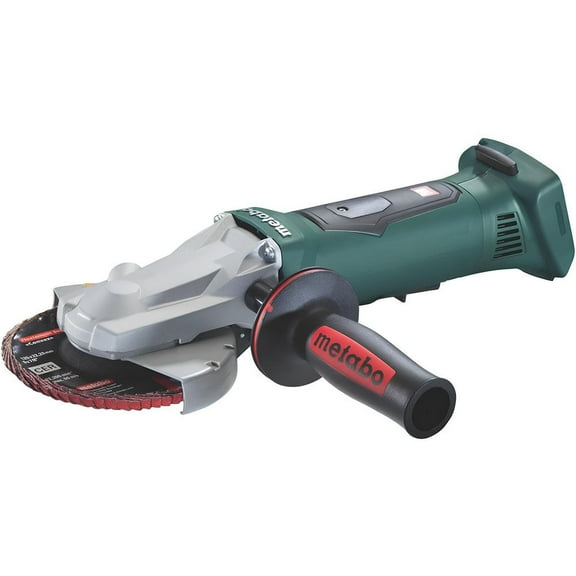
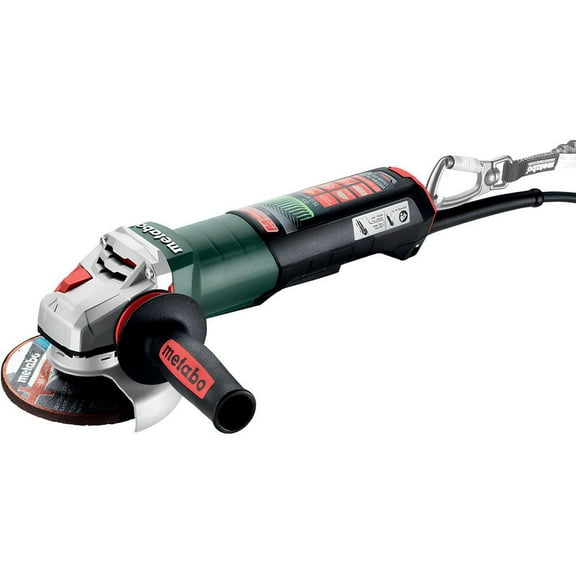
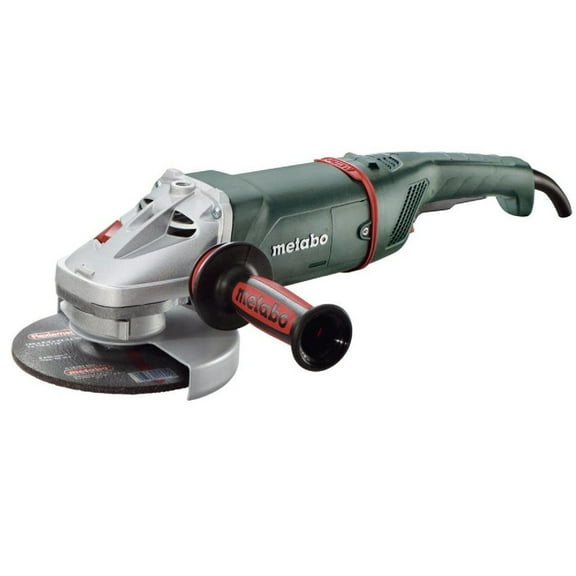
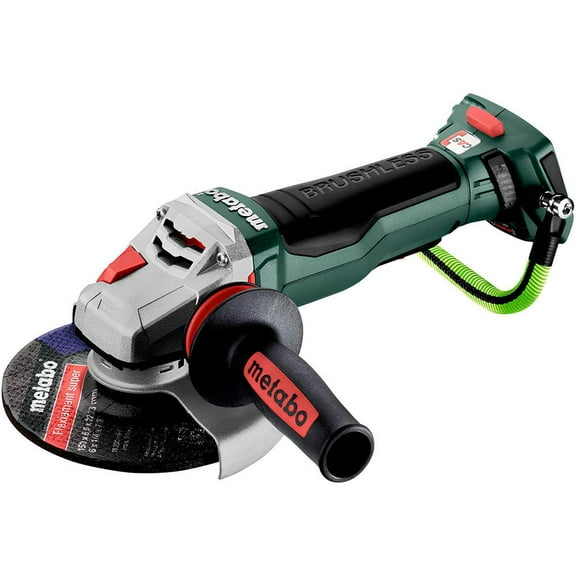
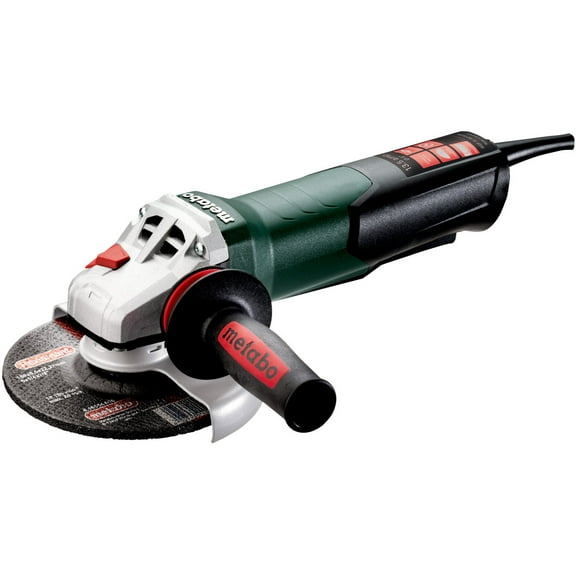
If you cut metal or smooth welds, you may focus on Metabo angle grinders. You should check wheel size, grip style, and brake features for faster control between passes.
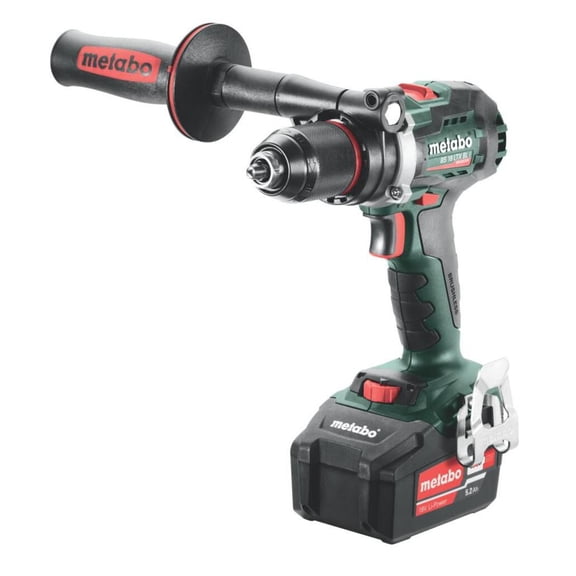
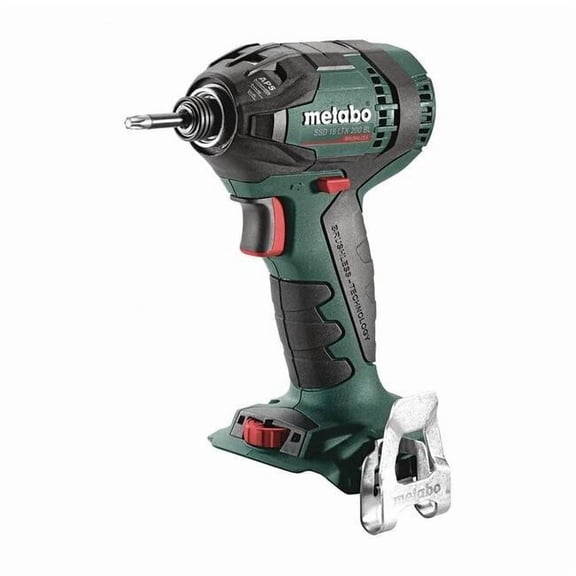
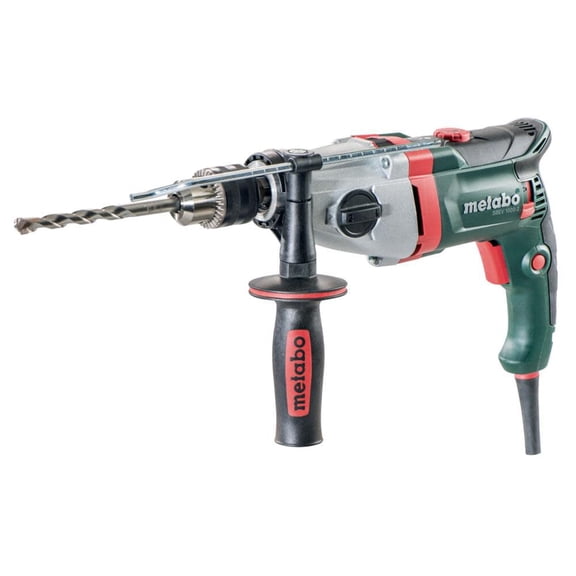
When you drill wood, metal, or masonry, you should compare speed settings and torque. Your drill choice affects how easily you start holes, drive fasteners, and handle dense materials.
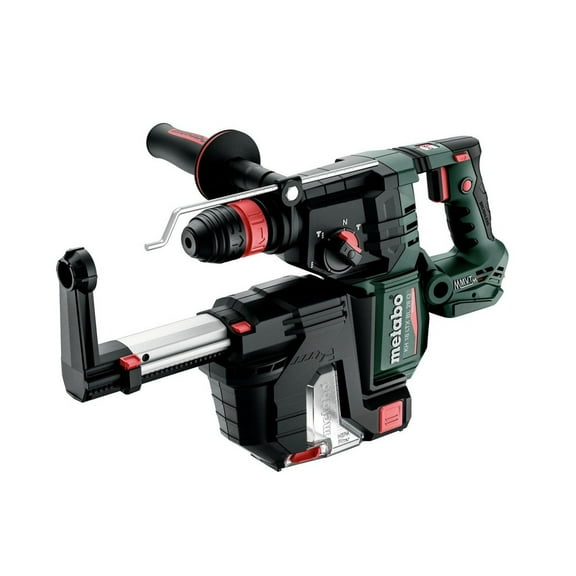
If you work on concrete, you may need rotary hammers with stronger impact energy. You can use that extra force for anchoring, demolition, or repeated masonry drilling.
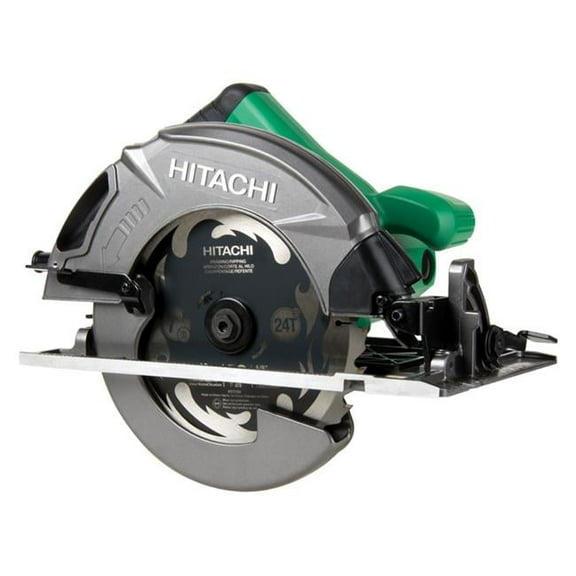
For framing, trim, or sheet goods, you may compare saw styles and blade compatibility. Your cut quality depends on the tool design, control feel, and material match.
What specs matter for heavy-duty and DIY use
You should match tool output to the kind of work on your schedule. Your projects may need compact handling, or they may demand stronger torque and longer runtime.
If you handle cabinets, fixtures, or punch-list tasks, you may want lighter tools. You’ll usually appreciate easier overhead use, smaller grips, and faster storage between jobs.
If you handle fabrication, concrete, or repeated cutting, you may need heavier-duty models. Your work can benefit from stronger motors, larger capacities, and more durable housings.
You should also look for plain-language signs of control and protection. Your choice may include a slip clutch, which helps manage sudden binding during tougher applications.
You may also see a fast brake on some grinder designs. You’ll notice quicker stopping can support cleaner transitions when you move between cuts or adjustments.
For busy jobsites, you may check for drop protection or reinforced housing details. Your tools can feel more suited to repeated transport, storage, and daily setup changes.
Using Metabo accessories and batteries in real projects
You can build a more organized setup when you pair your tools with the right accessories. Your routine may run smoother when batteries, chargers, blades, and bits match your platform.
If you install anchors and fasteners all day, you may keep extra Metabo batteries ready. You can rotate charged packs to keep your cordless routine moving with less downtime.
When you prep welds or cut rebar, you may pair Metabo grinders with the right wheels. Your results often improve when the accessory matches the material and finish you need.
If you move between remodeling rooms, you may prefer cordless drills and compact saws. Your setup stays easier to carry when one battery family supports several tools.
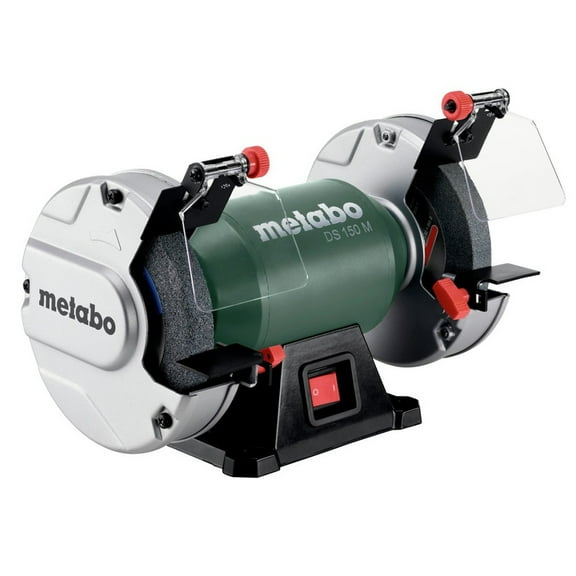
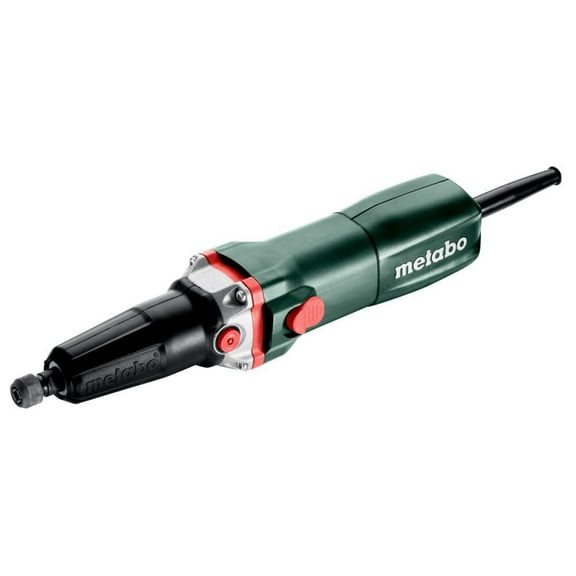
For workshop stations, you may choose corded tools with dedicated accessories close by. You can keep a reliable workflow when your grinder, saw, or drill stays ready at the bench.
If you shop for mixed use, you can compare professional, industrial, and DIY needs first. Your final choice becomes clearer when power, runtime, and control match the way you work.
With Metabo tools, you can focus on battery compatibility, task-specific output, and control features that fit real jobs. Your setup feels more consistent when every tool choice supports the way you work.