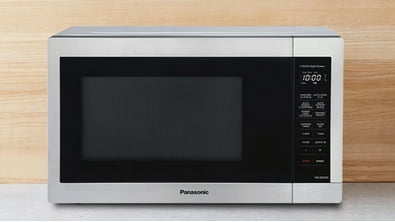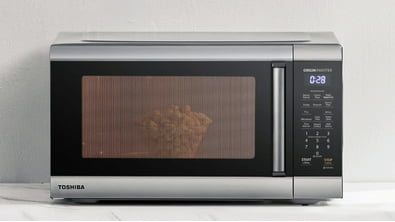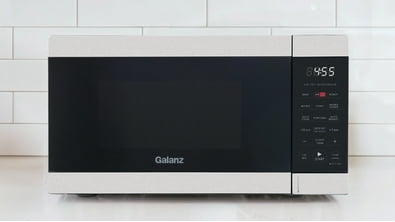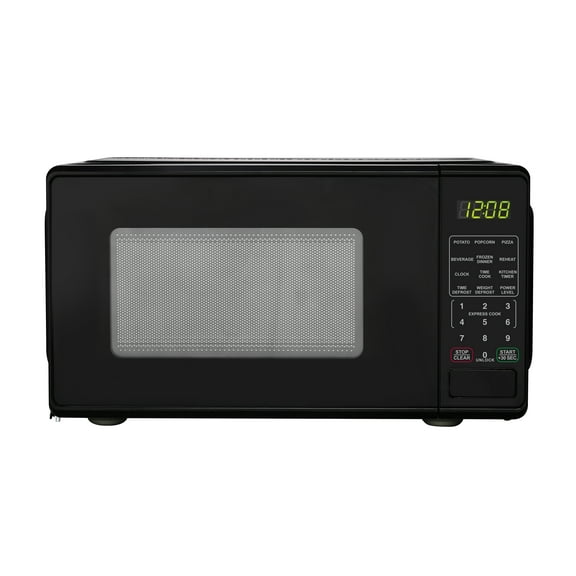


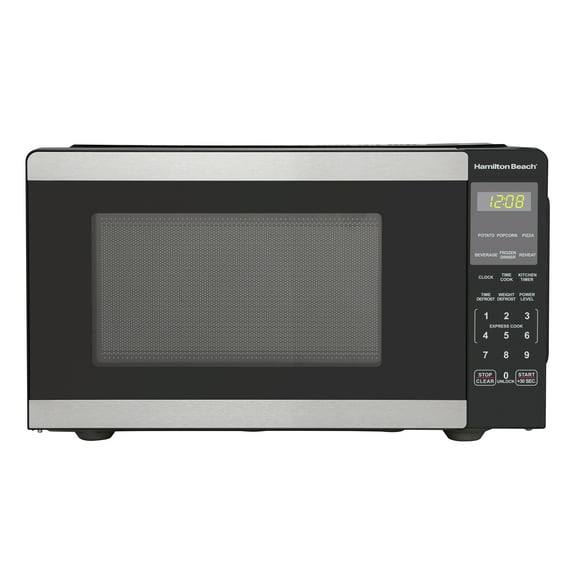

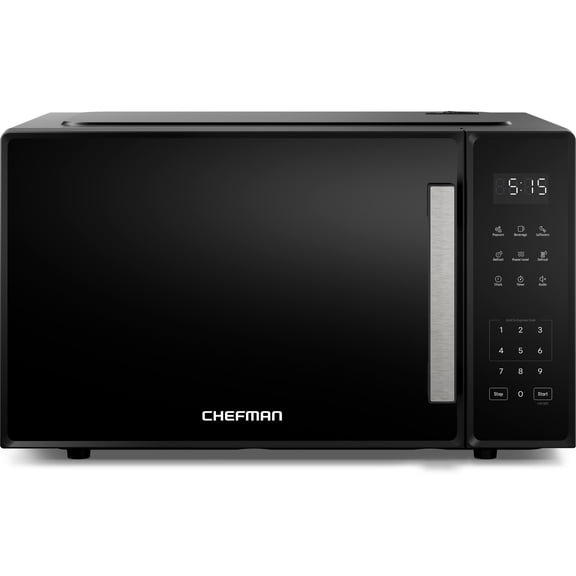
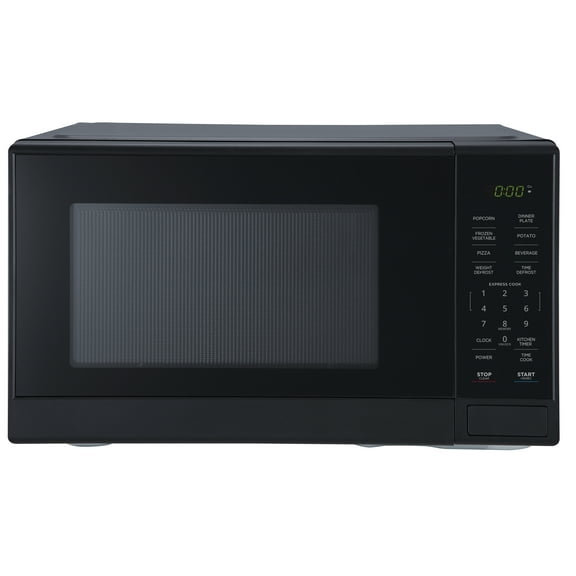
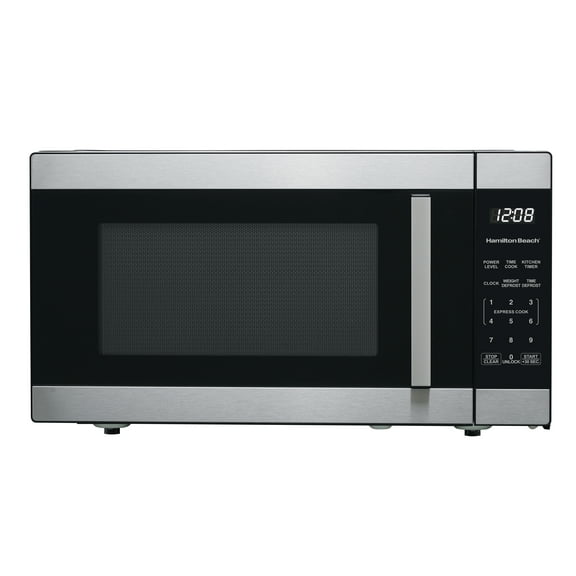

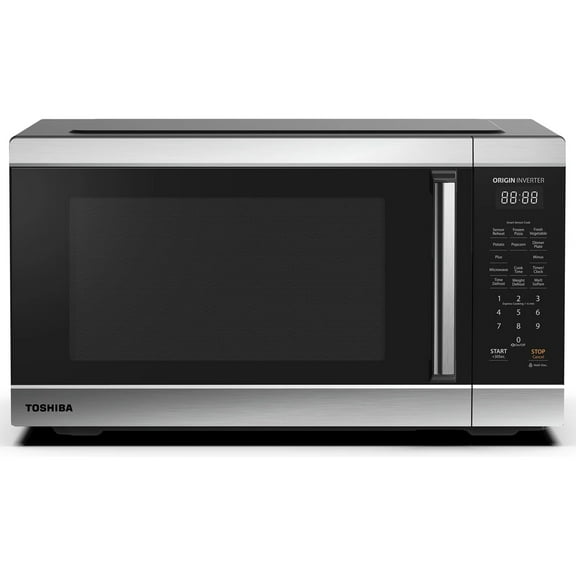






Compact
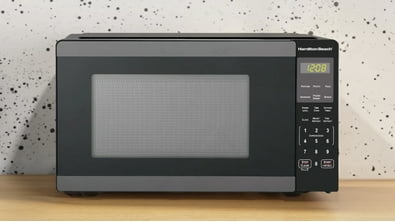
1 cu ft or smaller. Perfect for a small space living.

 Pickup or delivery?Pickup or delivery?
Microwaves help you heat meals, defrost ingredients, and handle quick cooking with options that fit your space and routine. You can compare installation type, capacity, wattage, and finish at Walmart to narrow your choice with less guesswork.
If you're replacing an older model or setting up a new kitchen, you can use this guide to compare practical differences. You'll see how countertop, over-the-range, built-in, and drawer styles fit different layouts and cooking habits.
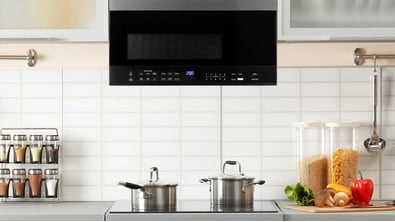
You should start with installation type because your layout determines what will fit and how you'll use it daily. Countertop models give you flexible placement, while over-the-range models combine cooking space with venting above your range.
Built-in microwaves give your kitchen a streamlined look, and you should check cutout dimensions before you choose one. Drawer styles place the cooking cavity lower, so you can load dishes without reaching overhead.
You can also compare finishes to match nearby appliances and cabinets. Stainless steel, black stainless, white, and black each create a different look in modern, classic, or mixed kitchens.
When you compare microwave price, you should focus on installation needs, cooking power, and capacity instead of appearance alone. A simple countertop unit often suits quick reheating, while built-in or over-the-range options usually involve more kitchen planning.
If you're asking how much is a microwave, you should think about where it goes and what you cook most often. Your microwave cost can also reflect added features like sensor cooking, preset buttons, and child locks.
If you're comparing microwave prices, you should also consider long-term convenience in your kitchen workflow. The right controls, cavity size, and installation style can make everyday heating feel much easier.
You can use capacity to judge how well a microwave fits your plates, cookware, and household size. Compact models under 1.0 cubic feet work well in small kitchens, dorms, offices, or light-use spaces.
Mid-size capacities from 1.0 to 1.5 cubic feet give you room for dinner plates and everyday leftovers. Family-size interiors from 1.6 to 2.0 cubic feet help you handle larger dishes and more frequent meal prep.
If you need extra room, full-size models over 2.0 cubic feet can fit larger cookware and bigger portions. You should measure your available space first, especially when cabinets or trim limit door clearance.
Wattage affects how quickly and evenly you can heat food, so you should match power to your routine. A 700W model can suit lighter reheating, while 900W and 1000W models often fit everyday cooking needs.
If you want quicker heating, 1100W and higher can help you move through meals with less waiting. You'll usually notice stronger wattage when you heat larger portions, frozen items, or several dishes each day.
You should check cutout dimensions, exterior width, depth, and height before choosing built-in or drawer options. If you prefer over-the-range models, you should also review clearance and venting requirements for your cooking area.
Control layout matters too, because you want buttons and displays that feel clear during busy moments. You may prefer preset buttons for popcorn, beverages, or defrosting when you want fewer manual steps.
Sensor cooking can help you avoid constant time adjustments, and child lock features can add useful control in shared spaces. You'll also want to consider turntable size, interior shape, and door swing when space feels tight.
If you're wondering how much does a microwave cost, these specifications often explain the range you see. Your price of new microwave options can shift with installation complexity, cavity size, and added convenience features.
You can choose a compact countertop model when you need fast reheating in an apartment, dorm, or break room. If your counter space is limited, you may prefer an over-the-range style that keeps prep areas more open.
For a busy family kitchen, you may want family-size capacity with 1000W or higher for faster weeknight meals. You'll appreciate the added room when you're heating casserole dishes, larger plates, or several servings.
If you're designing a more custom kitchen, you can compare built-in and drawer styles based on cabinet plans. You should measure cutouts, surrounding trim space, and walking paths so your microwave fits naturally into the room.
You can also match finish choices to your range, refrigerator, or dishwasher for a coordinated appliance wall. Black stainless can add contrast, while white or black can blend into different cabinet and countertop styles.
When you compare microwaves this way, you'll make a clearer decision based on space, power, and daily use. You can feel more confident when your model fits your plates, your layout, and your cooking pace.
At Walmart, you can compare microwaves with a clearer view of microwave cost, size, and installation needs. You can choose a model that fits your kitchen and keeps everyday heating simple and consistent.