


Find auto parts that fit
Let’s search for parts that fit your vehicle.Miscellaneous Engine Management in Engine Management














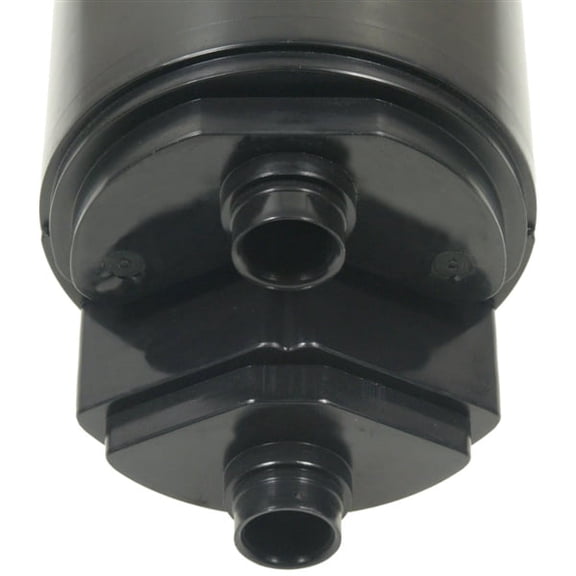
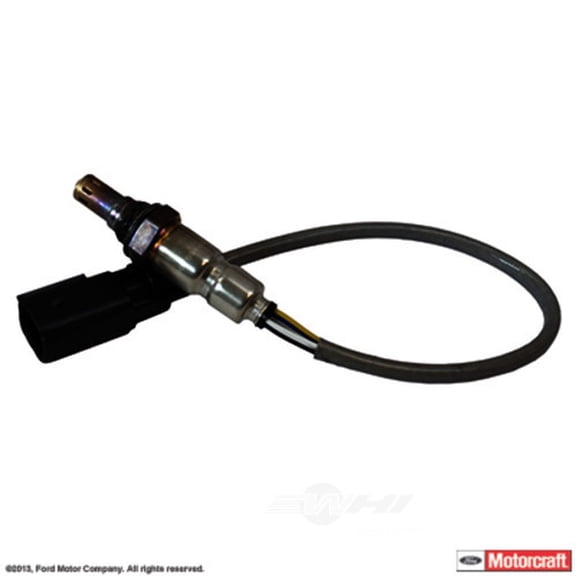


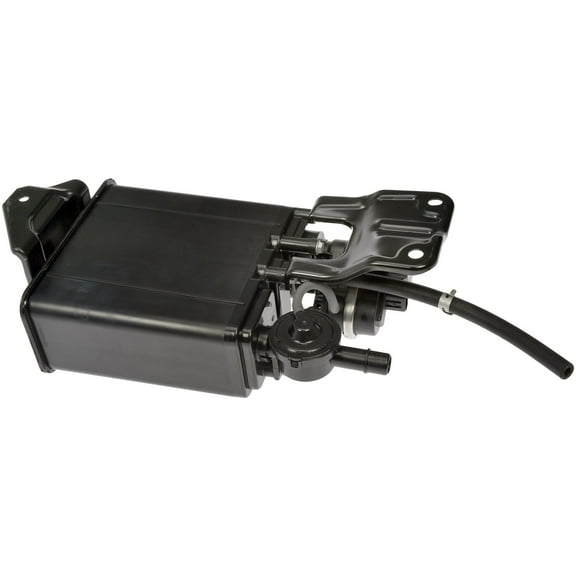

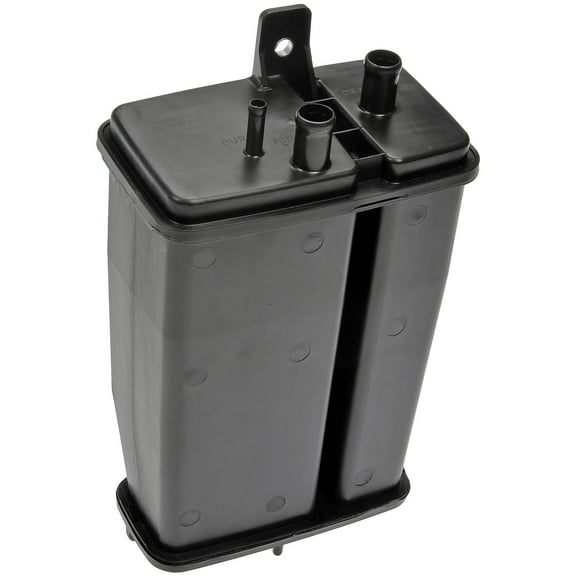

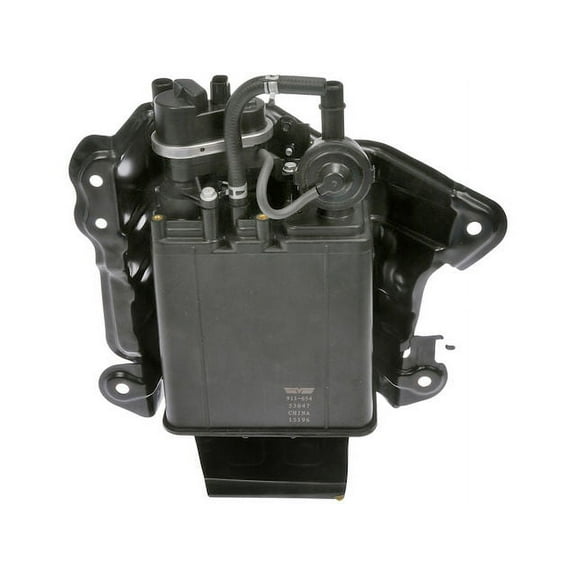
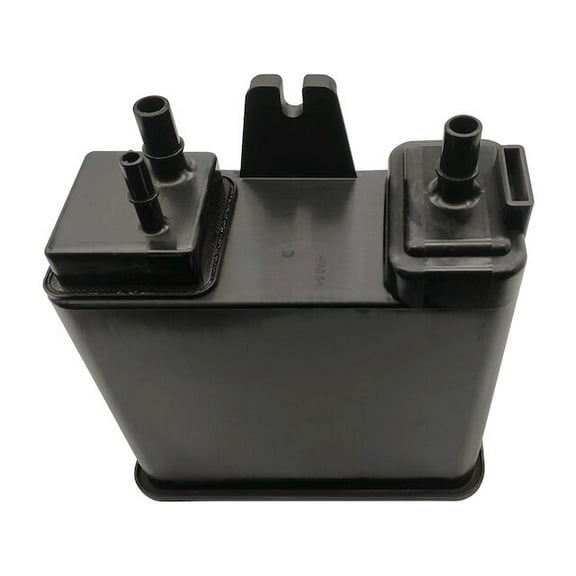

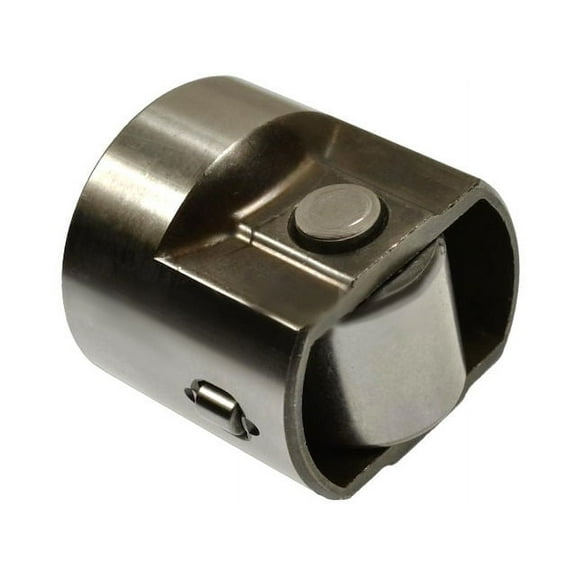

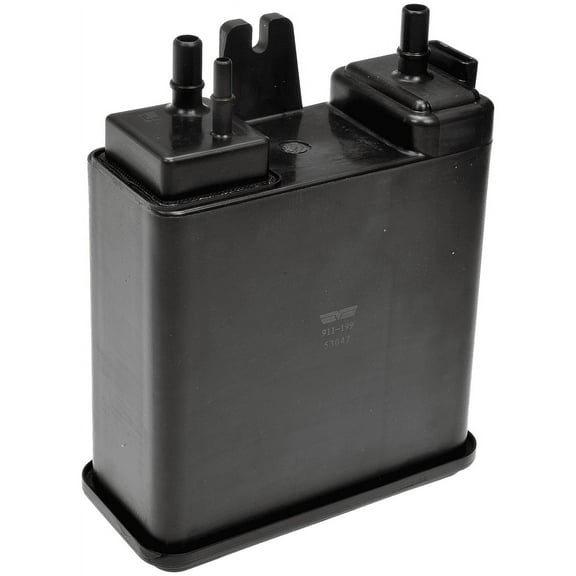
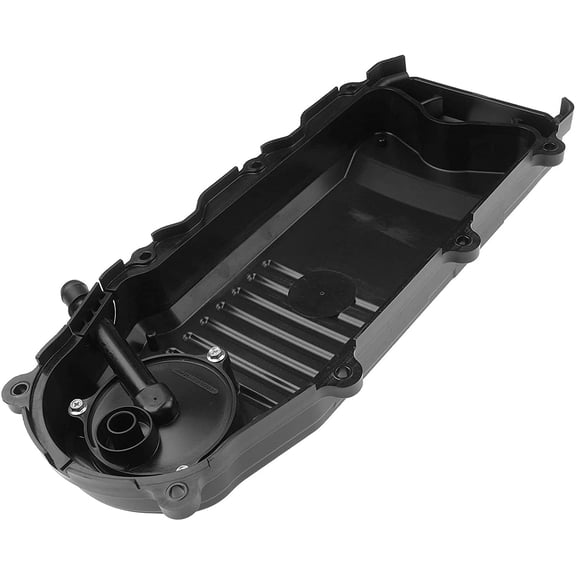
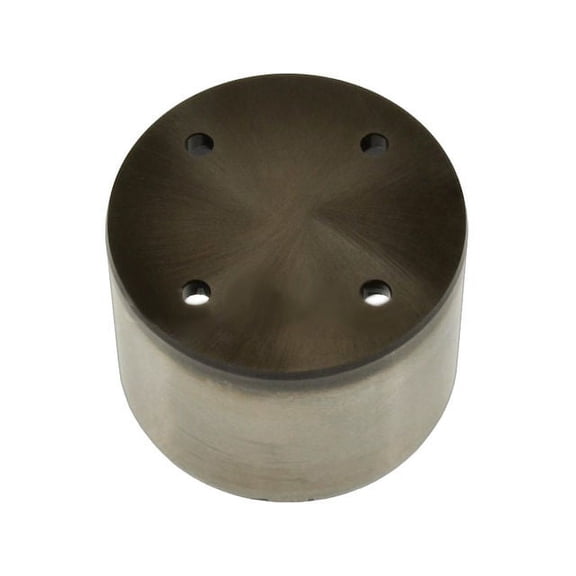
About Miscellaneous Engine Management in Engine Management - Walmart.com
When you shop miscellaneous engine management parts, you can target hard-to-find components that help your vehicle communicate, measure, and respond correctly. You can use this category for sensors, modules, relays, and wiring harnesses that support precise automotive engine control.
If your repair falls outside common tune-up parts, you may find the exact fit here. You can compare direct-fit and universal options while checking year, make, model, engine code, and OEM part number.
How to choose miscellaneous engine management parts
You should start with component type because each part supports a different engine signal or control task. You can narrow your search by deciding whether you need sensors, modules, relays, or wiring harnesses.
When you choose sensors, you can focus on temperature, pressure, position, or flow readings. If you choose modules or relays, you can support switching, signal processing, or communication between connected systems.
- You can restore accurate readings with replacement engine sensors matched to your vehicle's engine code.
- You can reduce guesswork by comparing direct-fit, make-specific, and universal engine management parts.
- You can support a neat installation by checking connector style, harness length, and mounting points before purchase.
- You can match metal and housing materials to your engine bay conditions and service expectations.
You may also want to compare direct-fit and universal designs before you buy. A direct-fit part usually matches factory connectors, while a universal option may require extra wiring work.
Choosing engine management parts by compatibility
You should treat vehicle compatibility as your first decision because small fitment differences can affect connectors, mounting, and signal output. You can confirm fit by checking your year, make, model, engine size, and engine code.
If you have an OEM part number, you can compare it against the replacement listing for added confidence. You can also check whether your repair needs make-specific coverage or a broader universal configuration.
For wiring harnesses, you should measure connector count, plug shape, and lead length before ordering. With relays and modules, you should compare pin layout, housing dimensions, and mounting style.
When you shop car engine sensors, you should verify whether the part is direct fit. That detail can help you avoid splicing, bracket changes, or extra adjustments during installation.
What to look for in car engine sensors
You can shop car engine sensors by function so your repair matches the signal your vehicle needs. Temperature sensors help monitor heat data, pressure sensors track system pressure, position sensors read movement, and flow sensors measure air or fluid movement.
If your dashboard light appears or your engine idles unevenly, you may be tracing a signal issue. You can use the sensor function to narrow your search before replacing unrelated parts.
You should also compare construction details because materials affect fit and durability in the engine bay. OEM grade plastic housings, stainless steel elements, and brass fittings each serve different mounting and connection needs.
When you compare automotive engine control components, you should look closely at connector protection and terminal design. Those details can matter when you install parts near heat, vibration, and frequent service access.
Matching installation needs to your repair
You should decide early whether your repair fits a DIY job or a more involved service visit. Some sensors install with basic hand tools, while some modules and harnesses need detailed routing or relearn steps.
If you want a straightforward project, you can look for direct-fit replacements with matching connectors and mounting points. That choice can make installation straightforward and help you follow existing routing.
For technical repairs, you may need to compare pin counts, harness branches, or calibration requirements. You should review the listing details carefully when your repair involves electronic modules or deeper diagnostic work.
You can also plan your repair by location on the vehicle. Engine bay access, intake placement, and firewall routing can all affect the time and tools your installation requires.
Using miscellaneous engine management parts for specific repairs
You might need miscellaneous engine management items when your repair doesn't fit larger sensor categories. You can use this section for replacement engine sensors, relay updates, module swaps, or harness corrections tied to automotive engine control.
If you maintain an older vehicle, you may need uncommon connectors or application-specific modules. You can also find helpful options when you restore factory-style communication between sensors and control units.
When you work on a daily driver, you may prioritize direct fitment and fast connector matching. When you handle a custom repair, you may compare universal parts, wiring length, and terminal layout more closely.
You can make an informed choice when you match component type, fitment data, sensor function, and installation complexity together. That approach helps you choose miscellaneous engine management parts that align with your vehicle and repair plan.
Popular in Miscellaneous Engine Management in Engine Management - Walmart.com
- Engine Block Parts
- Engine Overhaul Kit
- Cat 3306 Engine For
- Engine Overhauling Kit
- Cylinder Diesel Engine Ford Tractor
- Automotive Replacement Transmissions Parts Southwest Speed
- Eaton Fuller Transmission
- Lincoln Ls Engine Mount Set
- Olds Rebuild Kit
- Master Overhaul Kit Transmission
- Lincoln Mark Vii Engine Timing Chain Kit
- Gears Plastic Power Transmission Products