

Monkey Hooks & Heavy Duty Picture Hangers - Walmart










About Monkey Hooks & Heavy Duty Picture Hangers - Walmart - Walmart.com
Monkey hooks help you hang framed art, mirrors, and decor with less setup on common interior walls. You can compare weight ratings, wall compatibility, and hook shapes to match your project with less guesswork.
If you're updating a gallery wall or replacing older hardware, you can use this guide to sort key choices quickly. You'll also find practical differences between heavy duty monkey hooks, fish hook picture hangers, and monkey screws.
How to choose monkey hooks by weight capacity
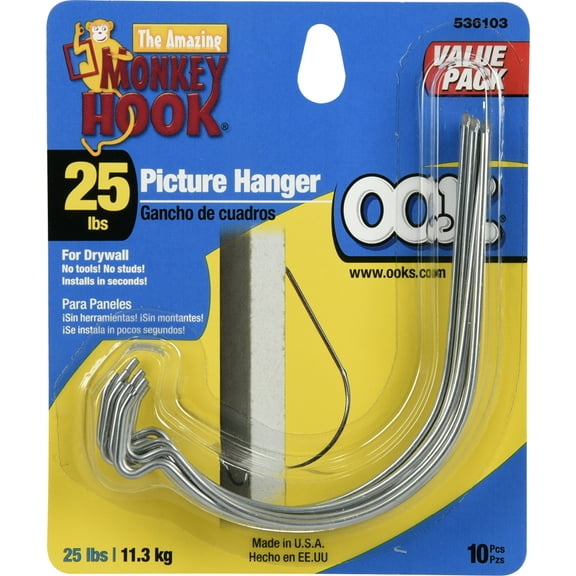
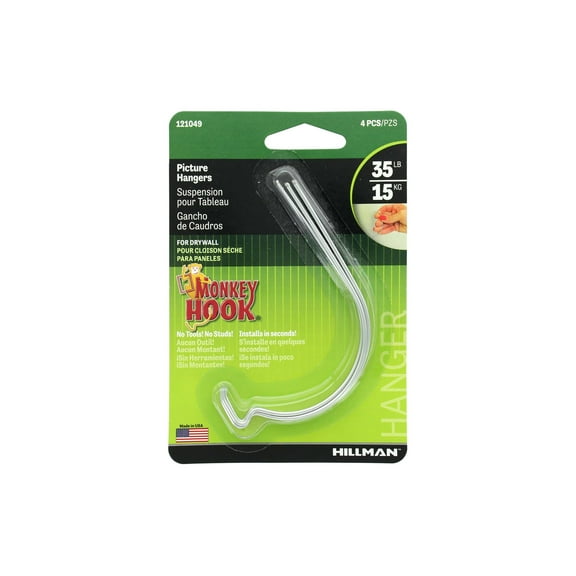
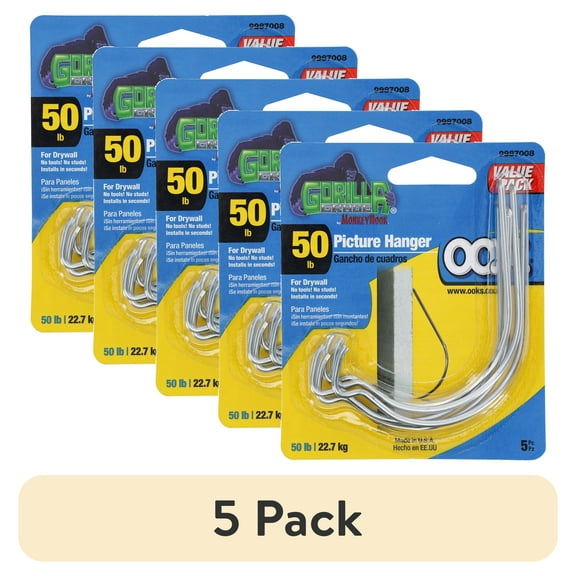
You should start with weight capacity because your frame weight sets the rest of your decision. You can often choose between 35 lbs, 50 lbs, and 85 lbs options for light prints, medium mirrors, and heavier wall decor.
When you compare heavy duty monkey hooks, you should look for a rating that matches your item and hanging plan. You can use higher-capacity styles when your decor feels bulkier or your frame uses thicker materials.
You may also want to think about matting, glass, and frame depth before you pick a hook. You can avoid repeat holes when your hardware rating aligns with the full hanging weight.
- You can use 35 lb styles for lighter framed photos, signs, and compact wall accents.
- You can choose 50 lb options when your medium-size frames need more holding power.
- You can consider 85 lb styles when your larger mirrors or heavier art need stronger support.
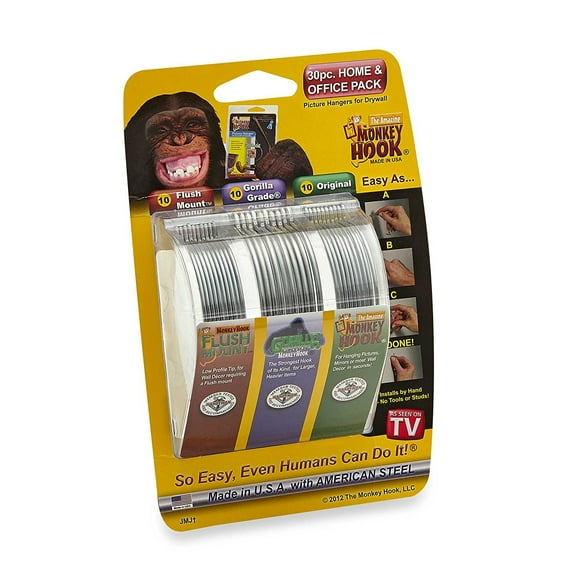
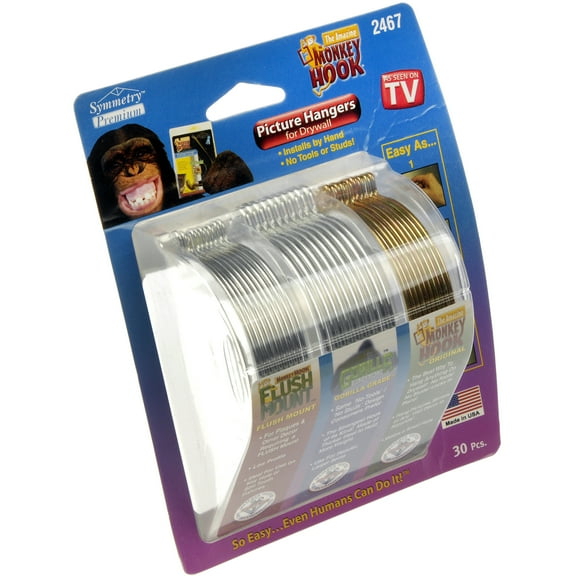
- You should check pack size when your project includes one statement piece or a full gallery wall.
Choosing wall compatibility and monkey anchors
You should match your hardware to the wall surface before you start installation. You can often use monkey wall hooks on drywall, plaster, or wood paneling, but each surface changes how insertion feels.
With drywall, you can usually create a clean entry with less effort and quick placement. With plaster, you should work carefully because you want a smooth path through the surface layer.
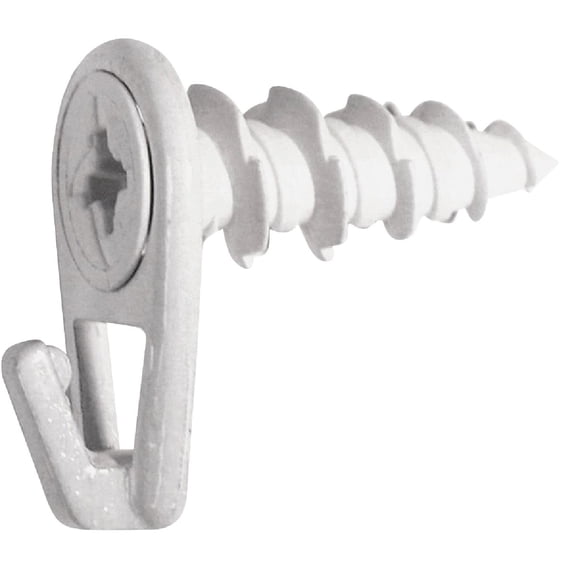
On wood paneling, you should check thickness and resistance before you choose push-in or self-tapping styles. You can compare monkey anchors when you want extra hold or a different installation approach for your wall material.
If you need fish hook picture hangers for decorative pieces, you should still confirm that your wall type matches the hook design. You can get a neater result when the hardware profile and the wall surface work together.
Comparing hook profile and clearance behind the wall
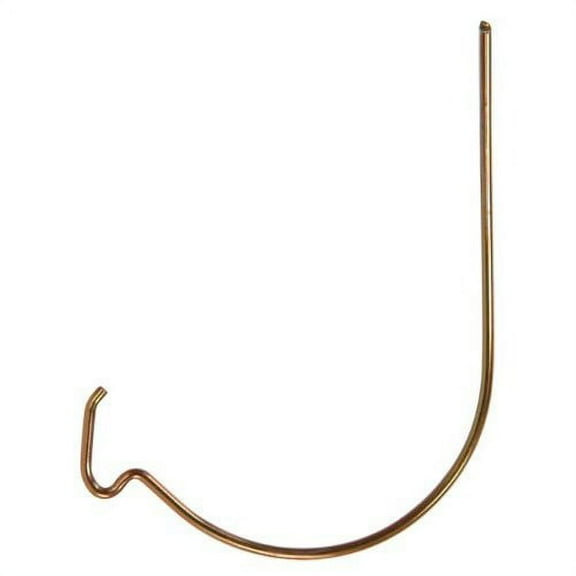
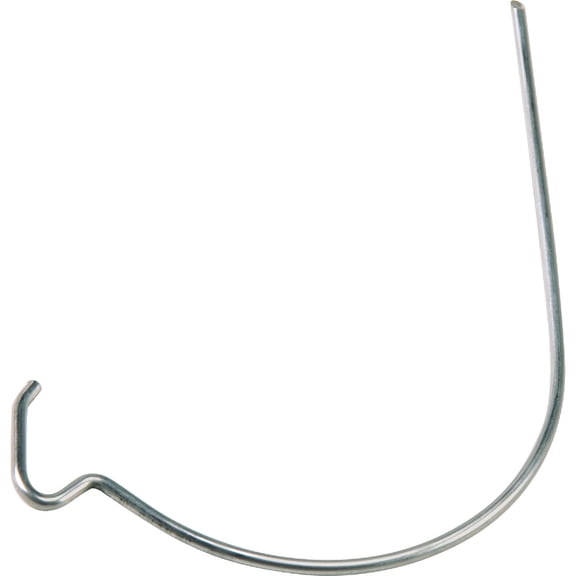
You should look at hook profile when your wall cavity and decor depth affect installation. You can choose flush mount, standard curve, or J-hook shapes based on how much clearance you have behind the wall.
A flush mount style can help you keep framed art closer to the wall surface. A standard curve can give you familiar hanging support when your frame hardware needs a balanced hold.
A J-hook shape can give you another option when your item needs a different hanging angle. You should measure frame hardware and consider curve depth so your hook fits through the wall cleanly.
If you're replacing old hardware, you may notice that profile changes how your decor sits once it's hung. You can use the right shape to reduce tilt and create a more even display line.
Understanding monkey screws and fastener types
You can sort monkey screws and similar hardware by fastener type to simplify installation. You may see screw-in, push-in, and self-tapping designs, and each option changes how you start the hook.
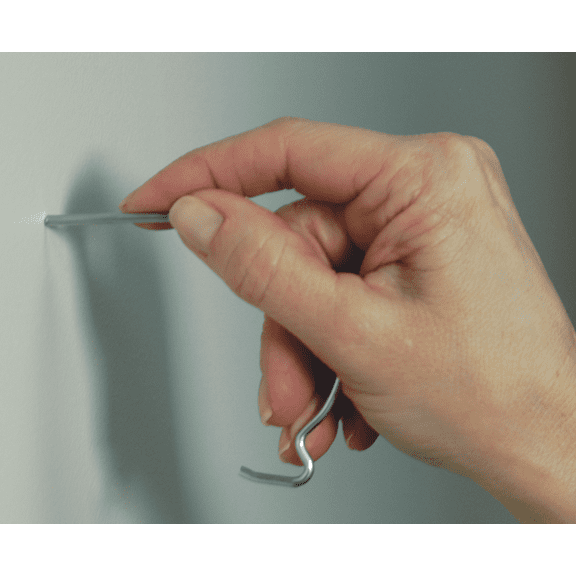
Screw-in styles can suit projects where you want a more deliberate twisting motion during placement. Push-in styles can work well when you want a simpler start on suitable wall surfaces.
Self-tapping designs can help you begin installation with fewer extra steps on compatible materials. You should compare these formats with your wall type, item weight, and comfort level before you choose.
If you're hanging several pieces in one room, you may want matching hardware across the project. You can keep placement more consistent when the fastener style stays the same from frame to frame.
Matching monkey hooks to real decorating projects
You can use monkey hooks for gallery walls, entryway mirrors, hallway art, and seasonal wall decor. You should match lighter hooks to smaller prints and move up to heavy duty monkey hooks for larger statement pieces.
For a living room gallery wall, you can pair moderate weight ratings with standard curve profiles and larger pack sizes. For a single mirror, you may prefer a higher-capacity option and careful wall compatibility checks.
In rentals or quick refresh projects, you may want tool-light hanging hardware that keeps setup simple. You can compare fish hook picture hangers and monkey wall hooks when you want fast placement for framed decor.
If you're finishing a craft room, you can use smaller pack counts for occasional updates or bigger packs for multi-room projects. You should also check pickup and delivery options at Walmart when you need hardware without extra stops.
When your wall material varies from room to room, you can keep results more consistent by reviewing monkey anchors and fastener types first. You can avoid mismatched hardware when each room gets the right hook style.
What to look for before you choose
You should review four details before you decide: weight capacity, wall compatibility, hook profile, and pack size. You can narrow the category faster when you compare those points in that order.
That approach helps you choose monkey hooks that fit your wall, support your decor, and streamline installation. You can finish your hanging project with hardware that suits the job and keeps your display looking clean.