

Monkey Wrenches - Adjustable Hand Tools | Walmart
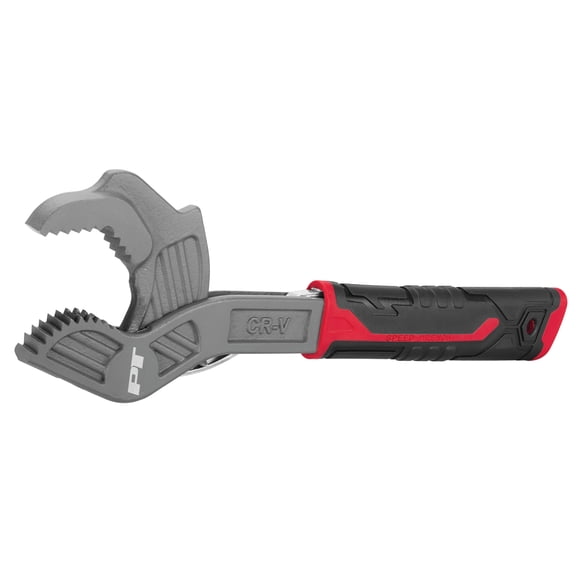

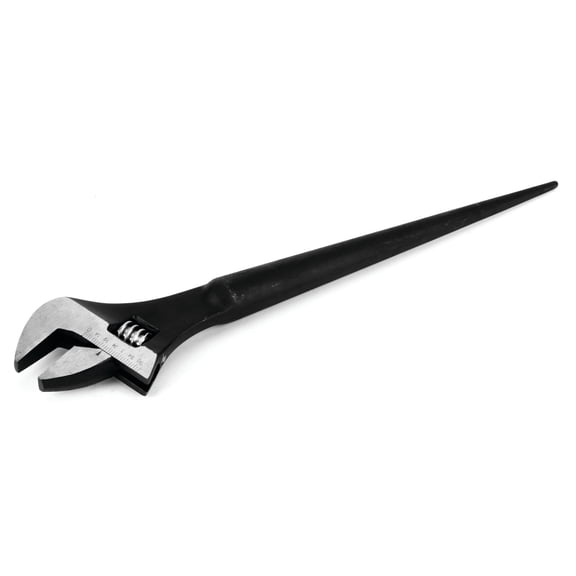


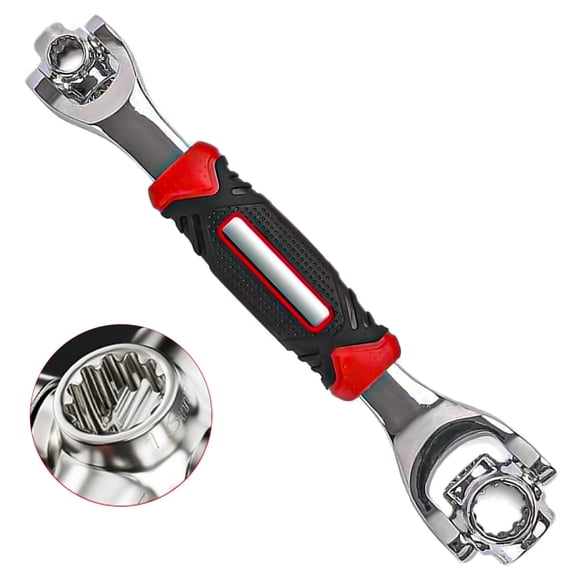
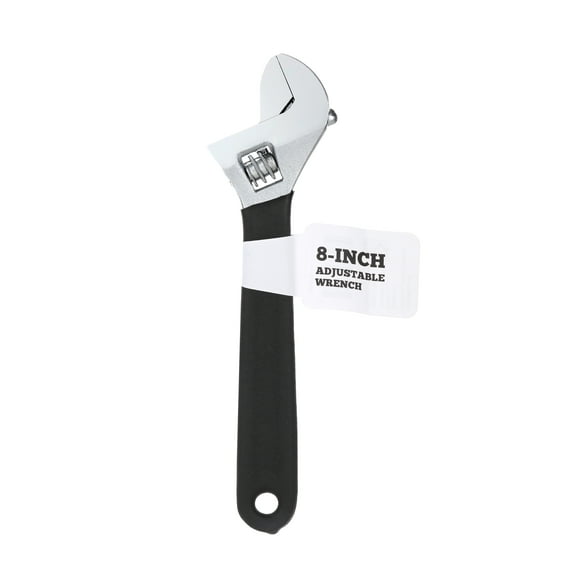











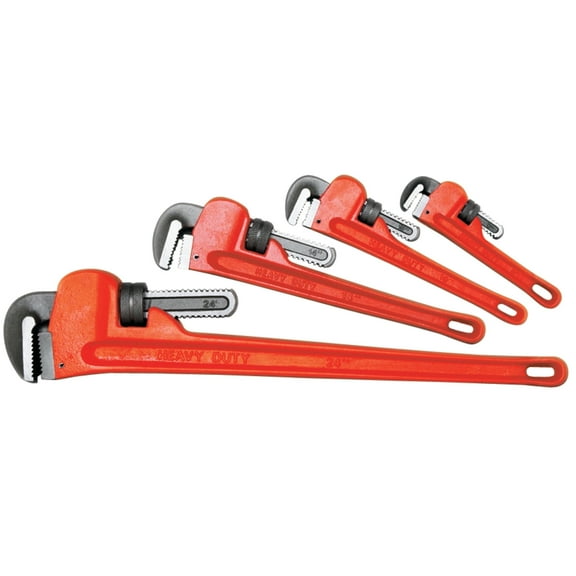
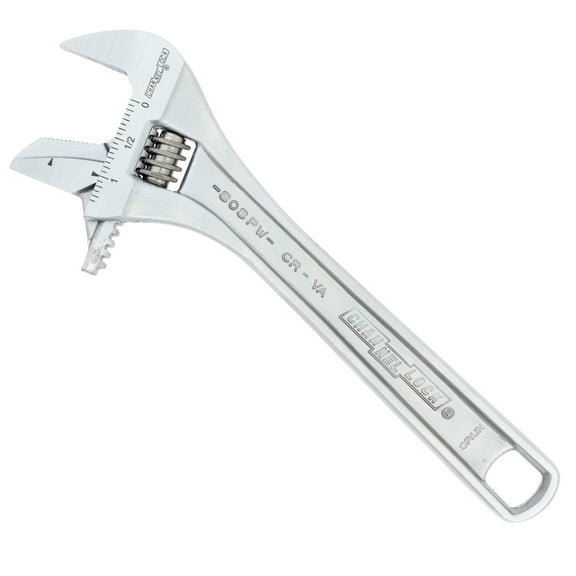
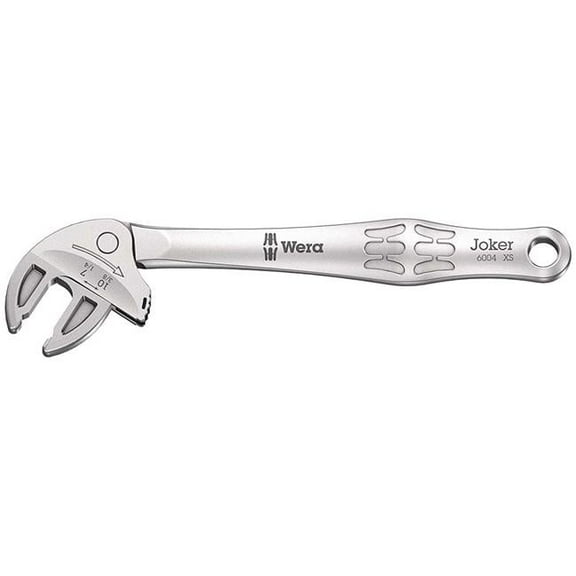

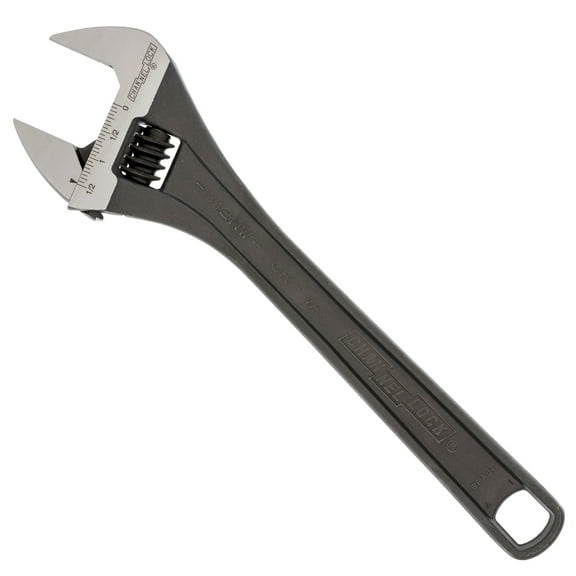



About Monkey Wrenches - Adjustable Hand Tools | Walmart - Walmart.com
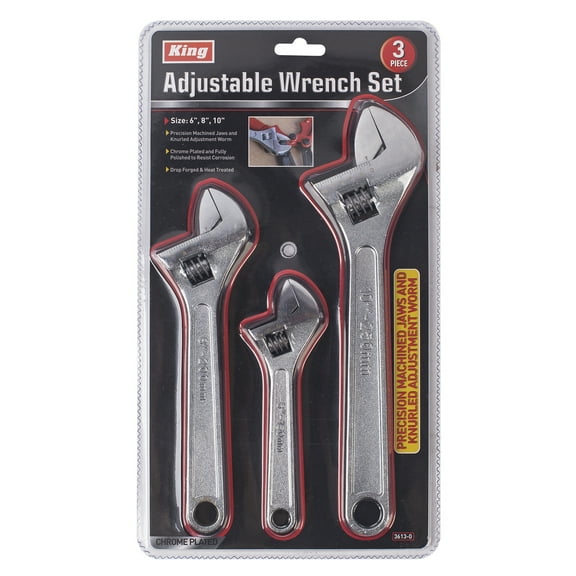
Monkey wrenches help you grip and turn mixed hardware with one adjustable tool. This category focuses on size, jaw capacity, and handle length for repair work.
Choosing monkey wrenches by size
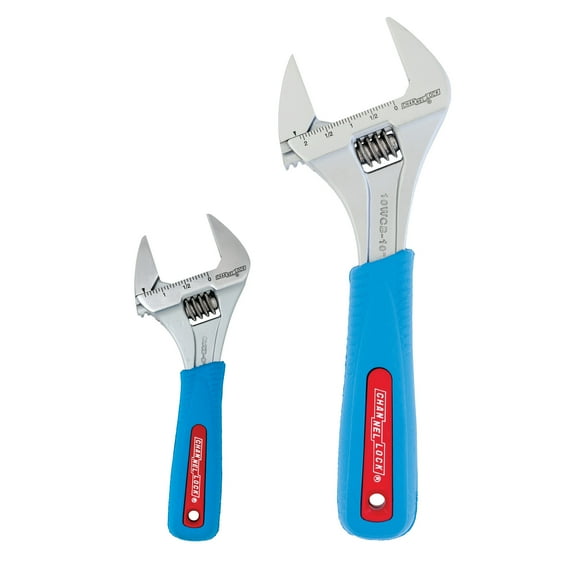
Size changes how the tool handles and where it fits. Mini and small formats work well in compact storage and close quarters.
Standard sizes cover common household tasks. Large options give extra reach for wider hardware and heavier turning jobs.
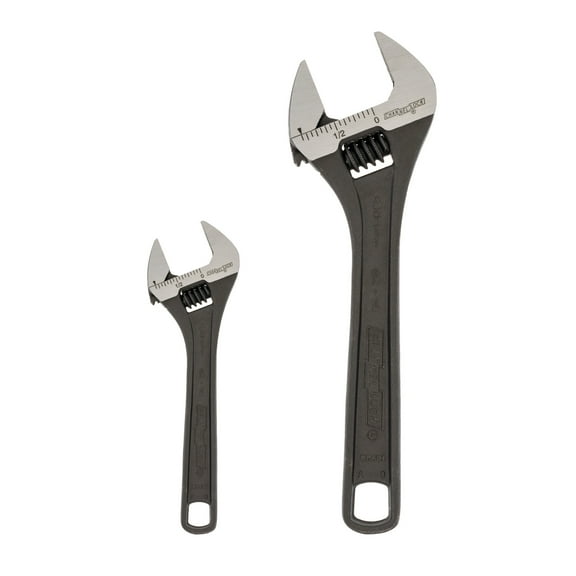
Consider the fastener size before choosing a mini monkey wrench or a large monkey wrench. A smaller tool is easier to carry, while a longer body offers added leverage.
That difference matters behind sinks and around appliance connections. It also matters near valves where space is limited.
- Mini sizes fit drawer kits, glove boxes, and compact tool rolls.
- Small sizes handle light repairs and quick adjustments around the house.
- Standard sizes balance reach, control, and everyday versatility.
- Large sizes suit bigger nuts, wider fittings, and long-handle tasks.
Comparing adjustability, jaw capacity, and tool style
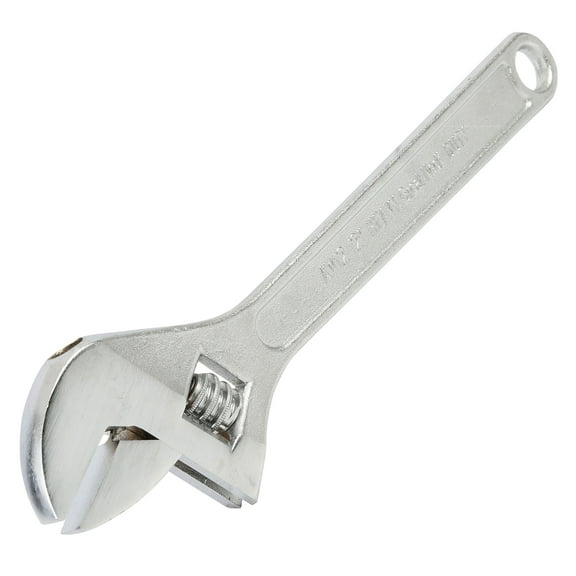
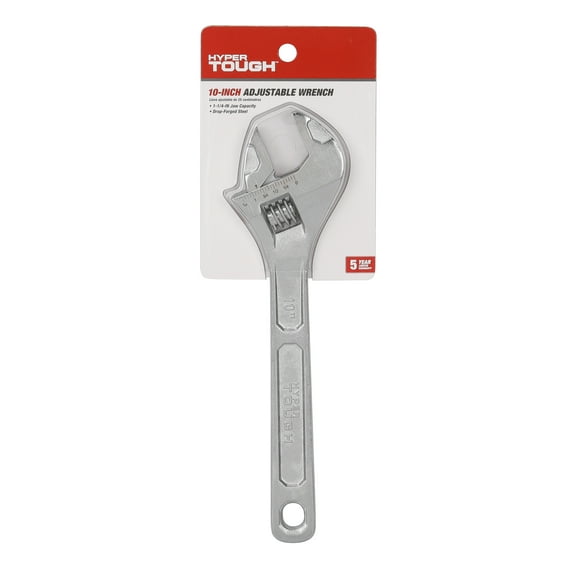
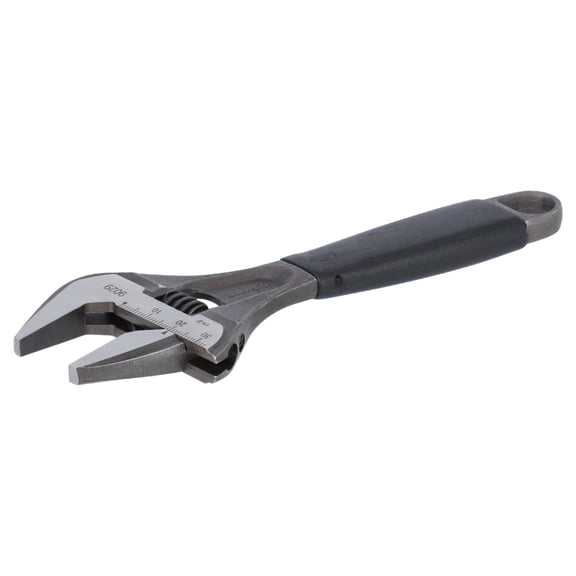
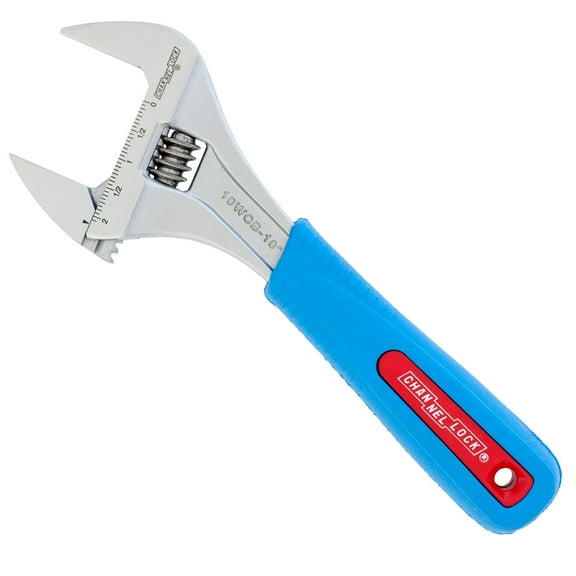
Adjustability is a key decision in this category. An adjustable monkey wrench lets you change the jaw opening for different hardware sizes.
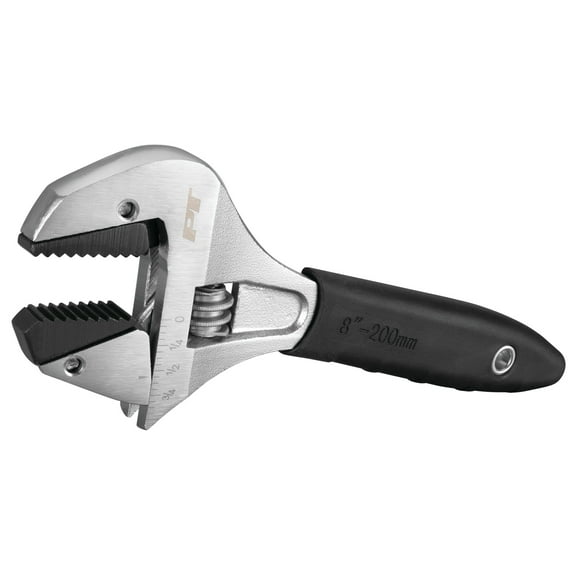
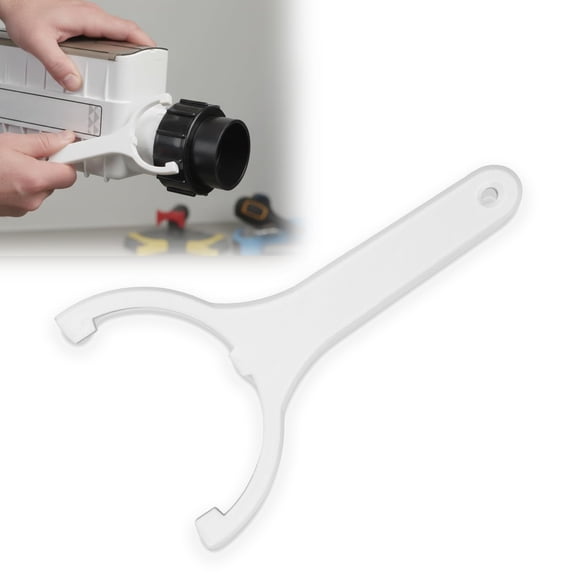
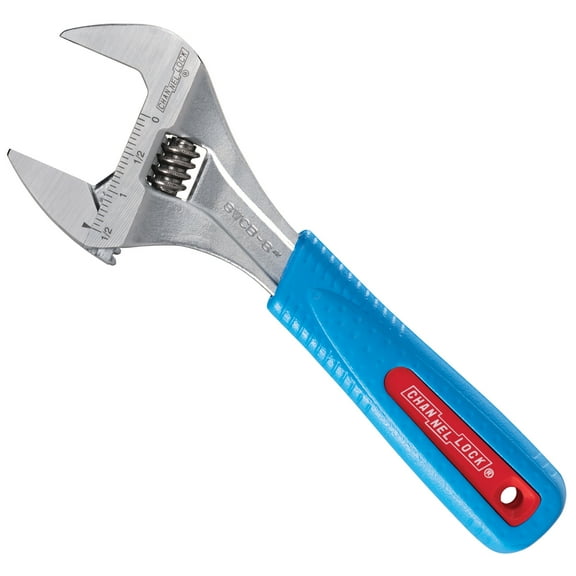
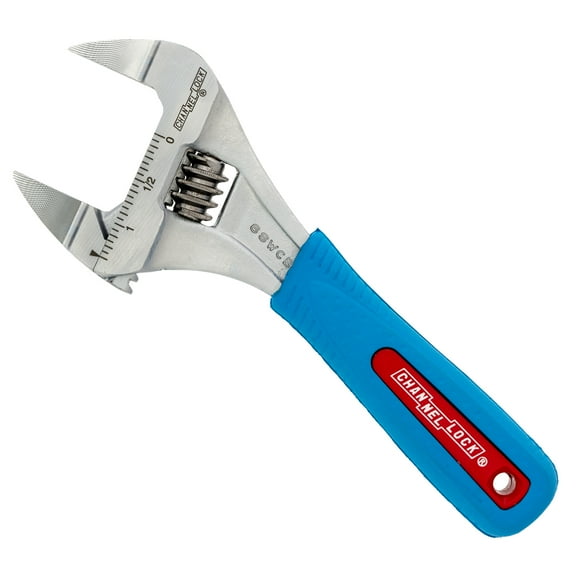
Fixed jaw styles keep a set opening for repeat tasks. Wide opening designs cover larger fittings with fewer tool changes.
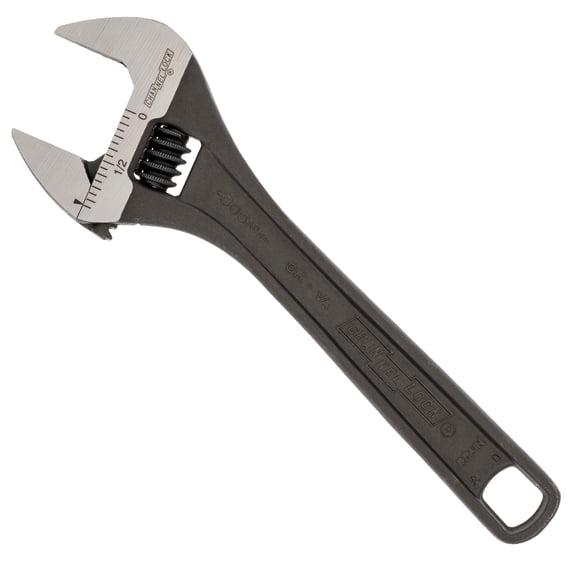
Check jaw capacity against the hardware you plan to turn. Narrow openings suit smaller nuts and bolts.
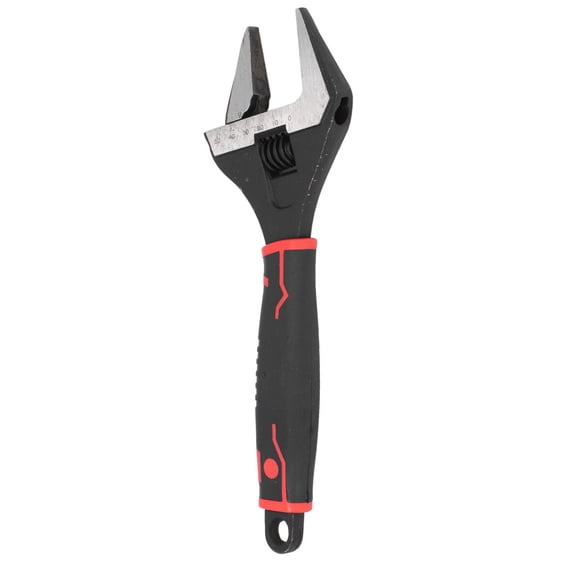
Standard openings support common repair tasks. Wide opening jaws help with larger pipe fittings and shutoff hardware.
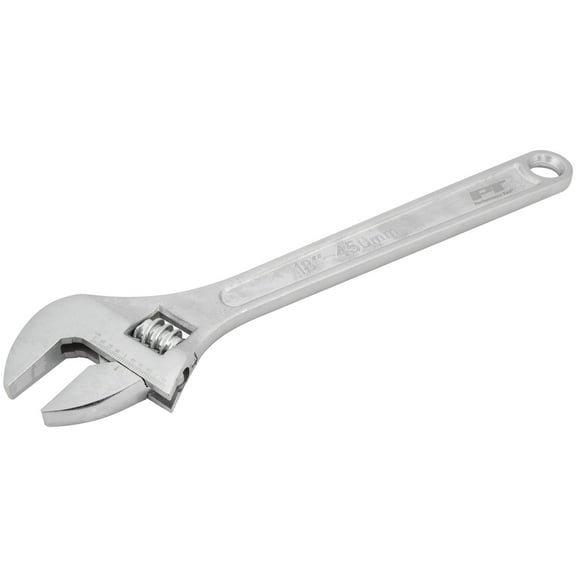
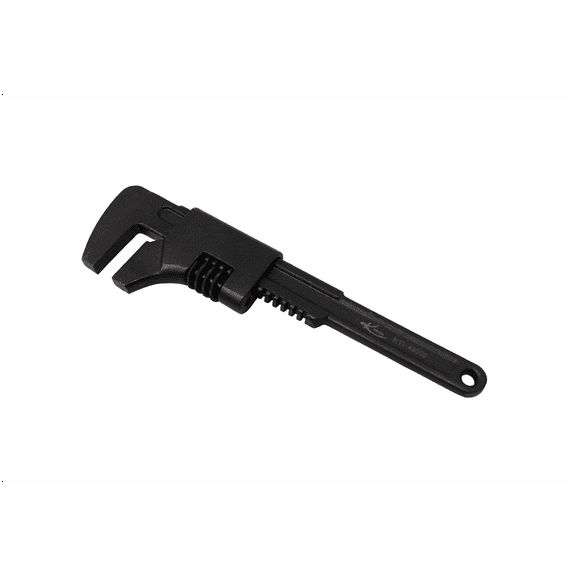
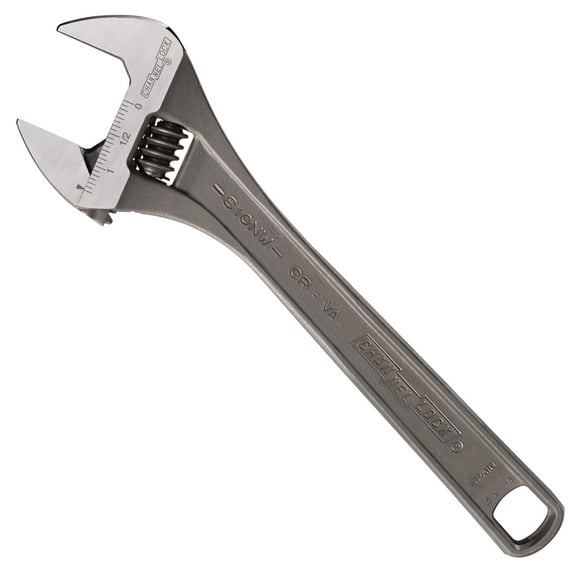
Tool style also affects how the wrench performs. Traditional monkey wrench designs use a straight handle and adjustable head.
Adjustable wrench style tools often feel familiar for general maintenance. Heavy-duty wrench builds usually feature a larger frame for substantial gripping tasks.
Look for smooth adjustment movement and a jaw shape that matches your usual work. That makes switching between fastener sizes easier during one project.
Choosing handle length for control and access
Handle length changes both reach and control. Compact handles fit crowded work areas and travel kits.
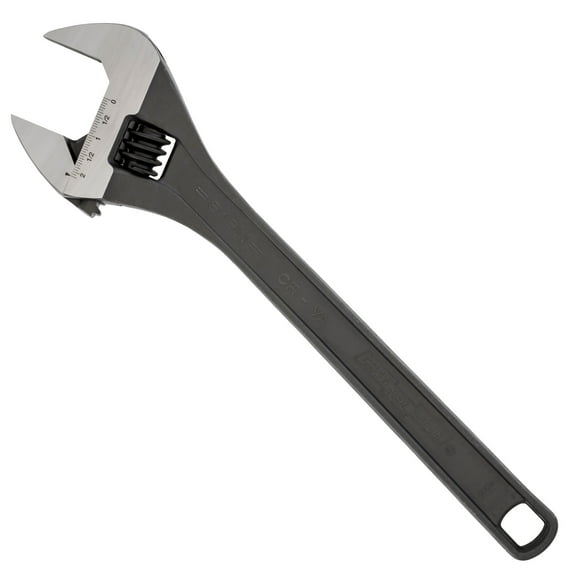
Mid-length designs give a balanced feel for routine tasks. Long handle options extend your reach when clearance allows.
Measure the space around the hardware before you decide. A compact wrench can slip behind appliances or under sinks more easily.
A longer handle can feel steadier on exposed fittings and outdoor spigots. Matching handle length to workspace matters as much as jaw size.
How to choose monkey wrenches for common use cases
Home repair calls for versatility. A standard wrench with an adjustable jaw handles mixed hardware on furniture, appliances, and utility fixtures.
If you need one general-purpose option, compare standard sizes with mid-length handles. Also compare a common jaw range for everyday tasks.
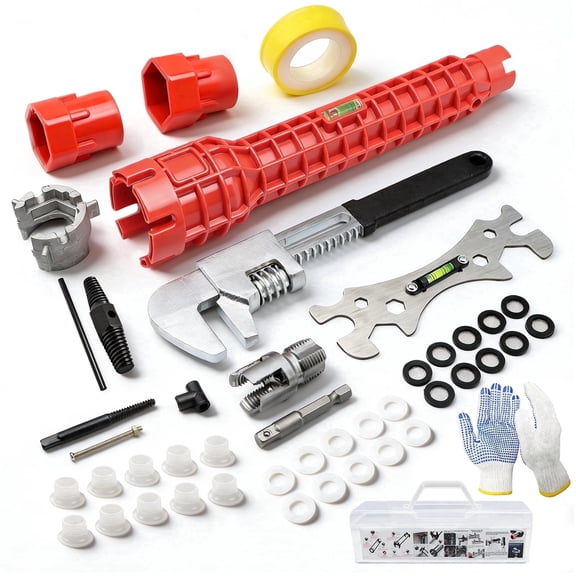
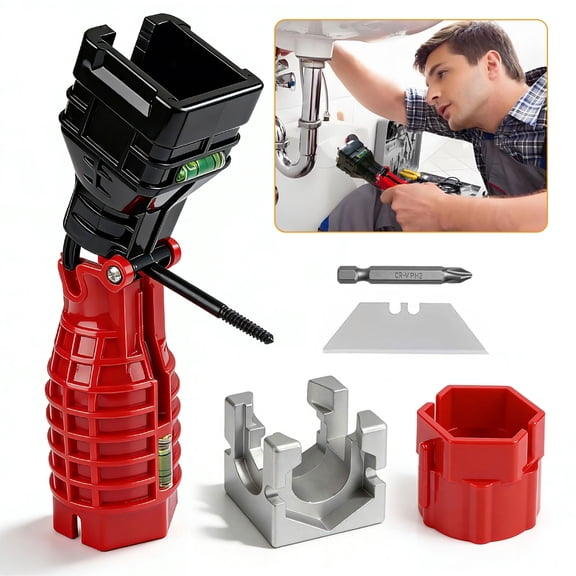
Plumbing jobs often involve visible fittings and tight spaces below sinks. In those spots, check for a small monkey wrench or compact handle design.
For larger fittings, a wider opening and longer handle can make the tool more suitable. Those features help when turning bigger shutoff hardware.
General maintenance usually means moving between different fastener sizes during one session. Adjustable jaws help reduce tool swapping.
That can be useful when tightening a loose fixture or assembling garage storage. It also helps with quick equipment adjustments.
Toolbox carry favors smaller profiles and practical versatility. A mini monkey wrench fits emergency kits, apartment tool drawers, and vehicle storage.
That format works when you want a compact hand tool ready for simple turns and adjustments. It packs easily without taking over the whole compartment.
Shoppers comparing options at Walmart often look for clear size choices and practical utility. This category helps you compare mini, small, standard, and large formats.
It also helps you narrow down jaw opening, handle length, and intended task. That makes selection easier before starting a repair project.
What to look for before making your final choice
Start with the hardware size, then compare jaw capacity and handle length. After that, consider whether an adjustable jaw or fixed jaw style matches your routine tasks.
Those decisions narrow the field quickly and keep the tool aligned with your workspace. The right fit brings steadier grip and easier access for regular repairs.