


Find auto parts that fit
Let’s search for parts that fit your vehicle.Honda VTX 1300 Crash Bars & Engine Guards | Walmart




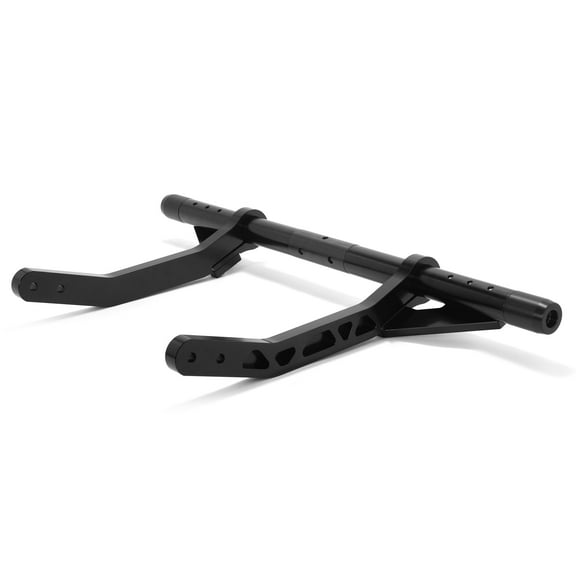
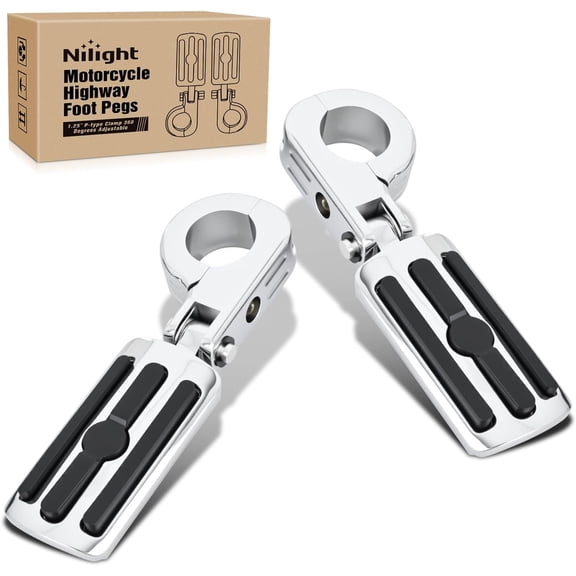


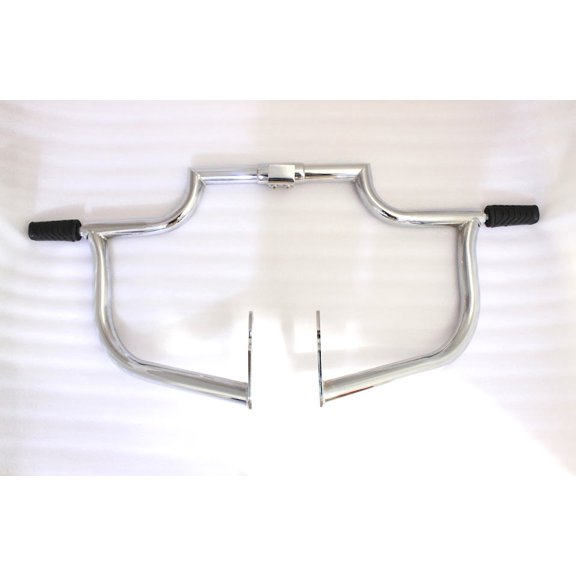
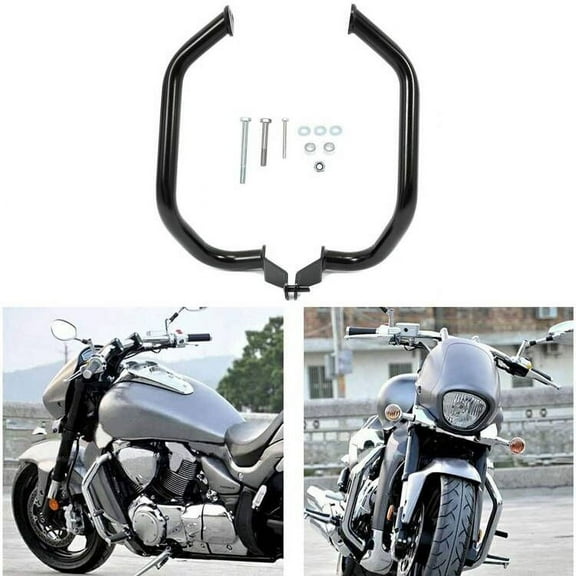
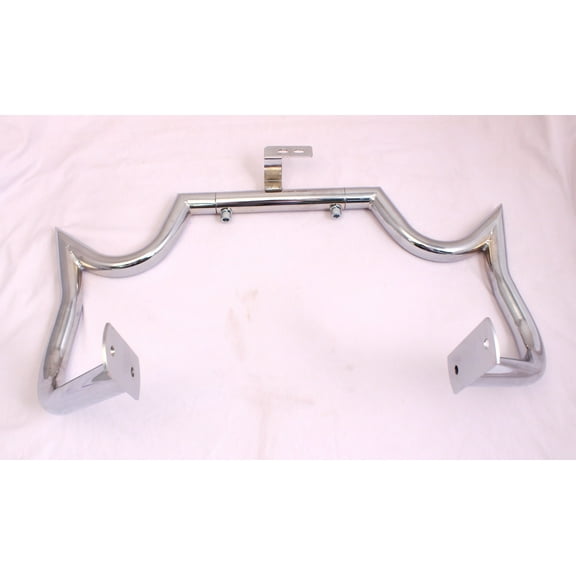
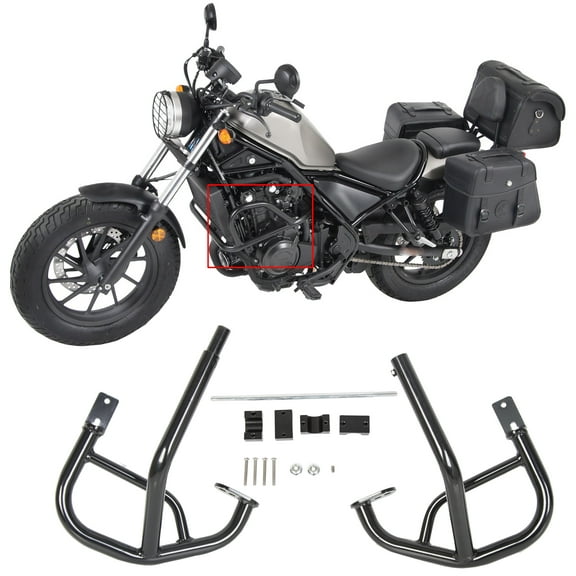
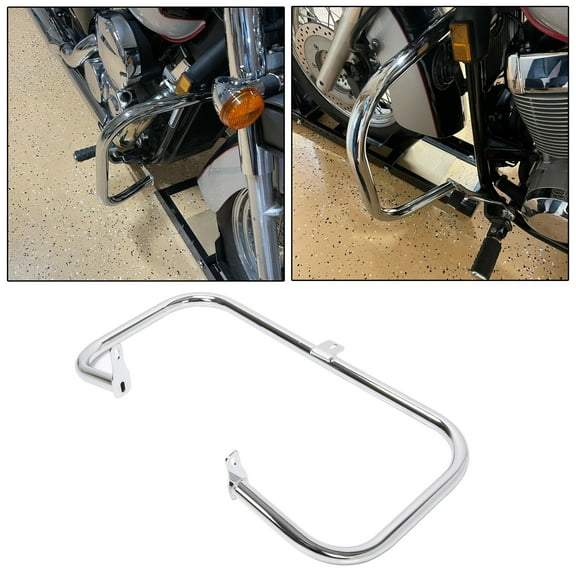








About Honda VTX 1300 Crash Bars & Engine Guards | Walmart - Walmart.com
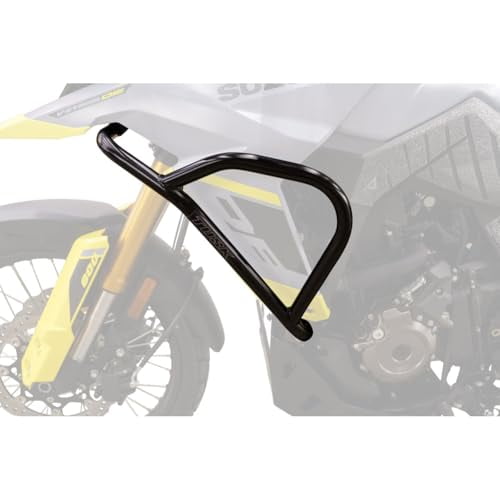
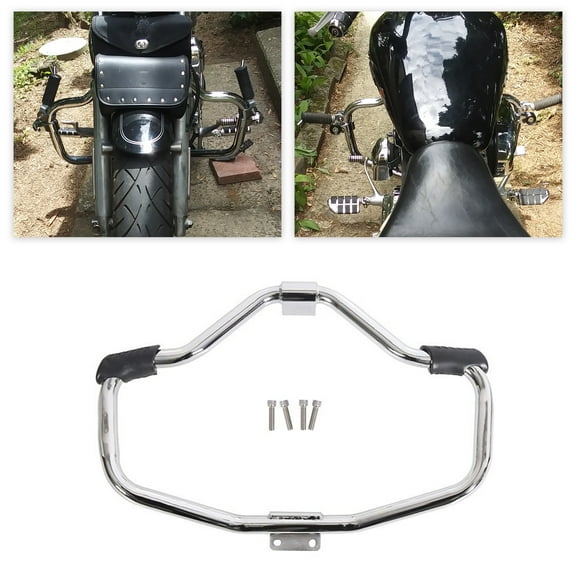
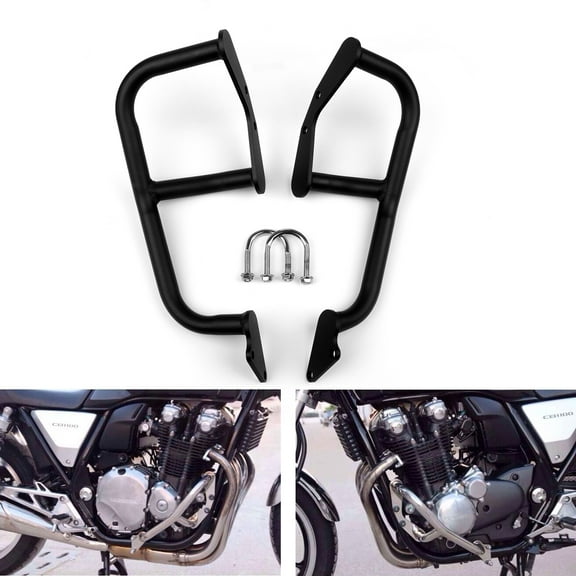
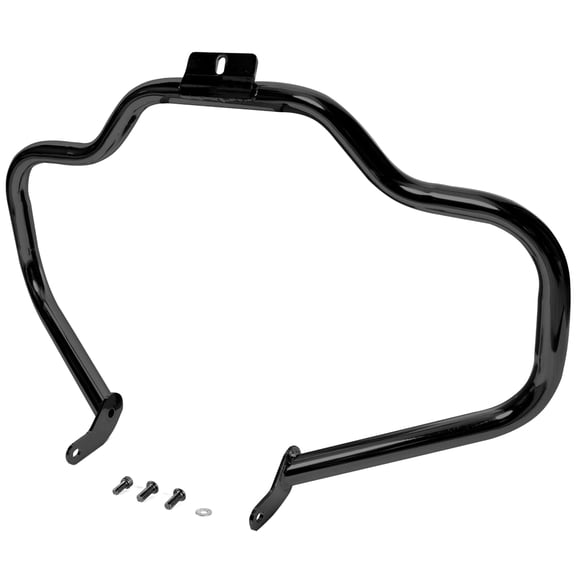
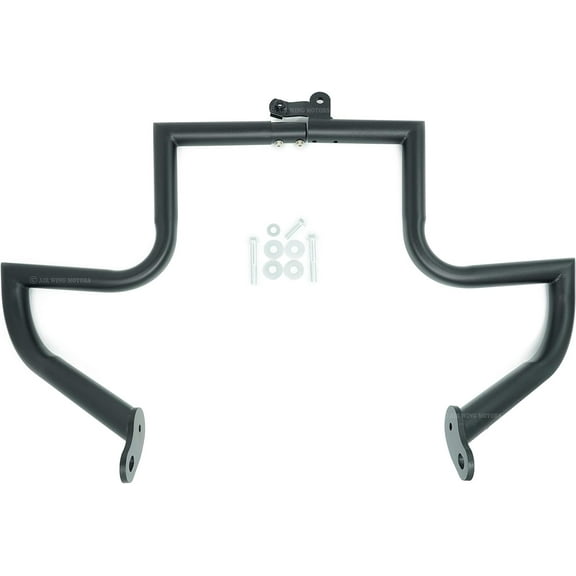
Motorcycle engine guards help you protect exposed engine areas and lower frame sections during tip-overs and parking mishaps. You can also use this category to compare fitment, tubing size, and finishes before you choose bars for your bike.
Choosing motorcycle engine guards by fitment type
You should start with fitment, because frame geometry and bolt pattern decide whether the bars align with your motorcycle. You can narrow options by cruiser, adventure touring, sport, or street setups to avoid awkward clearance issues.
On a cruiser, you may want wider coverage that follows the lower frame and supports highway peg compatibility. On an adventure touring bike, you may prefer wraparound coverage that leaves room for skid plates and luggage systems.
For sport models, you may look for tighter profiles that respect lean angle and fairing clearance. For street motorcycles, you can focus on compact bars that protect key engine areas without changing everyday handling feel.
What motorcycle crash bars help you compare
You can use motorcycle crash bars to add practical engine protection while keeping service access in mind. You should compare shape, mounting points, and clearance around foot controls before you make your final choice.
- You can protect lower engine cases and frame sections that sit closest to the ground.
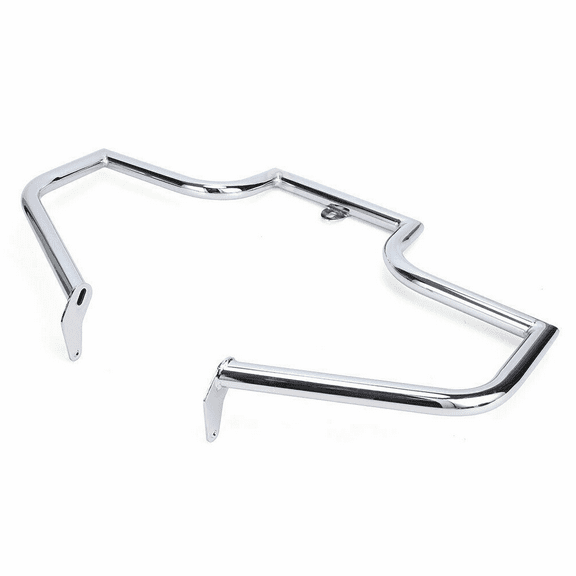
- You can create mounting space for highway pegs on many cruiser-friendly bar designs.
- You can choose finishes that match chrome trim, blacked-out parts, or powder-coated accessories.
- You can check bar shape for turning clearance, leg room, and easy parking stability.
You may also want bars that work with your riding style instead of only matching your bike's look. You can compare compact sport-oriented designs with larger touring-style bars for different coverage goals.
Comparing material and finish for engine protection
You should compare carbon steel, stainless steel, and aluminum based on weight, finish, and long-term appearance. You can often choose carbon steel when you want a sturdy feel, while aluminum may suit lighter builds.
Stainless steel can appeal to you if you want a bright finish with less upkeep in changing weather. Powder-coated bars can give you a uniform surface, while chrome and gloss black can match factory styling cues.
Matte black works well when you want a subdued look around black engines, floorboards, or controls. You should also check wall thickness details, because thicker tubing often feels more substantial during daily riding use.
How to choose highway bars and tubing diameter
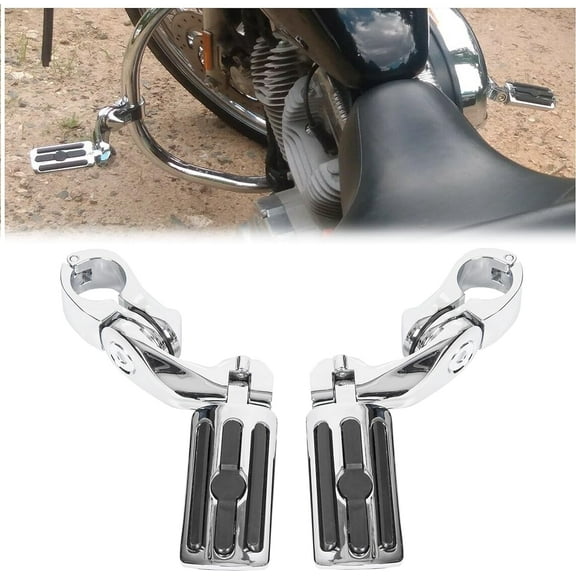
You can compare highway bars by tubing diameter to balance appearance, grip area, and accessory fit. You may see 1 inch, 1.25 inch, and 1.5 inch tubing across many motorcycle engine guards.
1 inch tubing can give you a cleaner, lighter visual profile on smaller motorcycles or tighter builds. A 1.25 inch bar can offer a fuller look that many riders prefer on cruisers.
If you want a bold front profile, you may lean toward 1.5 inch tubing on larger bikes. You should also confirm whether your chosen diameter works with clamps or highway pegs you already use.
Checking installation requirements before you choose
You should review mounting brackets, hardware layout, and torque specs before you choose a set. You can avoid fitment surprises when you verify the listed make, model, year, and frame-specific notes.
Some designs use direct mounting points that simplify installation on factory locations. Others use bracket systems that require extra alignment steps, so you should confirm the instructions match your comfort level.
You may also want enough clearance for oil filter access, floorboards, crash bar bags, or lower fairings. You can make a smarter choice when you check whether the bars interfere with maintenance points.
Matching your setup to real riding needs
If you ride a touring cruiser, you may want chrome or gloss black bars with room for highway pegs. If you ride long distances, you can prioritize wider coverage and accessory compatibility over a minimal profile.
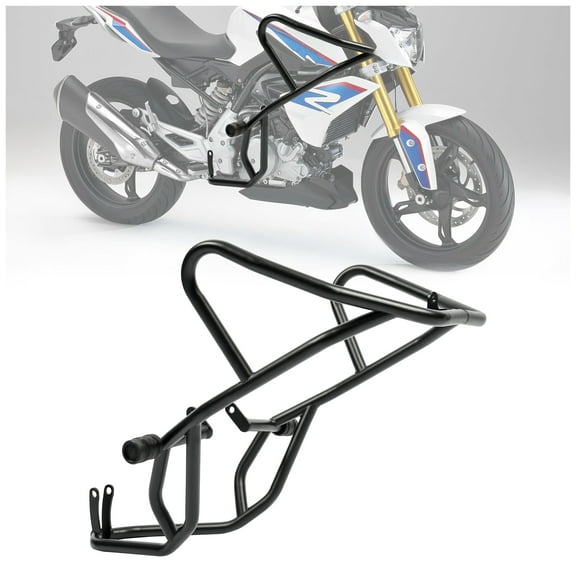
When you ride an adventure touring model, you may prefer aluminum or steel bars that work around skid plates. You should look for shapes that support engine protection without crowding side cases or lower bodywork.
For a sport bike, you may choose tighter bars that respect fairing lines and preserve cornering clearance. For a daily street bike, you can focus on straightforward installation and a finish that blends with stock components.
You can also use this category to compare heavy duty engine guards for custom builds and garage upgrades. You should match tubing diameter, finish, and fitment type so your bars look integrated instead of added on.
With the right fitment checks and hardware details, you can choose guards that suit your motorcycle and your riding routine. You can get a cleaner install, easier accessory planning, and dependable coverage where your bike needs coverage.