



Motorcycle Helmets
































About Motorcycle Helmets - Walmart.com
Motorcycle helmets help you ride with focused coverage, clear visibility, and fit options that match your road, trail, or daily commute. You can compare shell materials, safety certifications, and helmet styles in one place, so your next ride feels more dialed in.
Choosing motorcycle helmets by helmet type
You should start with helmet type, because each design changes how you see, hear, and feel on the road. You can narrow your options faster when you match the helmet to your riding style.
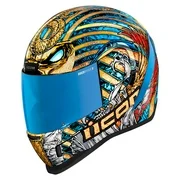
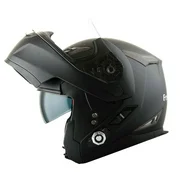
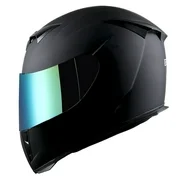
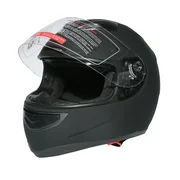
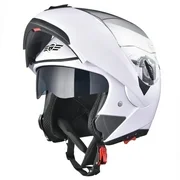
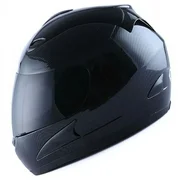
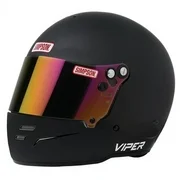
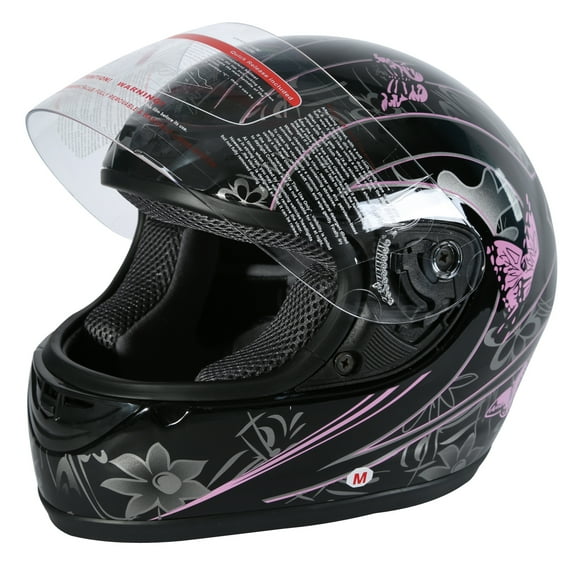
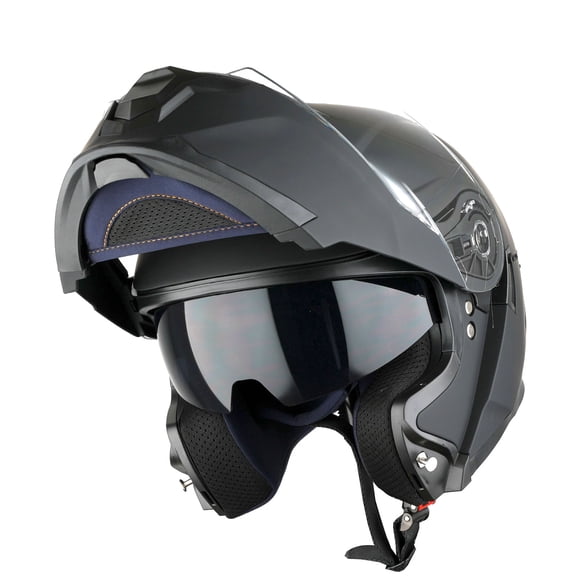
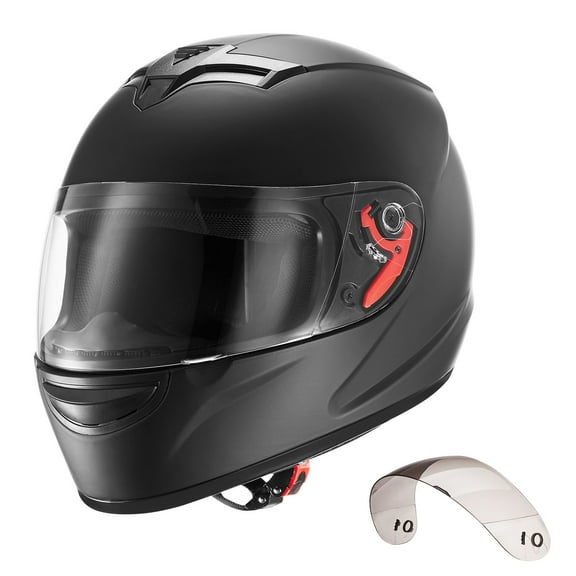
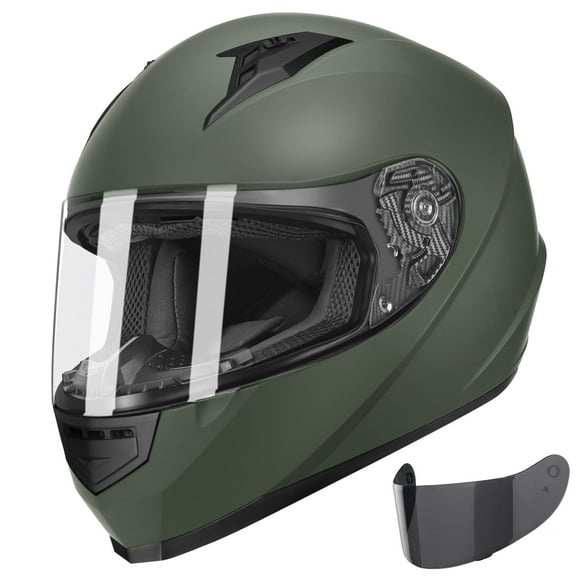
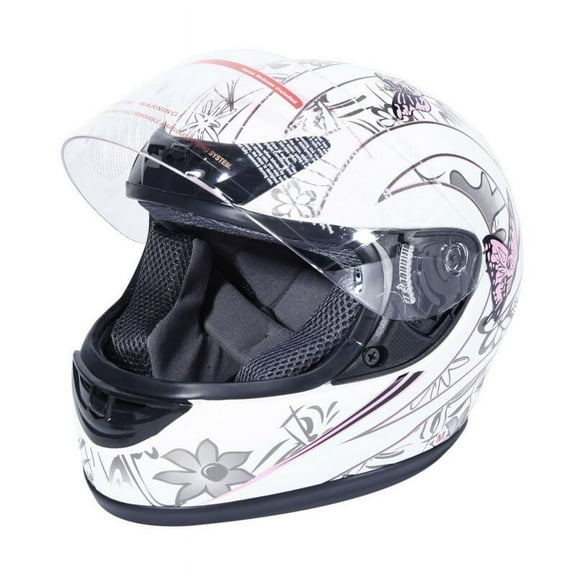
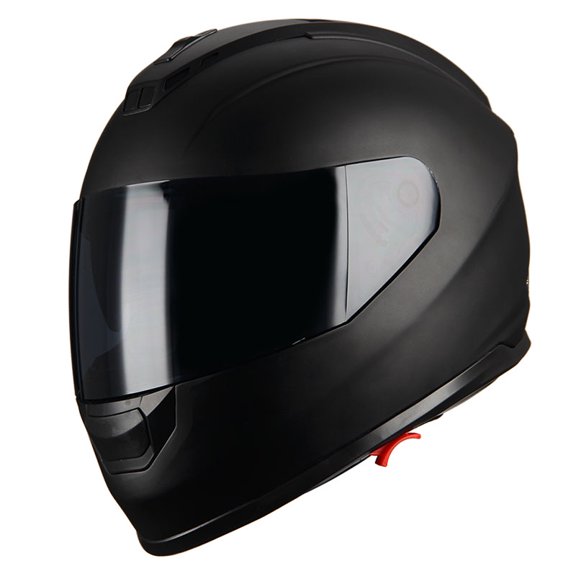
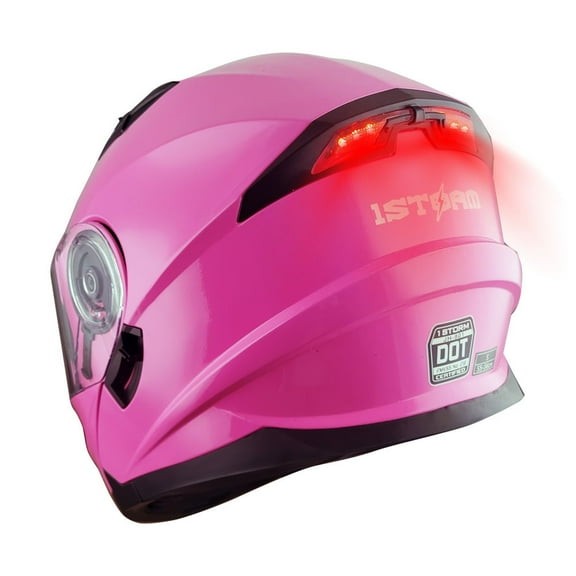
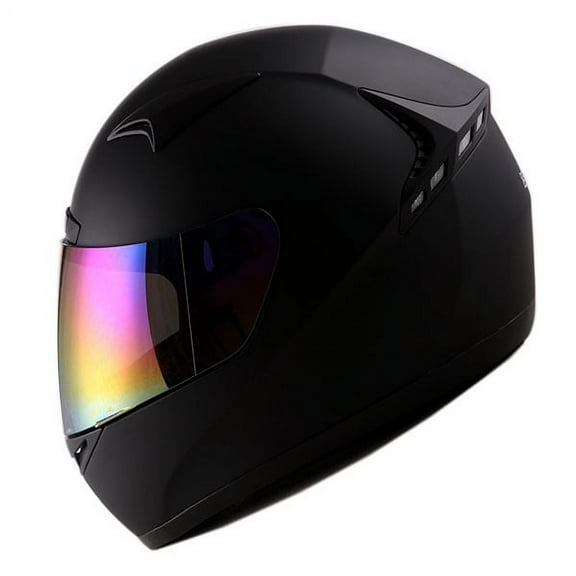
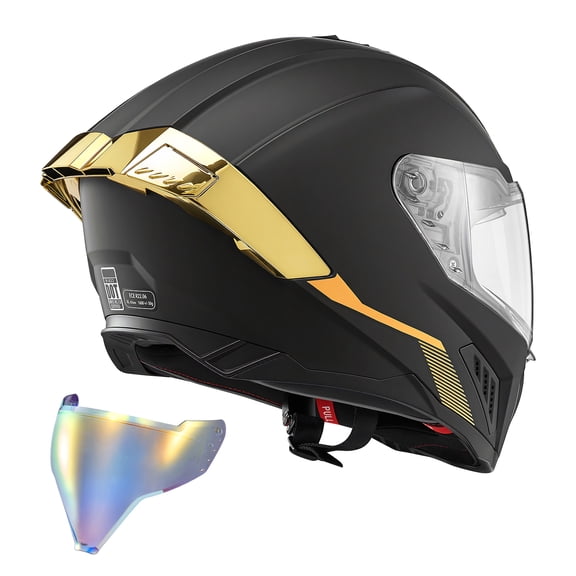
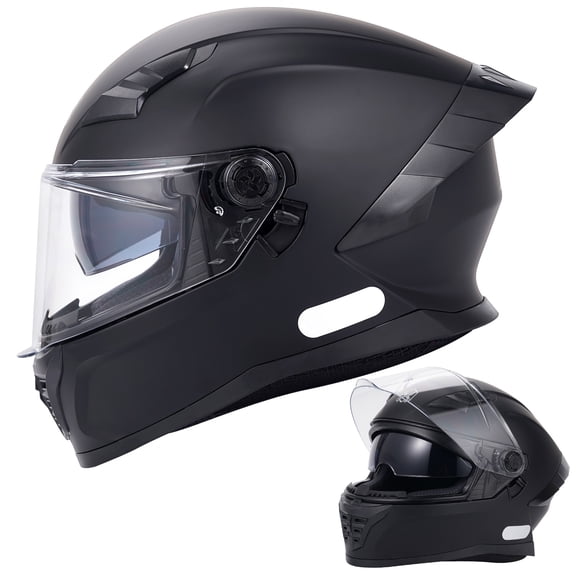
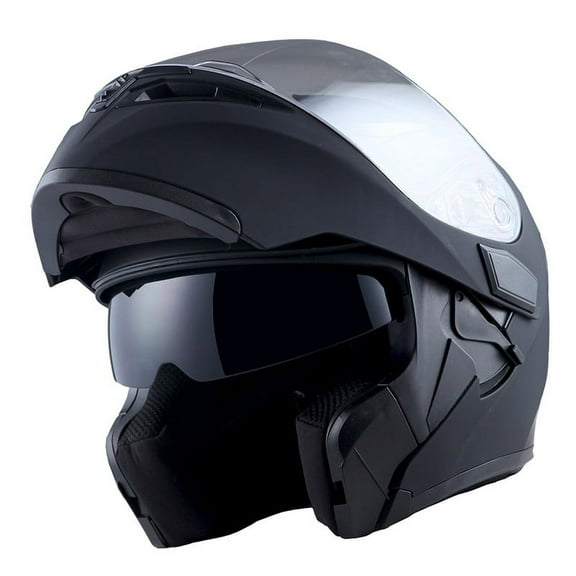
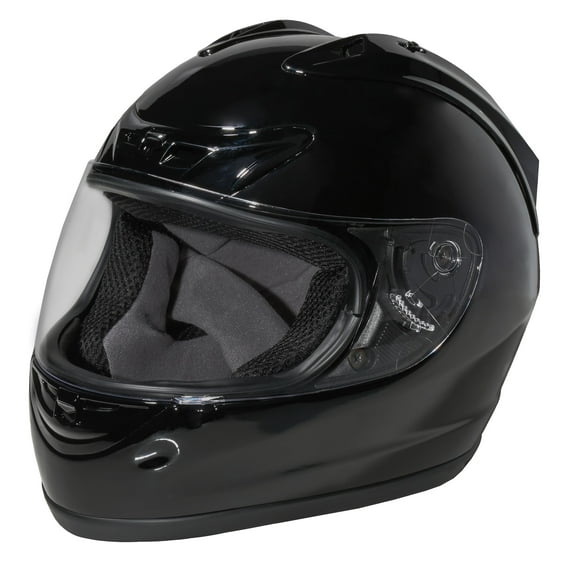
Full face motorcycle helmets give you chin coverage and a wrapped design that suits highway miles and changing weather. Modular motorcycle helmets let you lift the front section, which helps when you stop often or want easier conversation.
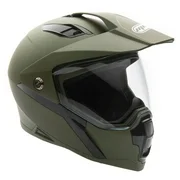
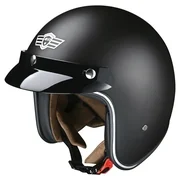
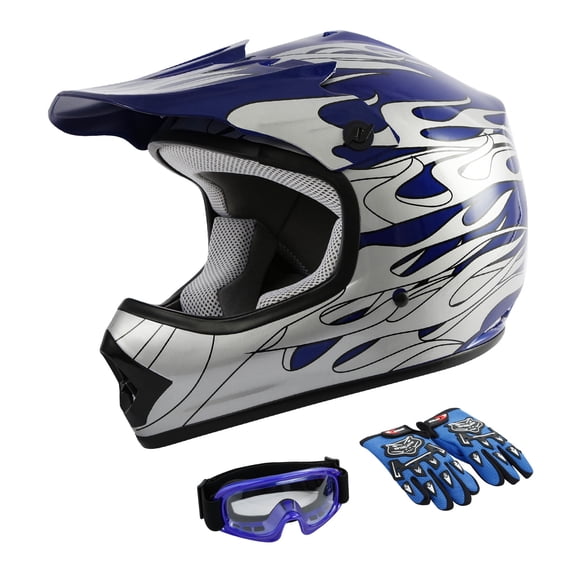
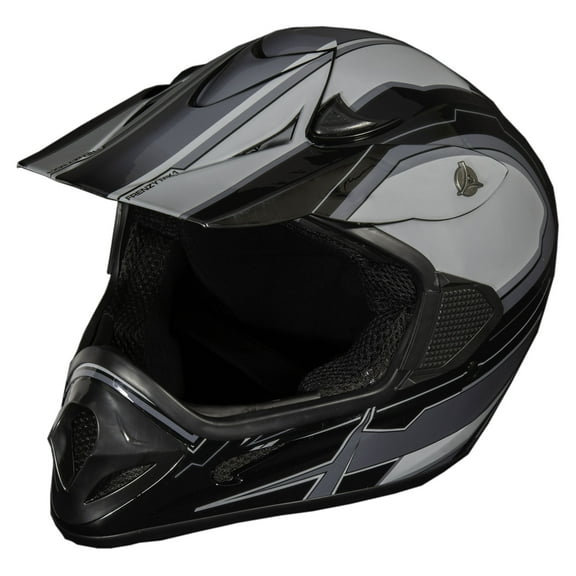
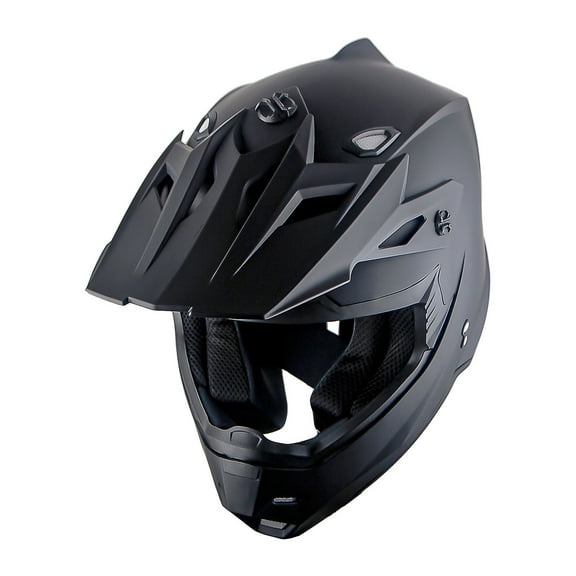
Open face helmets give you a wider, more open feel for cruising and shorter rides around town. Dual sport helmets combine a face shield with an off-road inspired visor, so you can handle pavement and light trail use.
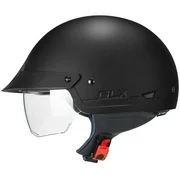
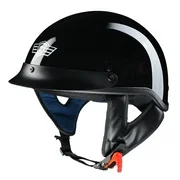
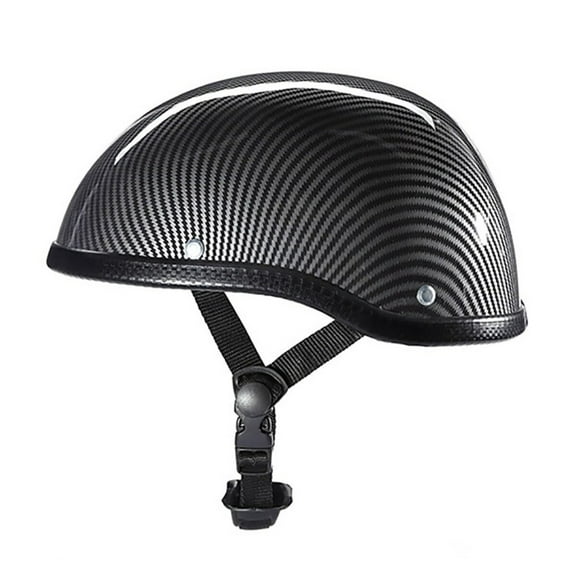
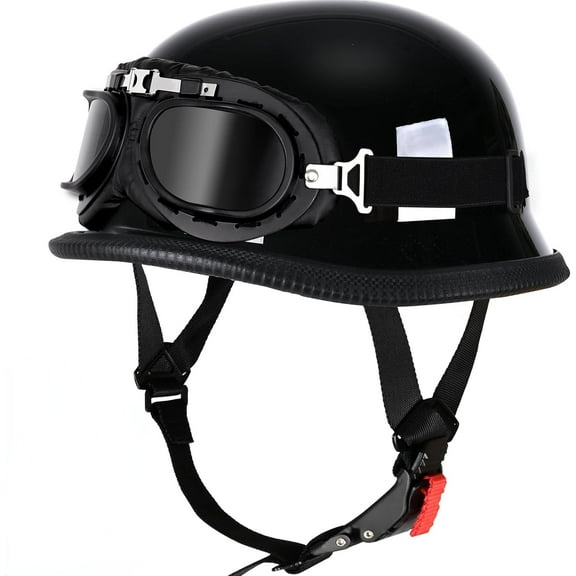
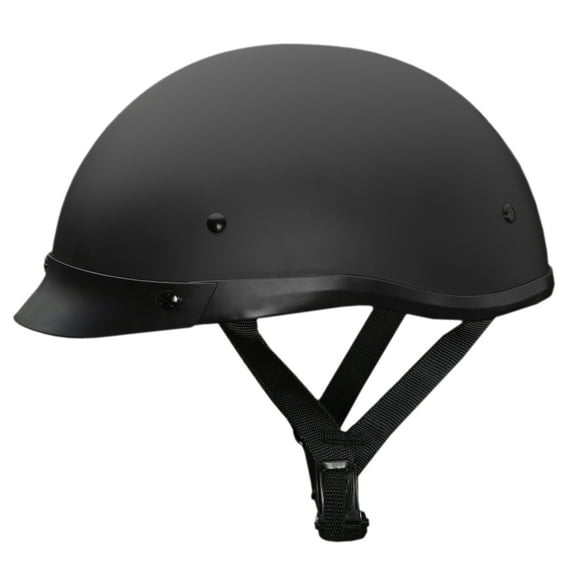
You may also consider a half helmet when you want a compact profile and a simple riding setup. When you compare these motorcycle helmets side by side, you can focus on comfort, coverage, and your usual route.
What to look for in safety certifications
You should check safety certification first, because that label tells you how the helmet was tested for road use. You’ll often see DOT, ECE 22.06, or Snell markings listed with motorcycle helmets for adults.
DOT certification is a common starting point for street bike helmets, and it gives you a familiar benchmark. ECE 22.06 adds another recognized standard, while Snell ratings can matter when you want added testing detail.
You don’t need to guess what these terms mean if you use them as comparison points. You can look for clearly labeled certifications, then compare weight, fit, and ventilation within that group.
- You can use certification labels to narrow choices with more confidence.
- You can compare helmet types without losing sight of road-use standards.
- You can balance coverage, visibility, and comfort around your riding needs.
- You can filter motorcycle helmets by testing labels before checking style details.
Comparing shell materials and visor features
You should compare shell material next, because it affects how the helmet feels during long rides. You’ll usually see polycarbonate, fiberglass composite, and carbon fiber across unisex motorcycle helmets.
Polycarbonate can give you a practical everyday option with a solid, familiar feel. Fiberglass composite can feel lighter in many builds, while carbon fiber may appeal if you want a lower-weight shell.
You should also check visor and shield details, because those parts affect daily convenience. You may prefer a pinlock-ready shield, a drop-down sun shield, or anti-fog features for changing light and weather.
Adjustable vents, chin vents, and exhaust ports also deserve a close look before you choose. You’ll notice these features matter when you ride in traffic, on highways, or through warmer conditions.
Finding the right fit and head shape
You’ll get a more secure feel when you measure your head before choosing a size. You can wrap a soft tape around your head in centimeters, then compare that number with the size chart.
Head shape matters just as much as size when you compare motorcycle helmets. You may need an intermediate oval, round oval, or long oval fit, depending on where you feel pressure.
If you ride for longer stretches, you’ll likely notice small fit differences much faster. You should look for cheek pad contact, even pressure around your crown, and a stable feel when you move.
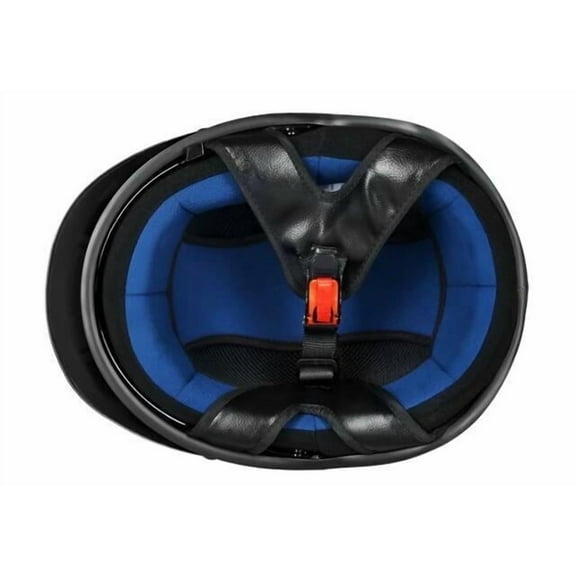
You can also compare closure systems, liner materials, and removable padding for everyday upkeep. When your fit is right, you’ll usually get steadier comfort and less distraction during the ride.
Matching motorcycle helmets to real riding use
You can choose more confidently when you connect features to the way you actually ride. Your commute, weekend route, and weather conditions should shape which helmet details matter most.
If you spend time on faster roads, you may lean toward full face motorcycle helmets with chin vents and a secure shield. If your rides mix errands and frequent stops, modular motorcycle helmets can make those transitions easier.
If your rides focus on relaxed cruising, open face helmets can suit that more open experience. If you split time between pavement and gravel roads, dual sport helmets can support that mixed-use setup.
You may also want lighter shell materials for longer hours in the saddle and strong vent layouts for warmer days. When you match certification, fit, and style to your route, you’ll simplify the buying process.
How your final comparison comes together
You can make a smarter choice when you compare helmet type, certification, shell material, fit shape, and ventilation together. That approach helps you focus on the details that matter once the ride begins.
With motorcycle helmets, you’re not just choosing a look for your gear. You’re choosing the coverage, comfort, and visibility that support every mile you plan to ride.
Popular in Motorcycle Helmets - Walmart.com
- Agv All ATV Accessories
- Powersports Helmet Visors Fly Racing Accessories
- Helmet Shields Snowmobile Accessories
- Modular Motorcycle Helmet
- Hi Vis Motorcycle Helmet
- Eagle Motorcycle Helmets
- Scorpion Motorcycle Helmet
- Camo Atv Helmet
- Motorcycle Powersports Helmets Joe Rocket
- Full Face Motorcycle Helmets
- Scorpion Exo Helmet Visor
- Agv Motorcycle Accessories