


Find auto parts that fit
Let’s search for parts that fit your vehicle.Motorcycle Headsets to Talk to Each Other & Intercoms










About Motorcycle Headsets to Talk to Each Other & Intercoms - Walmart.com
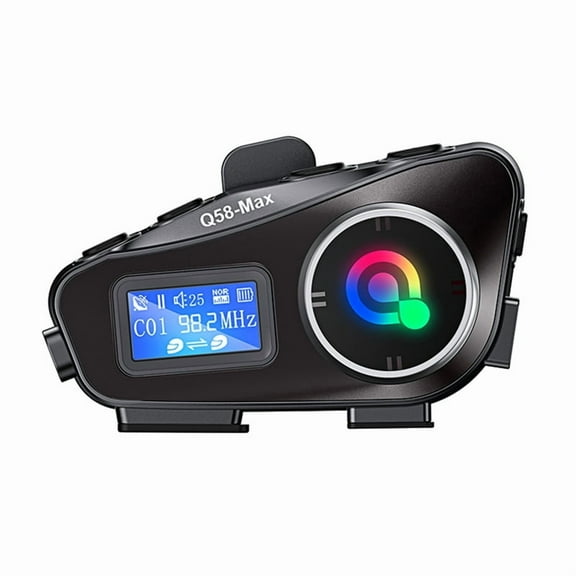
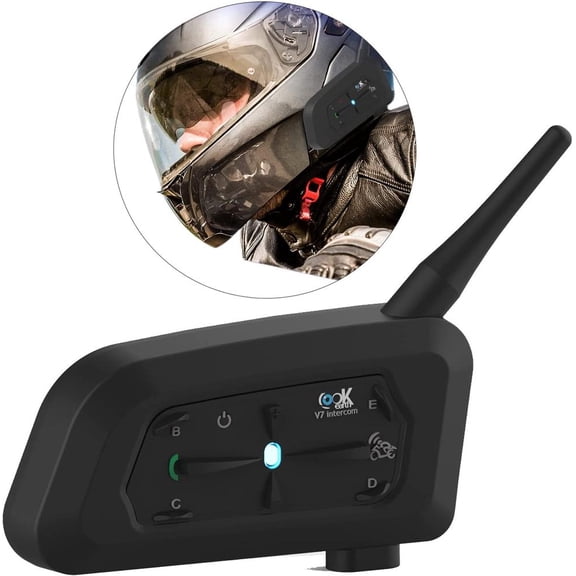
You'll find motorcycle headsets to talk to each other that keep conversations clear across commutes, tours, and group rides. You can compare rider capacity, helmet fit, wireless pairing, and range in one category.
If you're choosing between solo audio, rider-to-passenger chat, or bike-to-bike communication, you need decision-ready details. You can use this guide to compare motorcycle intercom systems without guessing about helmet setup or connection type.
How to choose motorcycle headsets to talk to each other
When you compare rider capacity first, you can narrow your options quickly. You may want a single rider setup, a 2 way motorcycle intercom, or a multi-rider mesh system.
If you usually ride with one passenger, you can focus on simple two-person pairing. If you join group rides, you may prefer Mesh 2.0 support for flexible rider connections.
Bluetooth profiles matter because you may want voice chat, music, GPS, and calls from one headset. You'll often see A2DP for stereo audio and HFP for call-style communication.
- You can choose two-person setups for rider-to-passenger conversations and short pairing steps.
- You can compare mesh-ready units if your group ride changes riders during the day.
- You can look for multi-point pairing when your phone and GPS both need to stay connected.
- You can check real-world range notes, not just line-of-sight numbers, before longer rides.
Comparing motorcycle coms by connection type
When you shop motorcycle coms, connection type changes how you ride and how you reconnect. You can choose Bluetooth for straightforward pairing or a wireless motorcycle intercom with mesh for larger groups.
Bluetooth works well when you want predictable pair lists and direct links between two or a few helmets. Mesh network designs help you reconnect quickly when riders spread out or rejoin later.
If you want moto coms for commuting, Bluetooth may cover your daily needs without extra setup. If you ride in packs on weekends, mesh can make moving conversations feel natural.
You'll also want to compare audio multitasking support if you use turn-by-turn prompts while talking. You can keep GPS guidance active while your intercom stays ready on compatible models.
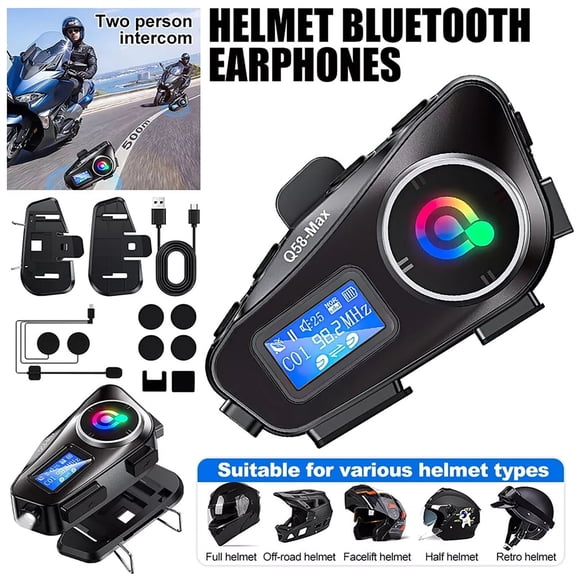
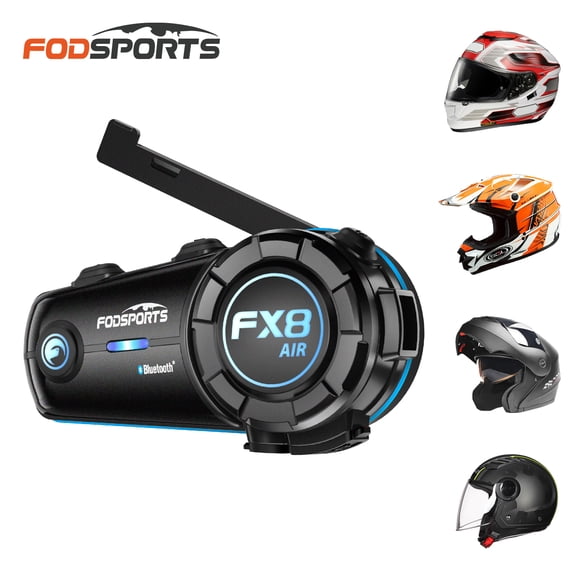
Choosing a helmet intercom for your helmet style
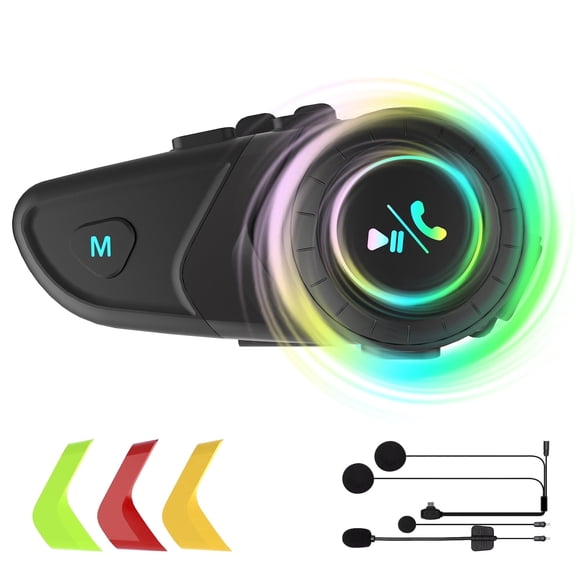
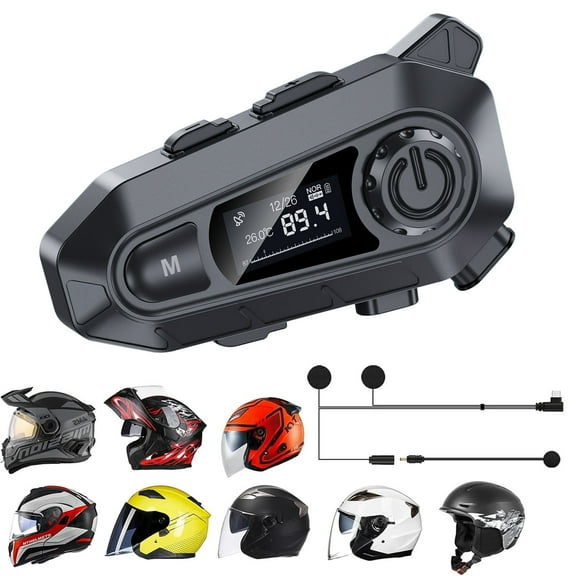
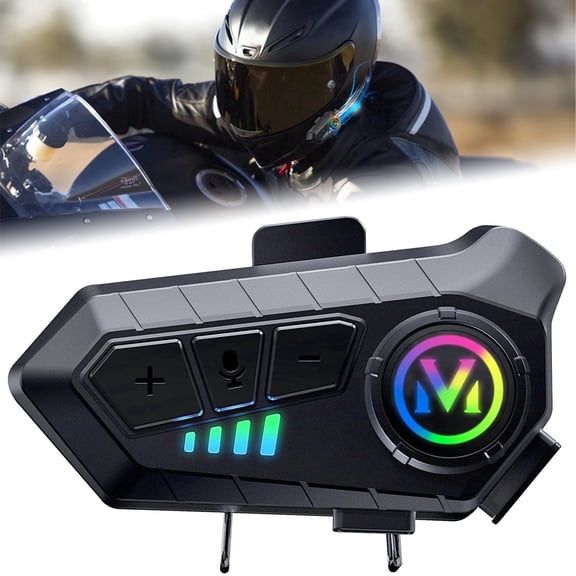
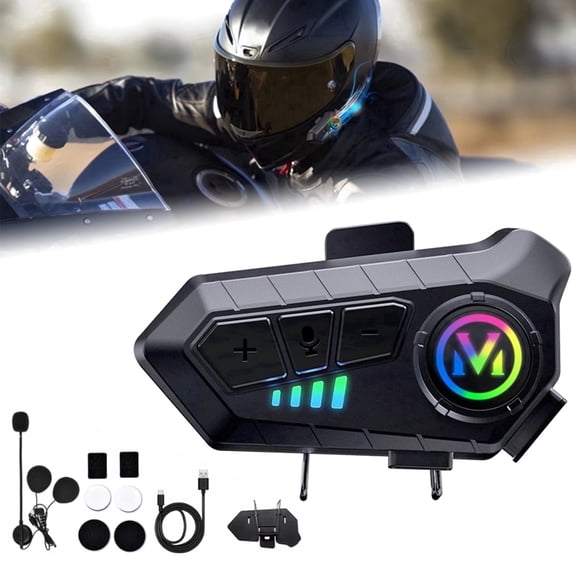
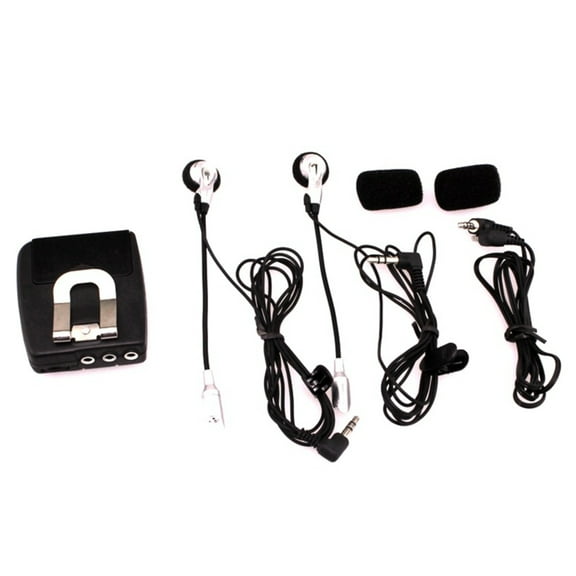
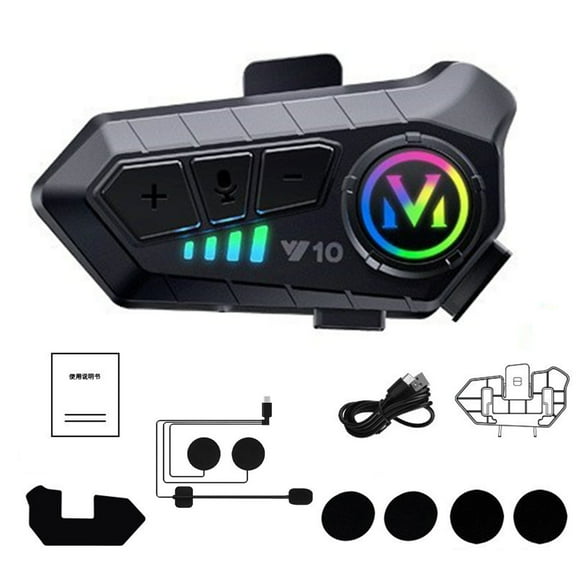
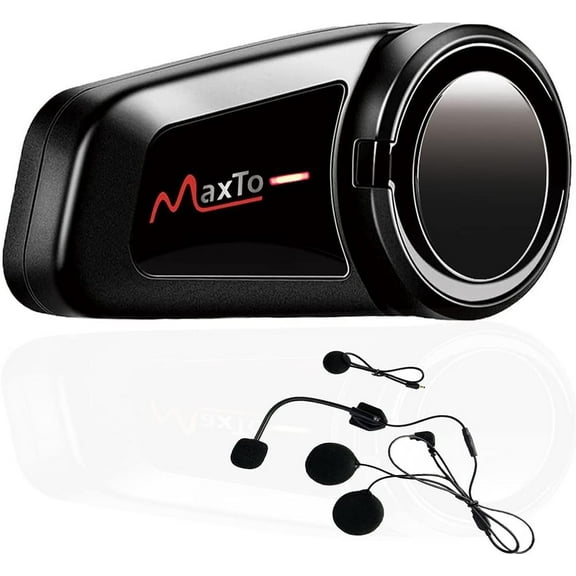
Helmet compatibility matters because your microphone style should match your helmet opening and chin bar design. You can usually choose a boom microphone or a wired button microphone.
If you wear a full-face helmet, you may prefer a low-profile wired microphone inside the chin area. If you wear modular or open-face styles, you may need a boom microphone for clean placement.
You should also measure speaker pocket space before you install any helmet intercom. You can avoid pressure points by checking speaker thickness and clamp placement.
If you use a half helmet, you may need a setup built for more open airflow. You can compare mounting styles carefully because a crash helmet intercom fit varies by shell shape.
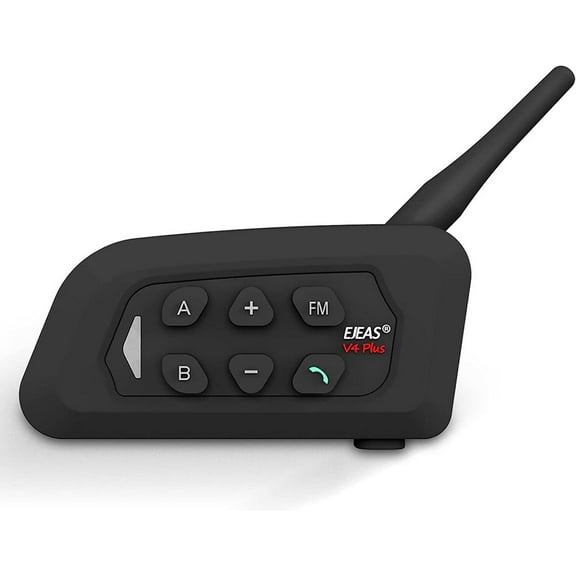
When you compare a helmet intercom for rider and passenger use, microphone clarity matters on both sides. You can look for noise-controlled mics and easy glove-friendly controls.
What to look for in range, packs, and pairing
Range numbers can look impressive, but your real ride environment affects what you hear. You should compare line-of-sight estimates with hills, buildings, and traffic in mind.
If you want a motorcycle to motorcycle intercom for open highways, you may notice long usable distance. If you ride in cities or wooded areas, you may get short communication range.
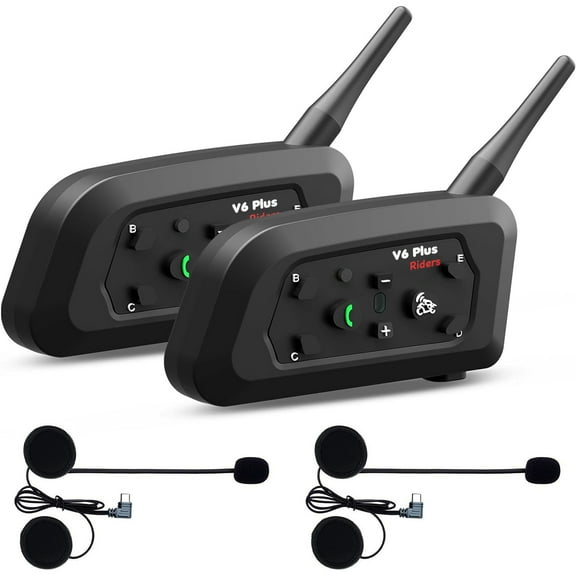
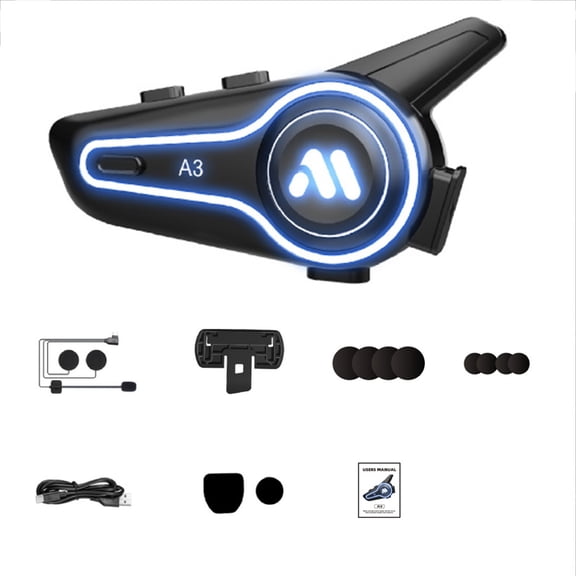
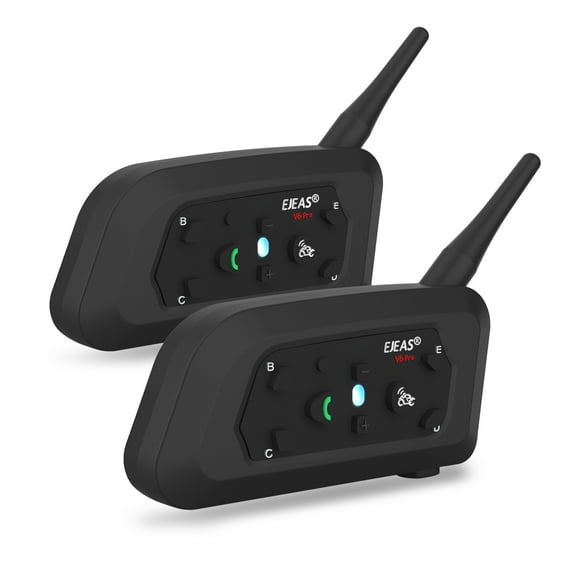
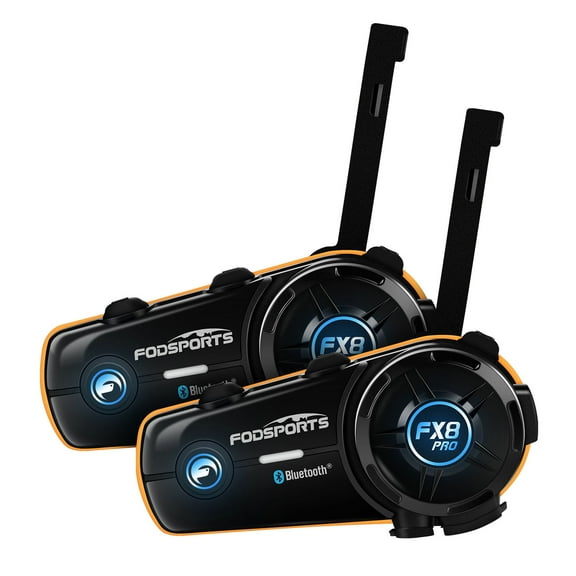
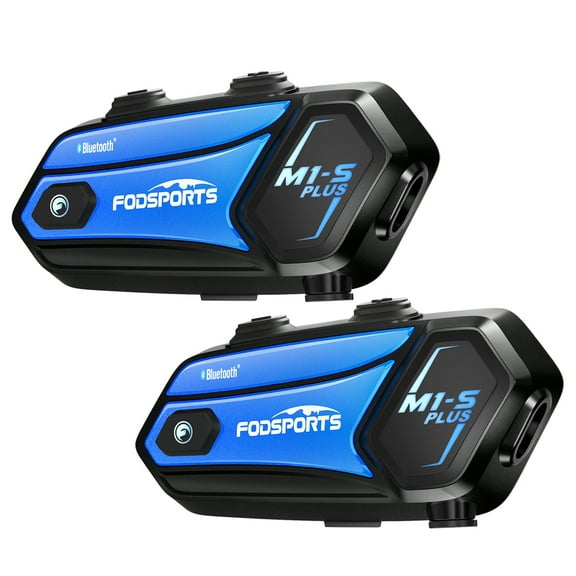
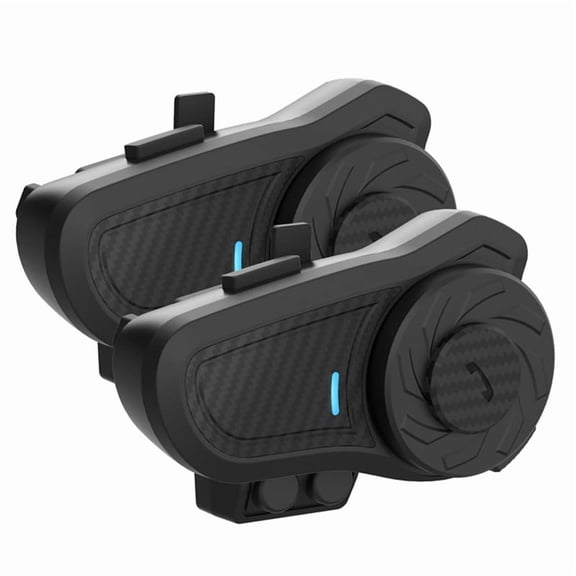
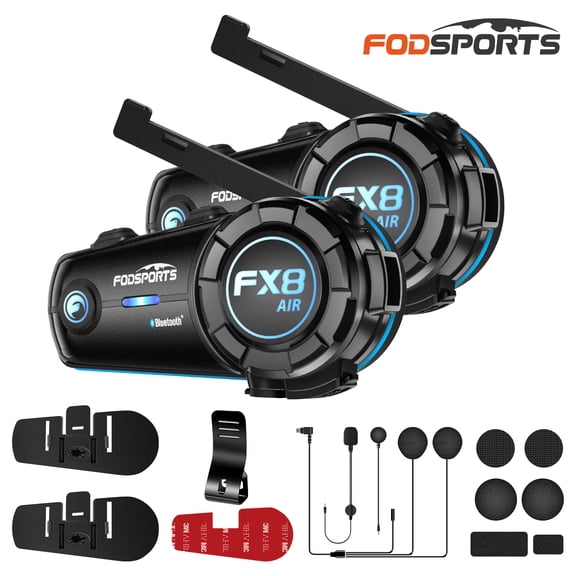
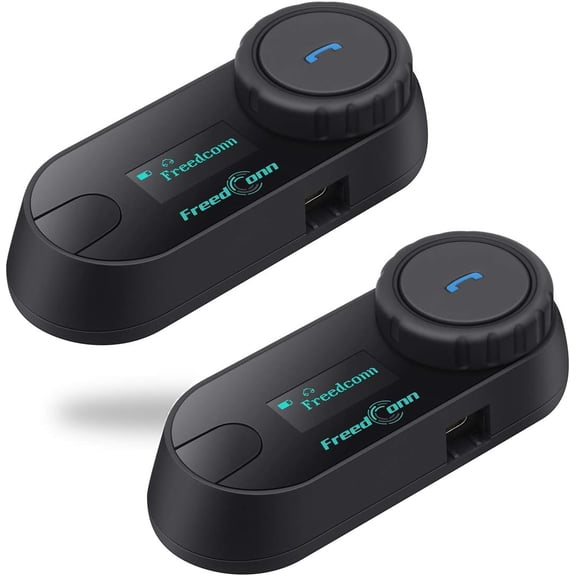
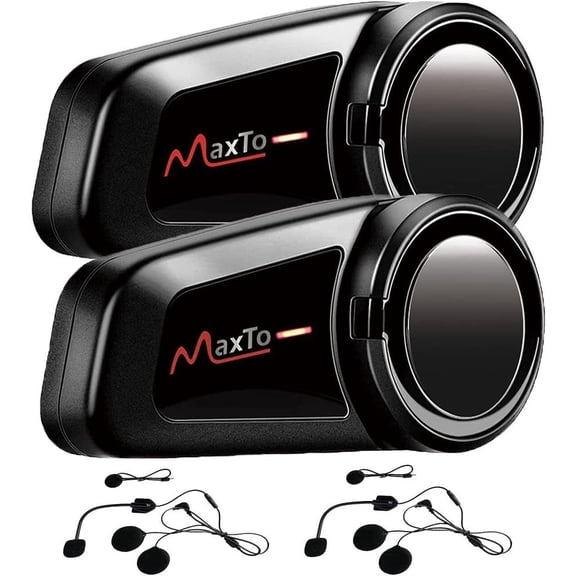
A motorcycle intercom 2 pack can simplify setup when two helmets need matching controls and accessories. You can also compare single-unit listings if you're replacing one side only.
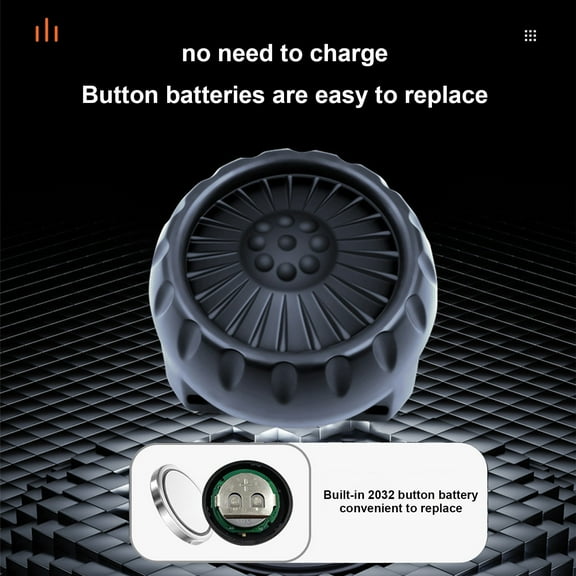
Some shoppers also compare helmet intercom price while checking battery life and included mounting parts. You can get a clear picture when you compare charging time, talk time, and spare microphone options.
If you use phone audio every day, multi-point pairing deserves close attention. You can connect a smartphone and GPS together on models that support the right Bluetooth profiles.
Matching intercom choices to the way you ride
If you commute with a passenger, you may want quick pairing and simple buttons over advanced group features. You can focus on a motor intercom that keeps conversation easy at stoplights and on highways.
If you tour across long distances, you may want weather-ready housings and long battery life. You can also compare charging methods if you pack power banks during overnight rides.
Group riders often need an intercom for bike riders that handles changing formations without repeated pairing. You can narrow your search by looking at multi-rider mesh support and voice prompt clarity.
If you switch between a full-face helmet and a modular helmet, installation flexibility becomes more important. You can look for extra microphone pieces and mounting hardware that support both setups.
When your rides mix music, calls, and directions, a wireless setup can feel more organized. You can compare app controls, firmware updates, and button layouts that work with gloves.
You'll make an informed choice when you match rider count, helmet type, range expectations, and pairing needs. You can use these decision points to find an intercom setup that stays clear and convenient on every ride.