


Moving
Bubble MailersBubble WrapFoam and Packing PeanutsMattress Moving CoversMoving Box KitsMoving BoxesPacking TapePacking PaperPostage StampsShipping BoxesShipping LabelsStretch WrapOffice SuppliesHome Moving EssentialsPicture HangersDrywall AnchorsAdhesive StripsDouble Sided TapeCommand HooksAll Command
Easy moving & simple shipping

Moving boxes





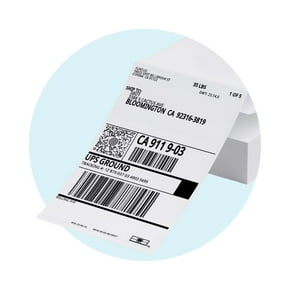

Your best move yet
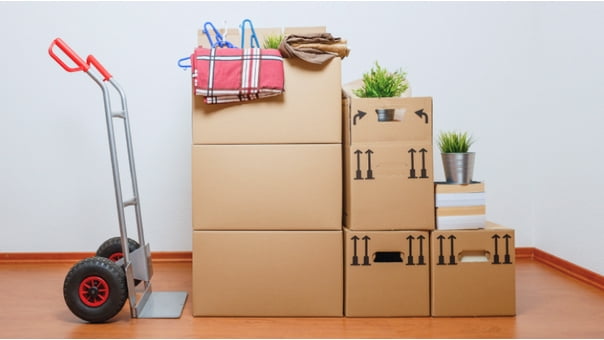
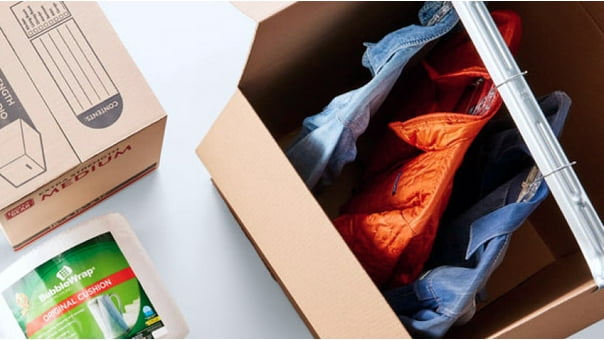


Make it your own

Find finishing touches






About Moving - Walmart.com
Shipping and moving supplies help you protect belongings, organize each room, and keep every box ready for pickup or delivery. You can compare box sizes, packing materials, and moving kits in one place, which makes planning feel more controlled.
How to choose shipping and moving supplies
When you choose supplies, you should match each item to weight, size, and breakability. You can start with moving boxes, then add packing tape, bubble wrap, and packing paper for the items inside.
If you're packing a home, you should think in rooms and furniture types. If you're shipping orders, you should think in box strength, surface protection, and secure closure.
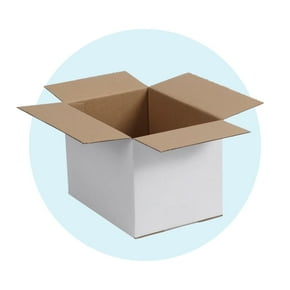
Choosing the right moving boxes by box size
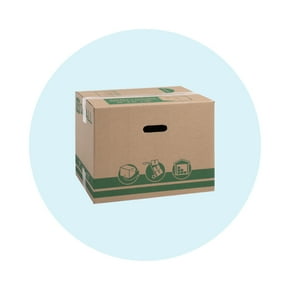
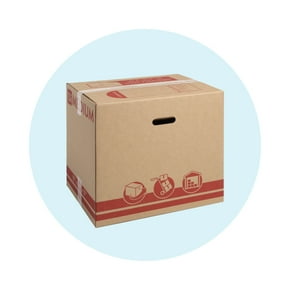
You should use small boxes for books, tools, and canned goods because dense items get heavy quickly. You can use medium boxes for kitchenware, toys, and folded clothes.
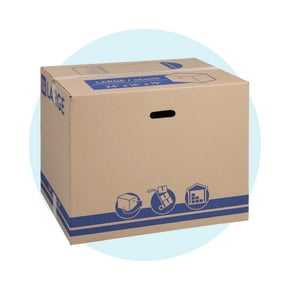
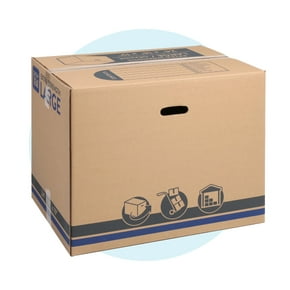
Large boxes work well when you need space for linens, lampshades, or bulkier household items. Extra large boxes can help you move comforters, pillows, and lightweight seasonal décor.
Before you choose a size, you should measure shelves, bins, and oversized items that won't bend. You can avoid wasted space when your cardboard boxes fit your items closely.
Comparing corrugated cardboard, bubble wrap, stretch wrap, and packing paper
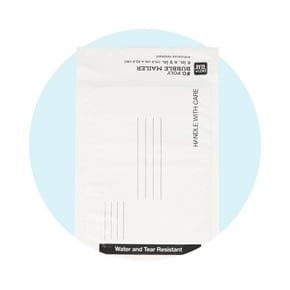
You should compare material type based on what you're protecting and how it travels. Corrugated cardboard gives your items structure, while bubble wrap adds cushioned space around delicate surfaces.
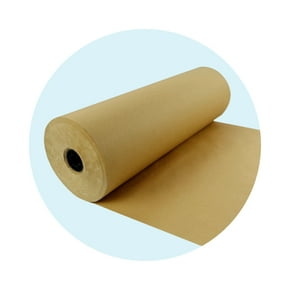
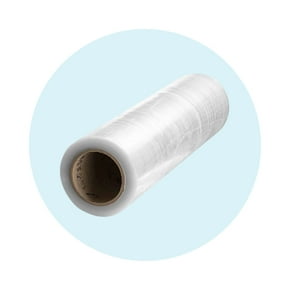
Packing paper works well when you need to wrap plates, fill gaps, or separate glassware in a box. Plastic stretch wrap helps you bundle loose items, secure drawers, or keep grouped pieces together.
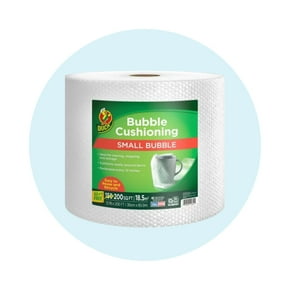
- You can use bubble wrap when your item has corners, glass, or polished finishes.
- You can use packing paper when your item needs light wrapping and tighter packing.
- You can use stretch wrap when your item needs grouped support or surface coverage.
- You can use corrugated cardboard when your shipment needs structure and stackable sides.
Checking box strength and tape for heavy-duty shipping
You should check whether corrugated cardboard is single-walled or double-walled before you pack heavy items. Single-walled boxes suit lighter loads, while double-walled boxes give your shipment extra support.
If you're moving books, files, or tools, you should look for heavier-duty moving boxes with stronger panels. You can reduce box bulging when you match item weight to wall construction.
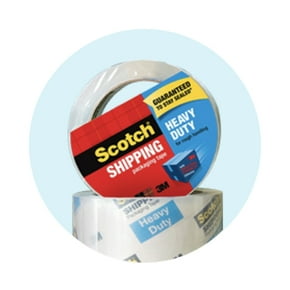
You should also compare packing tape by adhesive type when boxes carry more weight. Hot melt tape grabs quickly for firm closure, while acrylic tape works well for longer storage and label visibility.
When you seal a box, you should run tape along the center seam and edge seams. You can keep flaps flatter when your tape width and adhesive strength match the carton size.
Choosing moving kits and package types
You should choose package type based on how many rooms you're packing and how fast you need to start. Individual boxes help when you're replacing a few cartons, while multi-packs help when you're planning a larger move.
Moving kits can simplify planning because you get a grouped mix of supplies in one purchase. You can look for kits that include moving boxes, tape, and protective packing materials for common room needs.
If you're packing a studio or dorm, you may need fewer box sizes and fewer rolls of material. If you're packing a whole house or office, you should compare larger moving kits with broader size mixes.
Matching supplies to house moving, fragile packing, shipping, and storage
For house moving, you should sort by room and pack heavier items in smaller boxes. You can keep kitchen items stable with packing paper and use bubble wrap around framed pieces.
For fragile item packing, you should leave cushion space around glass, ceramics, and electronics. You can fill empty areas with packing paper so items stay positioned inside the box.
For heavy-duty shipping, you should check box construction, tape strength, and outside dimensions before sealing. You can choose shipping boxes that stack cleanly and support labels on flat surfaces.
For storage, you should look for shapes that stack neatly in closets, garages, or offices. You can use stretch wrap to keep grouped items together and cardboard boxes to create cleaner rows.
What to look for before you finish packing
You should compare total volume before checkout so you don't run short midway through packing day. You can estimate needs by counting rooms, then assigning small, medium, large, or extra large boxes.
Another smart step is checking whether your supplies match item type instead of using one box for everything. You can protect dishes, books, décor, documents, and office gear with fewer packing problems.
With the right shipping and moving supplies, you can pack with clearer organization and steadier protection from room to room. You can finish with boxes that stack, seal, and travel more smoothly.