

Murphy Beds & Wall Beds




























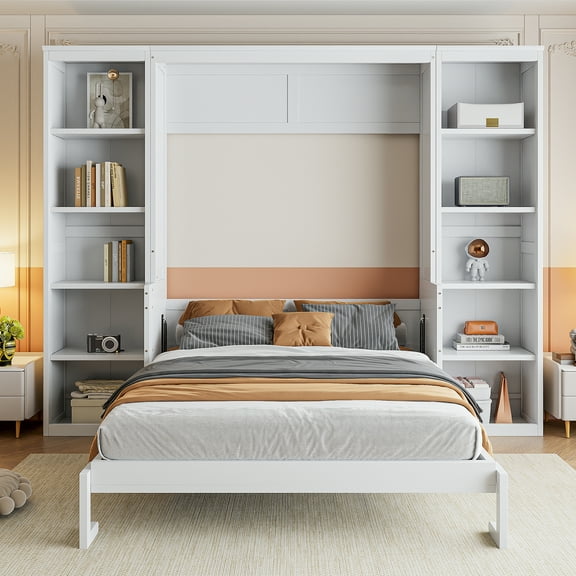
About Murphy Beds & Wall Beds - Walmart.com
Your queen murphy bed can turn a tight room into a flexible sleeping space without giving up everyday floor area. You can compare cabinet, chest, and wall-mounted designs that fit guest rooms, home offices, and multipurpose bedrooms.
How to choose a queen murphy bed for your room
Start by measuring your folded and unfolded footprint before you compare finishes or storage details. You'll also want to check ceiling height, wall space, and walking clearance around the bed.
A queen murphy bed usually gives you more sleeping width for couples or taller guests than smaller sizes. You can also compare twin, full, and king options when your room layout calls for a different fit.
When you shop for a murphy bed for small spaces, you'll want a design that opens smoothly and stores neatly. You can keep a room useful during the day, then set up a sleep surface at night.
- You can reclaim floor space in a guest room, office, or studio layout.
- You can choose a size that matches your room width and sleeping needs.
- You can compare opening styles that match your installation comfort level.
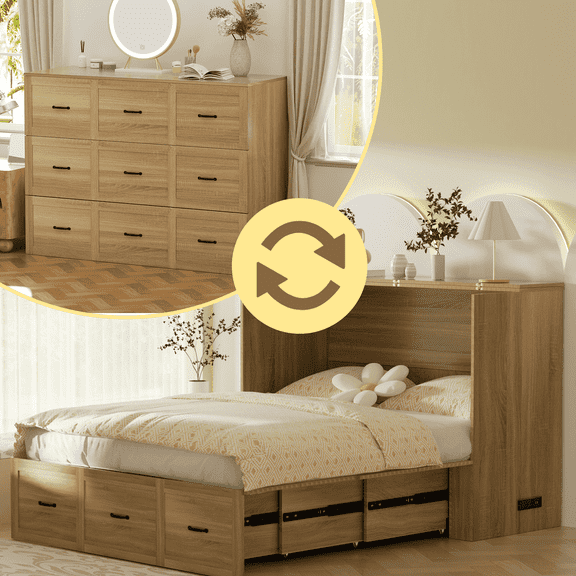
- You can find storage-focused designs that keep bedding close at hand.
Choosing between a wall bed and a murphy cabinet bed
Consider how much installation work you want before you decide on style type. You'll usually choose between a traditional wall bed, a cabinet bed, or a chest bed.
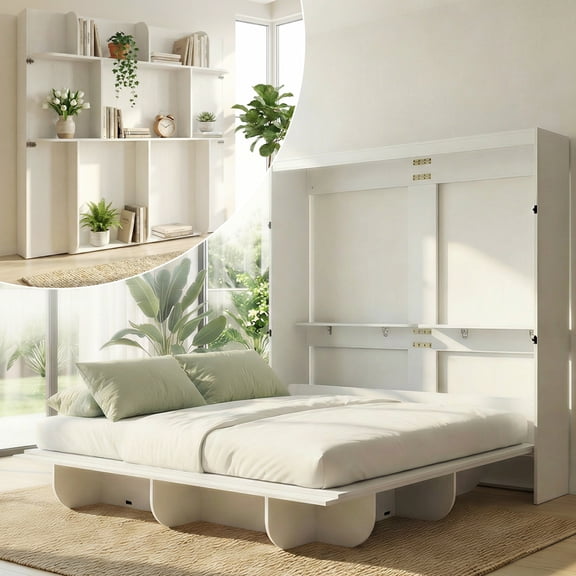
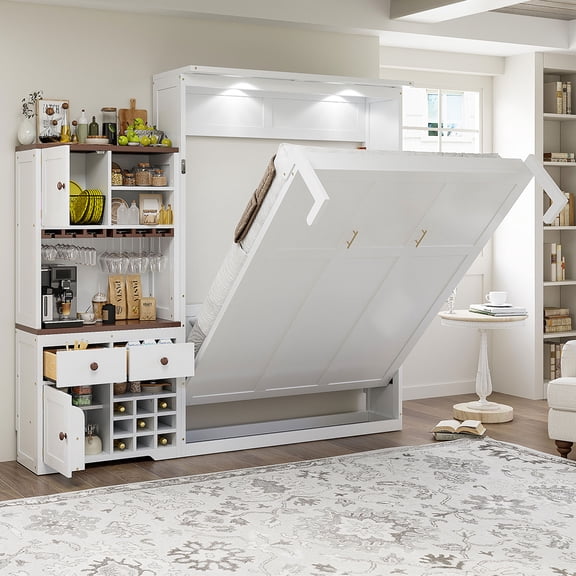
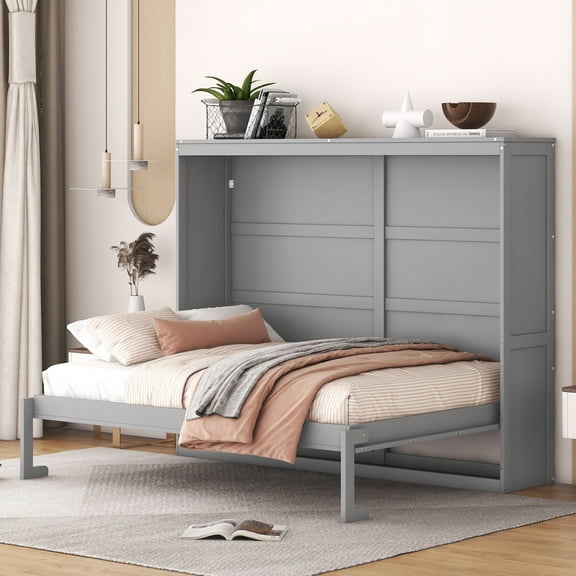
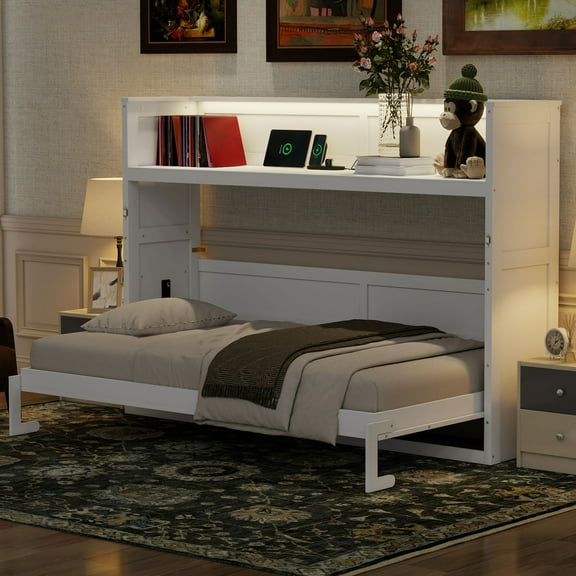
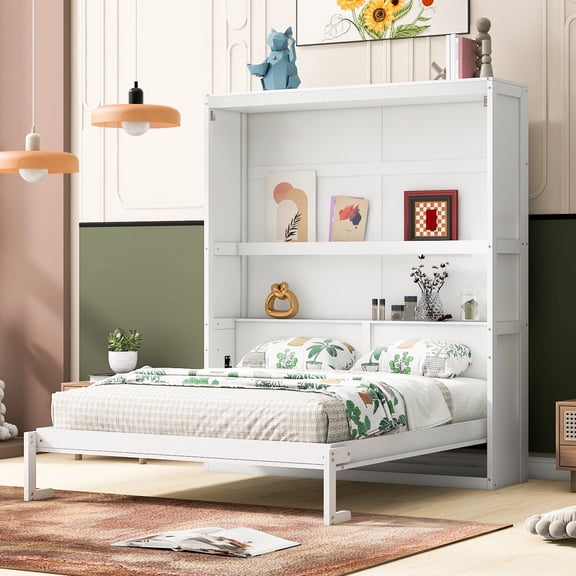
A traditional wall bed folds vertically or horizontally against the wall and often needs anchoring. You should measure wall placement carefully because the bedframe swings into open floor space.
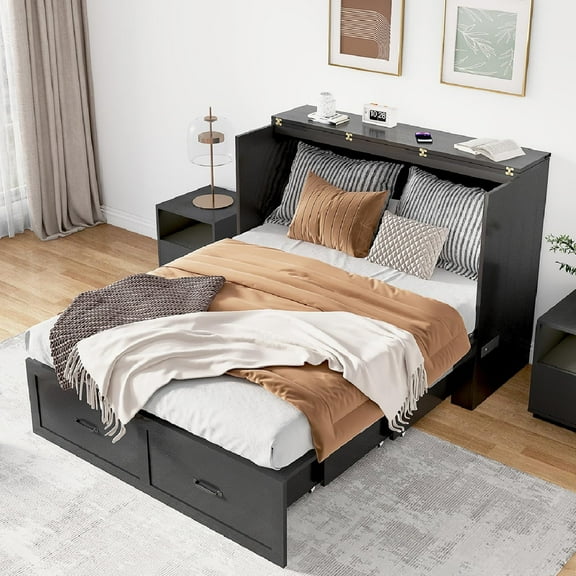
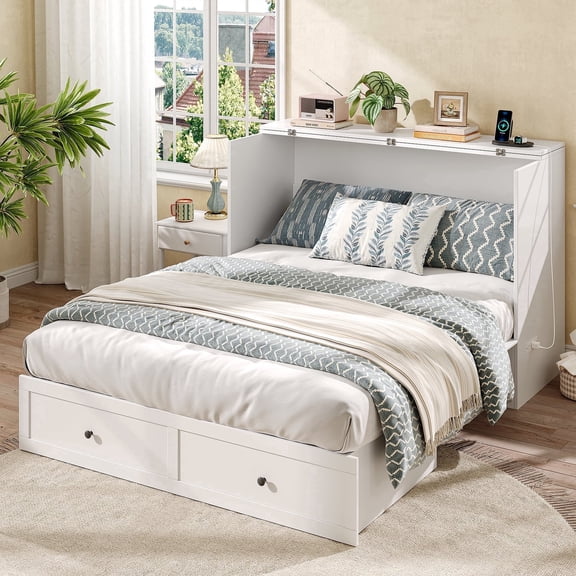
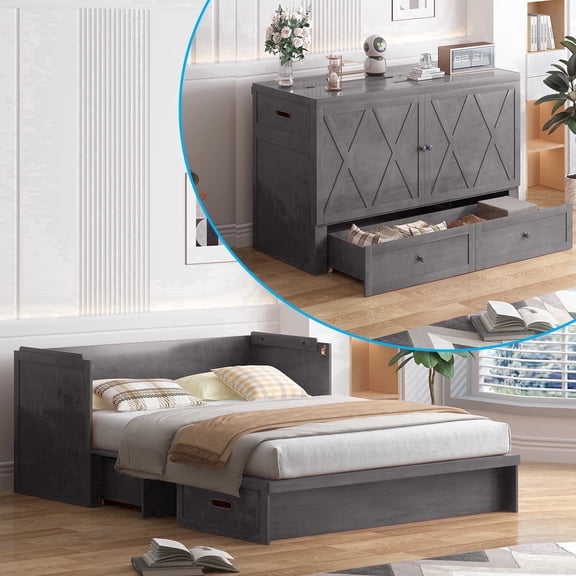
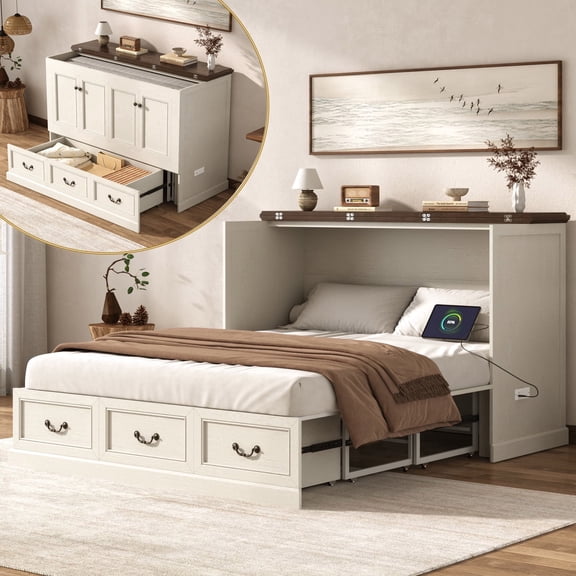
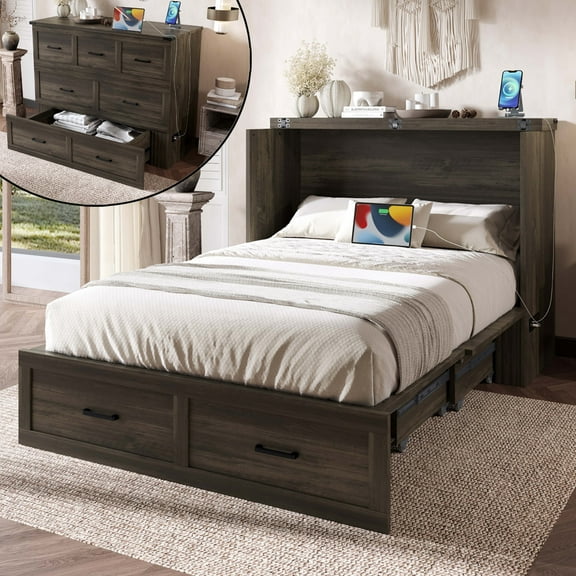
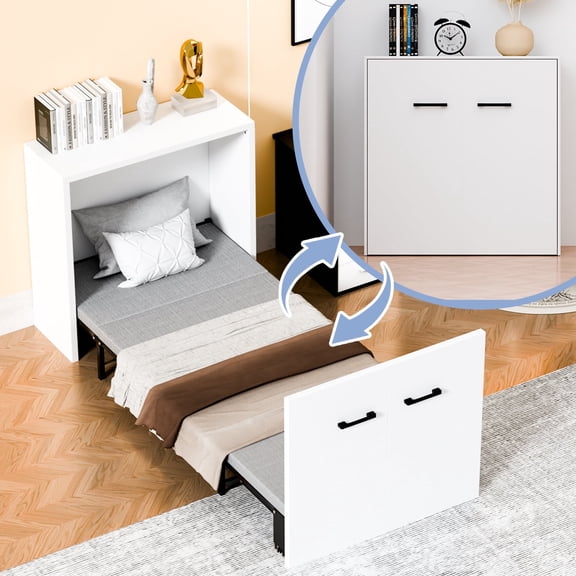
A murphy cabinet bed gives you a free-standing format that looks more like a cabinet when closed. You can place it in many rooms without planning around wall anchoring in the same way.
A chest bed also offers a compact closed profile that works well when you want the bed hidden between visits. You may prefer this style if your room doubles as an office or den.
Look at folded depth and unfolded length before you commit to any style. You'll avoid layout surprises when you confirm door swing, outlet access, and traffic paths first.
Murphy bed sizes and mattress compatibility
Size affects comfort, room clearance, and how often you'll use the bed for overnight guests. You should compare twin, full, queen, and king dimensions against your available floor plan.
If you want a balance between sleep space and room flexibility, a queen murphy bed often lands in the middle. You get a roomy sleep surface while still keeping many small rooms functional.
Mattress thickness compatibility matters because each frame supports a specific depth range. You should check the maximum mattress depth so the unit closes properly and opens without extra strain.
Some designs work with slimmer mattresses, while others allow thicker profiles for a fuller feel. You'll want to match mattress depth to the frame instead of guessing after delivery.
You may also want to compare whether the mattress stays inside when the bed closes. That detail can simplify setup and help you keep bedding organized between guest stays.
What to look for in a murphy bedframe and lift system
Your murphy bedframe affects daily use as much as size and style do. You should compare the frame structure, opening motion, and hardware before making a final choice.
Piston lift systems usually give you a controlled opening feel with less sudden movement. You may like this option if you want smoother raising and lowering during frequent use.
Spring mechanism designs use tension to help lift and lower the bed. You should review product details closely so you understand how the opening action feels in everyday use.
Bedframe details also shape convenience when you're planning for repeat guests. You can look for support slats, cabinet panels, and closure designs that fit your room style.
If you expect regular setup, compare how easily you can move from closed storage to open sleep space. You'll notice the right mechanism makes the room feel easier to use.
Matching style, size, and use case to your space
Your room's purpose should guide every choice you make in this category. You can narrow options faster when you decide whether the space serves guests, work, or daily sleeping.
For guest rooms, you may want a queen or full setup that feels welcoming without dominating the room. You can keep open space available until visitors arrive.
For a home office, a cabinet bed or chest bed can blend in with desks and storage. You get a hidden bed option while keeping a more finished daytime look.
For small apartments or bonus rooms, a murphy bed for small spaces helps you use one room in two ways. You can work, stretch, or store other furniture during the day.
If you're furnishing a compact nook, a twin unit may fit where a larger frame won't. If you host couples often, your queen layout may give you a more comfortable overnight setup.
When you compare room clearance, mattress depth, and opening style together, your shortlist gets clearer. You can choose a setup that fits your measurements and supports easy guest-ready use.
Your decision gets easier when you measure carefully and compare style, size, and mechanism before you buy. You can create a flexible room that opens into a practical sleep space whenever you need it.