

Ohmmeters in Electrical Testing


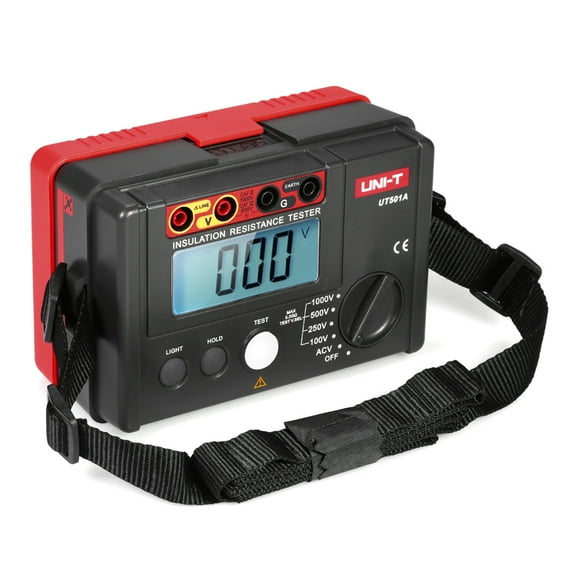
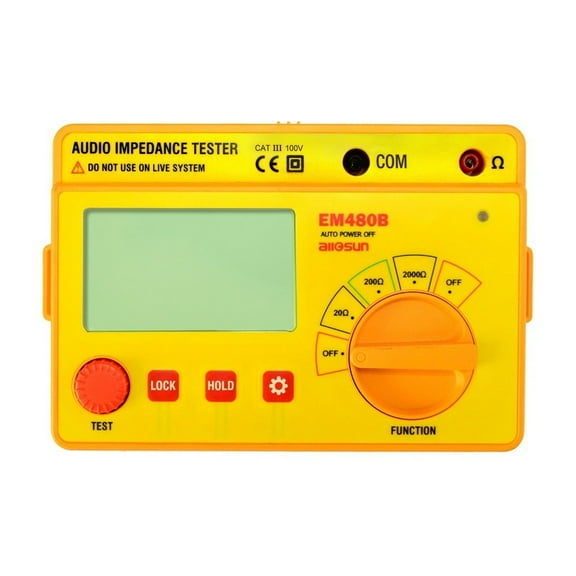


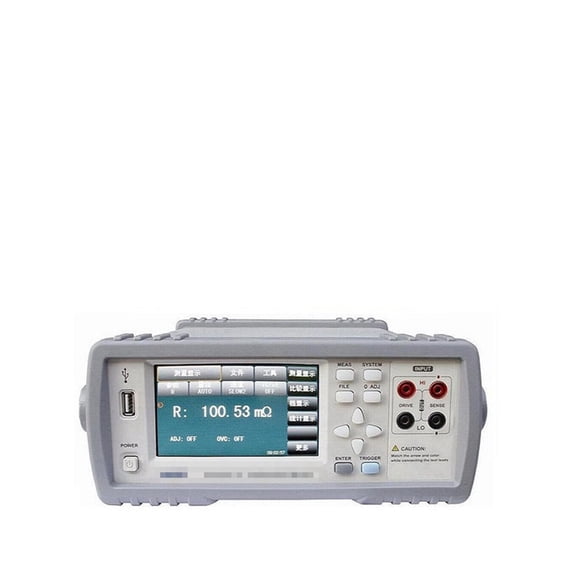
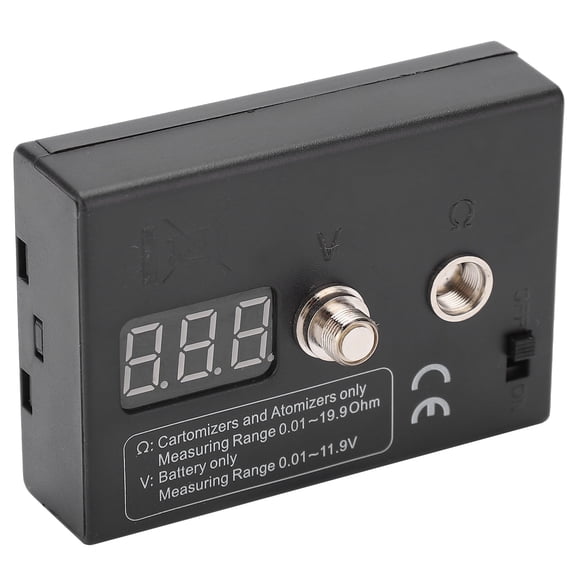












About Ohmmeters in Electrical Testing - Walmart.com
Ohmmeters help you measure electrical resistance with more clarity when you compare display type, range, form factor, and safety details. You can use this guide to sort digital ohmmeters, analog models, and specialized resistance testers for your work.
If you troubleshoot wiring, electronics, or equipment, you need readings that match your task. You can narrow your choice faster when you understand micro-ohm, milli-ohm, and mega-ohm ranges before you buy.
Choosing ohmmeters by display type
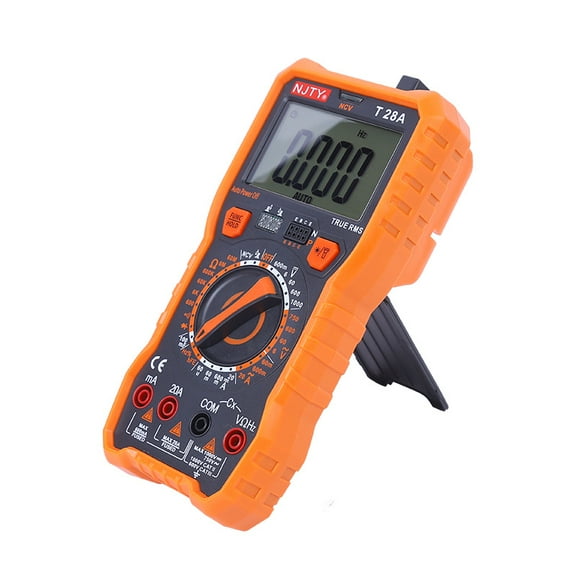
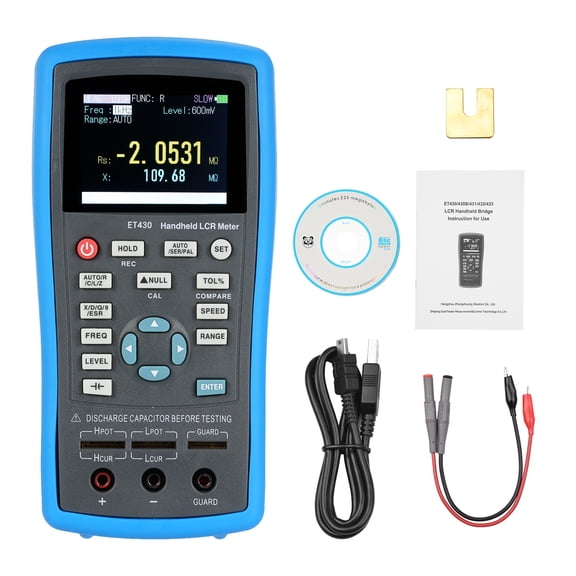
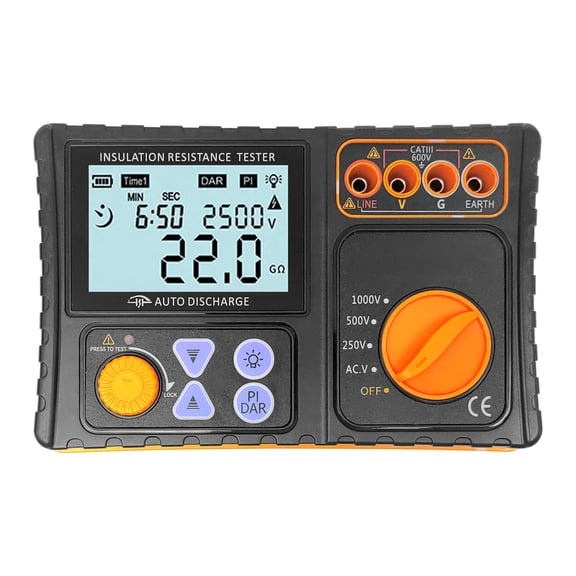
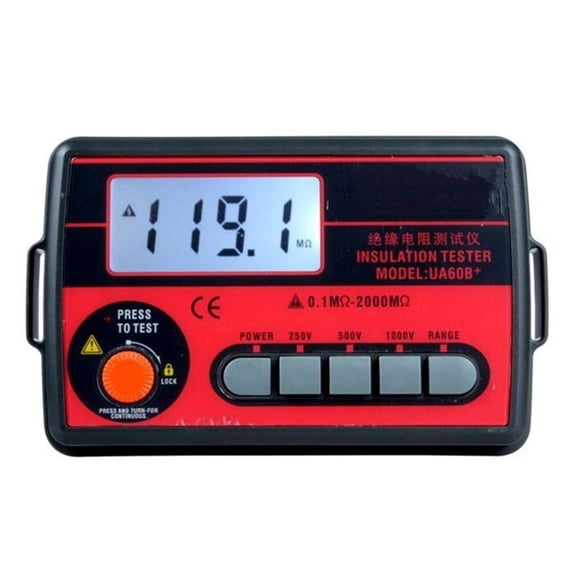
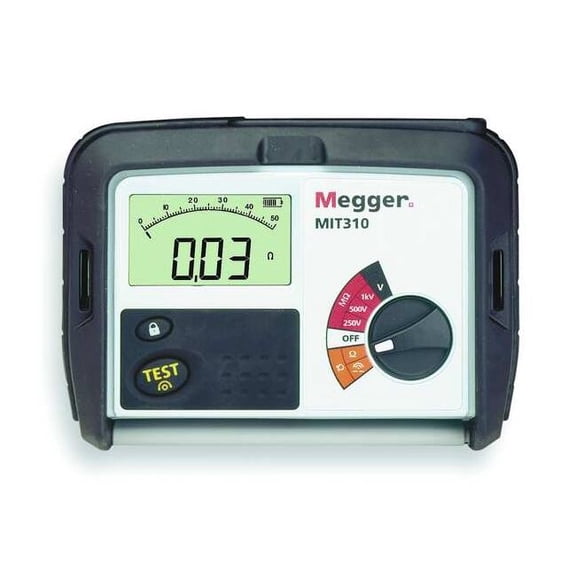
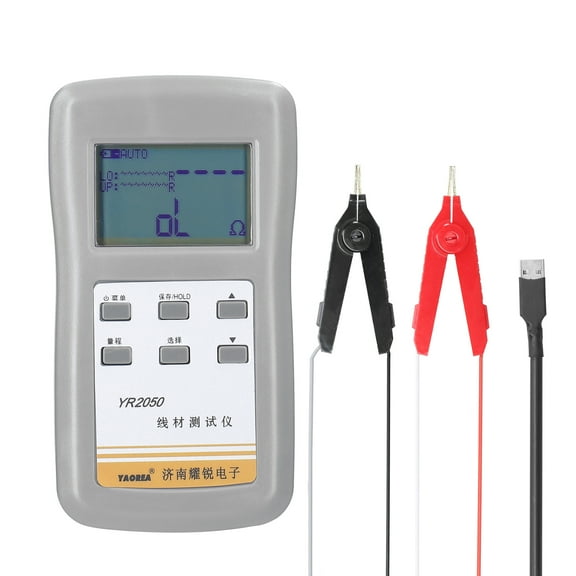
When you compare display types, you should start with how you read results during testing. You may prefer digital ohmmeters when you want quick numeric readings on a screen.
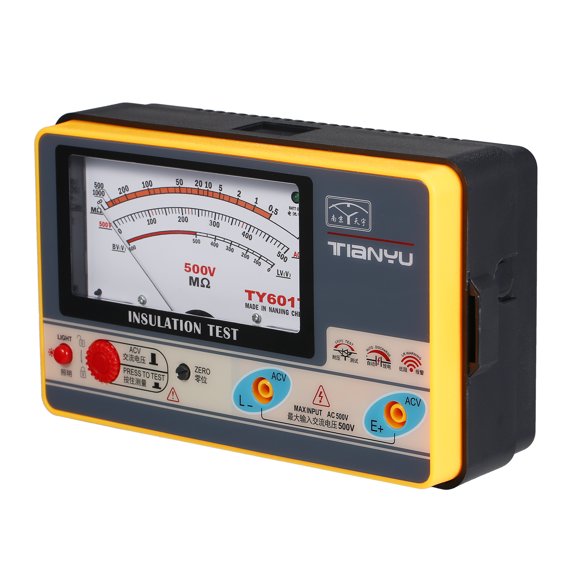
If you check small components or changing circuits, you can notice digital displays make tiny resistance shifts easier to follow. You may prefer an analog needle when you want to watch movement trends instead of fixed numbers.
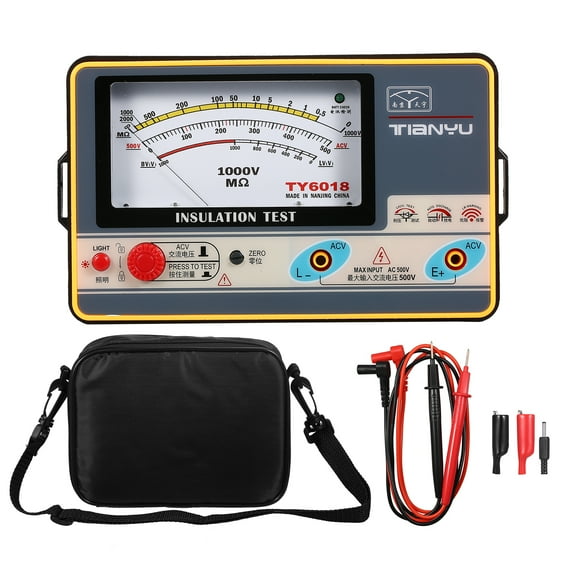
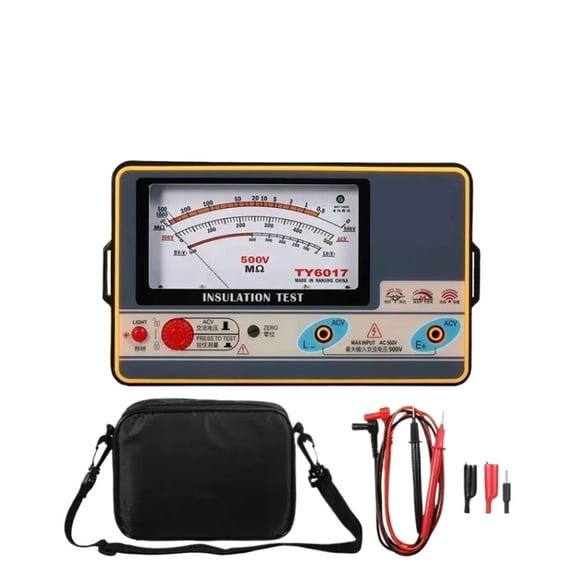
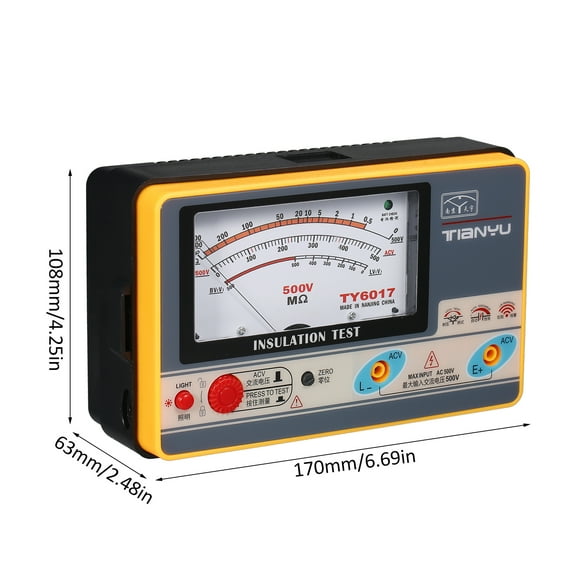
Backlit screens can help you read values in garages, utility spaces, and crowded panels. Analog displays can help you judge rising or falling resistance as the needle moves across the scale.
- You can read digital values quickly during repeat checks.
- You can track changing resistance visually with an analog needle.
- You can compare display styles based on lighting and reading distance.
- You can choose a layout that fits your testing routine.
How to choose measurement range and precision
You should match the meter’s range to the resistance levels you expect to test. You may need microohmmeters for very low resistance work on connections, coils, or bonded parts.
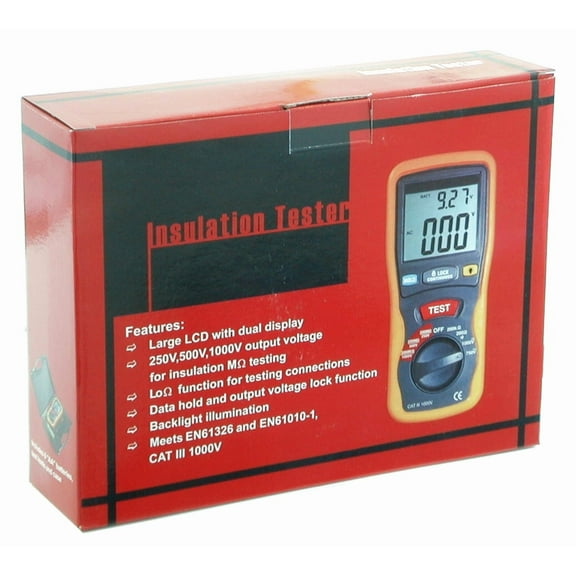
If you inspect cables, switches, or contact points, milliohm meters can help you focus on low-resistance detail. If you test insulation or high-resistance paths, you may need mega-ohm capability instead.
Resolution and accuracy tolerance matter when you want dependable readings across repeated checks. You should look for specs that explain the smallest change you can read and the margin around that reading.
Some shoppers choose multimeters with ohmmeter functions for general household electronics and quick checks. You may want dedicated ohmmeters when resistance testing is your main job and finer range control matters.
Choosing the right form factor for your work
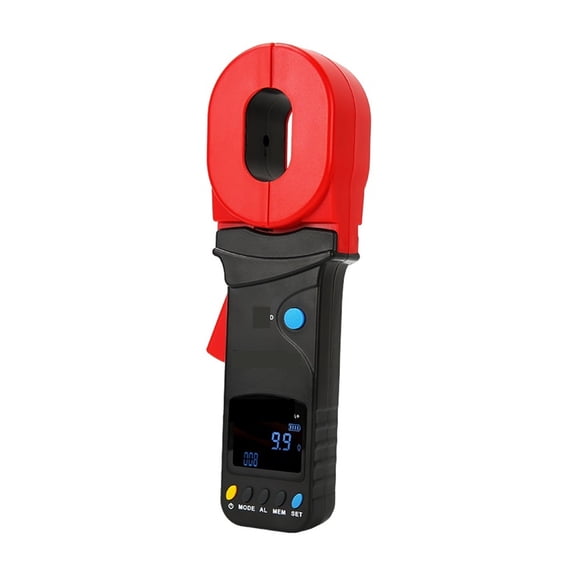
You should consider where you test before you compare body style and size. Handheld ohmmeters fit field work when you move between vehicles, panels, benches, or job sites.
If you carry tools all day, portable designs can feel easier to manage in tighter spaces. You may prefer a benchtop unit when you need a stable setup for repeated parts testing.
Probe storage, button layout, and grip shape can affect how smoothly you work through long sessions. You should also check whether the meter’s size fits your tool bag, cart, or workbench.
For automotive tasks, you may want a compact meter that travels easily between battery systems and wiring harnesses. For industrial stations, you may want a larger unit that stays put and supports routine testing steps.
What to look for in safety ratings and protection
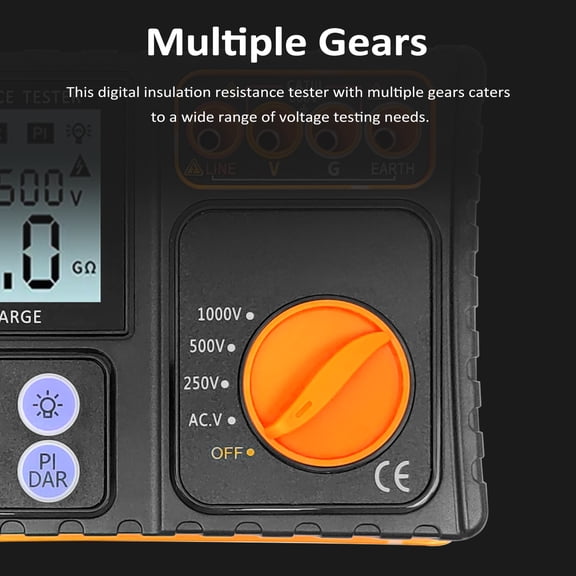
You should check CAT safety ratings when you test around different electrical environments. CAT ratings help you compare where you intend to use a meter and how manufacturers build it.
If you work around panels or powered systems, overload protection and clear voltage limits deserve close attention. You should compare these details before you choose electrical resistance testers for regular job use.
Input protection, fused designs, and durable leads can support more confident day-to-day handling. You may also want clear labeling, since you can verify settings faster before each measurement.
When you test household electronics, your needs may differ from industrial equipment checks. You should match the rating and limit information to your environment, not just the display or shape.
Using ohmmeters for real testing scenarios
You can use ohmmeters for automotive troubleshooting when you check circuits, sensors, and continuity-related resistance points. You may also use them for household electronics, including switches, cords, speakers, and small components.
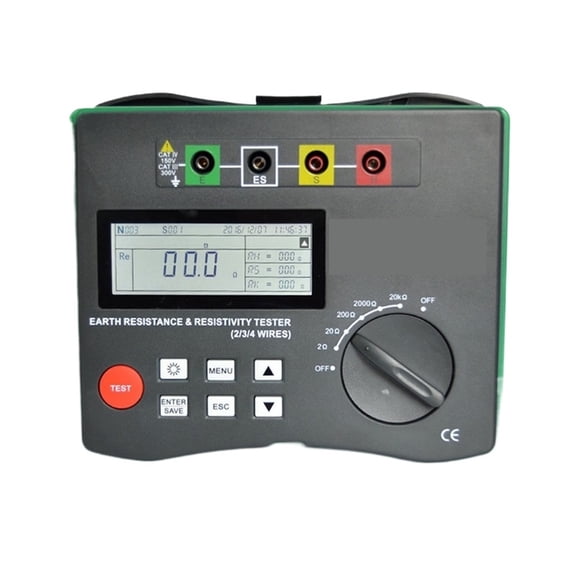
In industrial settings, you may compare low-resistance readings across motors, grounding points, and connections. If you need very small readings, micro-ohm and milli-ohm tools can support that level of detail.
You can choose digital ohmmeters for fast number reading during service calls and routine inspections. You may choose analog models when needle movement helps you spot fluctuation during live troubleshooting workflows.
If you test at a bench, you may want a benchtop setup with a larger display and steady placement. If you move often, handheld ohmmeters can keep your electrical testing tools easier to carry and position.
You should also think about related tools when you build your setup for resistance work. You may pair your meter choice with multimeters, voltage testers, or oscilloscopes for broader electrical testing coverage.
When you compare these decision points carefully, you can choose ohmmeters that fit your readings, workspace, and routine. This helps you find a meter that makes resistance checks clearer and more consistent.