









Oils & Fluids
Find auto parts that fit
Let’s search for parts that fit your vehicle.*Required fields
Motor Oil DealsMotor OilSynthetic OilTransmission FluidsAntifreeze & CoolantBrake FluidsRefrigerantsAdditivesAutomotive GreasesOil Change ToolsAuto Cleaner & DegreasersWindshield Washer FluidsGasket SealersAutomotive Starting FluidMotor Oil by BrandBrake CleanersAutomotive FluidsAutomotive OilsDiesel Exhaust FluidsHigh Mileage OilR134A RefrigerantsCVT Transmission FluidsHydraulic OilPower Steering Fluids$24.88 Oil Changes
Auto services
Auto fluids & additives
Under the hood

Favorite brands




FAQ
About Oils & Fluids - Walmart.com
You can compare oil & fluids by fluid type, viscosity, and vehicle fit, so your maintenance routine stays clear and your vehicle gets the right fill. You’ll find motor oil, transmission fluid, brake fluid, coolant, and power steering fluid in one category built for routine service.
When you’re maintaining a passenger car, truck, motorcycle, or marine engine, you need more than one bottle on your checklist. You also need clear guidance on oil type, engine fluid needs, and capacity details before you start.
Choosing oil & fluids by fluid type
You should start with the exact fluid your system calls for, because each formula serves a different part of your vehicle. You’ll use motor oil for lubrication, coolant for temperature control, and transmission fluid for shifting performance.
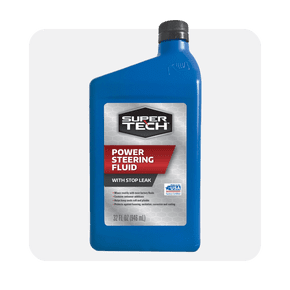
Brake fluid and power steering fluid also need a close match to your owner’s manual requirements. You can avoid guesswork when you check the fluid label, service interval, and compatibility notes first.
- You can use motor oil for regular oil changes and routine engine care.
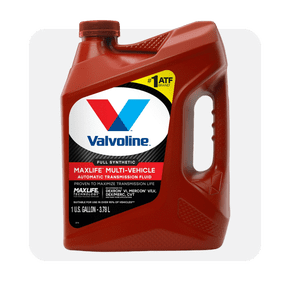
- You can choose transmission fluid based on your transmission type and required specification.
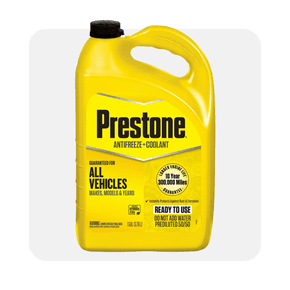
- You can keep coolant on hand when your vehicle calls for a specific antifreeze formula.
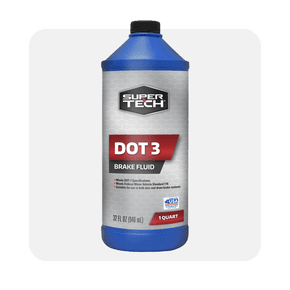
- You can check brake fluid ratings before topping off or planning scheduled service.
- You can match power steering fluid to your vehicle system for smooth operation.
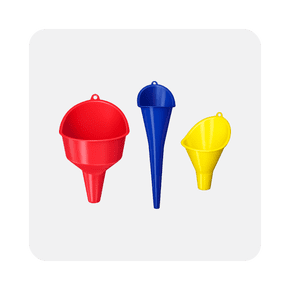
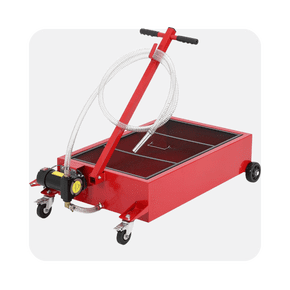
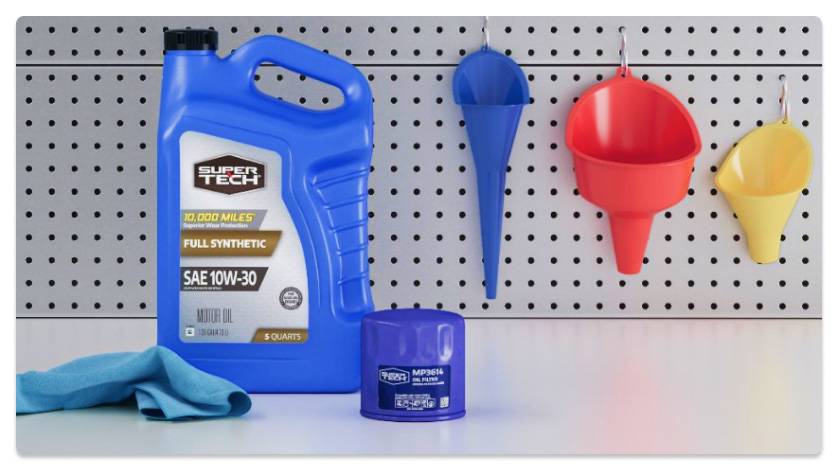
You’ll benefit from shopping by fluid type because it narrows your options fast and keeps your maintenance plan organized. You can also pick up related oil change fluid needs in one stop, including filters, funnels, and drain pans.
How to compare engine fluid and vehicle compatibility
You should confirm whether your vehicle is a passenger car, heavy duty truck, motorcycle, or marine application before you choose any engine fluid. You’ll get closer to the right match when you compare labels with your owner’s manual.
Look for compatibility details such as viscosity grade and OEM specifications, including Dexos when your vehicle requires it. You can use those details to filter choices that fit your engine design and service schedule.
If you drive a newer car, you may need a lighter grade like 0W-20 or 5W-20 for everyday driving. If you maintain an older engine or certain trucks, you may see 5W-30 or 10W-30 listed instead.
You should also check whether your fluid fits gasoline engines, diesel engines, motorcycles, or marine equipment. You’ll make a cleaner choice when you match both the fluid type and the intended vehicle use.
Understanding viscosity grade and oil type
You can think of viscosity grade as a guide to how your oil flows in cold starts and operating heat. You’ll often see grades like 5W-30, 10W-30, 0W-20, and 5W-20 on the bottle front.
A lower first number can help you get easier flow during cooler starts. A higher second number can help you maintain protection at hotter running temperatures, when your manual calls for it.
You should also compare full synthetic, synthetic blend, conventional, and high mileage formulas before your next service. You’ll notice each oil type supports a different driving pattern, engine age, and maintenance preference.
Full synthetic options can suit drivers who want stable performance across varied temperatures and longer manufacturer-recommended intervals. Synthetic blend choices can give you a middle ground, while conventional oils fit many routine service needs.
If your vehicle has higher miles, you may prefer high mileage formulas designed for older engines. You can use that category to narrow your search when your manual allows several oil types.
Choosing the right oil change fluid for your service routine
You should check your owner’s manual for oil capacity before you begin any oil change fluid purchase. You’ll want enough quarts for the refill, plus extra if your vehicle’s capacity falls between bottle sizes.
Many shoppers focus on grade first, but you should also confirm total fill volume and filter requirements. You can avoid extra trips when you plan your full oil change around both capacity and specification.
If you handle your own routine maintenance, you may want oils and fluids that match seasonal driving, towing, or stop and go use. You can compare labels for service notes that align with your usual driving conditions.
You might also keep coolant, brake fluid, or transmission fluid ready for scheduled maintenance intervals. You’ll stay organized when you group fluids by service task instead of buying only one item at a time.
What to look for when comparing oils and fluids
You should measure every option against three key decisions: fluid type, specification, and vehicle compatibility. You’ll get a more accurate match when you treat each label as a fit guide, not just a bottle size.
Check whether your oil meets your required viscosity, whether your coolant matches your system, and whether your transmission fluid fits your transmission design. You can make a confident choice when those details line up together.
You’ll also want packaging that fits how you work, especially when your garage shelf space or service frequency affects what you keep on hand. You can compare single containers and larger formats based on your routine.
When you choose oil & fluids with the right type, grade, and compatibility, your maintenance plan becomes simpler and more precise. You’ll leave with the exact supplies your next service calls for, which helps every refill go smoothly.
Related Links
- Shop all motor oil
- 0W-16 Oil
- 0W-20 Oil
- 0W-20 Synthetic Oil
- 0W-30 Synthetic Oil
- 0W-30 Oil
- 0W-40 Synthetic Oil
- 0W-40 Oil
- 10W-30 Oil
- 10W-40 Oil
- 10W-50 Oil
- 10W-60 Oil
- 15W-40 Oil
- 15W-50 Oil
- 15W-40 Oil Diesel
- 2 Cycle Oil
- 20W-50 Oil
- 5W-20 Oil
- 5W-30 Full Synthetic Oil
- 5W-30 Oil
- 5W-40 Oil
- 5W-40 Synthetic Oil
- 5W-50 Synthetic Oil
- 5W-50 Oil
- Acura Motor Oil
- Audi Motor Oil
- BMW Motor Oil
- Buick Motor Oil
- Cadillac Motor Oil
- Chevy Motor Oil
- Chrysler Motor Oil
- Dodge Motor Oil
- Ford Motor Oil
- GMC Motor Oil
- Honda Motor Oil
- Hyundai Motor Oil
- Infiniti Motor Oil
- Jeep Motor Oil
- Kia Motor Oil
- Lexus Motor Oil
- Mazda Motor Oil
- Mitsubishi Motor Oil
- Nissan Motor Oil
- Pontiac Motor Oil
- Ram Motor Oil
- Subaru Motor Oil
- Toyota Motor Oil
- VW Motor Oil
- Shop all Fuel System Cleaners
- BG 44K Fuel System Cleaners
- Chevron Fuel System Cleaners
- Diesel Fuel Treatments
- Gumout Fuel System Cleaners
- Lucas Fuel System Cleaners
- Prestone Fuel System Cleaners
- Rislone Engine Treatment
- Sea Foam Motor Treatments
- STP Fuel System Cleaners
- Super Tech Fuel System Cleaners
- Techron Fuel System Treatments
- Valvoline Fuel System Cleaners
- Shop all Antifreeze & Car Coolants
- 50/50 Antifreeze
- Antifreeze for Cars
- BMW Coolants
- Dex-Cool Coolants
- Engine Ice Coolants
- Green Antifreeze
- Marine Antifreeze
- Motorcycle Coolants
- OAT Coolants
- Orange Coolants
- Peak Antifreeze
- Pink Antifreeze
- Prestone Antifreeze
- Propylene Glycol Antifreeze
- Red Antifreeze
- RV Antifreeze
- Valvoline Antifreeze
- Zerex Coolants
- Shop all Transmission Fluids
- ATF4 Transmission Fluids
- Automatic Transmission Fluids
- Castrol Transmission Fluids
- CVT Transmission Fluids
- Dexron 3 Transmission Fluids
- Dexron VI Transmission Fluids
- Dual Clutch Transmission Fluids
- Honda Transmission Fluids
- Lucas Oil Transmission Fluids
- Manual Transmission Fluids
- Mercon LV Transmission fluids
- Mercon V Transmission Fluids
- Royal Purple Transmission Fluids
- Super Tech Transmission Fluids
- Synthetic Transmission Fluids
- Type F Transmission Fluids
- Valvoline Transmission Fluid
- Shop all Automotive Oils
- A/C Oils
- Hydraulic Oil
- Shop all Automotive Greases
- Brake Caliper Greases
- Greases
- Car Greases
- High Temp Greases
- Synthetic Greases
- Super Lube Greases
- Wheel Bearing Greases
- Shop all Windshield Washer Fluids
- Prestone Windshield Washer Fluids
- Rain-X De-Icer
- Rain X Washer Fluid
- Shop all Refrigerants
- 1234YF Freon
- A/C Pro
- A/C Refrigerant Charging Hoses
- Air Conditioning Chemicals and Refrigerants
- High Mileage Refrigerants
- R134A Refrigerant
- Shop all AC Recharge Kits
- A/C Pro Recharge Kits
- EZ Chill Recharge Kits
- Shop all Gasket Sealers
- J-B Weld Gasket Sealers
- Permatex Gasket Sealers
- Shop all Automotive Degreasers
- Shop all Brake Cleaners
- Brake Cleaner Spray
- Brakleen
- CRC Brake Cleaners
- Super Tech Brake Cleaners
- Shop all Carburetor Cleaners
- Shop all Cleaner Foams
- Shop all Engine Cleaners
- Gunk Engine Cleaners