

Open-End Wrenches















About Open-End Wrenches - Walmart.com
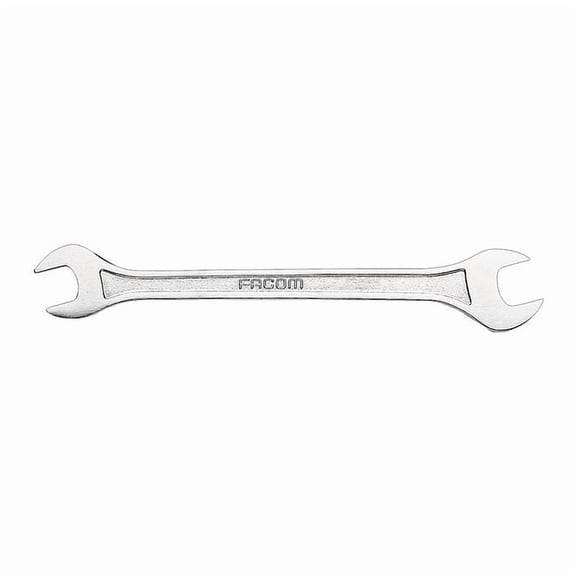
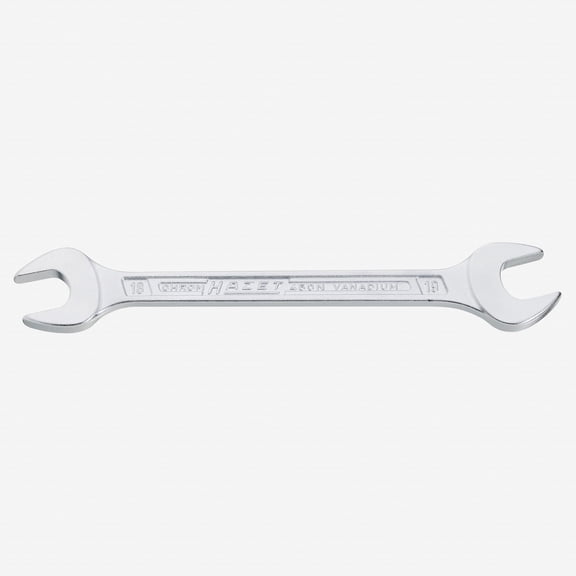
Open end wrenches help you grip flats on nuts and bolts where sockets won't fit. You can compare metric, SAE, thin-profile, and set options to match your workspace and fastener sizes.
How to choose open end wrenches
When you shop this category, you should start with the measurement system on your fasteners. You’ll want the right fit, because loose sizing can slow your work and round corners.
If you work on imported equipment, you may need metric open end wrenches for millimeter fasteners. If you service older household, automotive, or farm hardware, you may reach for SAE open end wrenches.
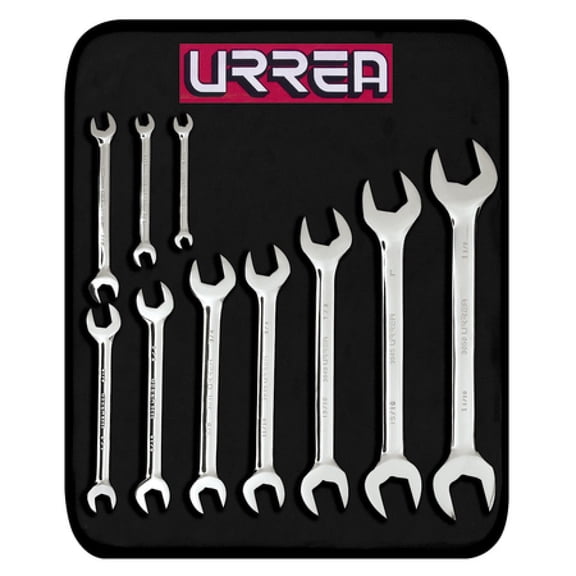
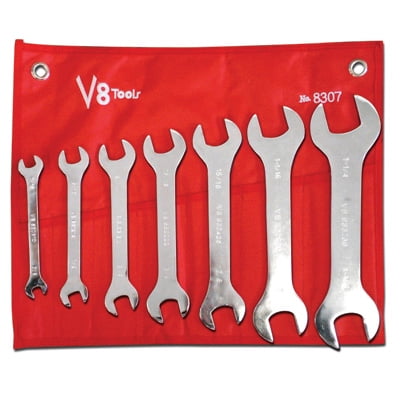
You can also choose between an individual wrench and an open end wrench set. If you handle mixed tasks, a set gives you several sizes without stopping mid-project.
- You can reach side-access fasteners when a socket can’t slide over the top.
- You can turn fittings in narrow spaces with thin open end wrenches.
- You can keep common sizes together when you choose a set instead of singles.
- You can match metric or SAE sizing to the hardware you already have.
Choosing metric vs. SAE open end wrenches
You should match the wrench opening to the fastener standard before anything else. You’ll usually see metric sizes in millimeters and SAE sizes in fractional inches.
If you keep both systems in your toolbox, you can cover more repair jobs without guessing. You’ll find that the right match gives you steadier contact on flat sides.
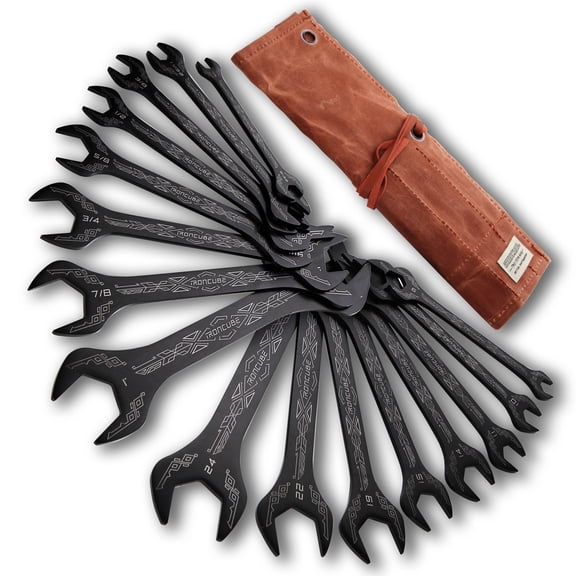
You may also compare markings that are stamped, engraved, or printed for quick size checks. If you work in dim garages or crowded benches, you’ll appreciate clear size labels.
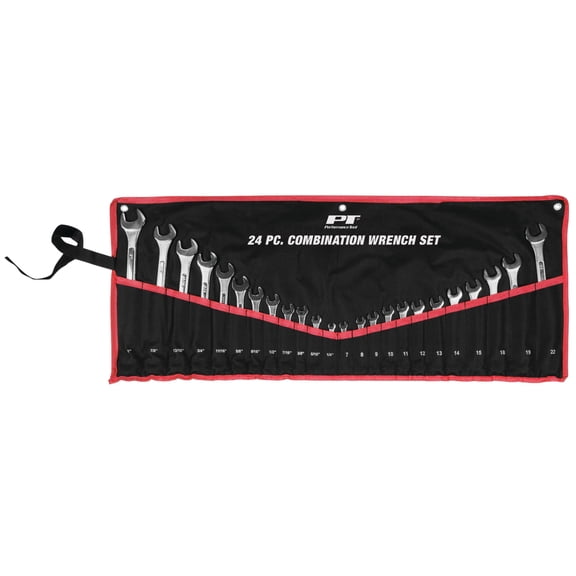
When you replace one missing tool, you may only need an individual size. If you’re building a core hand-tool kit, you may prefer a full open end wrench set.
Comparing configuration and profile types
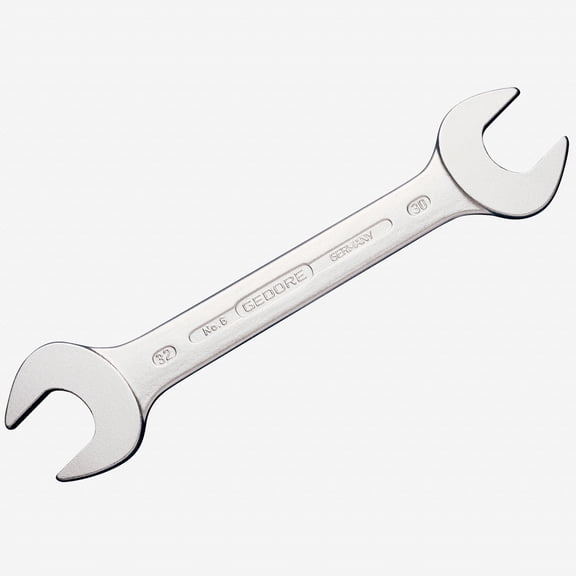
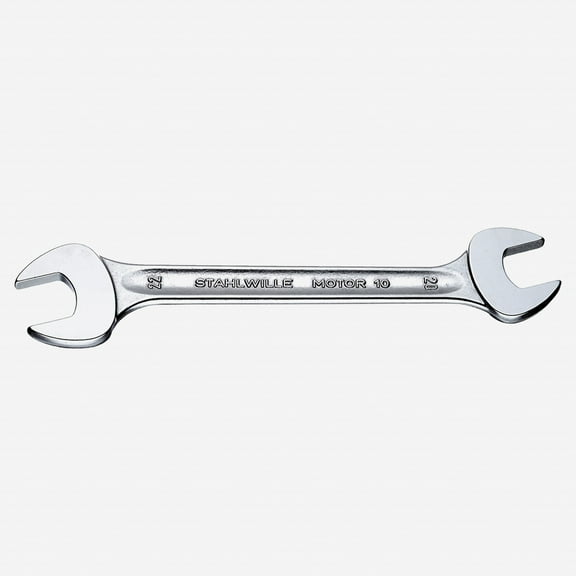
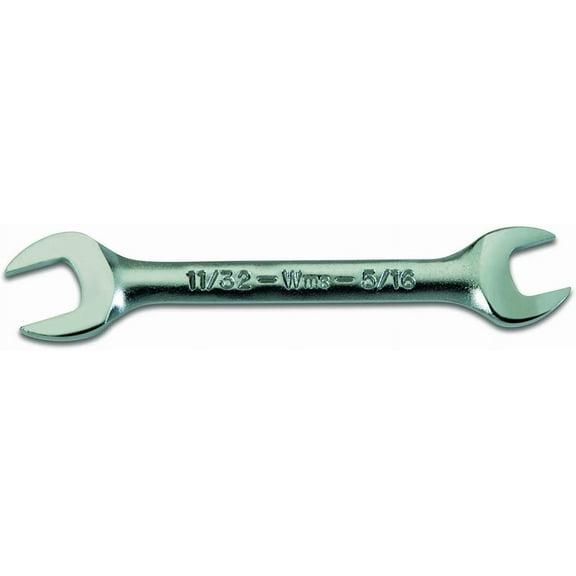
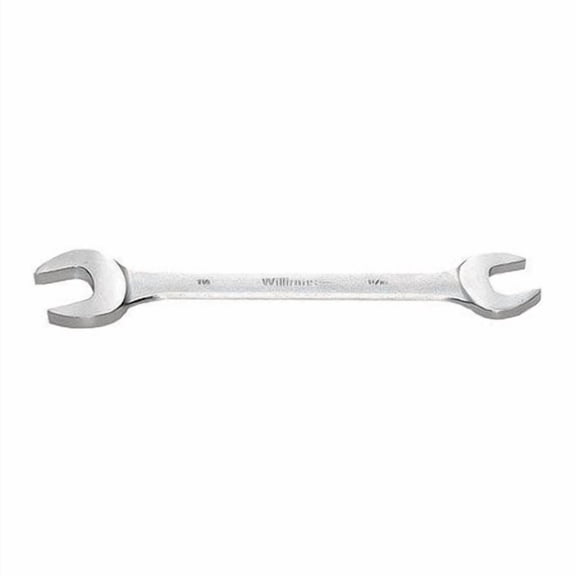
You should next consider the wrench shape that fits your clearance needs. You can choose a double open end wrench, a single open end design, or angle open end wrenches.
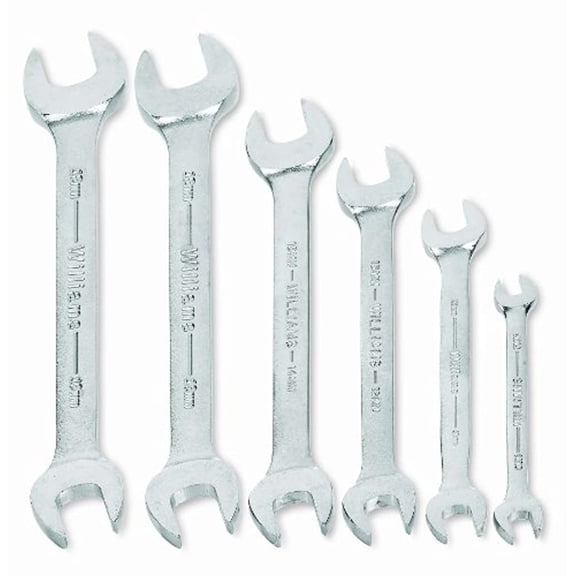
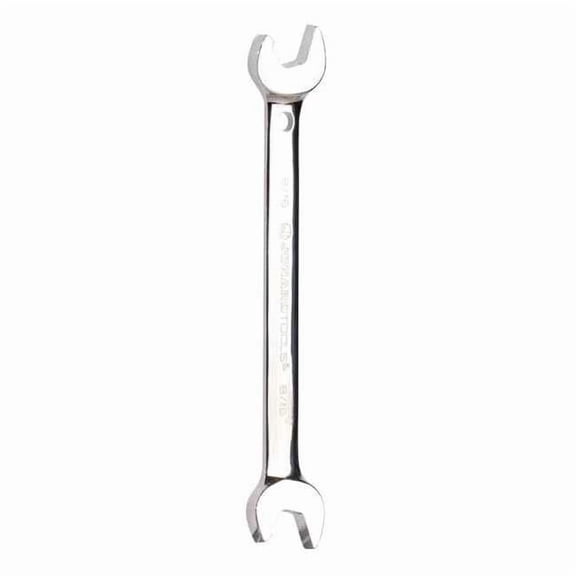
If you want two sizes in one tool, a double open end wrench can keep your kit compact. If you need a dedicated opening on one side, a single design can feel simpler.
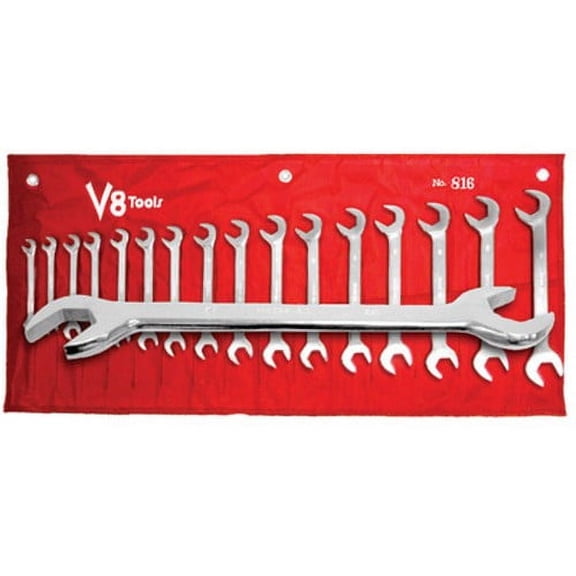
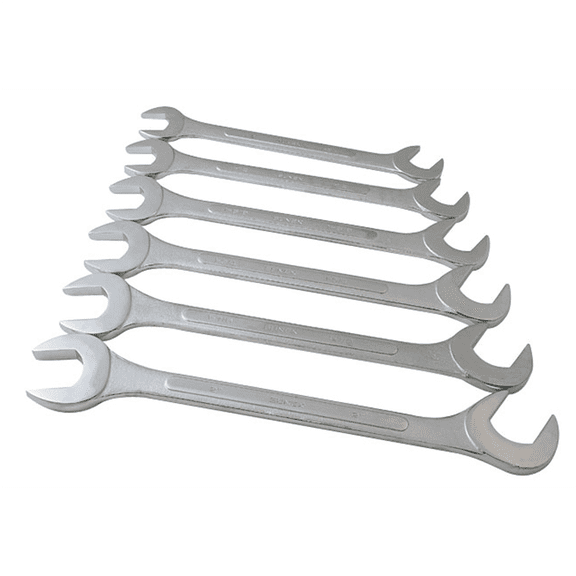
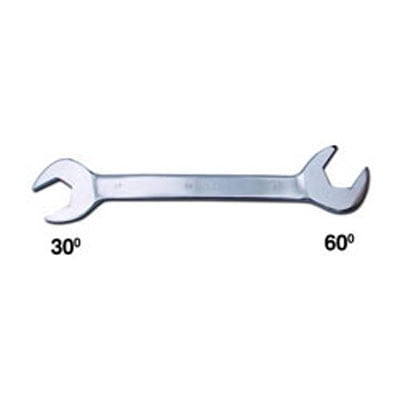
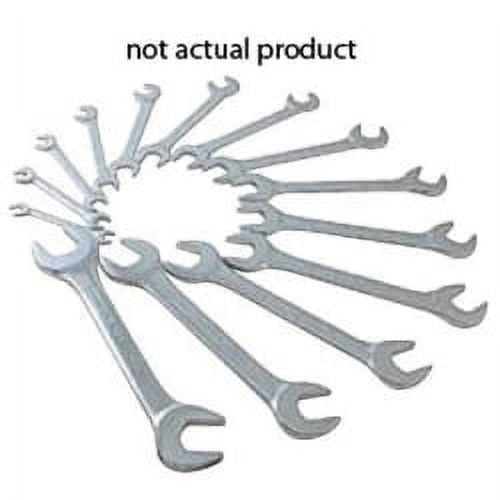
You may look for angle open end wrenches when bolts sit close to panels, lines, or housings. You’ll notice the angled head can help you approach flats from a more workable position.
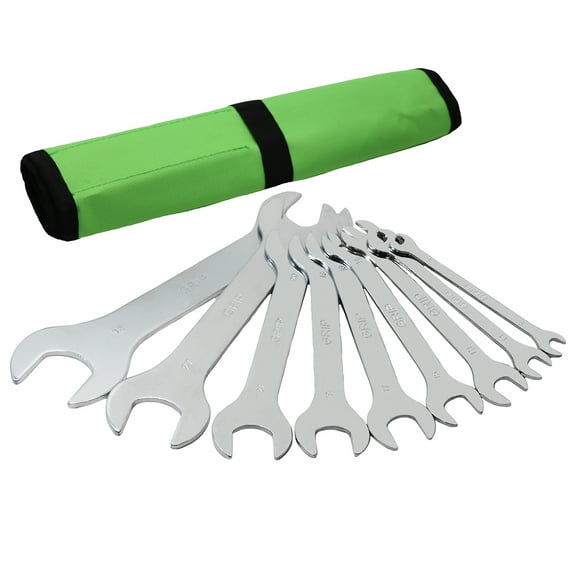
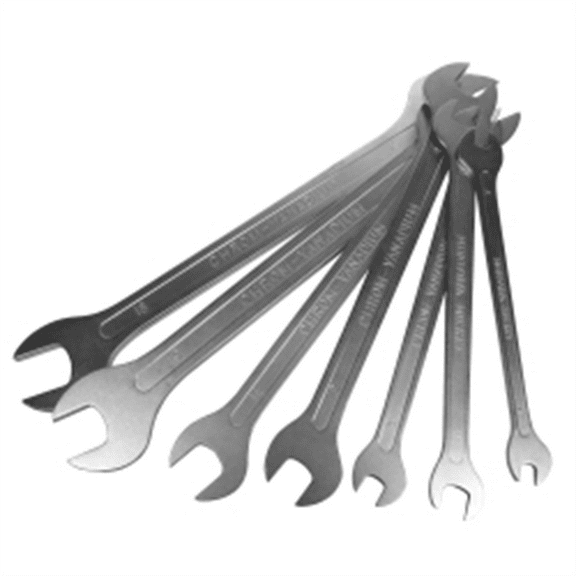
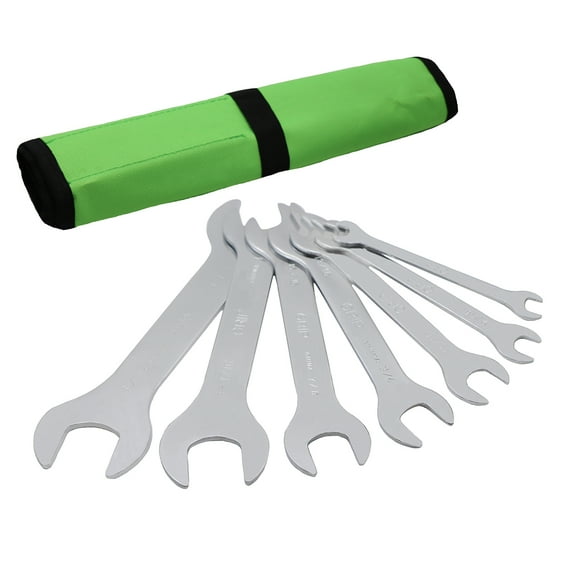
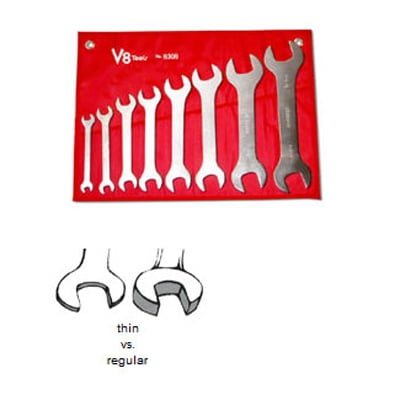
Profile thickness also matters when your hand clearance is limited. If you work around jam nuts or tight fittings, thin open end wrenches can slip into spaces standard profiles can’t.
You can compare standard, thin-profile, and ultra-thin options by the gap around the fastener. If your parts sit nearly flush, a slimmer wrench can make the difference.
What to look for in material and strength
You should check the tool material when you expect repeated turning force. You’ll often see chrome vanadium in hand tools because it supports everyday durability.
If you apply steady torque on stubborn hardware, you’ll want a wrench that feels rigid in your hand. You can also compare finishes that wipe clean after greasy shop work.
You may prefer polished surfaces if you want quick cleanup and easy size reading. If you use your tools often, you’ll appreciate edges that feel consistent across repeated jobs.
Length and opening accuracy also affect control during repairs. You can get extra reach from longer tools, while shorter tools may suit compact storage and bench work.
Matching open end wrenches to real jobs
You can use open end wrenches for fuel lines, brake fittings, bike adjustments, appliance repairs, and general hardware work. If a fastener blocks socket access, you’ll have a practical side-entry option.
When you work on imported bikes, lawn equipment, or machinery, you may need metric open end wrenches. If you maintain inch-based hardware, SAE sizing may fit your routine better.
You might choose thin open end wrenches for narrow locknuts, tight panels, or closely spaced fittings. If your wrench path is blocked, an ultra-thin profile can help you reach the flats.
If you stock a garage, shed, or service cart, an open end wrench set can keep sizes organized. When you lose a frequently used size, an individual replacement can restore your kit fast.
You may also pair these tools with combination wrenches, ratcheting wrenches, or socket sets for broader coverage. If one side of a fastener is obstructed, you’ll have another practical option ready.
With the right measurement system, profile, and configuration, you can handle side-access fasteners with more confidence. You’ll finish repairs with a wrench that fits your hardware and your workspace.