

Buy Orange Paint: Interior & Exterior Wall Paints


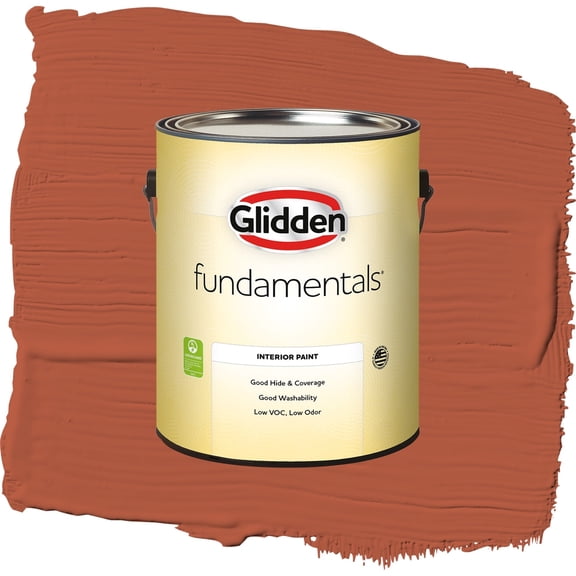

















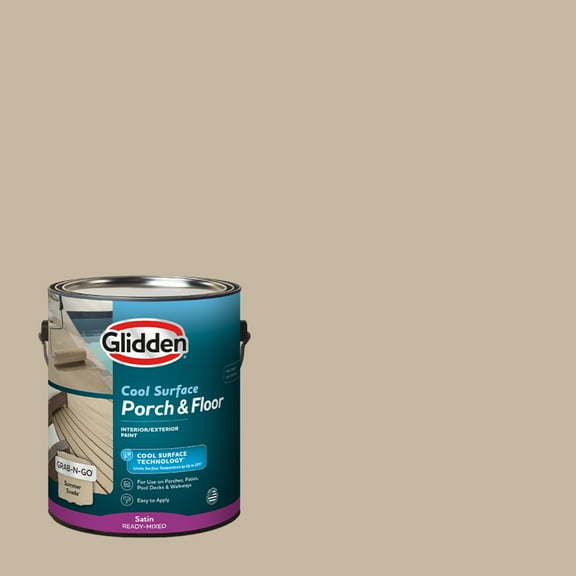


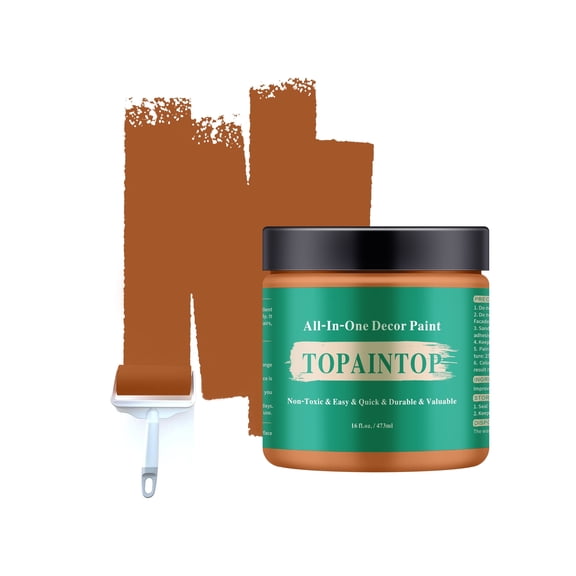


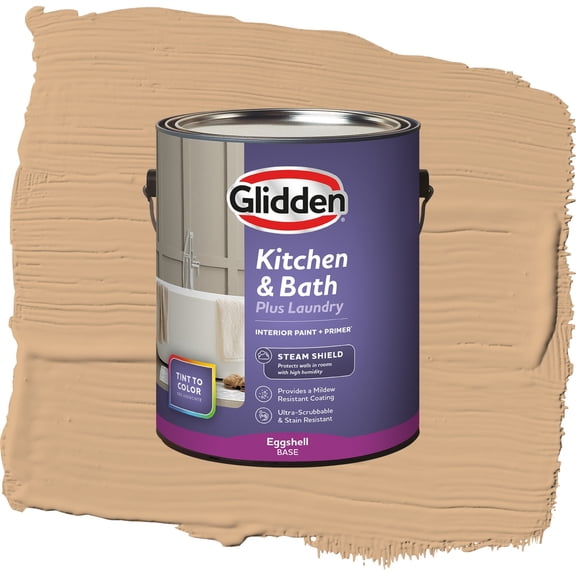


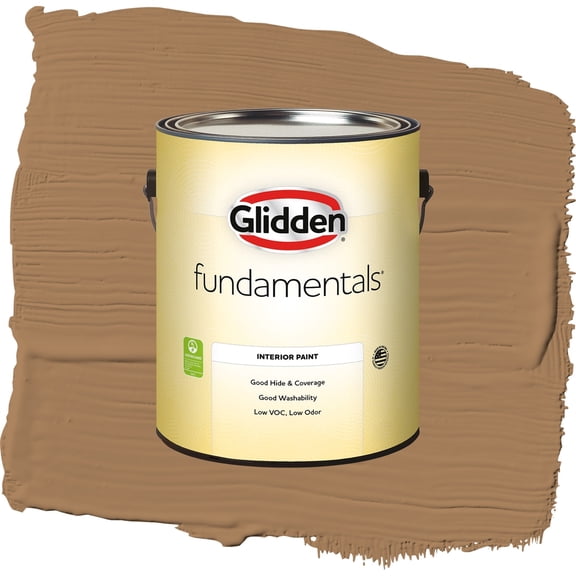


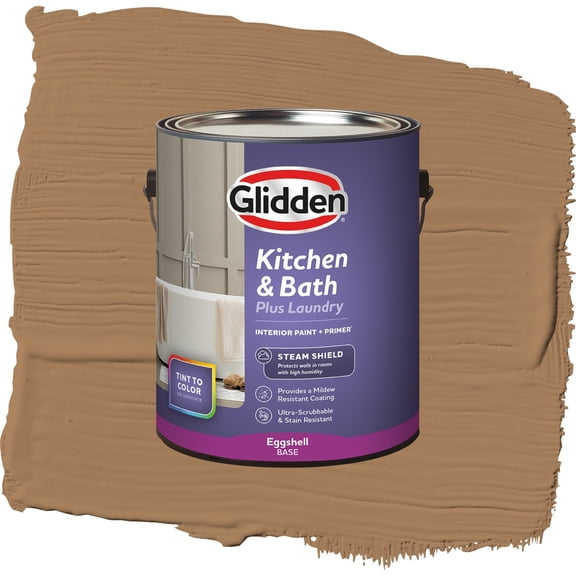

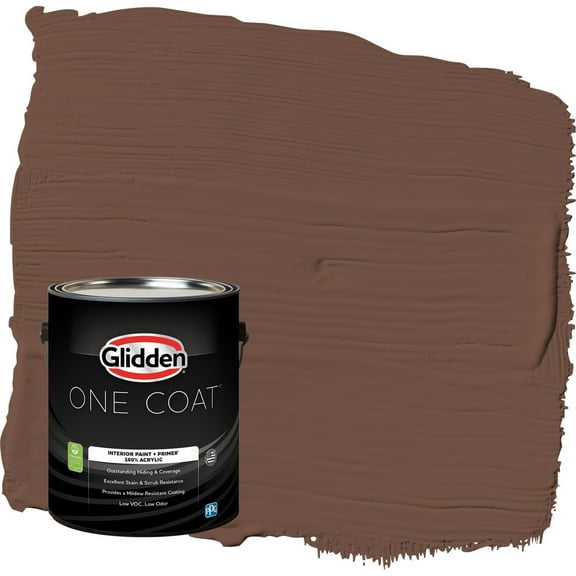
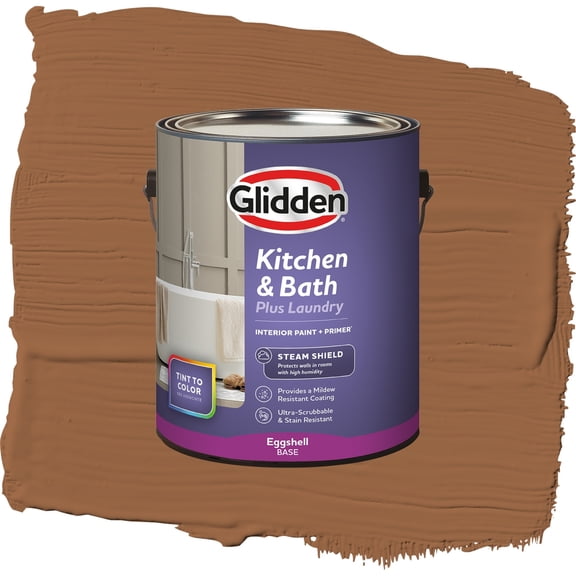


About Buy Orange Paint: Interior & Exterior Wall Paints - Walmart.com
Orange paint helps you bring bold color to walls, furniture, crafts, and accents with a look that feels warm and expressive. You can compare spray, acrylic, latex wall paint, and chalk formulas to match your surface, finish, and shade goals.
How to choose orange paint by paint type
You should start with paint type because your surface and application method shape your results. You can use brush-on formulas for control, or you can choose spray options for fast, even coverage.
When you compare water-based and oil-based options, you should check cleanup, dry time, and surface compatibility. You'll usually find water-based choices easier for everyday projects and indoor touchups.
If you're considering orange spray paint, you can cover metal stools, planters, frames, and small décor with fewer brush marks. You should compare nozzle style and intended surface before you begin.
When you need detail work, orange acrylic paint gives you control for canvas, wood signs, seasonal crafts, and decorative accents. You can layer color, add painted edges, and handle smaller projects with precision.
If you're updating larger rooms, latex wall paint can help you cover drywall, accent walls, and painted trim. You should check whether the formula is meant for interior or exterior surfaces.
For furniture flips or textured décor, chalk paint can give you a soft, muted finish with a handcrafted look. You can use it when you want a more matte appearance on cabinets or side tables.
Choosing the right shade, from burnt orange paint to neon orange paint
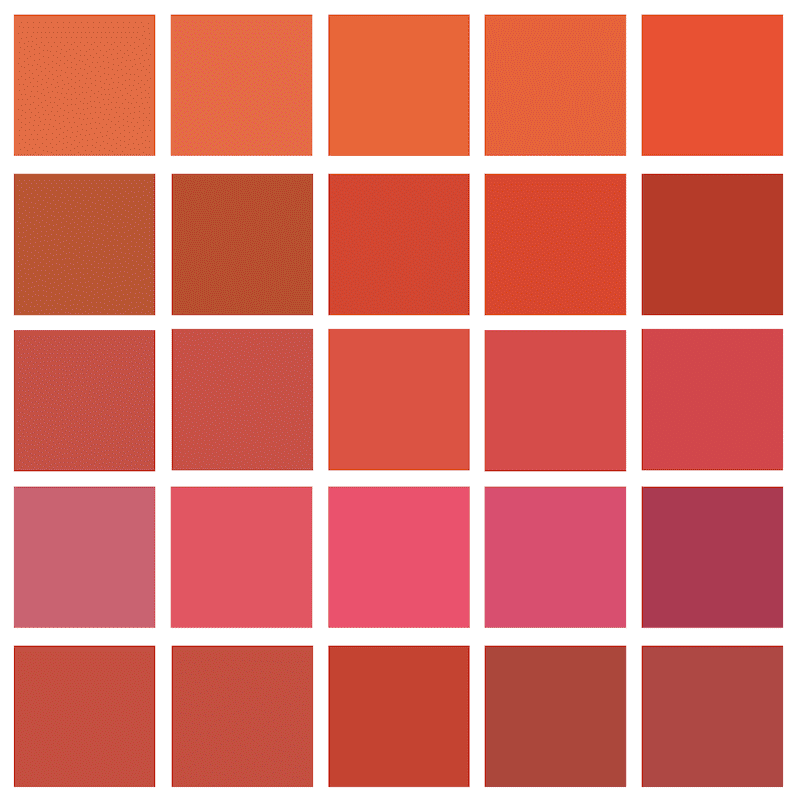
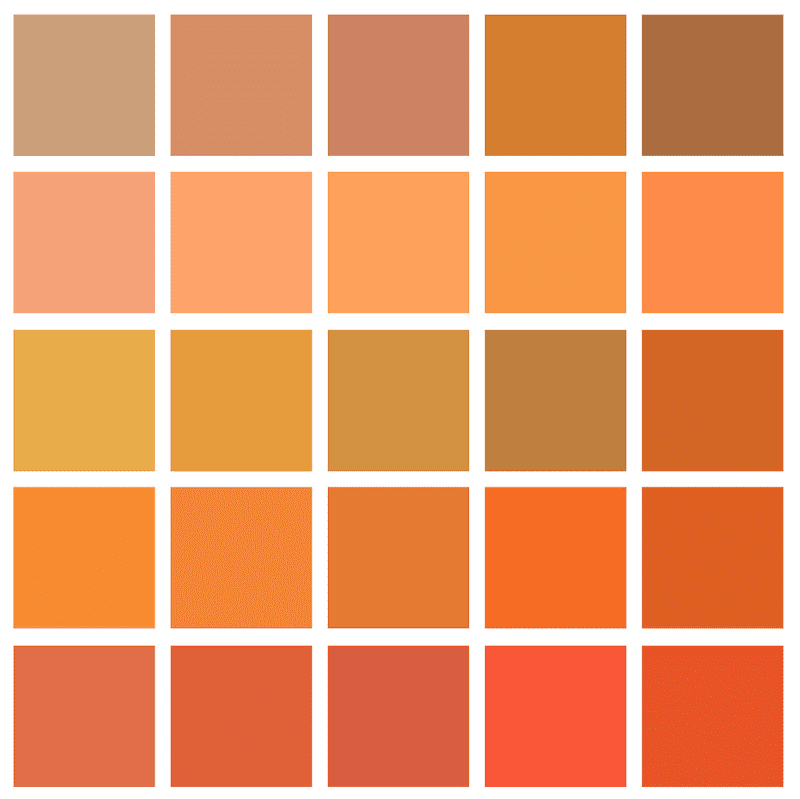
You should compare shade before finish because color mood changes the whole project. You'll notice burnt orange paint feels grounded, while brighter tones feel energetic and playful.
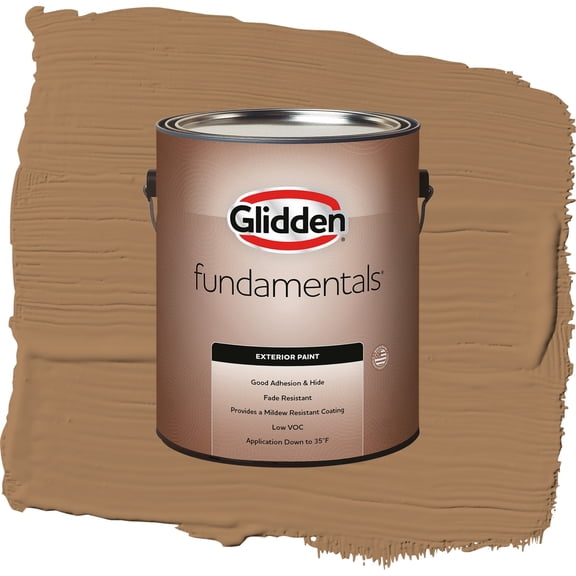
If you want a cozy, earthy look, burnt orange paint works well with wood tones, black hardware, and cream textiles. You can use it for fall décor, accent furniture, or statement walls.
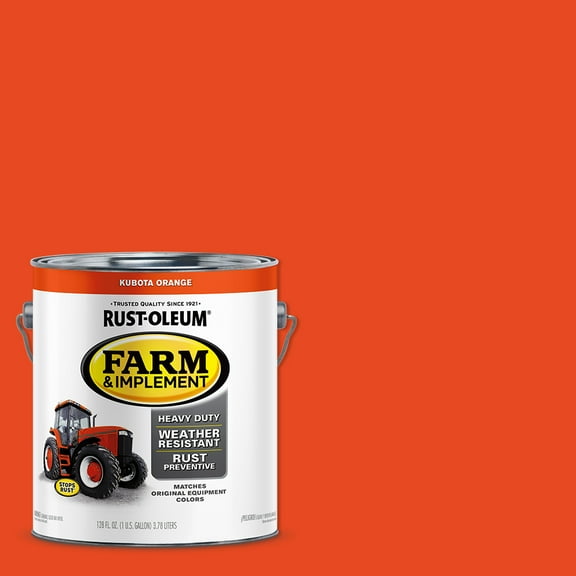
When you want strong contrast, neon orange paint stands out on craft pieces, game rooms, signs, and creative displays. You should consider lighting because bright shades can look even more vivid indoors.
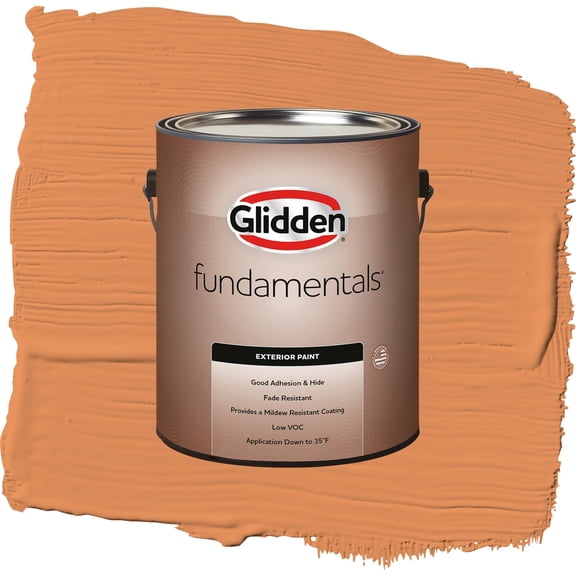
You can also explore tangerine paint when you want a cheerful, juicy orange that feels lively without looking fluorescent. If you prefer softer warmth, peach paint colors can create a gentler look.
Terracotta-inspired tones can help you create a sunbaked, natural feel in entryways, patios, and rustic décor. You should compare undertones so your orange coordinates with nearby flooring and fabrics.
- You can use burnt orange for earthy spaces and vintage-inspired décor.
- You can choose neon orange for standout crafts, signs, and playful accents.
- You can try tangerine for bright energy that still feels approachable.
- You can pick peach paint colors for softer rooms and subtle contrast.
What to look for in orange paint finishes
You should compare finish after color because sheen affects both appearance and upkeep. You'll usually see matte, satin, semi-gloss, and gloss options across many paint categories.
Matte finishes can soften wall color and reduce visual glare in bedrooms, offices, and lower-traffic spaces. You may prefer this look when you want color depth without much shine.
Satin finishes give you a slight sheen that works well for living spaces, hallways, and many décor projects. You can choose satin when you want a balance between softness and easier cleanup.
Semi-gloss and gloss finishes reflect more light and can make orange look brighter and sharper. You should consider them for trim, furniture, doors, and pieces that need a smoother wipeable surface.
If you're painting a small room, sheen can change how bold the orange feels across the day. You should test finish and shade together so your sample matches your final look.
Coverage, primer, and project planning for orange paint
You should check coverage notes before you start because orange can look different over dark, white, or unfinished surfaces. You'll often get a cleaner final color when you prep the surface first.
If you're covering a darker base, you may want a white primer to help orange appear brighter and more even. You should also check whether your selected formula includes paint-and-primer labeling.
For crafts and small décor, you can often start with clean, dry surfaces and build color in light coats. If you're using orange spray paint, you should keep passes smooth and consistent.
On interior walls, you should measure your square footage and compare can sizes before you begin. You'll also want Paint Brushes, Paint Rollers, and Painter's Tape to keep edges neat.
For exterior surfaces, you should confirm the formula is intended for outdoor exposure and the material you're painting. You can compare labels for wood, metal, masonry, or previously painted surfaces.
Matching orange paint to real projects
You can use orange paint for an accent wall when you want a dining room, entryway, or playroom to feel warmer. You should pair deeper shades with neutral décor for a balanced room.
If you're refreshing a dresser or side table, chalk paint or satin furniture paint can create a styled focal point. You can choose burnt tones for rustic décor or peachy tones for softer spaces.
For craft projects, orange acrylic paint works well when you want brush control on wood blanks, canvas, jars, and holiday pieces. You can mix tones, outline details, and personalize smaller items.
When you're updating stools, baskets, planters, or metal accents, orange spray paint can help you coat curves and corners quickly. You should match the formula to the material for smoother results.
If you're designing a seasonal display, neon orange paint can add high visibility to signs, wreath accents, and party décor. You can use it when you want bright contrast against black, white, or navy.
You should choose orange paint with your surface, shade, finish, and prep plan in mind for a result that feels intentional. You'll get a more polished project when your color and formula work together from the start.