




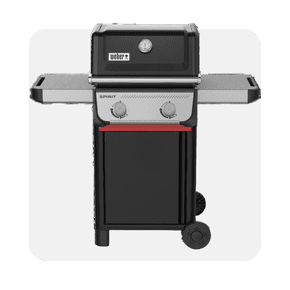
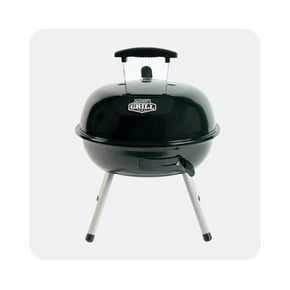
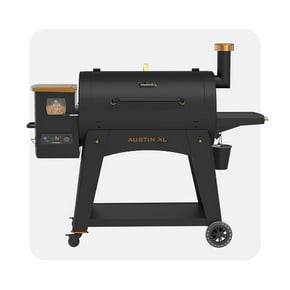
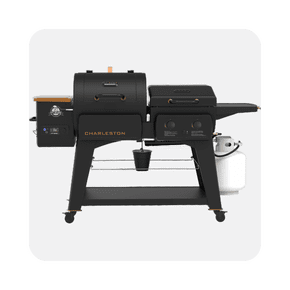





















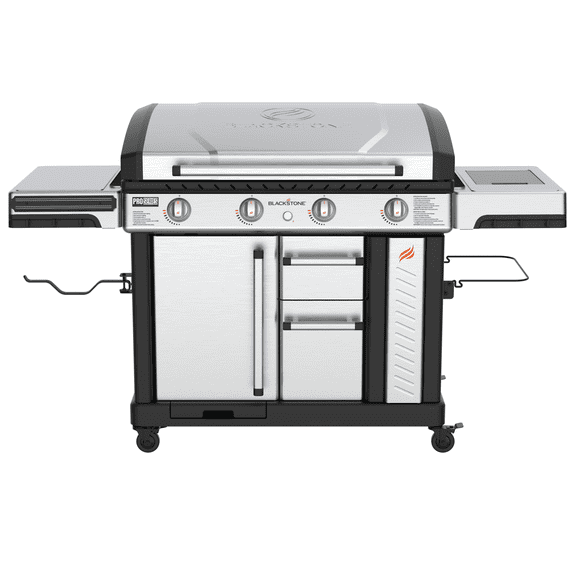
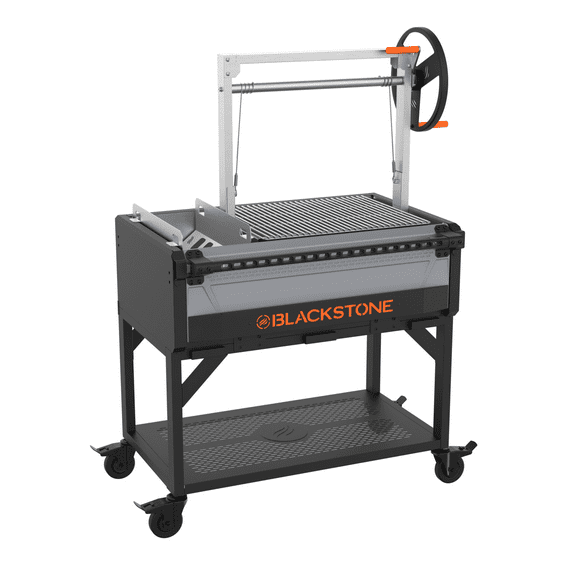
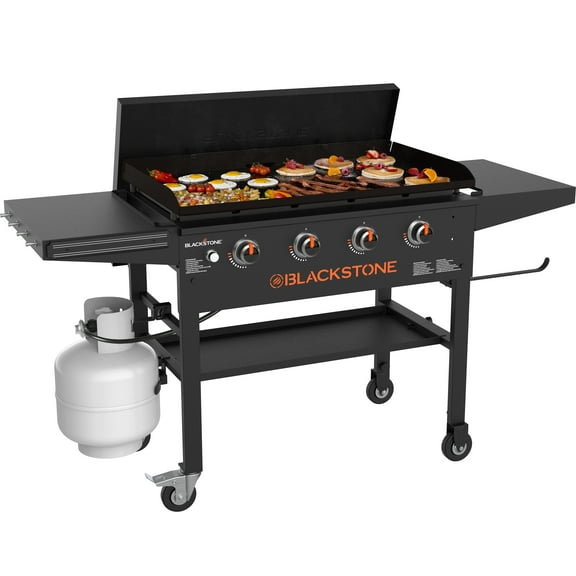
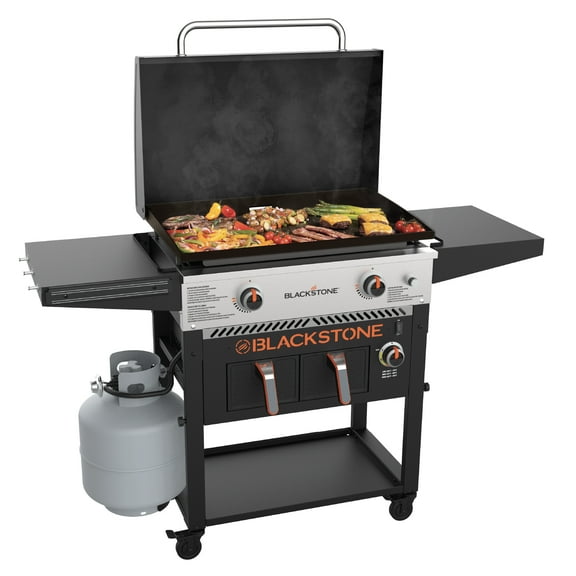








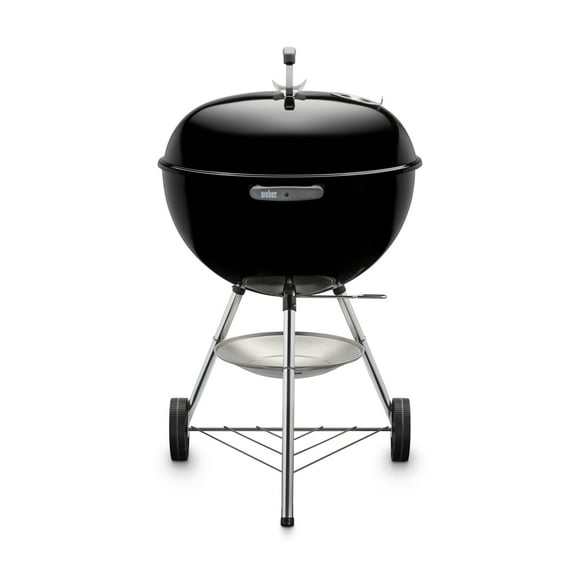

Grills & Outdoor Cooking Equipment | Walmart.com

Outdoor cooking
More from outdoor cooking
Save on outdoor cooking
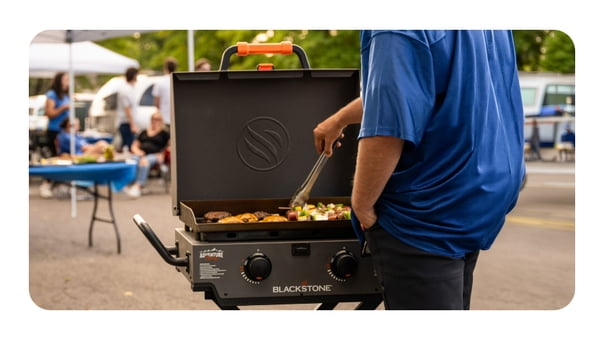
All-season outdoor cooking
Grills, pizza ovens & more
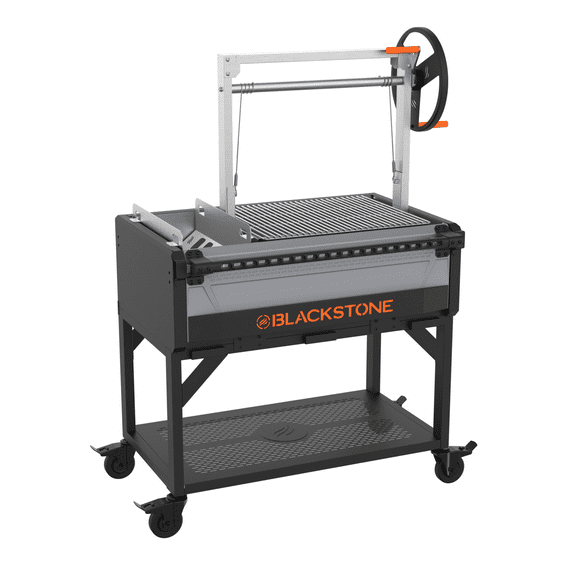
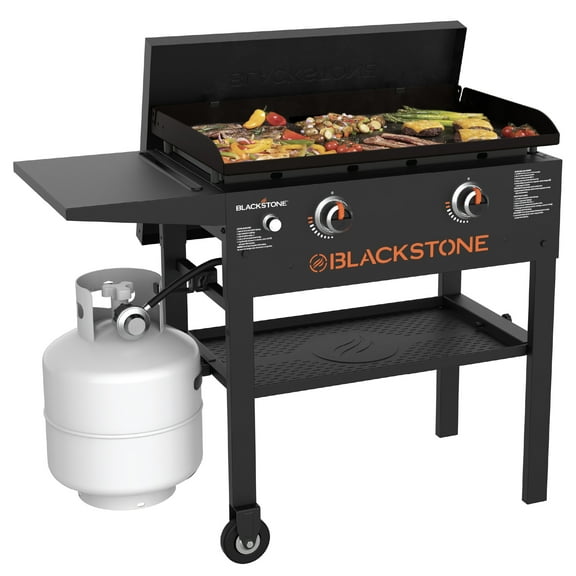

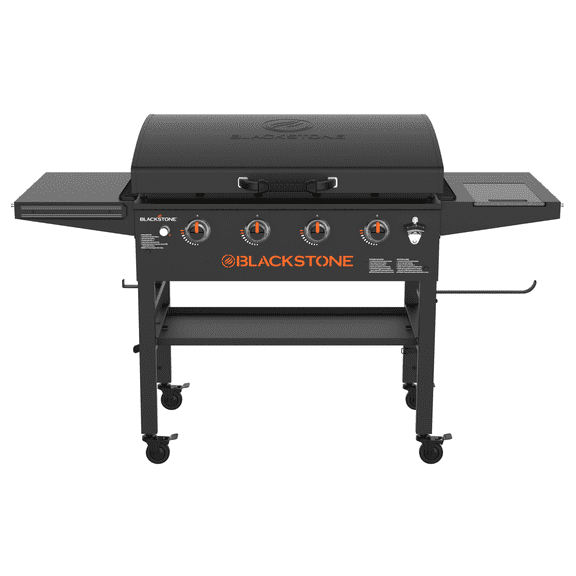
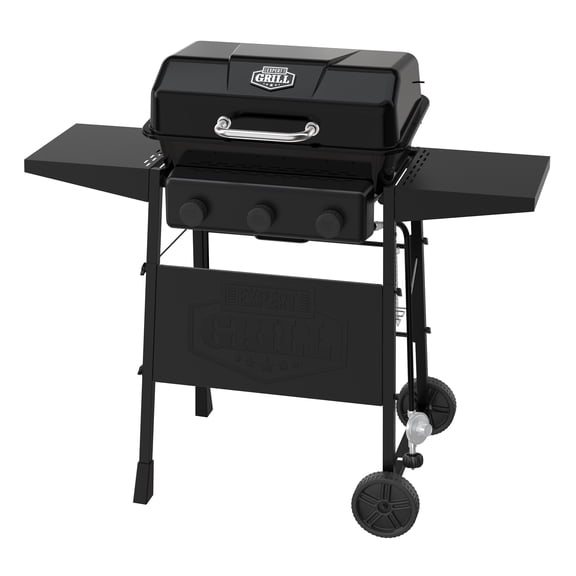


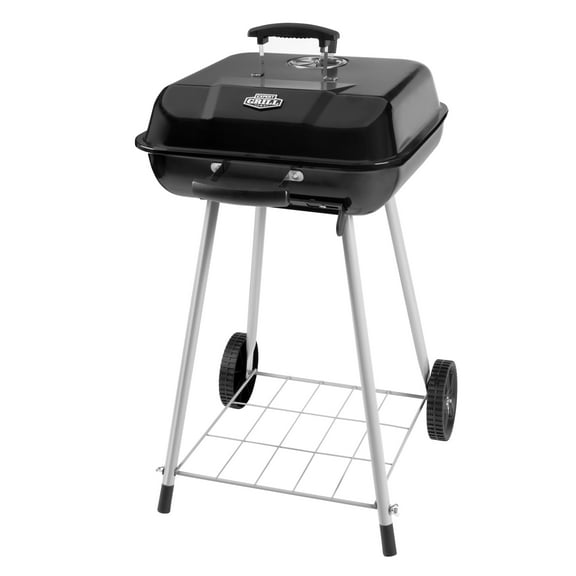

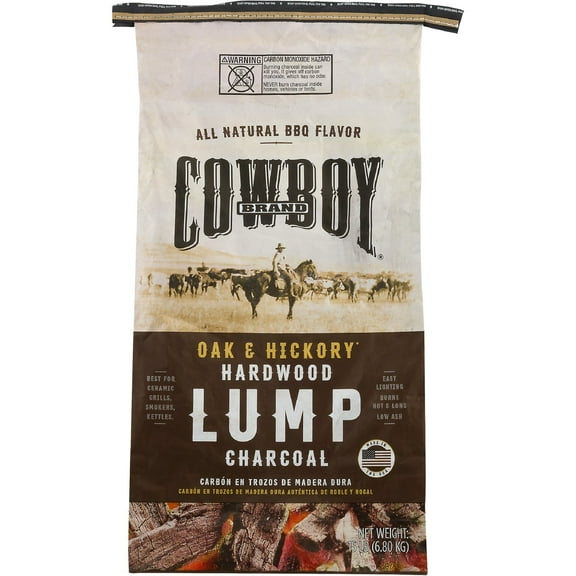
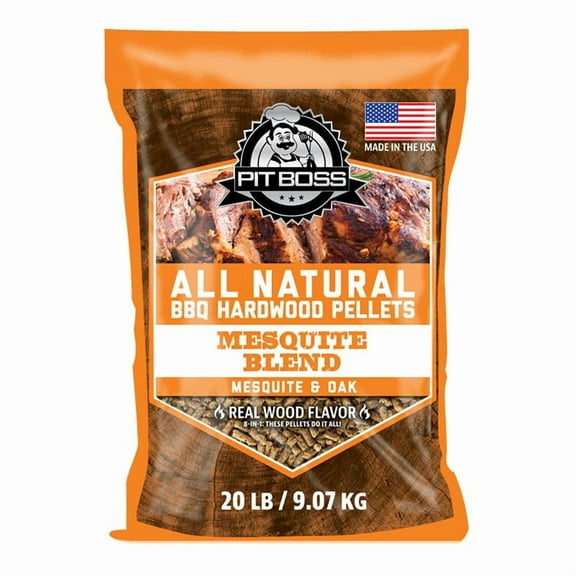

Hot grilling brands




FAQ
About Grills & Outdoor Cooking Equipment | Walmart.com
Grills help you turn outdoor cooking into a simpler, more flexible way to feed your household and guests. You can compare fuel types, sizes, burner setups, and materials here, so your next cookout setup fits your space.
Choosing the right cooking grills for your backyard
When you compare cooking grills, you should start with fuel type because it shapes heat control, flavor, and cleanup. You’ll notice that each option supports a different outdoor cooking routine and pace.
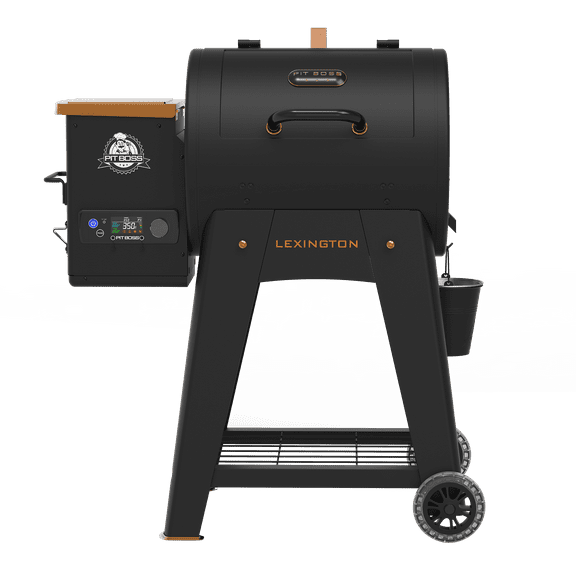
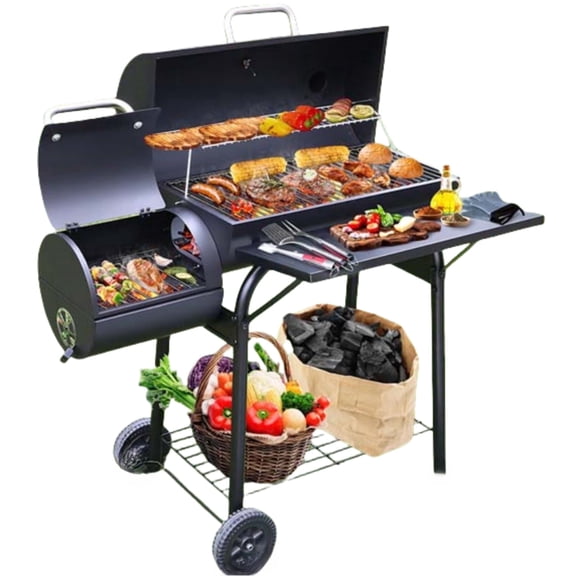
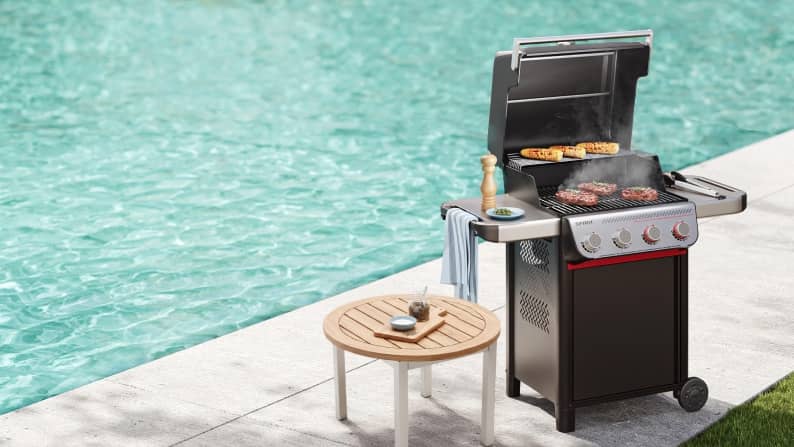
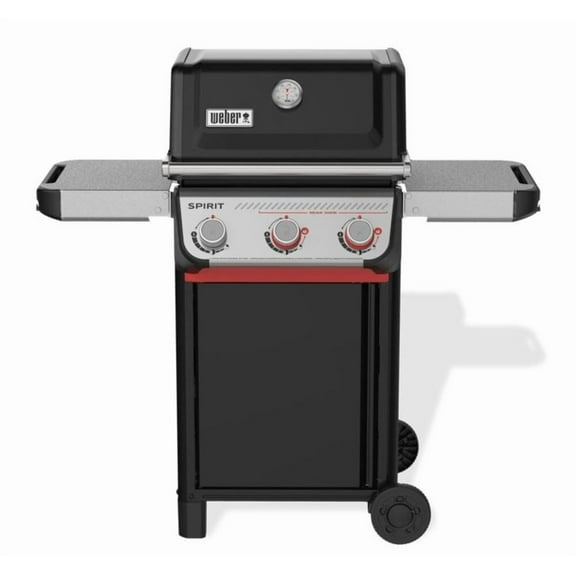
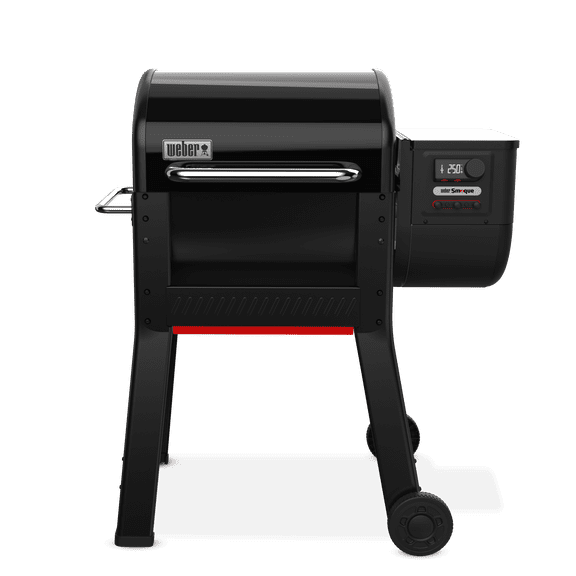
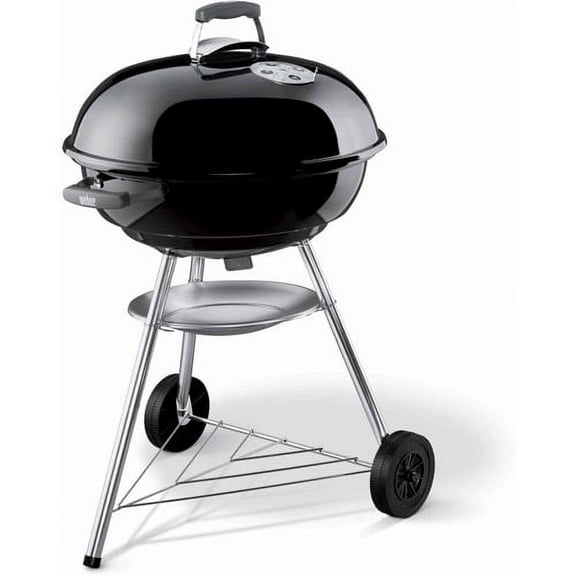
If you want quick startup, you may prefer gas models with electronic ignition systems and multiple burners. If you want classic smoke flavor, you may lean toward charcoal or pellet styles for longer weekend cooks.
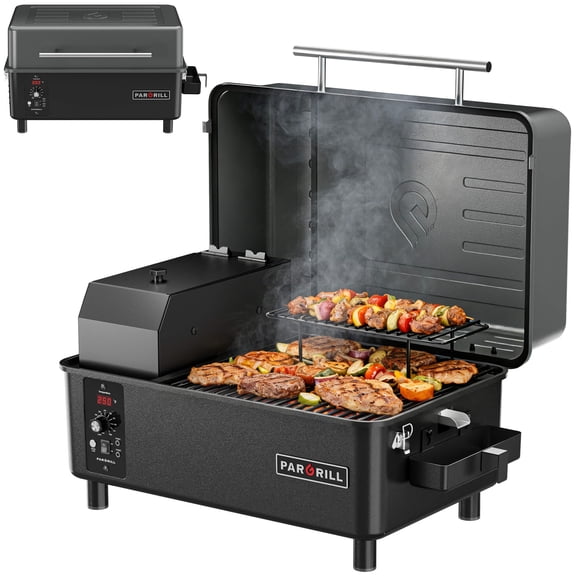
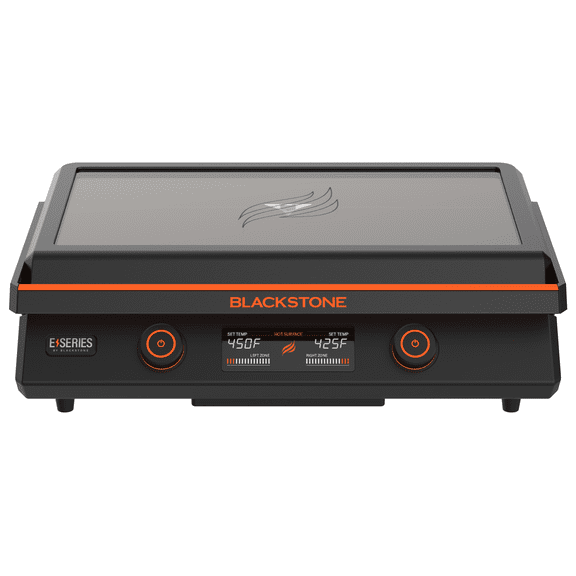
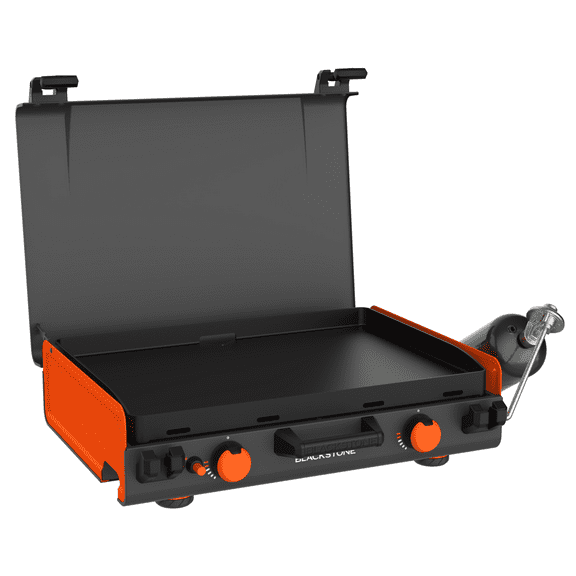
Electric options can make sense when you want plug-in convenience for compact patios or tabletop use. You can also compare portable and full-size formats when your cooking spot changes from home to the road.
- You can choose gas when you want faster preheating and easier temperature changes.
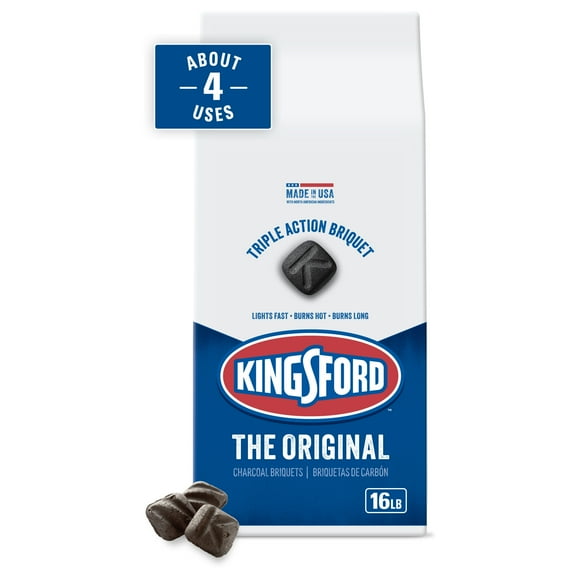
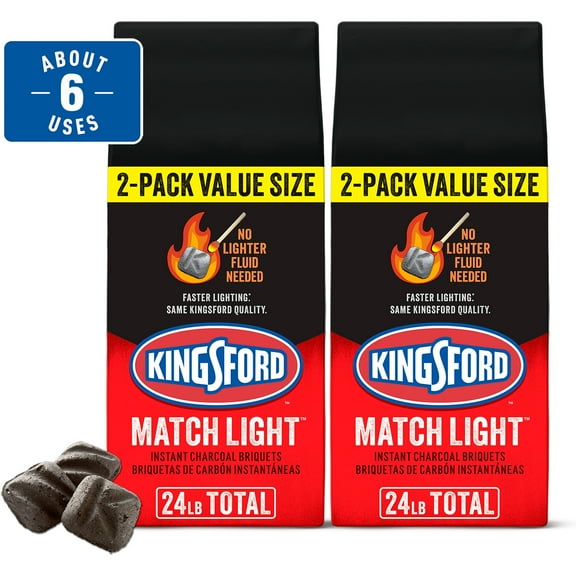
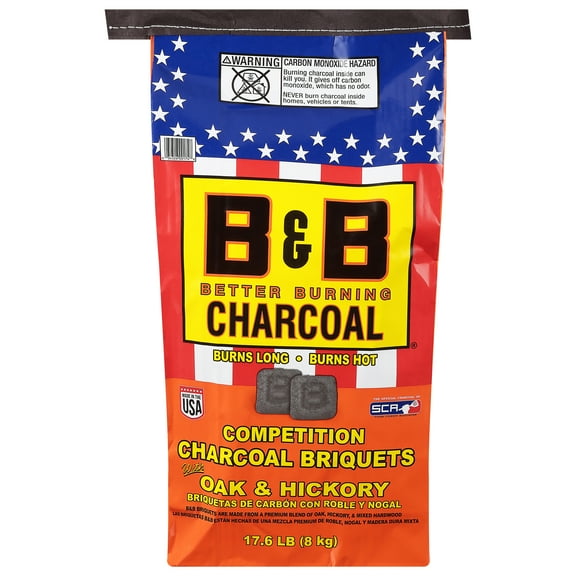
- You can choose charcoal when your cookouts call for traditional grilled flavor and hands-on fire management.
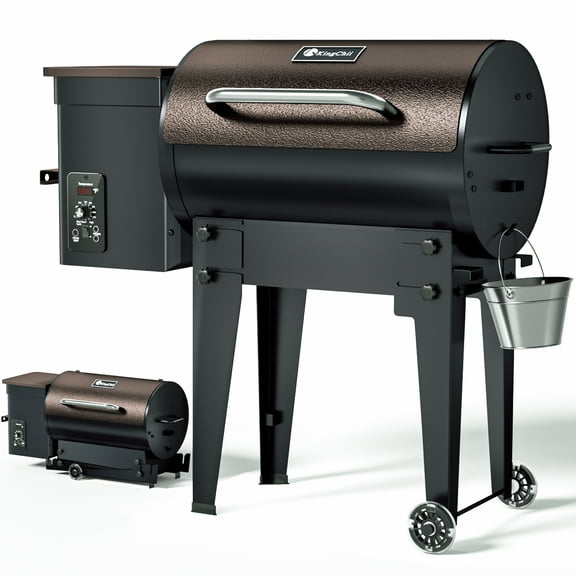
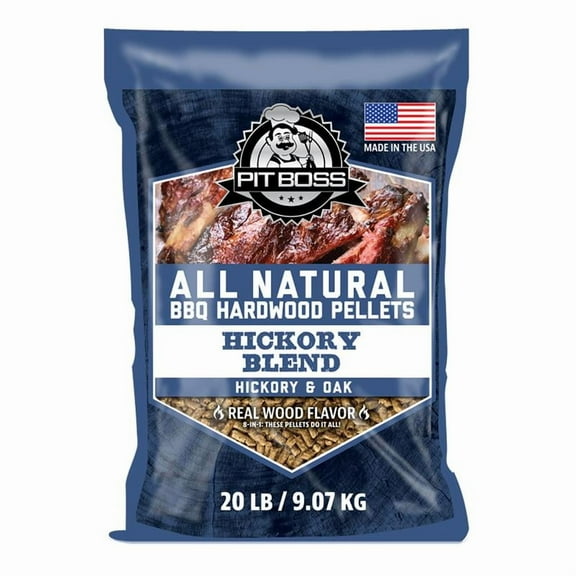
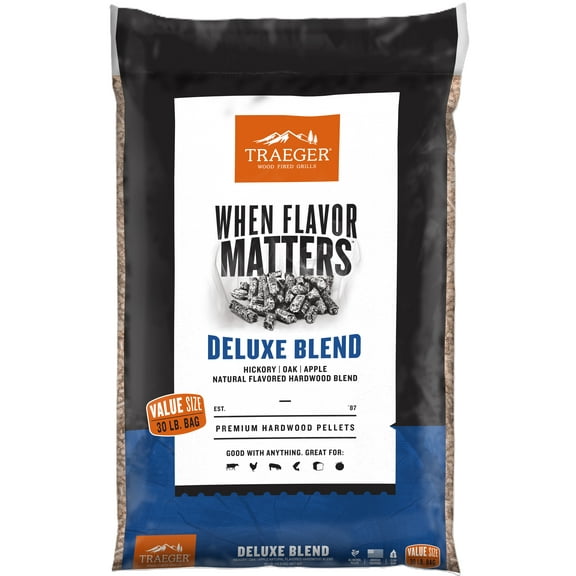
- You can choose pellet when you want steady heat and wood-fired flavor for longer outdoor cooking sessions.
- You can choose electric when you want a compact setup for smaller spaces and simple operation.
How to choose grills by size and cooking capacity
You should match grill size to your household, your patio, and the number of people you usually serve. You’ll often see cooking capacity described by burger count or total square inches.
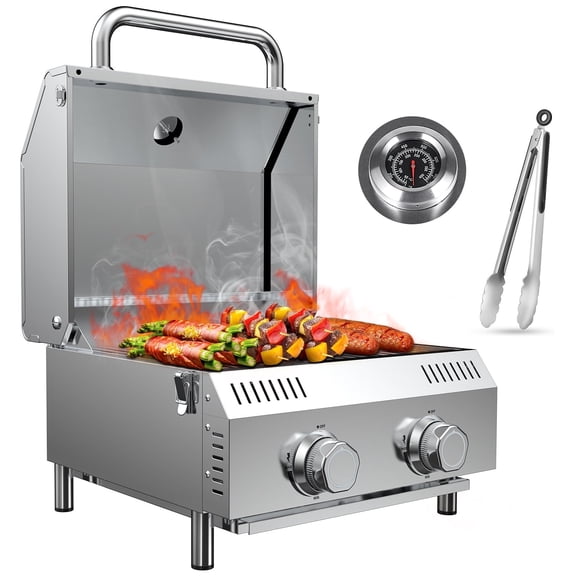
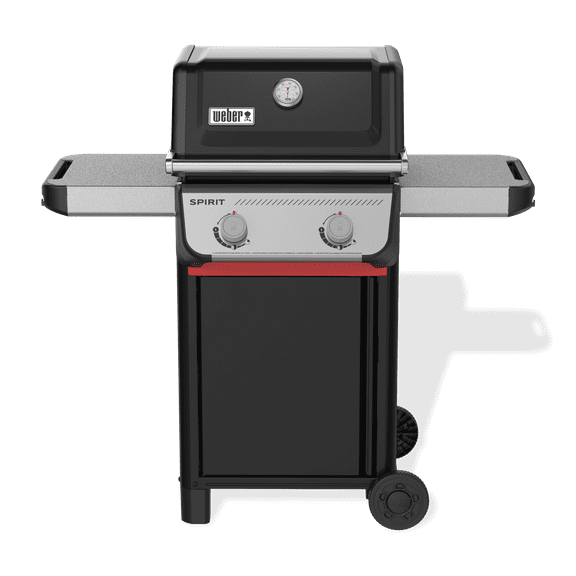
If you cook for one or two people, you may find small one- or two-burner options easier to place and move. If you host often, you may want medium or large grills with room for several food zones.
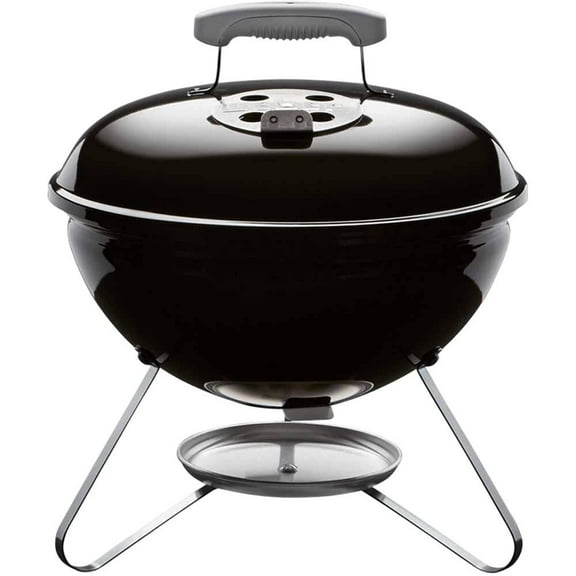
Portable grills can suit tailgating, camping, and tabletop meals because you can carry or stow them more easily. Large grills can fit backyard BBQ plans when you want separate space for burgers, vegetables, and buns.
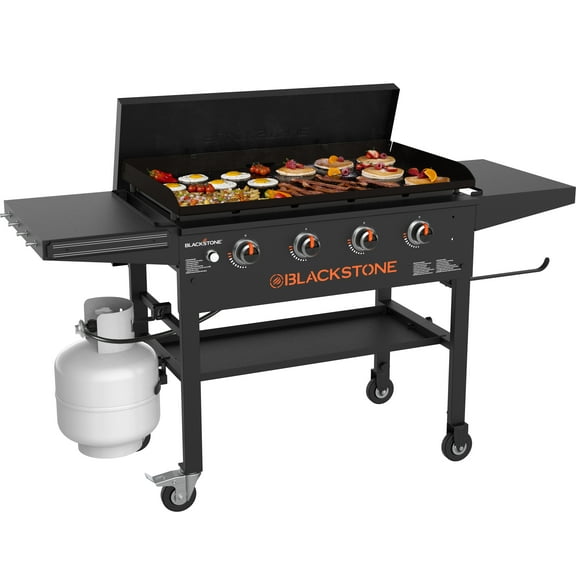
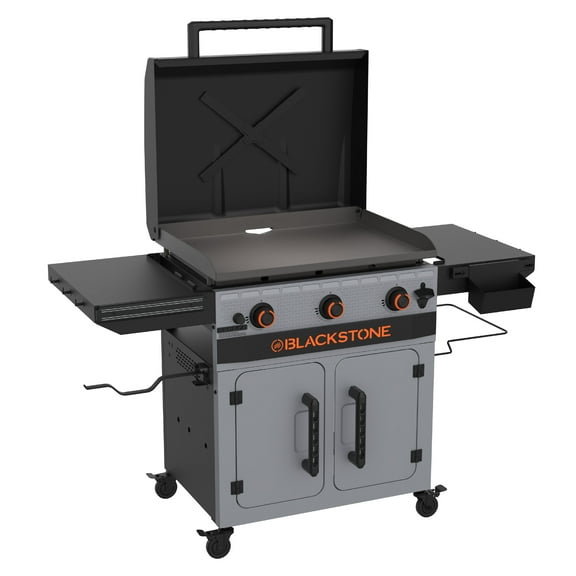
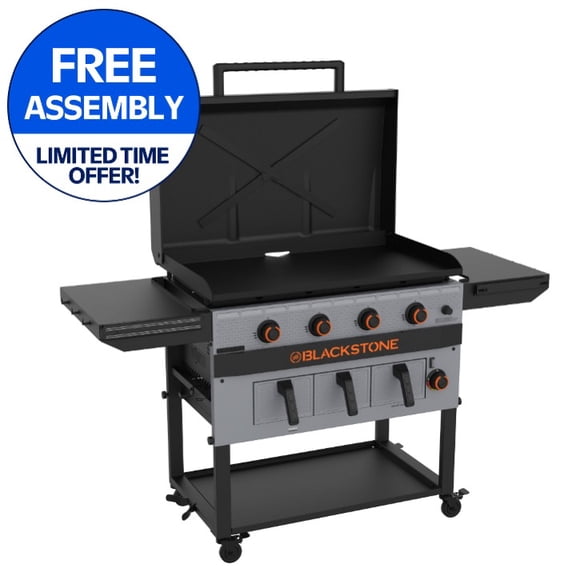
You should also compare burner counts because they affect how many heat zones you can manage at once. With three or four burners, you can sear on one side and keep food warm nearby.
What to look for in materials and construction
You’ll want to check materials closely because they affect heat retention, cleaning, and long-term appearance. Cast iron grates usually hold heat well, while stainless steel can feel easier to maintain.
Porcelain-coated steel can give you a smooth cooking surface and straightforward cleanup after busy meals. You should also compare steel gauge thickness because sturdier construction often feels more stable during regular use.
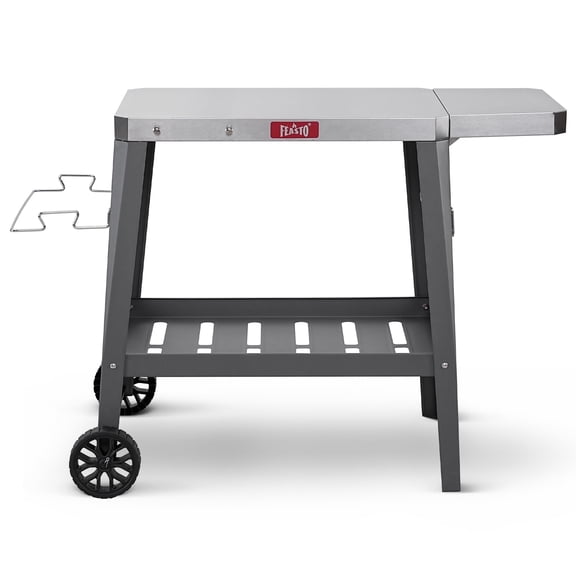
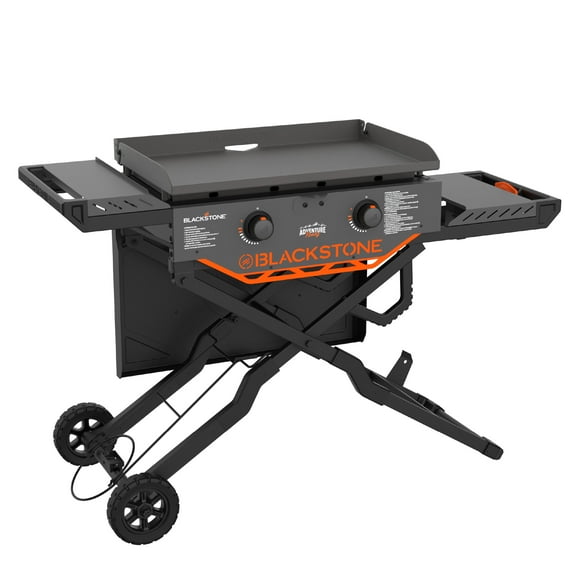
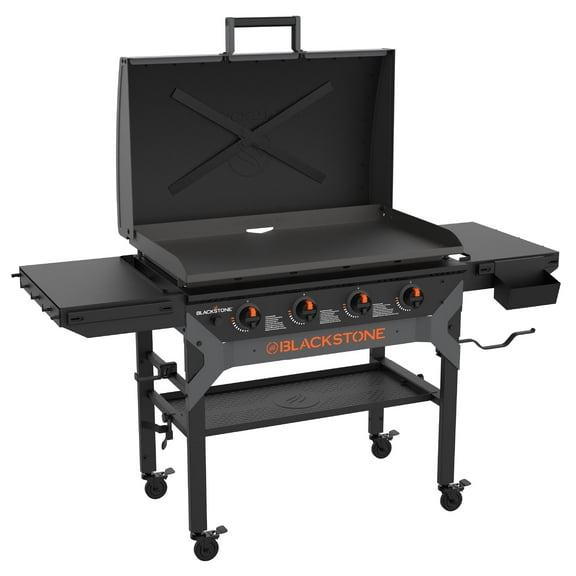
If you cook often, you may want heavier lids, stronger frames, and shelves that hold tools and platters. Heavy-duty wheels can also help you move your setup across a deck or patio with less effort.
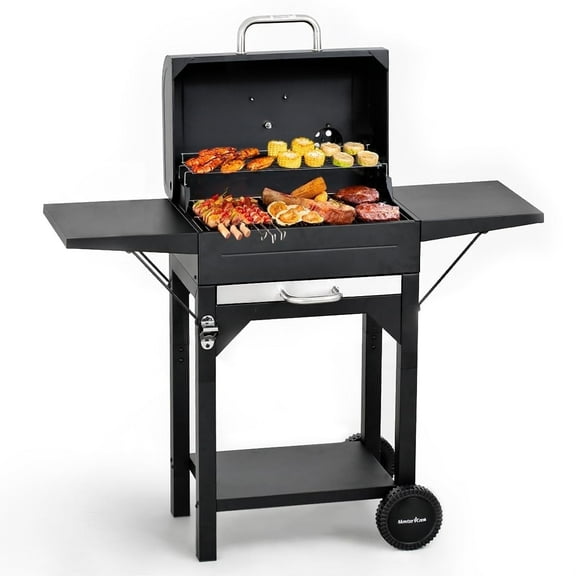
You should check whether folding side shelves fit your layout when storage space matters. If you need a compact footprint, you can look for features that tuck in neatly between cookouts.
Using BTU ratings and ignition features to compare grills
You may see BTU ratings while comparing gas grills, and you should read them as one part of overall heating performance. You’ll also want to consider grill size, grate material, and burner layout together.
A higher BTU number can suggest stronger output, but you should match it to the cooking surface area. You’ll get a clearer picture when you compare heat range with the space you actually use.
Electronic ignition systems can help you start cooking with fewer steps and more consistent lighting. If you want a smooth weeknight routine, you may prefer controls that feel quick and predictable.
You should also look for easy-to-read gauges, accessible grease management, and handles that feel sturdy. Those details can make your grill for cooking easier to use during longer outdoor meals.
Matching grills to backyard BBQ, tailgating, camping, and tabletop use
Your use case can narrow your options faster than any single spec because setup needs change by location. You should think about where you cook most often before you compare materials or burner counts.
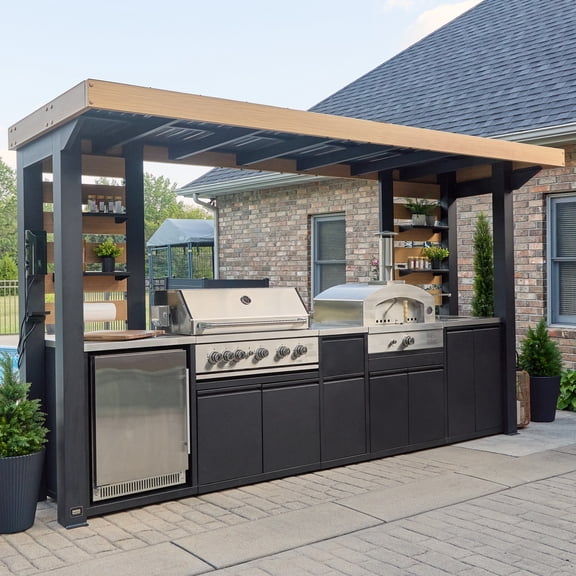
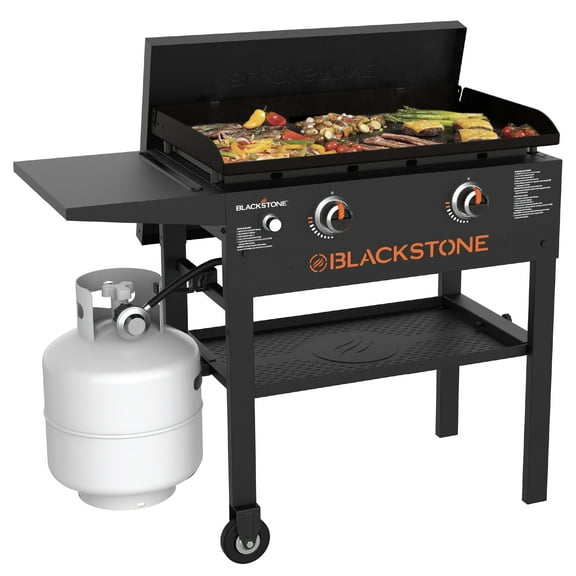
For backyard BBQ meals, you may want medium or large grills with multiple burners and side shelves. You can keep entrees and sides moving at once when your cooking surface has room to organize food.
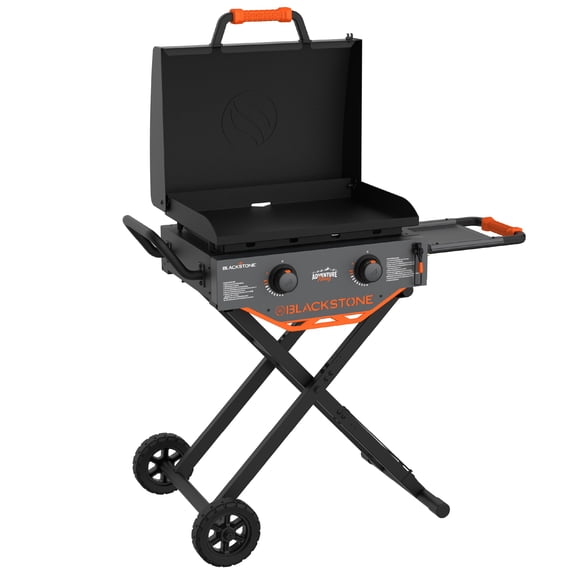
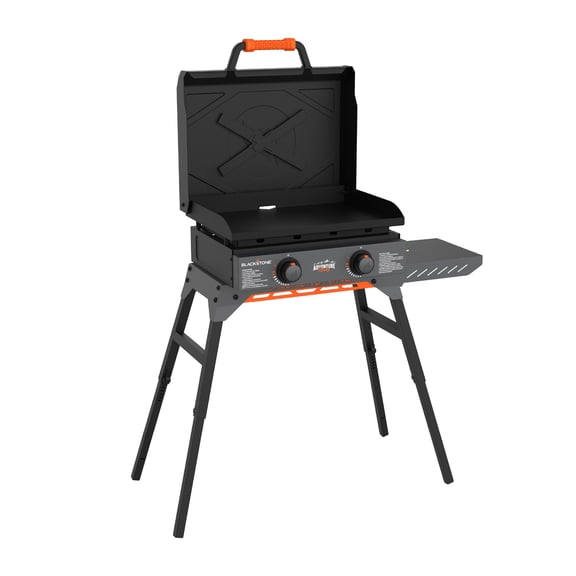
For tailgating, you may prefer portable grills with compact frames, lighter weight, and folding legs or shelves. You can pack them more easily and set up faster when space around your vehicle feels tight.
For camping, you may want a smaller format that travels well and stores neatly with the rest of your gear. You should check fuel compatibility and overall dimensions before you head out.
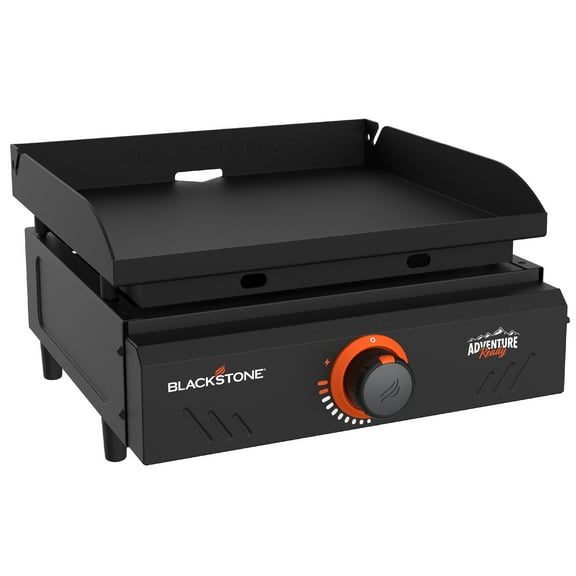
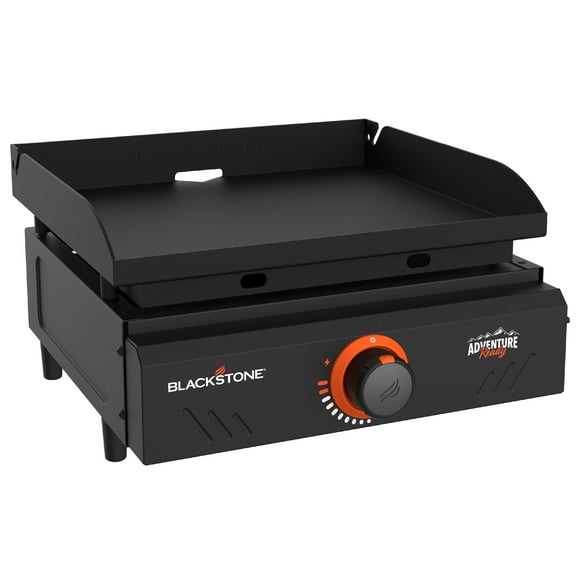
For tabletop cooking, you may look for compact electric or portable gas options that fit smaller surfaces. You can create a flexible outdoor cooking station without taking over your whole patio or picnic table.
Grills with convenient pickup and delivery options
If you’re comparing grills on Walmart.com, you can also look for convenient pickup and delivery options that fit your schedule. You’ll have an easier time planning assembly, placement, and your first cookout.
You can use these decision points to narrow fuel type, cooking capacity, and construction without guessing. When you choose the right grill setup, you’ll enjoy smoother outdoor cooking from the first meal onward.