

Packaging and Material Handling in Industrial & Scientific



























About Packaging and Material Handling in Industrial & Scientific - Walmart.com
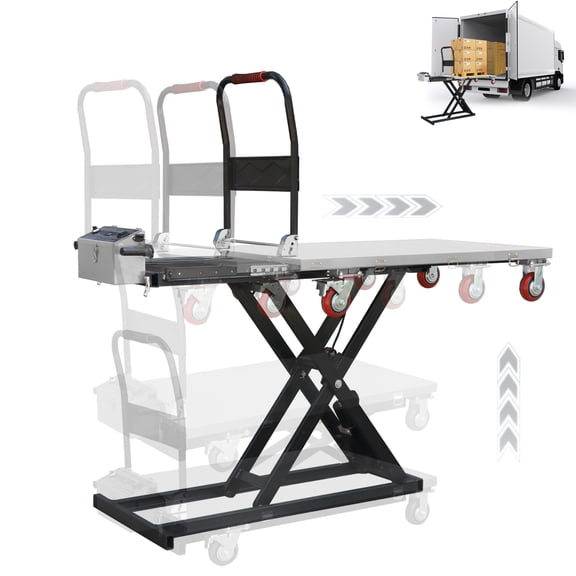
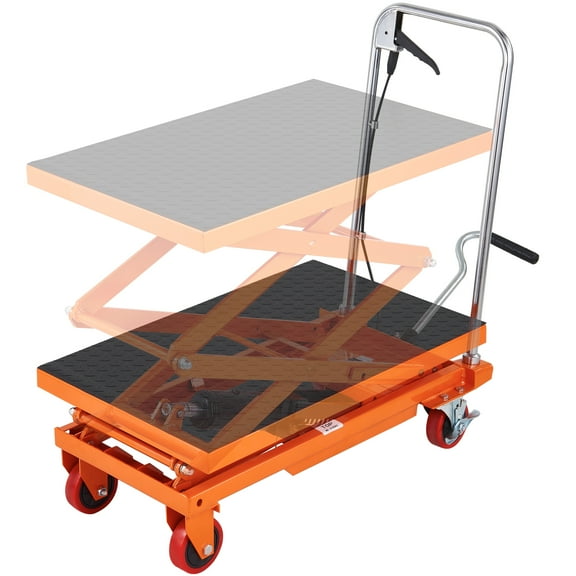
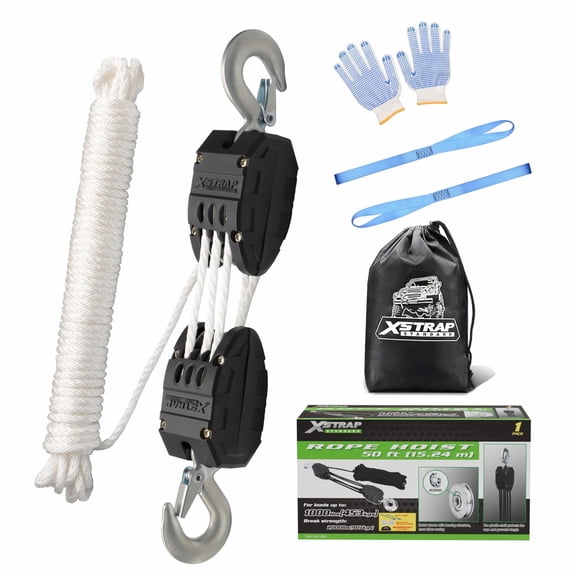
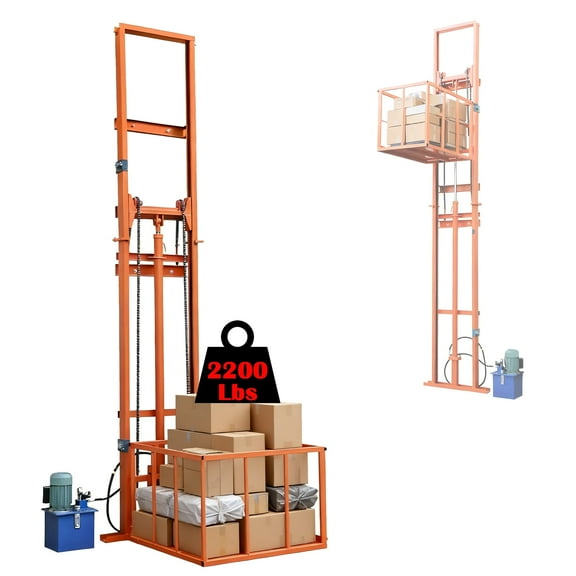
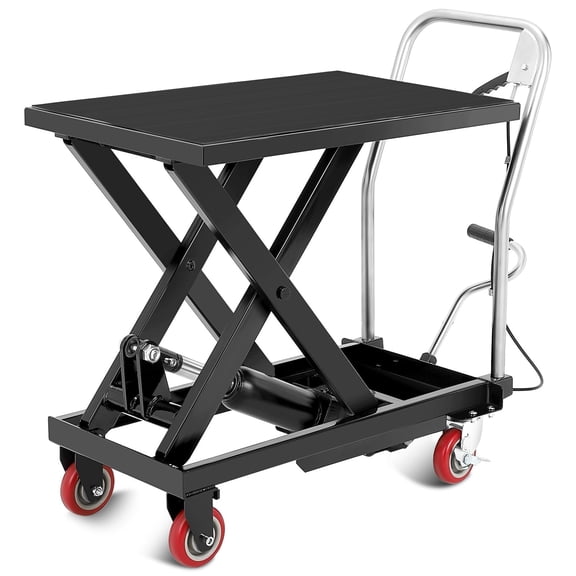
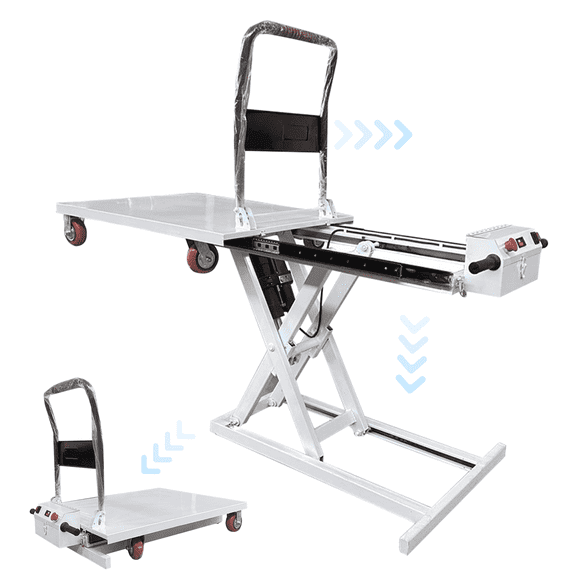
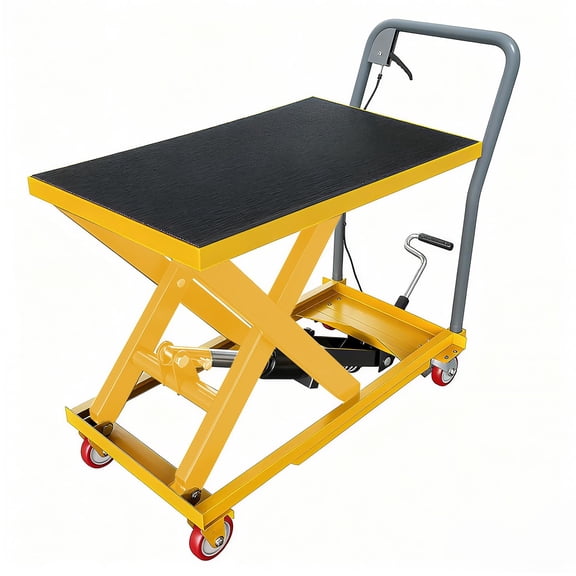
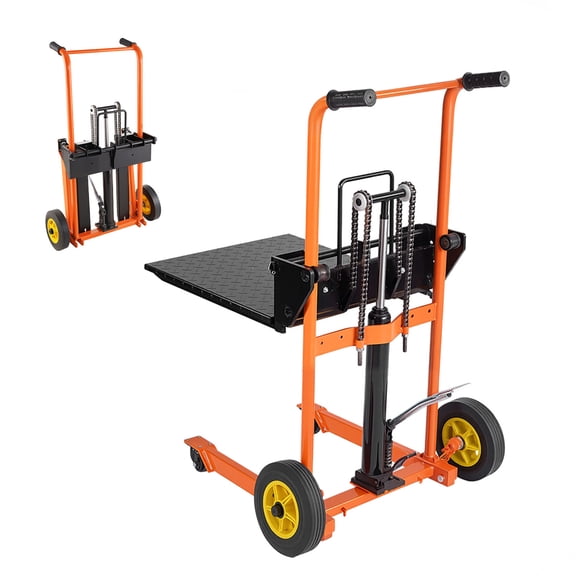
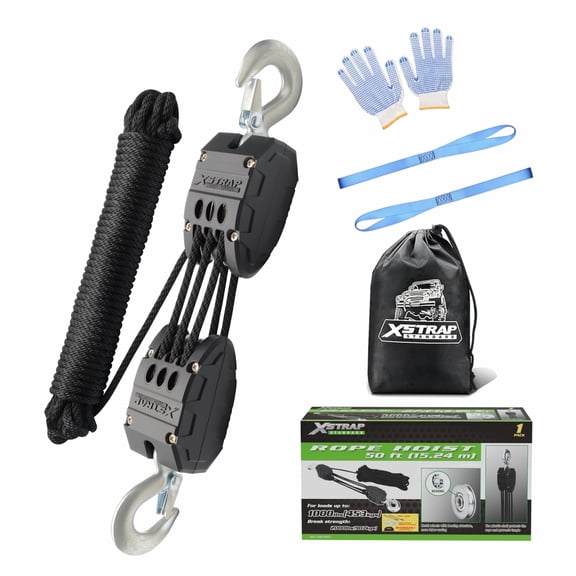
You can streamline daily movement with material handling supplies that support lifting, rolling, storing, and staging across busy work areas. You’ll find this category stands out because you can compare carts, hand trucks, pallet jacks, and shelving units in one place.
When you compare options, you should start with your load size, floor type, and storage space. You’ll make an informed decision when you match capacity, wheel style, and construction to your actual workflow.
How to choose material handling supplies
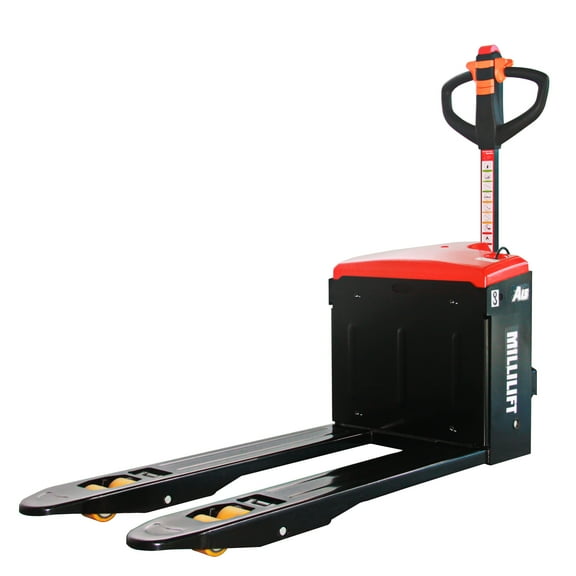
You should begin with equipment type because each format solves a different task. You may prefer utility carts for repeated trips, hand trucks for upright loads, pallet jacks for pallet movement, and shelving units for organized storage.
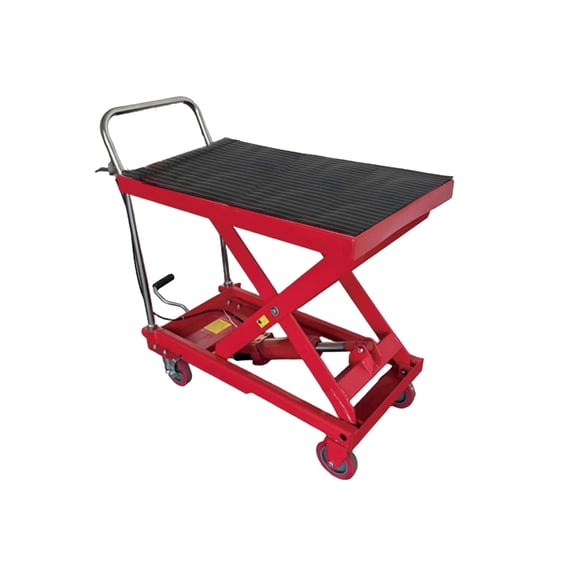
If you move boxes between stations, you’ll appreciate heavy duty utility carts with multiple shelves and steady casters. If you handle tall or bulky items, you’ll want hand trucks that help you tilt and roll loads through doorways.
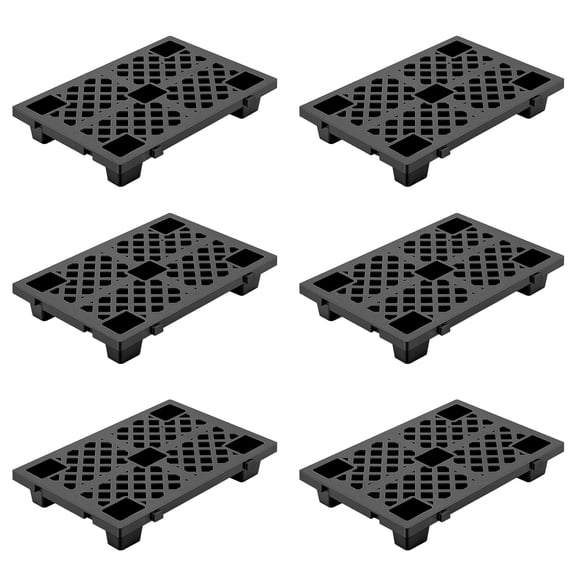
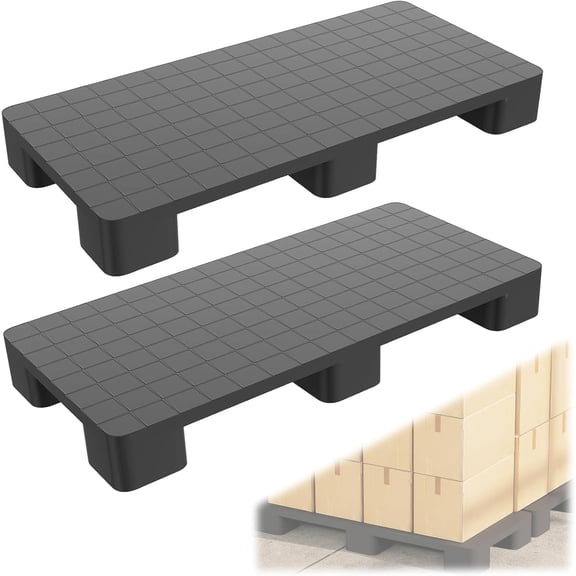
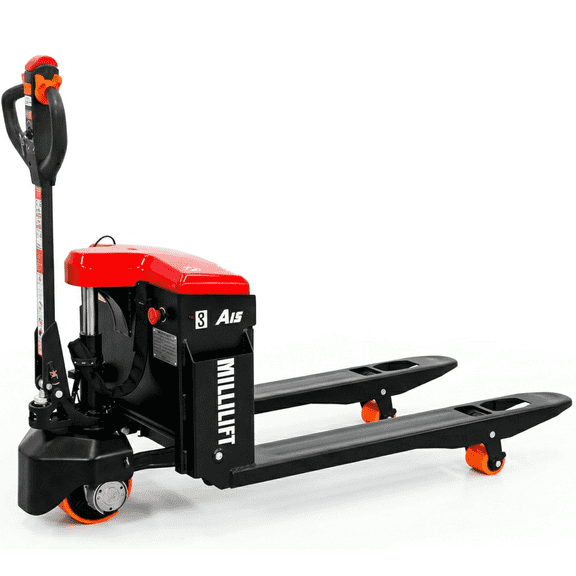
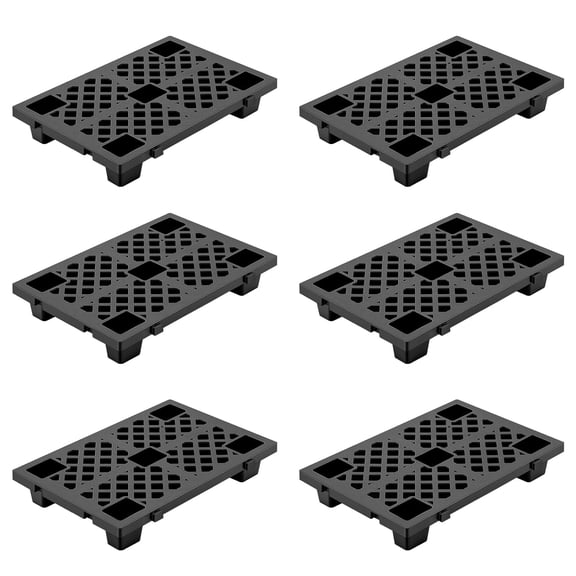
For palletized inventory, you should look at pallet jacks that fit your pallet size and aisle width. For backroom organization, you’ll benefit from shelving units that keep cartons, tools, and supplies visible.
- You can reduce repeat trips by choosing carts with enough deck or shelf space.
- You can improve control by matching wheel type to smooth floors, rough surfaces, or mixed routes.
- You can keep storage areas organized by pairing transport equipment with shelving units.
- You can support heavier tasks by checking maximum weight capacity in pounds before you choose.
Choosing material handling equipment by construction and capacity
You should compare alloy steel, heavy-duty plastic, aluminum, and industrial grade builds before you narrow your options. You’ll usually pick steel for demanding loads, aluminum for lighter handling, and plastic for easy cleanup.
When you review weight limits, you should focus on the maximum weight capacity in lbs, not just the frame size. You’ll avoid mismatches when you compare light-duty, medium-duty, heavy-duty, and 500+ lbs capacity options.
If you move dense cartons or equipment, you’ll want a frame and platform built for that load range. If you carry lighter office supplies, you can choose a lighter unit that still fits your route.
Wheel design matters because you’ll notice a big difference between pneumatic and solid rubber wheels. You’ll often prefer pneumatic wheels on uneven surfaces, while solid rubber wheels suit steady indoor routes.
For indoor floors, you may want non-marking casters that roll smoothly without leaving visible streaks. If you need convenient storage, you should also compare folding handles or compact footprints for confined spaces.
How warehouse equipment and supplies fit your environment
You should match your equipment to the space where you’ll use it every day. You may need different warehouse equipment and supplies for a warehouse, office, garage, or shipping department.
In a warehouse, you’ll often need wider shelves, stronger decks, and higher capacities for frequent movement. In an office, you may prefer slimmer carts that fit hallways, copy rooms, and supply closets.
If you work in a garage, you’ll want materials that handle dust, changing temperatures, and regular loading. If you run a shipping department, you’ll likely focus on routes between packing tables, labels, and outgoing pallets.
For damp or outdoor-adjacent areas, you should check whether corrosion-resistant materials fit your setup. You’ll get practical use when your frame, finish, and wheels match wet or changing conditions.
Using shipping and packaging supplies with transport tools
You can build a smoother workflow when your transport tools support your shipping and packaging supplies. You’ll move cartons, mailers, tape, labels, and packing materials efficiently with the right cart or truck.
If you restock packing stations, you may want utility carts with shelves for tape guns, labels, and boxes. If you transfer stacked cartons to outbound areas, you’ll likely choose hand trucks or pallet jacks.
When you receive deliveries, you can use shelving units to separate inbound stock from outgoing orders. You’ll keep your space navigable when storage and movement tools work together.
For seasonal surges or daily replenishment, you should compare turning radius, handle height, and platform size. You’ll notice these details matter when aisles are narrow and trips happen all day.
If your team shares equipment, you may want straightforward designs that feel familiar across different tasks. You’ll make transitions simpler when carts, trucks, and shelves suit both routine and changing workloads.
You can shop with confidence when your selection reflects real load limits, wheel needs, and storage constraints. You’ll get useful material handling supplies when every detail matches the way you move inventory.