


Find auto parts that fit
Let’s search for parts that fit your vehicle.Performance Engines and Components in Performance Parts














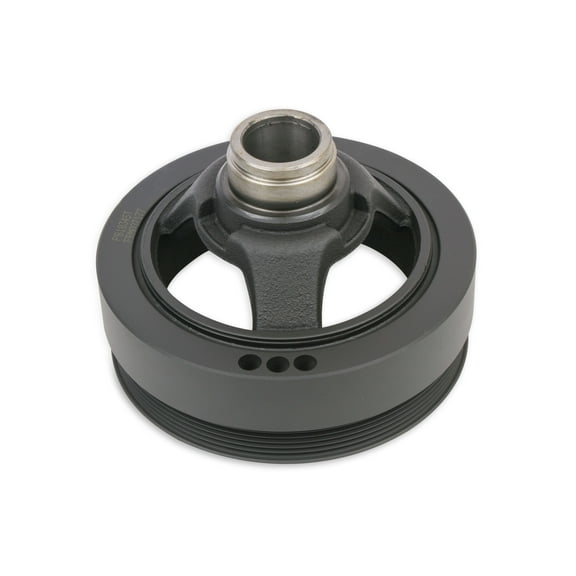

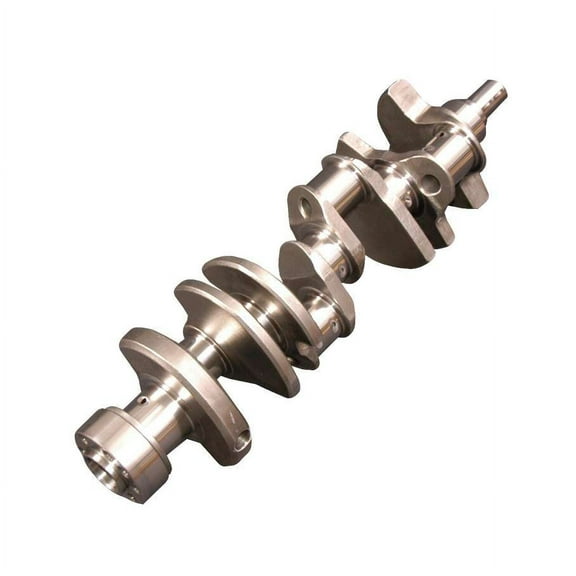


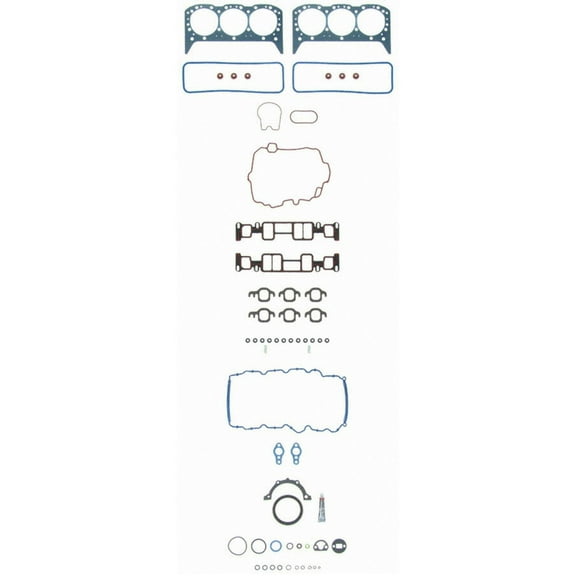



About Performance Engines and Components in Performance Parts - Walmart.com
Racing engine components help you build dependable power for street-strip cars, track projects, and dedicated race setups. You can compare engine family fitment, material construction, and installation needs before you choose parts that match your build.
If you're upgrading an LS swap, refreshing an SBC, or tuning a Coyote combination, you need category guidance that reflects real engine decisions. You can use this page to narrow valvetrain parts, pistons and rings, camshafts, and cylinder heads with less guesswork.
How to choose racing engine components
You should start with engine family compatibility because bore, stroke, deck height, and block design affect what fits. You can avoid mismatched parts by checking whether your build uses SBC, GM LS Series, Ford Coyote, or Chrysler Hemi layouts.
Next, you should match your component category to your performance goal and current weak points. You might choose camshafts for powerband changes, cylinder heads for airflow, or valvetrain parts for higher-rpm stability.
- You can narrow parts faster when you confirm your engine family first.
- You can match forged or cast materials to your horsepower target and intended rpm range.
- You can compare bolt-on options against parts that may need machining or added clearance checks.
- You can build for street-strip use or dedicated track sessions with parts suited to that workload.
You also benefit from choosing parts as a system instead of mixing random upgrades. You can protect fitment and tuning consistency when your cam, heads, pistons, and valvetrain work together.
Choosing the right engine family compatibility
You should treat compatibility as your first filter because each engine family uses different dimensions and mounting patterns. You can expect different lifter layouts, intake angles, and valvetrain geometry across SBC, LS, Coyote, and Hemi builds.
When you compare racing engine components, you should check displacement and bore or stroke details alongside family names. You can find that two parts listed for the same brand still fit different generations or head styles.
If your project uses a Chevy Small Block, you may look for classic fitment options across rotating assemblies and top-end parts. If your setup uses an LS, you may prioritize modern head designs, cam choices, and swap-friendly combinations.
With Ford Coyote builds, you should pay attention to modular architecture and overhead-cam valvetrain requirements. With Chrysler Hemi combinations, you may compare chamber design, rocker geometry, and clearance needs before installation.
Comparing materials and strength for your build
You should match material construction to your horsepower goals because strength and weight affect durability and response. You can compare forged steel, billet aluminum, titanium, and cast iron based on how hard you plan to run.
Forged steel often suits builds where you want extra confidence under repeated high-load conditions. Cast iron can make sense when you want proven rigidity in parts that handle heat and cylinder pressure.
Billet aluminum may appeal to you when lower weight and precise machining matter in your setup. Titanium can interest you when you want reduced valvetrain mass for faster rpm changes.
You should also compare tensile strength and heat handling in plain terms, not just spec sheets. You can use stronger materials when your compression, boost, or rpm targets place greater demands on the engine.
Matching component category to performance goals
You can use component categories to solve different performance needs within the same engine. Camshafts change how your power comes on, while cylinder heads influence airflow and combustion efficiency.
Valvetrain parts matter when you want control at higher rpm and cleaner motion through the top end. Pistons and rings matter when you want compression choices, ring seal, and rotating assembly compatibility.
If you're selecting performance engine parts for a street-strip car, you may want balanced manners and stronger midrange pull. If you're building for track-only use, you may accept narrower tuning windows for higher-rpm output.
For professional racing setups, you should expect tighter tolerances and closer attention to supporting parts. You can benefit from checking spring rates, piston design, and chamber compatibility before final assembly.
Understanding installation and machining needs
You should compare bolt-on compatibility against parts that may require machining because installation effort changes your project plan. You can avoid delays when you check clearance, fastener patterns, and recommended supporting hardware early.
Some racing engine parts fit with straightforward replacement steps, while others need machine work and detailed measuring. You should confirm deck clearance, piston-to-valve clearance, and valvetrain geometry before you commit.
If you're refreshing an existing street build, you may prefer components that align with your current block and heads. If you're starting a full race build, you may accept added measuring and machining for tighter combinations.
You should also think about tuning requirements after installation because airflow and cam changes affect the rest of your setup. You can plan your build more clearly when your parts choice matches your tools, timeline, and engine goals.
Using racing engine components for real build scenarios
You might pair LS-compatible cylinder heads with valvetrain upgrades when you want a stronger top-end path for weekend competition. You can keep the project focused by choosing parts designed around your rpm target.
You may choose forged steel internals and camshaft upgrades for an SBC street-strip build that sees repeated hard launches. You can support that setup with matched rings and valve control components.
If your Coyote project centers on track days, you may prioritize lighter valvetrain pieces and airflow-focused heads. You can use those choices to support sustained high-rpm operation and consistent lap sessions.
For a Hemi build aimed at professional racing, you may compare billet aluminum and titanium options with close attention to machining requirements. You can make smarter decisions when each part matches your engine family and intended use.
When you choose racing engine components with fitment, material, and use case in mind, you build with fewer compromises. You can move toward a cleaner install, a more predictable tune, and performance that matches your exact engine combination.
Popular in Performance Engines and Components in Performance Parts - Walmart.com
- Pontiac Parisienne Distributor
- Cadillac Commercial Chassis Distributor
- Hei Distributor Pigtail
- GM Turbo 400 Parts
- Ford Econoline Distributor Rotor
- 6 0 Powerstroke Tuner
- Automotive Replacement Engine Superchargers Weiand Parts
- Ford Econoline Distributor
- Chevrolet R30 Distributor
- Chevrolet Classic Distributor
- Dodge D150 Distributor
- Chevrolet K20 Distributor Cap