

Pest Control Products & At Home Bug Sprays | Walmart




Indoor insect control


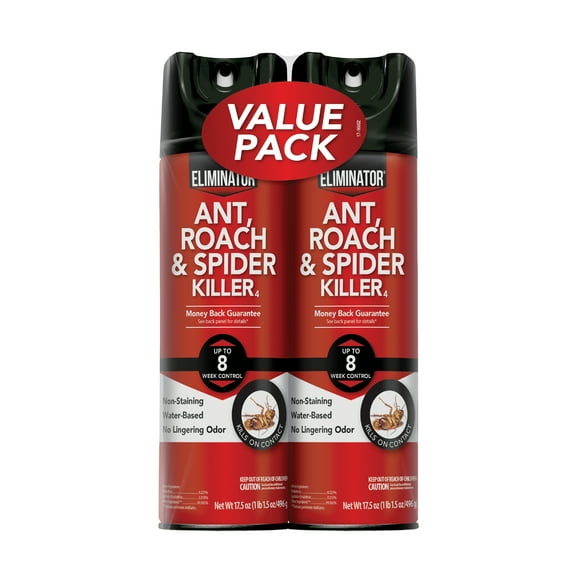
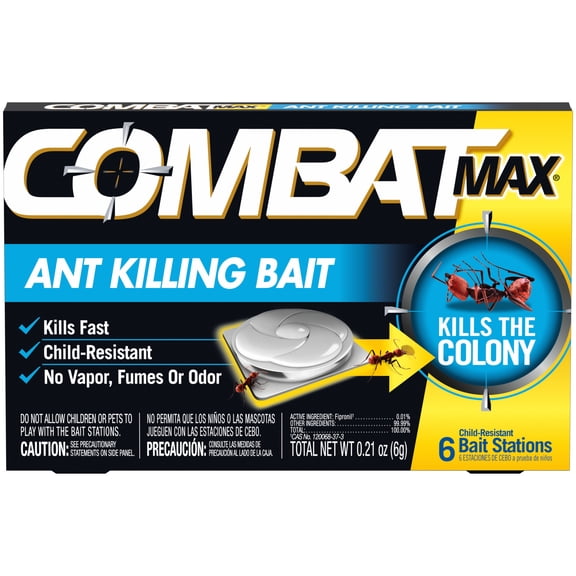
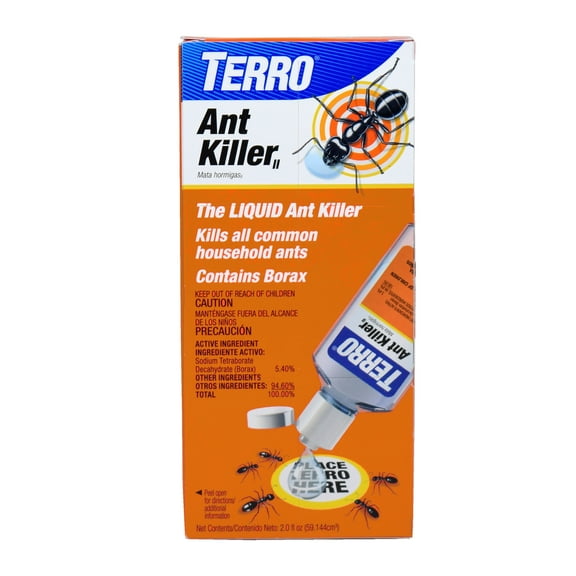
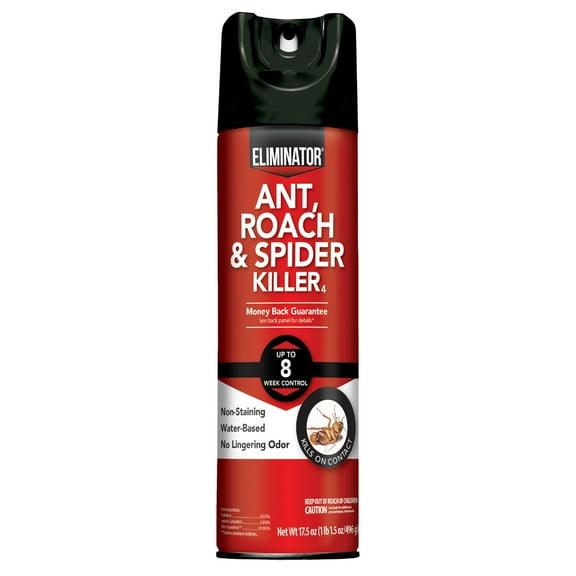



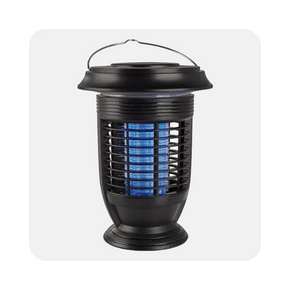
![STEM Light Trap, Attracts and Traps Flying Insects, Emits Soft Blue Light, [Includes Starter Kit with 1 Light Trap and 1 Cartridge]](https://i5.walmartimages.com/seo/STEM-Light-Trap-Attracts-and-Traps-Flying-Insects-Emits-Soft-Blue-Light-Includes-Starter-Kit-with-1-Light-Trap-and-1-Cartridge_f9cb4d45-95f4-497d-9cdb-ea1385e09e93.aeb6083a9a9e935dfe8c7fb82e01f6dc.jpeg?odnHeight=576&odnWidth=576&odnBg=FFFFFF)

Shop by brand










Outdoor pest control


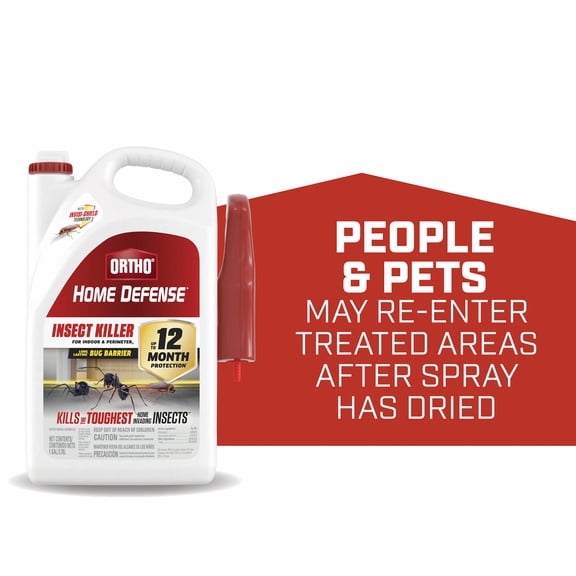
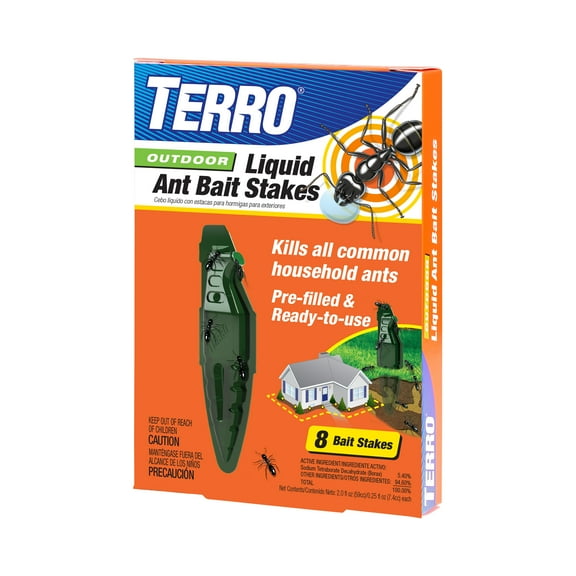
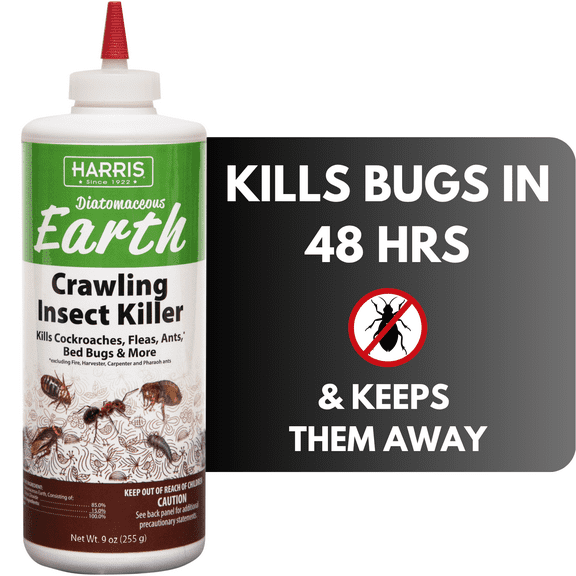
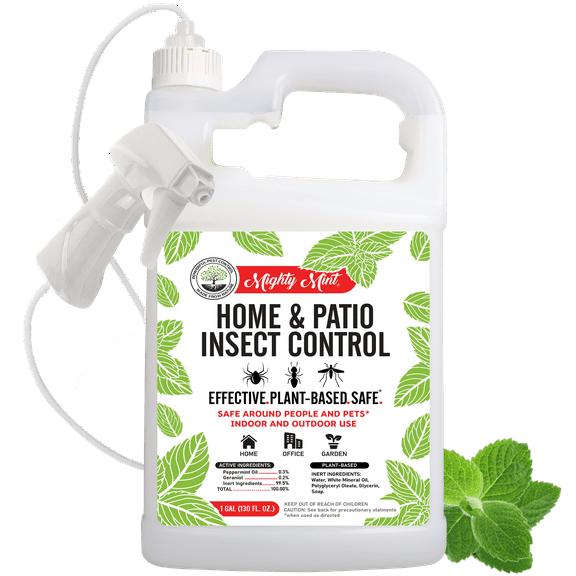
Shop by form

FAQ
About Pest Control Products & At Home Bug Sprays | Walmart - Walmart.com
Pest control helps you handle ants, roaches, rodents, mosquitoes, and fleas with targeted options for indoor spaces, outdoor areas, and home perimeters. You can compare sprays, traps, baits, foggers, and repellers to match the pest, the placement, and your routine.
When you choose the right format, you can cover cracks, corners, entry points, and larger spaces without guesswork. You’ll also find at home pest control products and pest control accessories that support quick setup and clear application choices.
How to choose pest control by pest type
You should start with the pest type because ants, roaches, rodents, mosquitoes, and fleas call for different approaches. You’ll get more precise results when your insect control product matches the pest you’re trying to manage.
For ants, you may prefer baits for trails and hidden activity around kitchens or baseboards. For roaches, you may look for formulas labeled for specific species, because German cockroaches and American cockroaches can require different active ingredients.
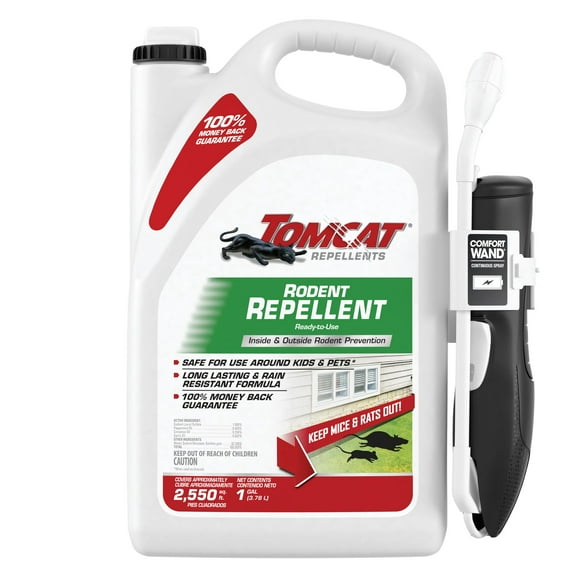
Rodents often call for traps or enclosed bait stations where placement matters as much as the product type. Mosquitoes usually fit outdoor sprays, repellers, or yard-focused options, while fleas may need indoor and soft-surface coverage.
At home pest control products by application type
You can narrow your choice by application type once you know what pest you’re targeting. You’ll usually decide among pest spray, traps, baits, foggers, and repellers based on placement, coverage, and how hands-on you want to be.
- You can use sprays for direct application along baseboards, door frames, patios, and other visible paths.
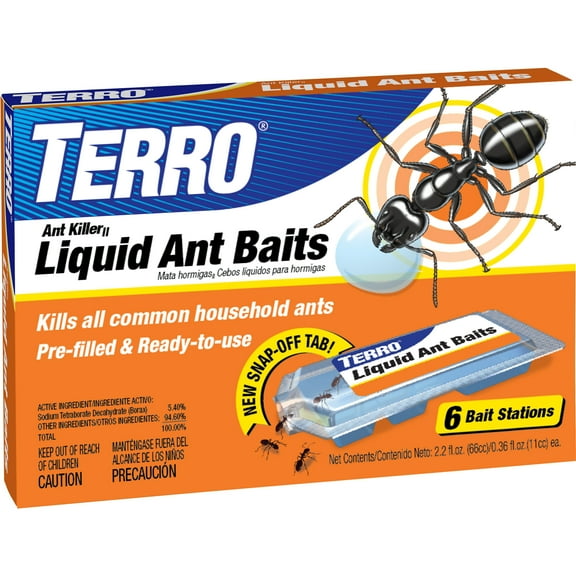
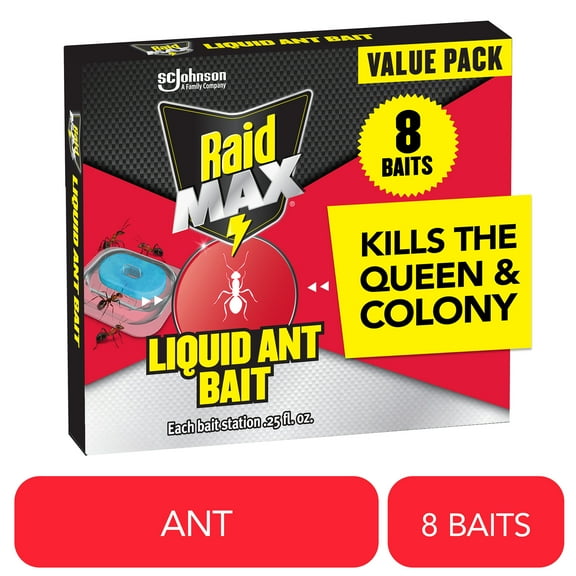
- You can choose baits when you want a low-profile option for pests that travel back to hidden nesting areas.
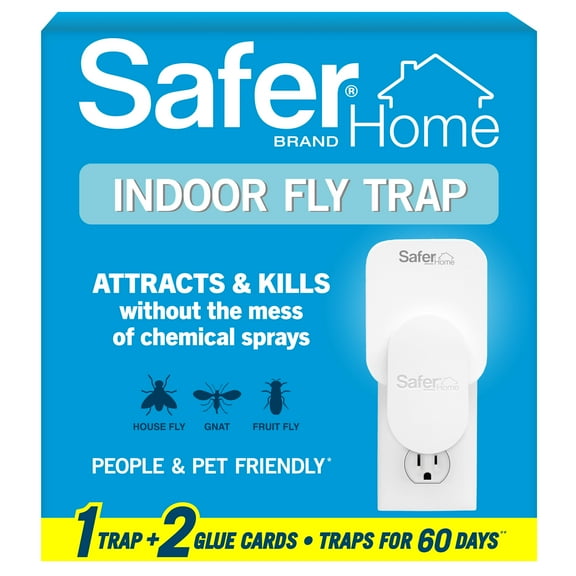
- You can pick traps when you want visible monitoring and easy checking in garages, pantries, or utility spaces.
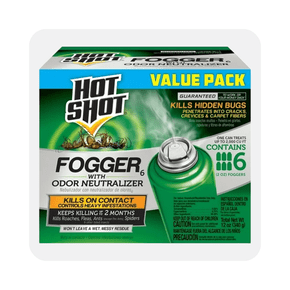
- You can consider foggers when you need broad room coverage and want to treat larger enclosed areas.
- You can use repellers for ongoing placement in selected zones where you want a simple routine.
Sprays often help you reach seams, corners, and perimeter lines with fast setup. Traps and baits can work well when you want a more contained option in spots where pests return often.
Foggers can make sense when you need full-room treatment instead of spot coverage. Repellers may fit your routine when you want a set-and-place option for steady use.
Choosing indoor, outdoor, perimeter, and garden use
You should also compare products by usage area so your choice fits where you plan to apply it. You’ll see different options for indoor rooms, outdoor gathering spaces, perimeter edges, and garden zones.
Indoor bug control often focuses on kitchens, bathrooms, basements, and storage areas where pests hide in tight spaces. You may want controlled application, smaller formats, and labels that match indoor surfaces and enclosed rooms.
Outdoor bug control can cover patios, decks, fences, and yards where flying insects and crawling pests show up. Perimeter products help you create a treatment line around doors, windows, and foundation edges.
Garden use calls for careful label reading so you can match the product to plant areas and outdoor conditions. You should check whether the formula and application method fit the exact space you’re treating.
What to look for in formula type and household fit
You can refine your choice by formula type, especially when your household includes pets or children. You’ll find chemical, natural or organic, pet-safe, and non-toxic labeled options that support different comfort levels.
Chemical formulas may appeal to you when you want a familiar format with broad category coverage. Natural or organic labeled options may suit you when you prefer ingredient language that feels more plant-based.
Pet-safe and non-toxic labeled choices can help you compare products for shared living spaces and everyday routines. You should always check the label for placement guidance, drying time, and whether the product fits your household setup.
Longevity matters too, because you may want a product that keeps working after application. You can compare labels for residual coverage, reapplication timing, and whether the formula is made for quick knockdown or longer barriers.
How you can match pest control to real home scenarios
You might want at home pest control for a kitchen ant trail, a garage rodent issue, or mosquitoes around a backyard seating area. You can match the product type and usage area to the exact problem instead of guessing.
If you’re treating ants near entry points, you may combine a bait with a perimeter pest spray around doors and windows. If you’re dealing with roaches indoors, you may compare species-specific formulas and enclosed bait placements.
For rodents in storage areas, you may want traps that let you monitor activity in narrow spaces. For fleas, you may look for indoor treatment options that fit rooms, rugs, and other soft-surface zones.
When mosquitoes interrupt time outside, you can focus on outdoor sprays, repellers, or yard solutions with broad coverage. If you need support tools, you can also compare pest control accessories that help you place, apply, or maintain your setup.
You’ll make a stronger choice when you compare pest type, application method, usage area, and formula label together. With pest control options organized around real household needs, you can create a clearer routine and more consistent coverage.