



Philodendron Plants Near Me: Shop Live Philodendrons



















About Philodendron Plants Near Me: Shop Live Philodendrons - Walmart.com
Philodendron gives your home lush indoor greenery with flexible growth habits and recognizable leaf shapes. You can compare trailing, climbing, and upright forms to match shelves, desks, and floor space.
How to choose the right philodendron
You can start by comparing variety type, plant size, growth habit, and care difficulty. Your choice feels easier when you match each trait to your room and routine.
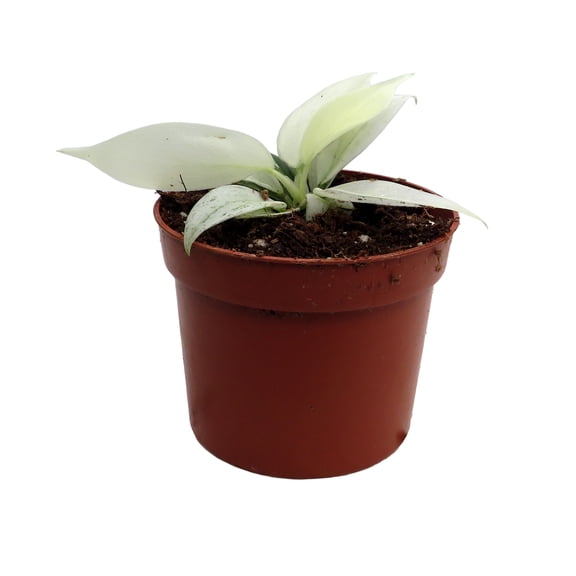
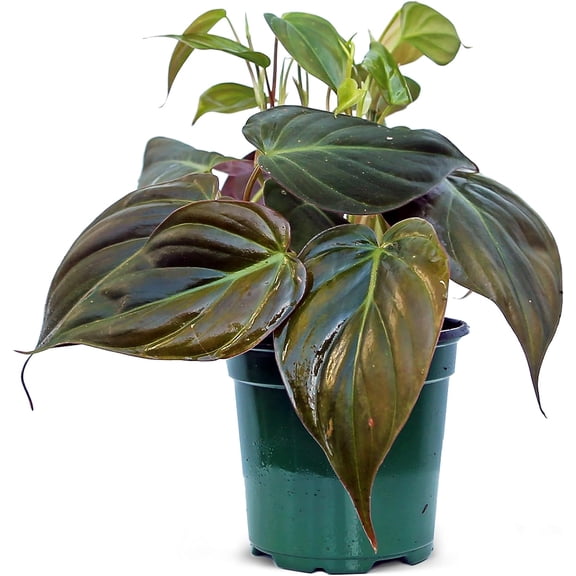
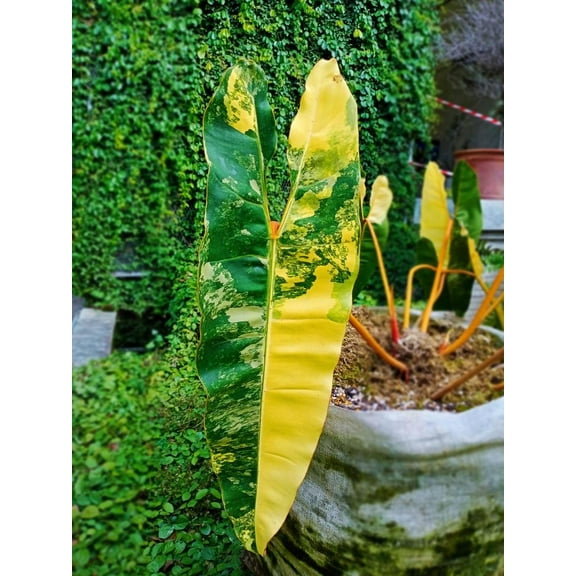
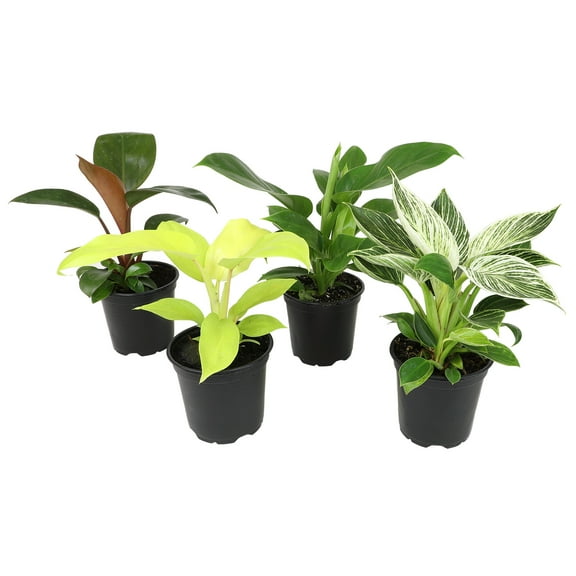
If you want bold variegation, you may look for pink princess philodendron or philodendron birkin. If you prefer trailing greenery, your heartleaf philodendron or brasil style can suit hanging spots.
You can also compare small 4-inch pots, medium 6-inch pots, and large floor plant options. Your available surface space often decides which size feels practical from day one.
Why philodendron plants fit indoor spaces
You get a houseplant category known for adaptable shapes and easy styling. Your rooms can feel fuller because leaves drape, climb, or stand upright without needing outdoor garden space.
- You can place vining types on shelves and let your stems trail naturally.
- You can train climbing forms up a moss pole for vertical interest.
- You can use upright or self-heading plants when your floor corners need structure.
- You can choose beginner friendly options if your plant care routine stays simple.
You may appreciate how many philodendron houseplant options work in living rooms, bedrooms, and home offices. Your decor can stay cohesive because leaf shapes range from soft hearts to striped upright foliage.
When you compare easy care indoor plants, you’ll notice philodendrons often suit shoppers who want greenery without a demanding routine. Your regular care usually centers on light, watering, and pot size.
What to look for in size, habit, and container details
You should check the listed pot size first, because a 4-inch plant fits compact surfaces. A 6-inch option gives your room more presence while still fitting tables or plant stands.
If you want immediate height, you may prefer a large floor plant with fuller foliage. Your setup may also depend on whether the plant arrives in a grow pot or includes a decorative planter.
You’ll want to compare growth habit next, because climbing philodendron types behave differently than trailing forms. Your plant can grow upward with support, while other varieties spill gently over an edge.
For self-heading or upright choices, you can expect a fuller, more centered silhouette. Your space may benefit from that shape when you want a plant that anchors a corner.
You should also look at care difficulty labels when narrowing your options. Your beginner friendly pick can feel more manageable if you’re building confidence with indoor plants.
How to care for your philodendron houseplant
You’ll usually want bright, indirect light for many philodendron plants. Your leaves can keep their color and shape more consistently when harsh direct sun isn’t hitting them.
You can water when the top layer of your soil feels dry to the touch. Your plant generally prefers a steady routine instead of constantly wet soil.
You may want a container with drainage, since that helps you manage watering more easily. Your indoor setup also benefits from a pot that matches the plant’s current root space.
If you’re comparing easy care house plants, you’ll likely want a forgiving watering schedule. Your philodendron can suit that need when you check light levels and avoid overdoing water.
Comparing popular philodendron varieties
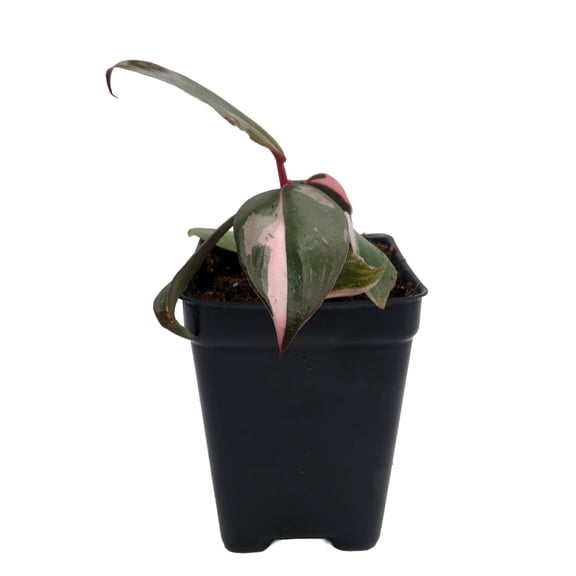
You can choose pink princess philodendron when your goal is eye-catching pink variegation. Your room can get a more dramatic focal point with leaves that stand out against neutral decor.
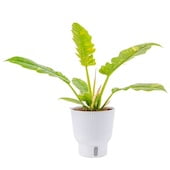
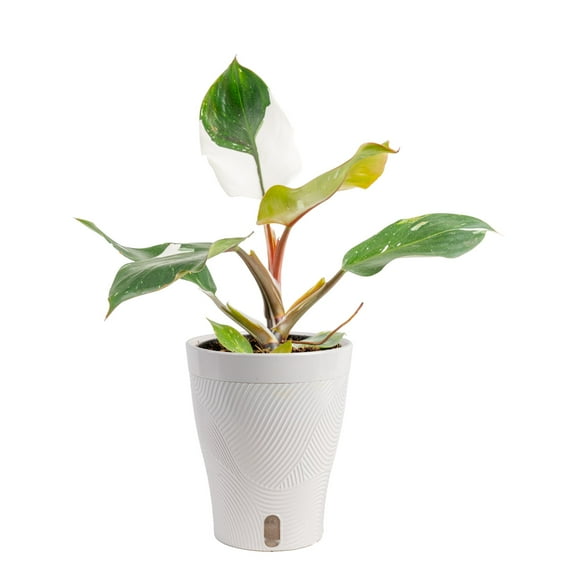
If you prefer a cleaner striped look, you may lean toward philodendron birkin. Your tabletop or desk can feel polished with its upright habit and patterned foliage.
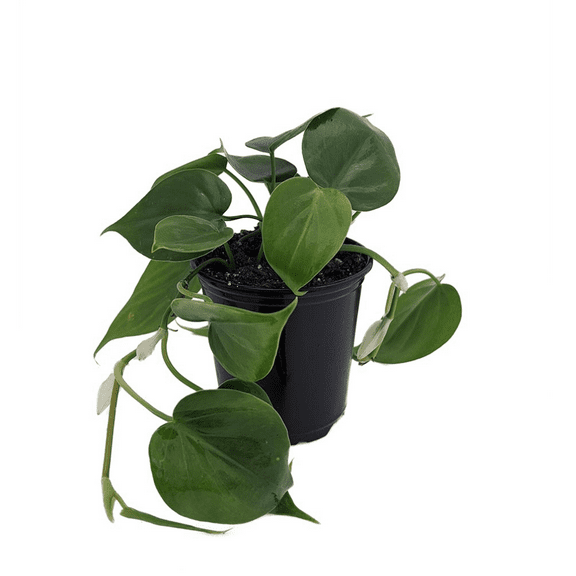
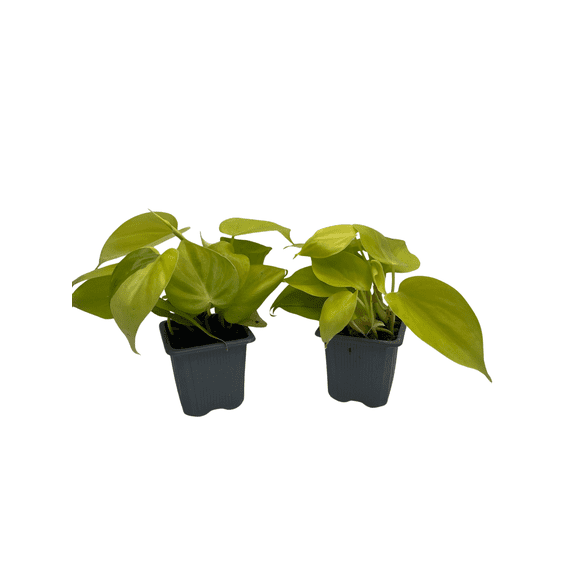
You might pick heartleaf philodendron when your priority is classic trailing greenery. Your shelf edges and hanging spots often pair well with its softer, cascading vines.
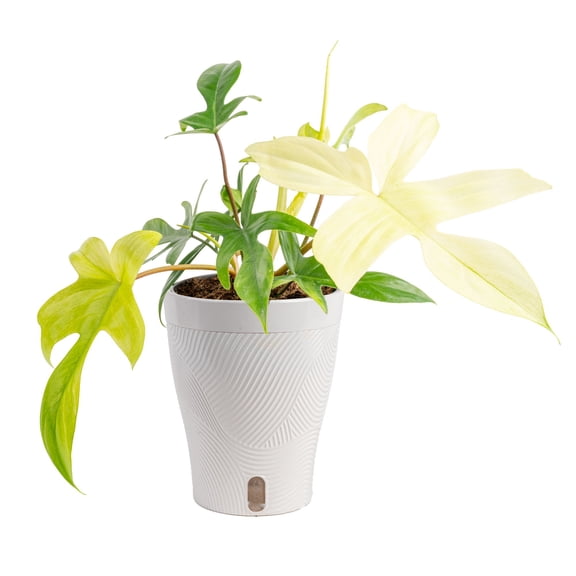
For brighter contrast, you can consider brasil forms with green and chartreuse tones. Your plant display can look more layered when those colors sit beside darker leaf varieties.
Choosing for pets, placement, and daily life
You should know that philodendron plants are toxic to pets. Your household may need placement well above curious cats or dogs, especially around trailing vines.
When product details mention calcium oxalate crystals, you can read that as a standard plant safety note. Your decision may come down to whether elevated shelves or separate rooms fit your home.
If you want a desk plant, you may prefer a small or medium pot with an upright habit. Your workspace can stay tidy when leaves grow in a contained shape.
For bookcases and wall shelves, you can choose vining or trailing types that soften straight lines. Your display often looks more relaxed when stems drape downward.
If you want vertical growth, you should look for climbing varieties that can use a moss pole. Your plant corner can gain height without taking much extra floor space.
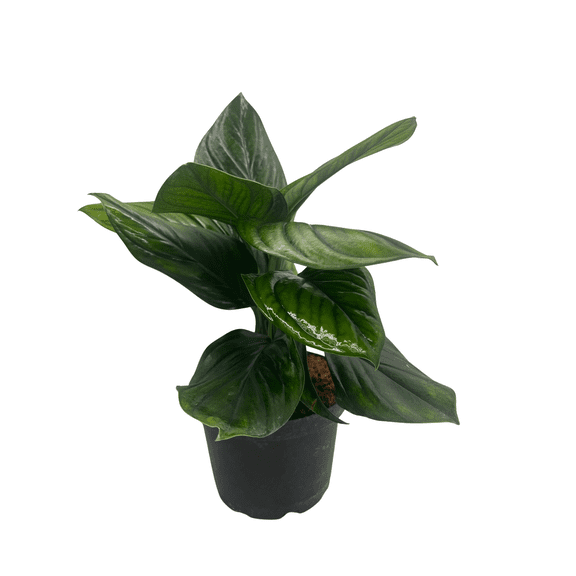
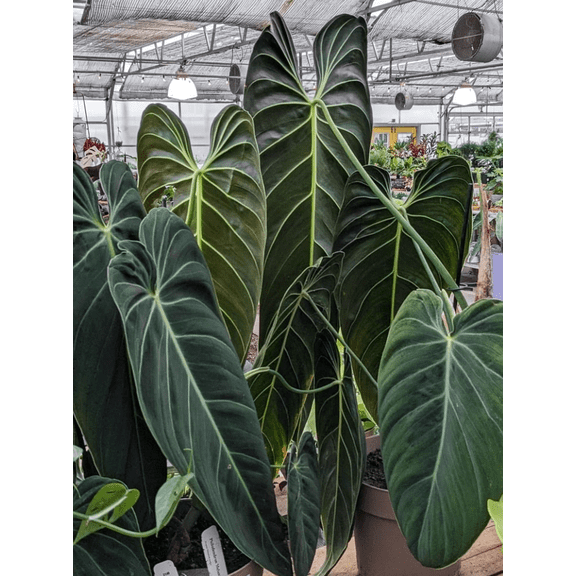
For entryways or open living areas, you may prefer a large philodendron with a self-heading form. Your room can feel grounded with broader foliage and a fuller footprint.
You can make a smart choice by matching variety, size, and growth habit to your home. Your philodendron can bring lasting indoor greenery when its care needs and placement fit your everyday routine.