

Physical Therapy in Home Health Care









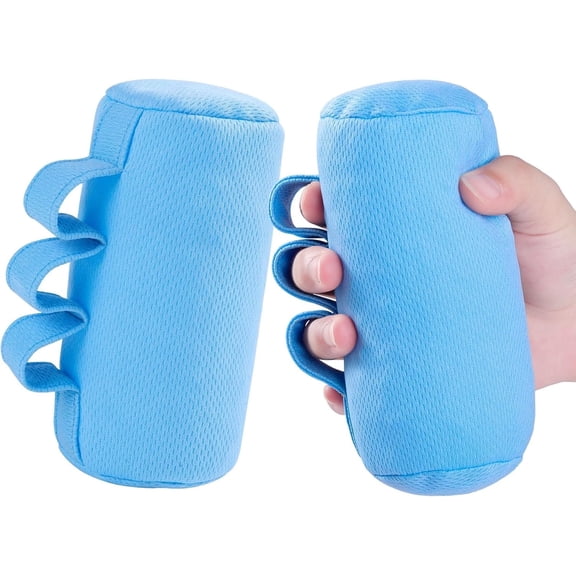
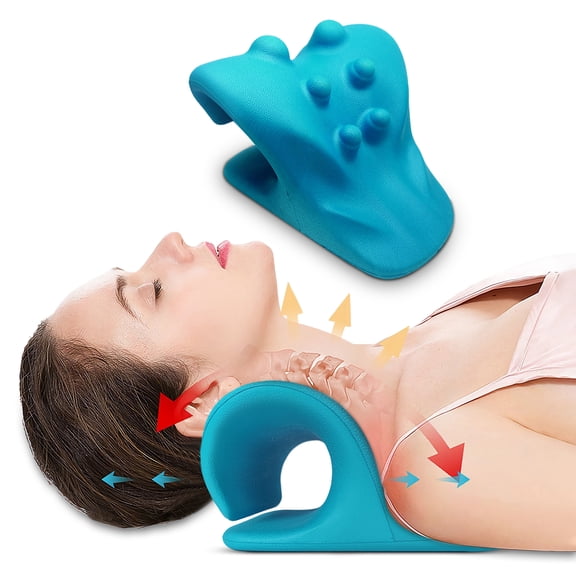
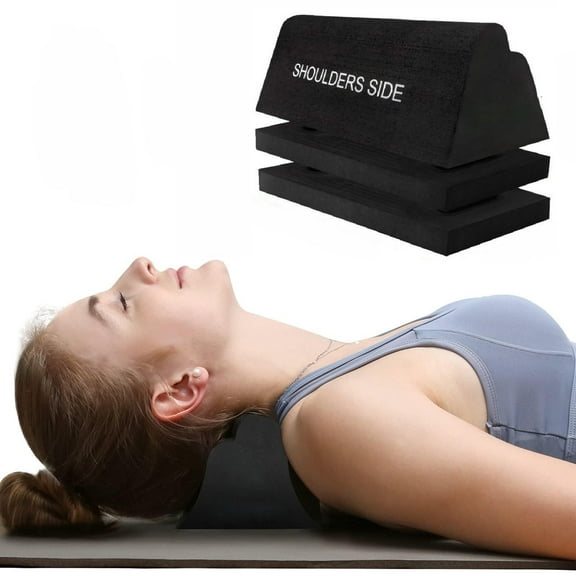


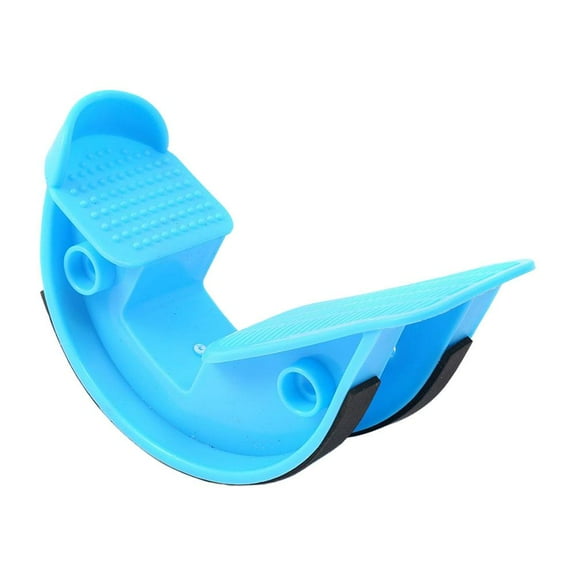















About Physical Therapy in Home Health Care - Walmart.com
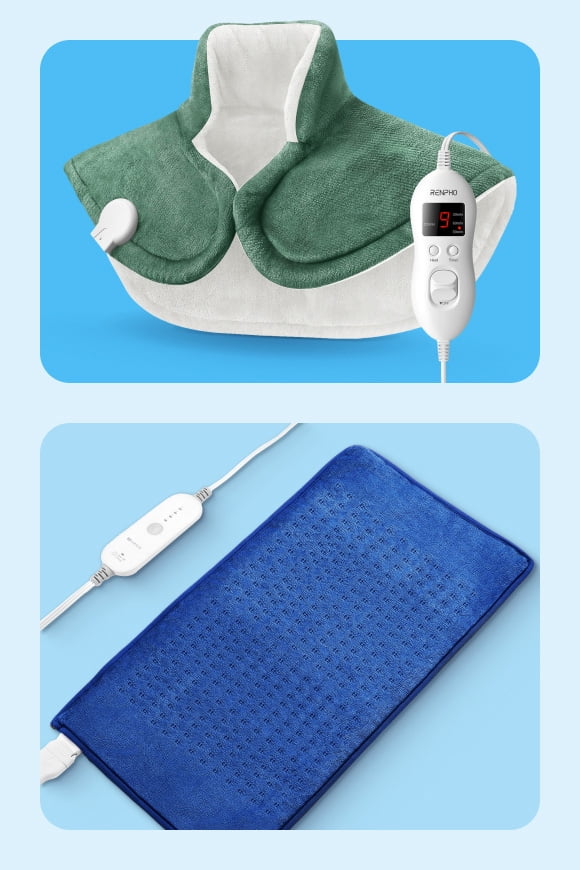
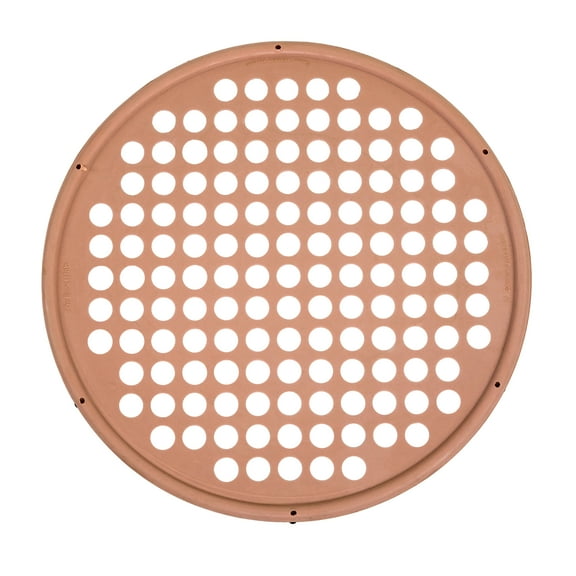
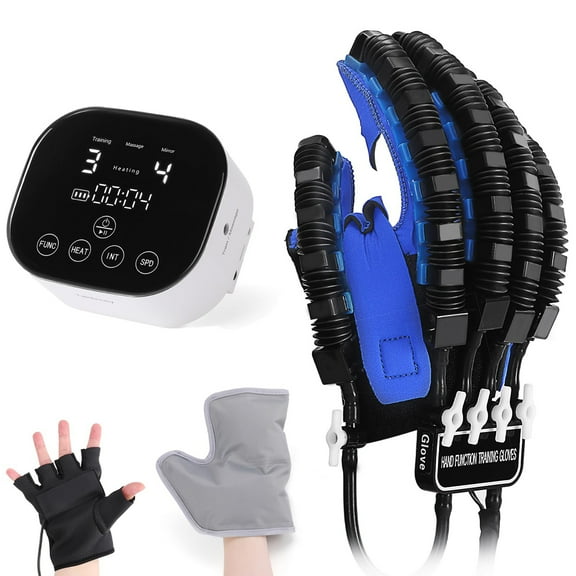
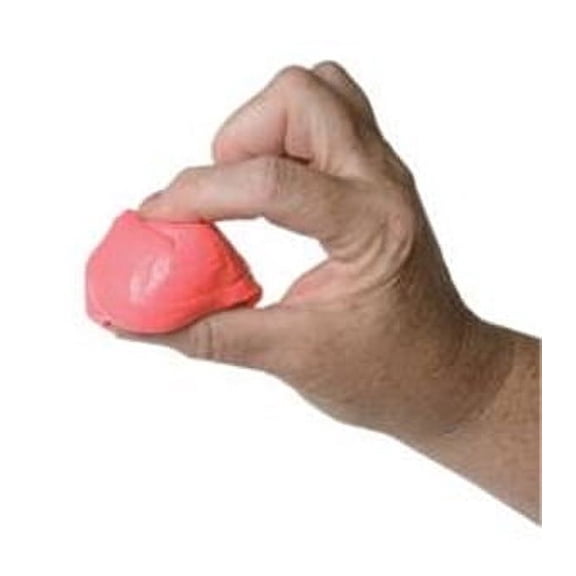
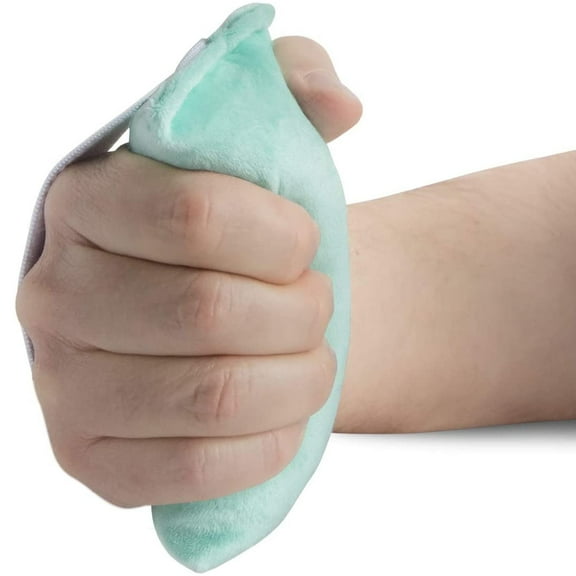
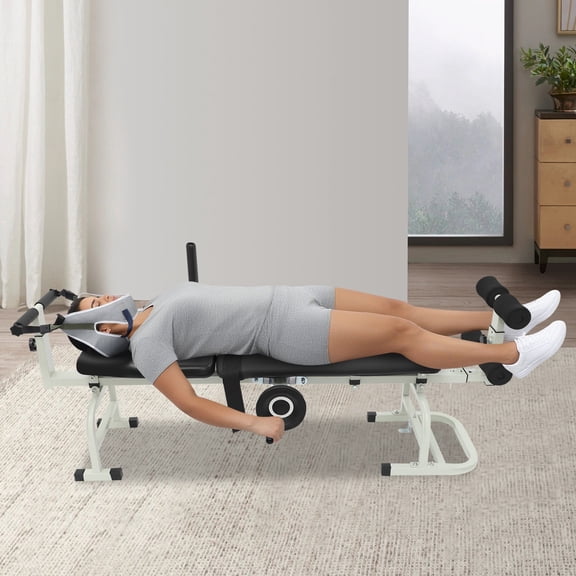
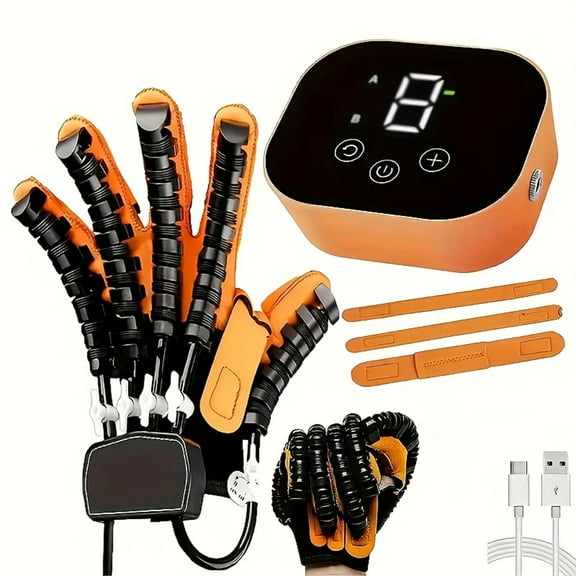
Physical therapy equipment helps you support home routines with practical tools for stretching, balance work, and guided recovery. You can compare formats, body-area focus, and setup needs to choose physical therapy supplies that fit your space.
If you want home health care physical therapy options, you should look for clear instructions, durable materials, and easy storage. You may also want equipment that matches therapist guidance and works with gradual progress.
How to choose physical therapy equipment
When you compare physical therapy equipment, you should start with equipment type and your therapy goal. You can narrow choices faster when you match resistance bands, exercise balls, balance boards, TENS units, or massage rollers to daily routines.
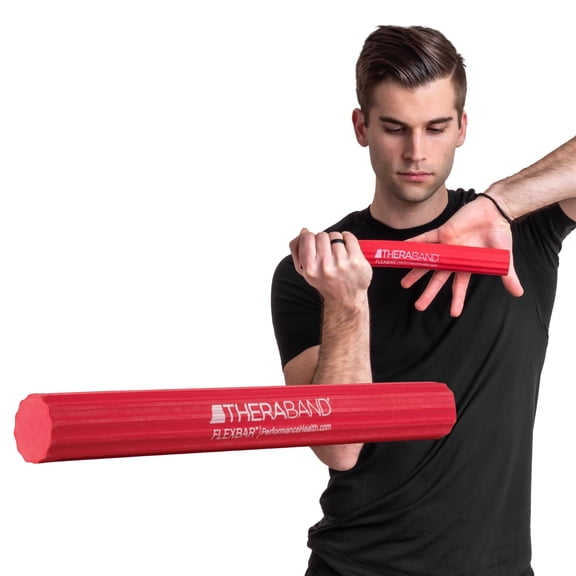
Resistance bands help you add controlled tension during shoulder, knee, ankle, and hand exercises. Exercise balls help you work on core support and seated movements, while balance boards help you practice steady foot placement.
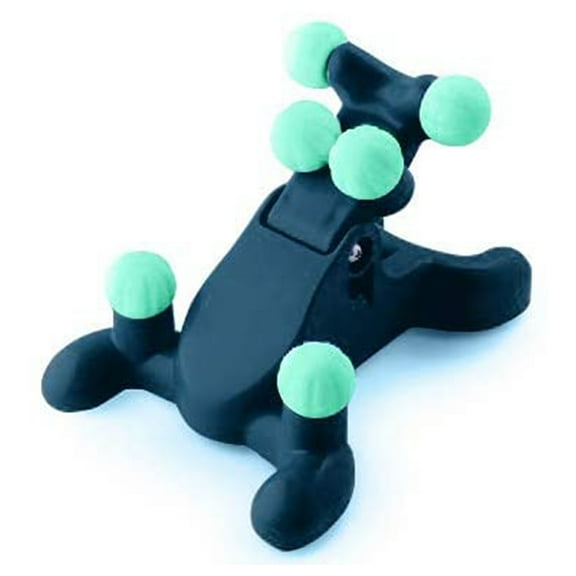
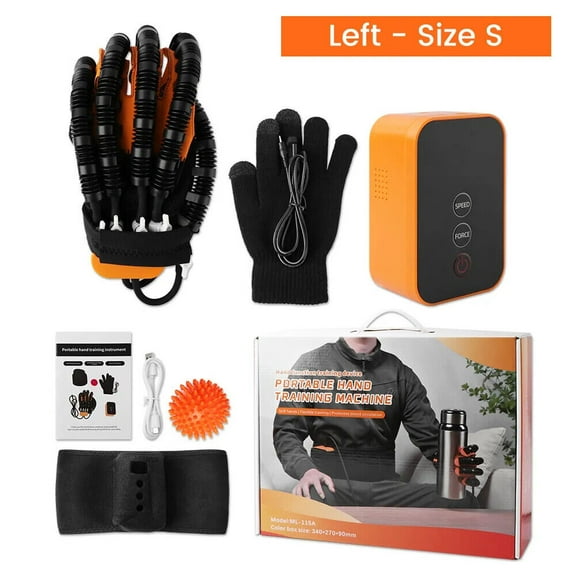
TENS units give you a compact electric format with pads, controls, and portable power options. Massage rollers give you a manual tool for guided rolling, and you can often use them before or after movement sessions.
- You can choose resistance levels that match gradual strength building and flexibility work.
- You can compare manual and electric formats based on comfort, portability, and charging needs.
- You can pick compact rehabilitation equipment that stores easily between sessions.
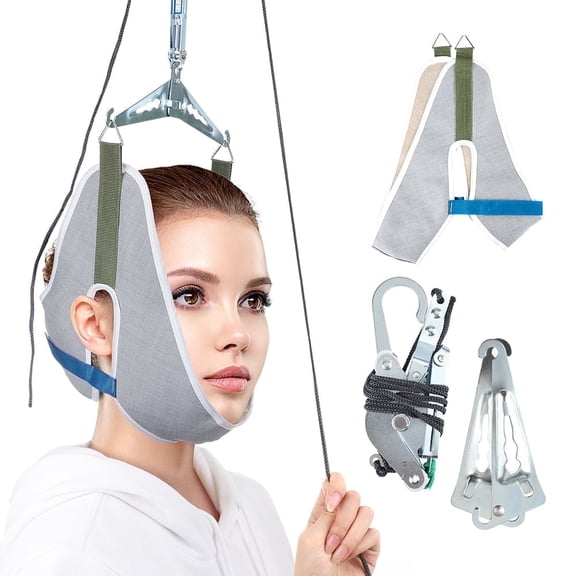
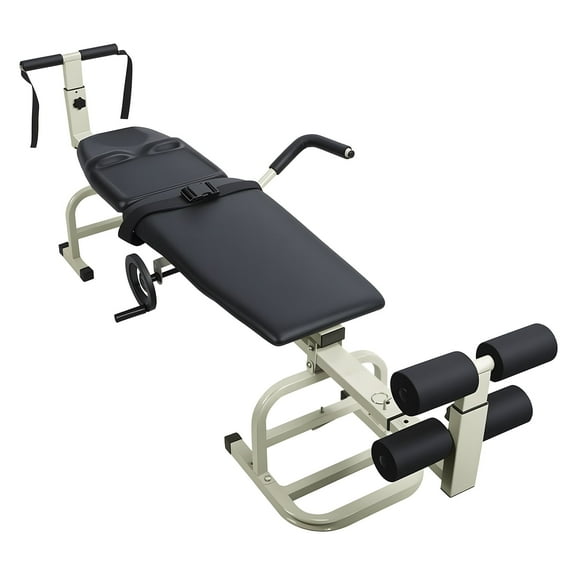
- You can focus on body-specific tools for shoulder, back, knee, ankle, or hand and wrist routines.
Choosing the right body area and therapy goal
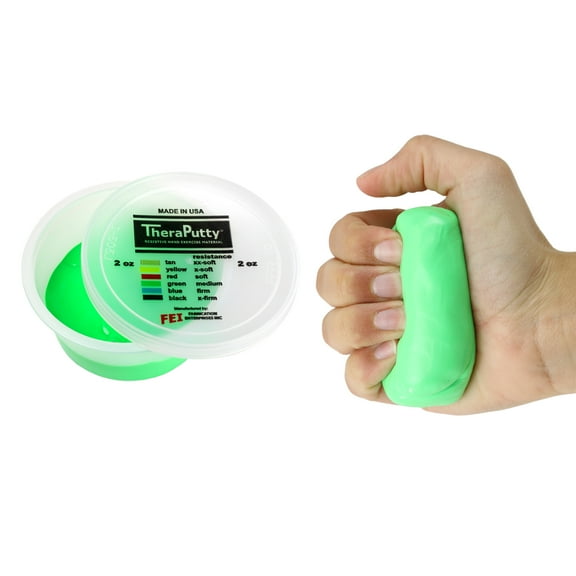
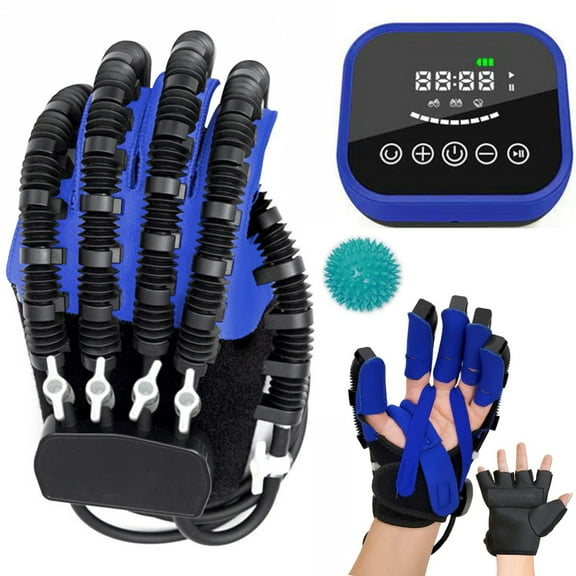
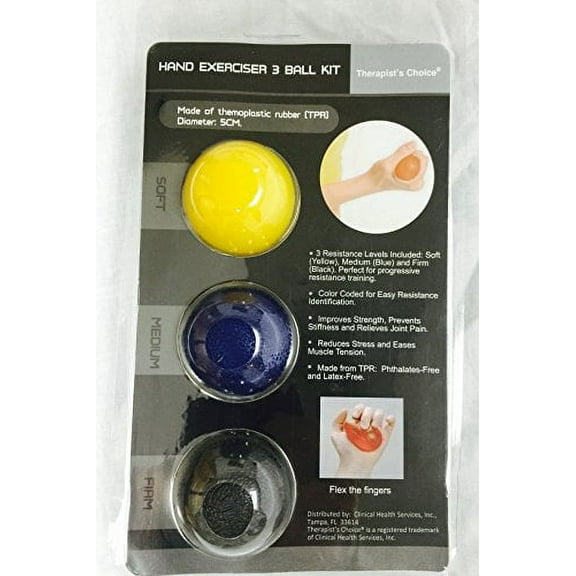
You should match your equipment to the body area your routine targets most often. You can use lighter resistance for hand and wrist work, while you may want broader support for back or shoulder movement.
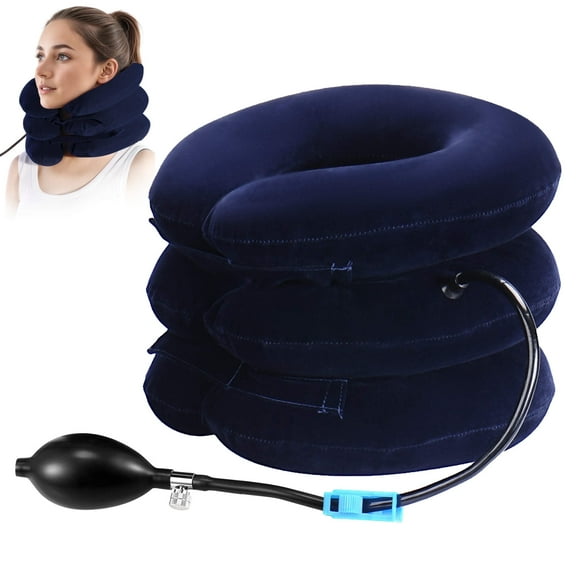
For knee and ankle routines, you may look for balance boards, bands, or balls that support controlled repetition. For shoulder routines, you may prefer bands and rollers that fit small movement patterns and adjustable intensity.
Your therapy goal also changes what you should compare first. If you want strength building, you may look for resistance progression, while balance training may call for stable platforms and textured surfaces.
If flexibility matters most, you may prefer stretch-focused bands, rollers, and exercise balls with easy grip points. If rehabilitation is your focus, you may want simple tools that support repeatable motions and step-by-step use.
What to look for in physical therapy supplies
You should check whether your physical therapy supplies include clear instructions, accessories, and setup details before you choose. You can avoid guesswork when you confirm straps, pads, pumps, chargers, or replacement parts.
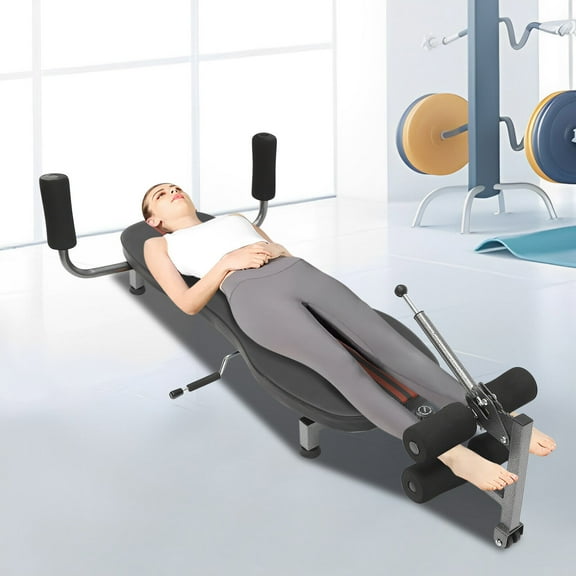
Weight capacity matters when you choose exercise balls, balance boards, benches, or support tools for regular home use. You should compare listed limits and construction details so your equipment fits your routine and household users.
Material strength also matters when you use bands or straps often. You can look for tensile strength details, reinforced seams, and textured surfaces that help you maintain a steady grip.
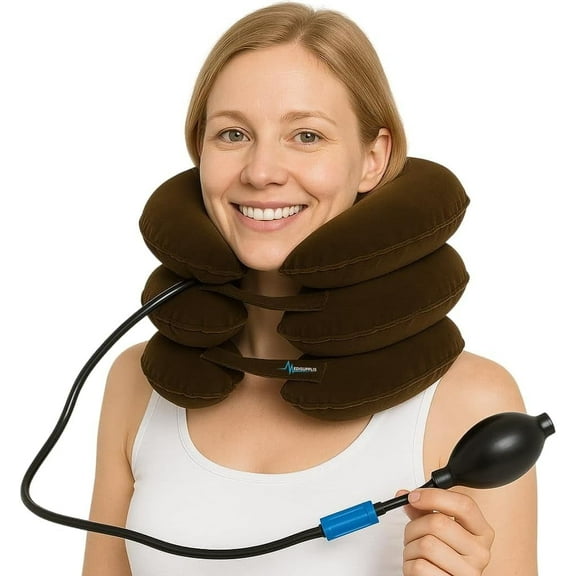
Assembly needs can vary across rehabilitation equipment, so you should check whether you need inflation, batteries, charging cables, or separate attachments. You may prefer tools that work right out of the box if you want a simpler setup.
Power source is another decision point that can shape your routine. You can choose manual tools for grab-and-go use, or you can choose battery-operated, electric, or rechargeable formats for added control options.
Using home physical therapy tools with confidence
If you want home physical therapy tools, you should consider your user level and daily environment first. You can find options for home use, professional settings, older adults, and pediatric routines with different sizes and support features.
Home users often want compact pieces that fit bedrooms, living rooms, or small workout corners. You may prefer foldable boards, lightweight bands, or rollers that slide into a closet after each session.
Older adults may want larger grips, simple controls, and stable surfaces that feel easy to manage. Pediatric routines may call for smaller sizes, softer resistance, and straightforward setup for shorter sessions.
You should also think about how often you plan to use each tool during the week. If you need frequent sessions, you may want durable materials, wipe-clean finishes, and controls that are easy to read.
Some physical therapy tools work well as part of a larger setup at home. You can pair bands with exercise balls, or you can add rollers and balance boards for more varied rehabilitation equipment options.
How physical therapy supports real home routines
You can build a more organized routine when your equipment matches the exercises you already know and practice. You may use bands for shoulder work in the morning, then use a massage roller for back mobility later.
If your routine focuses on balance training, you can use a board in short sessions with supportive footwear and open floor space. If your goal is flexibility, you may rotate between an exercise ball and stretch bands.
You may want a TENS unit when portability and compact storage matter in smaller spaces. You can keep rechargeable or battery-operated tools ready for use without setting up large equipment.
When your routine includes several body areas, you should look for versatile tools that support more than one movement pattern. You can often cover shoulder, knee, ankle, and hand exercises with a thoughtful mix of compact items.
Your final choice should reflect your space, setup comfort, and exercise plan, not just one feature. You’ll feel more prepared when your physical therapy equipment fits your routine, includes the right accessories, and supports repeatable home sessions.