

Price of a Pie & Pie Options at Walmart
















About Price of a Pie & Pie Options at Walmart - Walmart.com
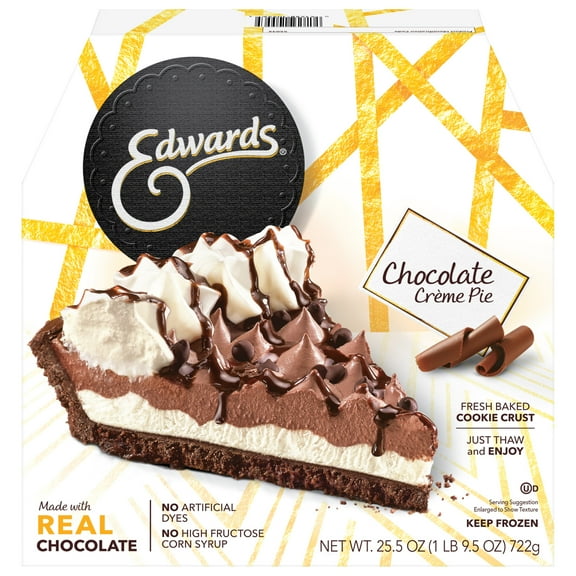
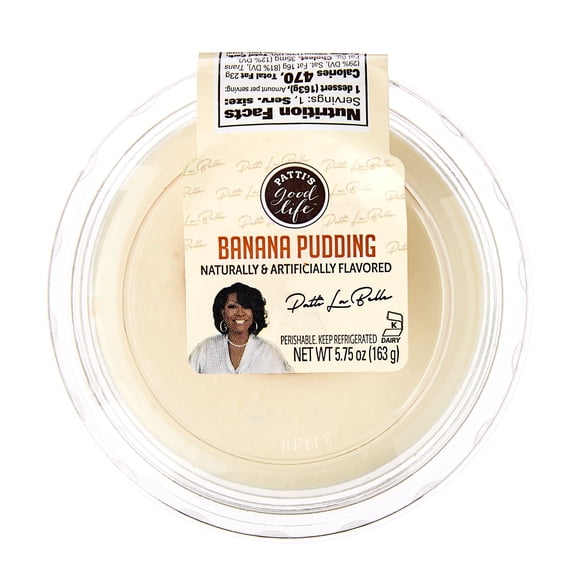
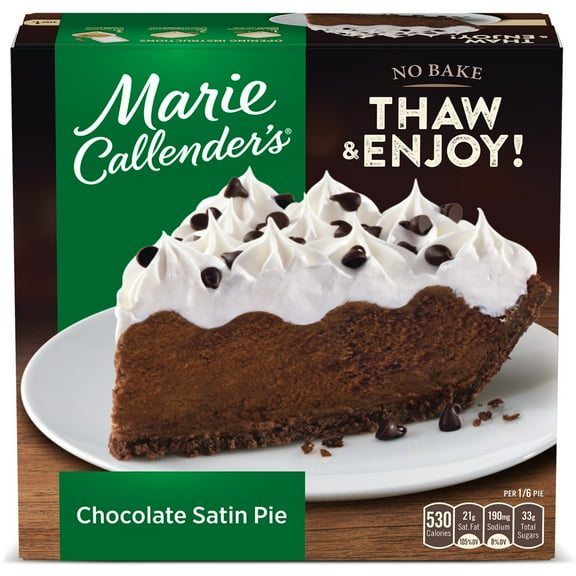
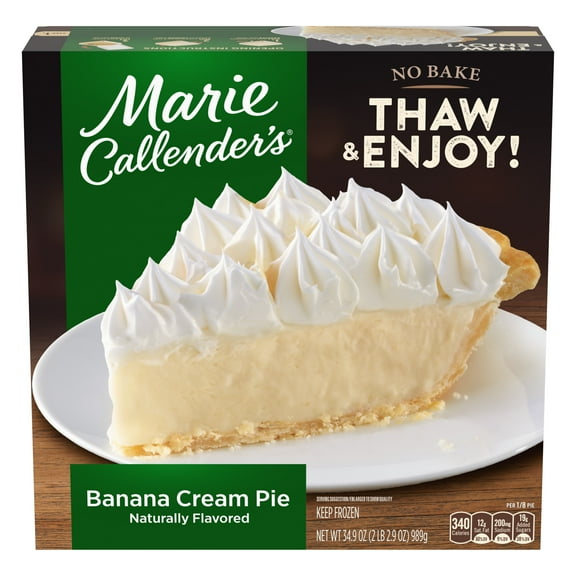
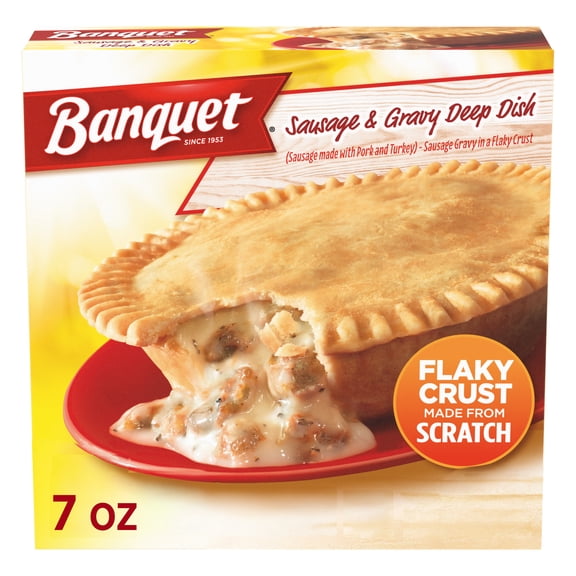
Pies help you cover everyday desserts, family dinners, and holiday tables with familiar flavors and flexible prep. You can compare bakery pies and frozen pies in one place, so your planning feels simpler.
When you shop this category, you can move from a ready-to-slice bakery pie to a bake-and-serve option that fits your schedule. You can also spot thanksgiving pies and holiday pies without guessing which style matches your meal.
Choosing pies by type and preparation
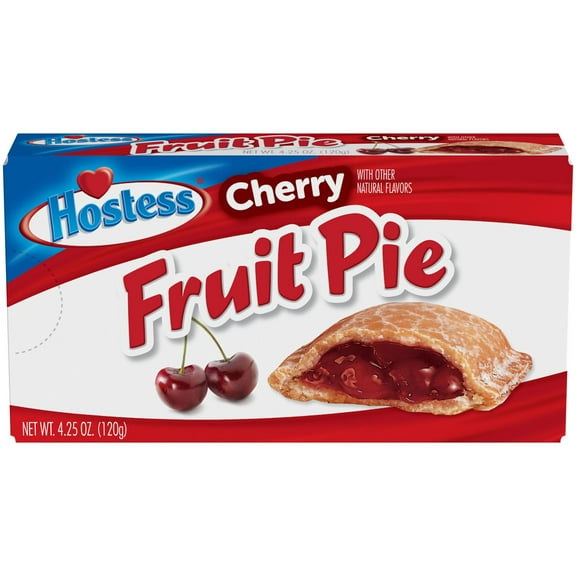
You can start with pie type because each filling creates a different texture on your plate. You may prefer fruit pies for bright slices, cream pies for chilled desserts, or custard and nut varieties for richer servings.
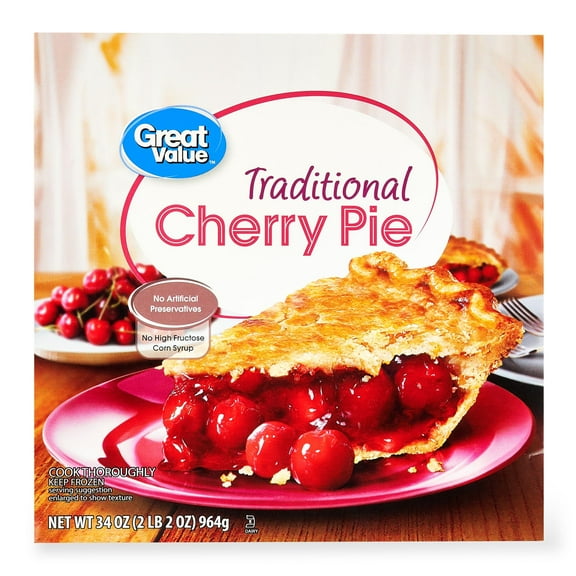
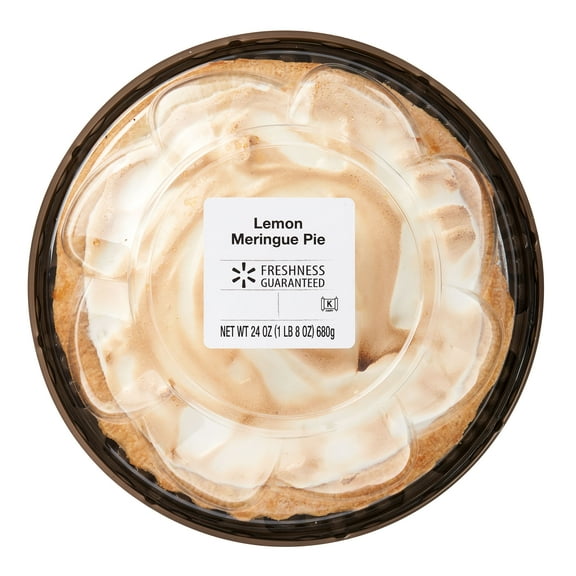
Preparation state matters just as much because your timing changes what works at home. You can pick fresh baked options for immediate serving, or choose frozen pies when you want more flexibility before guests arrive.
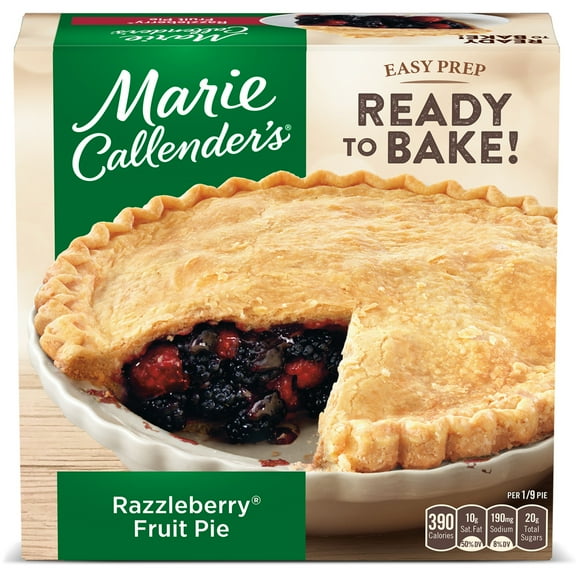
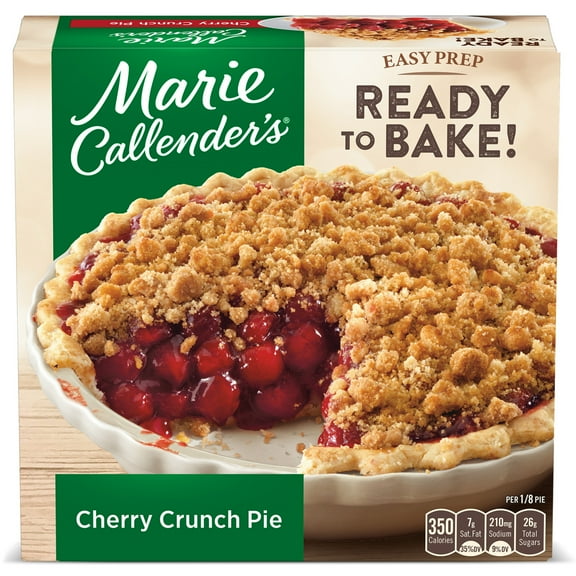
You'll also notice bake-and-serve and thaw-and-serve options across this category. You can use bake-and-serve pies when you want a warm crust, or choose thaw-and-serve selections for faster dessert prep.
- You can match fruit pies to cookouts, brunch spreads, and casual family dinners.
- You can serve cream pies chilled when you want a smooth filling and a cool finish.
- You can choose nut or custard pies when your table calls for rich holiday flavors.
- You can keep frozen pies on hand when your dessert plans need more timing flexibility.
How to compare frozen pies and bakery pies
You can compare frozen pies and bakery pies by freshness needs, storage space, and serving time. You may want bakery pies when dessert happens soon, while frozen options give your calendar more room.
Look for storage details before you decide because your refrigerator and freezer space both matter. You can refrigerate many fresh selections for short-term use, while frozen choices work well for later meals and planned gatherings.
Preparation details can make your decision easier when you want the right crust texture. You should check bake temperature, thaw time, and whether directions mention conventional or convection ovens.
When directions list a conventional oven, you can expect standard timing for most home baking setups. If you use convection, you should compare package guidance first so your crust and filling finish as expected.
You can also use freshness cues as a practical filter when you shop for a specific event. Check whether your pie is ready to slice, needs thawing, or needs oven time before serving.
Picking flavors and sizes for your table
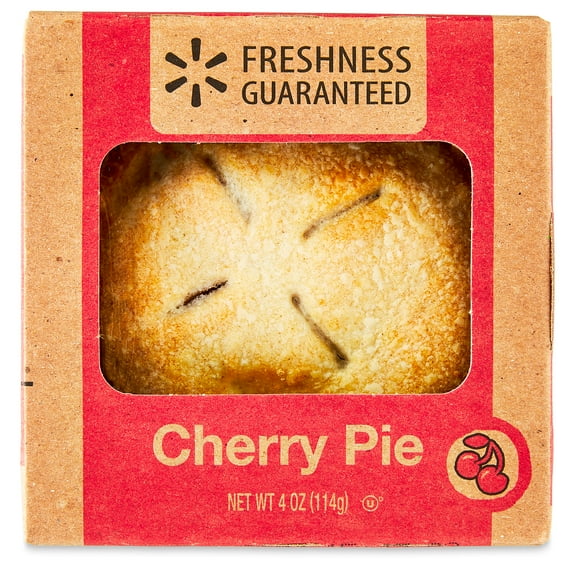
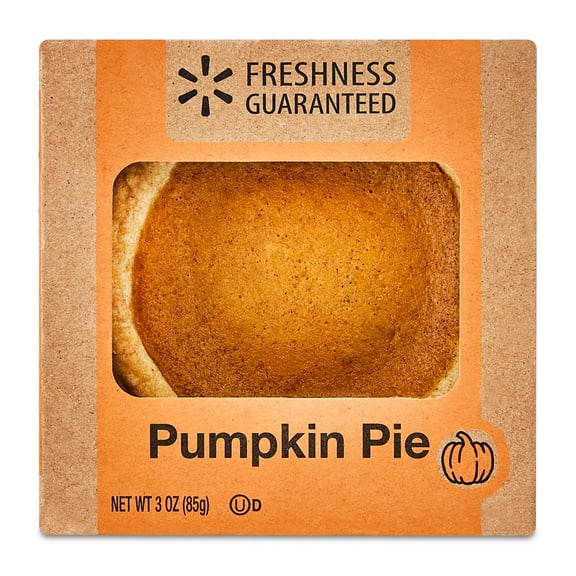
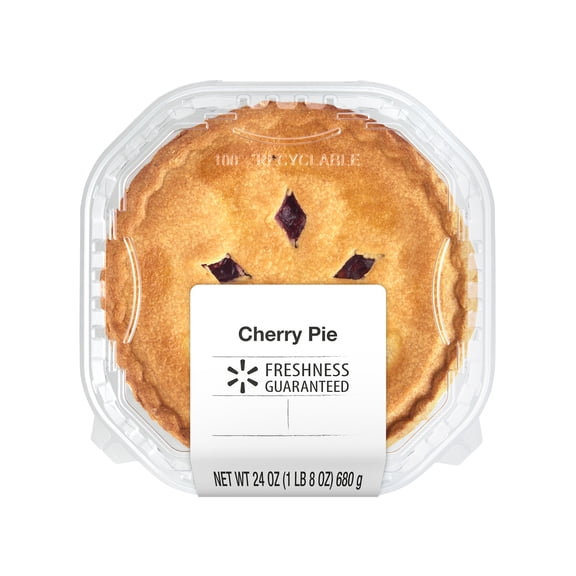
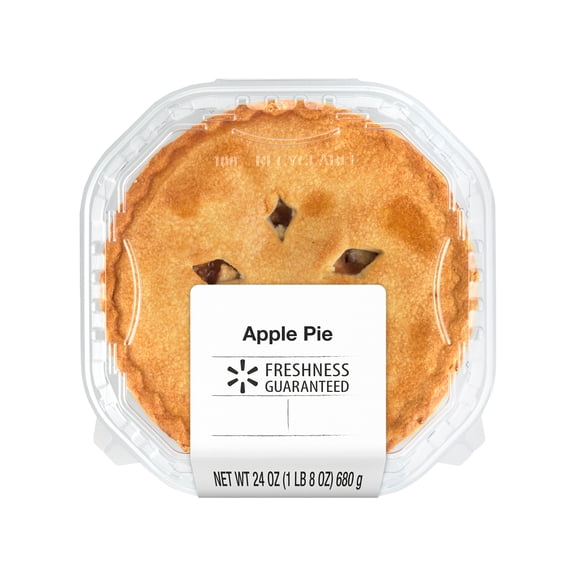
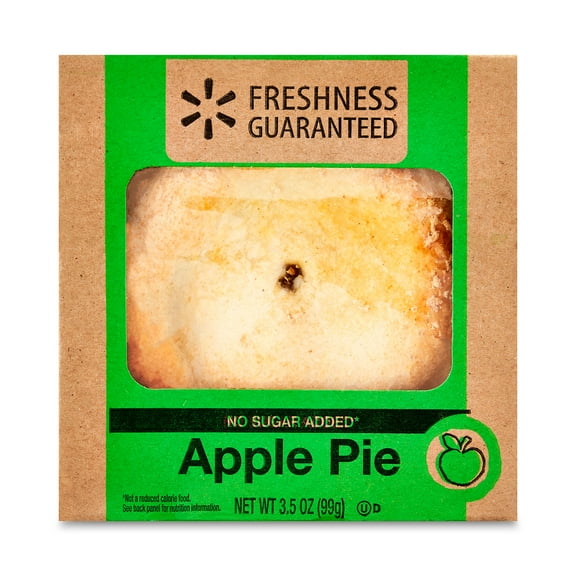
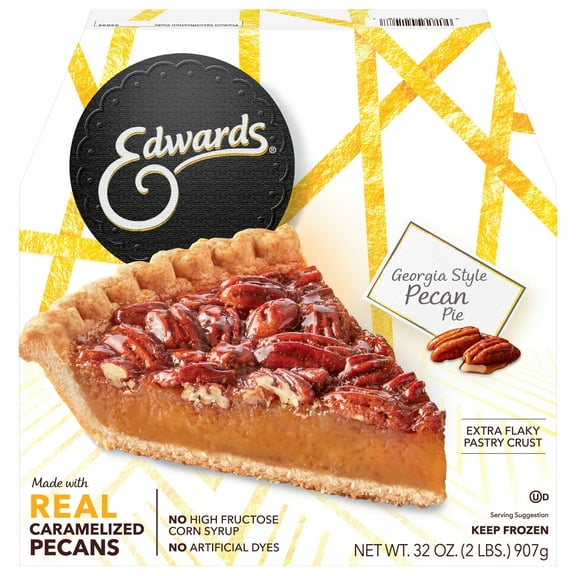
You can narrow your choices faster by matching flavor profile to the meal or season. Apple pie and cherry options fit everyday gatherings, while pumpkin pie, pecan pie, and sweet potato pie fit many fall menus.
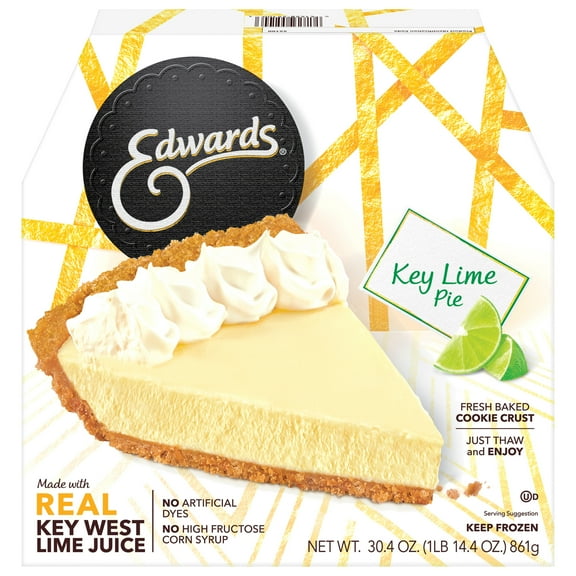
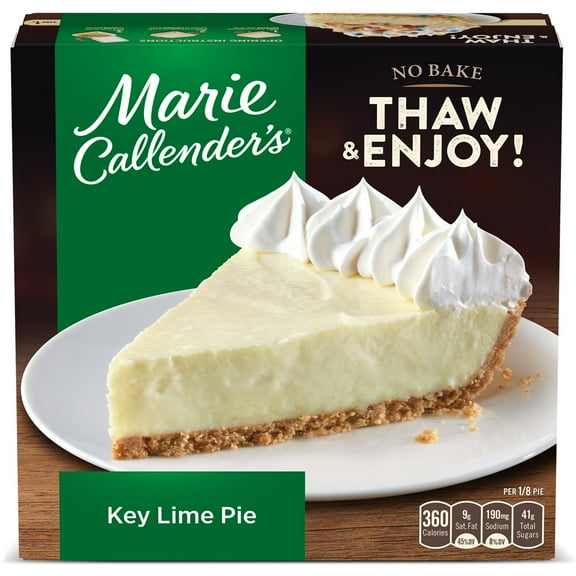
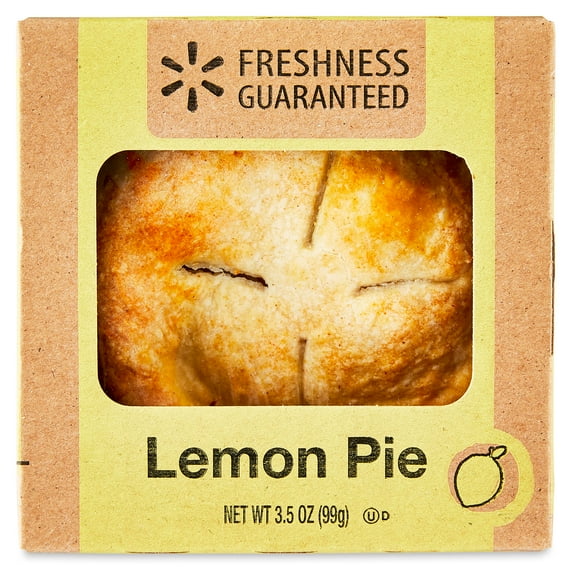
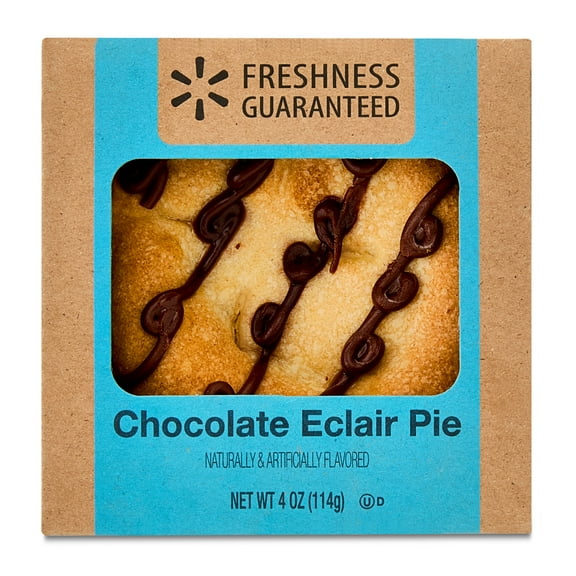
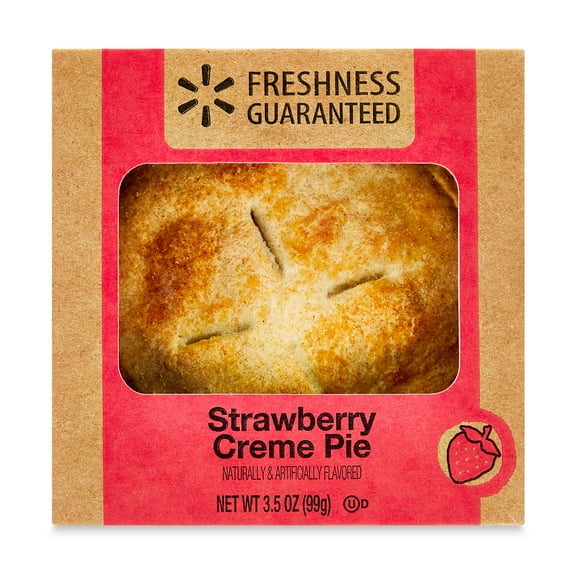
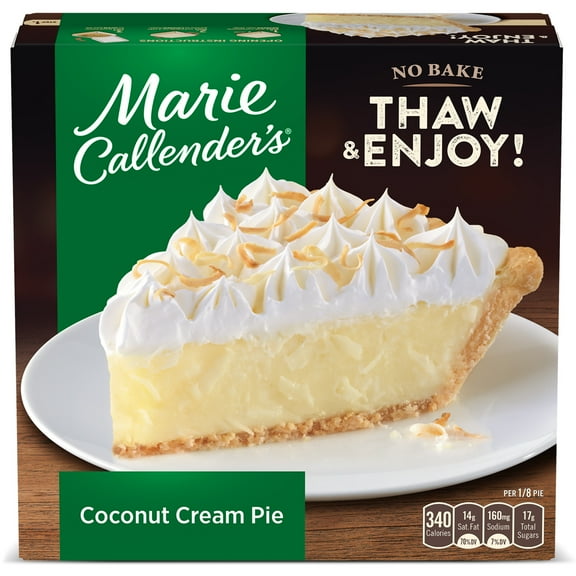
Key lime and other chilled flavors can work well when you want a lighter finish after a heavier meal. You may also choose cream pies when you want a smooth topping and a cooler dessert presentation.
Size is another key decision because serving count affects how much dessert you need. You can use a whole 9-inch pie for about six to eight slices, depending on how generously you cut.
Mini pies help you portion dessert more neatly for lunchboxes, parties, or mixed dessert trays. You can also choose slices when you want variety without committing to a whole pie.
Deep dish styles can appeal when you want a taller filling and a heartier look on the table. You should compare serving size details so your dessert plan lines up with your guest count.
What to look for in ingredients and dietary needs
You can review ingredient details closely when your household follows specific eating preferences. Look for labels that clearly state gluten-free certification or note sugar substitutes when those details matter to you.
Those terms work well as filters because they help you narrow choices without scanning every package. You should still check the full label so your selection fits your table and your pantry planning.
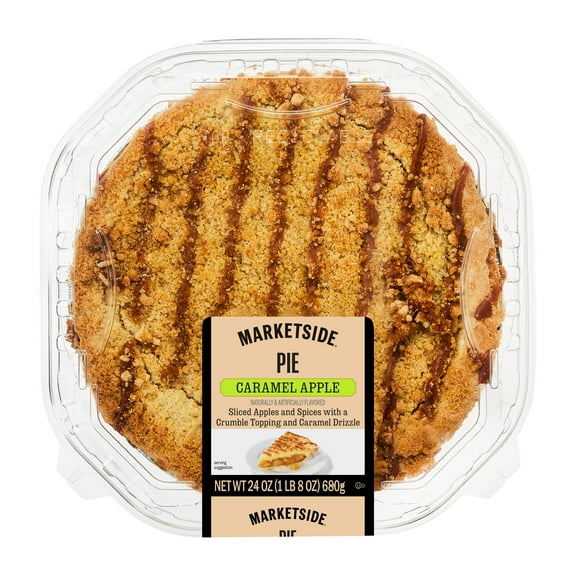
Crust style can also shape your choice because flaky, crumb, and graham options serve different flavors well. You may prefer a classic pastry crust for apple pie, or a crumb base for certain cream pies.
Filling texture gives you another useful clue when you compare options side by side. You can choose chunky fruit fillings for a more rustic slice, or smoother custard fillings for a cleaner cut.
Using pies for holidays, parties, and everyday dessert
You can use this category for more than major celebrations because pies fit both planned events and simple weeknight meals. A whole pie can finish a family dinner, while mini pies can round out school or office gatherings.
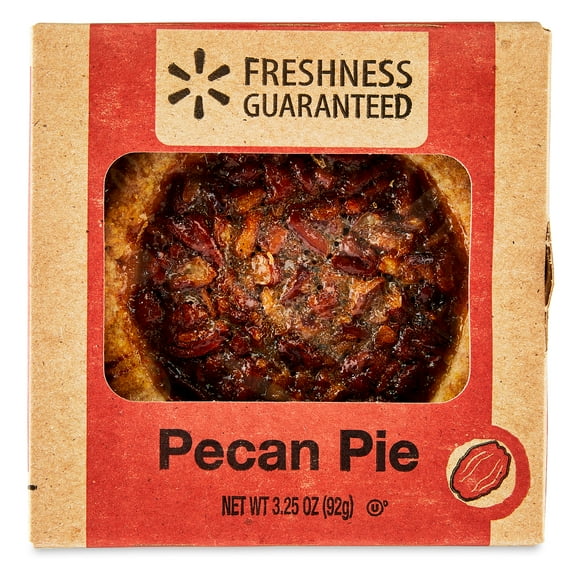
Holiday menus often call for classic flavors that guests recognize right away. You can build a thanksgiving pies spread with pumpkin, pecan, and sweet potato choices, then add apple pie for a familiar crowd favorite.
For parties, you can mix preparation styles to make serving easier across different schedules. Use a bakery pie for same-day dessert, and keep frozen pies ready when your guest list grows.
You can also pair pie with familiar extras that complete the plate without extra planning. Try adding vanilla ice cream or whipped topping when you want a fuller dessert course for birthdays or holiday meals.
When you want less waste after smaller gatherings, slices or mini pies can simplify portions. You can enjoy classic flavors without storing as much leftover dessert in your refrigerator or freezer.
Pies give you a practical dessert option when you need familiar flavors, flexible prep, and sizes that match your plans. With clear choices across type, flavor, and preparation, you can serve the right slice with less guesswork.