




Pink Paint in Paint Colors

































About Pink Paint in Paint Colors - Walmart.com
Pink paint helps you create a soft nursery, a bold accent wall, or a fresh furniture update. You can compare shades and finishes that fit your project before you paint.
You may want a color that stays warm in morning light and balanced at night. You can use this guide to compare hue, finish, coverage, and surface fit for your space.
Choosing the right shade of pink paint
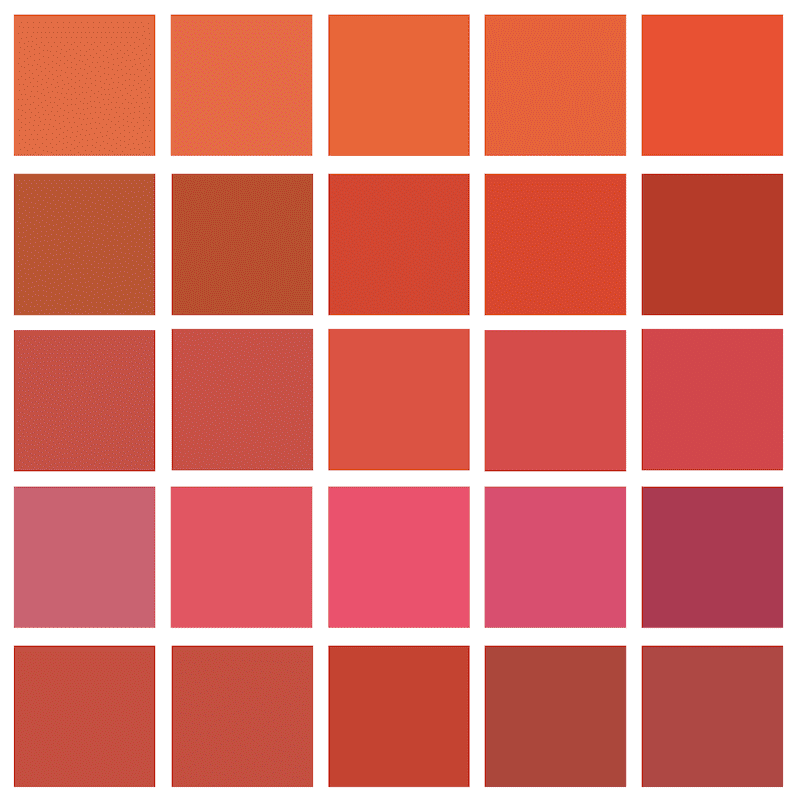
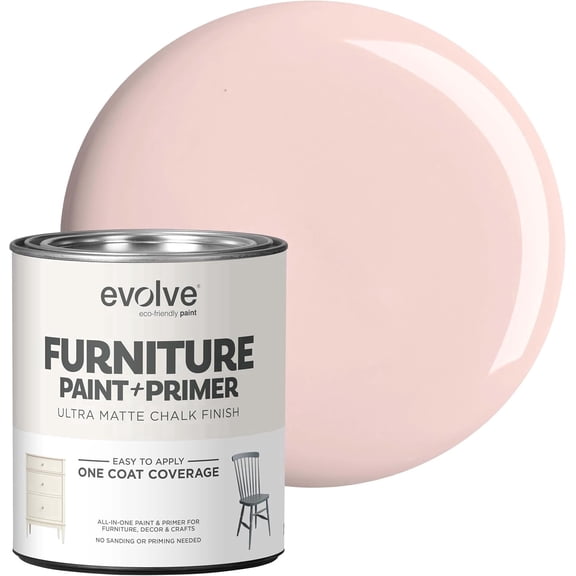
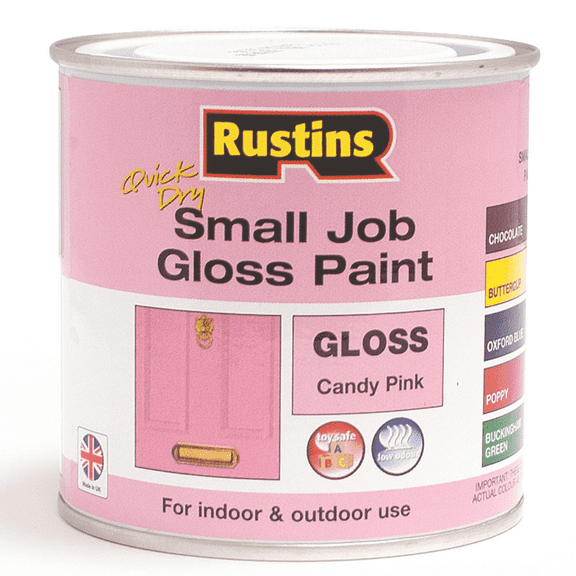
You should start with shade and hue because lighting changes how pink appears through the day. You may notice baby pink looks airy, while bright pink feels sharper and more playful.
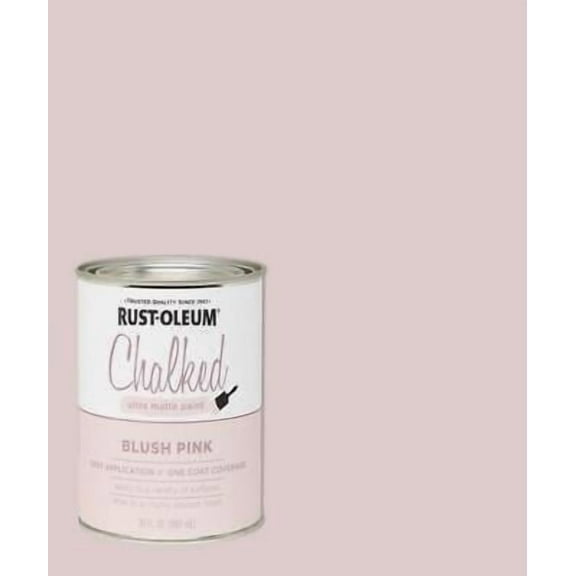
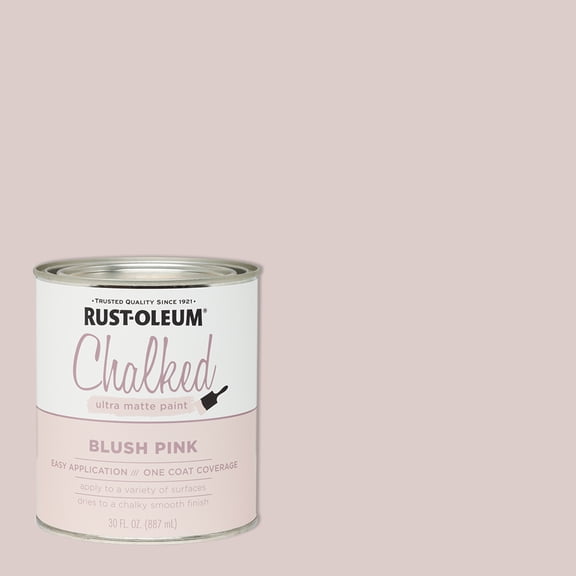
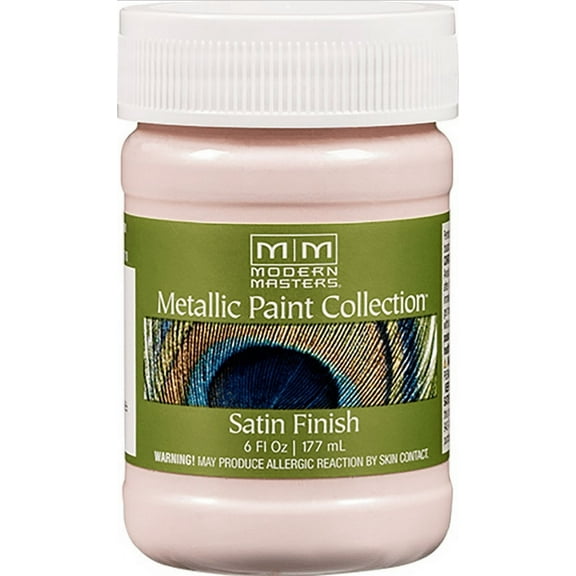
You can compare pastel pink and blush when you want a softer look on interior walls. You may prefer dusty rose when your room has warm flooring, wood trim, or brass fixtures.
You should also check light reflectance value, called LRV, before you decide. You can think of LRV as how much light your color reflects into the room.
You may find a higher LRV helps your small pink paint project feel lighter and more open. You may choose a lower LRV when you want stronger depth on an accent wall.
- You can use baby pink paint for walls when you want a gentle, airy look.
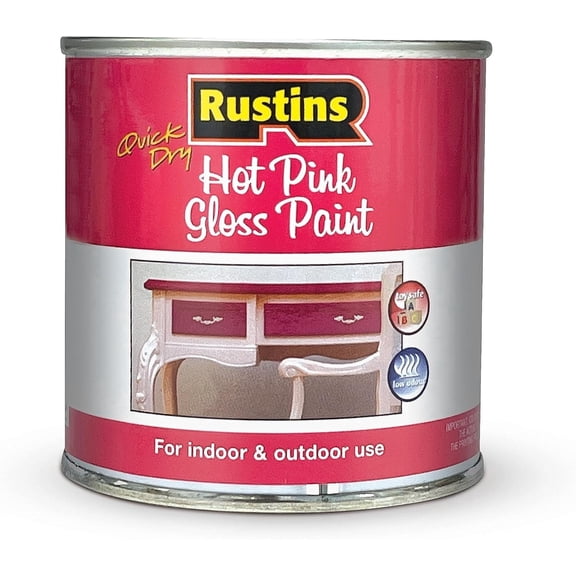
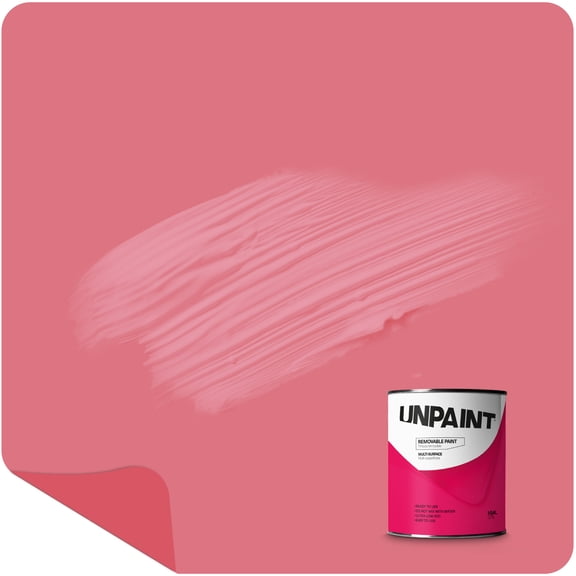
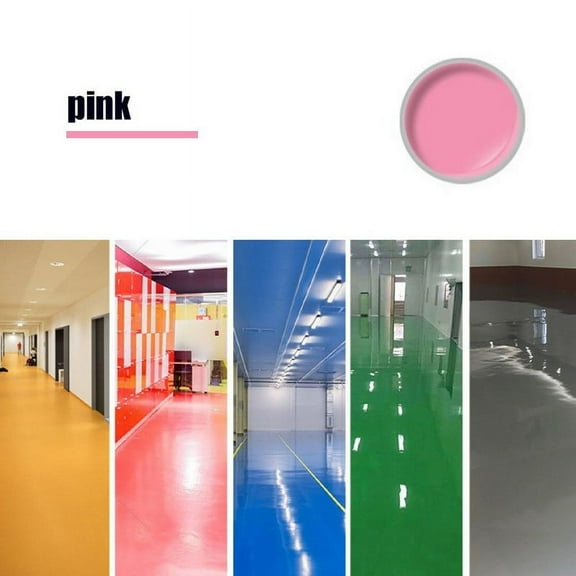
- You can choose bright pink paint for walls when you want a vivid accent.
- You can pick blush or dusty rose when you want pink that feels grounded.
- You can test swatches in daylight and lamp light before you commit.
How to choose by application area
You should match your paint to the place you plan to use it. You may need pink indoor paint for bedrooms and living spaces, while pink house paint suits exterior projects.
You can choose ceiling formulas when you want a flatter look overhead with less glare. You may want furniture paint options when your project includes dressers, shelves, or cabinets.
You should compare drywall, wood, metal, and masonry compatibility before you decide. You can avoid extra prep when your formula clearly matches the surface you plan to coat.
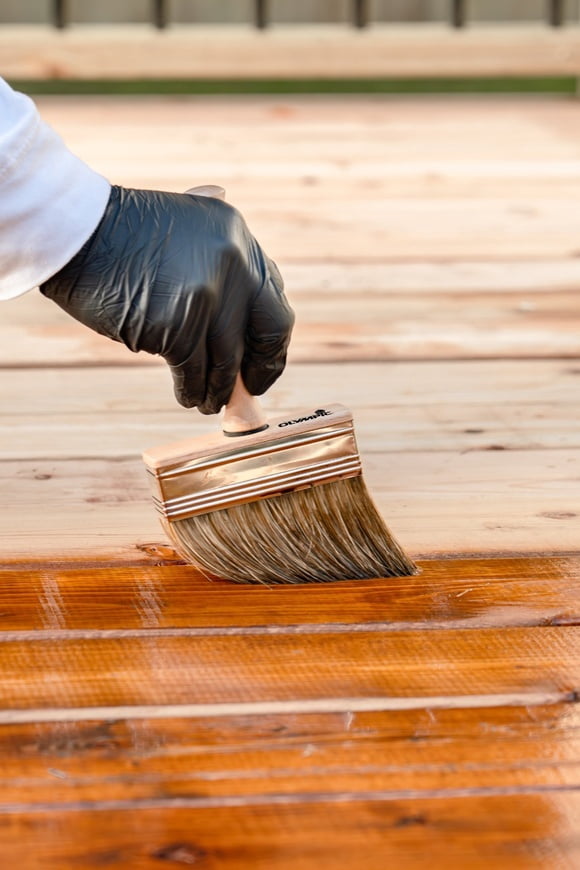
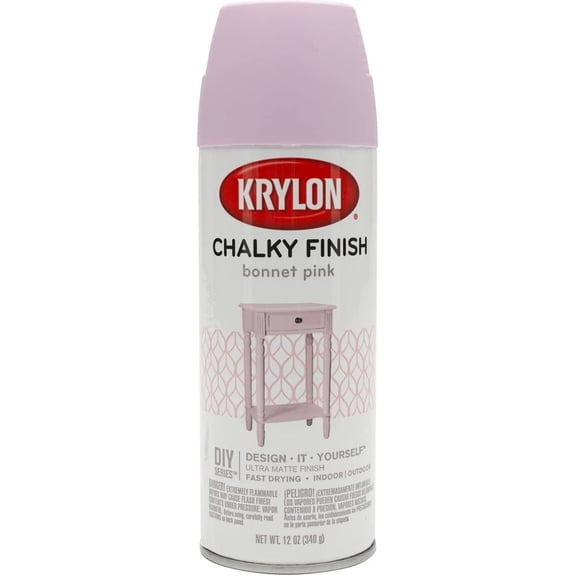
You may want baby pink wood paint for a bookshelf, side table, or toy chest. You can also use pink paint on primed trim when you want a coordinated room finish.
Choosing finish type for your pink paint project
You should treat finish as a daily-living decision, not only a style choice. You may like matte for a soft look, but satin and semi-gloss usually wipe cleaner.
You can use matte or eggshell in lower-traffic bedrooms where you want a calm surface appearance. You may prefer satin in hallways, kids' rooms, or playrooms where marks show faster.
You should consider semi-gloss or high-gloss when you paint trim, doors, or furniture. You can get more sheen there, and you may find those surfaces easier to clean.
You may notice finish also changes how pink reads on the wall. You can make bright shades feel more reflective with gloss, while matte can soften stronger color.
What to look for in formula and low-VOC options
You should check formula details when your project is indoors or in a child's room. You may prefer low-VOC pink paint because it supports a fresher painting environment during application.
You can also compare water-based acrylic and oil-based options by cleanup and intended use. You may choose water-based acrylic when you want soap-and-water cleanup and broad wall compatibility.
You should look for labels like low VOC or GREENGUARD when those details matter to your room plan. You can use those labels to compare options with more confidence.
You may also see eco-friendly ceiling paint options within broader assortments. You should verify the label language on each can so your chosen formula matches your project goals.
How much pink paint you may need
You should estimate coverage before you choose sheen and shade. You can expect many gallon cans to cover about 250 to 400 square feet, depending on surface texture.
You may need more paint when you cover dark walls, fresh drywall, or rough masonry. You can often improve color consistency when you use primer before a lighter pink topcoat.
You should measure wall width by height and subtract large windows and doors. You can add a little extra for touch-ups, second coats, and corners that absorb more paint.
You may wonder how much is pink paint when you compare can sizes and project needs. You can narrow your choice faster when you match coverage, finish, and room type first.
Using pink paint for real rooms and projects
You can use pink paint in a nursery when you want a gentle backdrop for white or natural wood furniture. You may pair baby pink with matte or eggshell for a soft-looking finish.
You may choose bright pink paint for walls in a playroom, craft room, or accent nook. You can balance that stronger hue with satin when you want easier wipe-downs.
You can use blush or dusty rose in living rooms when you want pink that feels subtle. You may pair those shades with black fixtures, warm oak, or cream textiles.
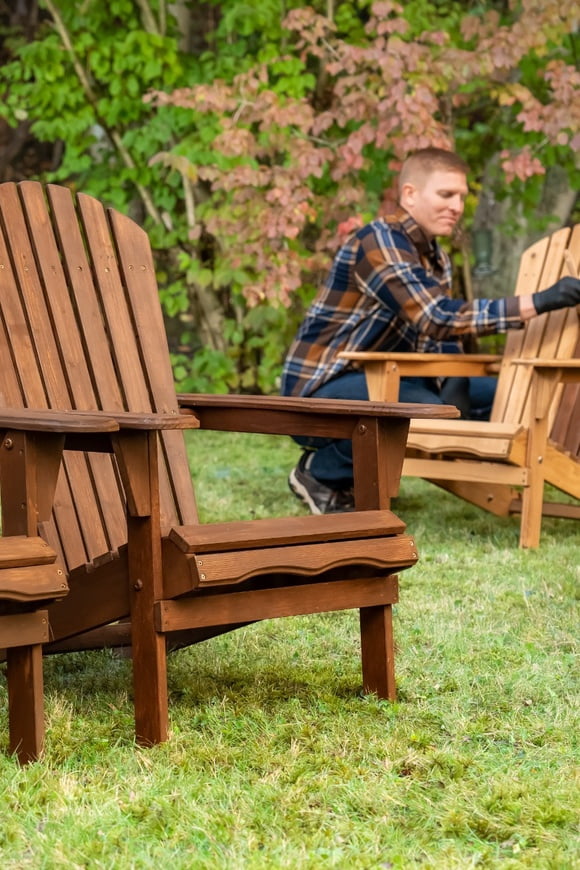
You should consider pink house paint for shutters, doors, or porch furniture when you want color with personality. You can check exterior labeling so your finish matches outdoor use.
You may also refresh shelves, side tables, and framed panels with baby pink wood paint. You can compare semi-gloss and high-gloss when you want more shine on smaller pieces.
You may search for pink paint nearby when you want pickup or fast delivery options. You can compare shade, finish, and coverage online before choosing the can that fits your project.
You can feel confident choosing the right color when you compare shade, finish, formula, surface fit, and coverage together. You end up with pink that looks right in your light and works for your room.