

Hi Vis Rope & Polypropylene Ropes | Walmart































About Hi Vis Rope & Polypropylene Ropes | Walmart - Walmart.com
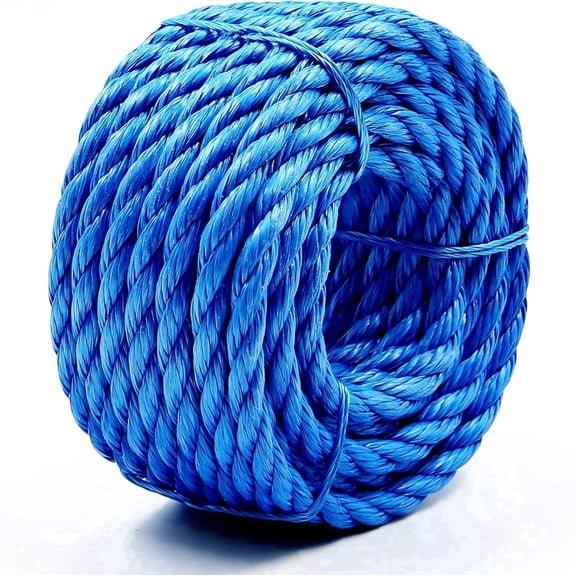
You can choose hi vis rope for clear visibility, light handling, and reliable utility use across wet jobs, outdoor setups, and everyday tie-down tasks. You’ll also find polypropylene rope options in bright colors and useful constructions that fit boating, hauling, marking, and general home projects.
When you compare this category, you’ll want guidance on braid style, material blend, color, and thickness before you commit to a rope. You can use those details to match floatability, knot control, and visibility to the work in front of you.
How to choose hi vis rope by color and visibility
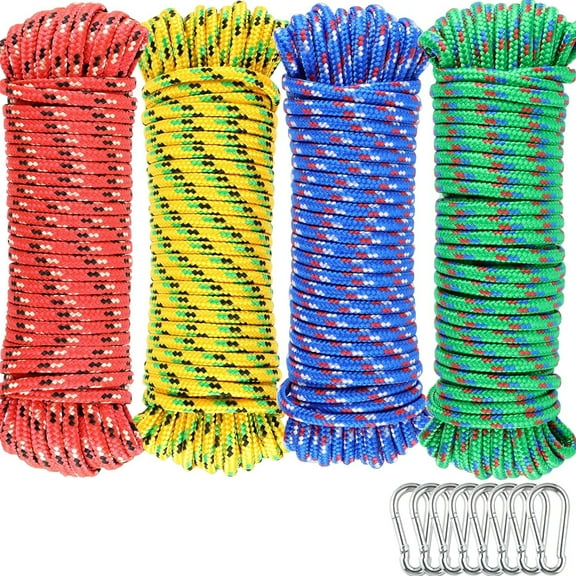
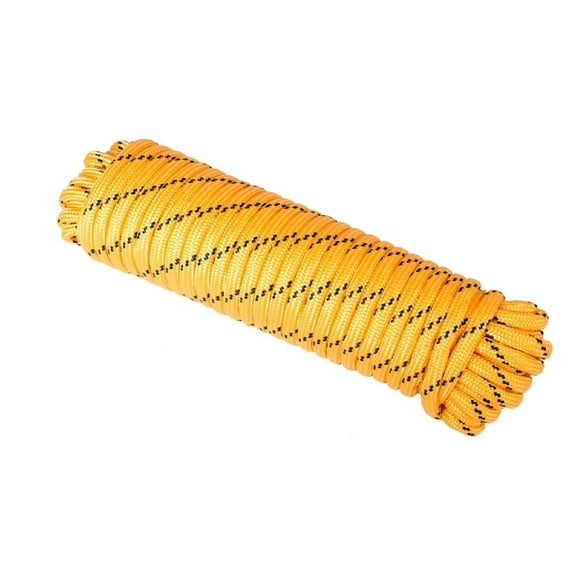
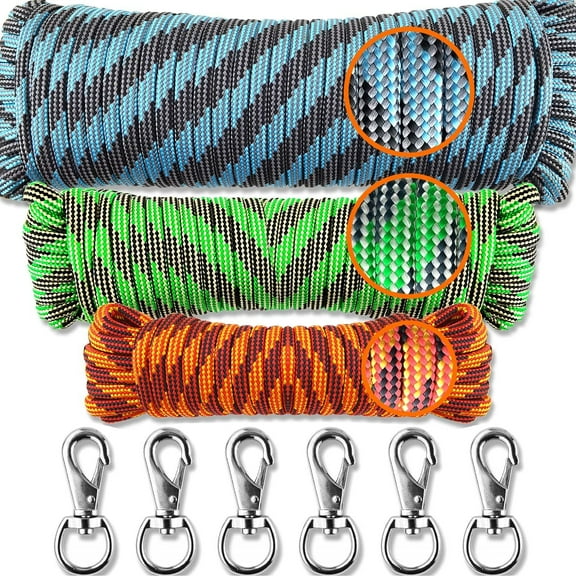
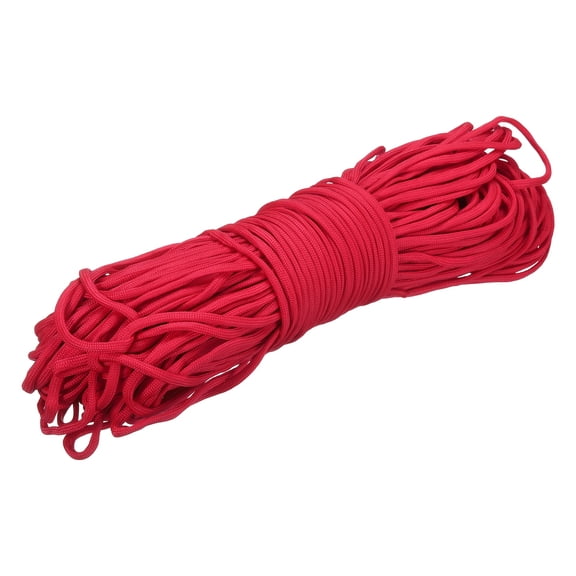
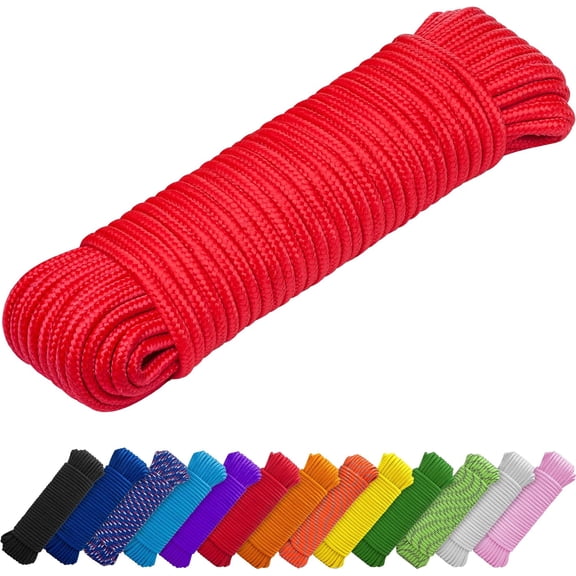
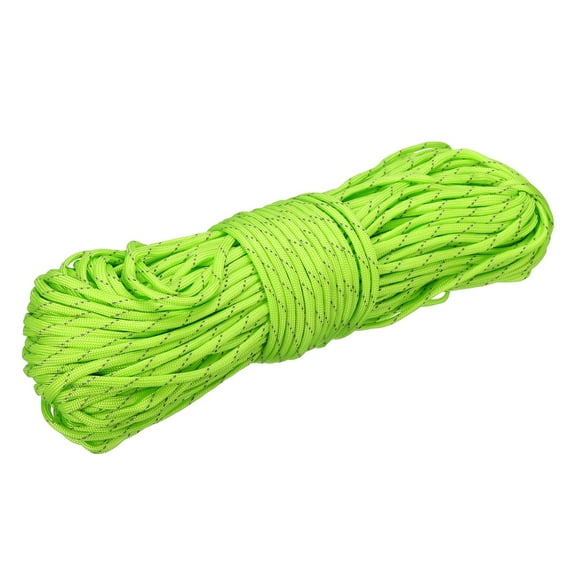
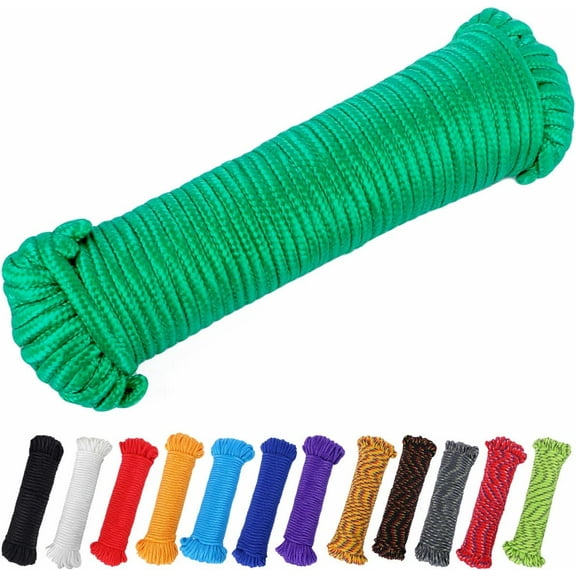
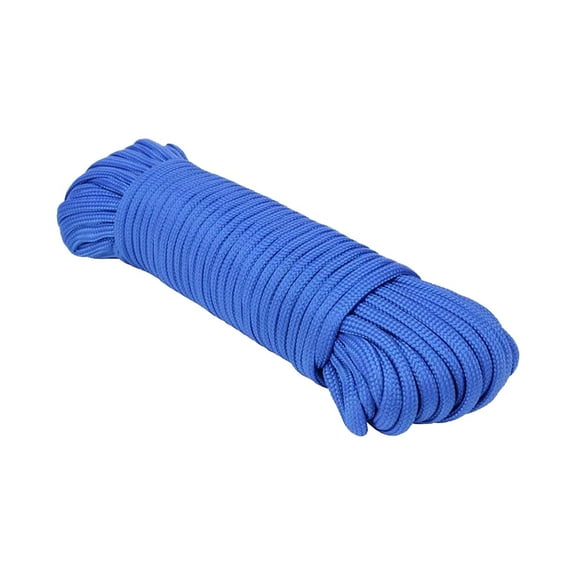
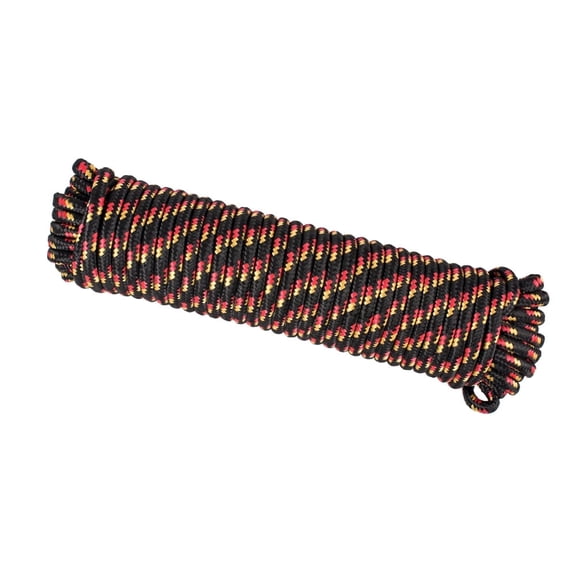
You’ll often start with color because visibility affects how easily you can track rope placement in busy work areas. You can choose hi-vis yellow, red, green, or yellow and black rope when you need fast visual identification.
If you’re working around equipment, trailers, docks, or boundary markers, your rope color can help you spot lines quickly. You may also prefer yellow rope or red rope when you want separate tasks clearly assigned.
You can use bright rope for crowd guidance, gear staging, or temporary lane marking where neutral colors blend into the background. You’ll notice high-visibility shades stand out against grass, gravel, concrete, and water.
Choosing rope construction for control and handling
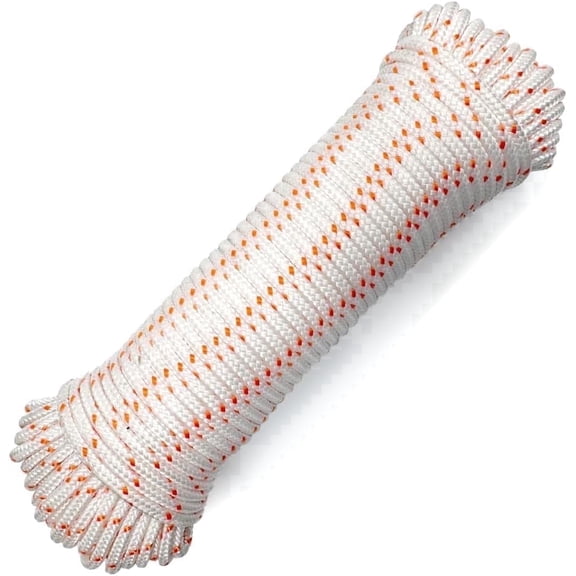
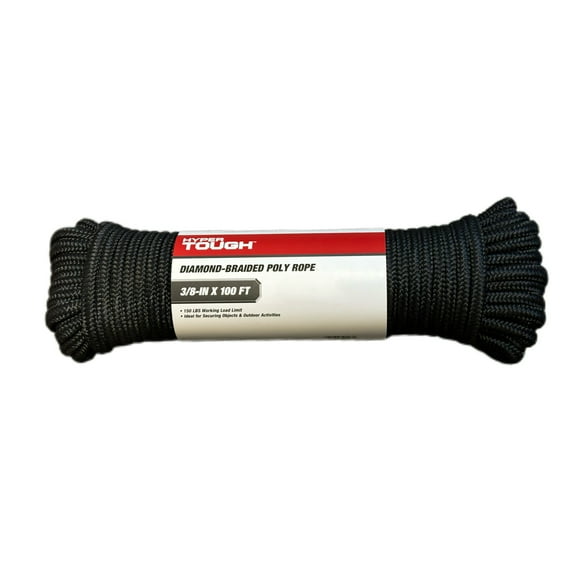
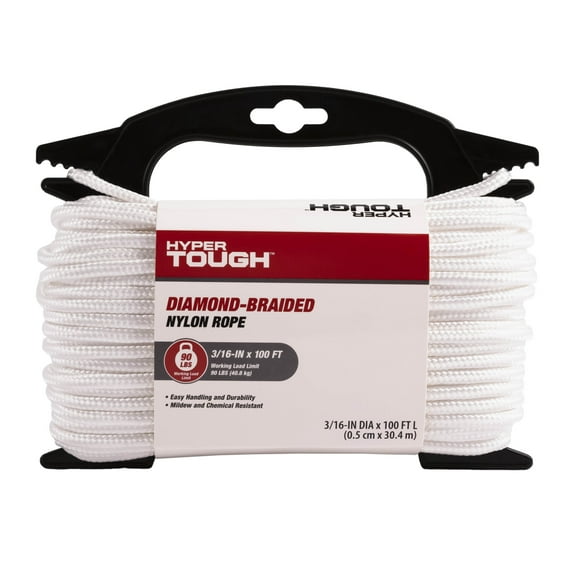
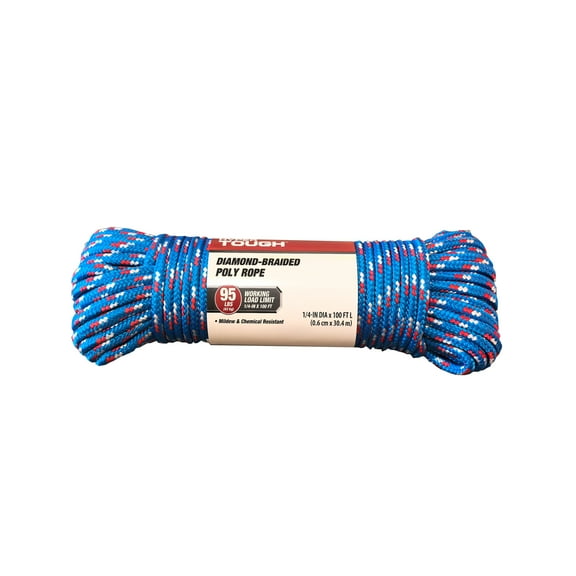
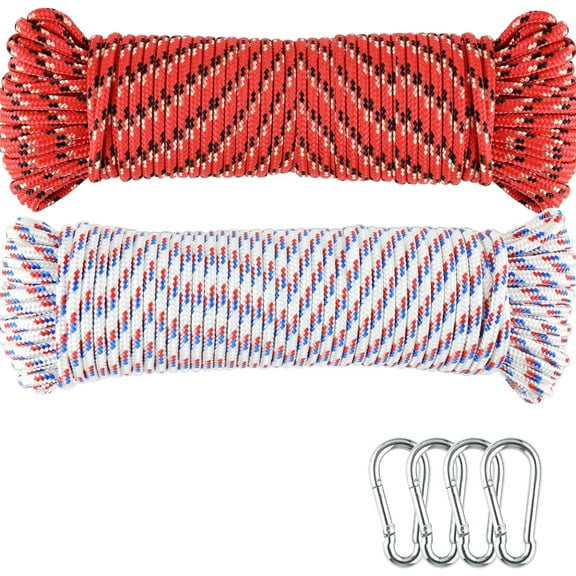
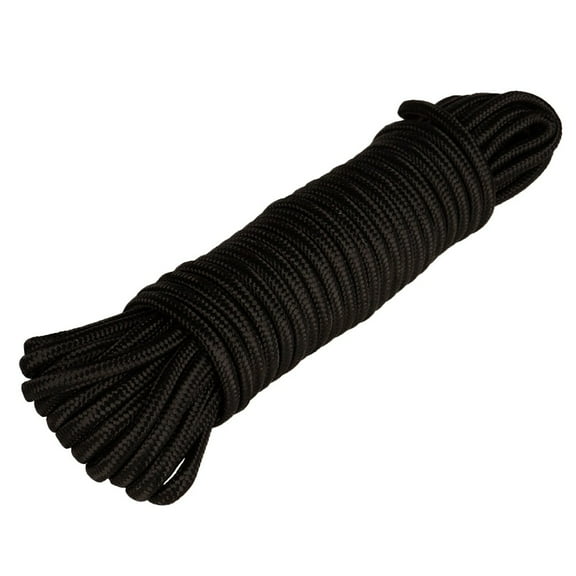
You should compare hollow braid, solid braid, and twisted rope because each construction changes how your rope feels in hand. You can pick hollow braid polypropylene rope when you want easier splicing and flexible handling.
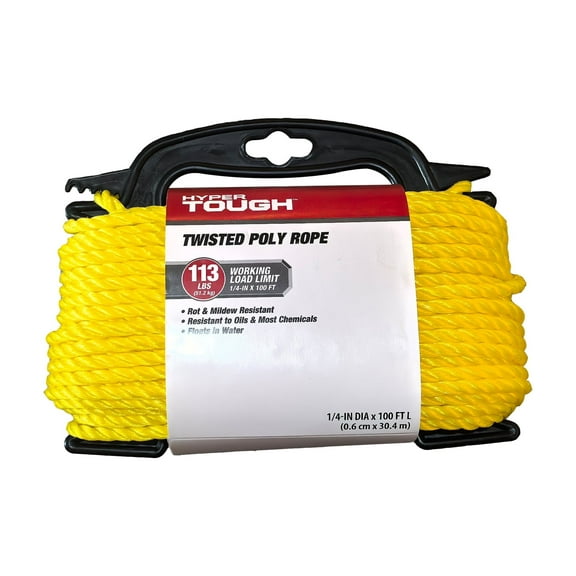
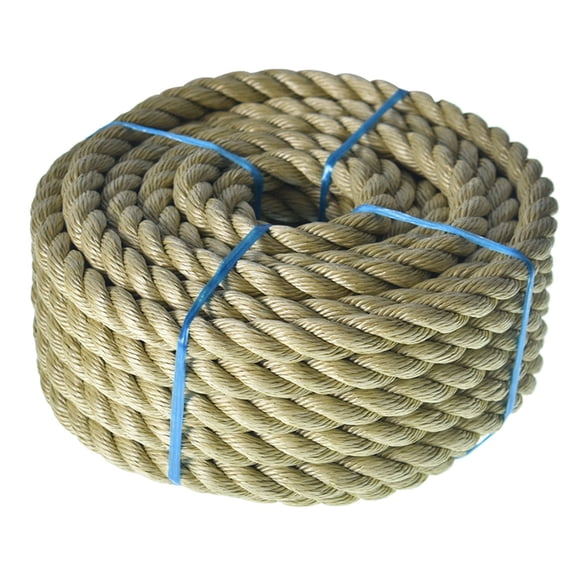
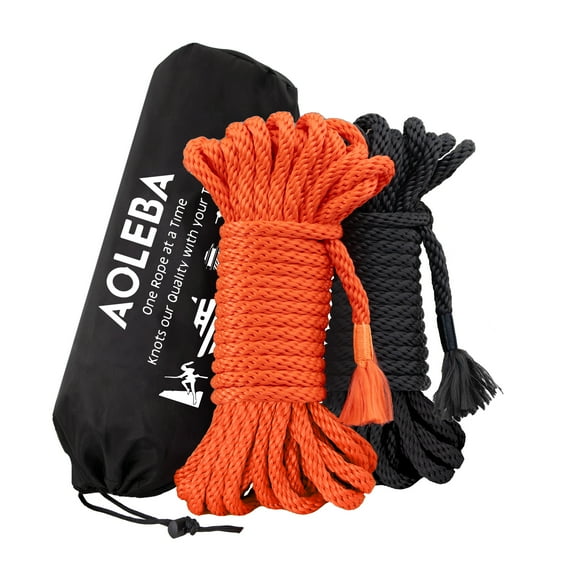
If you tie frequent knots, you may prefer a construction that feels predictable during setup and takedown. You’ll often find twisted rope useful for general utility work, while braided styles feel smoother through your hands.
When you need a cleaner line for marine or dock tasks, you can look at hollow braid options first. You may also compare braid styles if your project involves pulleys, cleats, or repeated coiling.
- You can choose hollow braid when you want easier splicing and compact storage.
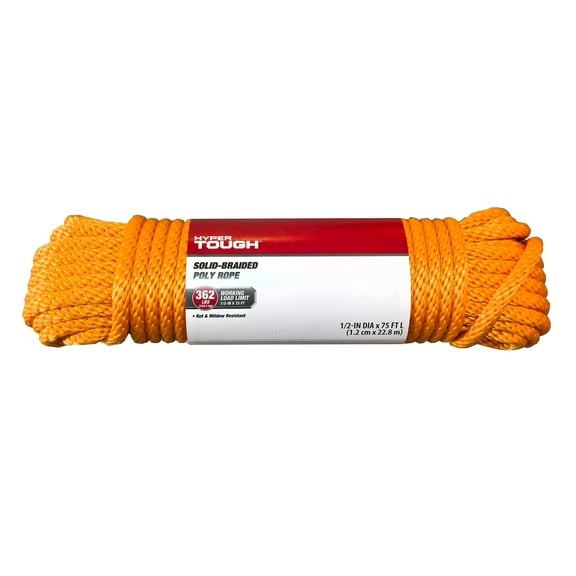
- You can choose solid braid when you want a firmer feel during repeated handling.
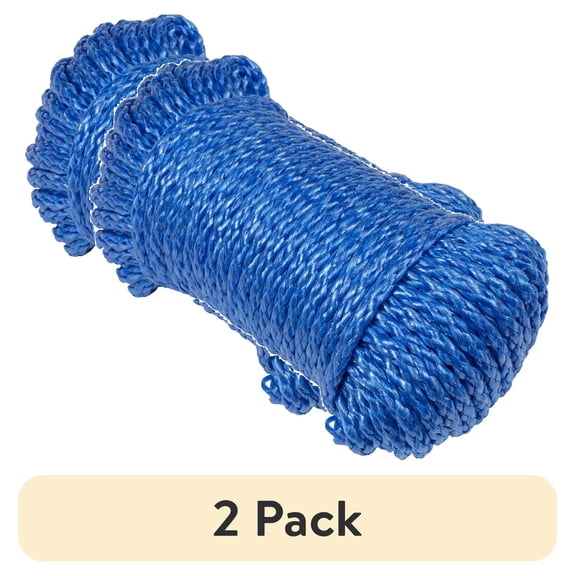
- You can choose twisted rope when you want a familiar utility style for basic tie-down tasks.
- You can choose bright colors when your work area needs quick visual tracking.
What to look for in polypropylene rope and promanila rope
You should compare material blends carefully because they shape how your rope performs around water, weather, and rough surfaces. You can select polypropylene rope when floatability and low water absorption matter for your task.
If you’re working around boats, docks, or shoreline gear, you’ll appreciate that polypropylene floats instead of sinking below the surface. You’ll also notice it resists water pickup, which helps the rope stay lighter during wet use.
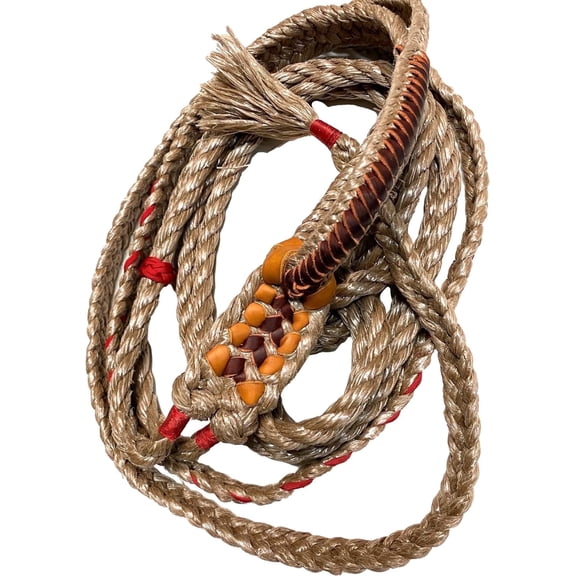
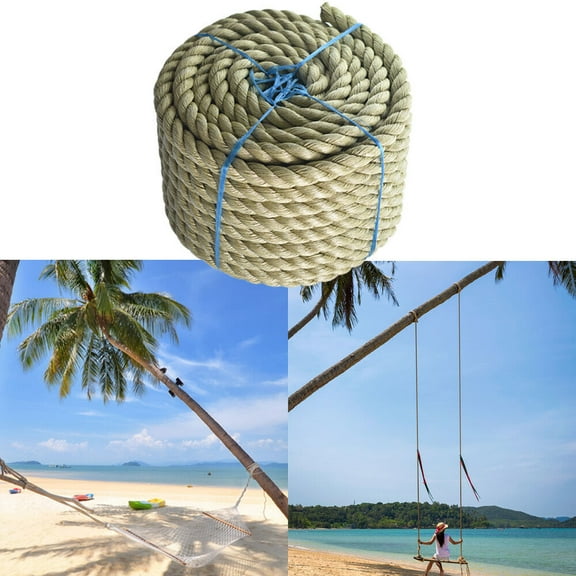
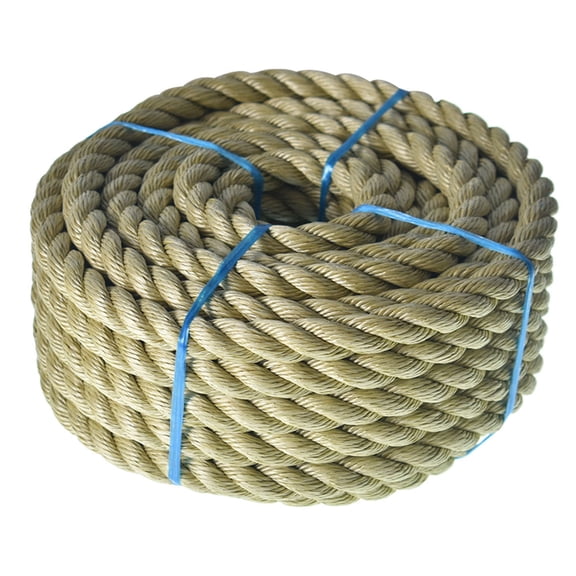
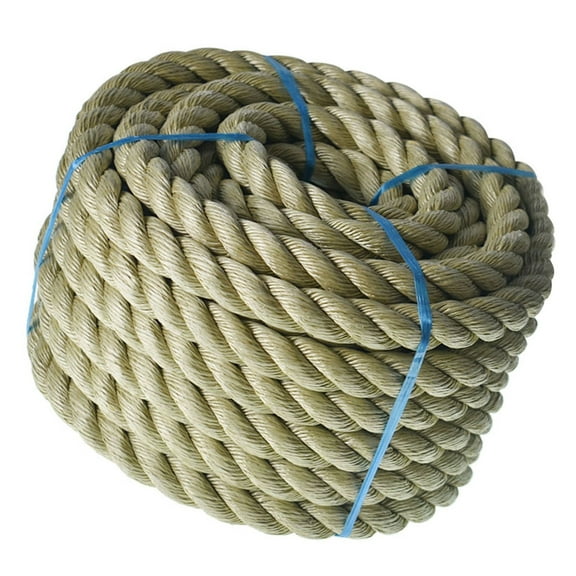
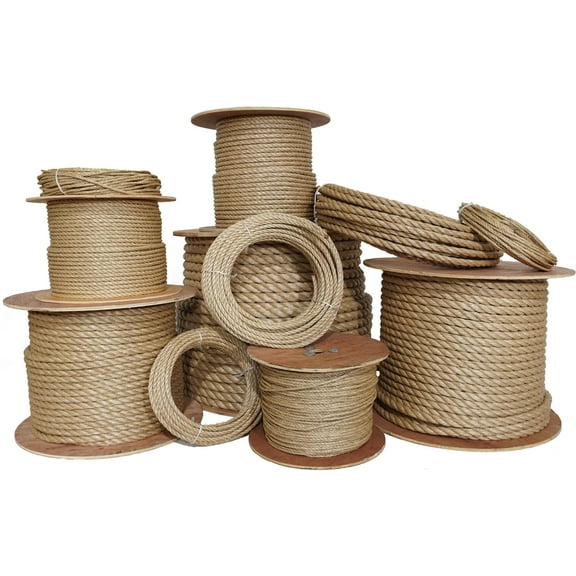
You may prefer promanila rope when you want the classic manila look with polypropylene utility characteristics. You can also compare manila rope 1/2 inch options when appearance and grip matter for display, landscaping, or decorative utility use.
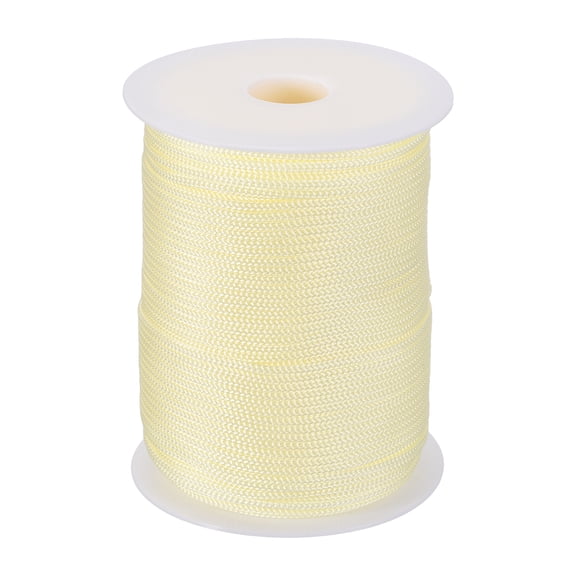
When you review pp cord or p rope listings, you should check the material callout before choosing by color alone. You’ll get a clearer match when you compare how each blend handles moisture, texture, and intended use.
Choosing diameter and length for your task
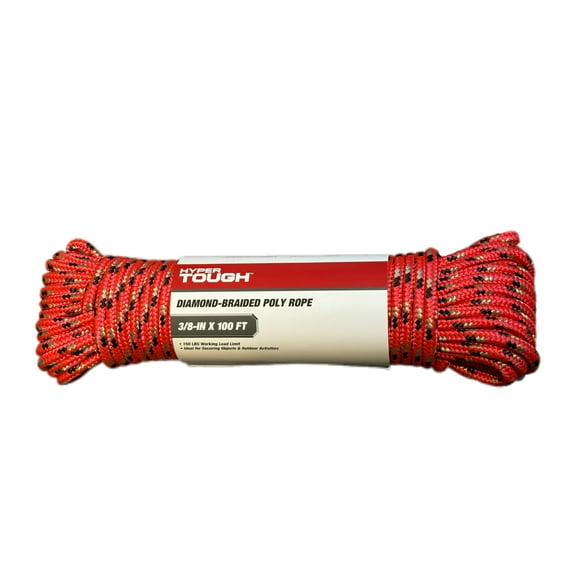
You should measure your job before choosing thickness because rope diameter changes grip, flexibility, and how much bulk you’ll manage. You can compare polypropylene rope 6mm, 3/8 inch, and 1/2 inch options for different handling needs.
If you need lighter utility cord for bundling, camping, or light securing, you may prefer slimmer diameters. You’ll usually want thicker rope when you need a fuller hand feel for pulling, marking, or repeated tying.
When your task involves cleats, hooks, or storage bins, you should check whether the rope size fits your hardware. You can avoid frustrating returns when you measure openings, tie points, and planned rope length first.
Using polypropylene rope for marine, utility, and outdoor jobs
You can use polypropylene rope for boating, dock lines, pool-area tasks, and shoreline setups where floating rope helps with retrieval. You’ll find that bright colors also help you track lines around water and equipment.
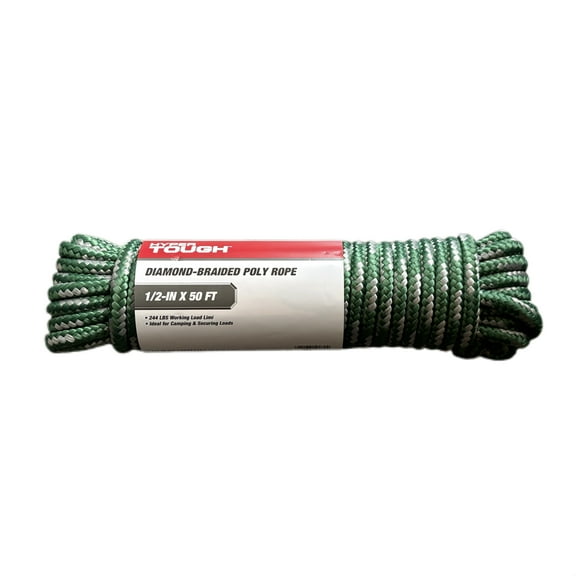
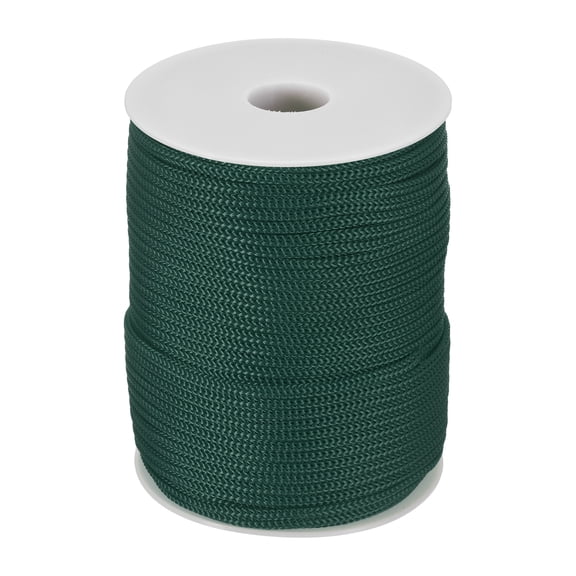
If you’re setting up work zones, hauling tarps, or organizing trailer loads, you can use visible rope to separate gear fast. You may also choose yellow braided rope or green braided rope for quick visual sorting.
For household and property projects, you can use these ropes for tree staking, temporary boundaries, camping setups, and storage bundling. You’ll appreciate construction choices that match whether you need smoother handling or a more traditional twisted feel.
When you’re comparing polypropylene rope near me style searches, you’re usually looking for fast availability and the right spec combination. You can narrow your choice faster by checking color, braid type, material blend, and diameter together.
You can shop this category with more confidence when you know how visibility, floatability, braid style, and size affect everyday performance. You’ll make a cleaner match for marine use, utility work, and outdoor setups with the right rope details upfront.