

Stain and Polyurethane Finishes
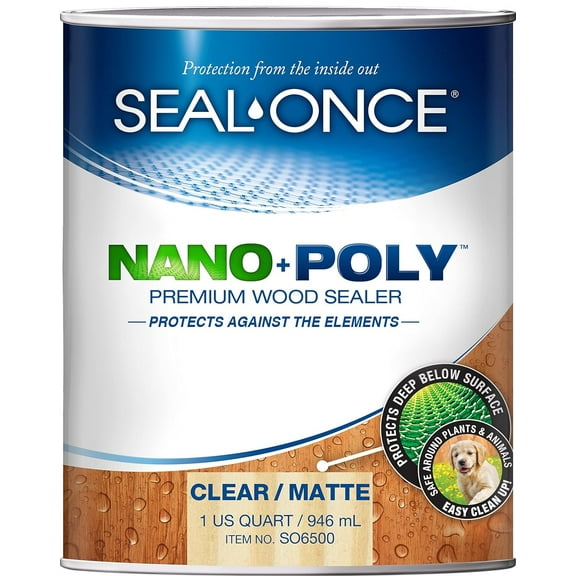

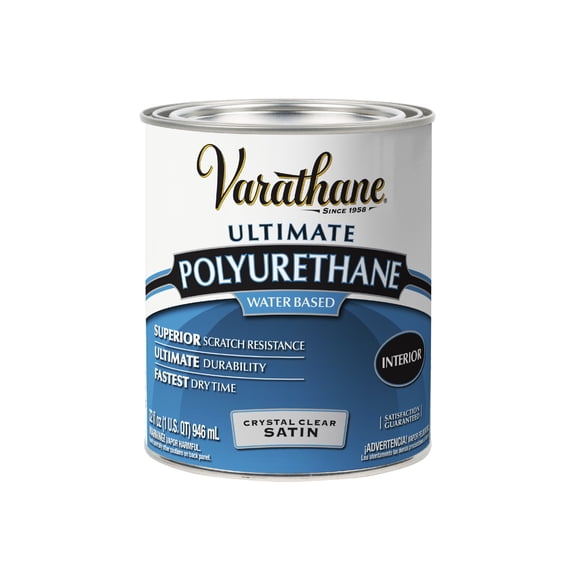

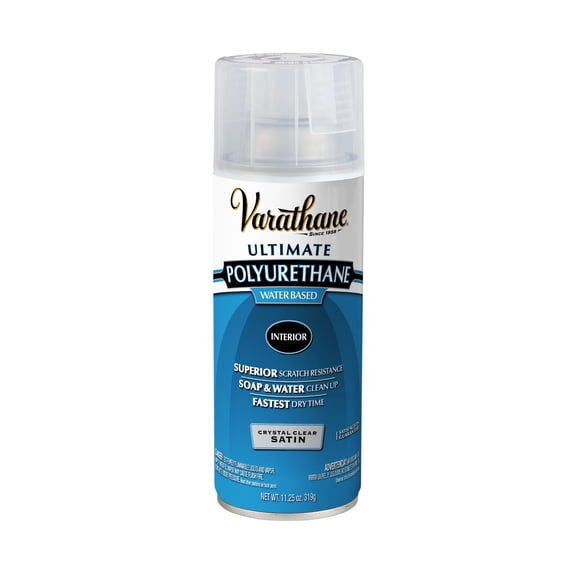
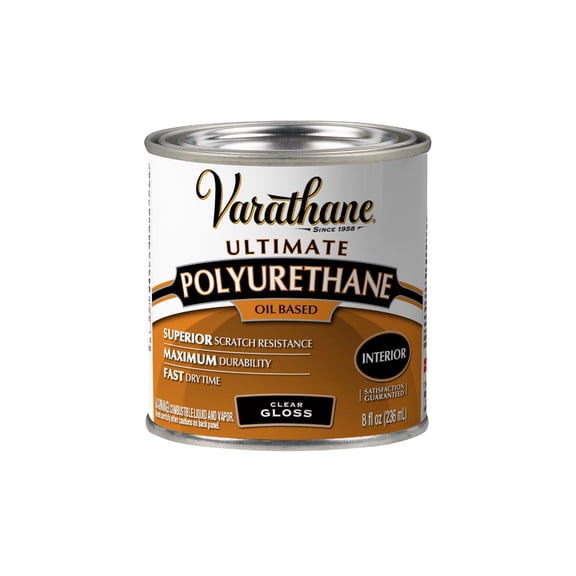
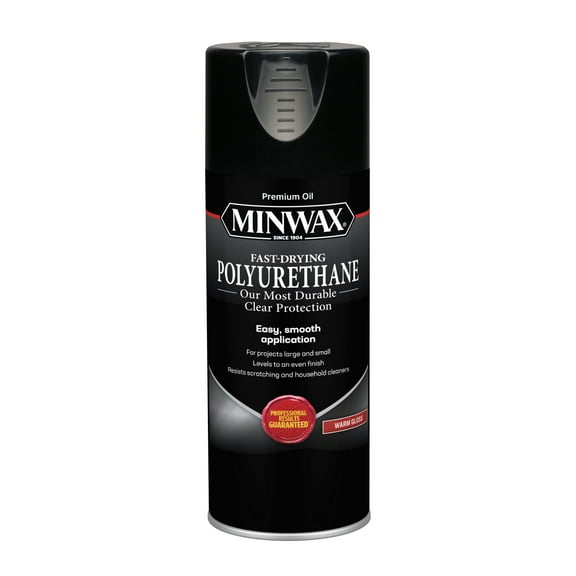
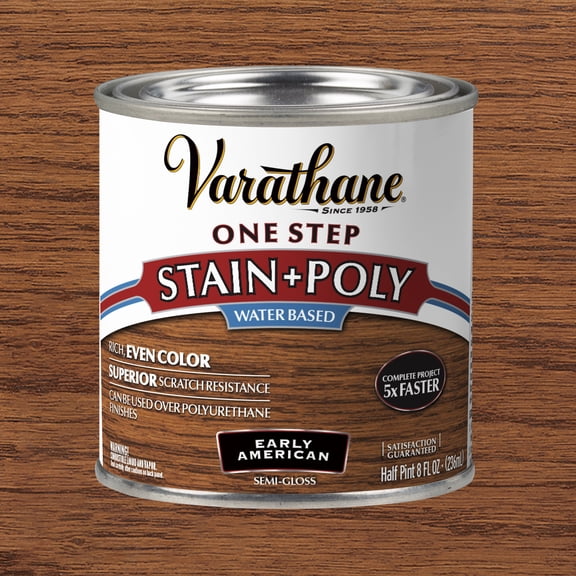
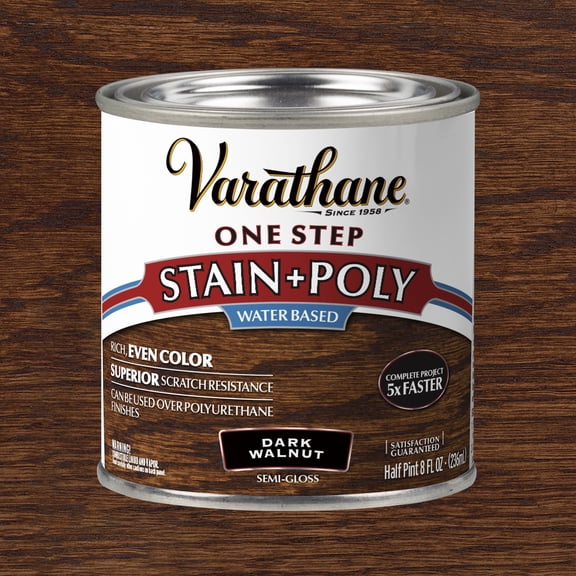
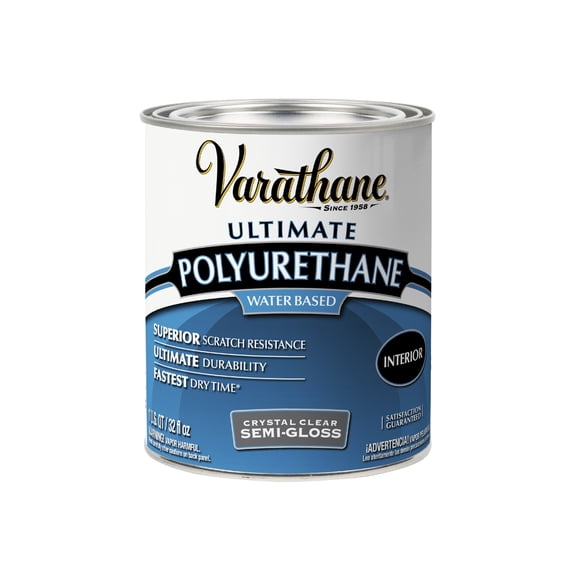





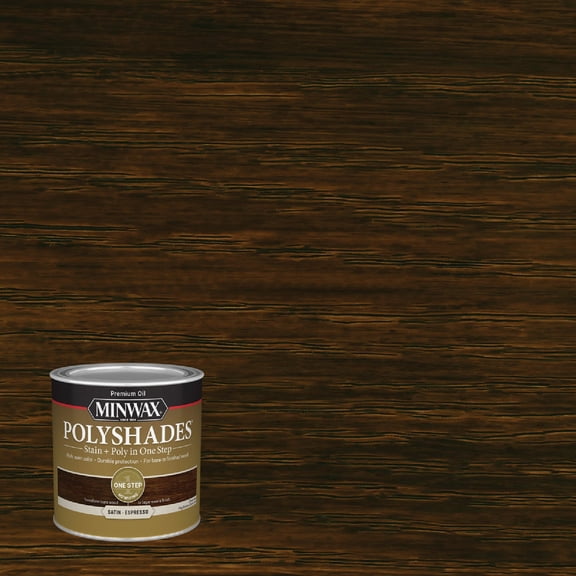

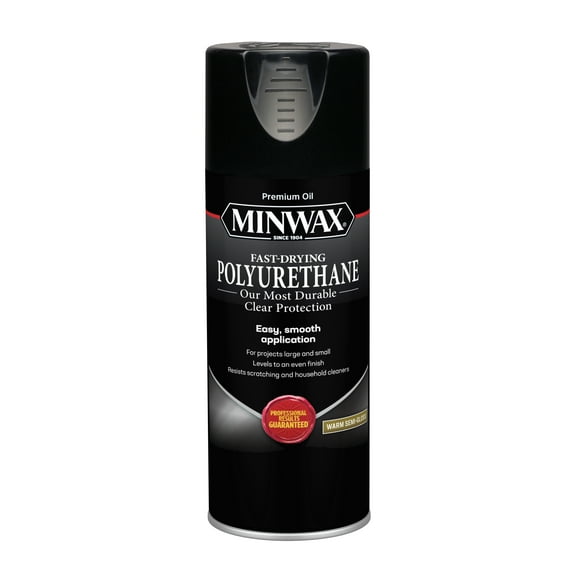

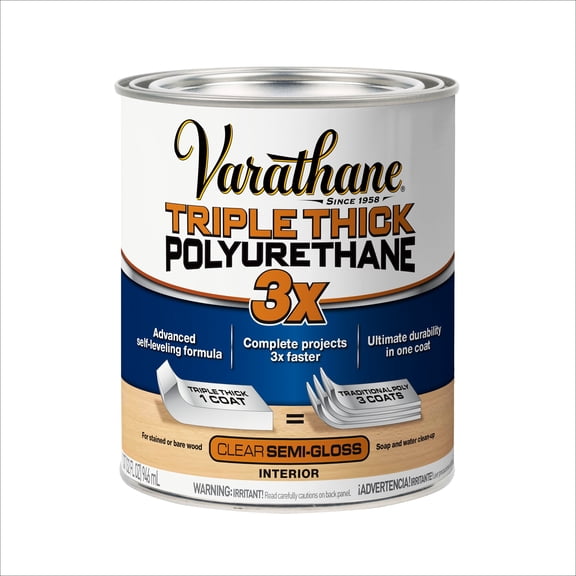
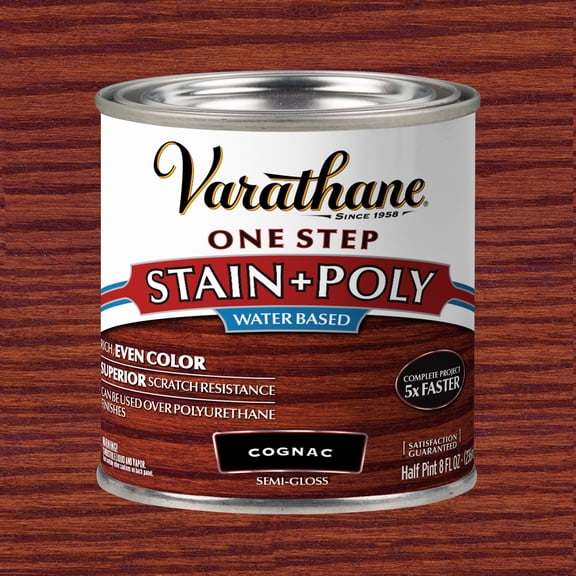
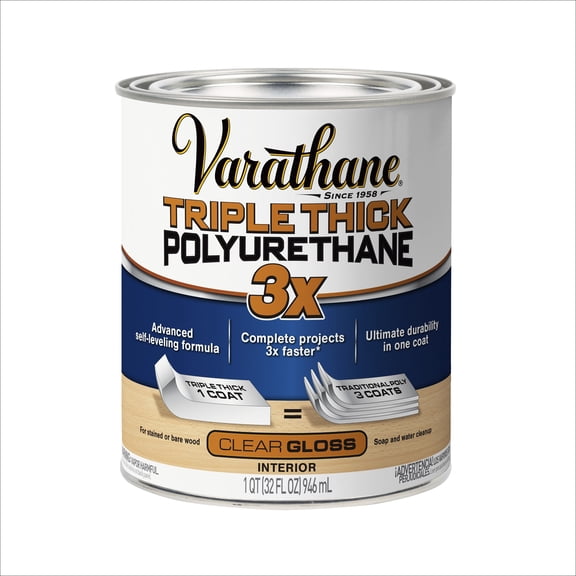


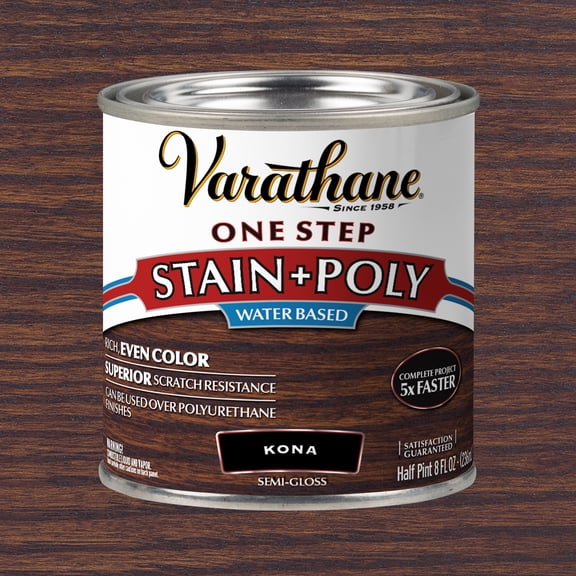
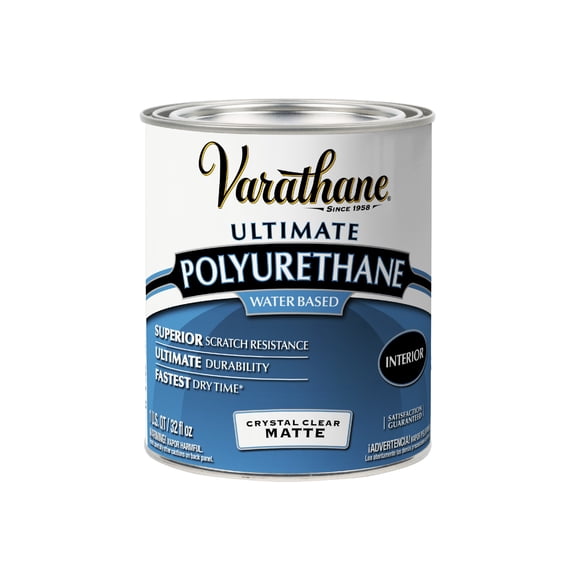

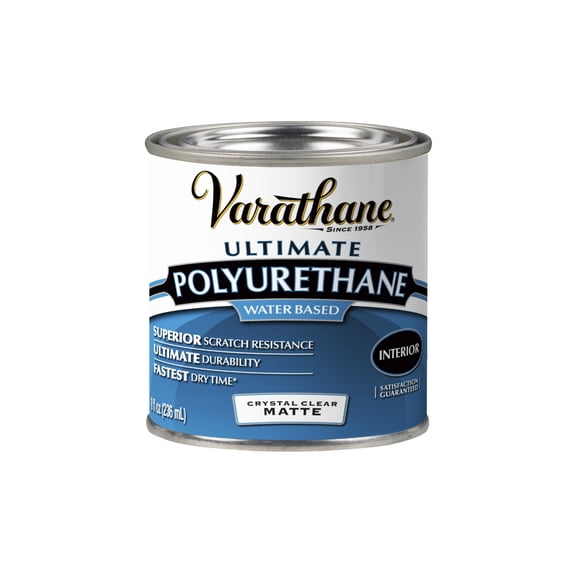
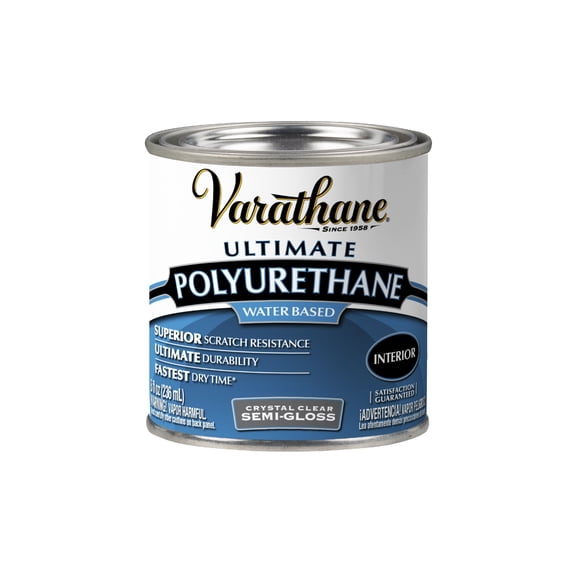


About Stain and Polyurethane Finishes - Walmart.com
When you compare stain and polyurethane options, you can match color, protection, and finish to floors, furniture, cabinets, and trim. You also get clear choices in sheen, application style, and indoor use, so your project feels easier to plan.
If you're refreshing wood that gets daily contact, you can use this guide to compare polyurethane stain decisions before you start. You can also narrow down can size, drying style, and surface appearance without guessing between oil-based and water-based formulas.
Choosing stain and polyurethane by formulation base
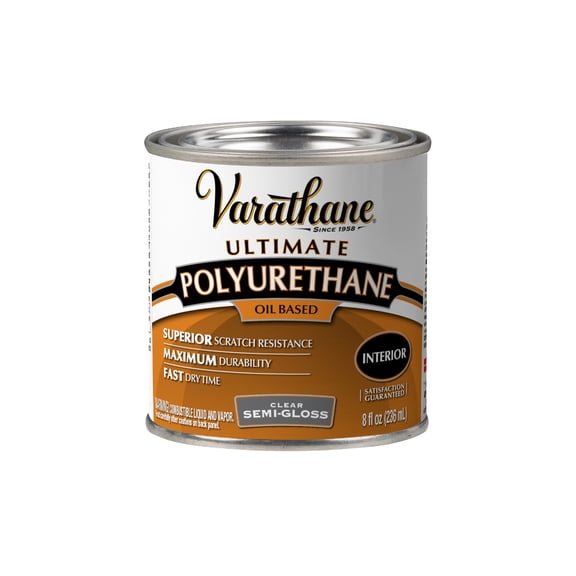
When you compare oil-based, water-based, and water-based oil-modified finishes, you should start with dry time and final color. You may notice oil-based options dry slower and add a warmer amber tone to many wood species.
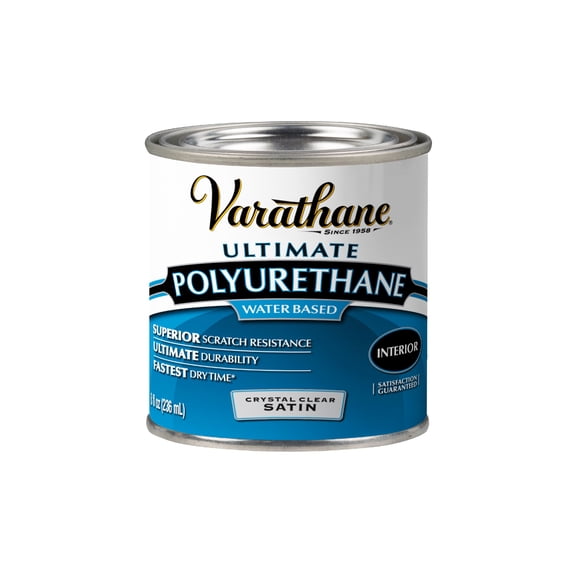
If you want a clearer finish and faster recoats, you may prefer water-based formulas for many indoor projects. If you want a balance, you can consider water-based oil-modified options for familiar color with easier cleanup.
As you review indoor polyurethane choices, you should check whether your room needs faster project turnaround or a warmer finished look. You should also compare odor level, cleanup method, and recoat timing before choosing your finish.
How to choose a polyurethane stain sheen
When you pick a polyurethane stain sheen, you shape how your wood reflects light and how surface wear appears. You can use flat or matte finishes when you want a softer look with less shine.
If you want a classic furniture or floor look, you may lean toward satin because it balances glow and everyday appearance. If you want more light reflection, you can compare semi-gloss, gloss, and high-gloss finishes.
As you compare sheen levels, you should think about room lighting, wood grain, and how often your surface gets touched. You may find glossier finishes highlight detail, while satin can make routine marks less noticeable.
- You can choose satin when you want a smooth, low-shine finish for tables, trim, or cabinets.
- You can choose semi-gloss or gloss when you want sharper light reflection on doors, shelves, or accent pieces.
- You can choose flat or matte when you want a muted appearance on decorative wood surfaces.
- You can compare high-gloss finishes when you want a polished look that emphasizes grain and color depth.
Comparing application type and small can of polyurethane needs
When you choose brush-on, spray-on, or wipe-on finishes, you should match the method to your surface shape and project size. You can often use brush-on formulas for wide, flat sections like tabletops, stair parts, and cabinet sides.
If you need control around edges, spindles, or detailed trim, you may prefer spray-on or wipe-on options. If you're testing color or handling touch-ups, a small can of polyurethane can fit your project without extra leftover material.
As you estimate quantity, you should measure square footage and count coats before you buy. You can also compare stain polyurethane combinations for one room, one piece, or a set of matching wood surfaces.
Checking food safe polyurethane and indoor polyurethane details
When you shop for food safe polyurethane, you should read the label for intended surfaces and full cure guidance. You may use that detail to compare finishes for counters, serving surfaces, or wood items with frequent household contact.
If you're choosing indoor polyurethane for cabinets, furniture, or trim, you should compare low VOC options and cleanup style. You should also check whether the label fits indoor rooms where appearance, odor, and drying schedule matter.
As you compare safety and use case details, you should separate indoor, exterior grade, and food-contact needs before starting. You can avoid mismatched finishes when your label aligns with your room, surface, and cure expectations.
Using stain with polyurethane for real project scenarios
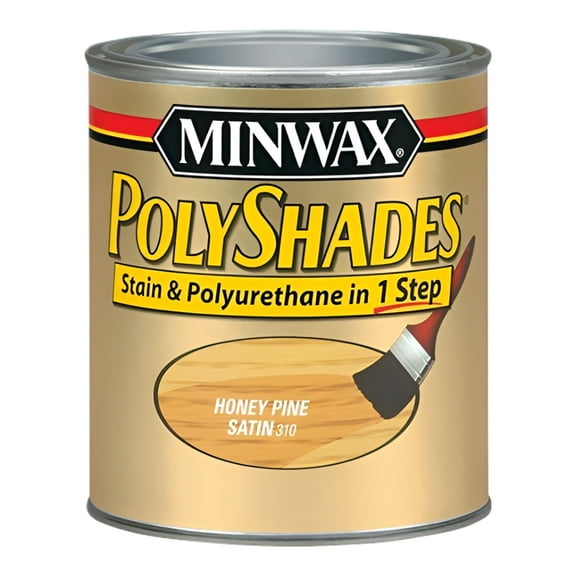
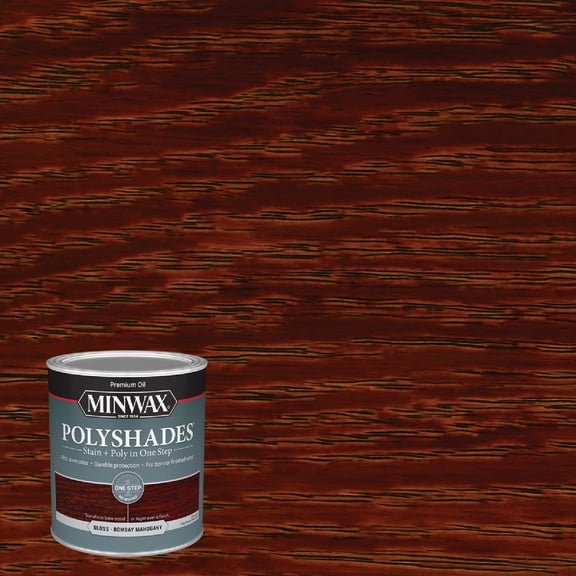
If you're refinishing a dining table, you may want stain and polyurethane choices that build color first and then seal the surface. You can compare satin or semi-gloss finishes when you want visible grain with a clean finished look.
When you're updating trim or interior doors, you may prefer indoor polyurethane with faster recoat times and easier cleanup. You can also choose a sheen that matches nearby woodwork, so your room looks consistent from edge to edge.
If you're coating a butcher block island or another food-contact surface, you should review food safe polyurethane labeling and cure details. You can then plan your timeline around full cure, not just dry-to-touch timing.
When you're working over an existing stain, you should compare clarity, ambering, and application method before your first coat. You may also review whether polyurethane over linseed oil fits your finish schedule and label directions.
For shelves, stools, frames, or quick repairs, you may only need a small can of polyurethane and a simple wipe-on method. You can keep touch-up work controlled while matching sheen across the rest of your wood finish.
What to look for before you finish your project
Before you choose stain and polyurethane, you should compare formulation base, sheen level, application type, and labeled use case together. You can make a cleaner decision when your finish matches your wood species, room, and project scale.
With the right combination, you can get the color tone, surface look, and protective layer your project needs. You also gain a finish plan that fits your timeline, your tools, and the way your wood gets used.