

Pond Pumps & Submersible Water Garden Pumps | Walmart













About Pond Pumps & Submersible Water Garden Pumps | Walmart - Walmart.com
Pond pumps help you keep water moving, support clear circulation, and power fountains or waterfalls in your outdoor space. You can compare pump type, power source, flow rate, and outlet size to match your pond setup.
How to choose pond pumps for your layout
When you compare pond pumps, you should start with where the pump will sit and how you plan to maintain it. You may prefer a hidden pump in the water or a separate unit outside the pond.
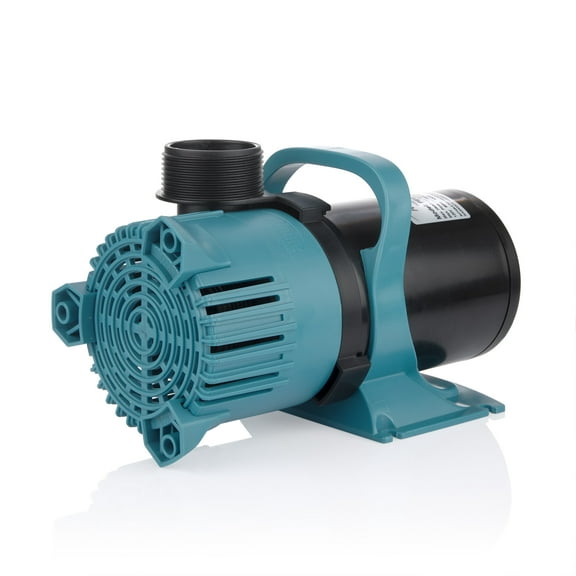
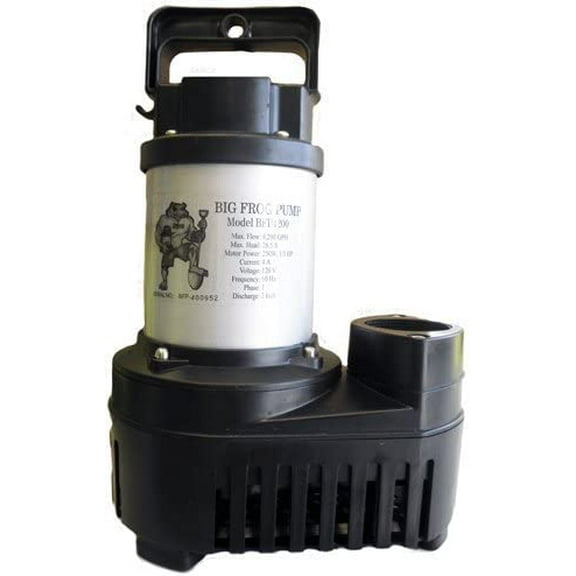
Submersible pond pumps work underwater, so you can use them when you want a cleaner look with less visible equipment. You can place them inside many fish ponds, water gardens, and fountain basins with simple setup.
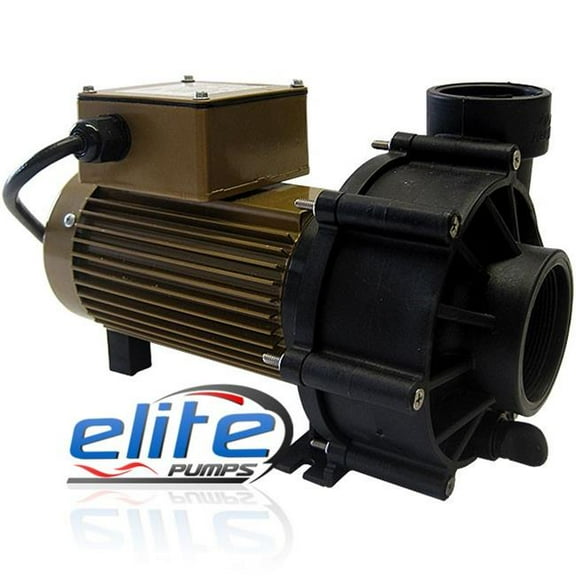
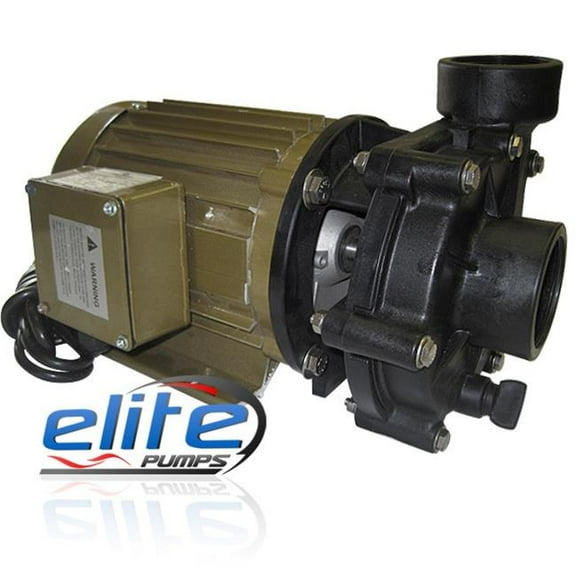
External pumps sit outside the pond, so you can reach them faster during routine cleaning and seasonal checks. You may choose this style when you run larger waterfalls or longer plumbing lines.
Magnetic drive models often suit lighter circulation needs, and you can use them for steady flow in smaller features. Direct drive options usually fit heavier-duty movement when you need stronger output over longer runs.
Choosing the right submersible pond pumps
If you want a compact setup, you should consider depth, debris level, and how often you want to lift the pump out. You can use submersible pond pumps for many backyard ponds because they stay tucked below the waterline.
You should measure head height before you choose flow rate, because water slows as it travels upward through tubing. If your waterfall spillway sits higher, you’ll need extra pumping power to maintain visible movement.
- You can hide the pump below the surface for a tidier look.
- You can support fountains, spitters, or waterfall returns with the right GPH range.
- You can match the outlet diameter to your tubing for smoother installation.
- You can choose small pond pumps for compact basins and tabletop-style water features.
You should also check the outlet size in inches, because tubing compatibility affects flow and setup time. If your tubing is too narrow, you may notice reduced water movement at the end point.
How to compare solar pond pumps and corded options
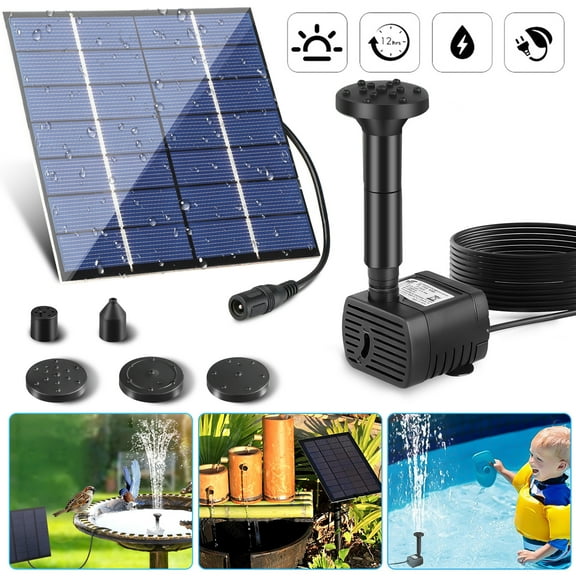
When you compare power sources, you should think about sunlight, daily run time, and where your pond sits outdoors. Solar pond pumps can suit sunny areas where you want simpler placement without a nearby outlet.
If you want more consistent fountain operation, you should check whether a solar model includes battery backup. You may get steadier performance through passing clouds or late afternoon with that added storage.
Corded pumps can make sense when you want continuous operation for filtration, waterfalls, or longer running hours. You should compare cord length and placement so your setup fits your pond edge and equipment area.
Outdoor pond pumps with electric power often fit ponds that run all day and support connected filters. You can choose solar styles for decorative features where sunlight conditions stay reliable across the day.
How to calculate flow rate and head height
You should start with pond volume, because pump size needs to match the amount of water you want to circulate. Many shoppers estimate gallons, then compare that number with the pump’s gallons per hour rating.
For a small pond, you may choose under 500 GPH when you want gentle circulation in a compact feature. You can move into 500 to 1000 GPH for modest fountains, fish ponds, or short waterfall returns.
If you run a larger waterfall or broader pond, you may need 1000 to 3000 GPH or higher. You should also add head height, because vertical lift reduces the flow you actually get.
Head height means the distance from the pump to the highest point where water exits the tubing. You should compare that number with the pump chart so your fountain stream or waterfall stays active.
What to look for in pond filter pumps and connections
If you plan to run filtration, you should check whether your pump pairs well with your filter style and hose size. Pond filter pumps help you move water through filter systems, skimmers, or pressure filters.
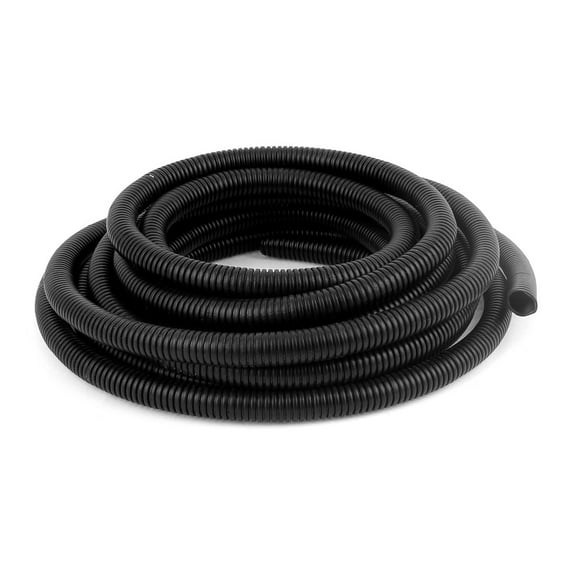
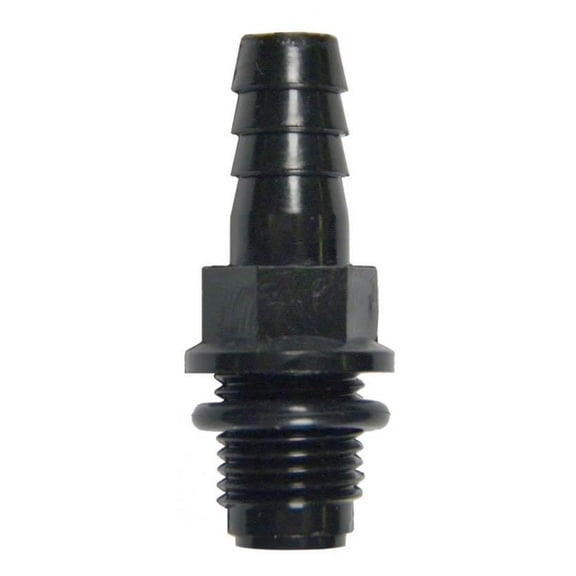
You should verify outlet diameter before you choose tubing, because common sizes affect flow and connector fit. If the pump outlet and tubing size match, you can expect a smoother installation process.
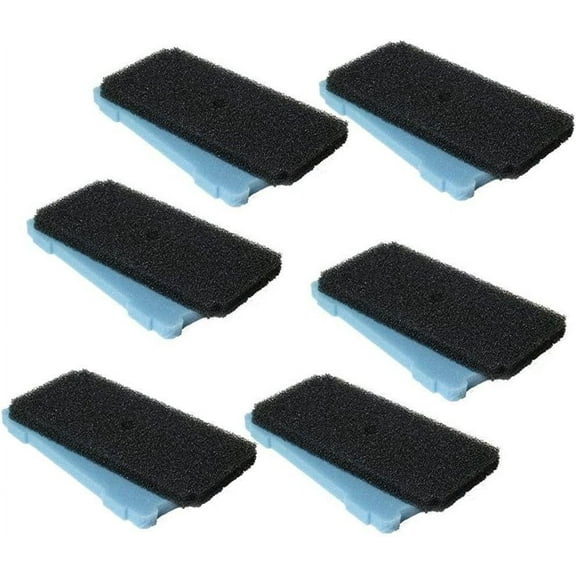
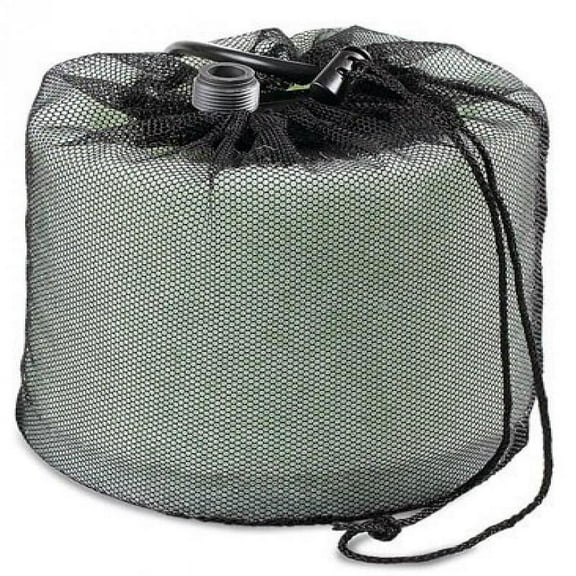
You may also compare prefilter cages, solids handling details, and access points for cleaning around the intake. Those features matter when your pond collects leaves, sediment, or string algae during the season.
For fountains, you may prioritize spray height and nozzle compatibility over heavy filtration support. For fish ponds and water gardens, you may focus on steady circulation through filters and returns.
Matching pump choices to your pond use case
You should match pump design to how your pond looks and how you use it each day. Fish ponds often need dependable circulation, while fountains may focus more on visible water movement.
Waterfall setups usually need stronger output, especially when water travels uphill through longer tubing. You should compare direct drive or higher GPH options when your feature includes height and distance.
Water gardens may use gentler flow that keeps water moving without overpowering smaller plants or decorative edges. You can consider small pond pumps or magnetic drive models for compact, calmer layouts.
If you want a sun-powered accent feature, you can look at solar pond pumps for birdbath fountains or bright patio water gardens. If you want all-day filtration support, you may prefer a corded pump with matching connectors and hose size.
You can feel more confident choosing the right pump when you compare GPH, head height, tubing size, and power source together. That approach helps you get the water movement your pond design calls for.