



Pool Clarifier Liquid & Water Clarifiers


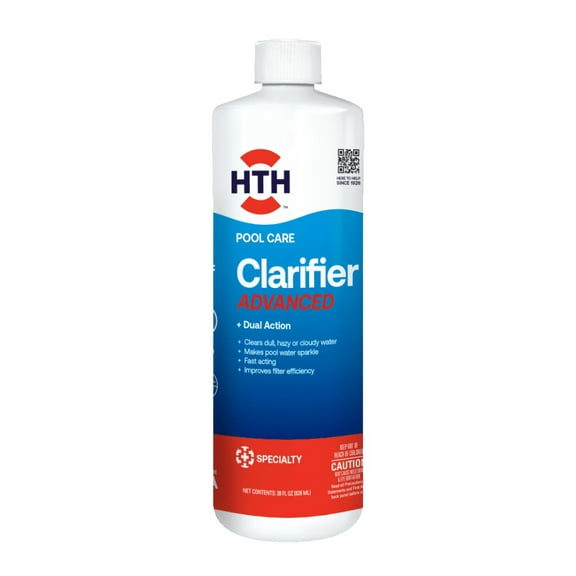
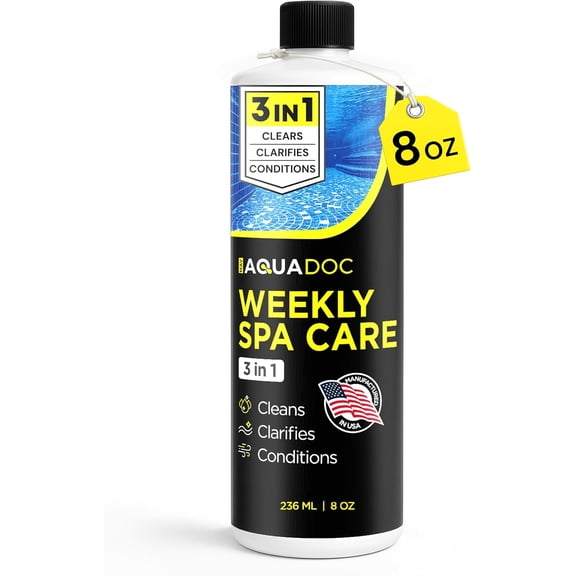

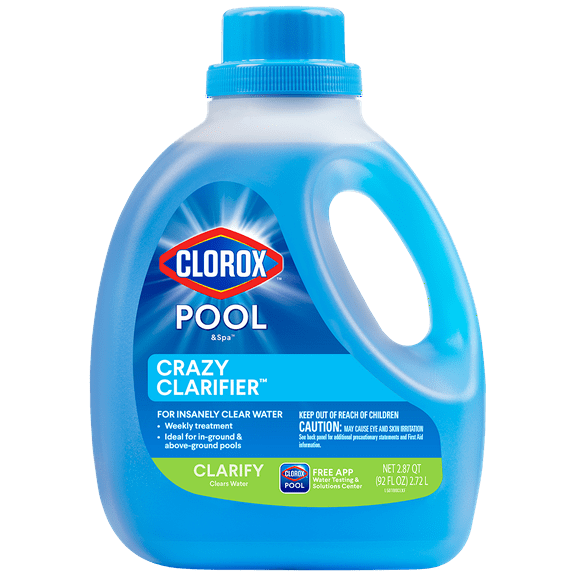















About Pool Clarifier Liquid & Water Clarifiers - Walmart.com
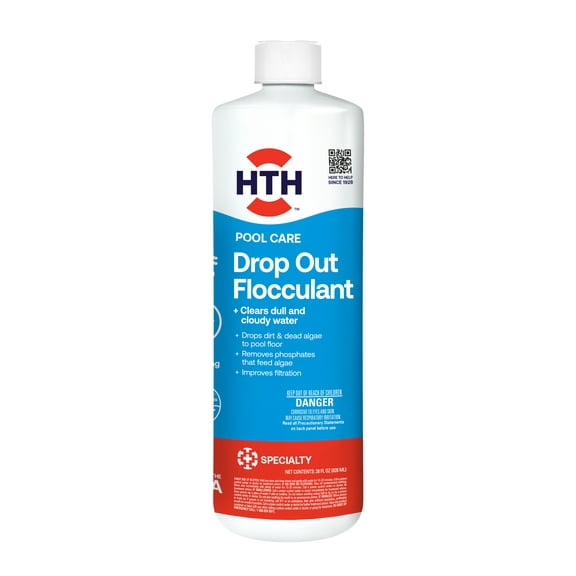
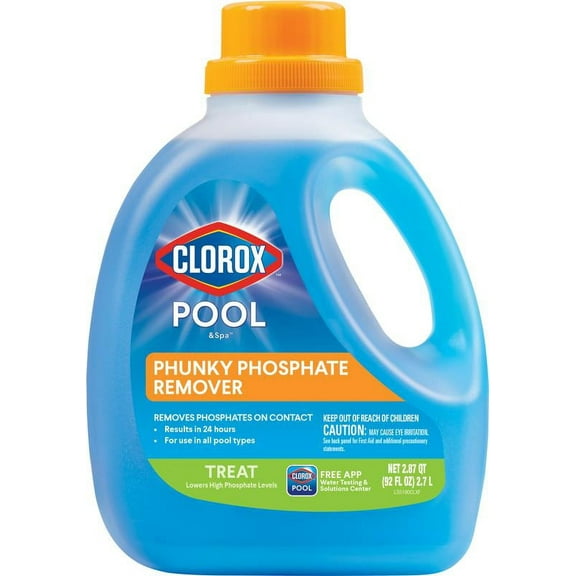
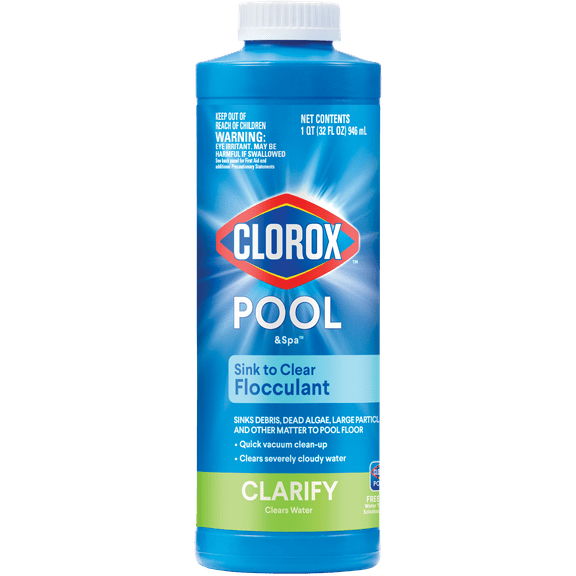
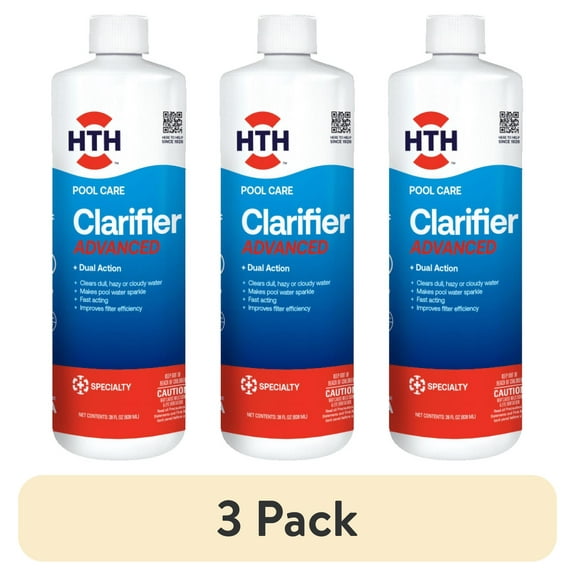
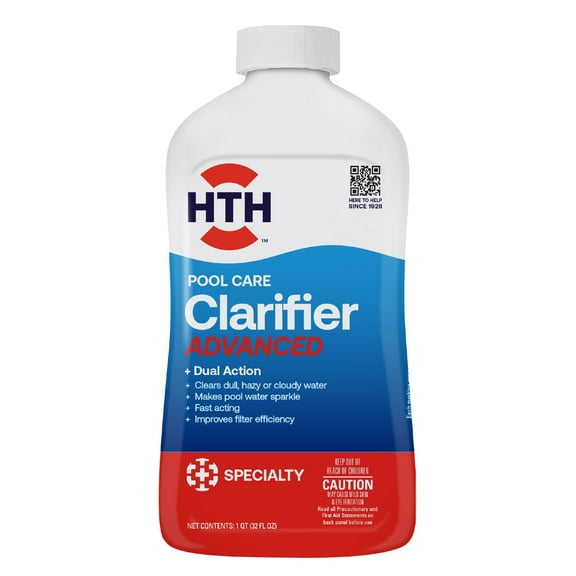
Pool clarifier liquid helps you turn hazy water into a clean-looking pool when small particles keep slipping past your filter. You can compare liquid, tablets, and gel caps by dosing style, clearing window, and filter compatibility before choosing.
If you maintain a backyard pool, you need guidance that matches your filter, pool surface, and water appearance. You’ll also want formulas that work with sand, cartridge, or D.E. systems without adding guesswork.
How to choose pool clarifier liquid
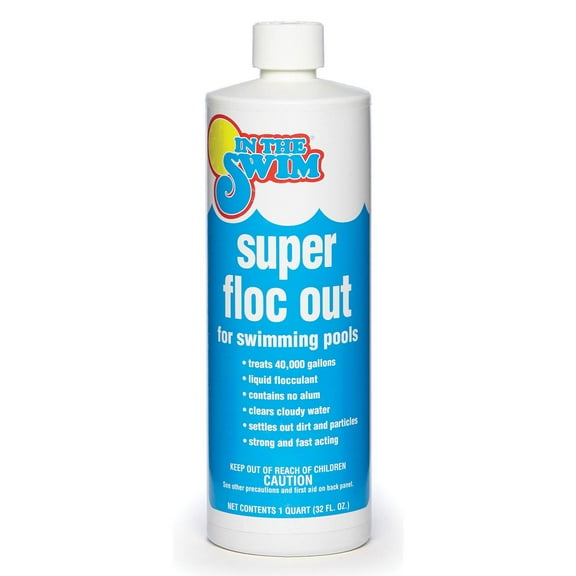
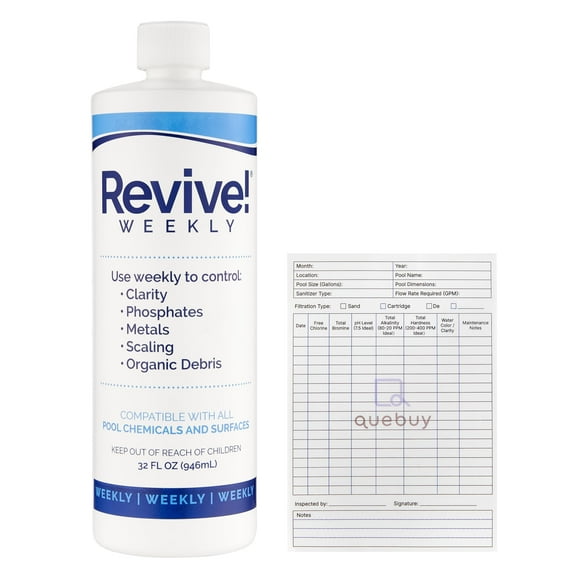
When you compare form factors, you’ll notice pool clarifier liquid gives you flexible dosing and quick mixing in circulating water. You can measure it by pool volume, which helps when your cloudiness changes after heavy use.
Tablets can suit routine care when you prefer slower, set-it-and-check-it dosing. Gel caps can work for premeasured use, though you should confirm compatibility with your skimmer and pump setup.
You should also compare the target issue before choosing a formula. Some options help you gather fine debris, while others feature labels for cloudy water or dead algae cleanup.
- You can use liquid formulas when you want adjustable ounces based on pool volume.
- You can compare filter compatibility for sand, cartridge, and D.E. systems before treatment.
- You can look for liner-safe, non-staining formulas when your pool has a vinyl surface.
- You can match dosage frequency to your clearing window and regular maintenance routine.
Choosing a pool clarifier for sand filter and other systems
If you use a sand filter, you should check whether the formula is intended to help particles clump for easier capture. You may also need to review backwashing guidance, since trapped debris can change pressure during cleanup.
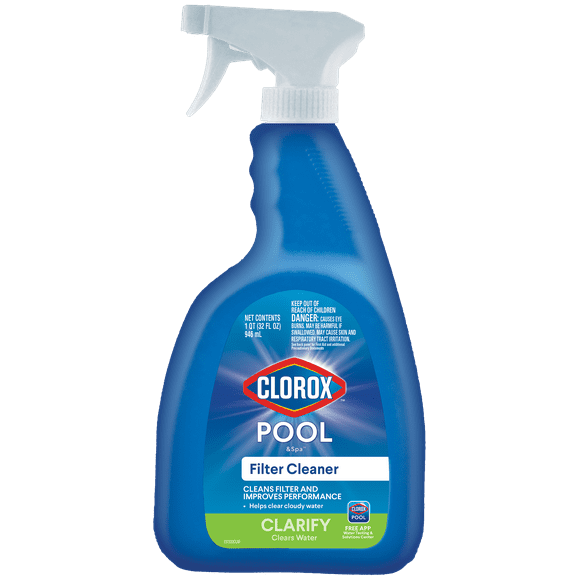
For cartridge filters, you’ll want to consider how fine the media captures suspended material after treatment. You should check cleaning frequency too, because a loaded cartridge may need attention after cloudy water improves.
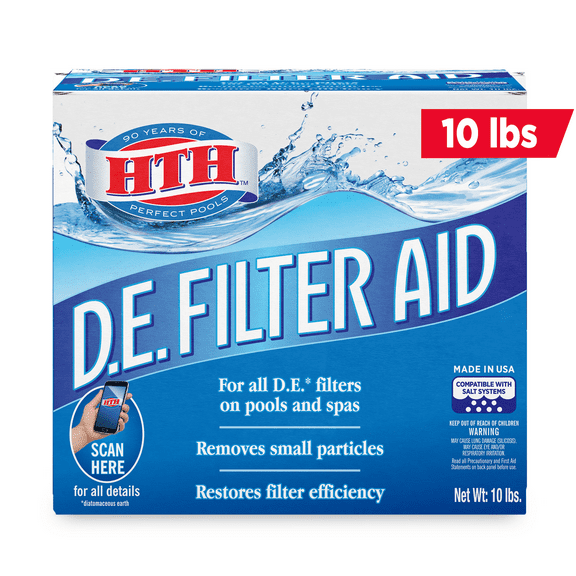
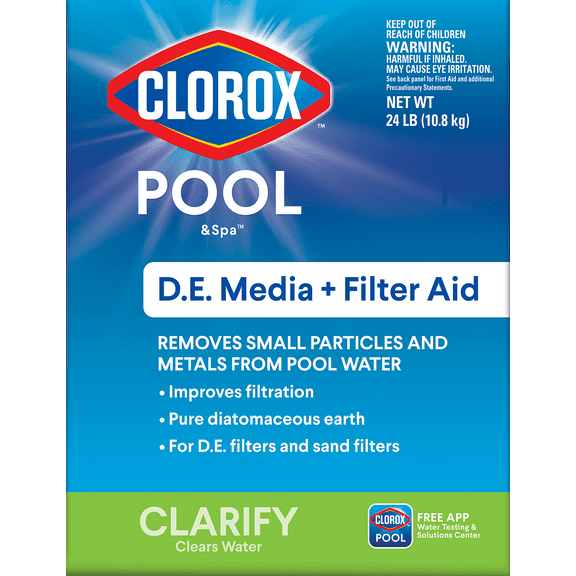
With D.E. filters, you can look for formulas that support fine-particle capture without complicating routine maintenance. You should compare label directions for circulation time, since that affects when you inspect filter performance.
Micron rating matters because you’re trying to catch smaller suspended particles that cause dull, cloudy fluid. When a clarifier gathers them into larger clusters, you give your filter a chance to remove them.
What to look for in speed, dosage, and pool surfaces
You should compare the clearing window on the label so your routine matches the formula’s timing. Some products fit quick cleanup after a storm, while others support regular weekly water care.
Dosage matters because you need the right ounces for your pool volume, not a rough guess. You can measure gallons first, then compare ounces per gallon ratios for more consistent application.
If your pool has a vinyl liner, you’ll want directions that support liner-safe use and a clean finish. You can also check for non-staining formulas when appearance matters on light-colored surfaces and steps.
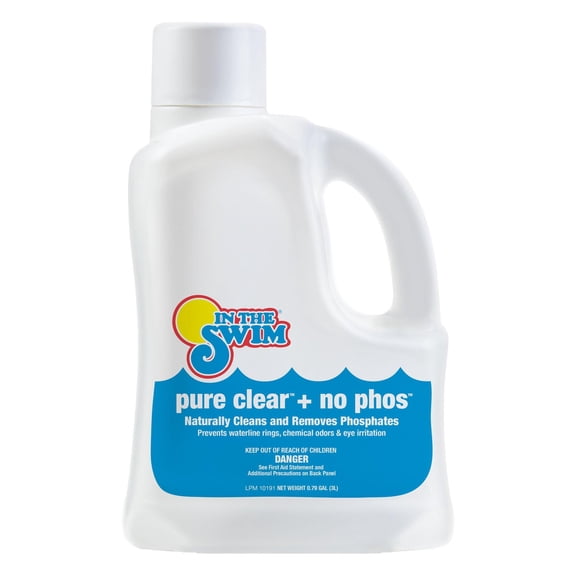
You may see chemical bases like chitosan, polyelectrolyte, or alum when you compare clear pool chemicals. Those names matter because you’re choosing how particles bind together before your filter removes them.
Chitosan options may appeal when you want a familiar clarifying base for routine maintenance. Polyelectrolyte formulas can fit regular dosing plans, while pool owners often consider alum for specific water-clearing approaches.
How to clear cloudy water with the right fit
If you want to clear cloudy water, you should start by matching the product to the source of the haze. Fine debris, dead algae remnants, and dull-looking water can each call for different label directions.
After windy weather, you may prefer a liquid clarifier for pools because you can adjust the dose to changing conditions. If your water turns hazy after heavy swimming, you can compare routine-use formulas for ongoing upkeep.
When you’re opening the pool for the season, you can pair your clarifier plan with related water care steps. You may also compare pool water purifier liquid options when you want another liquid format in your maintenance lineup.
If you search for a pool clarifier near me, you’re often trying to find the right format fast. On Walmart.com, you can compare sizes, dosing styles, and compatibility details without losing that convenience-focused intent.
You should also think about your maintenance rhythm before choosing tablets, gel caps, or liquid treatments. If you dose weekly, liquid can offer control, while premeasured formats can simplify repeat applications.
For larger pools, you’ll want to calculate gallons carefully so your treatment stays aligned with label directions. For smaller pools, precise measuring still matters because overuse can make cleanup less predictable.
Making a confident pool clarifier decision
You can make a smart choice when you compare form factor, filter compatibility, target issue, and dosage instructions together. That approach helps you pick a pool clarifier liquid that fits your system, your schedule, and your water-clear goals.
When you match the formula to your filter and pool surface, you improve the odds of clean-looking water with less trial and error. You’ll get a clear path from cloudy water to a more inviting swim setup.