


Pool Shock in Pool Chemicals - Walmart.com
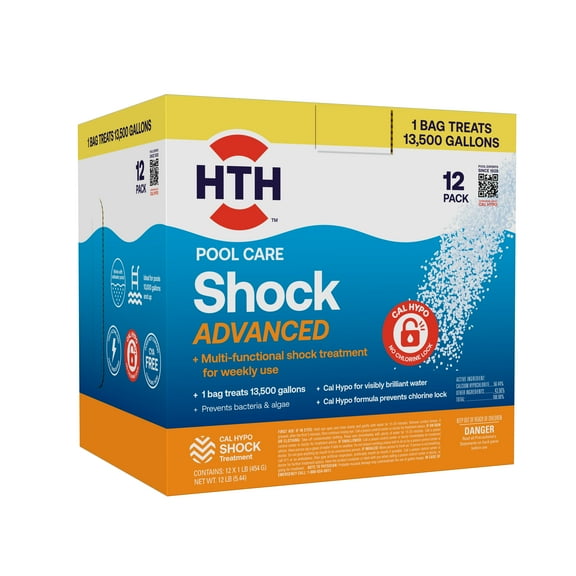


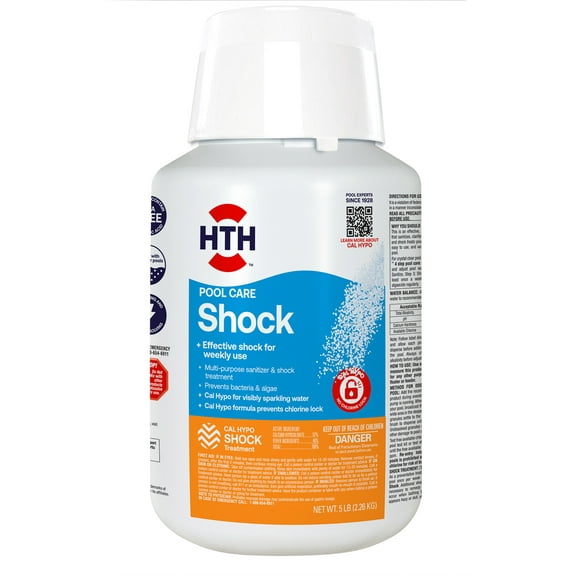
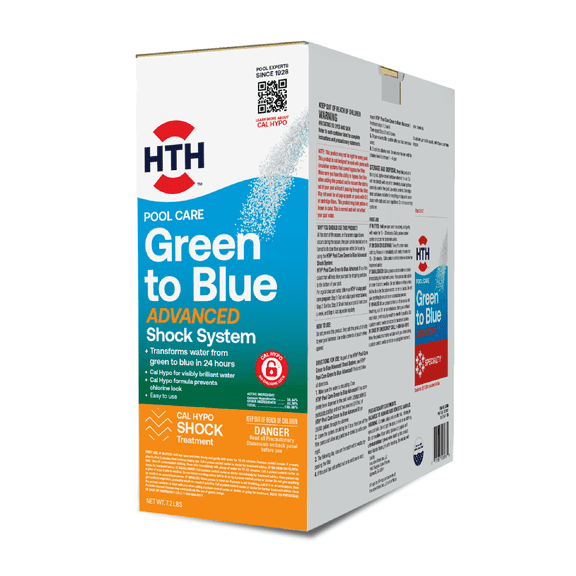







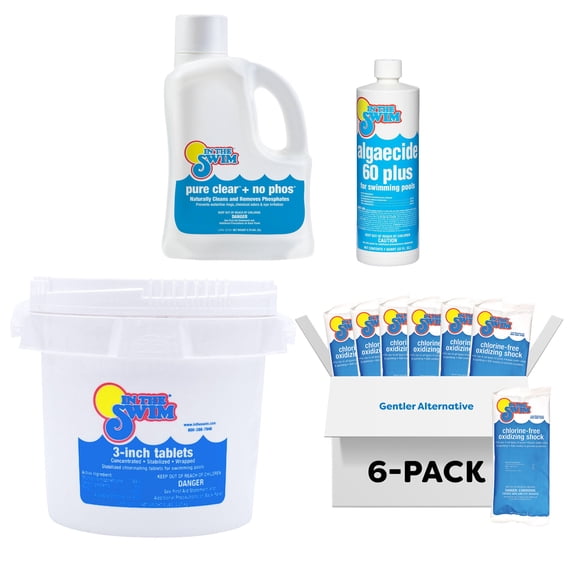

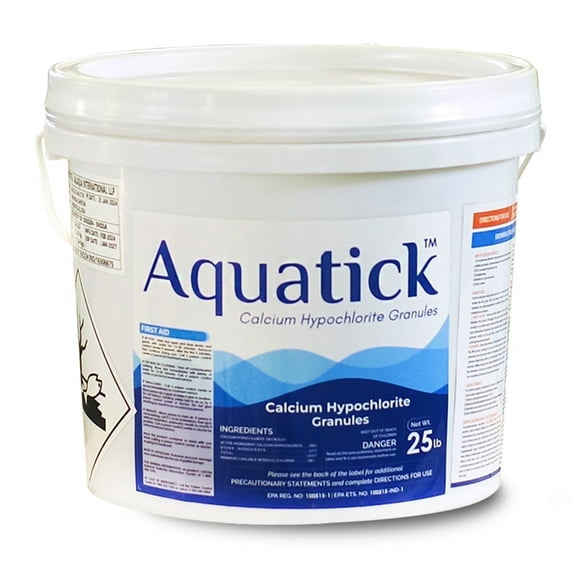
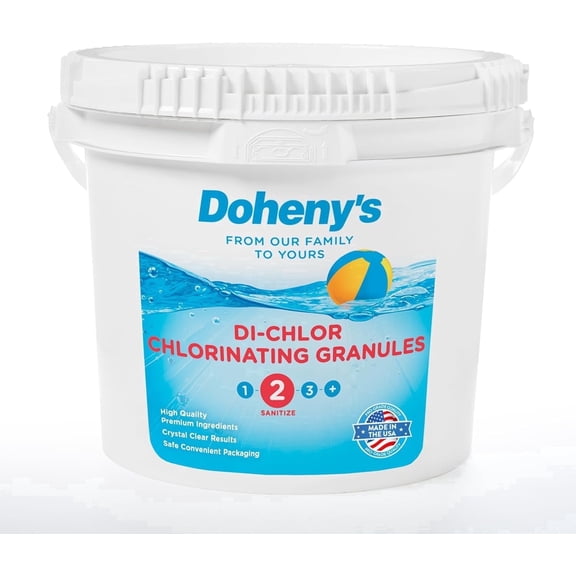
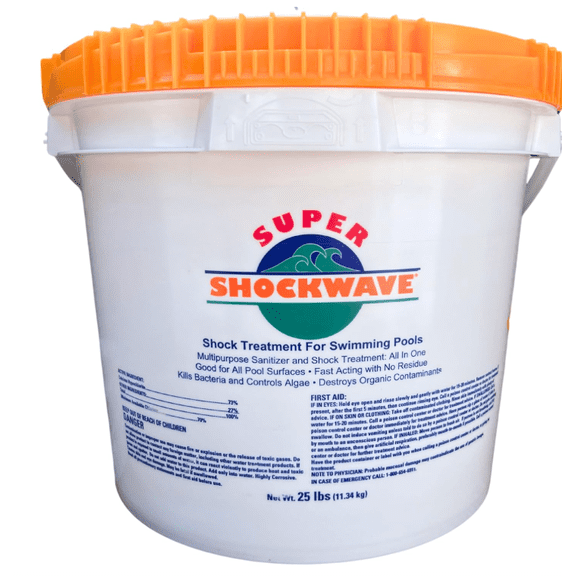

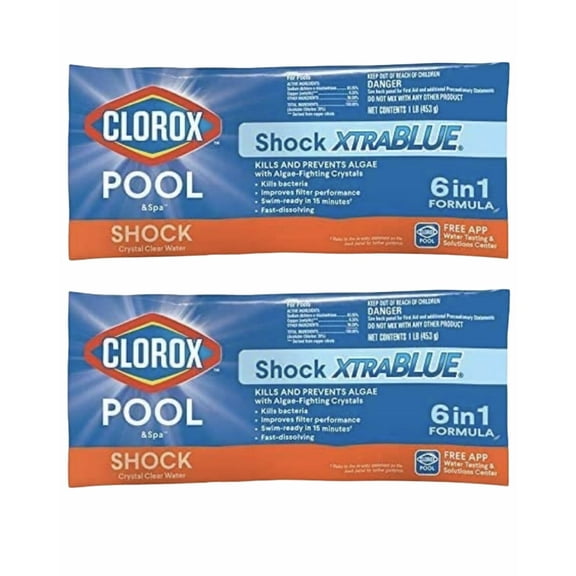

About Pool Shock in Pool Chemicals - Walmart.com
You can use pool shock to reset cloudy water and match treatment to your pool type, formula preference, and cleanup goal. You’ll find practical guidance here for chlorine-based options, non-chlorine choices, and dosage basics that fit routine care.
Choosing the right pool shock treatment
When you compare pool shock treatment options, you should start with chemical type and intended result. You’ll usually choose between chlorine-based formulas and non-chlorine formulas for different maintenance routines.
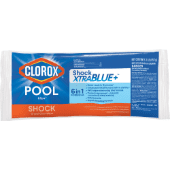
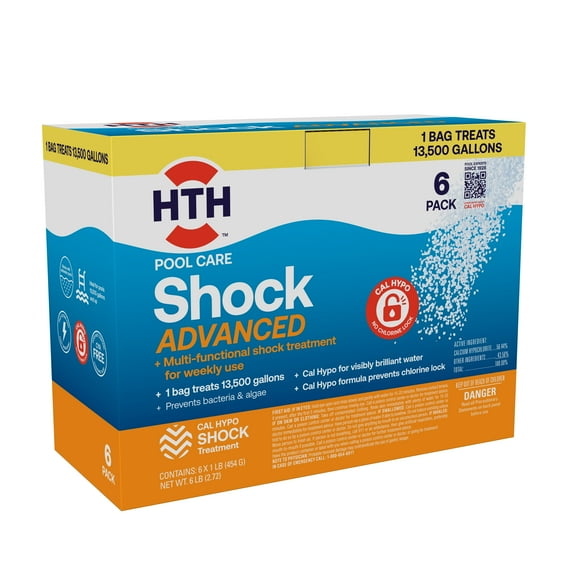
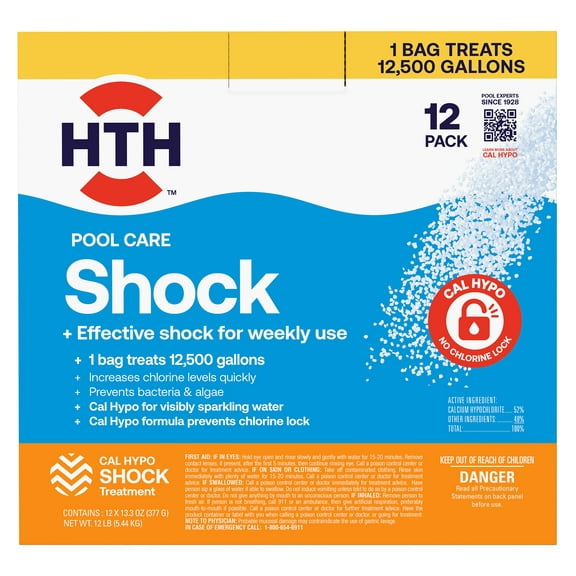
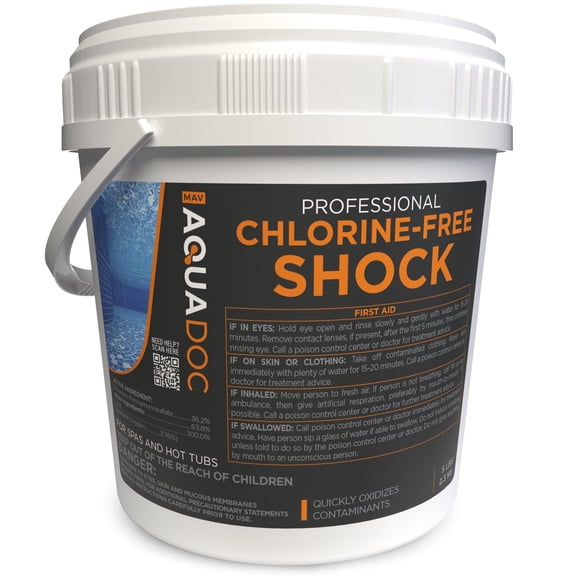
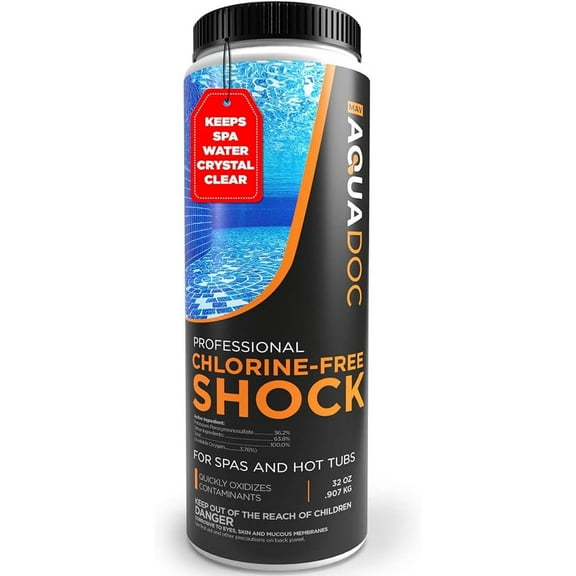
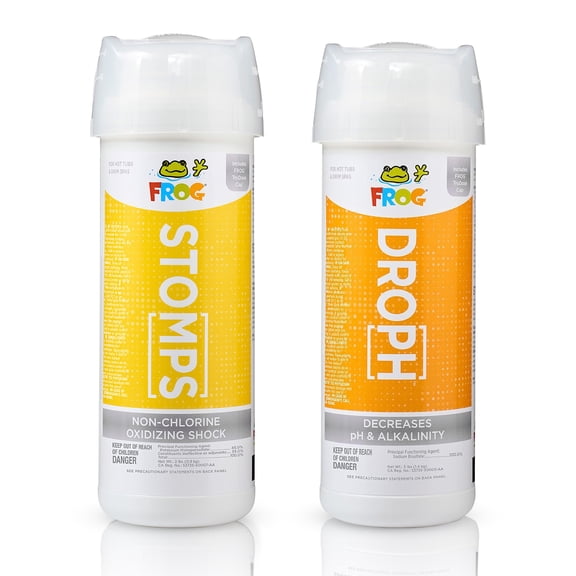
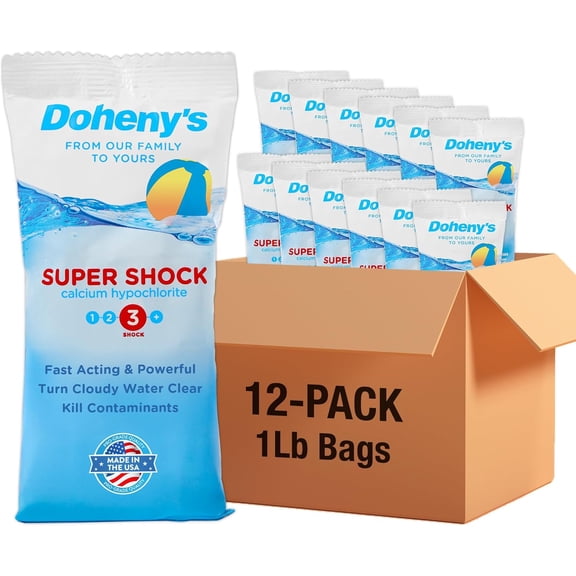
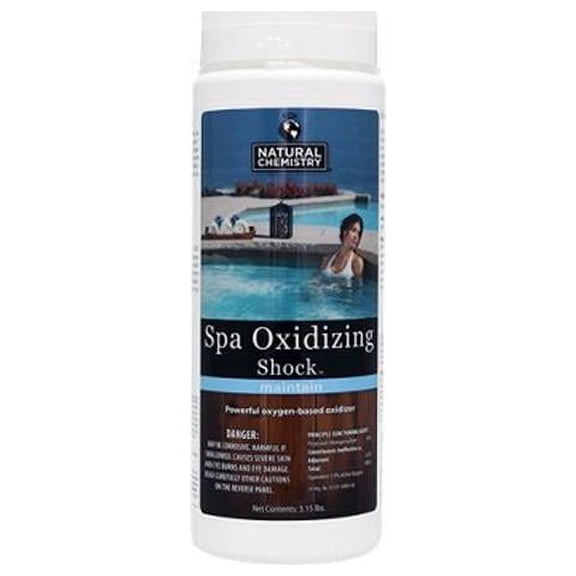
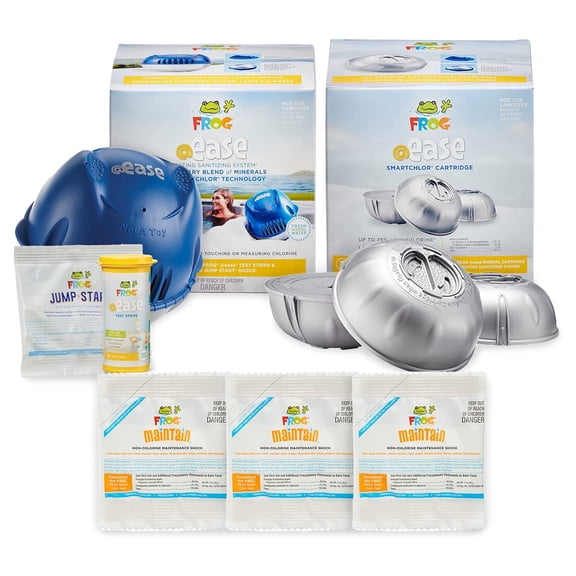
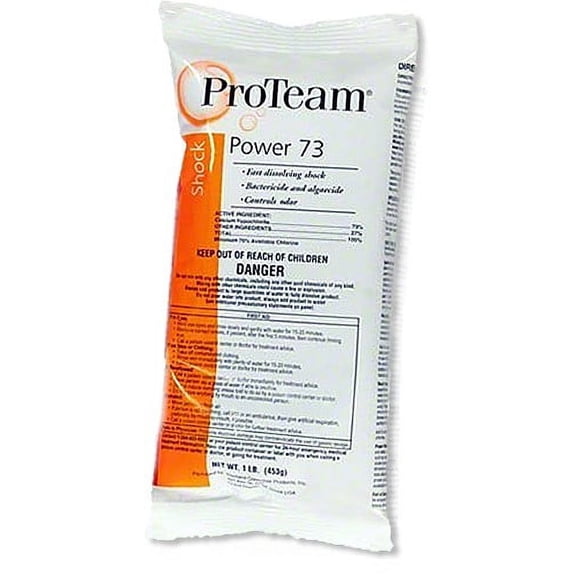
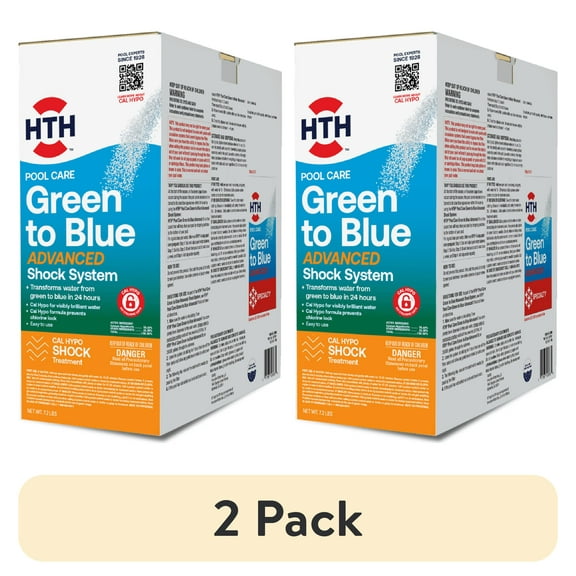
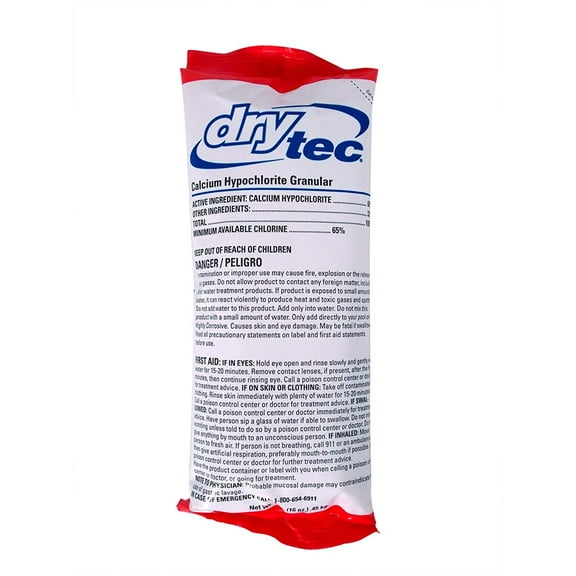
If you want strong oxidation and sanitizer support, you may consider chlorine-based treatments like calcium hypochlorite pool shock or sodium dichlor. If you want regular water refresh between heavy treatments, you may prefer a non-chlorine option.
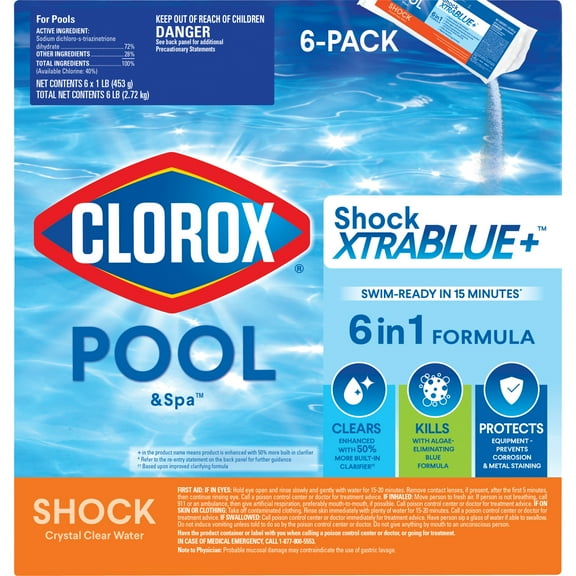
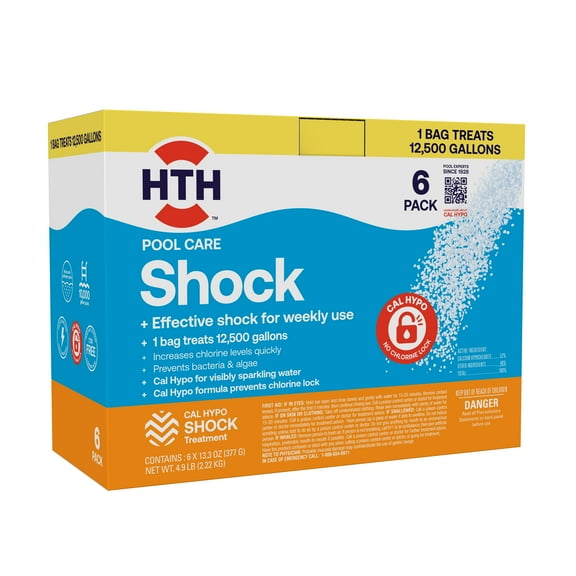
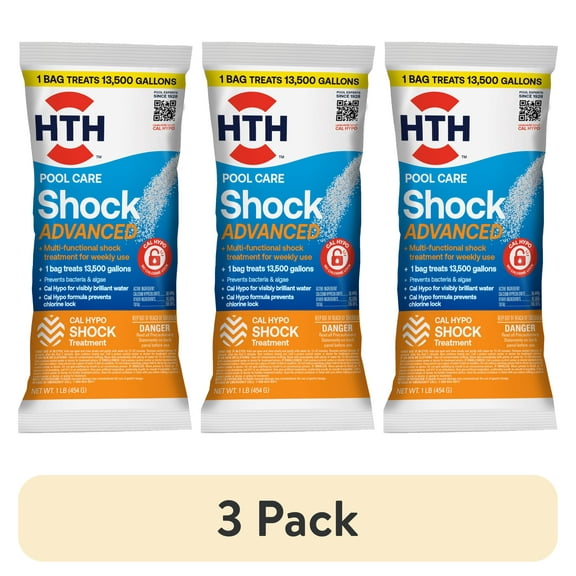
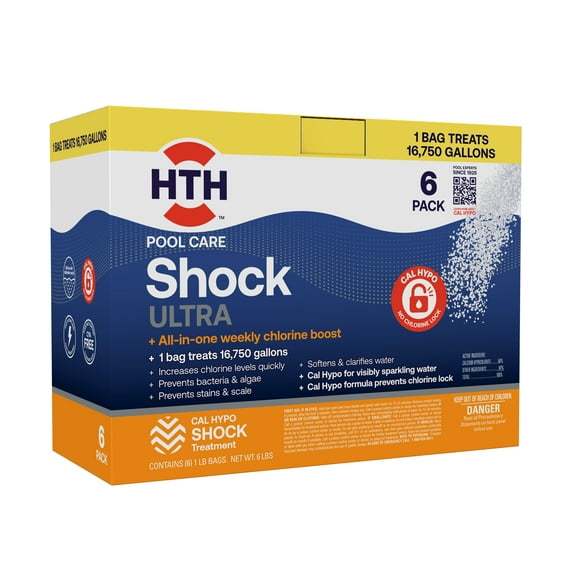
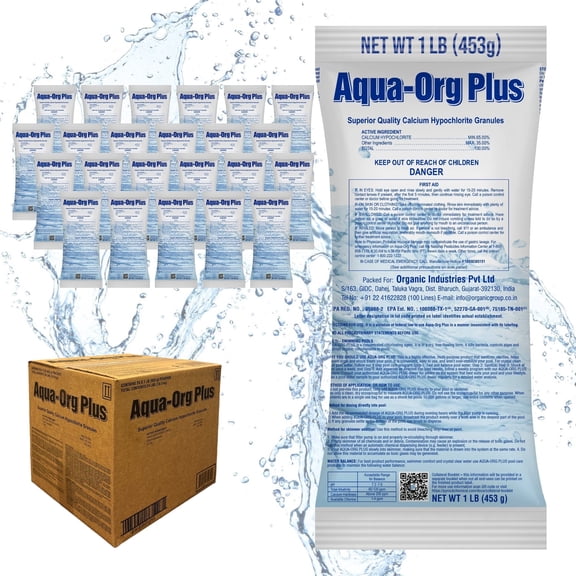
Calcium hypochlorite pool shock often comes in granular or powder form, and you’ll typically use it for seasonal cleanups. Sodium dichlor can dissolve quickly, so you may find it helpful for fast mixing in many setups.
As you compare formulas, you should also check whether you need algae cleanup, cloudy water correction, or weekly maintenance. You’ll get an accurate match when your treatment goal guides your choice first.
- You can choose chlorine-based shock when you need a reset after heavy pool use or stormy weather.
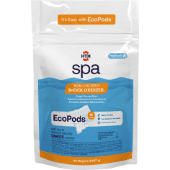
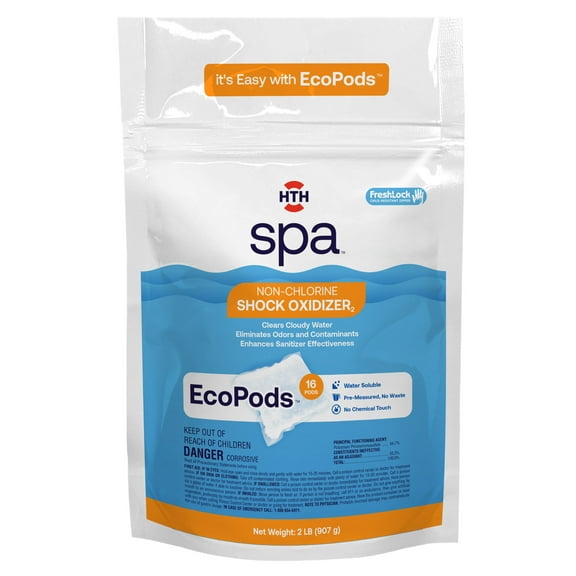
- You can choose non-chlorine shock when you want routine oxidation support without the same treatment profile as chlorine formulas.
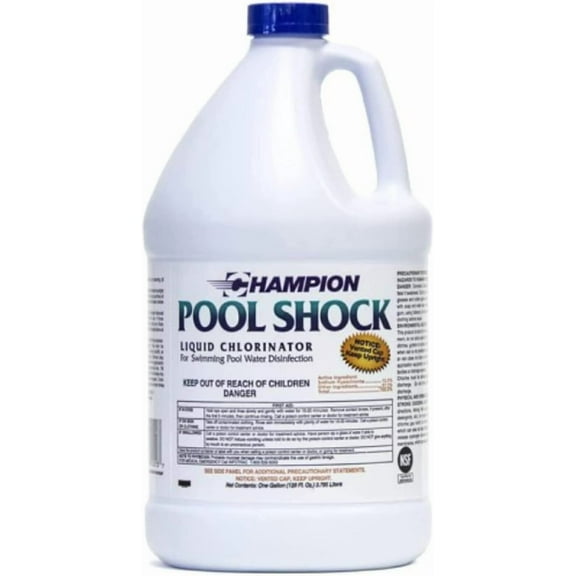
- You can compare liquid, granular, and powder formats based on how you prefer to measure, pour, and store your treatment.
- You can match the label’s gallons-treated guidance to your pool size for clear dosage planning.
How to compare pool shock by chemical type and format
As you narrow your options, you should compare formulation with your pool setup and liner material. You’ll often see liquid pool shock, granular shock, and powder shock listed across this category.
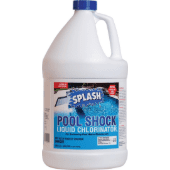
Liquid pool shock can simplify measuring when you want a pourable format for larger treatments. Granular and powder options can work well when you want pre-measured bags or easy storage between uses.
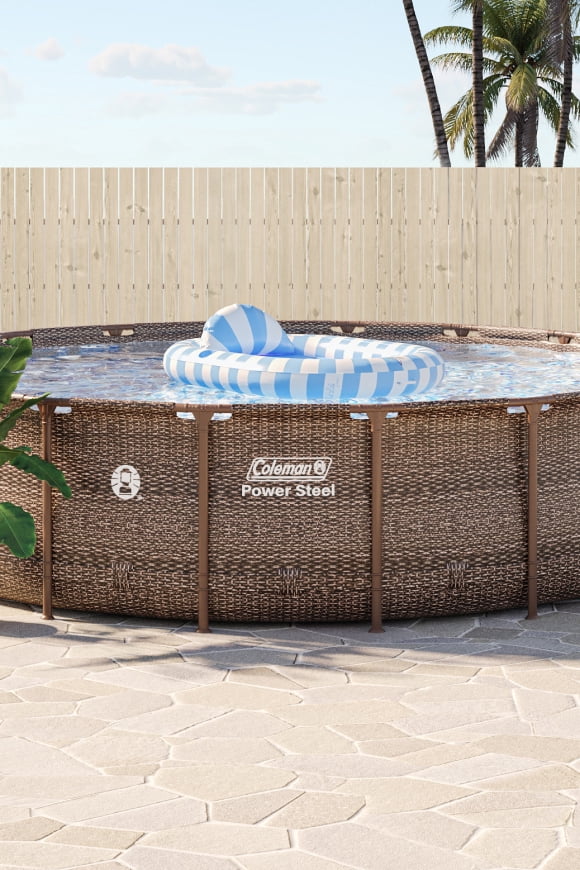
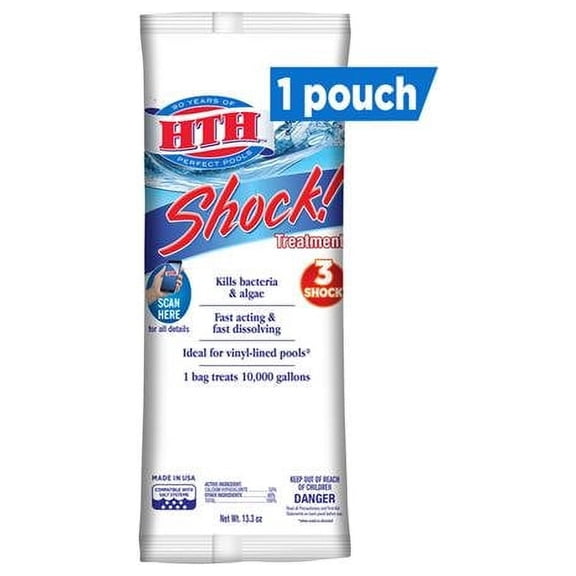
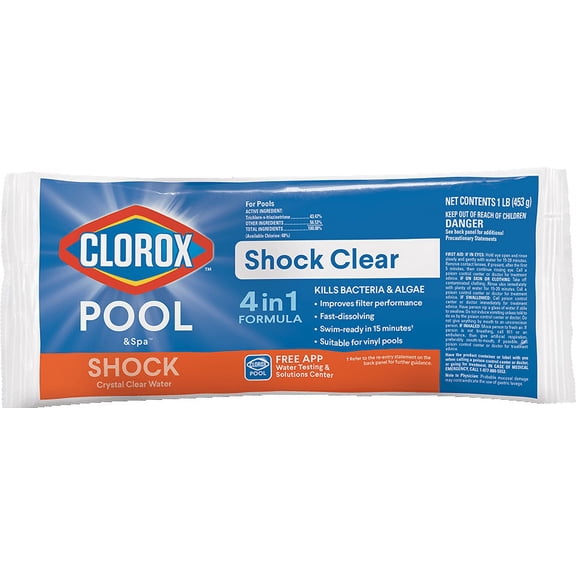
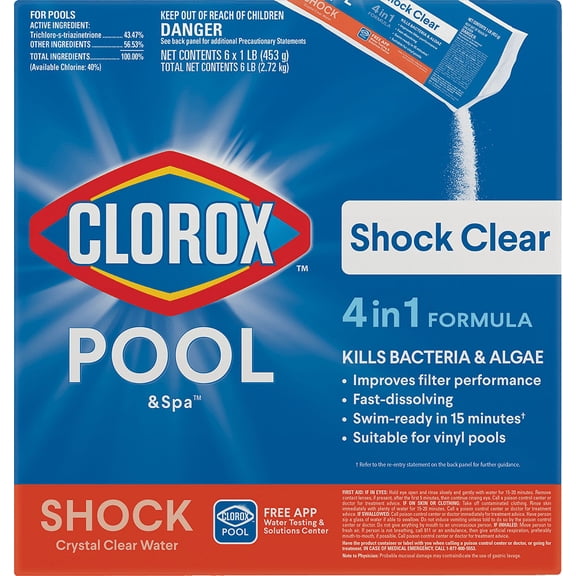
If you have an above-ground pool, you should check for fast dissolving pool shock and read liner guidance closely. You’ll want a formula that mixes well and suits vinyl surfaces without leaving concentrated material sitting in one area.
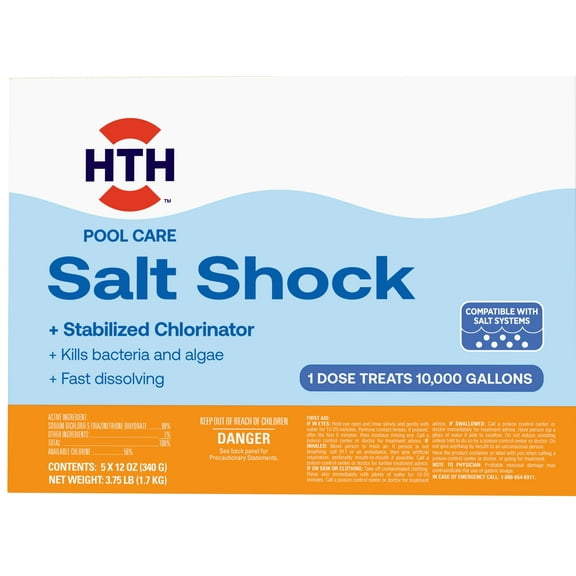
For inground pools, you can compare formula strength, bag count, and gallons treated per application. If you maintain a saltwater setup, you should confirm that the product is labeled for saltwater pool shock use.
Dosage matters just as much as formula, so you should check how many gallons each bag, bottle, or container treats. You’ll keep planning simple when you match your pool volume to the package directions before treatment day.
When you review calcium hypochlorite versus sodium dichlor, you should look at strength percentage and dissolving behavior. You’ll understand those technical terms when you connect them to pool size, mixing steps, and cleanup intensity.
Matching pool shock to your water issue
Your water condition should guide which pool shock option you choose and how often you use it. You can target spring pool opening shock, routine weekly care, or cleanup after cloudy water appears.
If you’re opening your pool for the season, you may want a chlorine shock to handle stale water and debris buildup. You’ll often pair that step with pool test strips to confirm your next treatment choice.
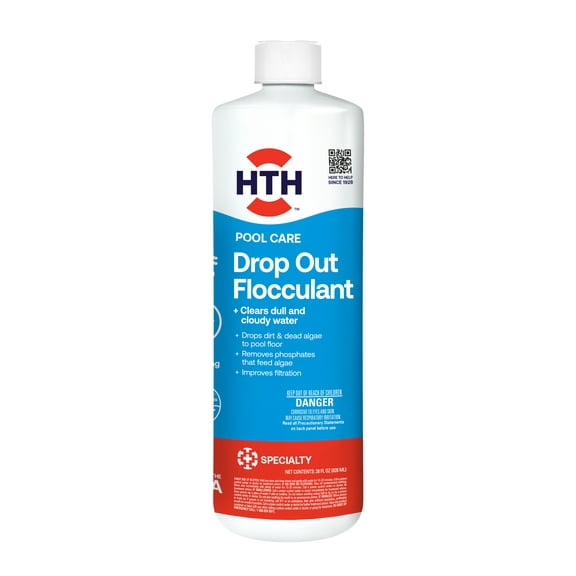
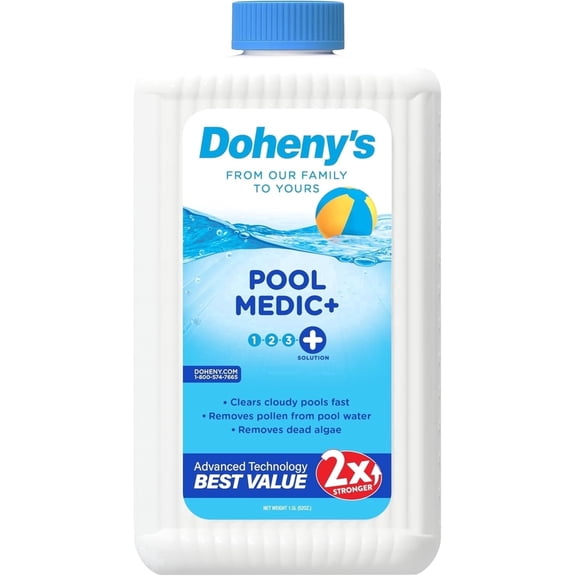
When you’re treating dull or cloudy water, you should compare labels that mention oxidation strength and fast dissolving action. You’ll usually want a formula that spreads evenly and works with your filter schedule.
If your main goal is algae cleanup, you can look for an algae killer pool shock pairing strategy on the label. You should also compare related categories like pool algaecides when you want a targeted maintenance plan.
For weekly maintenance, you may prefer a treatment schedule that fits your pool traffic and weather changes. You’ll usually need a different approach after parties, rain, windblown debris, or long periods of heat.
You can also build a complete care routine when you coordinate shock with pool chlorine, pool filters, and pool pumps. Your results stay consistent when circulation, testing, and treatment timing work together.
What to look for before you choose pool shock
Before you choose pool shock, you should confirm pool type, gallons, formula format, and treatment goal on the label. You’ll avoid guesswork when those four details line up with your maintenance routine.
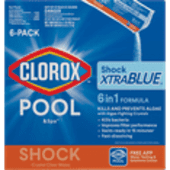
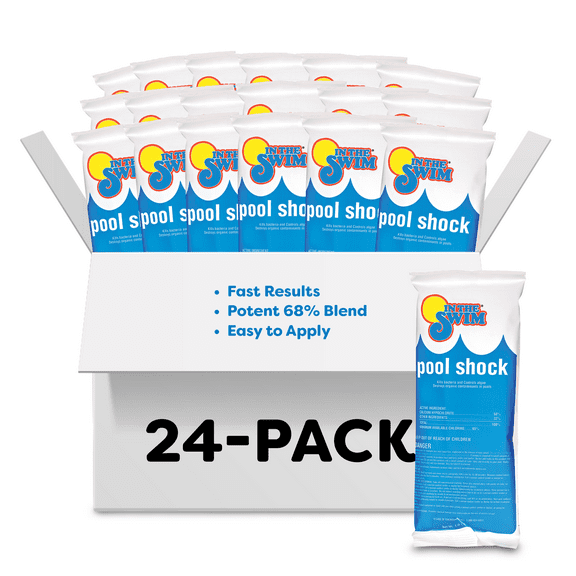
Another smart step is checking whether you want single-use bags, multi-pack treatments, or larger containers for repeated care. You’ll get a clean, predictable routine when your dosage and pool setup match from the start.