

Pork in Meat & Seafood



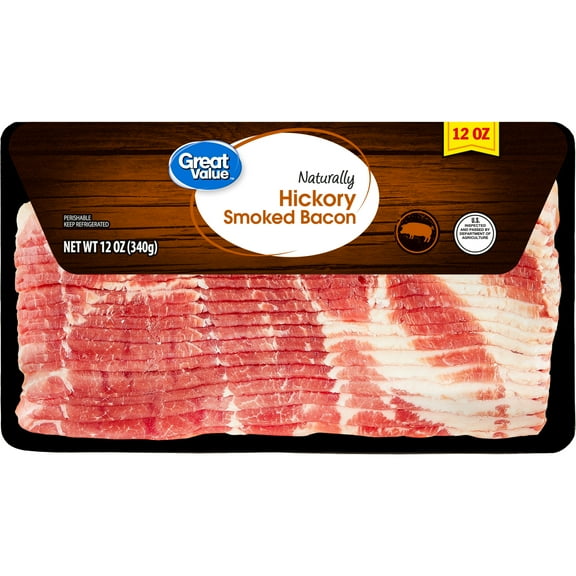


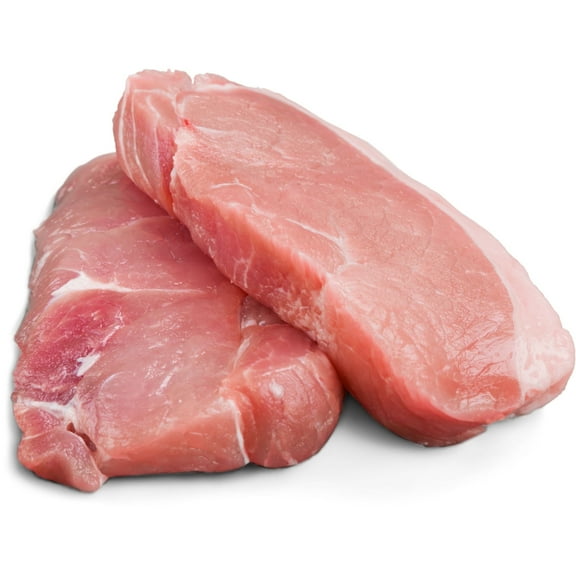
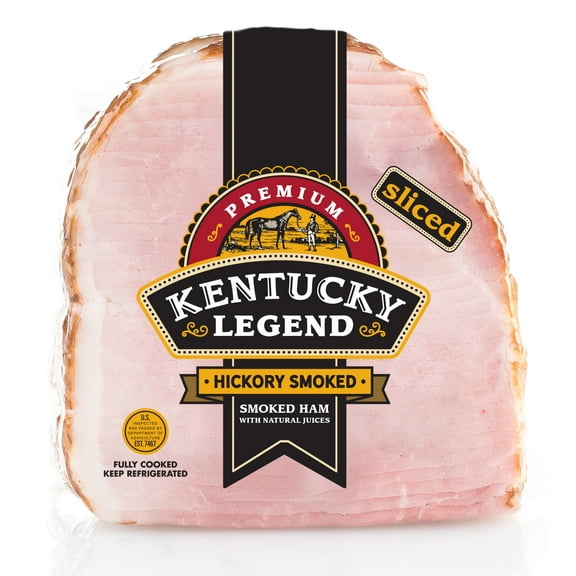
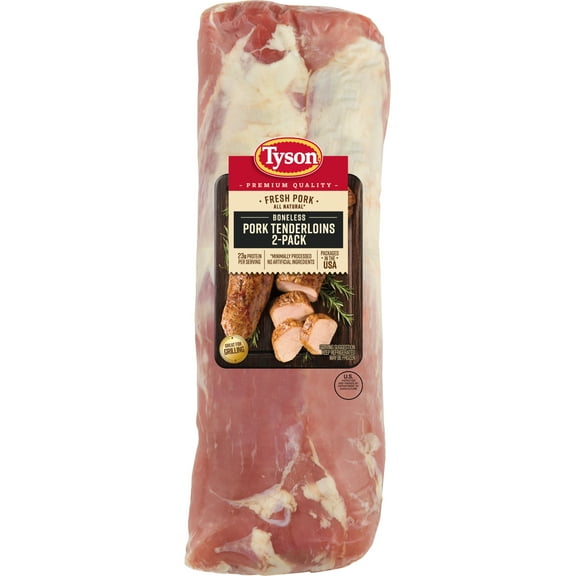








About Pork in Meat & Seafood - Walmart.com
Pork brings versatile meal options to your kitchen, from quick weeknight chops to slow-cooked roasts for gatherings. At Walmart, you can compare fresh pork cuts, pack sizes, and meal-ready options in one place.
That matters when youu're choosing between pork loin, shoulder, ribs, or pork belly for a specific recipe. Clear cut names and package details help you match the meat to your cooking plan.
Fresh pork meat for every meal
Fresh pork meat fits many cooking styles, including grilling, roasting, braising, pan-searing, and smoking. Different cuts bring distinct texture, marbling, and cook times, so your meals can feel tailored.
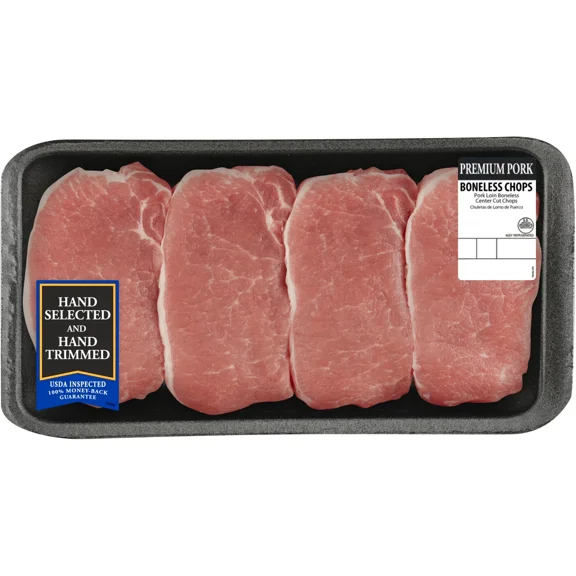
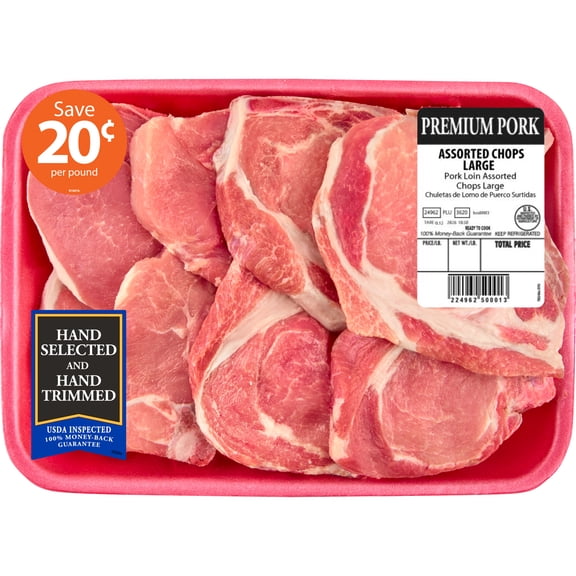
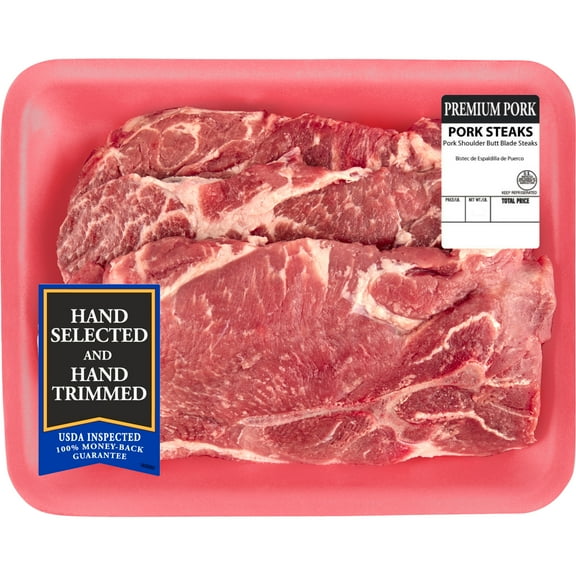
Pork chops work well for fast dinners, while shoulder suits pulled pork and long oven cooks. Ribs shine for cookouts, and tenderloin fits leaner center-of-plate meals.
- Pork loin and tenderloin support quick prep with shorter cook times.
- Shoulder and butt cuts hold up well in slow cookers and Dutch ovens.
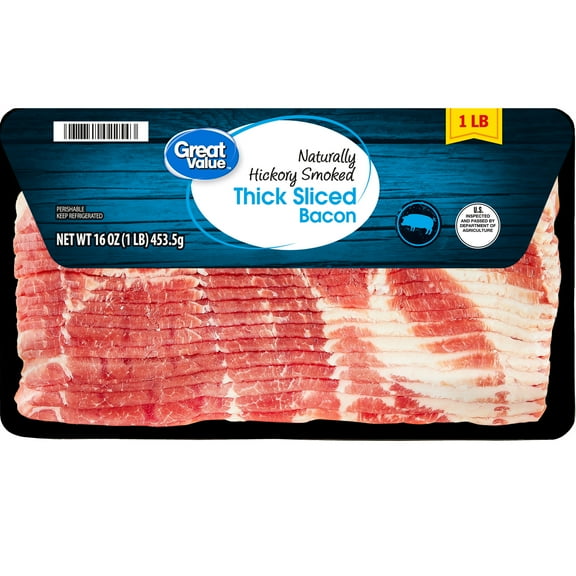
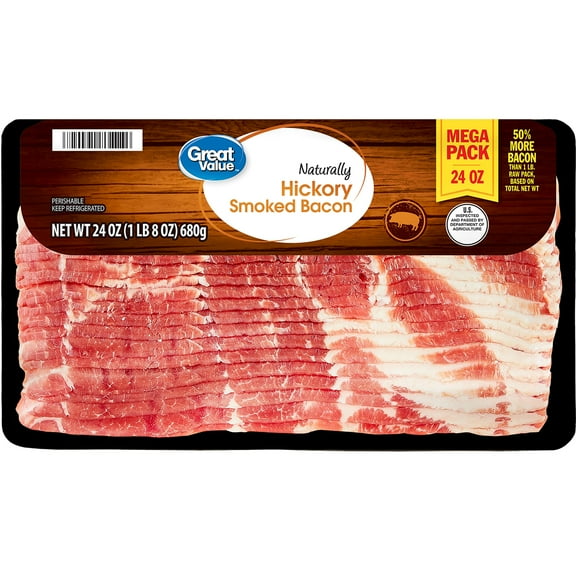
- Pork belly offers rich layers that crisp beautifully in the oven or skillet.
- Ribs and roasts help you plan family meals, holiday spreads, and weekend smoking sessions.
You can also choose packs that fit everyday dinners or larger cooking plans. That flexibility helps when youu're meal prepping, stocking the fridge, or planning several recipes.
Understanding pork prices and cuts
Knowing pork cuts makes comparison easier because each section of the animal cooks differently. Loin cuts are typically more uniform, while shoulder cuts carry more marbling and suit low, steady heat.
Pork price often varies by cut, bone-in style, thickness, and package weight. Looking at pork per pound helps you compare chops, roasts, ribs, and family packs more clearly.
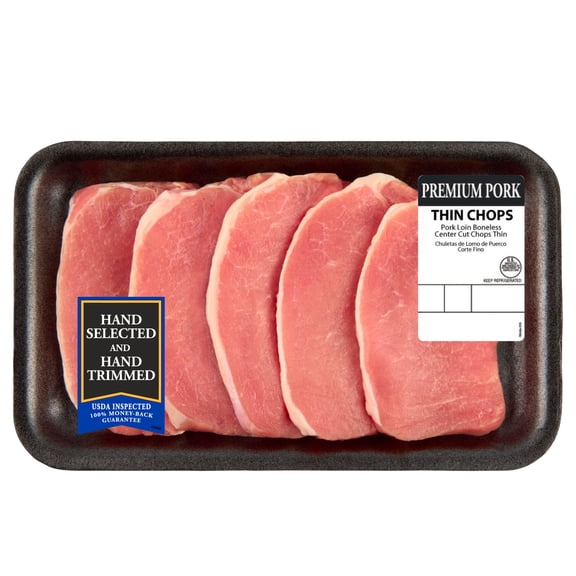
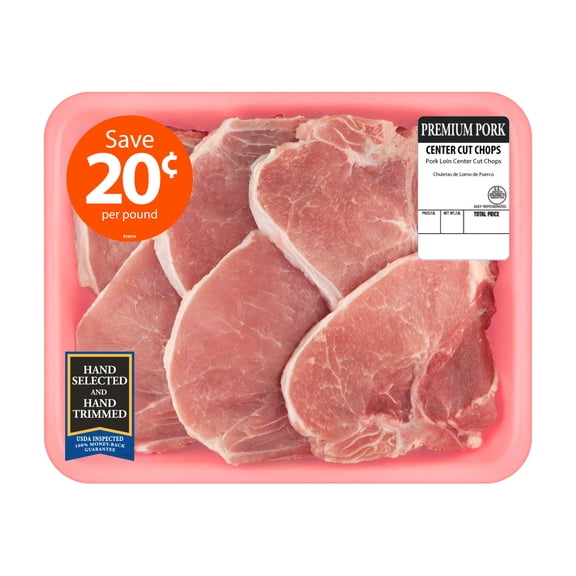
Bone-in pork chops can offer a different eating experience than boneless options. Center-cut pieces usually look more uniform, while thicker chops can handle searing and oven finishing.
Roasts also vary in shape and intended use. Pork loin roast slices neatly for dinner, while shoulder roast shreds well for sandwiches, tacos, and rice bowls.
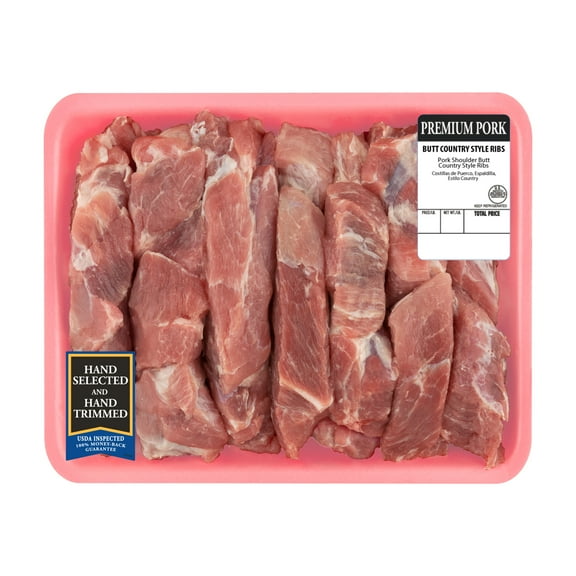
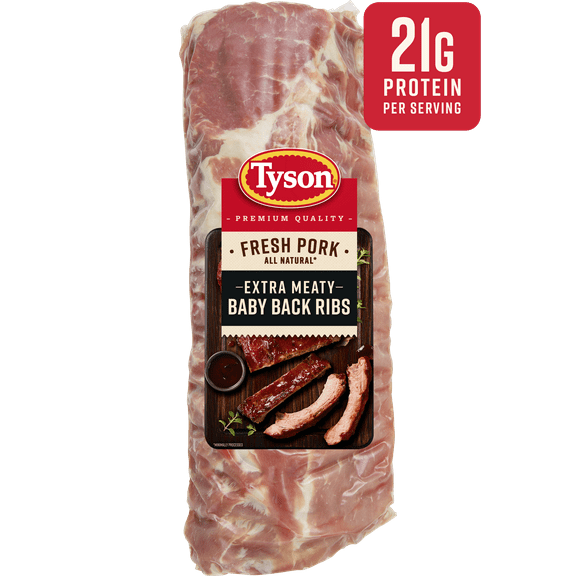
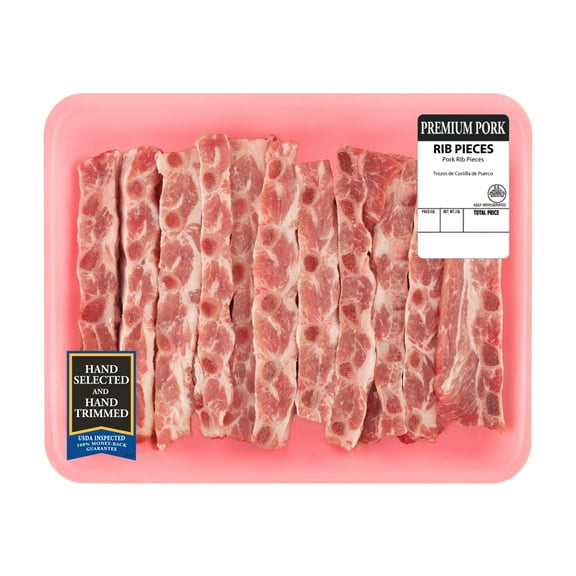
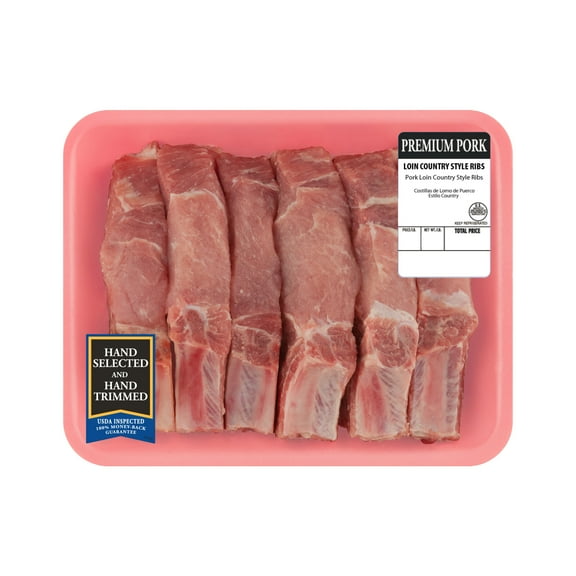
Rib choices matter too. Baby back ribs are smaller and curved, while spare ribs are flatter and often preferred for hearty barbecue plates.
If youu're comparing fresh pork meat for recipes, package labels can guide portion planning. Weight, count, and cut name help you estimate servings and cooking time.
Pork uses for weeknights, cookouts, and batch cooking
Pork adapts easily to both simple meals and longer weekend projects. Thin chops can go from skillet to table quickly, while roasts reward slower cooking with deep flavor.
For meal prep, pork loin and boneless chops are practical picks because they portion cleanly. Cooked slices work in grain bowls, sandwiches, wraps, and pasta dishes.
Cookout menus often center on ribs, thick chops, or pork belly bites with charred edges. These cuts pair well with dry rubs, barbecue sauces, and smoke-forward techniques.
Holiday and family meals often call for roasts that carve neatly and serve several people. A pork roast can anchor dinner with potatoes, greens, or glazed vegetables.
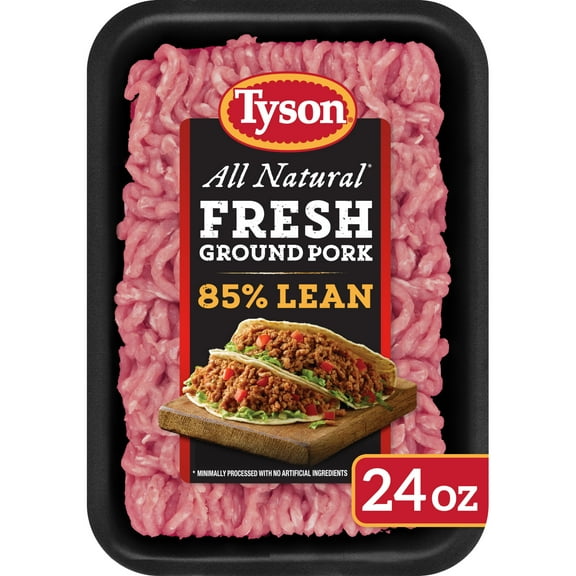
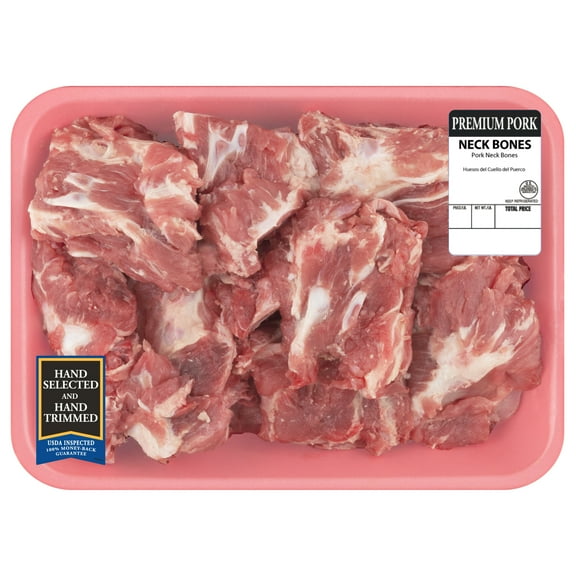
Comfort food recipes lean toward shoulder, stew meat, and richer cuts with connective tissue. Those options suit braises, ragus, chili, and slow cooker meals with tender texture.
You can also build global dishes with pork cuts chosen for the right texture. Think carnitas, tonkatsu, fried rice, ramen toppings, adobo, or crispy belly plates.
What to look for when choosing pork
Start with the cut name because it affects flavor, tenderness, and prep method. Chops, tenderloin, ribs, belly, and shoulder all serve different cooking goals.
Next, check thickness and package size. Thicker cuts can support searing and roasting, while thinner portions suit fast stovetop meals.
Marbling also shapes the final result. More internal fat often supports richer flavor and a softer bite, especially in shoulder, ribs, and pork belly.
Think about whether you want bone-in or boneless pieces. Bone-in cuts can suit roasting and grilling, while boneless styles simplify slicing and portioning.
Finally, match the cut to your cooking equipment. Smoker, grill, oven, pressure cooker, and air fryer recipes all perform differently with specific pork cuts.
With the right pork selection, you can plan anything from crisp cutlets to slow-roasted barbecue. Choosing by cut, weight, and cooking style helps every meal land right.