




Potty Training

































About Potty Training - Walmart.com
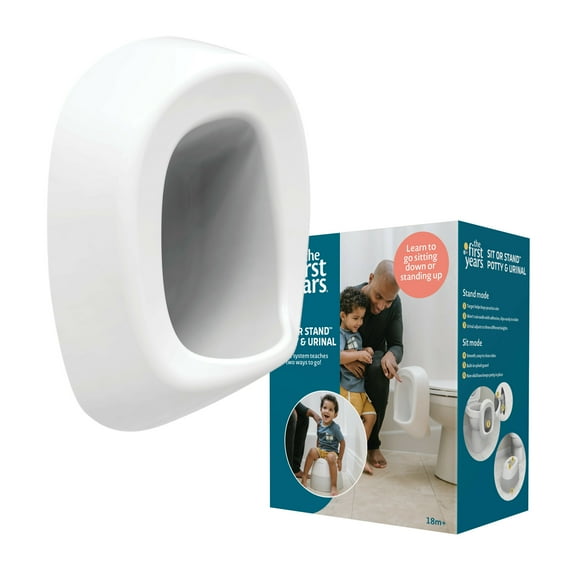
Potty training seats help you build a smoother bathroom routine for your toddler. You can compare seat types, toilet fit, and cleanup details that matter during daily practice.
How to choose potty training seats
You'll see several seat types in this category, and each one fits a different stage. You might start with a potty chair, switch to a potty training toilet seat, or pack a travel potty seat.
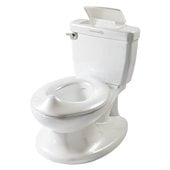
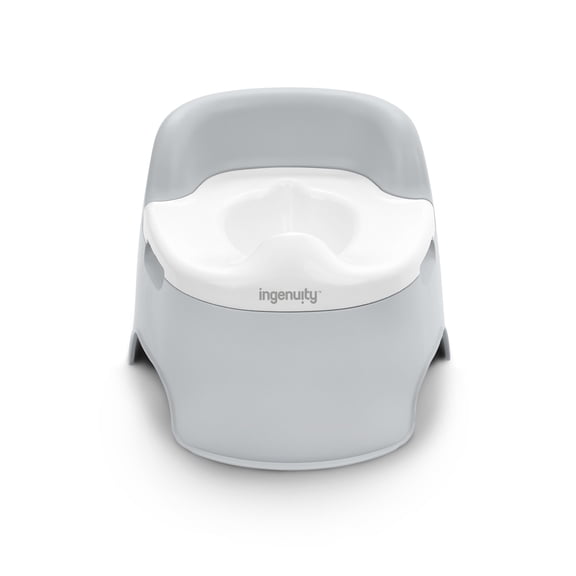
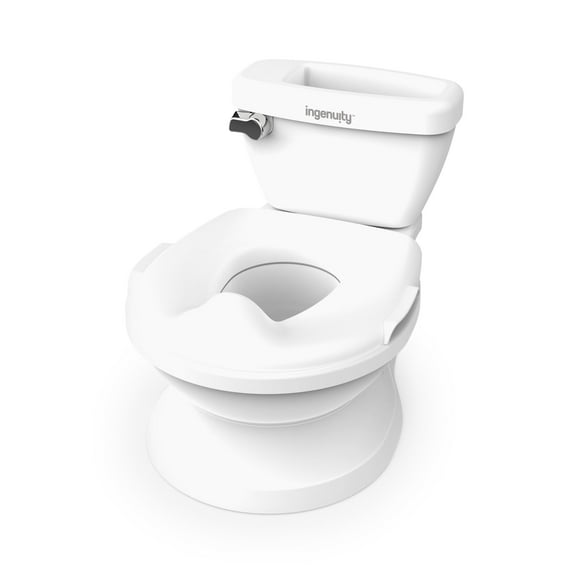
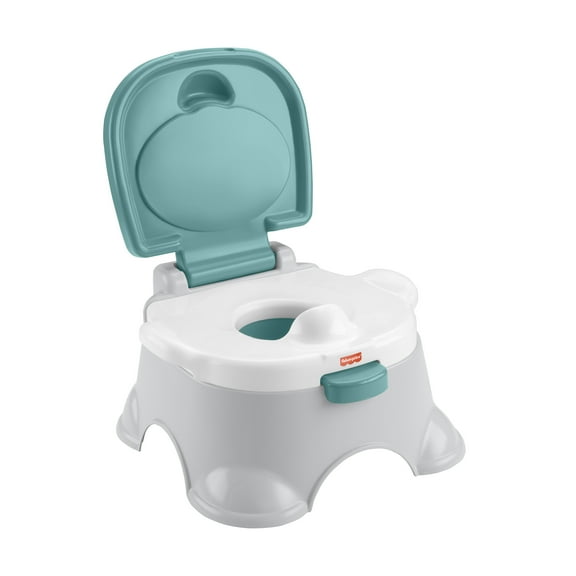
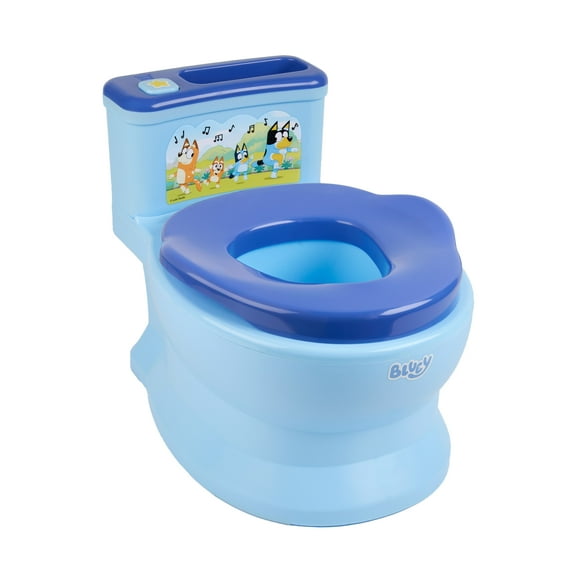
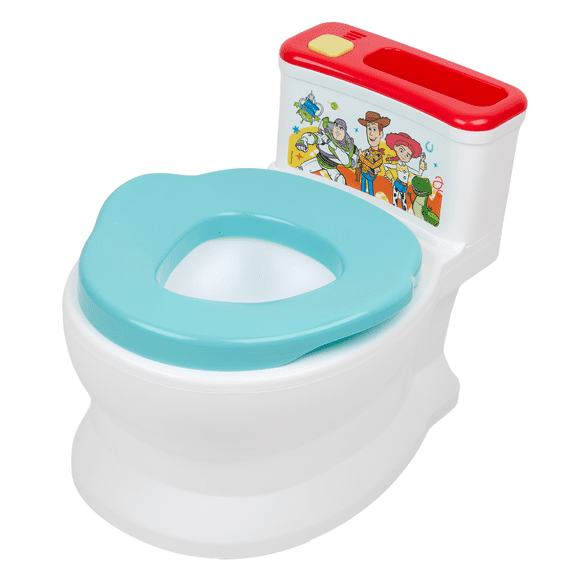
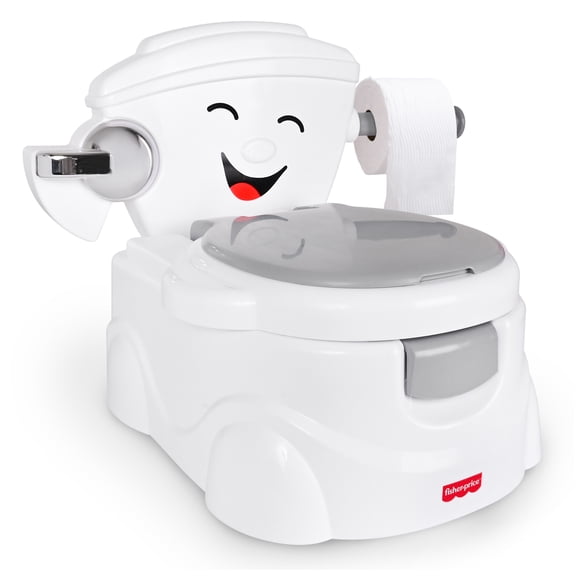
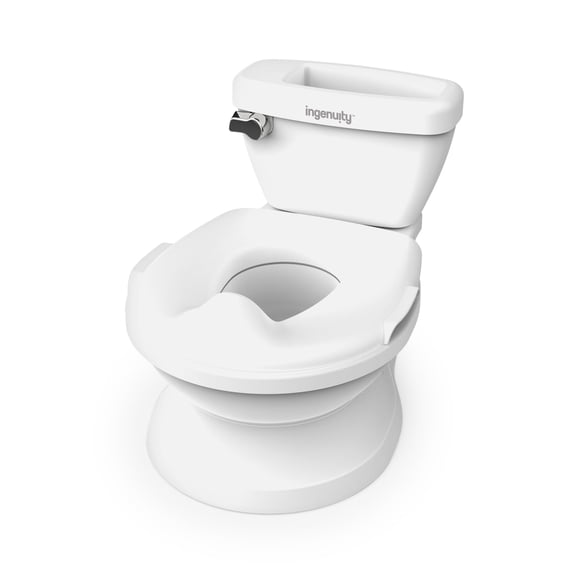
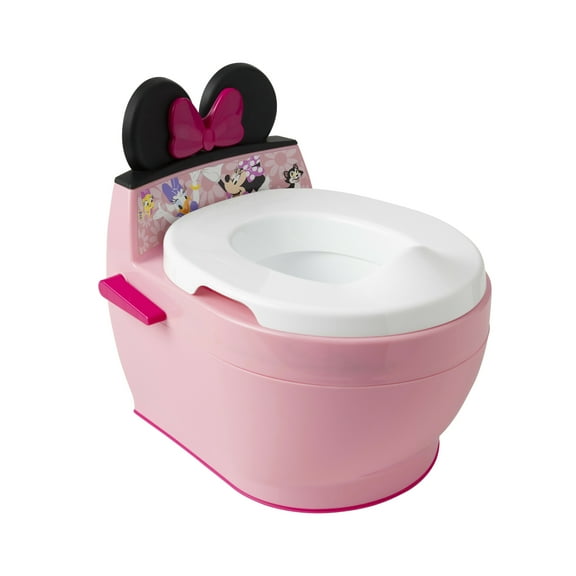
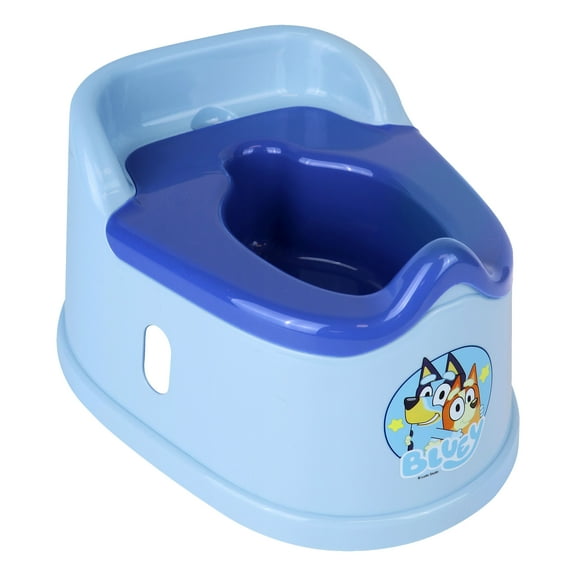
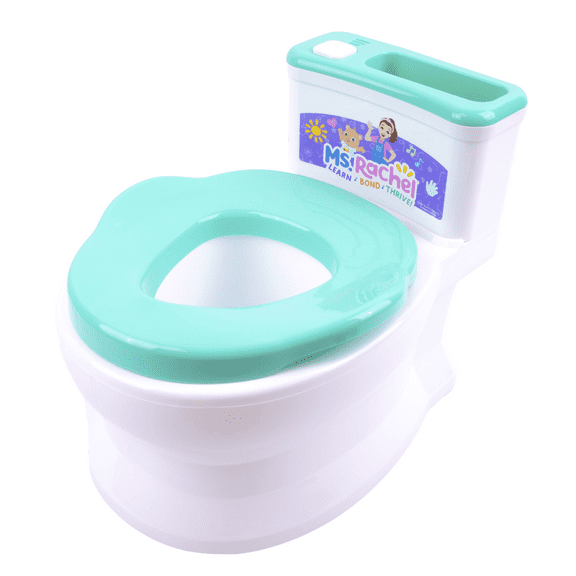
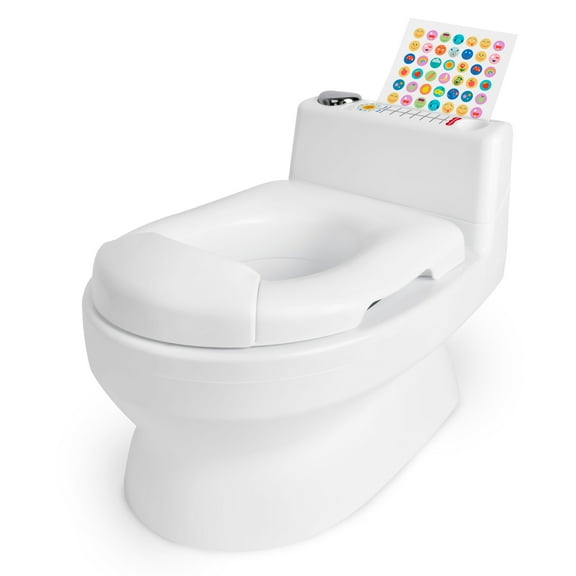
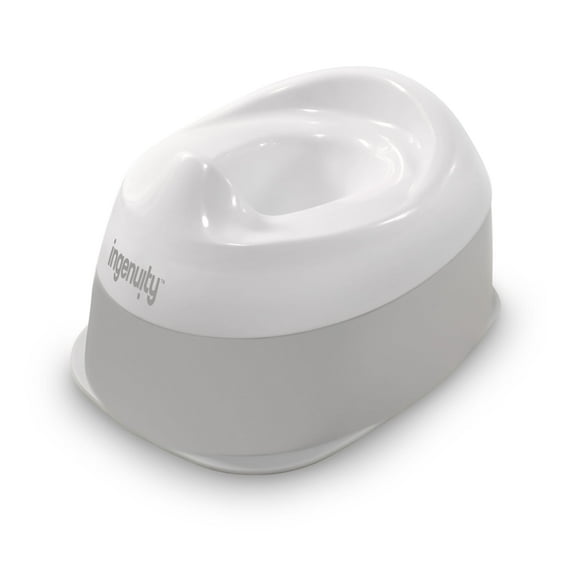
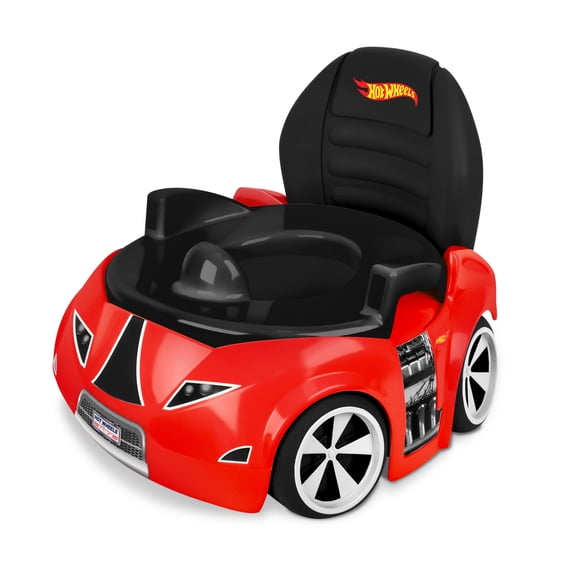
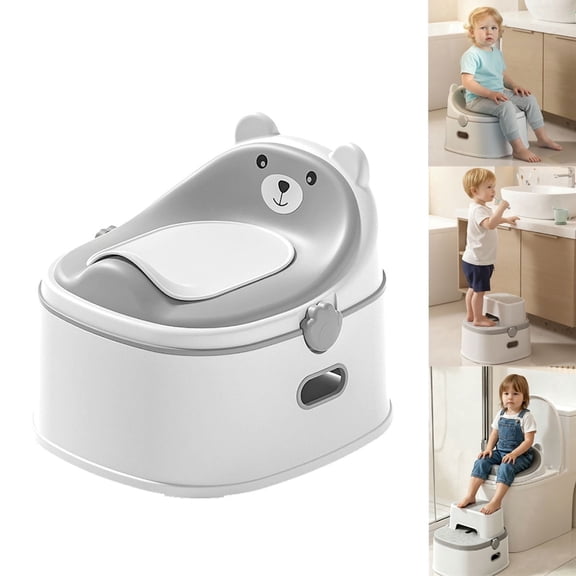
A potty chair gives your toddler a low, child-sized place to sit during early practice. You can place it in a familiar bathroom spot, and you can empty it after use.
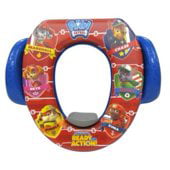
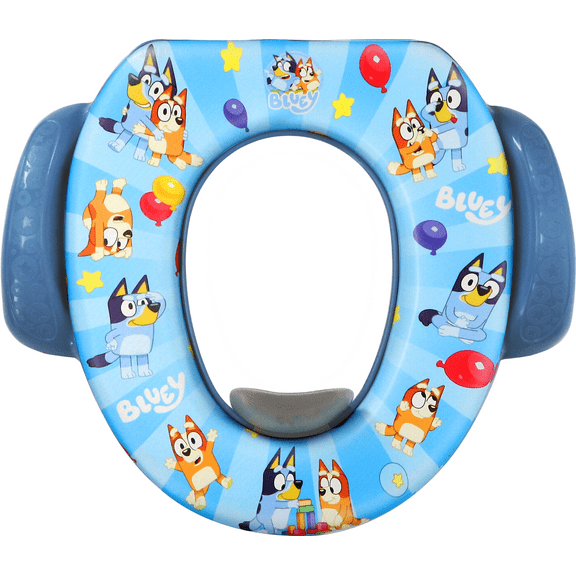
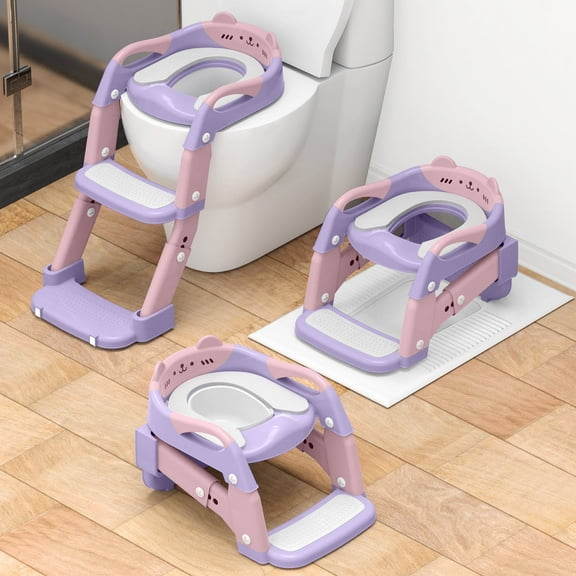
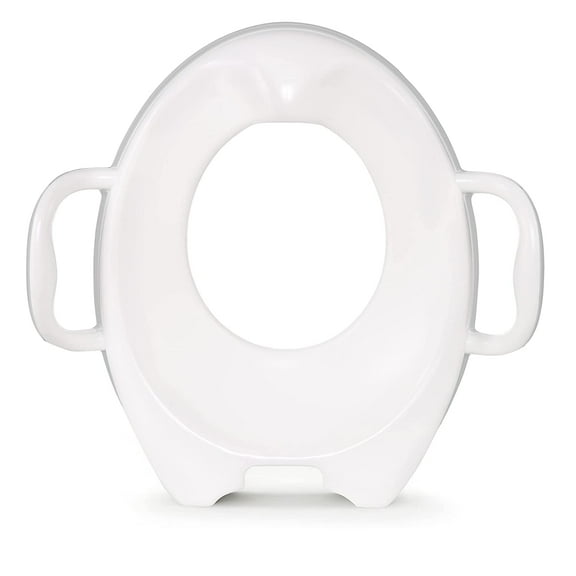
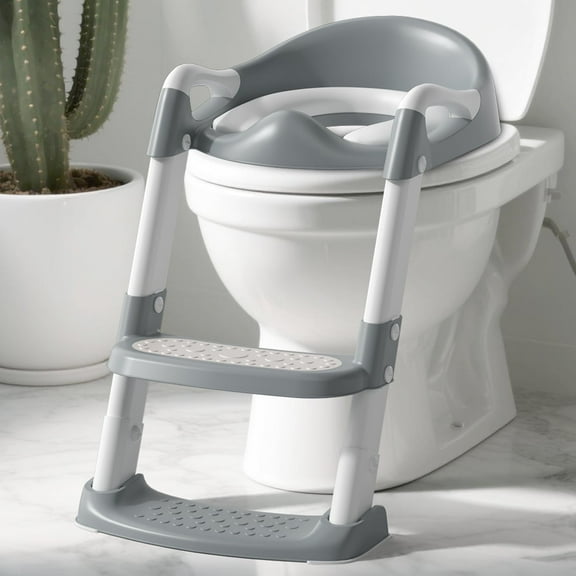
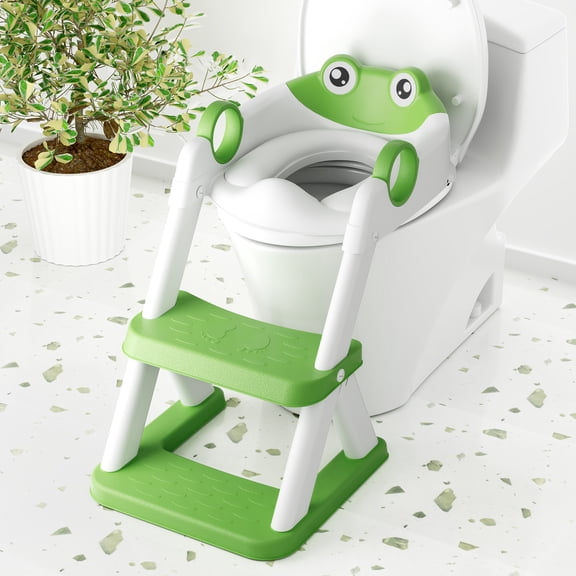
A toilet seat insert helps your child practice on the household toilet from the start. You can pair it with a step stool potty setup when your toddler needs easier access.
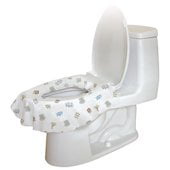
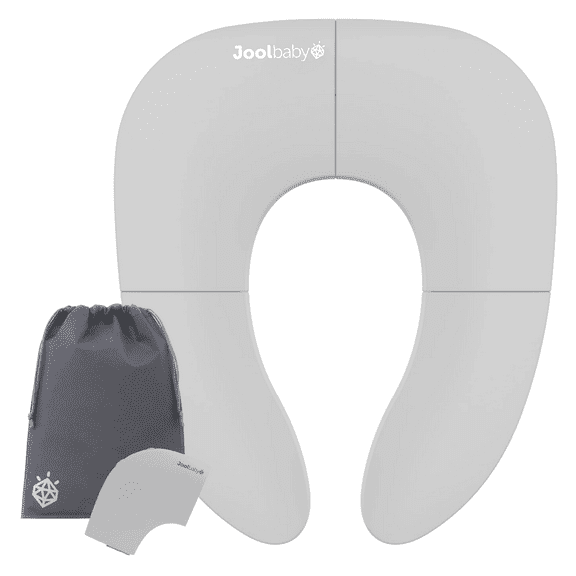
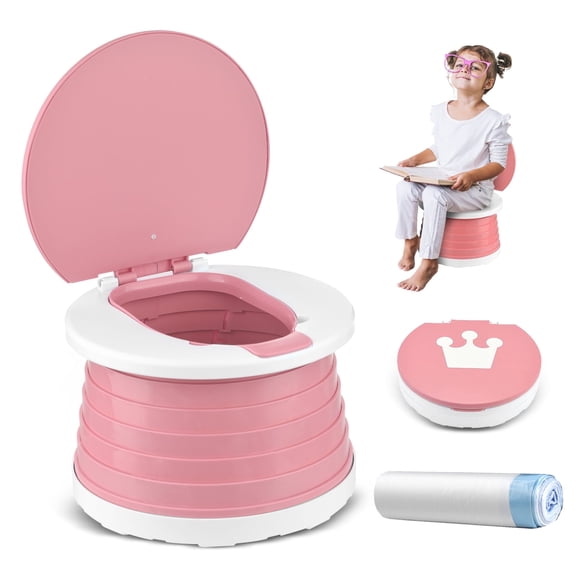
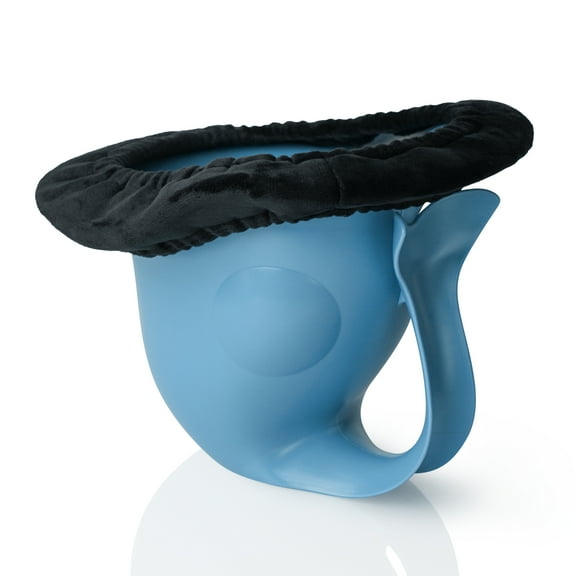
A travel potty seat supports routines away from home, so you can keep practice consistent. You can fold some styles into a diaper bag or stroller basket for quick outings.
- You can choose a potty chair for early independence and floor-level access.
- You can pick a toilet seat insert when your toddler is ready for the family toilet.
- You can use a travel potty seat when you need a familiar setup on the go.
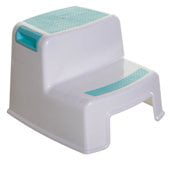
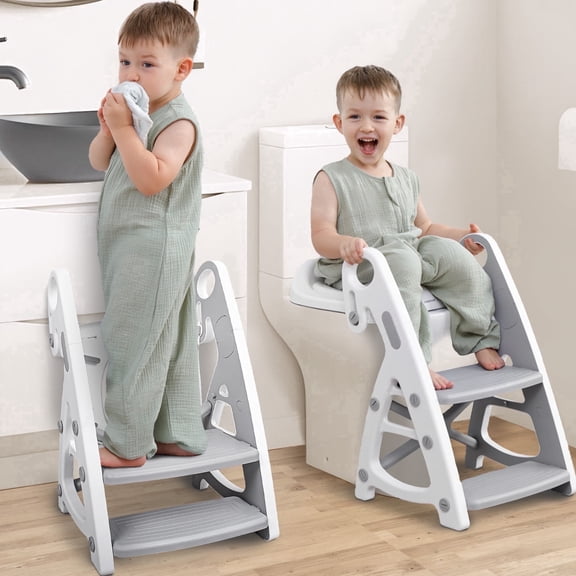
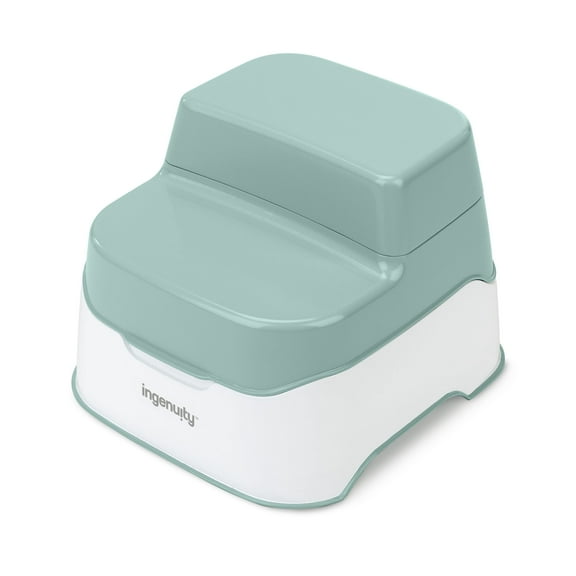
- You can add a step stool potty option when your child needs help climbing and sitting.
Choosing the right potty training toilet seat fit
You should check toilet compatibility before you choose a toddler potty seat. You can compare round toilets, oval toilets, and universal fit designs for steadier placement.
Round and oval toilets use different shapes, so you'll want a seat that matches your bowl. You can check listed dimensions first, and your seat should sit more securely.
Some inserts rest directly on the toilet, while others use a shaped mounting design. You can look for a centered fit that helps your seat stay aligned during use.
If your home has more than one bathroom, you may want a universal fit option. You can move it between toilets with less hassle during busy routines.
What to look for in a potty seat with handles
You can make practice feel steadier when you choose a potty seat with handles. Your toddler can hold the sides for balance while sitting down and standing up.
Non-slip grip details matter because you want the seat to stay put during movement. You can look for rubberized edges or textured contact points that help limit sliding.
A high-front splash guard can make cleanup easier during everyday practice. You can look for a raised front shape that helps guide messes into the toilet.
Handles, non-slip bases, and splash guards each support a smoother daily routine. You can compare these details together instead of focusing only on color or style.
Comparing cushioned potty seat and material options
You can choose materials based on comfort, cleanup, and how often the seat travels with you. You may see cushioned foam, durable plastic, and easy-clean silicone across this category.
A cushioned potty seat can feel softer during longer practice sessions. You may prefer that style when your toddler wants a gentler surface while getting used to sitting.
Durable plastic works well when you want a simple, wipe-clean seat with a structured shape. You can usually rinse or wipe it quickly between uses.
Easy-clean silicone can help when you want fewer seams and simpler maintenance. You can look for single-piece designs that leave fewer spots to clean.
Your material choice also affects portability and storage. You can choose lighter designs for travel or sturdier options for a dedicated bathroom routine.
Using potty training seats in everyday routines
You can match the seat type to your child's routine instead of forcing one setup. Your mornings, outings, and bedtime practice may call for different options.
If your toddler is just starting, you may prefer a potty chair in a familiar bathroom corner. You can give your child a lower seat height and a simple first step.
If your child wants to copy older siblings, a toilet seat insert may feel more natural. You can add a step stool and create an easier path to the toilet.
For daycare drop-off, errands, or weekend trips, a travel potty seat helps keep routines consistent. You can bring a familiar fit that folds or packs without taking much room.
If your child needs extra reassurance, handles and cushioning can support longer sits and calmer transitions. You can focus on comfort and stable placement during repeat practice.
When cleanup speed matters, you can choose smooth surfaces and removable parts that wipe down fast. You can also look for hook storage or compact shapes for smaller bathrooms.
How your toddler potty seat choice supports confidence
You can narrow your choice by checking seat type, toilet fit, stability features, and material first. Your routine feels easier when the seat matches your bathroom setup and your toddler's stage.
Potty training seats help effectively when you choose for real daily use, not just appearance. You can build a steadier routine with a fit that feels secure, cleans easily, and supports practice.