

Shop Quality Power Tools for Every Project
Shop by category

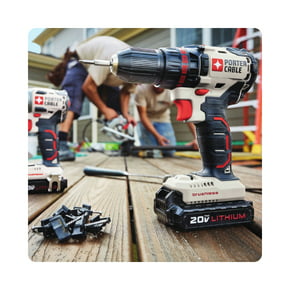
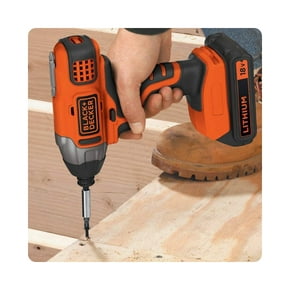
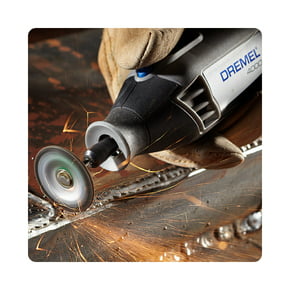
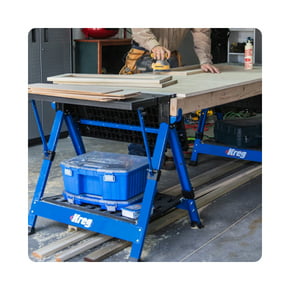
Shop by brand

FAQ
About Shop Quality Power Tools for Every Project - Walmart.com
Power tools help you drill, cut, sand, and fasten with more control. At Walmart, you can compare battery platforms, motor types, and kit options for your projects.
If you're replacing older gear or starting fresh, this guide helps you compare key choices clearly. You'll see which setups fit home fixes, weekend builds, and heavier tasks.
Choosing power tools for your projects
When you compare power tools, you should match the tool to your project and routine. You should also consider battery sharing, runtime, and where you'll work.
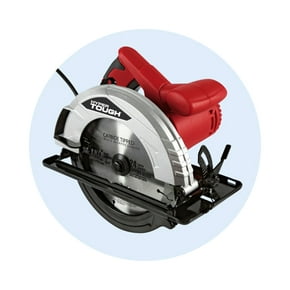
For home upkeep, you may use a drill, impact driver, circular saw, or sander frequently. If you're reviewing names of power tools, those core types cover many common jobs.
- You can drill pilot holes, drive screws, and hang shelves with a compact drill or driver.
- You can cut boards, trim material, and handle repairs with saws suited to your workspace.
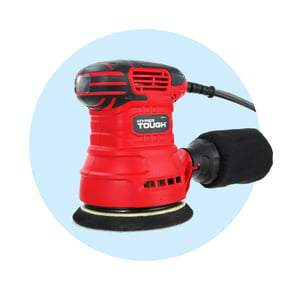
- You can smooth edges, prep surfaces, and refresh furniture with sanders designed for steady handling.
- You can start faster with combo kits when you want batteries, a charger, and several tools together.
Those benefits matter because you can build a setup around the work you actually do. This helps you avoid mismatched tools and focus on capability that supports your projects.
How to compare cordless power tool and corded options
You'll usually choose between cordless, corded, and pneumatic options based on mobility and output. If you move around often, cordless power tools give you easier carry and setup.
When you work near an outlet for longer stretches, corded tools give you continuous power without battery swaps. If you use an air compressor, pneumatic tools can fit repeat fastening tasks.
Voltage is a key decision because you need battery power that matches your tool platform. If you already own batteries, you'll want new tools that share the same system.
A 12V platform often suits lighter jobs and tighter spaces around your home. A 20V Max platform usually gives you broader compatibility for drilling, cutting, and driving.
If you need more output for larger outdoor or heavier tasks, you may consider 40V options. You'll want to check whether the battery works across other tools you may add later.
That platform approach matters because one charger and shared batteries can simplify your setup. You can spend less time sorting accessories and focus on finishing the job.
What to look for in power tools products and kit setup
Motor type affects how your power tool feels during repeated use. If you compare brushed and brushless designs, you'll notice different upkeep and runtime expectations.
Brushless motors can suit you when you want longer runtime and less routine maintenance. Brushed motors can still fit occasional jobs when you want straightforward performance.
You should also compare bare tools with full kits before you choose. A bare tool works well if your current battery and charger already match that platform.
A combo kit makes sense when you're building your first set or replacing several items together. You'll often get a drill, driver, batteries, and charger in one coordinated setup.
Size and grip also matter when you use tools above shoulder height or in corners. You'll want balanced weight, clear controls, and easy bit or blade changes.
Choosing power tools for home, DIY, and professional work
Power tools for home projects usually focus on versatility, easier storage, and lighter handling. If you're fixing cabinets, assembling furniture, or mounting hardware, compact tools often fit your routine.
For DIY projects, you may want a broader lineup that covers wood cuts, sanding, and repeated fastening. You'll benefit from shared batteries when your drill, saw, and sander use the same pack.
For professional work, you may need longer daily runtime and stronger output across repeated tasks. If you're handling bigger builds, you'll want to compare motor type, voltage, and kit configuration closely.
If you're asking what power tools to start with, begin with the jobs you do frequently. You'll usually get solid coverage from a drill, impact driver, circular saw, and random orbit sander.
That combination supports picture hanging, deck repairs, shelving, trim work, and furniture updates. You'll cover many common tasks without building an oversized collection too early.
Using powertools across real project types
Powertools support quick repairs, planned upgrades, and workshop builds when you match them to the task. If you're tightening hardware or drilling anchors, a compact driver can keep movement easy.
For cutting plywood or framing lumber, you'll want a saw with the right power source and blade setup. If you're refinishing a table, a sander with manageable weight helps you stay consistent.
In smaller spaces, cordless tools can help you move between rooms without extension cords. In a garage or dedicated work area, corded tools can make longer sessions feel more predictable.
If you're building a system over time, compare each addition against your current battery platform. This can help keep charging simpler when your drill, light, blower, or saw share the same pack.
At Walmart, you can compare power tools with a clearer view of power source, voltage, motor type, and kit format. This helps you make a more confident choice when each tool matches your projects and platform.