


Find auto parts that fit
Let’s search for parts that fit your vehicle.Programmers, Modules & Chips in Performance Computer Tuning
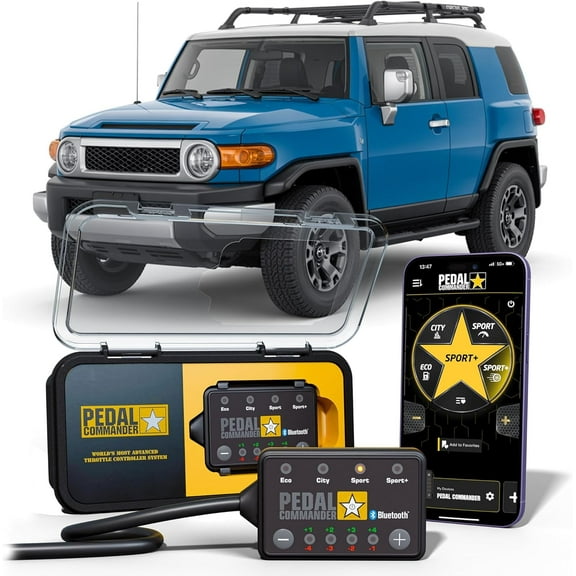


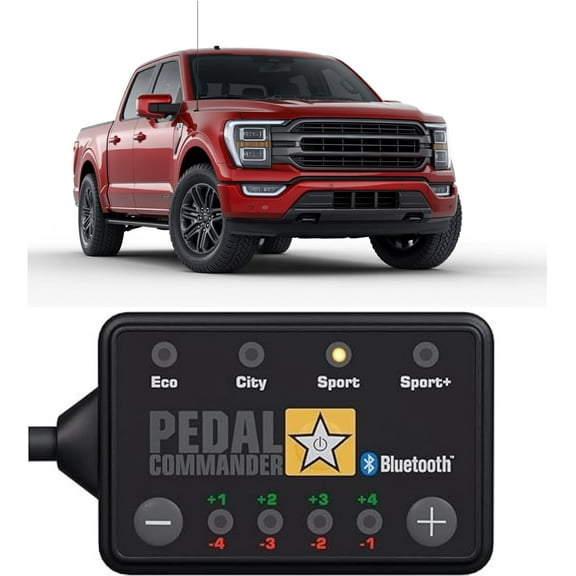
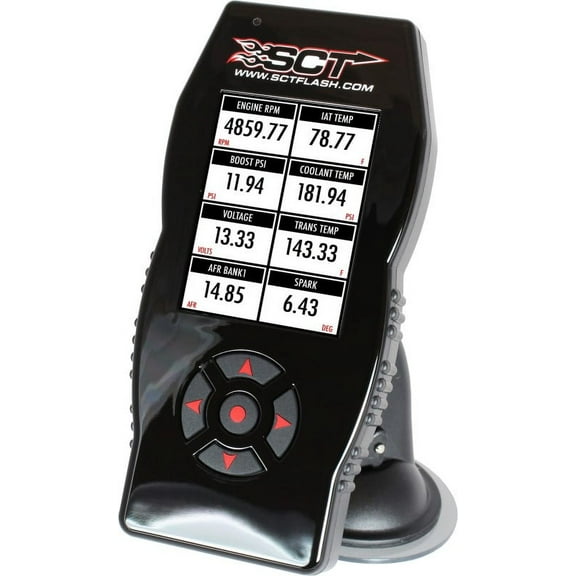
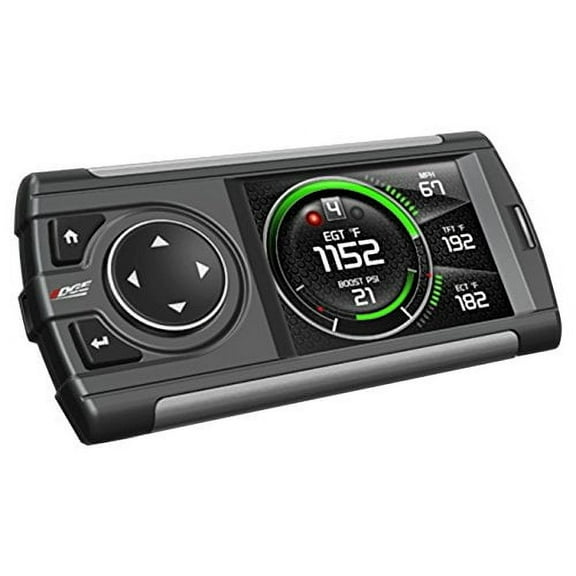





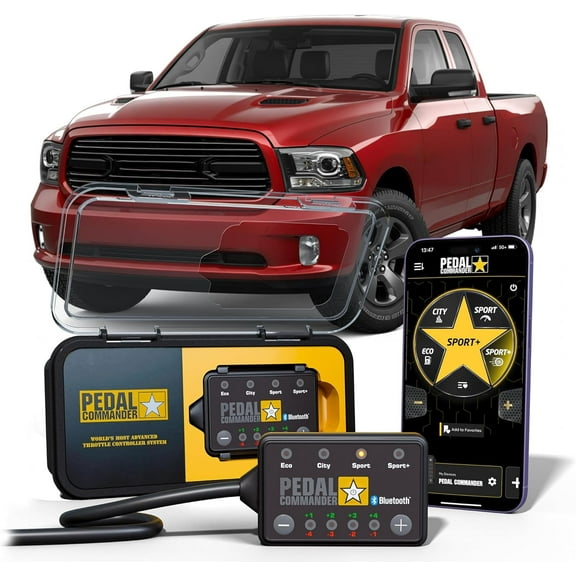
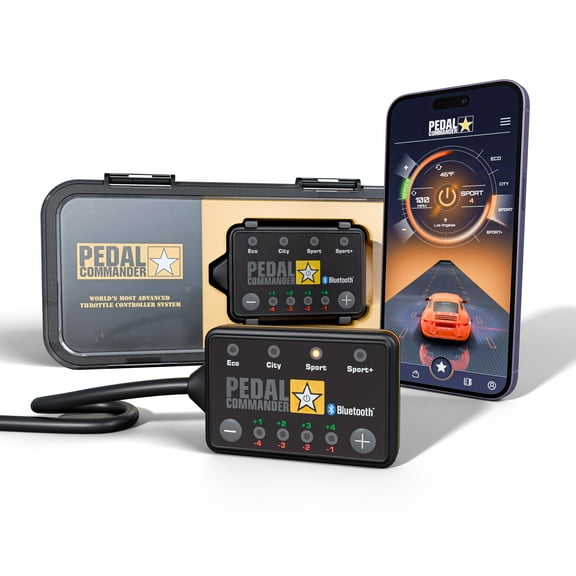
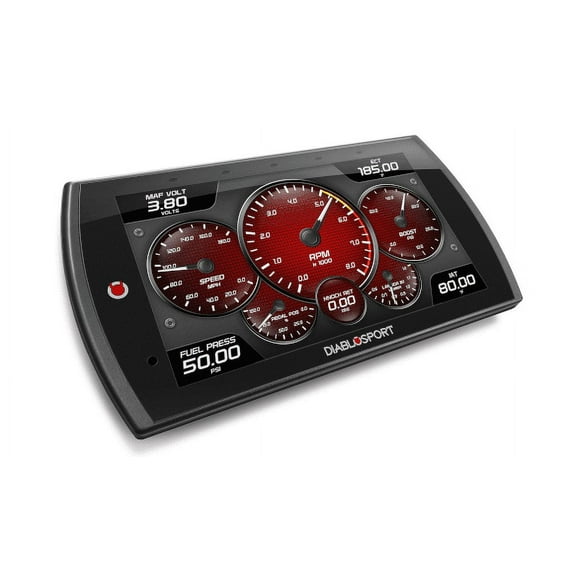


About Programmers, Modules & Chips in Performance Computer Tuning - Walmart.com
Performance computer chips help you match your vehicle setup to your driving goals. You can compare programmers, modules, and tuners by fitment, fuel type, install style, and daily use.
How to choose performance computer chips
You can start with vehicle fitment before you compare screen size or tune options. You should check your model year, engine code, and OBD-II protocol compatibility for a clean match.
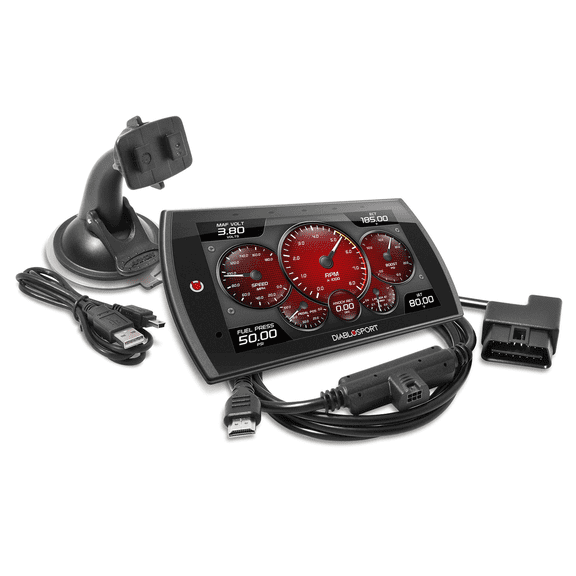
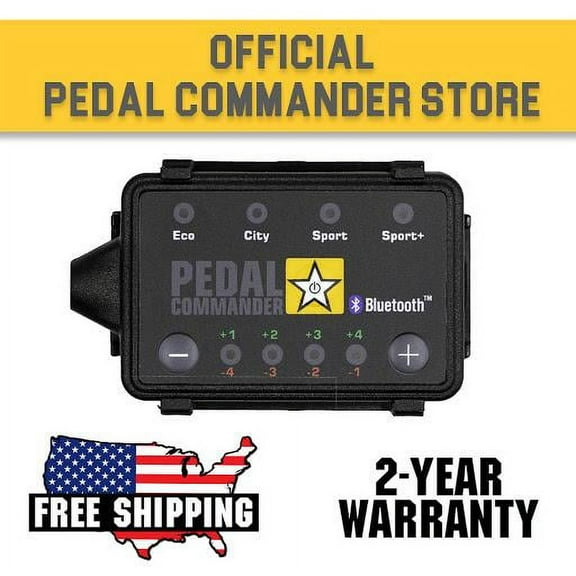
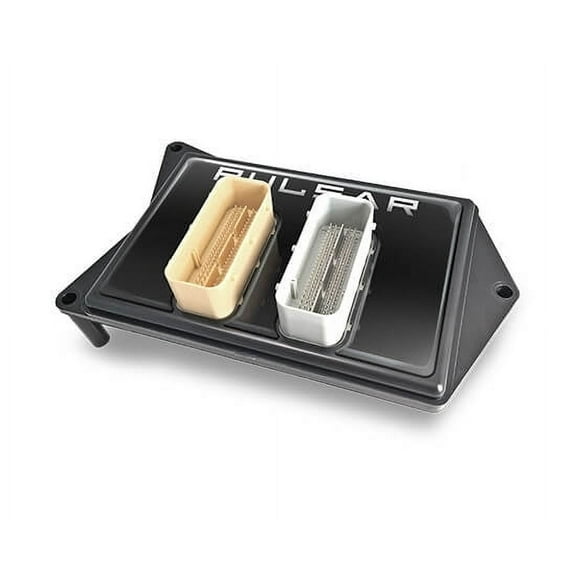
Your choice often depends on whether you want a handheld programmer, an inline module, or a dash-mount tuner. You can use device type to narrow how you install updates and switch settings.
When you match the right device to your vehicle, you can get a smooth setup experience and clear tuning results. You can also avoid guessing between diesel tuners, gas truck programmers, and car performance chips.
Key benefits of performance programmers
You can use performance programmers to align your settings with the way you drive every day. You may notice a significant difference when your tune matches towing, commuting, or weekend performance use.
- You can target horsepower gain when you want quick acceleration and strong passing response.
- You can prioritize fuel economy settings when you want efficient highway cruising and steady daily driving.
- You can support towing capacity needs when you want confident pulling power for trailers and loaded trucks.
- You can switch between stored tunes on many handheld units when your routine changes.
Your results depend on fitment, fuel type, and the tuning path your vehicle supports. You’ll usually find diesel applications and gas applications use different programming approaches and connection points.
Some shoppers want a simple plug-and-play OBD-II option for driveway setup. Others may prefer an under-hood harness module when they want a fixed installation style.
Comparing engine tuning modules by device type
You should compare device type first because each format changes how you install, monitor, and update settings. You’ll usually see handheld programmer, inline module, and dash-mount tuner options in this category.
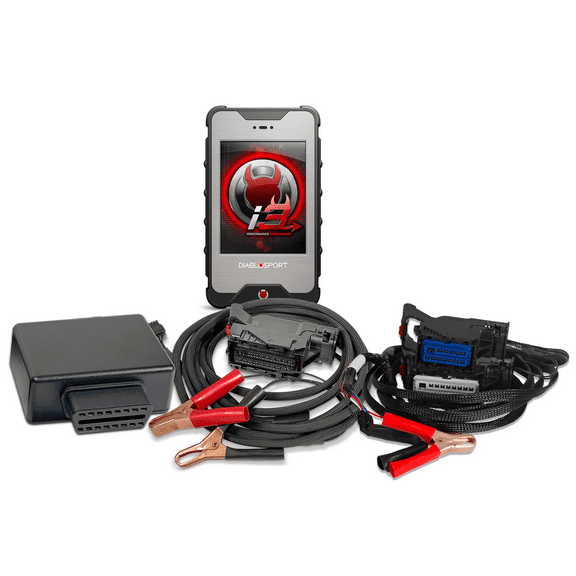
A handheld programmer works well when you want guided menus and tune storage in one portable unit. You can plug it into the OBD-II port, follow prompts, and return to stock on supported vehicles.
An inline module fits shoppers who want a hardware-based connection between factory components. You may need to connect an under-hood harness, so you should check whether your application calls for an involved setup.
A dash-mount tuner makes sense when you want live readouts within easy view during driving. You can monitor vehicle data, switch displays, and keep key information visible without opening the hood.
You should also compare update methods before you choose. Some units let you load software by USB or memory card, while others focus on fixed programming functions.
What to look for in fitment and compliance
You should confirm your vehicle’s year, make, model, engine code, and transmission details before you choose. You can get an accurate match when you also check fuel type and connector style.
OBD-II compatibility matters because you need the device to communicate with your vehicle’s computer correctly. You should look for supported protocols and listed applications instead of assuming all ports work the same.
Your state requirements may also shape your decision if you need emissions-compliant tuning. You can look for CARB-compliant options when you want a tune intended for approved road use in certain areas.
You may also want to think about warranty questions before you choose a tuning path. You can review product details and your vehicle documentation so your expectations stay clear before installation.
Matching your setup to daily use
You should choose settings based on how your vehicle spends most of its time. You may want a different setup for towing, highway commuting, off-road use, or weekend street driving.
If you drive a diesel truck with a trailer, you may focus on towing support and usable low-end pull. You can pair that goal with a diesel-specific programmer or module designed for truck applications.
If you drive a gas pickup or muscle car, you may focus on throttle response and strong acceleration. You can compare gas-compatible tuning options that support your engine family and intended driving style.
When you want easy installation, you should look closely at plug-and-play OBD-II options. If you don’t mind extra steps, you can consider under-hood harness styles for certain applications.
You can also compare display needs before you decide. Some drivers want a simple device they store away, while others want a dash screen that keeps data in view.
By aligning fitment, fuel type, and install style with your goals, you can narrow the category fast. You can end up with performance computer chips that fit your vehicle and the way you use it.
Your final decision should reflect how much tuning control you want and how much installation work you accept. You can choose with confidence when fitment, compliance, and daily drivability all line up.