

Protein Bars - High Protein Snack Options | Walmart
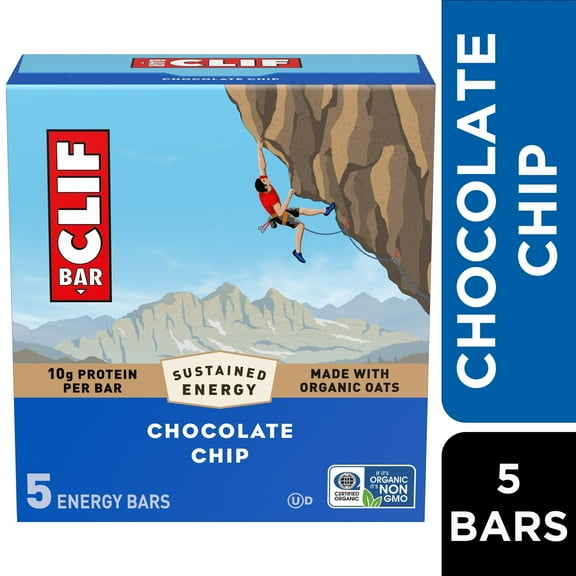


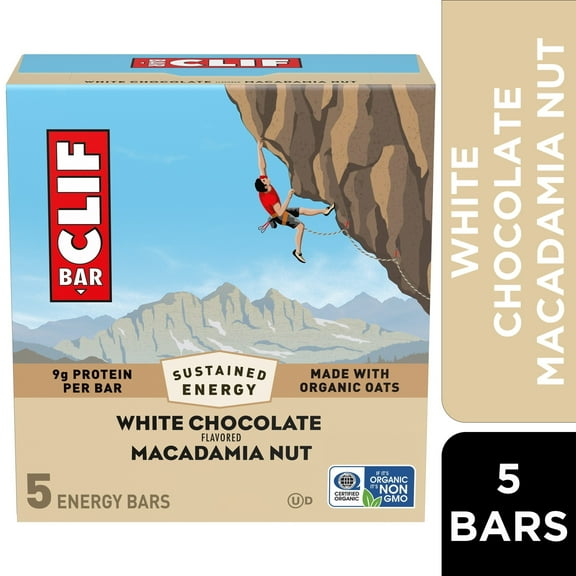
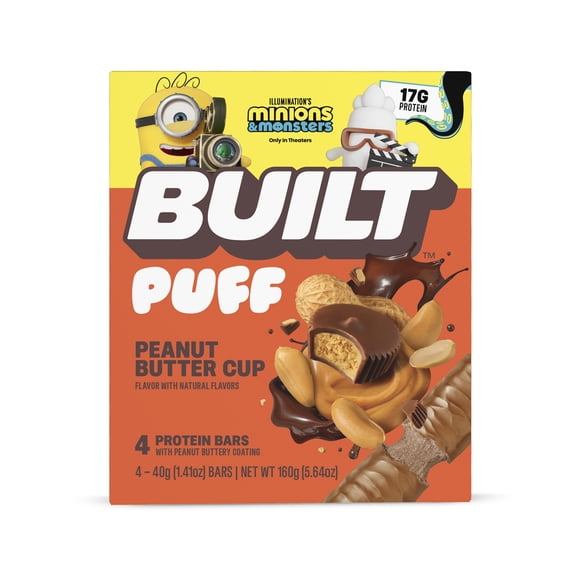

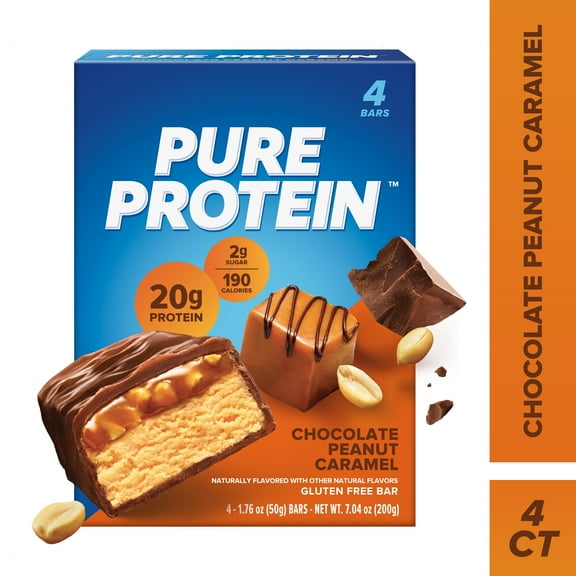

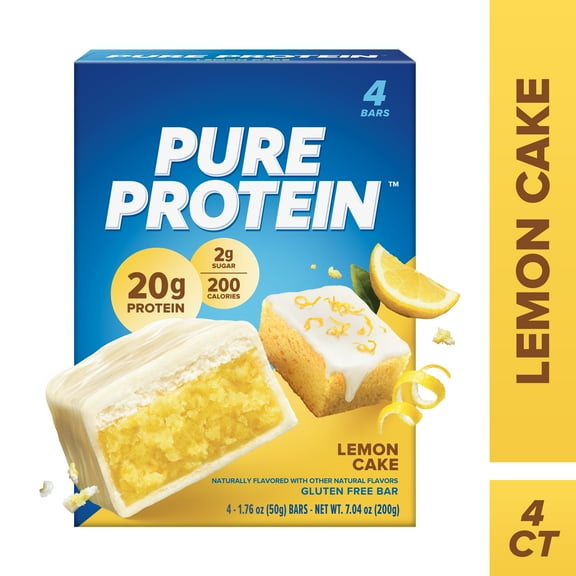
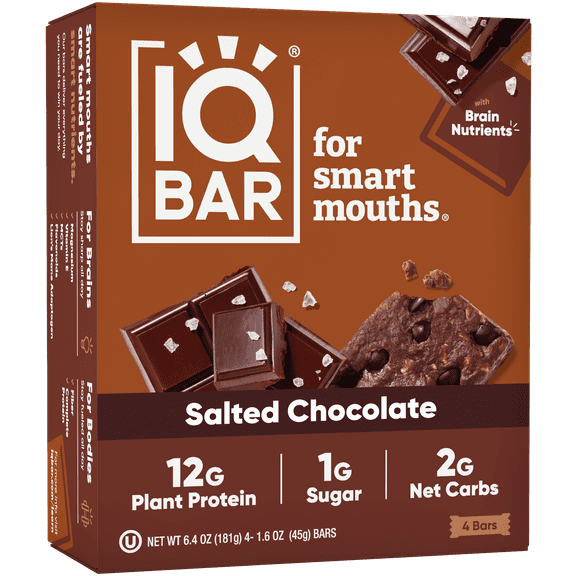
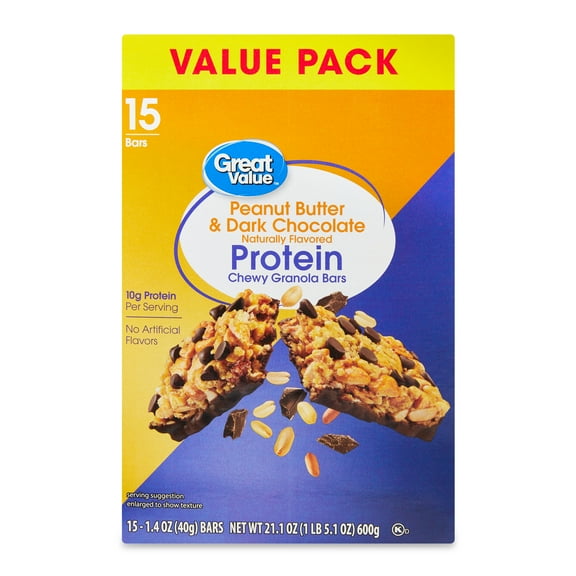

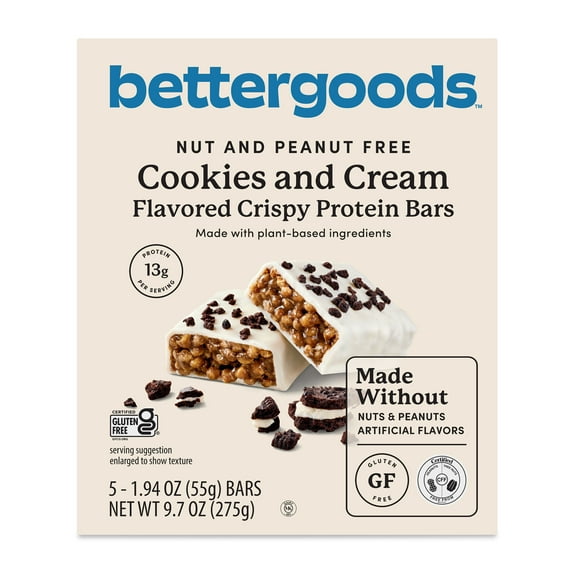

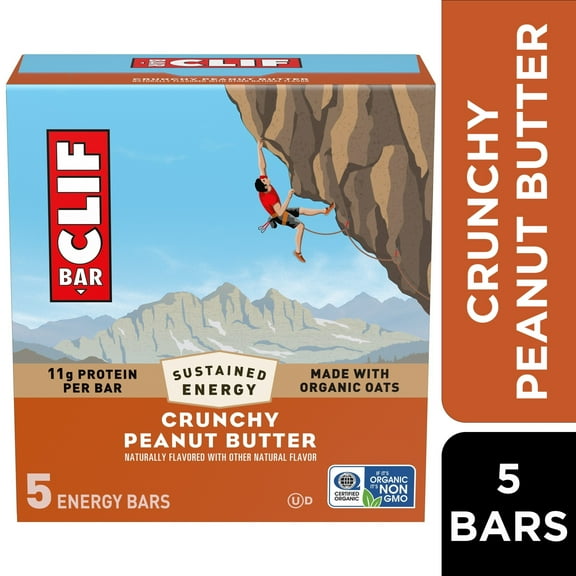
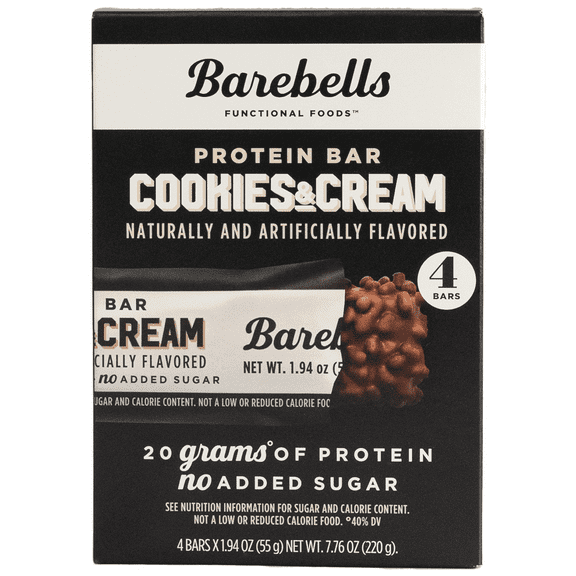
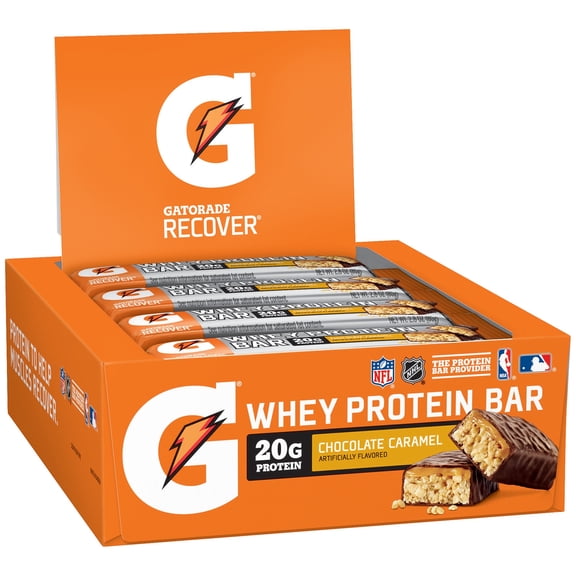


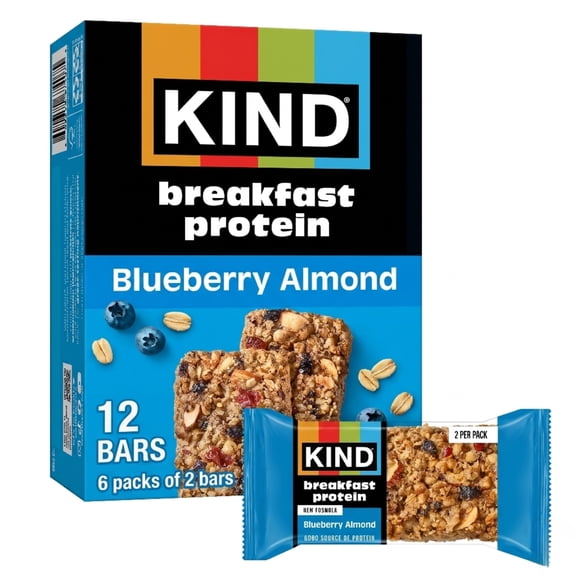

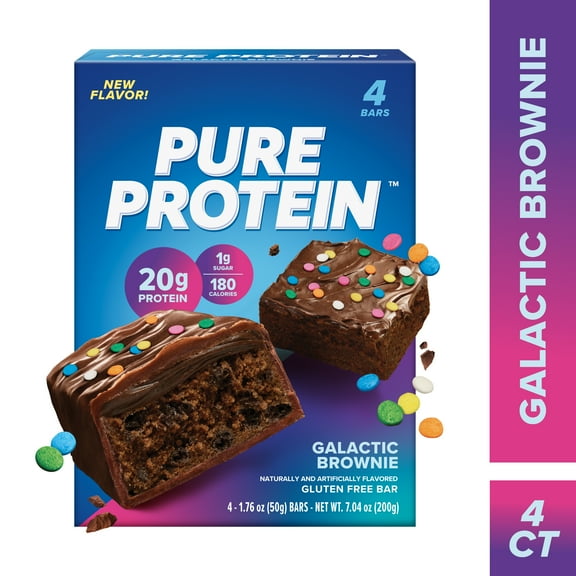


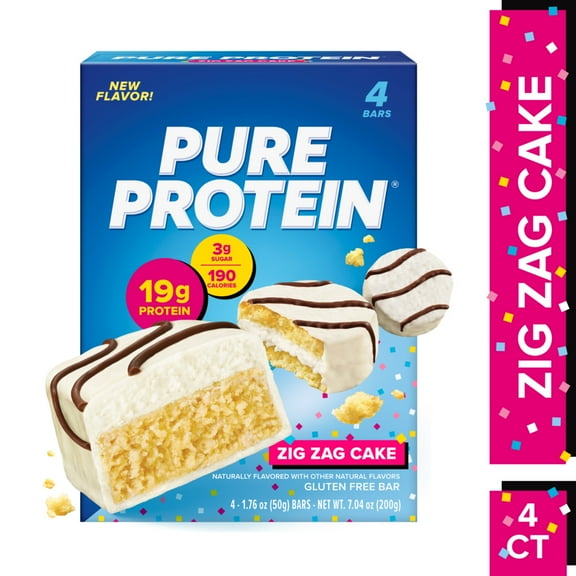
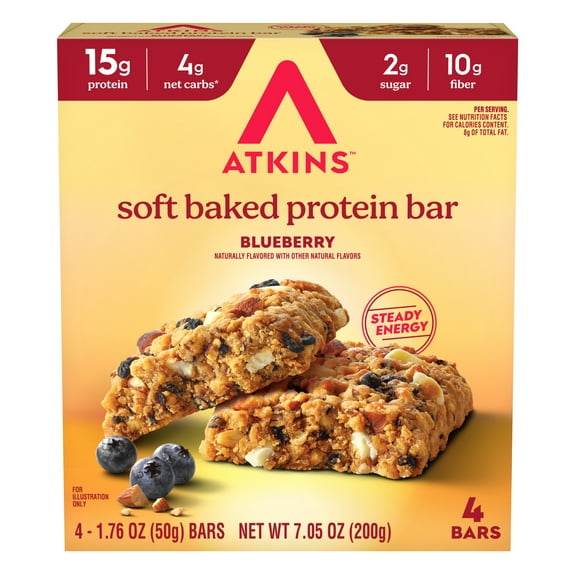

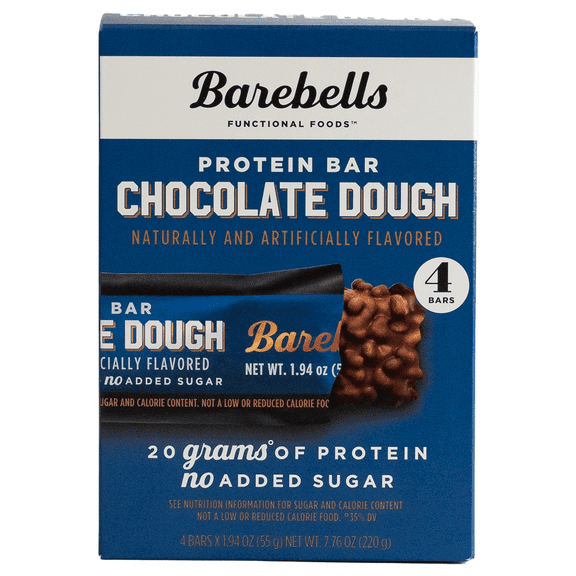
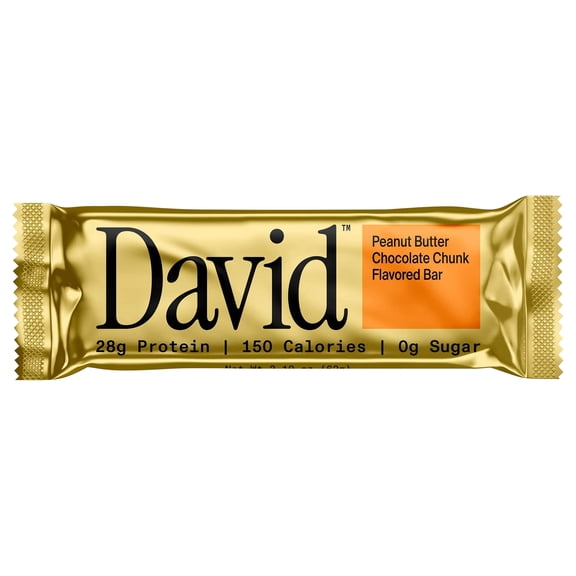

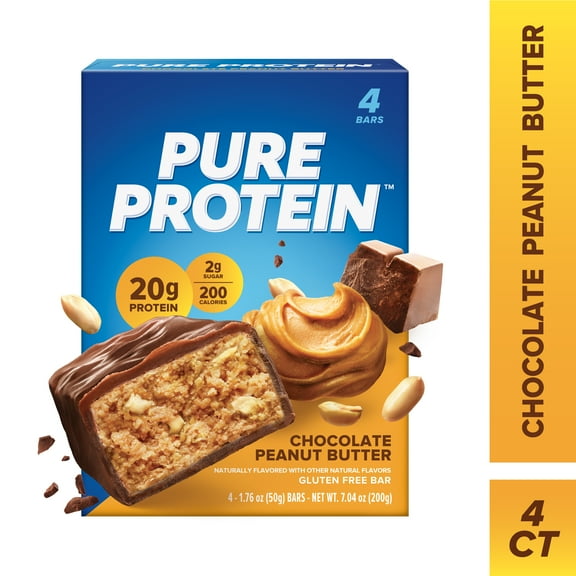


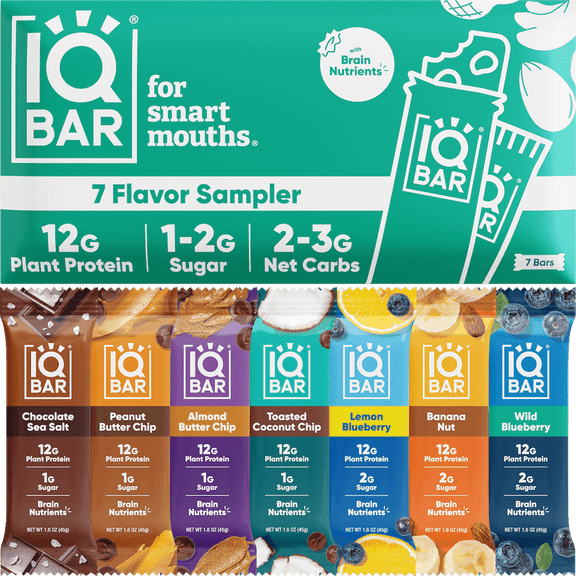


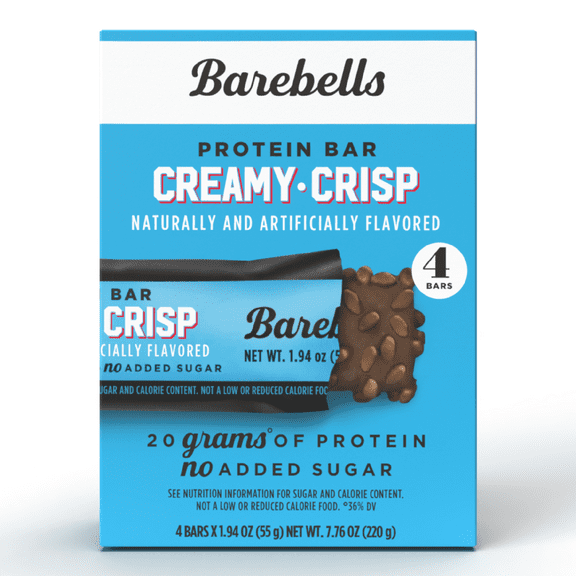






About Protein Bars - High Protein Snack Options | Walmart - Walmart.com
Protein bars help you keep snacks simple when you want portable fuel, easy variety, and clear nutrition choices in one aisle. You can compare protein source, sugar levels, texture, flavor, and pack size without leaving the protein category.
How to choose protein bars for your routine
When you compare protein bars, you should start with the protein-to-sugar ratio listed on each wrapper. You can use that ratio to spot options with more protein and less sweetness per bar.
If you prefer lighter carb counts, you can also compare net carbs across keto protein bars and similar formats. You should check serving size first, because a larger bar can change how those numbers read.
You may also want protein snacks that match your schedule instead of replacing every meal. You can keep a single bar in your bag, or choose a protein bars multipack for weekly planning.
- You can compare high protein bars by grams of protein per serving.
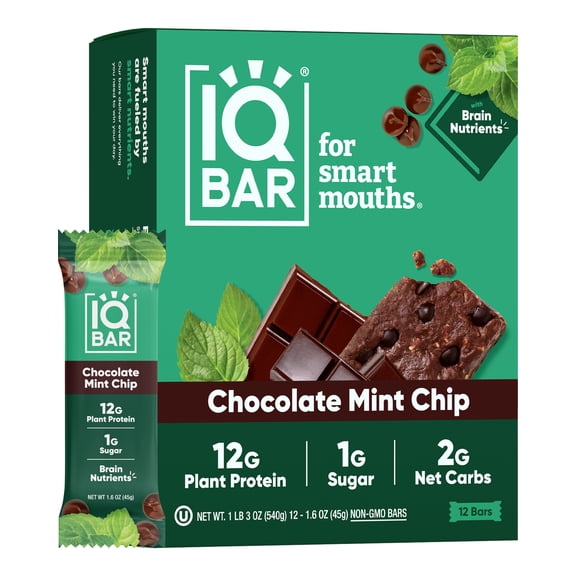
- You can narrow low sugar protein bars by checking sugar and net carbs together.
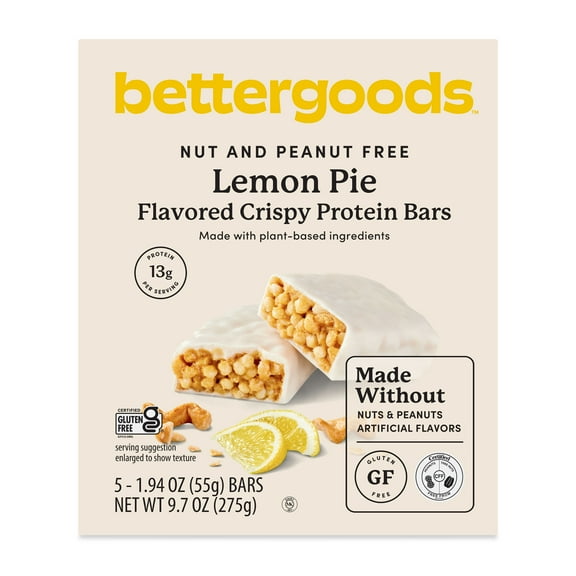
- You can look for gluten free protein bars when label clarity matters in your routine.
- You can choose plant based protein bars when dairy-free or vegan preferences guide your cart.
- You can pick single bars, variety packs, or bulk packs based on how often you snack.
Choosing protein source and dietary preferences
Your protein source can shape flavor, texture, and how the bar fits your lifestyle. You can compare whey, plant-based, soy, and egg white options with the same nutrition label approach.
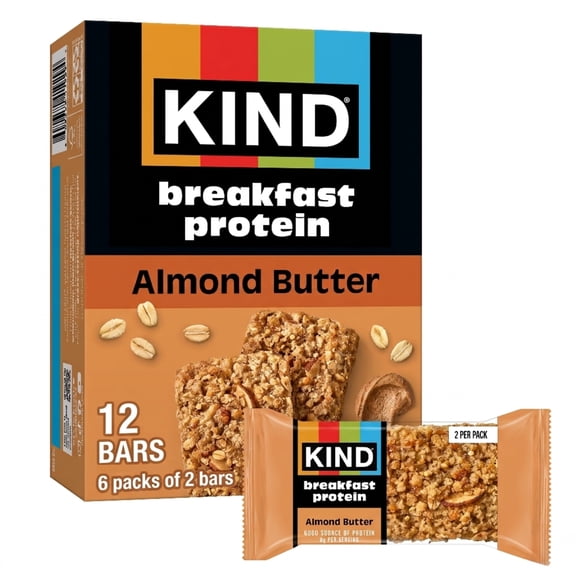
If you like classic gym-bag staples, you may prefer whey bars with familiar flavors and broad availability. If you avoid dairy, you can focus on plant based protein bars made with pea, brown rice, or blended proteins.
You might choose soy bars when you want another non-dairy option with a balanced texture. You can consider egg white bars when you want a different protein base with a lighter bite.
Your dietary preferences can narrow choices fast when you read front-of-pack claims and detailed labels together. You can compare vegan, keto, low-sugar, and certified gluten-free options with more confidence.
If you need gluten free protein bars, you should check whether the packaging states certified gluten-free. If you track ingredient sourcing, you can also look for non-GMO wording when that matters to you.
You may want low sugar protein bars for afternoon snacks that feel less candy-like. You can also compare keto protein bars by net carbs, sweetener type, and protein grams.
Comparing texture, flavor, and format
Your texture preference matters because it changes whether you reach for a bar again. You can choose chewy protein bars for a soft bite, or pick crunchy styles for more snap.
If you dislike chalky finishes, you should read reviews and ingredient lists for clues about mouthfeel. You can also try baked or wafer styles when you want a lighter texture.
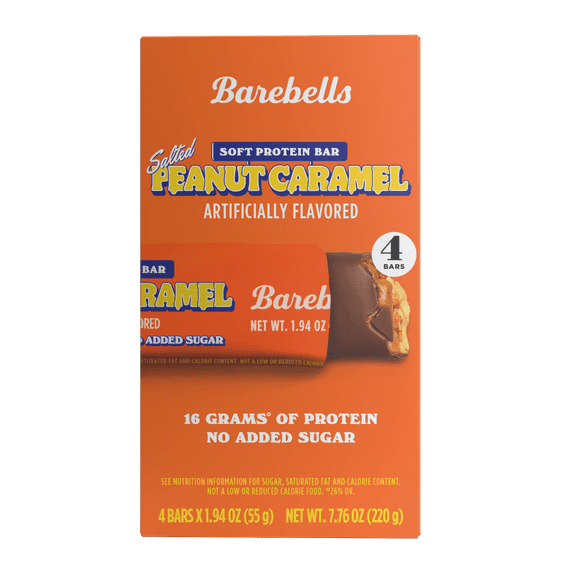
Your flavor choice can make routine snacking easier to stick with during busy weeks. You can compare chocolate protein bars, peanut butter bars, cookie dough options, and fruit flavors by sweetness and richness.
If you want dessert-inspired taste, you may choose chocolate or cookie dough varieties for a fuller flavor profile. If you want something brighter, you can look at fruit flavors for a less heavy finish.
Your format choice also affects convenience at home, work, or after activity. You can buy a single bar for trial, a variety pack for sampling, or a bulk pack for steady stocking.
If your household likes different flavors, you can use variety packs to test preferences before committing. If you snack often, you may prefer protein bars multipack options for easier pantry organization.
Matching protein bars to everyday use
You can keep protein snacks at your desk when meetings stack up and lunch runs late. You can also tuck bars into a gym bag, backpack, or travel tote for quick access.
If you need a quick morning option, you can pair a bar with fruit or yogurt for a more complete start. If you want a simple afternoon pick-me-up, you can choose a bar with a balanced protein-to-sugar ratio.
You may want plant based protein bars for shared spaces where dairy-free and vegan preferences overlap. You can keep several flavors on hand so your routine feels less repetitive.
If your goals include lower sugar choices, you can compare labels across low sugar protein bars before you stock up. You should also check fiber, protein grams, and net carbs for a fuller picture.
You can use gluten free protein bars for road trips, campus days, or office drawers when label clarity matters. You can also choose wafer or baked styles when you want a different bite than dense chewy bars.
Your shopping decision gets easier when you compare protein source, dietary fit, texture, flavor, and pack size together. You can leave with bars that match your schedule, taste preferences, and label priorities more closely.
Protein bars work well when you choose them like a shopper, not just a snacker. You can feel more confident when each bar fits your routine, flavor expectations, and nutrition checklist.