

White Cheddar Pretzel Balls & Puffed Snacks | Walmart




















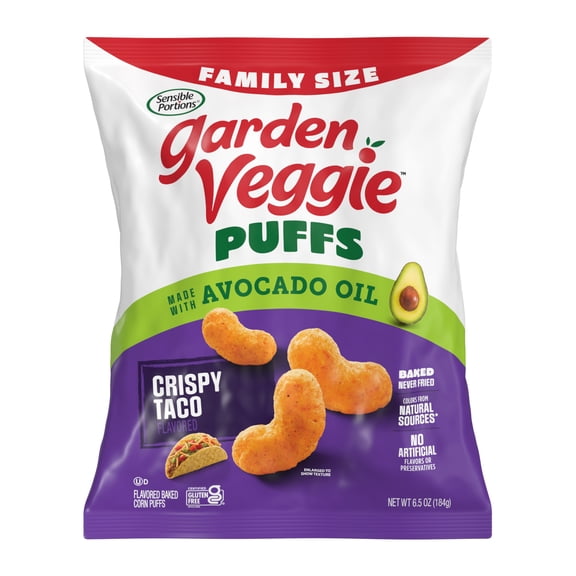


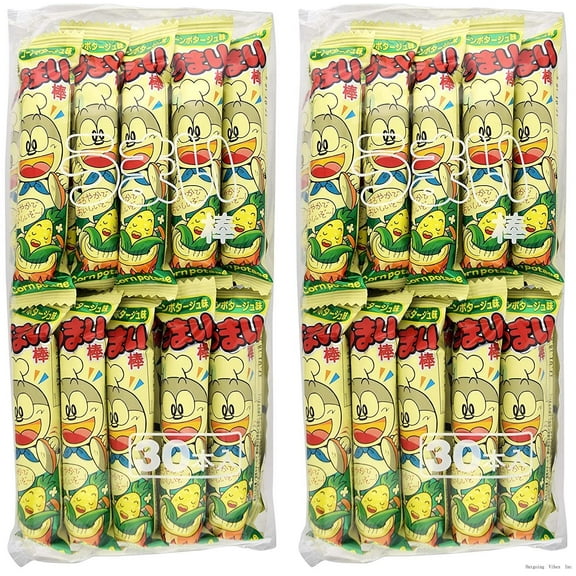


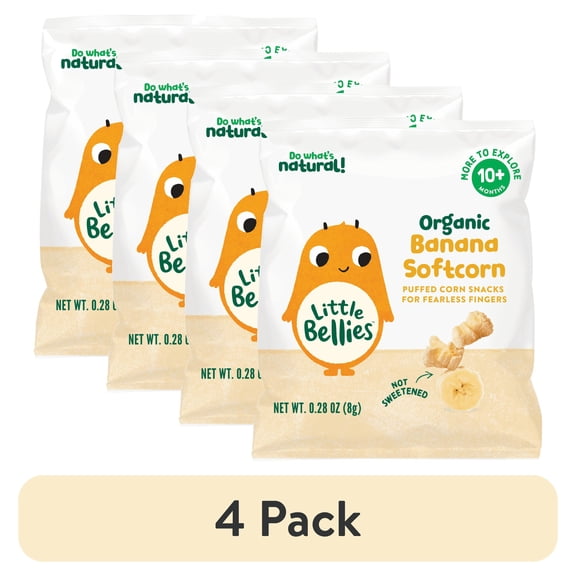

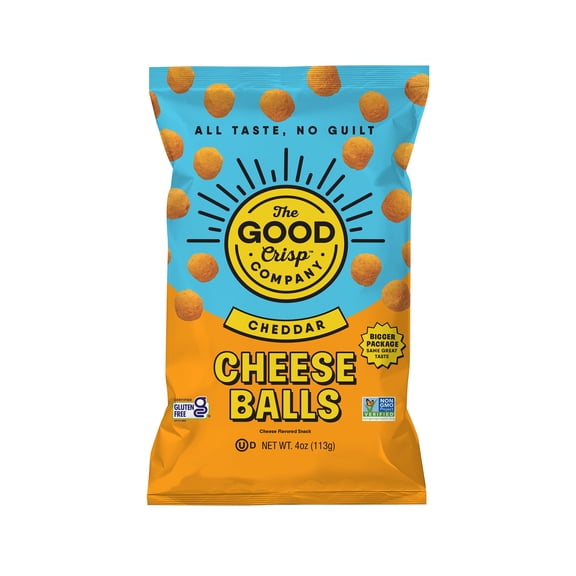


About White Cheddar Pretzel Balls & Puffed Snacks | Walmart - Walmart.com
Outdoor cushions help you refresh your patio seating with comfort, color, and a more tailored fit. You can compare shapes, fabrics, and fill types to match your space and your seating style.
If you’re replacing faded pads or updating a full set, you’ll want details that hold up outdoors. You’ll also want clear sizing guidance, since exact measurements matter for a clean look.
Choosing the right outdoor cushions
You should start with cushion type, because each seat shape needs a different profile. You’ll usually choose from deep seat styles, chair pads, bench cushions, and chaise lounge cushions.
Deep seat outdoor cushions work well when your chairs have wider frames and room for thicker backs. Chair pads suit compact dining sets, while bench styles fit porch swings and entry seating.
Chaise lounge cushions help you cover longer reclined frames with a smoother, more finished appearance. You can create a more coordinated setup when your seat shape matches your frame dimensions closely.
- You can improve comfort by matching cushion type to your seat depth and back height.
- You can keep your patio looking pulled together by choosing colors and patterns that fit your furniture.
- You can update older seating fast with replacement patio cushions in the size you need.
- You can make everyday use easier by selecting fabrics that wipe clean and dry quickly.
How to measure outdoor chair cushions and patio cushions
You should measure width, depth, and thickness before you compare outdoor chair cushions or outdoor furniture cushions. You’ll get a neater fit when you use exact numbers instead of estimates.
For seat pads, you can measure side to side across the seat, then front to back. For back cushions, you should measure the full height and width of the support area.
You may also want to check corner shape, because rounded corners fit differently than square edges. You’ll notice that even a small size difference can change how securely a cushion sits.
If your furniture has ties or attachment loops, you should check their placement before you choose. You can also compare non-slip backing when you want a cleaner look without visible fasteners.
Comparing materials for waterproof outdoor cushions
You should look closely at cover fabric, because weather exposure affects color, texture, and cleanup. You’ll often see polyester, olefin, Sunbrella, and waterproof fabric options across patio cushions.
Polyester can give you a smooth finish and a wide range of prints for seasonal updates. Olefin usually appeals when you want strong color retention and a fabric that feels made for daily outdoor use.
Sunbrella is a common choice when you want fabric known for outdoor performance and lasting color. Waterproof outdoor cushions can also help you manage splashes and damp weather more easily.
You should also look for UV resistance and water repellency in plain terms on product details. You’ll benefit from fabrics that resist fading in strong sun and shed light moisture faster.
For busy patios, you may prefer covers that wipe clean with simple care. You can keep your seating looking fresher when cleanup stays easy after outdoor meals and gatherings.
Understanding fill, thickness, and support
You should compare fill material and thickness together, because both affect how your seat feels. You’ll usually see foam, polyester fiber, or memory foam listed on replacement patio cushions.
Foam often gives you a more structured seat that helps cushions keep their shape. Polyester fiber can feel softer and lighter, which may suit casual seating and decorative layers.
Memory foam may appeal when you want a more contouring feel during longer sitting sessions. You should also compare thickness, since deeper cushions can change seat height and back support.
Higher-density foam usually feels firmer and more supportive over time. You’ll want to balance softness with stability, especially if your chairs already sit high from the ground.
Picking style and pattern for your space
You can use style and pattern to connect your seating with rugs, umbrellas, and planters. You’ll often choose from solid, striped, floral, or geometric designs in outdoor furniture cushions.
Solid colors can give your patio a clean, simple base that works across changing decor. Striped patterns often bring a classic porch look, while floral prints add a garden-inspired feel.
Geometric designs can sharpen a modern layout with more visual structure. You should think about sun exposure, because lighter and darker tones can change how wear appears over time.
Matching outdoor cushions to real patio setups
You might choose deep seat cushions for conversation sets with wide chairs and low frames. You can pair those with matching backs when you want a more finished lounge arrangement.
For dining areas, you may prefer slimmer outdoor chair cushions that slide in neatly. You’ll keep chairs easier to move when the pads fit closely and don’t add too much bulk.
Bench cushions work well on porch benches, garden seats, and storage benches with flat tops. You can make narrow seating feel more inviting when you choose the right thickness.
Chaise lounge cushions suit poolside setups, sun decks, and reading corners with adjustable backs. You’ll get a cleaner look when you match the cushion length to the full frame.
If you’re updating worn seating, replacement patio cushions help you refresh the look without replacing the furniture itself. You can create a more cohesive patio by matching fabric, fill, and pattern across your setup.
You’ll feel more confident choosing outdoor cushions when you compare fit, fabric, fill, and style together. You can turn your patio into a more comfortable, polished space with cushions that fit your furniture well.