

Putty Knives & Joint Compound Knives



















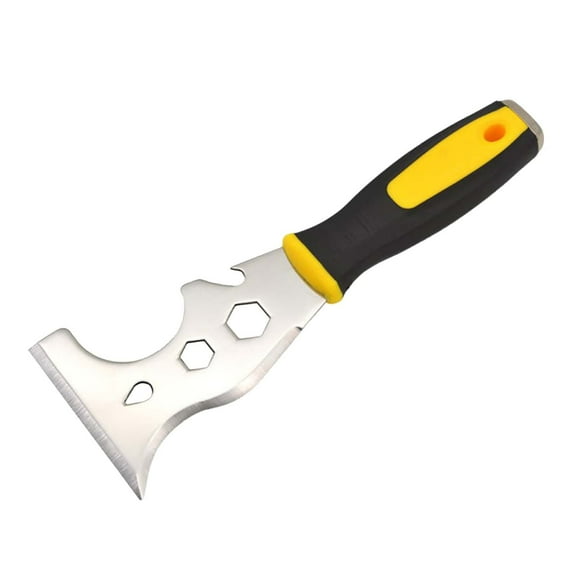
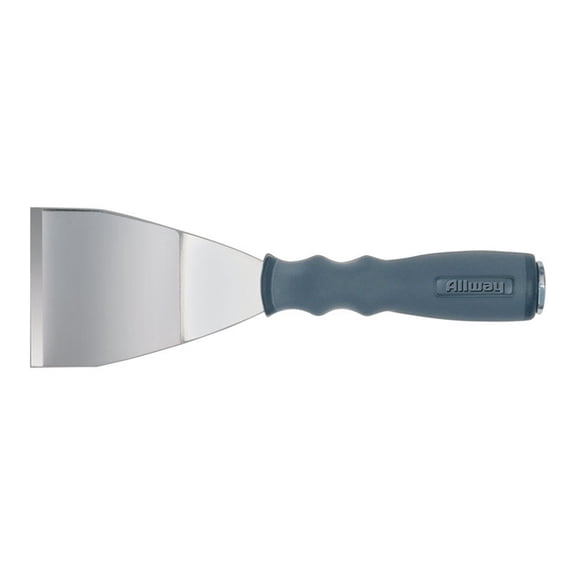
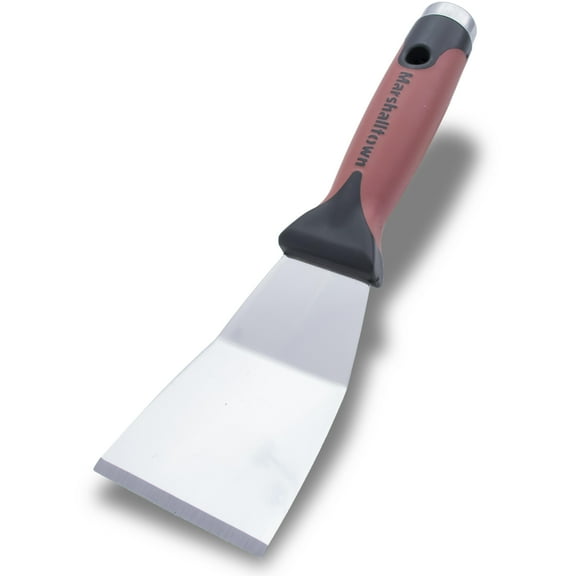
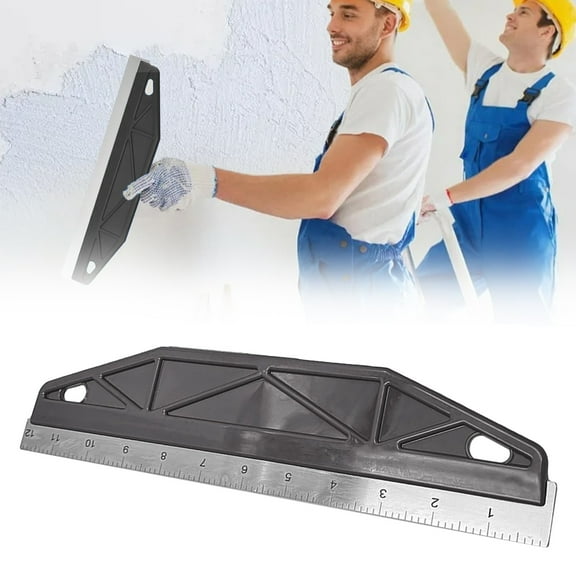


About Putty Knives & Joint Compound Knives - Walmart.com
You can choose the right putty knife faster when you compare blade flex, material, width, and handle comfort for your project. You’ll notice this category covers wall patching, joint compound spreading, paint scraping, and detail work with clearer task matching.
If you’re filling nail holes, smoothing spackle, or cleaning old paint lines, you need a blade that matches the surface and compound. You’ll get more control when you understand how a small patching knife differs from a wider mud knife.
How to choose a putty knife
You should start with the job because blade shape and stiffness change how smoothly you spread or scrape material. You’ll usually want a flexible edge for feathering filler and a stiff edge for lifting old residue.
When you compare options, you should also check blade width, handle shape, and blade material before you commit. You’ll make a more accurate choice when each detail matches your wall repair or prep work.
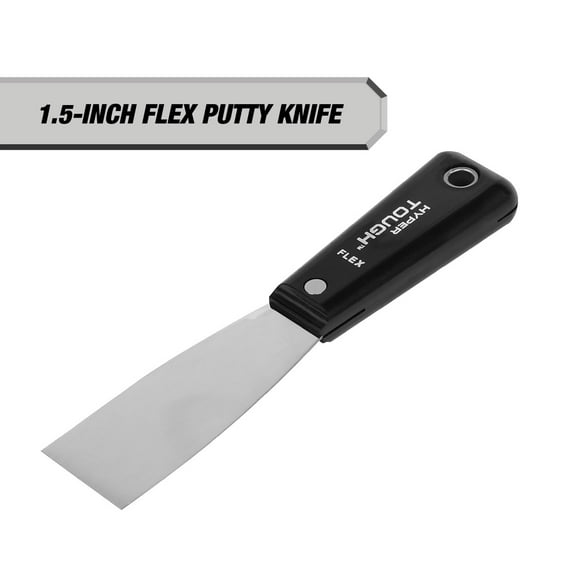
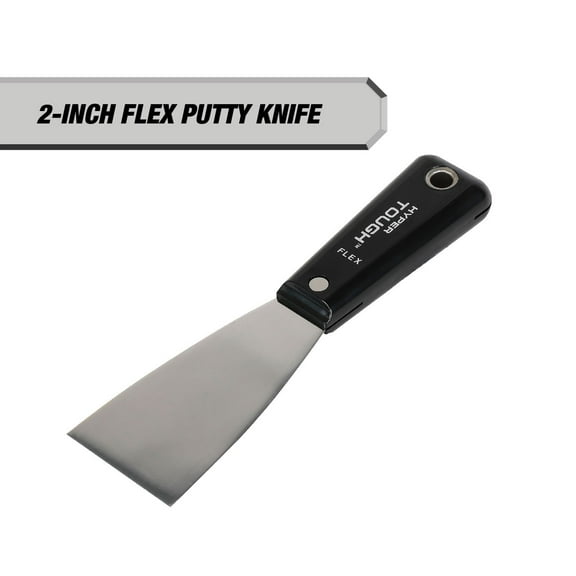
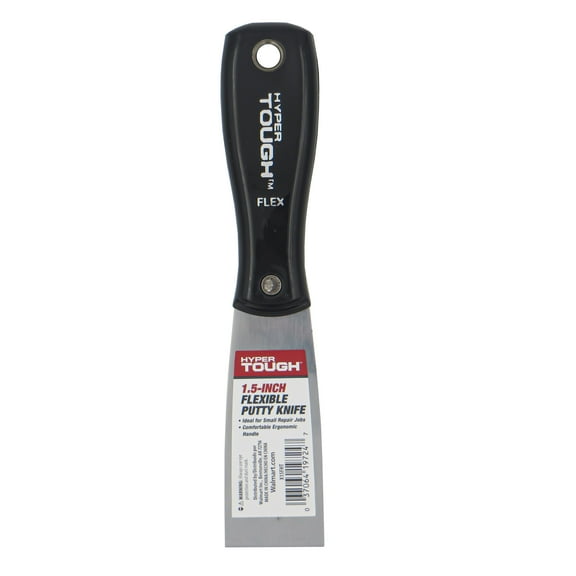
- You can use a flexible putty knife to spread spackle and smooth thin layers with softer pressure.
- You can use a stiff blade when your project needs scraping power for paint edges, residue, or dried filler.
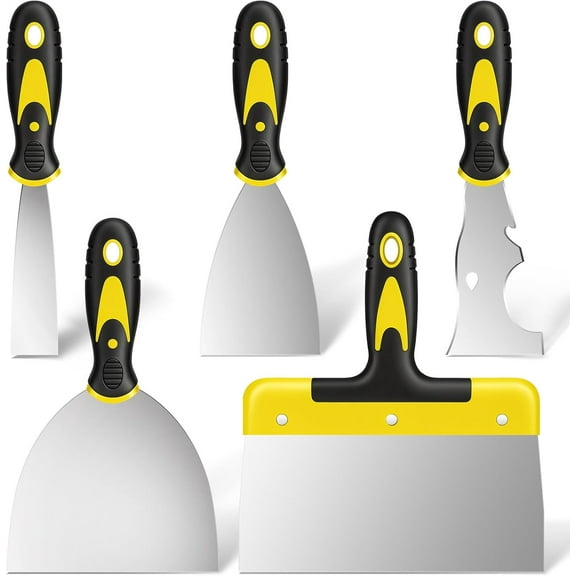
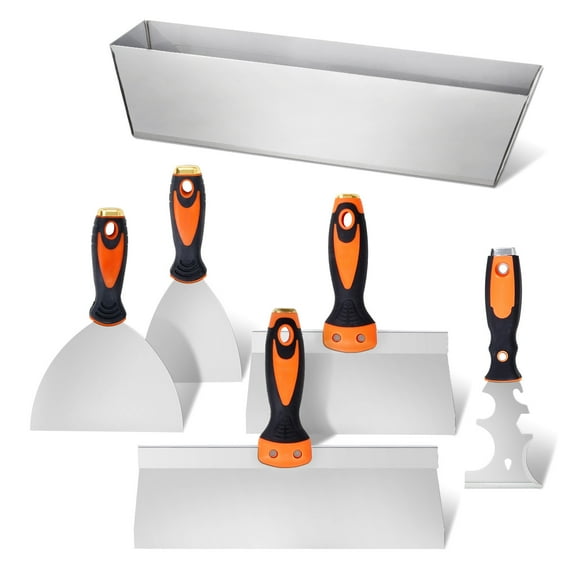
- You can pick a small width for tight patches and a wider mud knife for seams and broader coverage.
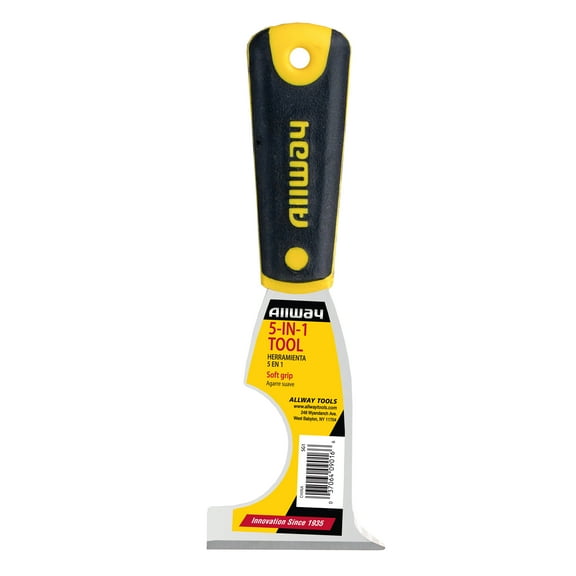
- You can compare plastic, nylon, stainless steel, and carbon steel based on cleanup, durability, and feel.
Choosing the right flexible putty knives and joint compound knife styles
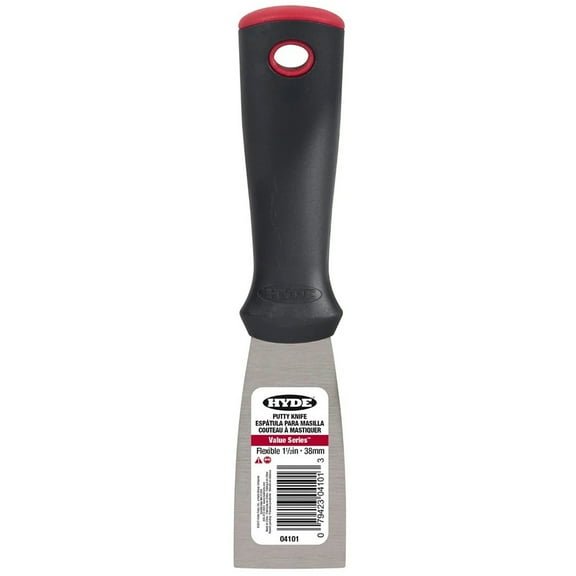
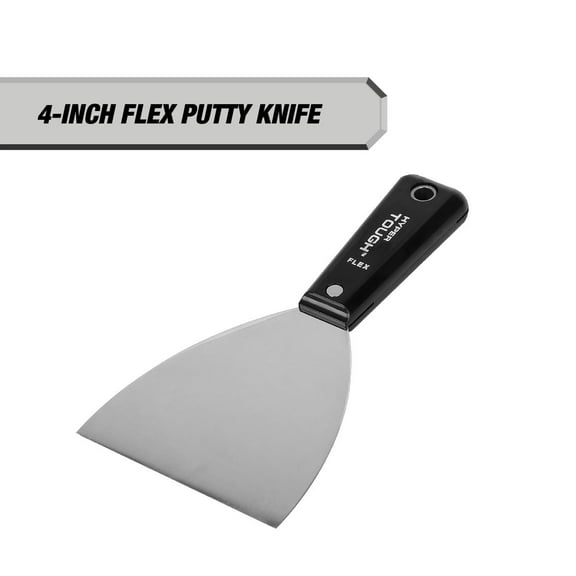
You should compare flex rating and blade gauge because those details affect how the edge bends across drywall and trim. You’ll usually notice flexible putty knives leave smoother feathered edges on patching compound.
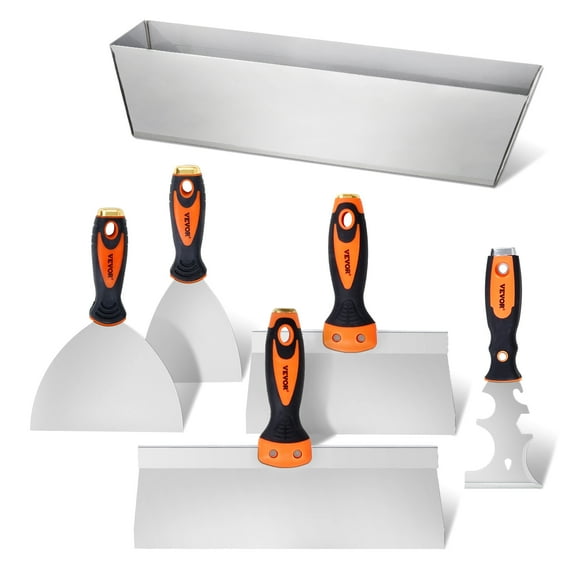
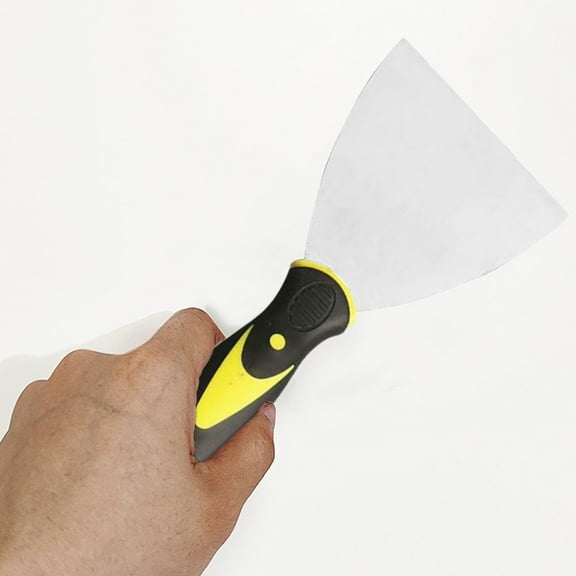
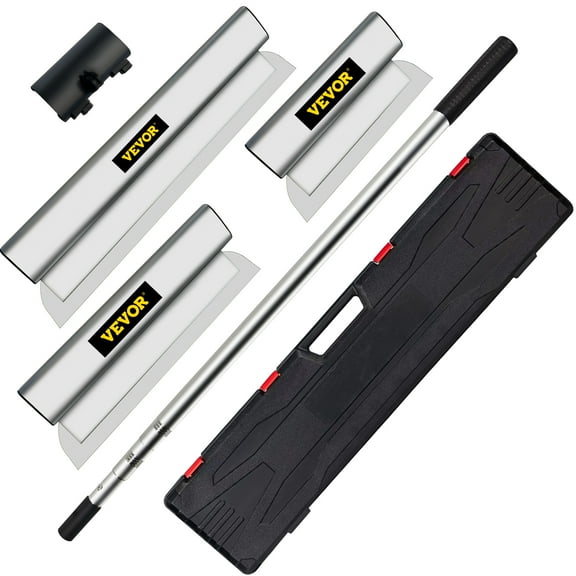
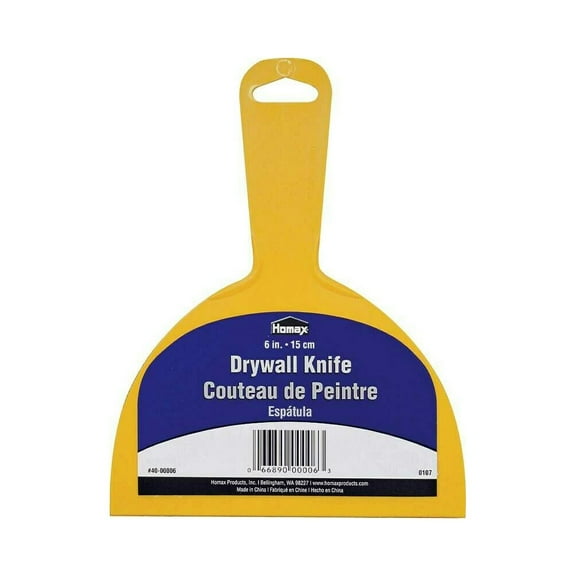
If you’re spreading over seams, you may prefer a joint compound knife or mud knife with a wider blade. You’ll cover more area per pass and keep compound lines more even across taped joints.
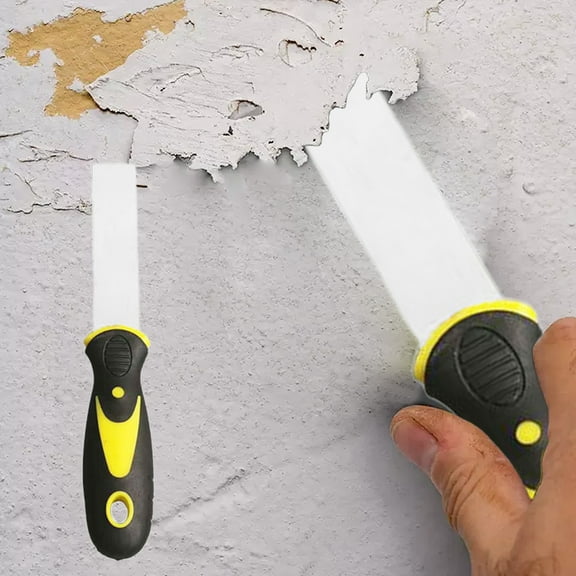
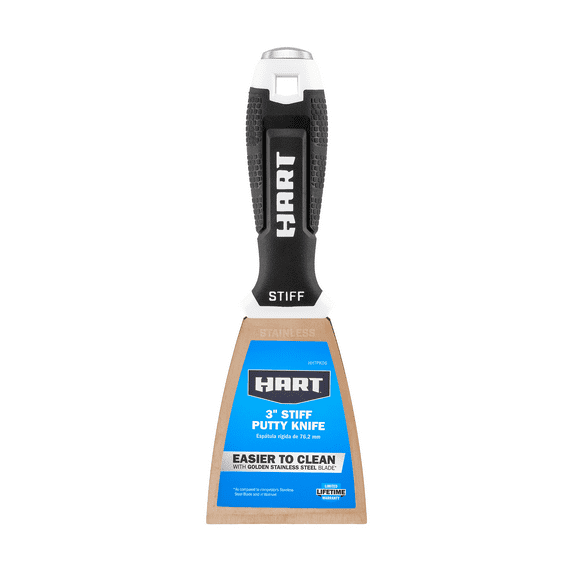
For scraping tasks, you should look for a stiffer profile that resists bending under pressure. You’ll get cleaner lift when you’re removing loose material or cleaning edges before repainting.
Comparing blade material and spackle knife plastic options
You should choose stainless steel when you want a metal blade that cleans up easily after repeated compound work. You’ll appreciate how it handles wet materials and frequent rinse-and-wipe cleanup.
If you’re considering carbon steel, you should think about a firmer feel during scraping and prep work. You’ll want to dry it well after cleanup to keep the blade ready for the next project.
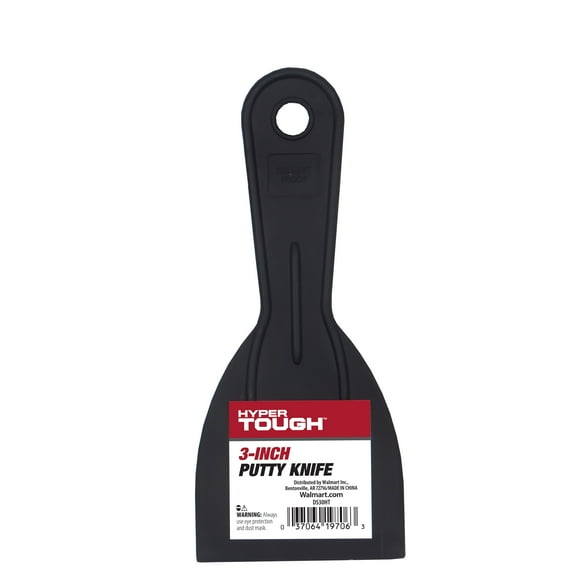
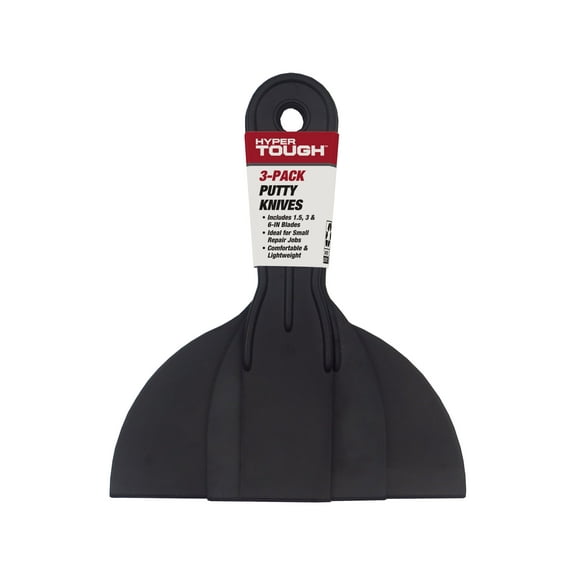
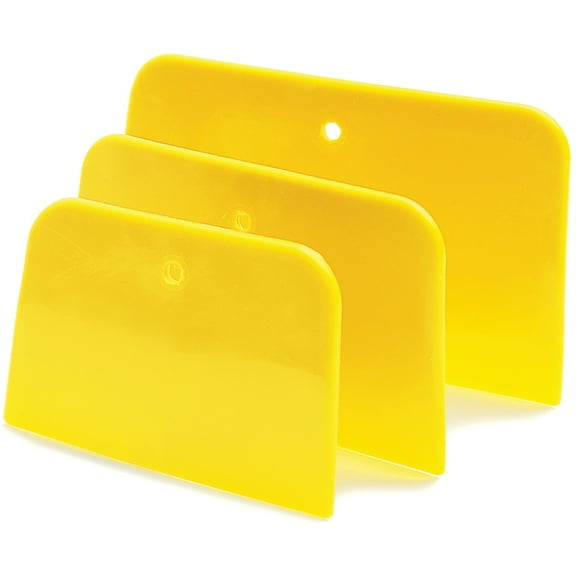
You can also choose a spackle knife plastic or nylon blade when you want a lightweight tool for quick patching. You’ll often find plastic options useful for small repairs, touch-ups, and easy cleanup.
Handle design matters too, especially when your project includes several passes across one wall or trim section. You’ll keep steadier pressure when your grip feels secure and comfortable in your hand.
Picking the right blade width for patching knife and wall putty spatula tasks
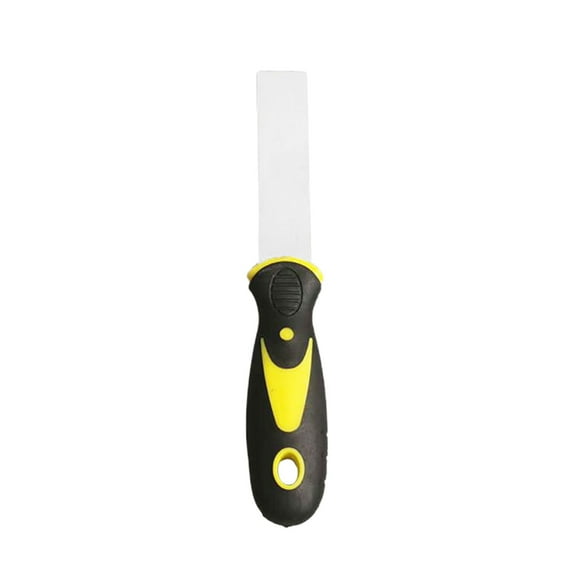
You should match blade width to the repair size instead of using one tool for every step. You’ll usually want one-inch to three-inch widths for nail holes, corner touch-ups, and narrow cracks.
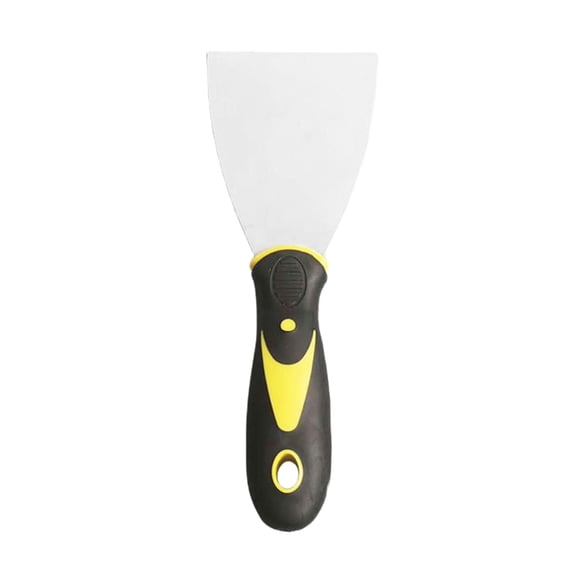
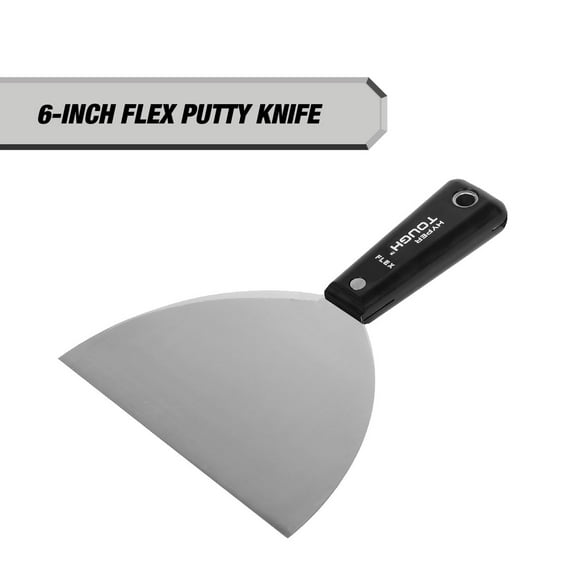
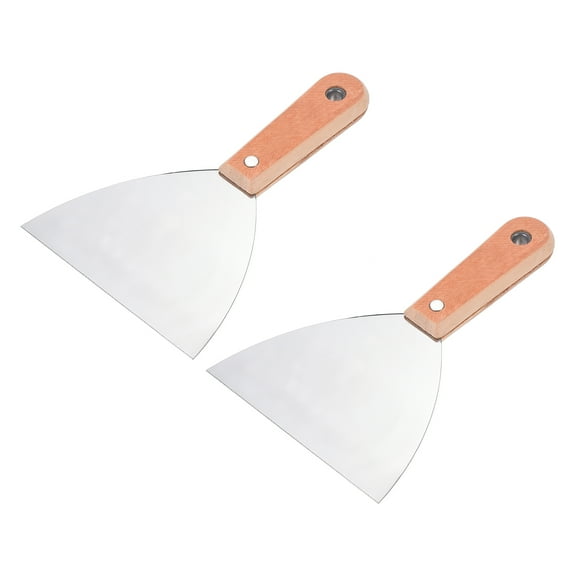
If you’re working on broader seams or taped joints, you should look at a six-inch mud knife or similar wider blade. You’ll spread joint compound across a larger area with fewer ridges and passes.
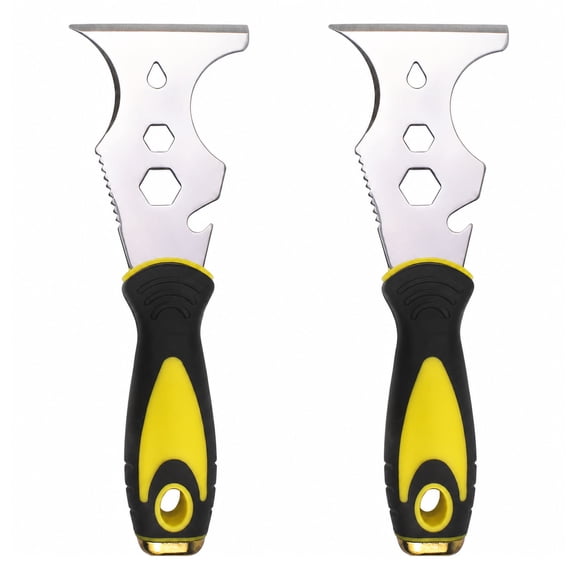
A wall putty spatula or putty knife scraper can also help when you need detail control along trim, frames, or tight edges. You’ll get neater results when the blade fits the space instead of forcing extra cleanup later.
Matching your putty knife to real repair and prep projects
If you’re patching dents or small holes, you should consider a small patching knife with a flexible blade. You’ll smooth spackle into shallow areas without dragging too much material across the wall.
When your project includes joint taping, you should consider a wider blade with semi-flexible movement for steadier coverage. You’ll keep compound flatter over seams and reduce heavy buildup at the edges.
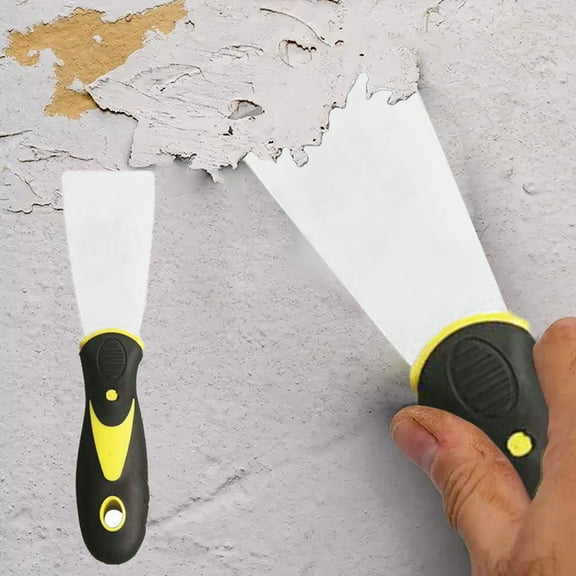
If you’re removing loose paint or dried caulk, you should choose a stiffer putty knife scraper for firmer control. You’ll lift residue more cleanly before sanding, priming, or applying fresh material.
For quick household touch-ups, you may want plastic or nylon options that feel light and simple to maneuver. You’ll find them practical for occasional repairs, basic wall prep, and compact tool storage.
You can shop this category with more confidence when you compare flexibility, material, width, and grip before starting your project. You’ll finish wall prep and patching with smoother application, cleaner edges, and less rework.