











Quilts in Bedding











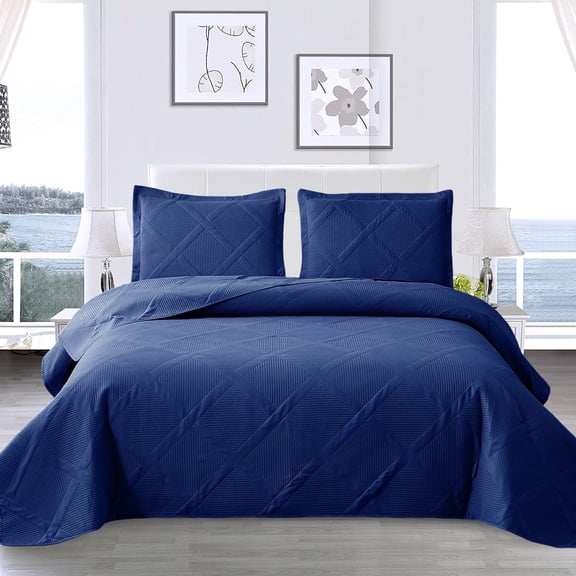
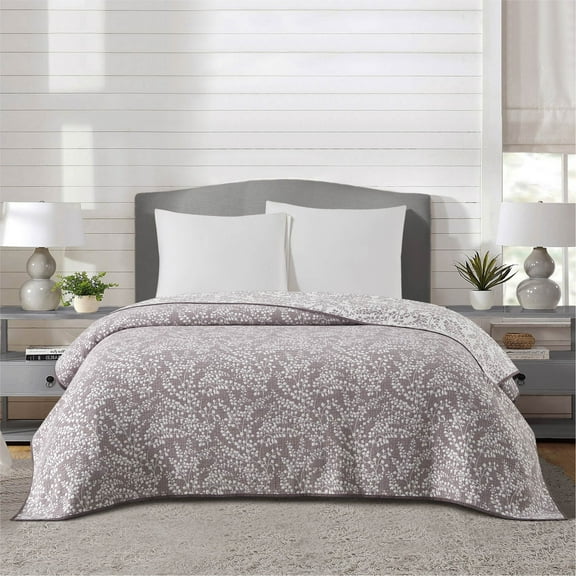



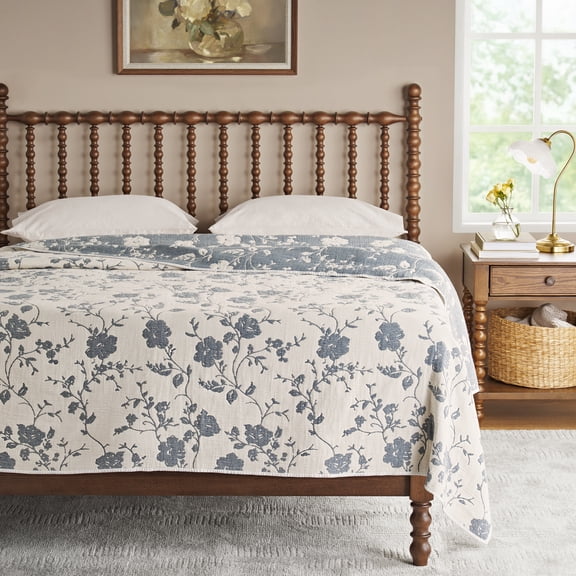


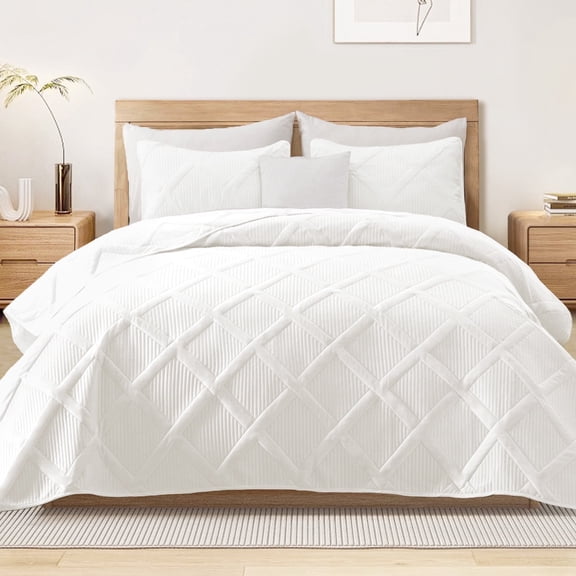










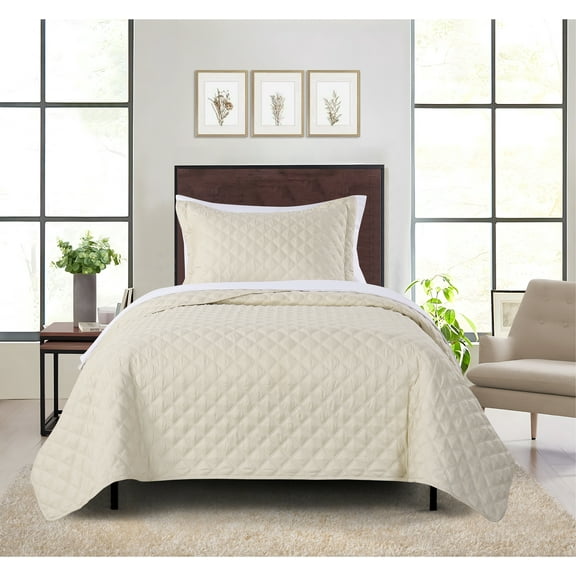


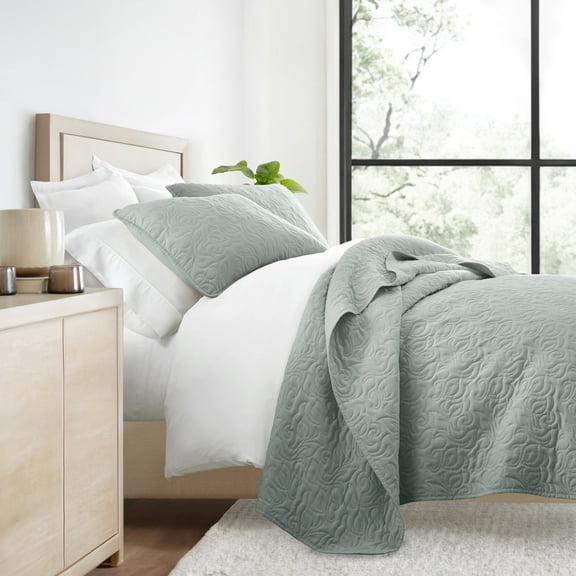
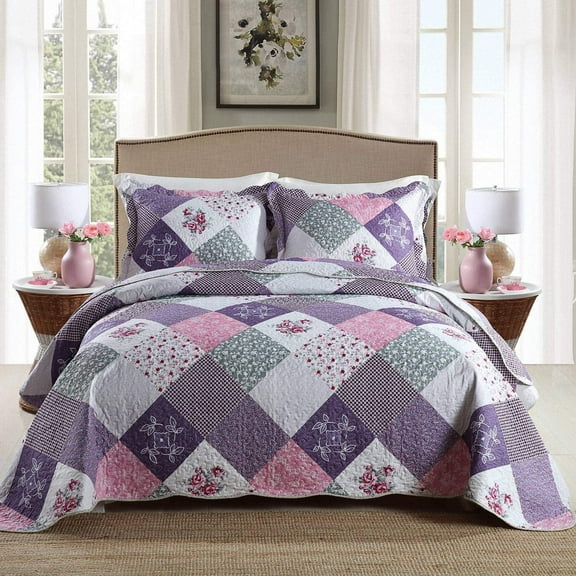


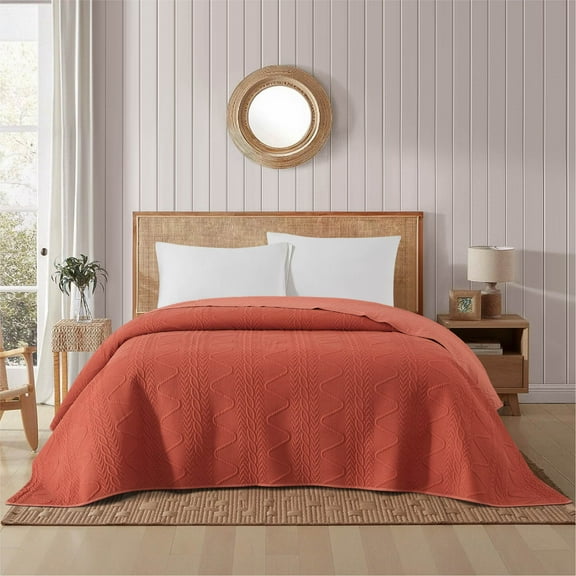


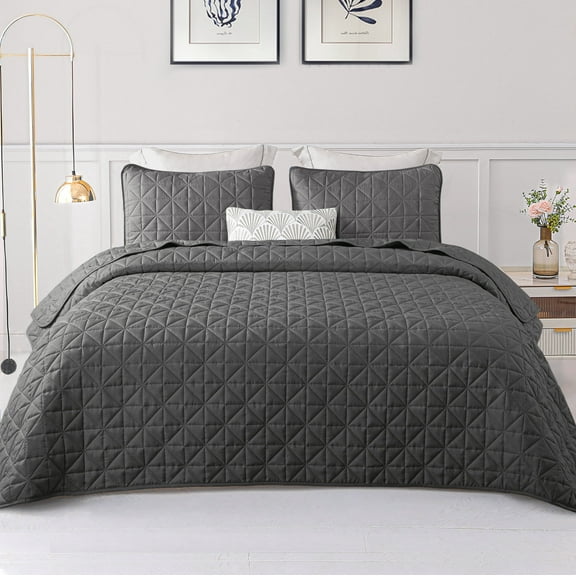


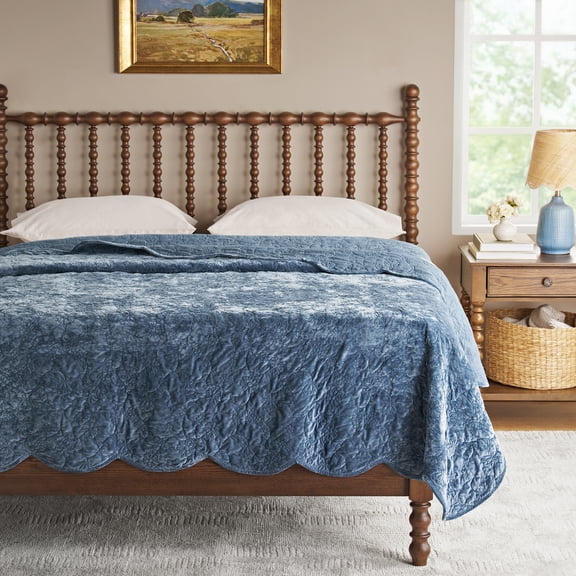


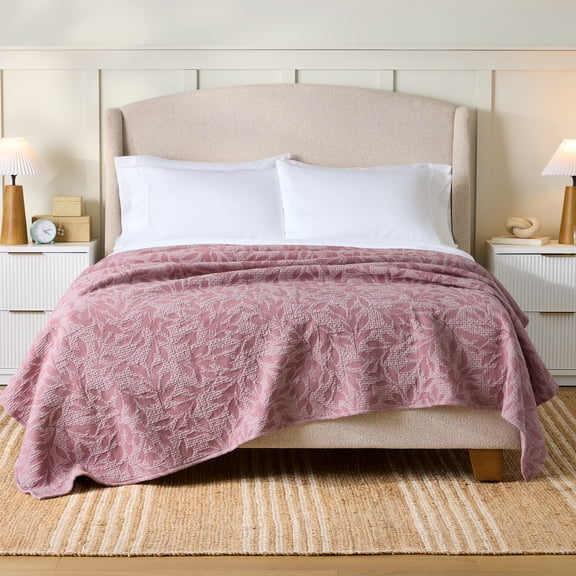


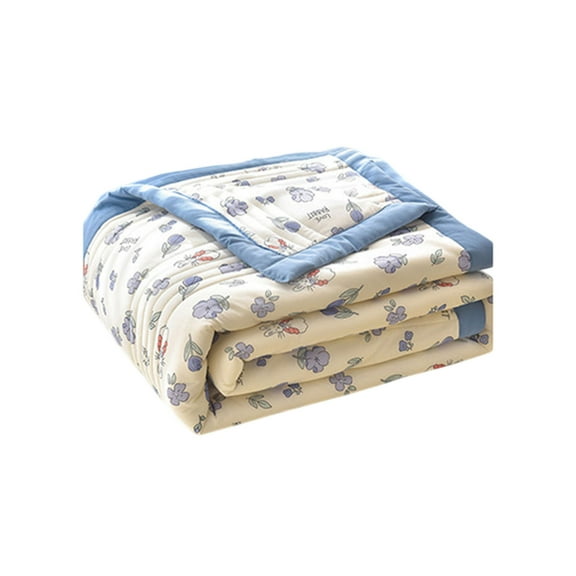








About Quilts in Bedding - Walmart.com
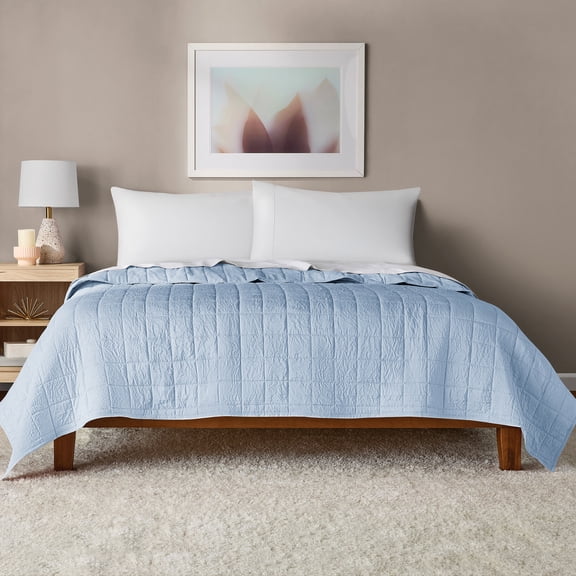
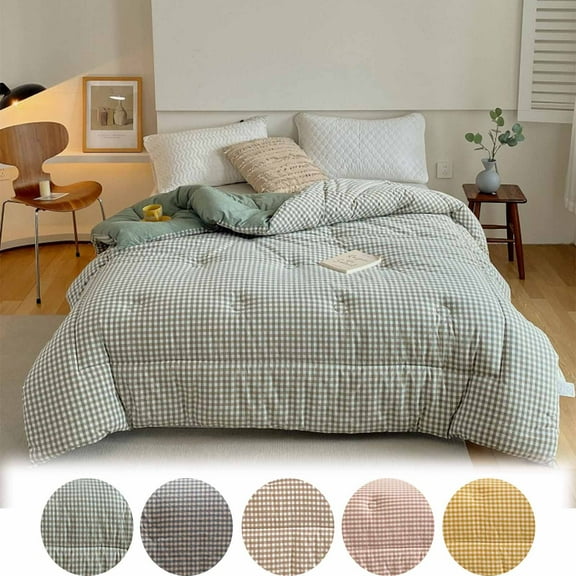
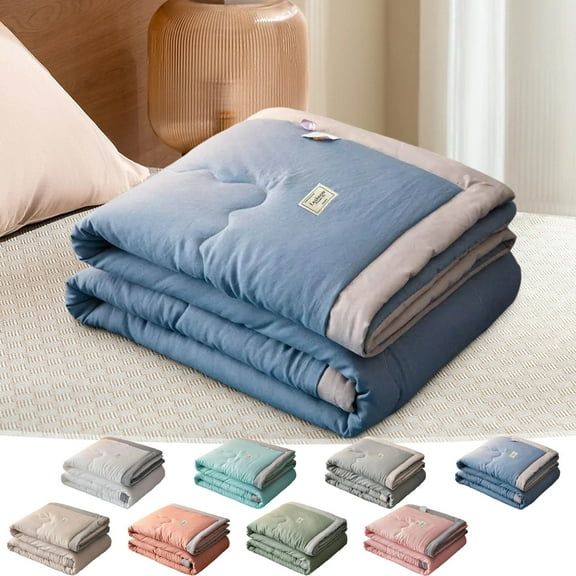
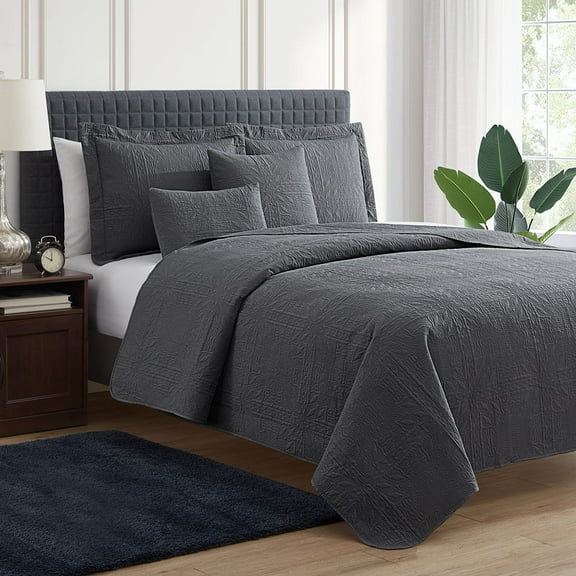
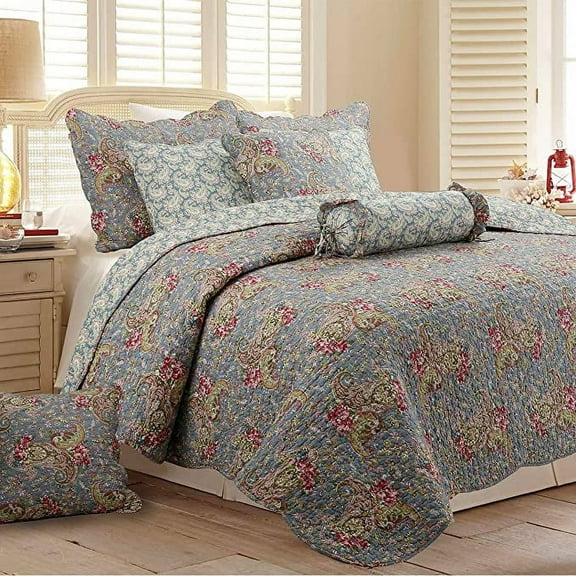
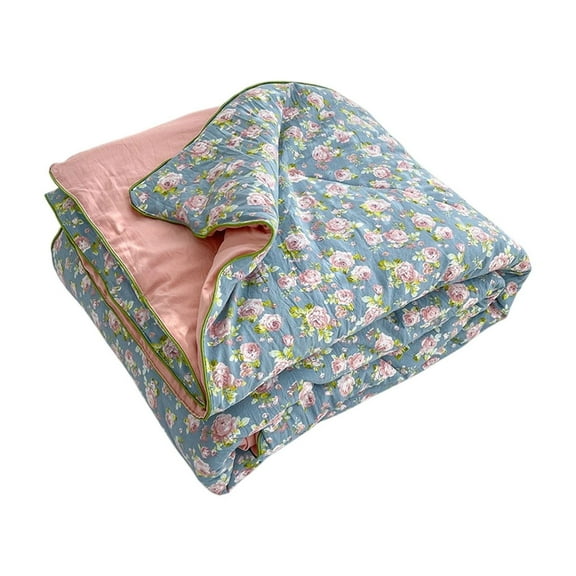
Quilts give your bed lightweight layering, easy care, and classic texture for everyday comfort. You can compare materials, sizes, and set options to match your room and your routine.
If you're updating a main bedroom, guest room, or kid's space, quilts offer flexible coverage without bulky loft. You can also pair them with sheets, pillows, and other bedding for a coordinated look.
How to choose quilts by material
When you compare cotton quilts and microfiber styles, you should start with feel, breathability, and washability. You may prefer cotton for a crisp, airy layer, while your microfiber option can feel smoother and dry quickly.
If you want a soft sheen and richer texture, you can consider velvet or polyester blends. You should also check care details, because your machine-wash routine matters for everyday bedding.
- You can choose cotton quilts when your room needs breathable layering and a natural hand feel.
- You may pick microfiber when you want a smooth surface and simple laundering.
- You can consider velvet when your bed needs added texture and a cozier look.
- You should review polyester options when your household wants durable, easy-care bedding.
Material also affects how your quilt drapes across the bed and how it feels right away. You may notice cotton feels lighter, while velvet can look fuller and more decorative.
Choosing quilt size for your bed
Your size choice shapes how quilts look and how well they cover your mattress. You should measure mattress width, length, and depth before you compare twin, full, queen quilts, and king quilts.
If your mattress has extra depth, you should check dimensions closely for side coverage. You may want more overhang if your bed sits high or if your frame stays visible.
Queen quilts usually suit primary bedrooms where you want balanced coverage without too much excess fabric. King quilts can give your larger bed a fuller look, especially when your mattress is deep.
For smaller rooms, you may choose twin or full sizes that fit neatly and wash more easily. You should compare listed measurements with your current bedding before you decide.
Comparing quilt sets and single quilts
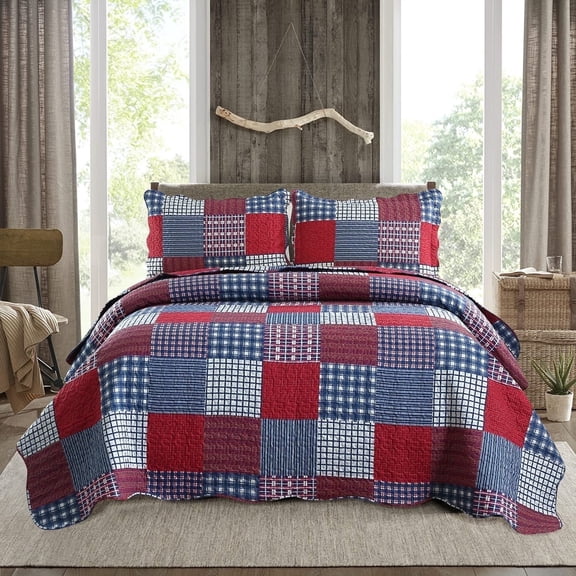
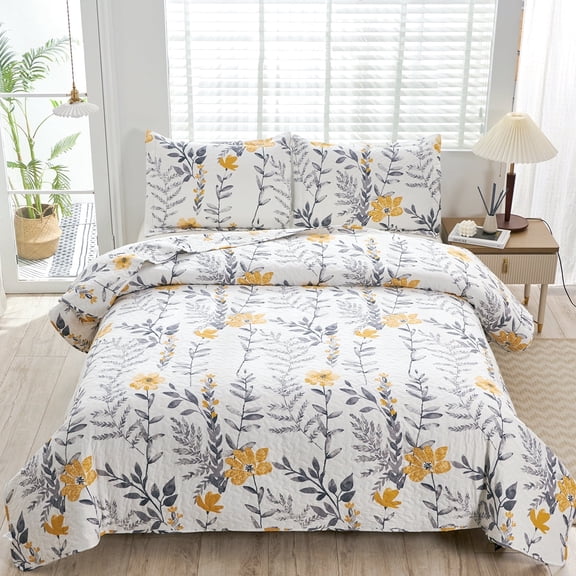
Your set configuration changes how quickly you can finish your bed and match your decor. You can choose a quilt only option, quilt sets with shams, or multi-piece sets with extra coordinated pieces.
If you already own pillows and sheets you like, you may prefer a single quilt for simple layering. If you want a more pulled-together look, quilt sets can make coordination easier.
You should check how many shams come with your set and which sizes they fit. You may also compare bedspreads and coverlets when you want a different drape or a thinner layer.
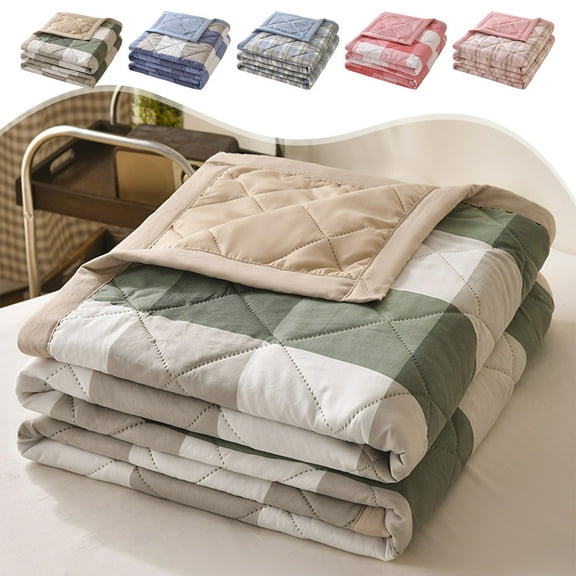
Some shoppers also compare quilted blankets for casual layering at the foot of the bed. You can use those options in guest rooms, dorm setups, or shared spaces.
Matching warmth and weight to your room
Your climate and sleep setup should guide whether you choose lightweight quilts, all-season styles, or heavier layers. You can use a light quilt alone in warm months or over sheets in milder weather.
If your room runs cool, you may want an all-season design that layers easily with blankets. You should consider a heavier option when your space needs more coverage and visual weight.
Weight also changes how your bed feels during daily use and nightly rest. You may prefer a lighter layer for easy folding, while a denser quilt can look more structured.
Seasonal looks matter too, especially when you refresh colors and patterns during the year. You can switch to fall quilts or holiday quilts when your room needs a timely update.
What to look for in stitching and daily care
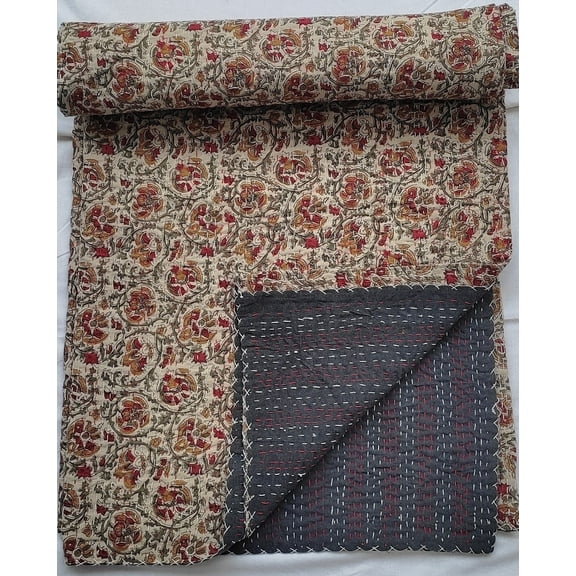
Your stitching helps the fill stay in place and keeps the surface pattern looking neat. You should look for even quilting lines, secure edging, and consistent seams across the full bed area.
If your household includes kids or pets, you may want tighter stitching that holds up through regular washing. You should also review fabric texture, because snag resistance can affect daily use.
Care instructions matter when your bedding gets frequent use in busy homes or guest spaces. You can look for machine-washable options that fit your laundry routine and dry without extra fuss.
When you compare quilts with bedspreads and coverlets, you should focus on texture, weight, and stitched construction. You can build a bed that looks polished and still feels easy to maintain.
Using quilts in different rooms and seasons
You can use quilts in primary bedrooms when you want a layer that works across changing temperatures. You may also place them in guest rooms, where easy washing and simple styling matter.
In kid spaces, you might choose lighter fabrics and manageable sizes for quick bed changes. In dorm rooms or apartments, you can use quilt sets to create a finished look with fewer separate pieces.
If your style shifts through the year, you can rotate colors, textures, and weights without changing your whole bedding setup. You should find that quilts layer well with sheets, pillows, and extra blankets.
When you choose the right material, size, and warmth, your bedding feels more tailored to your space. You can count on quilts for flexible layering, easy upkeep, and a polished bed every day.