


Find auto parts that fit
Let’s search for parts that fit your vehicle.Radiators in Engine Cooling









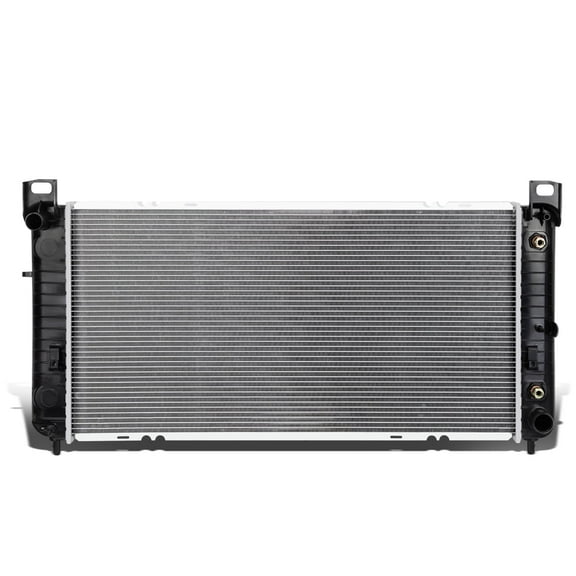
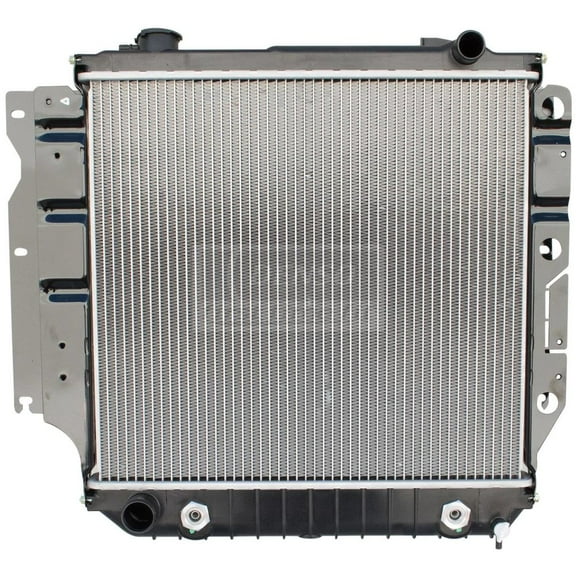
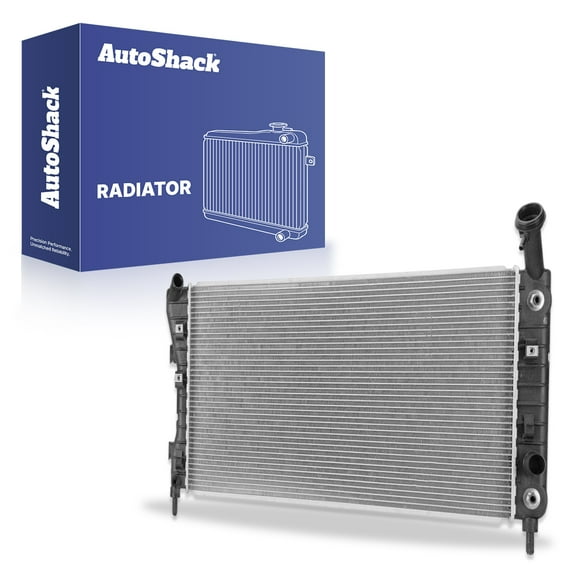
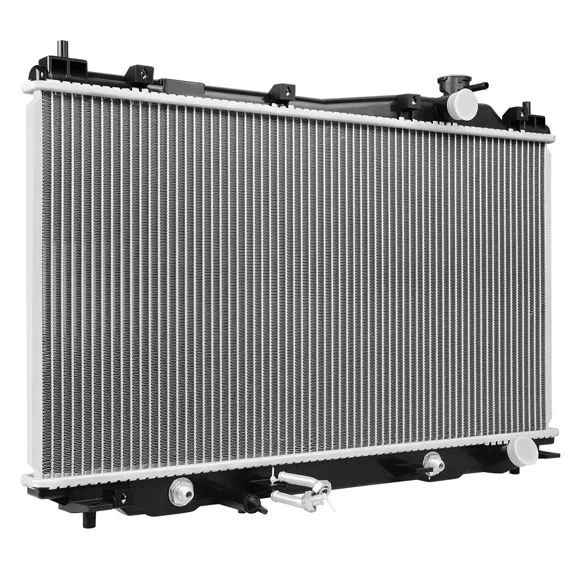



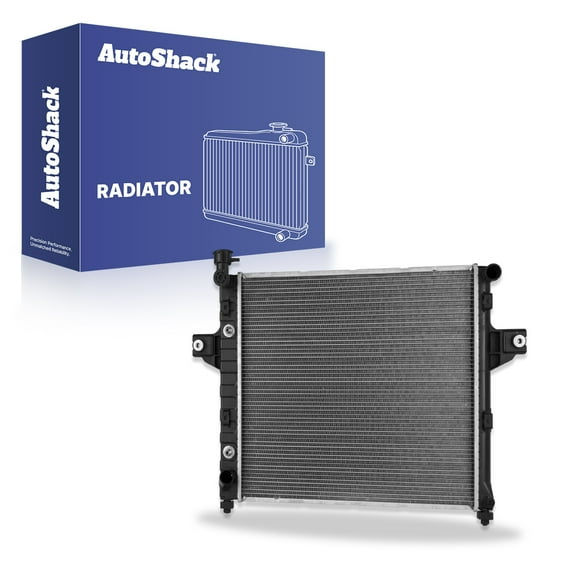

About Radiators in Engine Cooling - Walmart.com
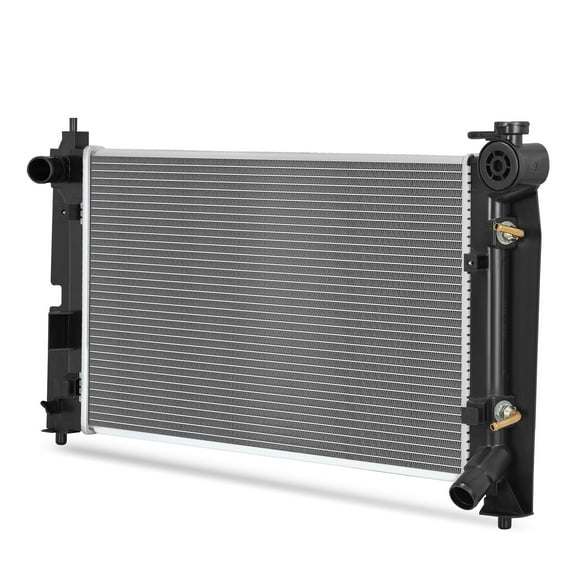
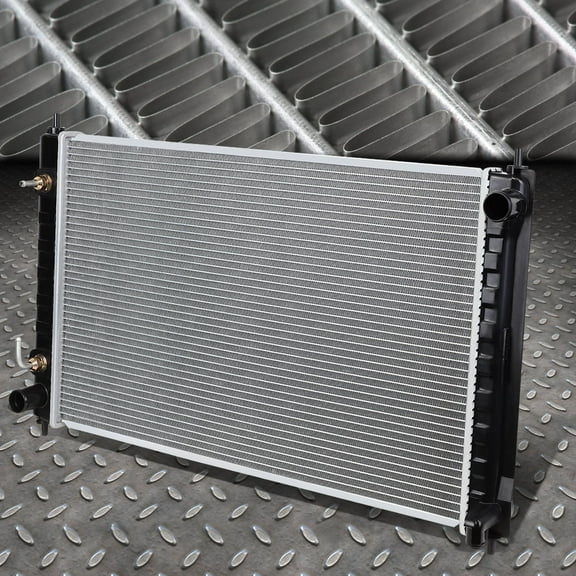
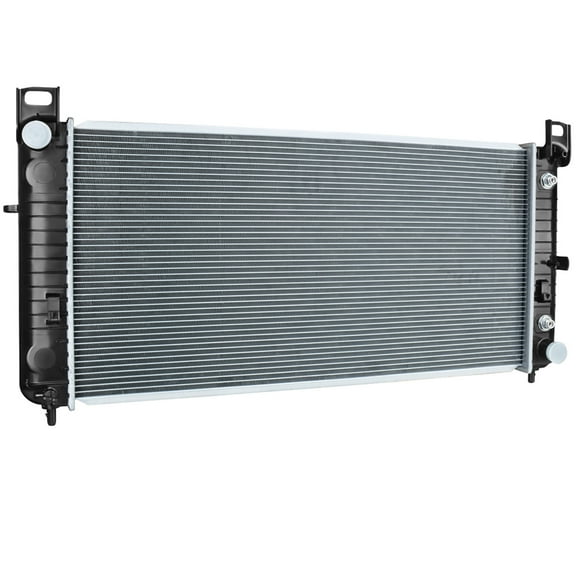
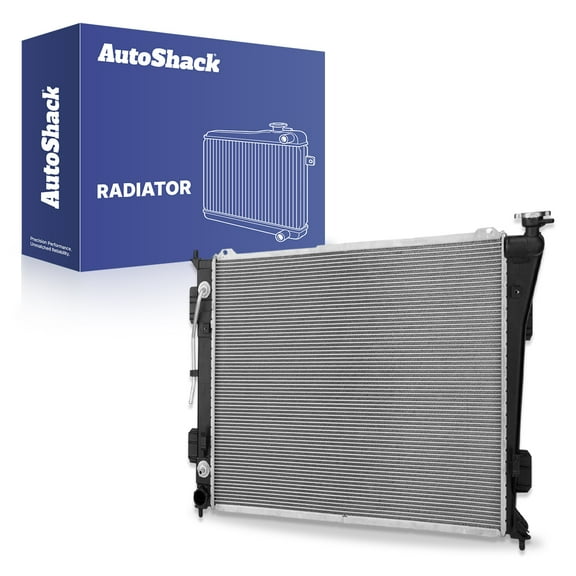
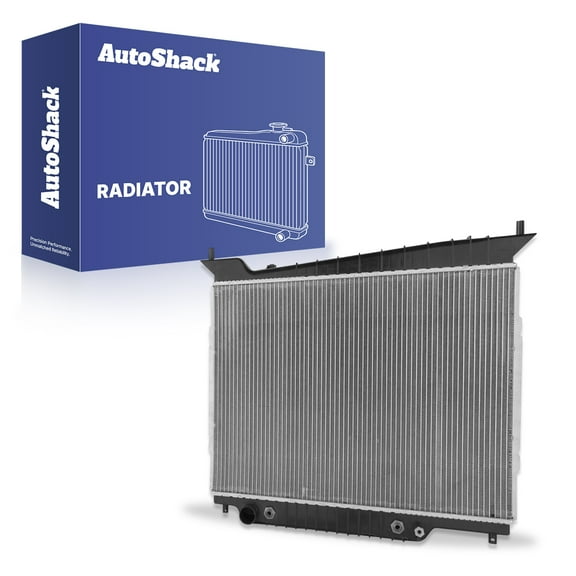
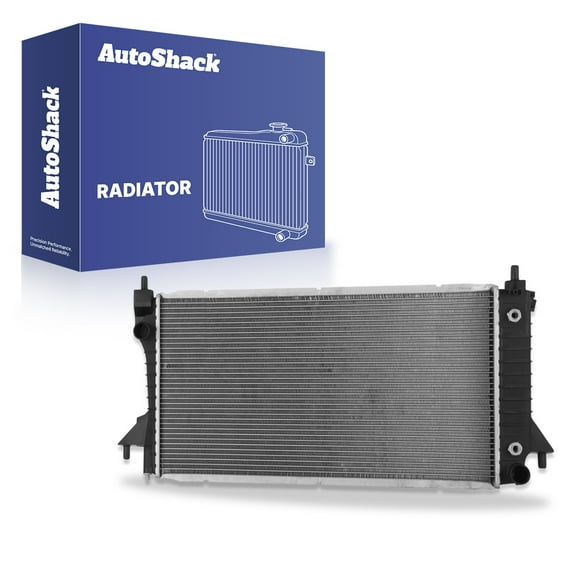
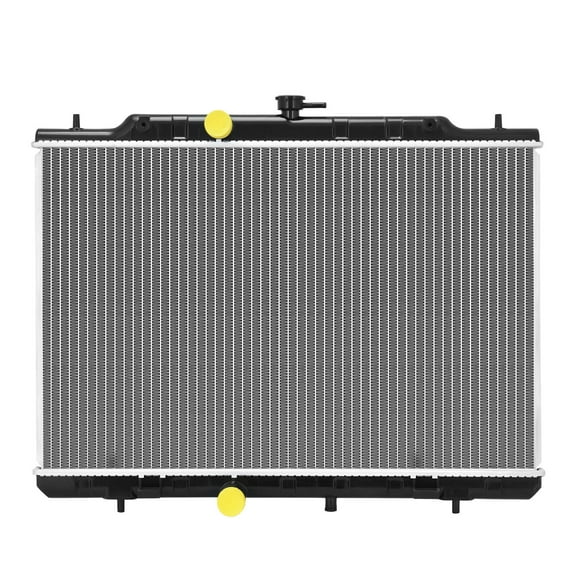
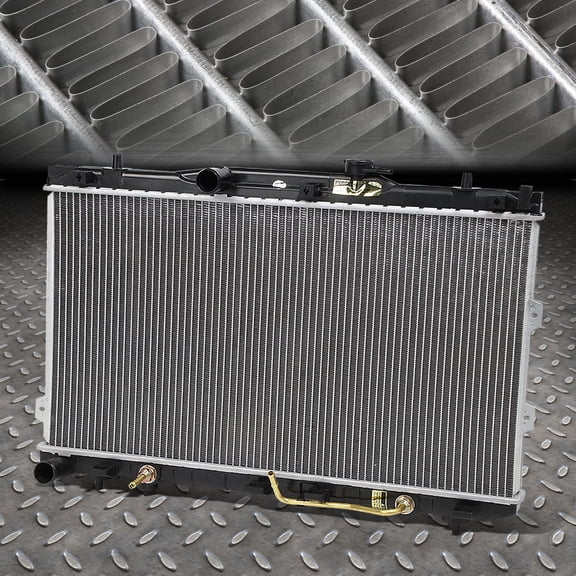
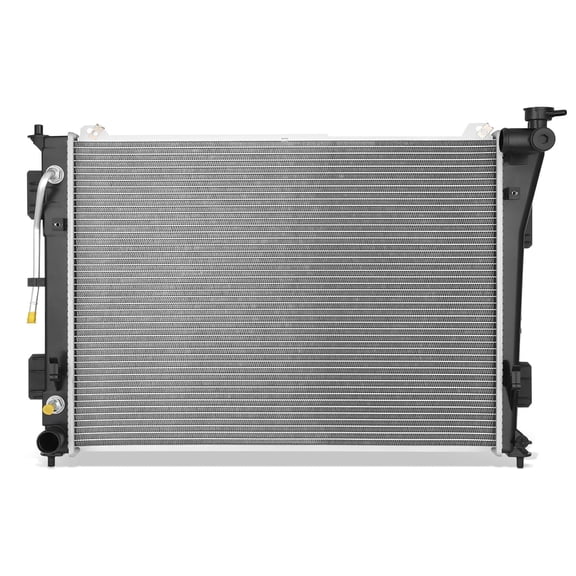
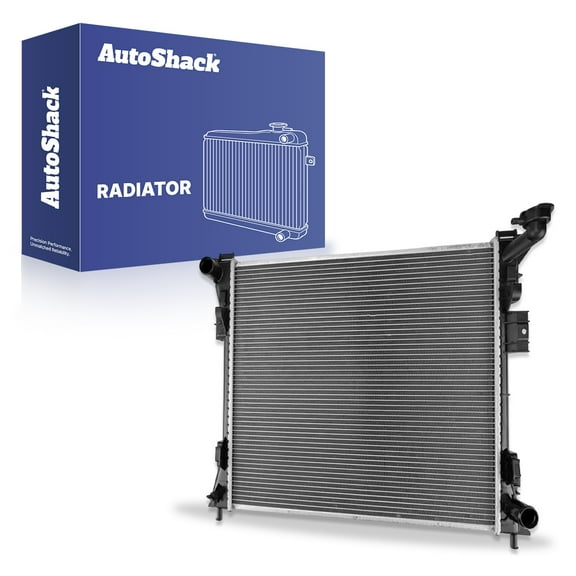
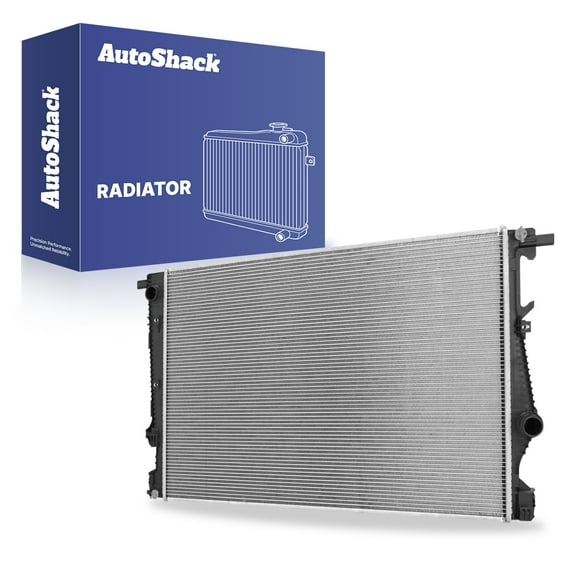
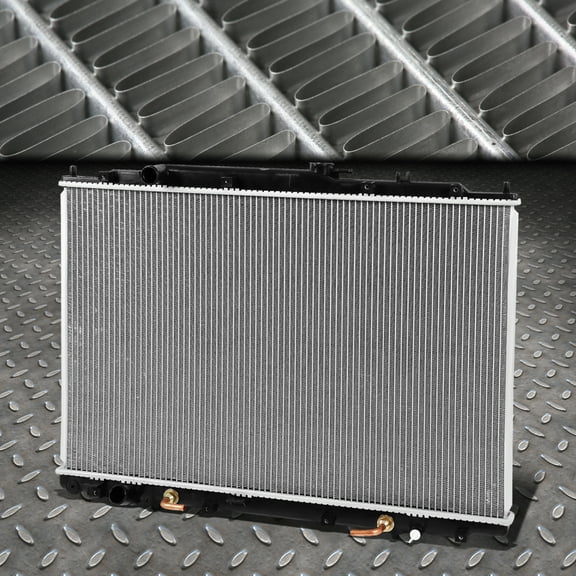
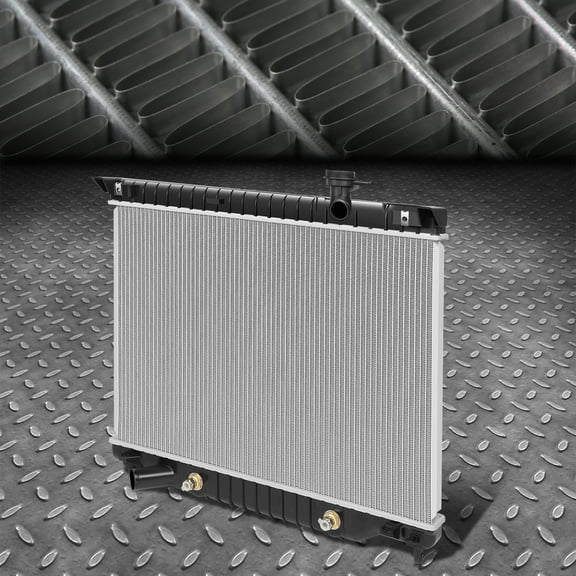
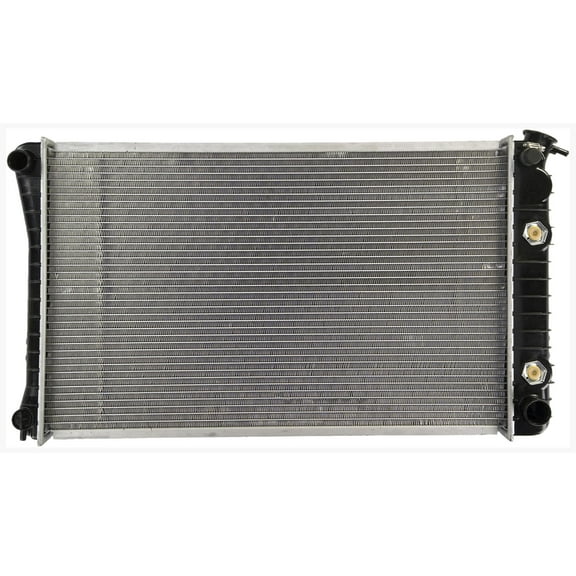
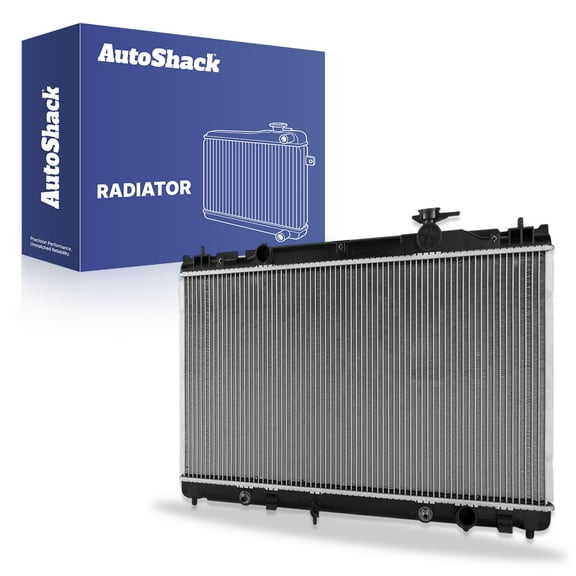
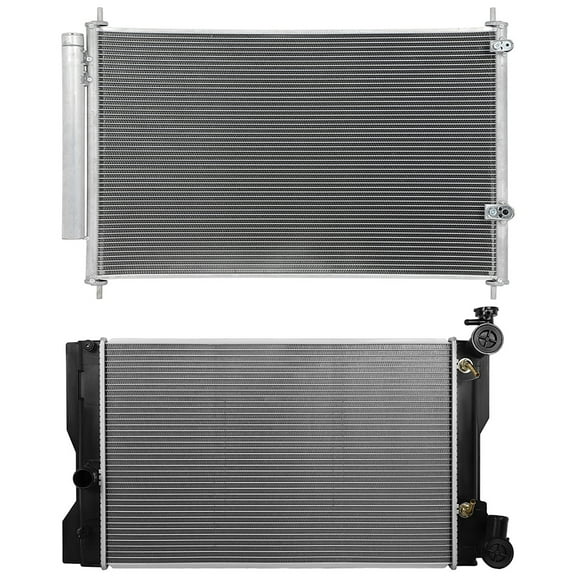
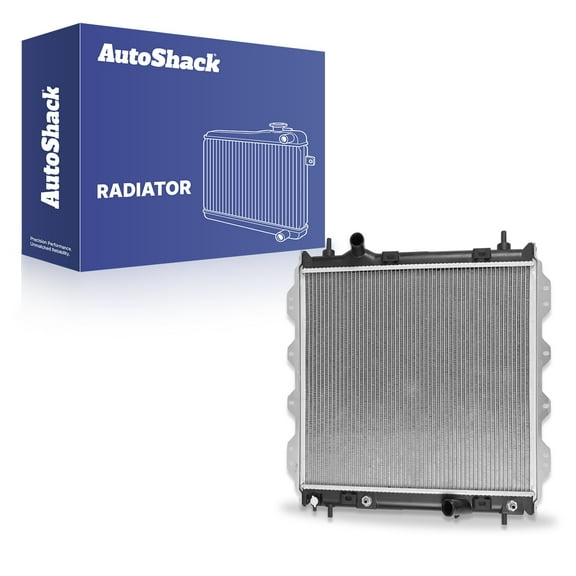
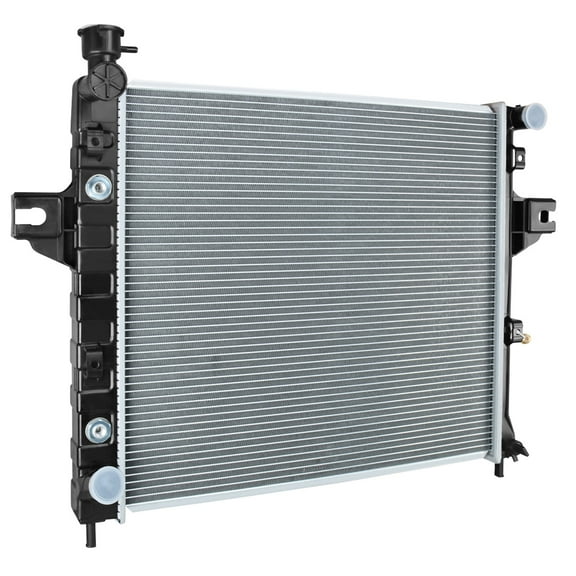
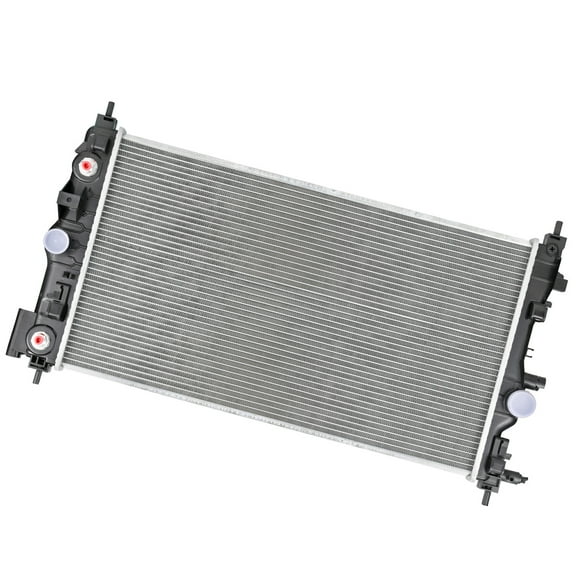
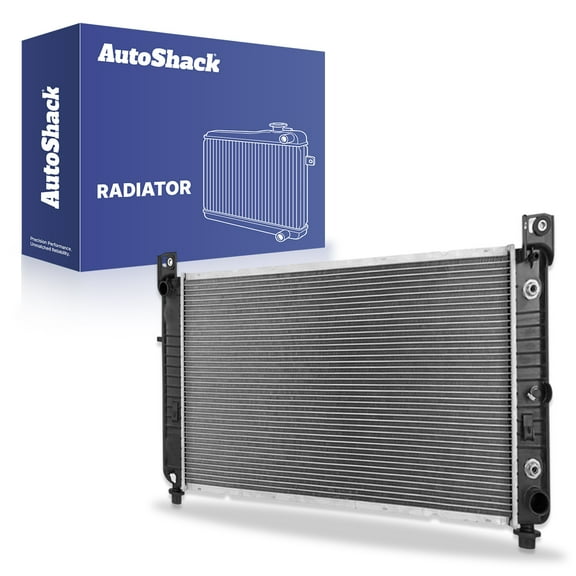
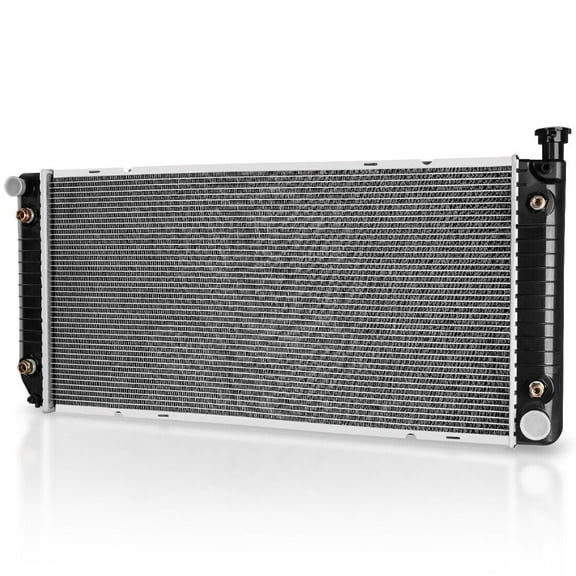
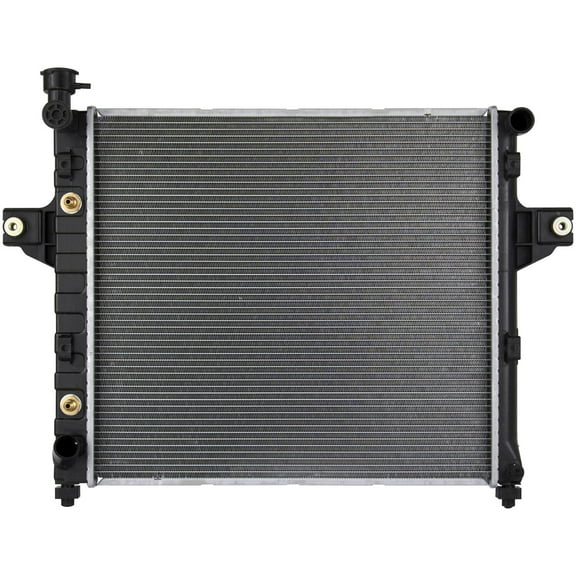
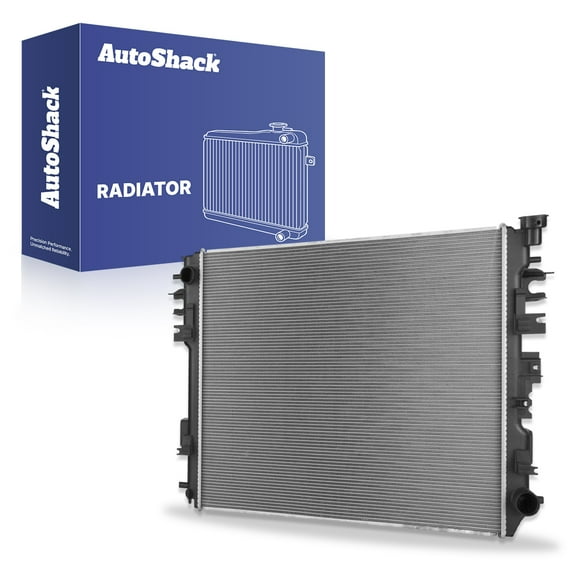
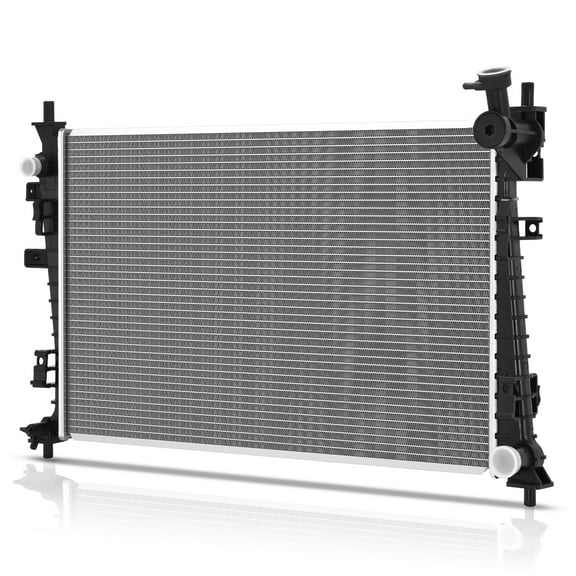
Radiators help your engine cooling system manage heat during daily driving, towing, and stop-and-go traffic. This category focuses on replacement radiators built for vehicle fit, coolant flow, and dependable installation. You can compare core size, row design, and tank construction without guessing which parts belong in your engine bay. That makes radiator replacement easier when you need a direct-fit option for your car, truck, or SUV.
Why radiators matter for everyday driving
A properly matched radiator supports steady coolant circulation when your vehicle works hard. That matters during highway commutes, summer idling, and low-speed driving where airflow changes constantly.
Fitment also affects installation time. Direct-fit mounting points, hose locations, and transmission cooler connections can help your replacement go in with fewer surprises.
- Supports stable engine cooling across changing driving conditions.
- Helps match factory dimensions for cleaner installation.
- Offers options for passenger cars, trucks, and SUVs.
- Includes designs with aluminum cores and plastic or metal tanks.
- Lets you compare replacement radiators by size, ports, and vehicle compatibility.
Drivers often compare car radiators by more than shape alone. Core thickness, fin density, and inlet placement can influence how closely a part matches the original setup.
For many vehicles, the right part also includes fittings for automatic transmission cooling lines. That detail is specific to many automotive radiators and matters during parts selection.
Radiators buying guide: features that help you choose
Start with vehicle compatibility. Year, make, model, engine size, and transmission type all affect which radiator belongs in your cooling system.
Core material is another key detail. Many replacement units use aluminum cores for efficient heat transfer and lighter overall construction.
Tank design can change the look and build of the part. Some models use plastic end tanks, while others use all-metal construction.
Pay attention to dimensions before ordering. Overall height, width, thickness, inlet size, and outlet position should align with your current setup.
Mounting points deserve a close look too. Brackets, pegs, and fan shroud locations can determine whether the part sits correctly in the support frame.
Some replacement radiators include integrated transmission oil coolers. Others are built for vehicles that use separate cooling components.
Shoppers also check row configuration when comparing automotive radiators. Single-row and multi-row designs can differ in thickness and packaging inside tight engine compartments.
If youu're reviewing radiator price or asking how much is a radiator, construction and fitment usually shape the answer. Vehicle application, materials, and included connections can all affect the final selection.
That same guidance helps address how expensive are radiators in practical terms. A compact sedan radiator and a heavy-duty truck unit wonu't share the same dimensions or hardware.
Use cases for replacement radiators
Replacement radiators work for daily commuters that need factory-style fit after wear or collision repair. Theyu're also useful when a project car needs fresh cooling components during a rebuild.
Truck owners often look for radiator replacement parts that match towing-oriented setups. Those applications may require specific core thickness, mounting layouts, and transmission cooler ports.
Older vehicles can benefit from a direct-fit part during restoration work. Matching hose orientation and mount locations helps preserve a cleaner install on classic engine bays.
Performance-minded drivers may compare radiator dimensions when upgrading surrounding cooling parts. Fan shrouds, hoses, and reservoirs all need enough space around the new unit.
Fleet vehicles create another common use case. Consistent fitment across model years can simplify part selection for service schedules and repeat maintenance.
DIY installers often focus on straightforward replacement radiators with familiar connections. Clear compatibility information can help narrow choices before tools come out.
Professional garages may compare several car radiators for the same platform. Small differences in sensor ports, cooler fittings, or mounting tabs can affect installation workflow.
This category also supports shoppers balancing timing and budget. When a vehicle needs a radiator replacement, easy comparison of specs and applications helps you choose the right part faster.
Radiator price and replacement details
Radiator price usually reflects vehicle fit, material choices, and integrated features. A direct-fit unit with cooler connections differs from a simpler design built for another platform.
Replacement planning starts with the basics. Confirm engine size, transmission style, hose placement, and mounting layout before selecting from available radiators.
It also helps to check whether fans, caps, or shrouds are sold separately. Those details can shape your parts list and installation plan.
When the specs line up, replacement feels more straightforward. You get a part designed for your vehicleu's cooling layout, which supports a smoother repair outcome.