

Rasp Tools & Wood Rasps | Hand Files - Walmart








About Rasp Tools & Wood Rasps | Hand Files - Walmart - Walmart.com
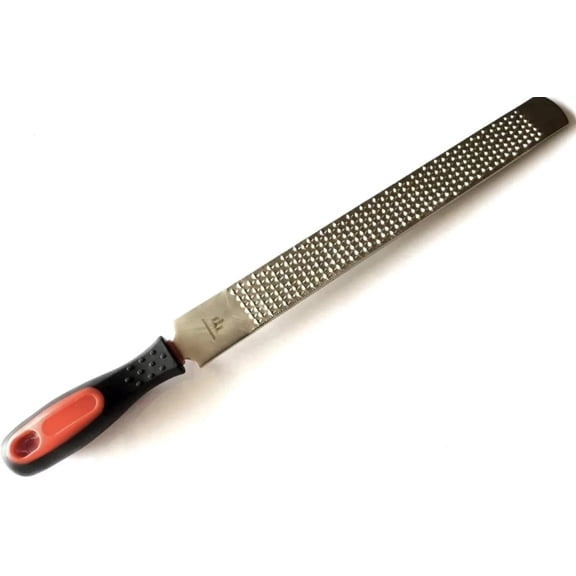
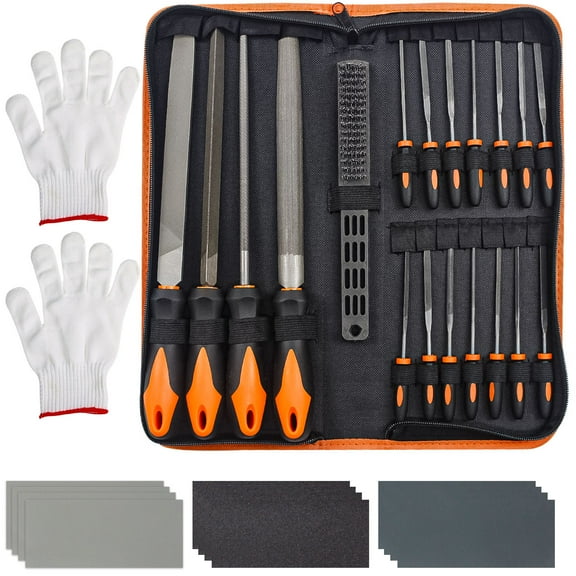
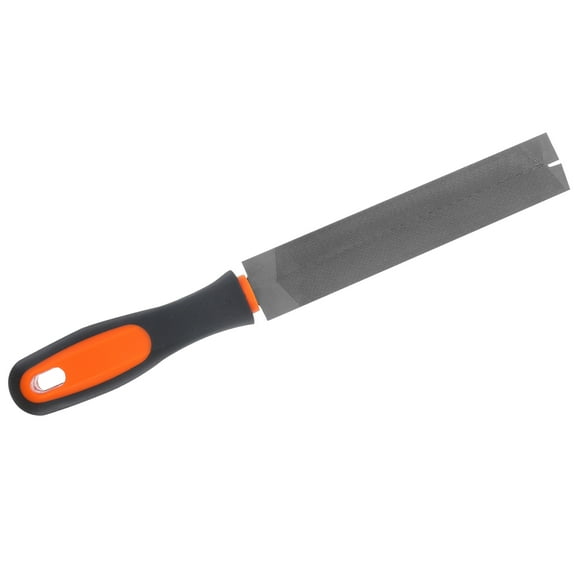
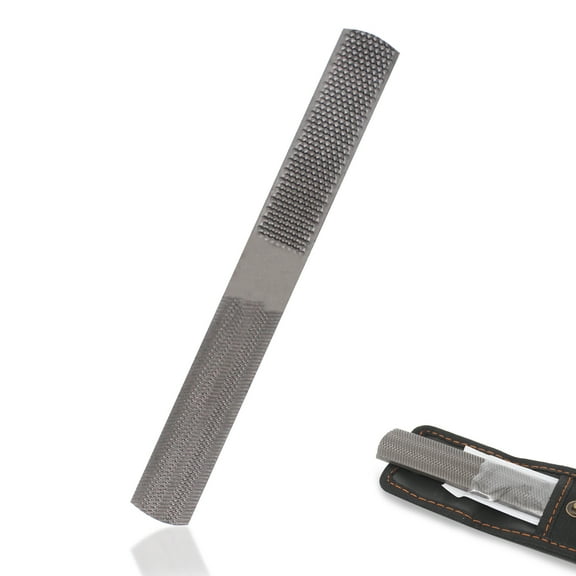
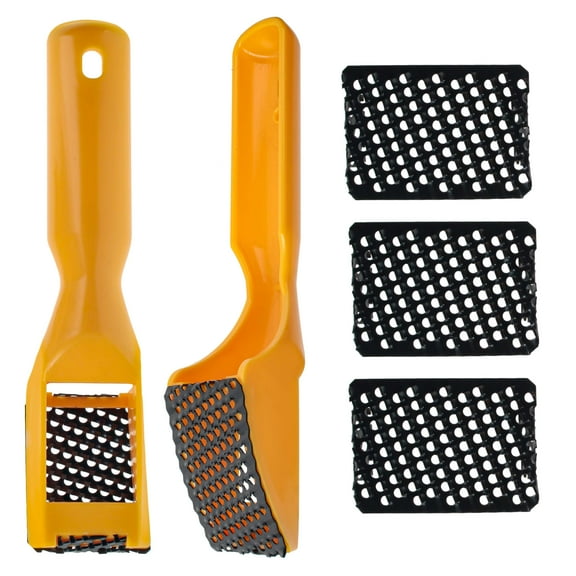
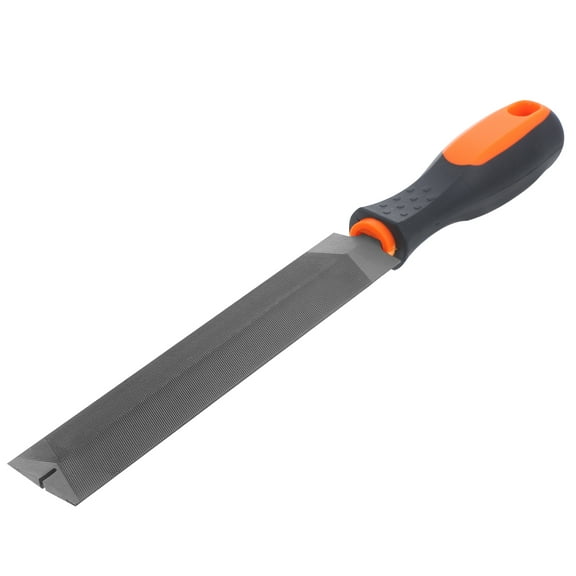
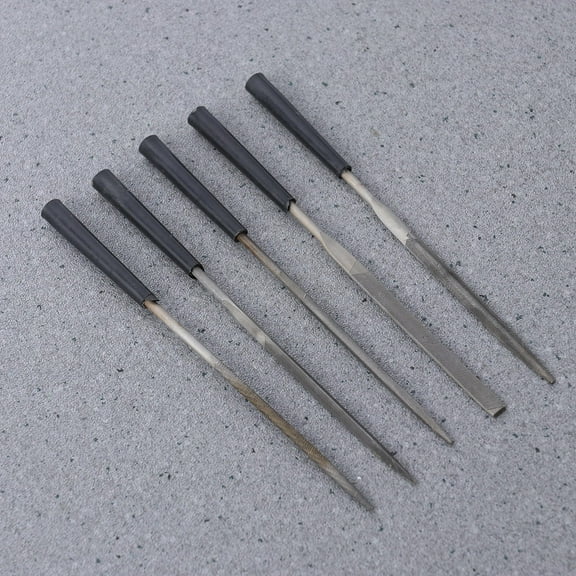
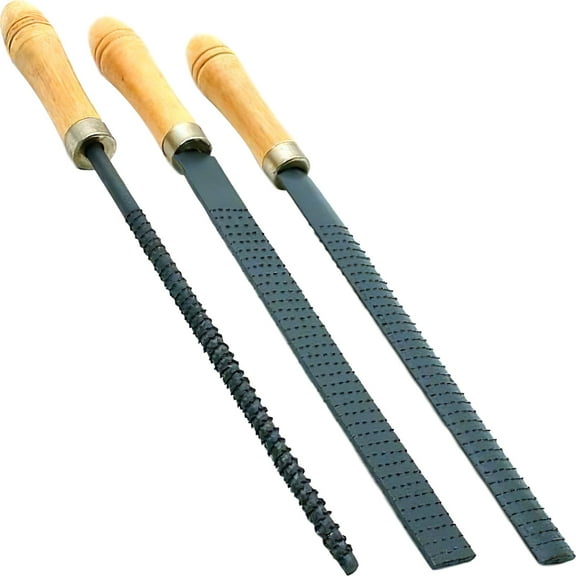
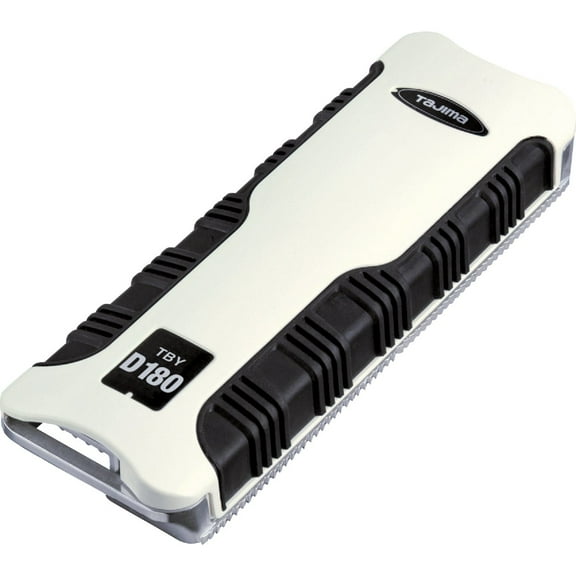
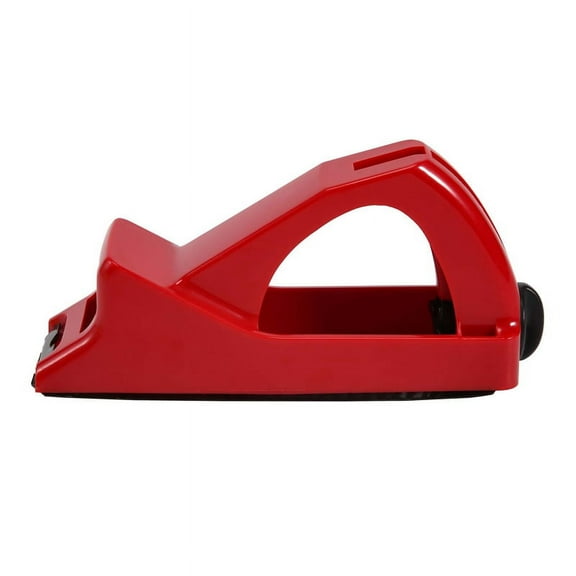
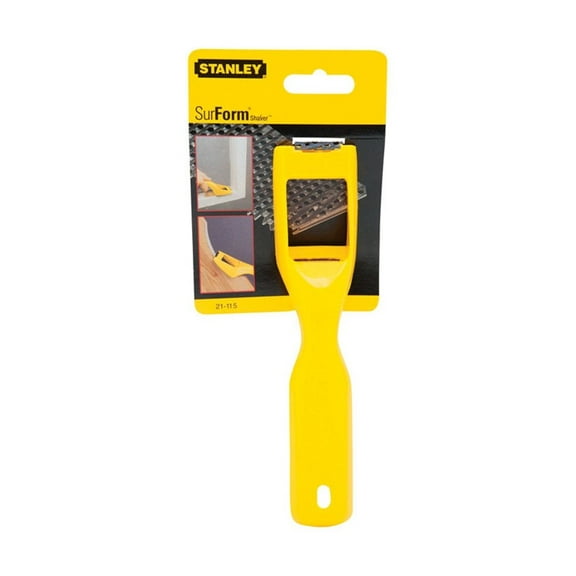
You can use a rasp tool to shape wood, refine edges, and smooth contours with control compared to coarse sandpaper alone. You’ll notice this category focuses on hand shaping details, including cut type, profile, material fit, handle style, and working length.
How to choose a rasp tool
You should start with the material you plan to shape, because tooth pattern and hardness pairing affect how the tool feels in your hand. You’ll usually want a rasp tool for wood when you’re removing stock quickly from softwood, hardwood, trim, or dowels.
If you’re shaping metal, plastic, or drywall, you should compare the tooth style and intended material before you choose. You can get cleaner control when your rasping tool matches the surface hardness and the finish you want.
You can narrow your options quickly by comparing the key decisions first. You should look for these category-specific points before choosing a file rasp or hand rasp.
- You can use coarser teeth for faster stock removal on rough shaping jobs.
- You can use smoother cuts when your project needs more refined finishing passes.
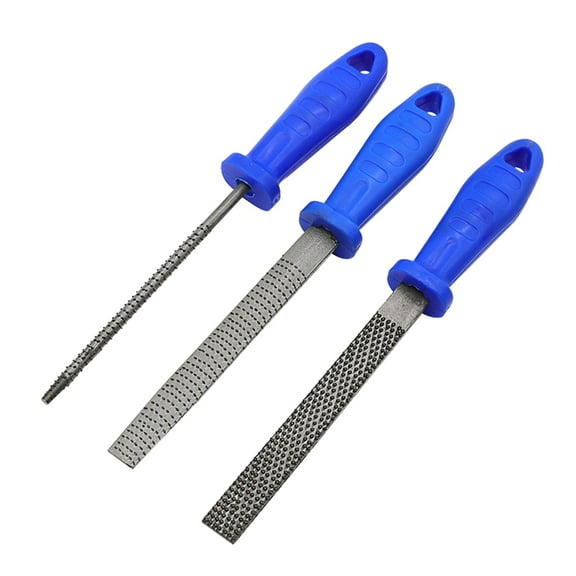
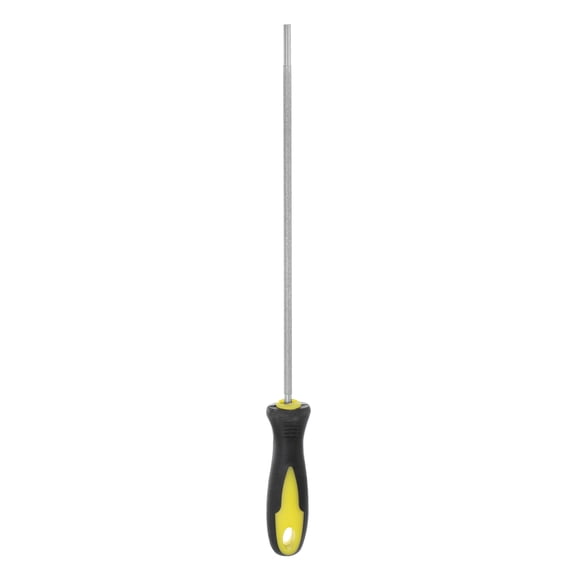
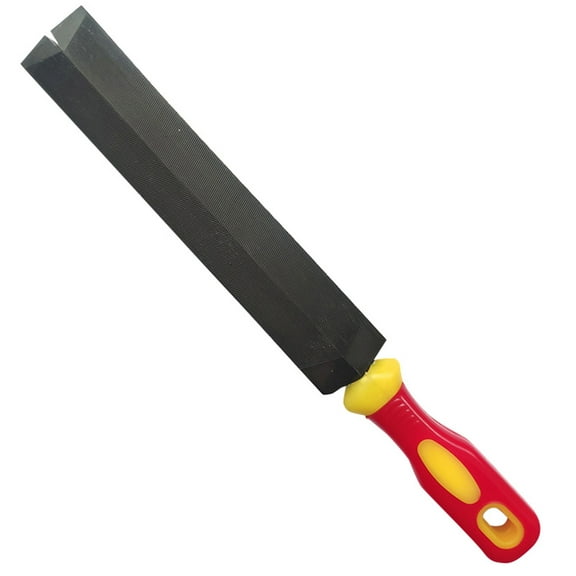
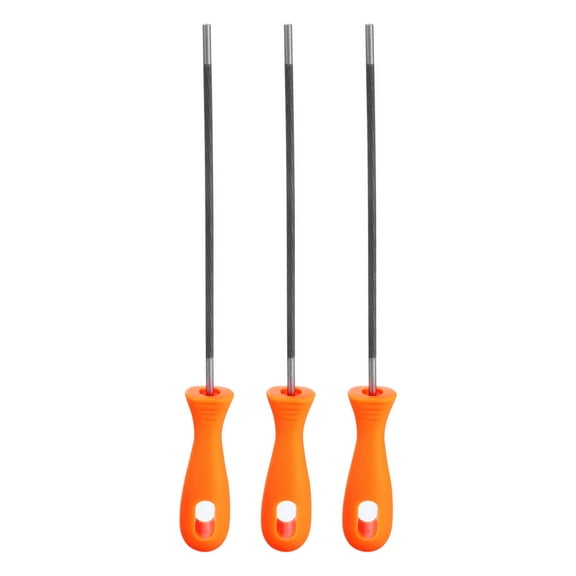
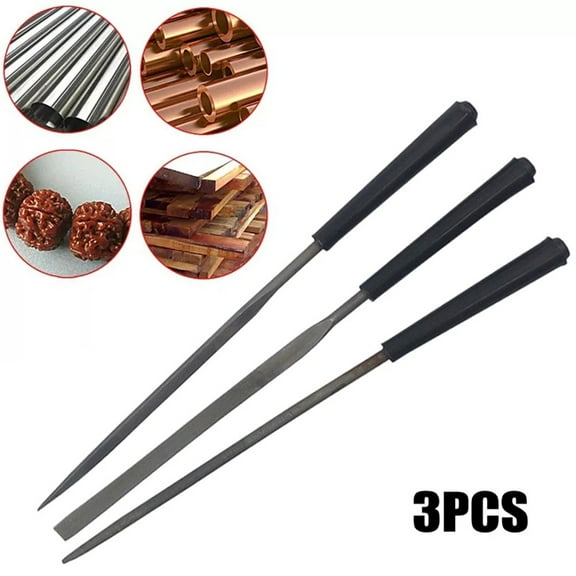
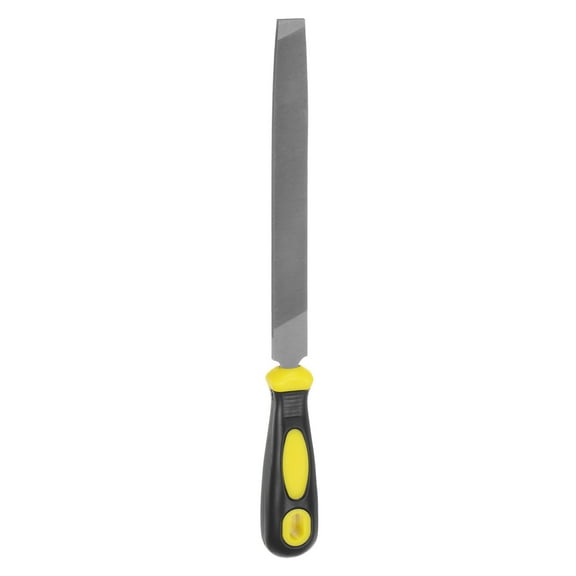
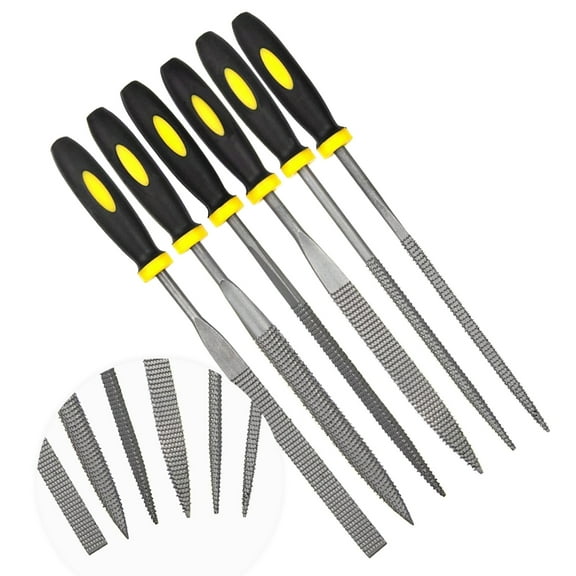
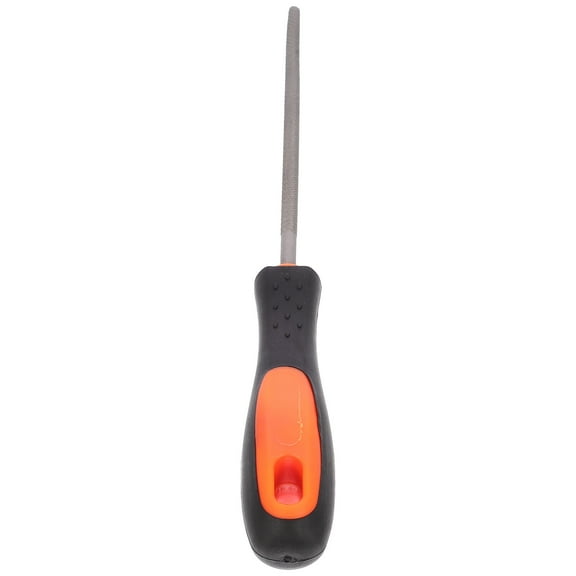
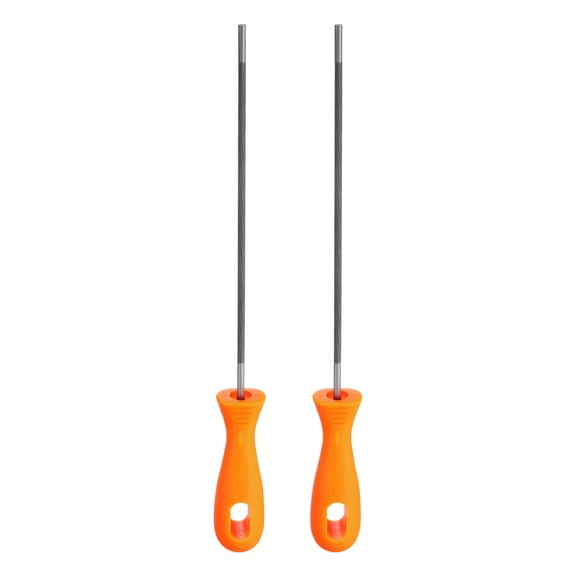
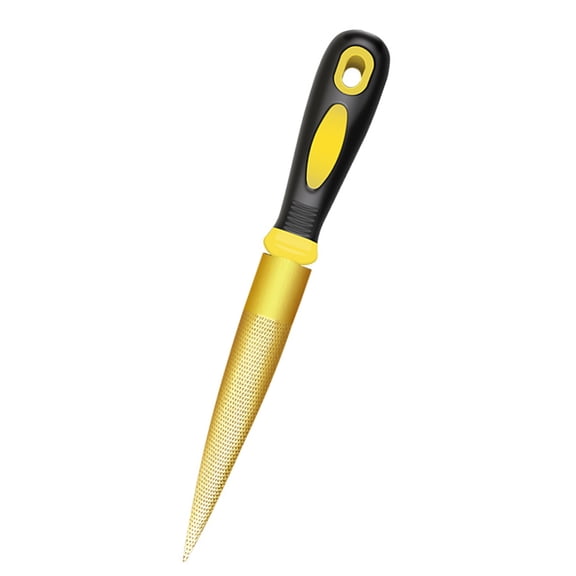
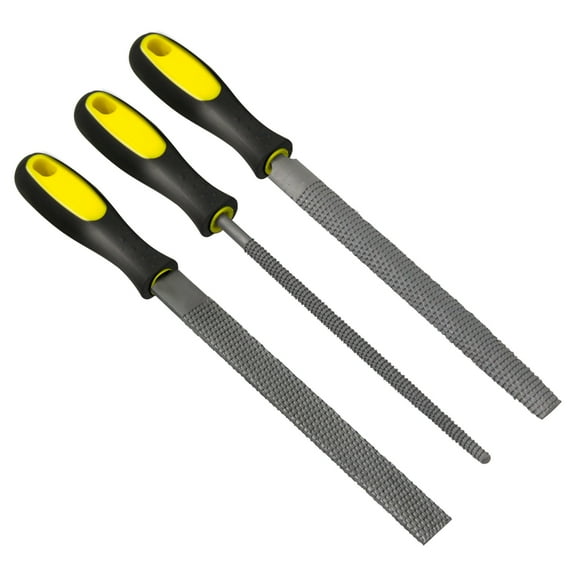
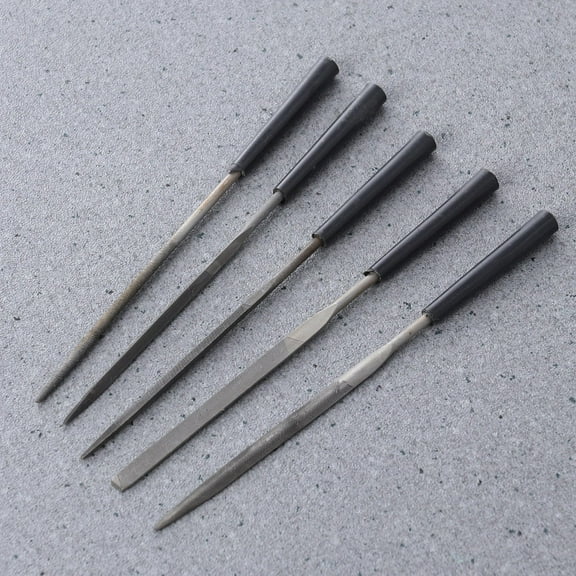
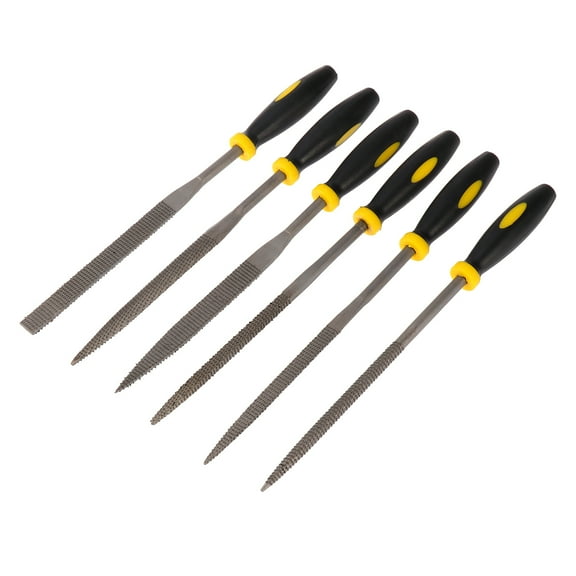
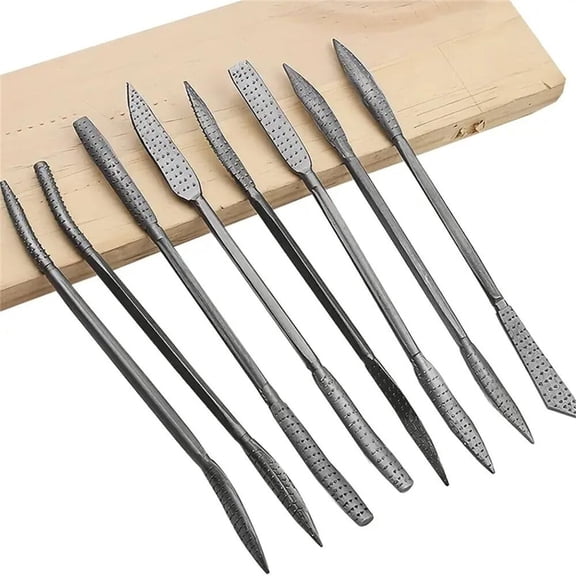
- You can choose flat, round, half-round, or cabinet profiles for different surfaces and contours.
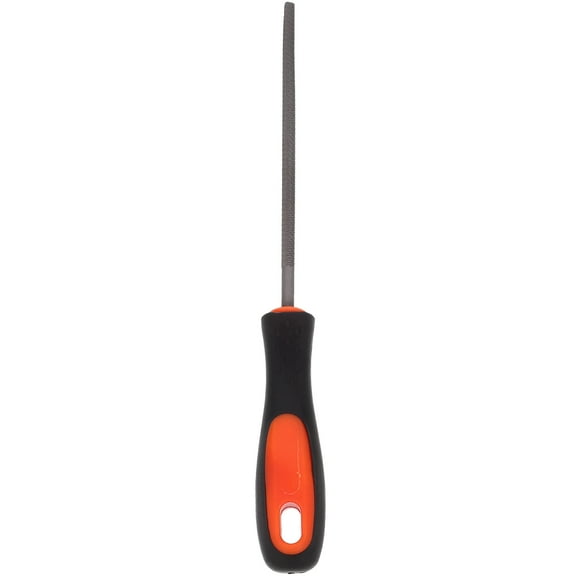
- You can compare handle styles for grip comfort during longer shaping sessions.
- You can match 6-inch to 12-inch lengths to tighter spaces or broader work areas.
Choosing cut type and shape in a rasp file tool
You should compare bastard cut, second cut, and smooth cut by how aggressively you want the teeth to remove material. You’ll find bastard cut works well when your project needs fast shaping instead of fine finishing.
You can think of second cut as a middle step when you want control without removing too much material at once. You’ll often prefer smooth cut when your surface already has the basic shape and needs a more refined pass.
You should also match the shape of the rasp file tool to the surface you’re working on. You’ll usually use flat profiles on boards and straight edges, while round profiles reach holes and rounded channels.
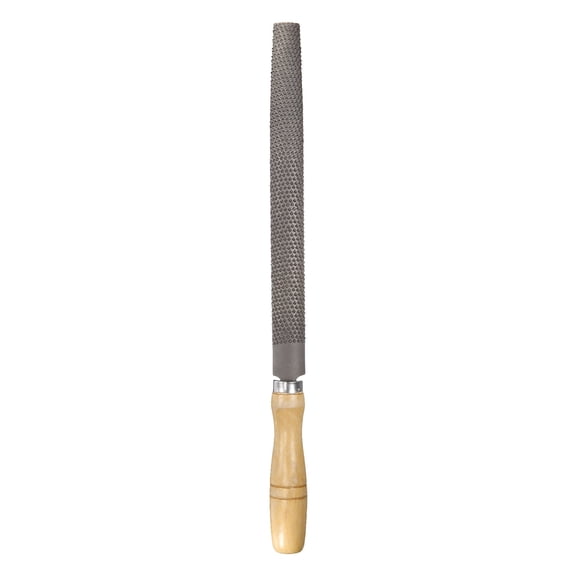
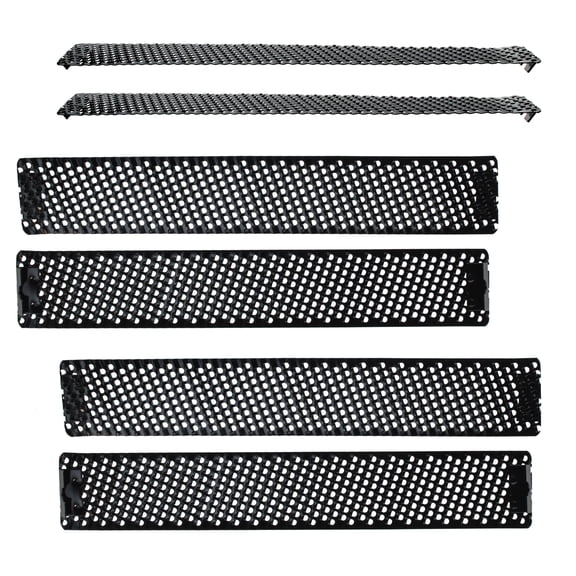
Half-round styles help you move between flat faces and curved contours without changing tools as often. You can consider cabinet styles when you want broad contact across larger wood surfaces and controlled shaping strokes.
Comparing material fit, handle type, and length
You should check whether the tool works for wood, metal, plastic, or drywall before you decide. This helps you avoid guesswork when you compare the tooth pattern with the material hardness and the finish you expect.
If your project involves wood shaping, you may want a hand rasp with larger teeth that clears shavings quickly. If your project involves harder materials, you should look for a file rasp designed for that surface type.
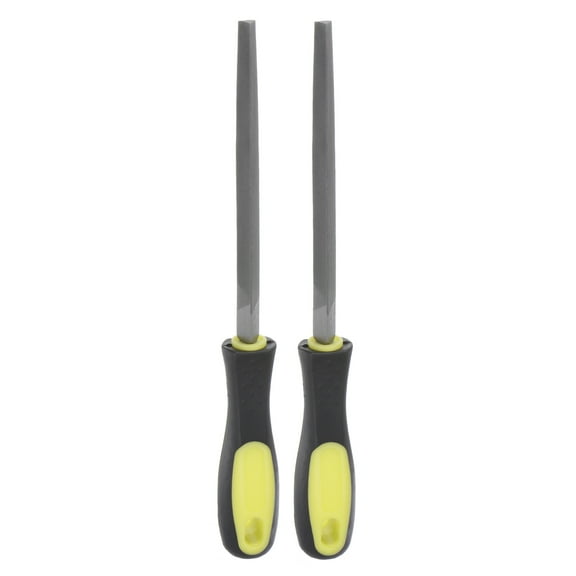
You can compare ergonomic rubber, wooden, and handle-less designs by how much grip feedback you want. You’ll often like ergonomic rubber for added control, while wooden handles can feel familiar during bench work.
Handle-less designs can help you fit into tighter spaces or pair with certain tool setups more easily. You should also measure your work area before choosing between 6-inch, 8-inch, 10-inch, and 12-inch options.
Shorter lengths can help you maneuver inside tighter curves, smaller repairs, and detailed shaping areas. Longer rasps tool styles can give you broader strokes and steadier contact on larger surfaces.
Using a rasp tool for wood, metal, plastic, and drywall
You can use a rasp tool for wood when you’re shaping chair legs, trimming dowels, fitting joints, or refining carved details. You’ll also find it useful when you need to round edges, bevel corners, or tune a fit before final sanding.
If you’re working on metal, you should compare tooth style carefully and use a profile that matches the part geometry. You can use round or half-round forms when your project includes curved channels, tubes, or openings.
You may prefer flat profiles when you’re leveling a straight edge or cleaning up a broad face. You’ll often reach for a round rasper tool when you need to open or refine a circular space.
For plastic or drywall tasks, you should look for controlled removal and a shape that follows the surface closely. You can use a cabinet pattern on broad areas or a smaller hand rasp for tighter detail work.
You should also think about workflow when you compare rasp tools for hobby projects, home repairs, woodworking, or shop setups. This helps you achieve more consistent results when your cut, shape, and length match the stage of the job.
When you need quick shaping and hand control, you can rely on these tools to bridge the gap between rough removal and final finishing. You can feel more confident choosing the right profile and coarseness for cleaner, more accurate shaping.