




Pet Rat Supplies, Cages & Accessories | Walmart






























About Pet Rat Supplies, Cages & Accessories | Walmart - Walmart.com
You can choose rat supplies more confidently when you compare cages, food, bedding, toys, and daily accessories by how your pet rats live. You need items that support climbing, nesting, foraging, and easy cleanup in one setup.
Because this page covers a full pet rat shop, you can match essentials instead of guessing across unrelated pet items. You’ll find guidance on cage size, bar spacing, bedding texture, and enrichment that fits social, active small pets.
How to choose rat supplies for daily care
You’ll usually start with the core five supply types: cages, food, bedding, toys, and accessories. You can build a more usable habitat when each choice works with the others.
For daily comfort, you should compare how your rats climb, sleep, eat, and explore. You’ll notice the right mix of rat pet supplies helps you keep routines cleaner and more organized.
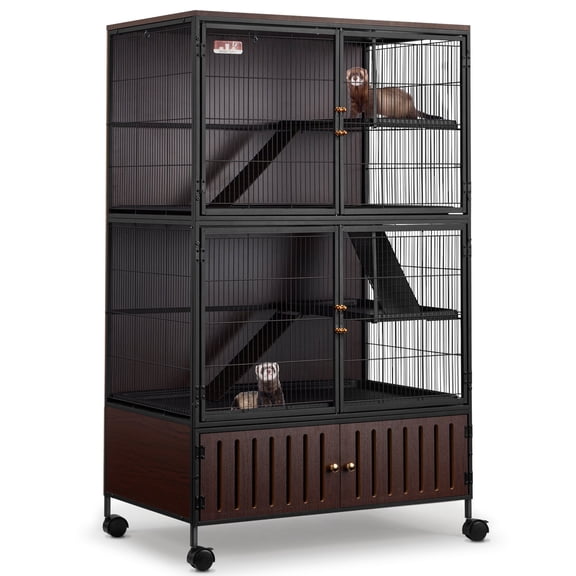
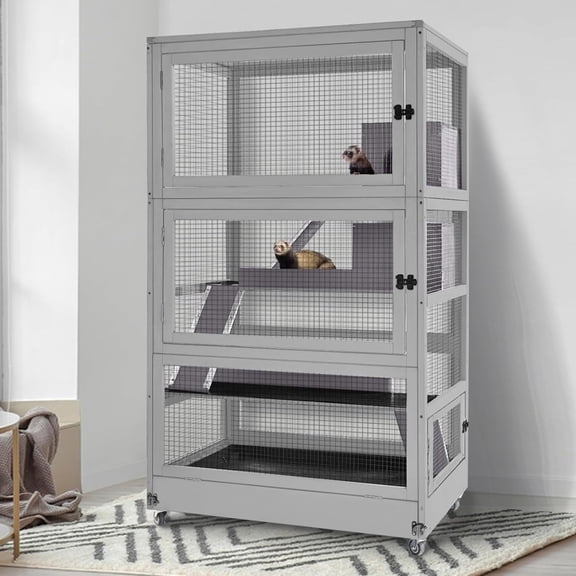
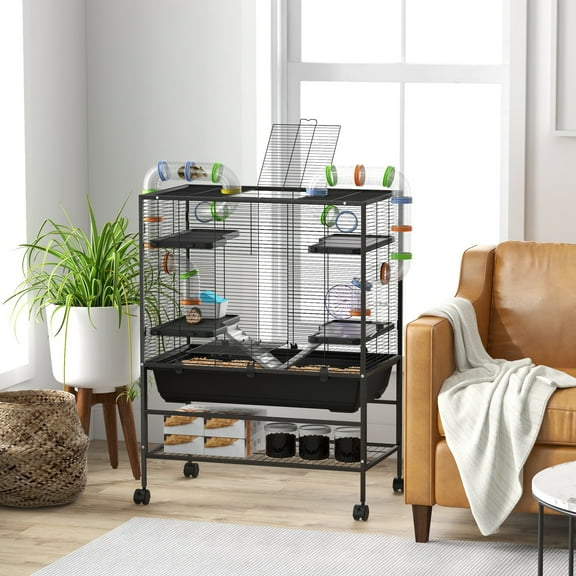
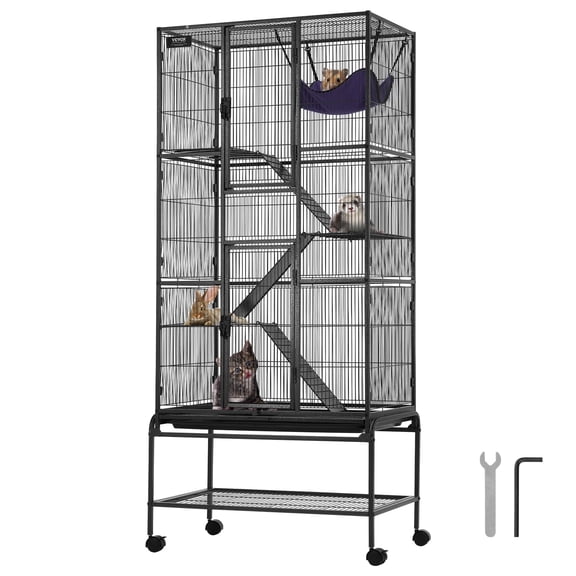
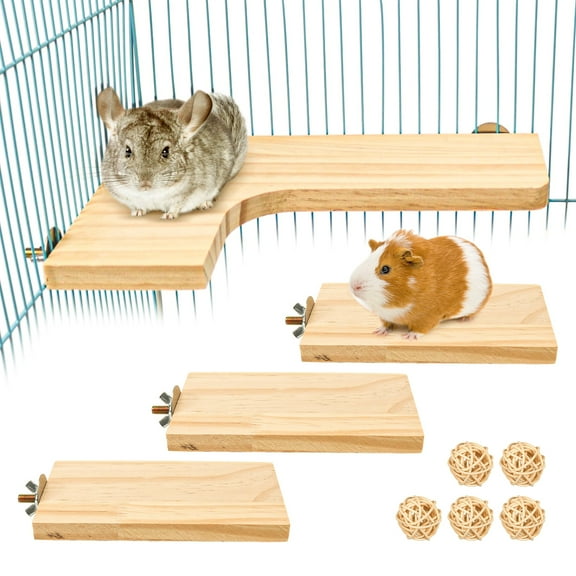
- You can create vertical living space with multi-level cages, ramps, and shelves.
- You can keep feeding simpler with staple food, bowls, and water bottles sized for small pets.
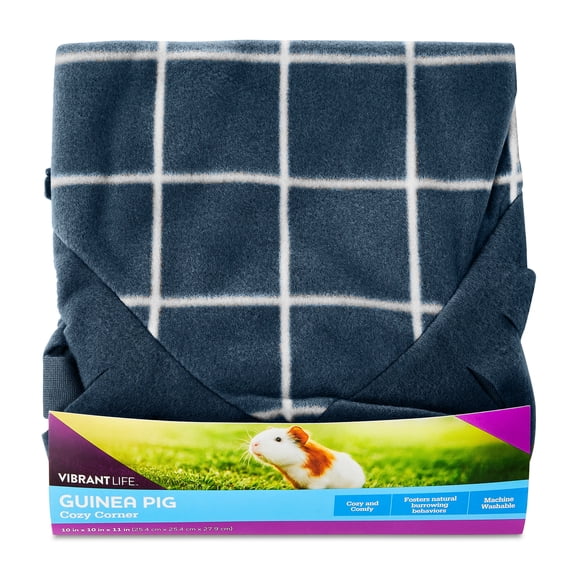
- You can support nesting habits with softer bedding, fleece liners, and enclosed rest spots.
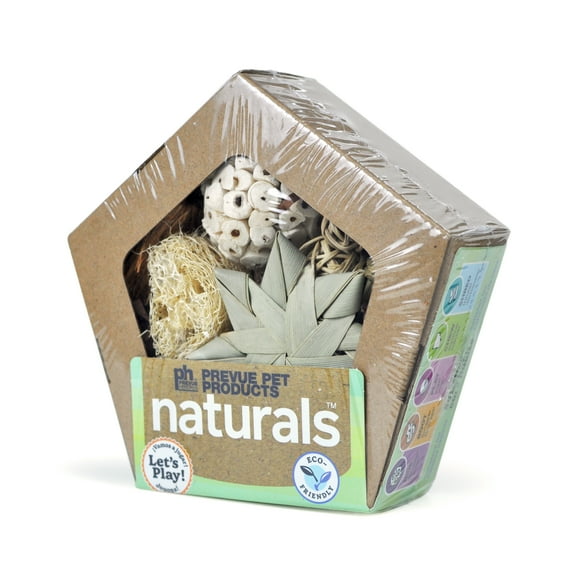
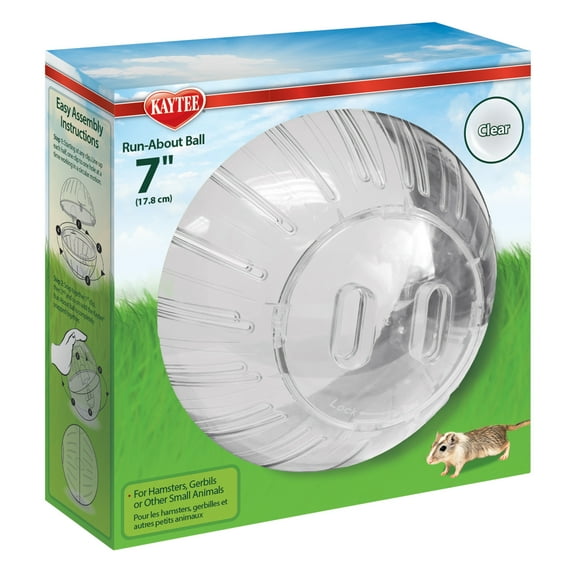
- You can add enrichment through tunnels, wheels, and chew-friendly toys.
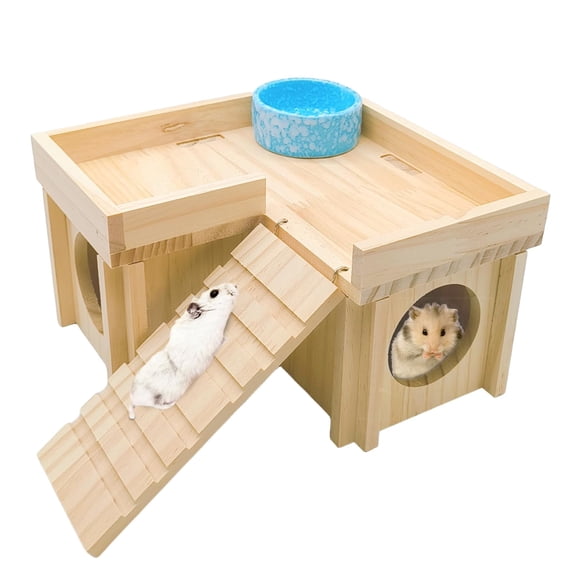
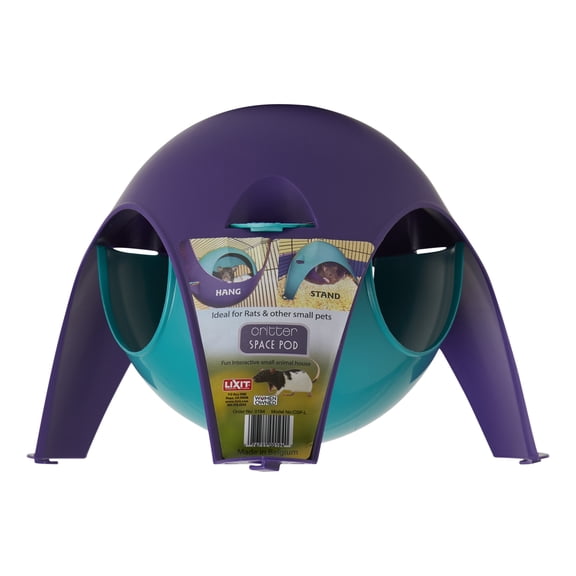
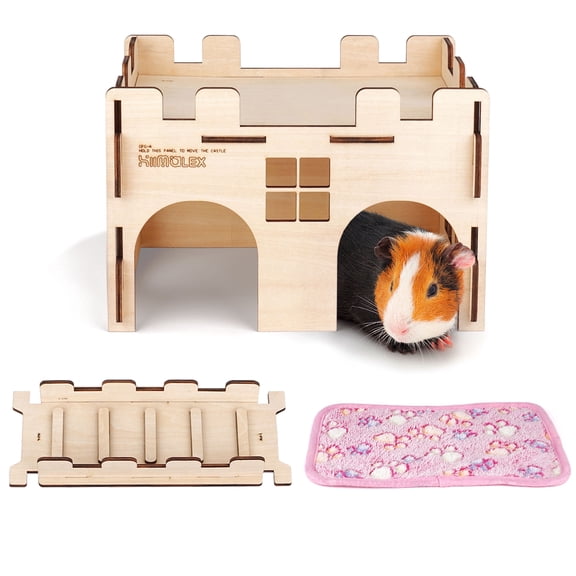
- You can round out accessories for pet rats with hammocks, hideouts, and travel carriers.
When you compare categories this way, you can avoid buying duplicate items that don’t fit your cage layout. You’ll also have a clearer plan for rest zones, feeding stations, and play areas.
Choosing cages, materials, and rat accessories
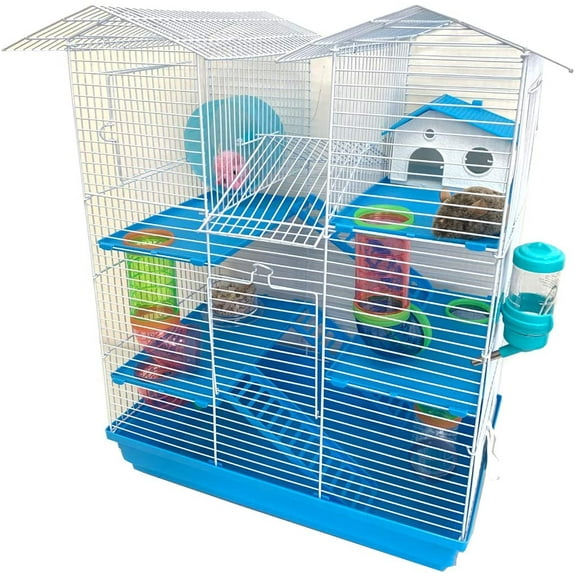
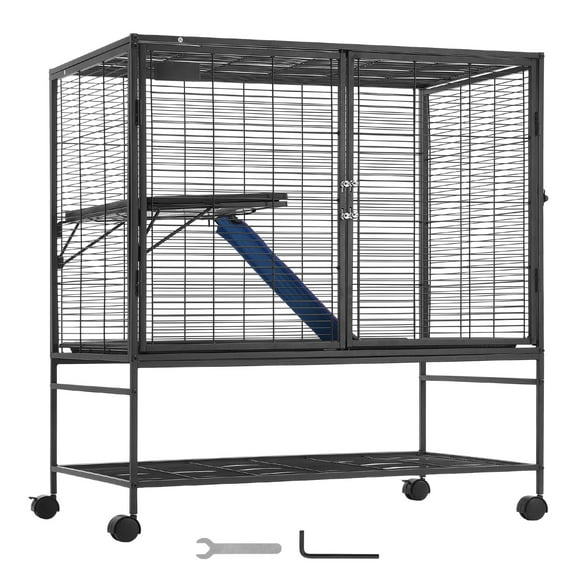
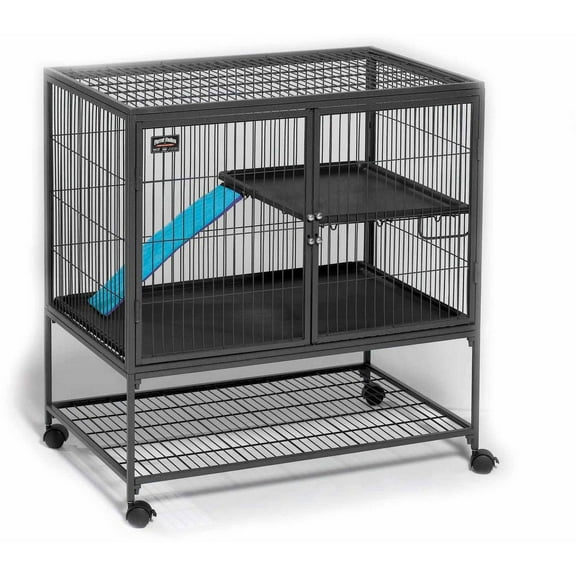
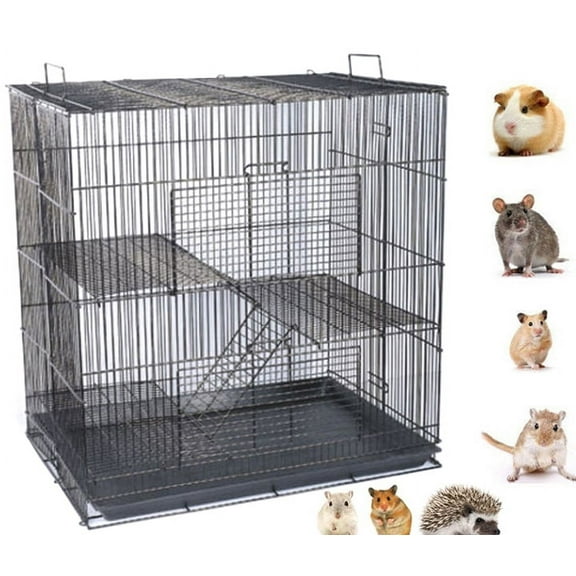
You should treat cage size as a starting decision because active rats need room to climb and move. You can also check bar spacing carefully, especially for young rats.
For younger pets, you should look for bar spacing under 0.5 inches to help maintain a secure enclosure. You’ll also want doors and shelves that make cleaning and access easier.
Material is another key choice in rat supplies because it affects weight, cleaning, and comfort. You can compare wire, plastic, wood, and paper-based components by how they function in the habitat.
Wire cages give you airflow and climbing surfaces, while plastic bases help contain litter and scattered bedding. Wood accessories can add texture, and paper components can feel softer for nesting areas.
When you choose rat accessories, you should think about daily movement and rest. You can compare hammocks, water bottles, wheels, and tunnels by placement and cage compatibility.
Hammocks give your rats elevated lounging spots, while tunnels create covered routes between levels. Water bottles help keep hydration areas tidy, and wheels should match your pet’s size and movement style.
What to look for in bedding and food
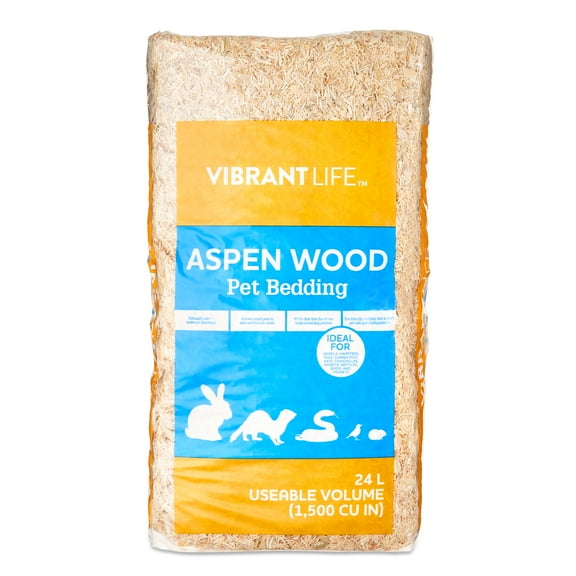
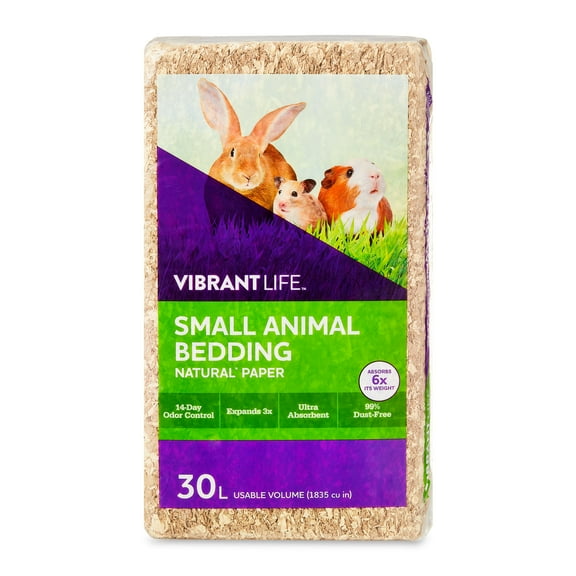
You should compare bedding type closely because texture and dust level affect how the enclosure feels day to day. You can often narrow your choice to paper bedding, wood shavings, or fleece liners.
Paper bedding can feel soft and absorbent, which helps you manage nesting zones and odor control. Fleece liners can make spot cleaning easier when you want a reusable cage base option.
With wood shavings, you should focus on safe, low-dust choices and skip dusty cedar or pine options. You’ll want bedding that supports burrowing and comfort without filling the cage with loose particles.
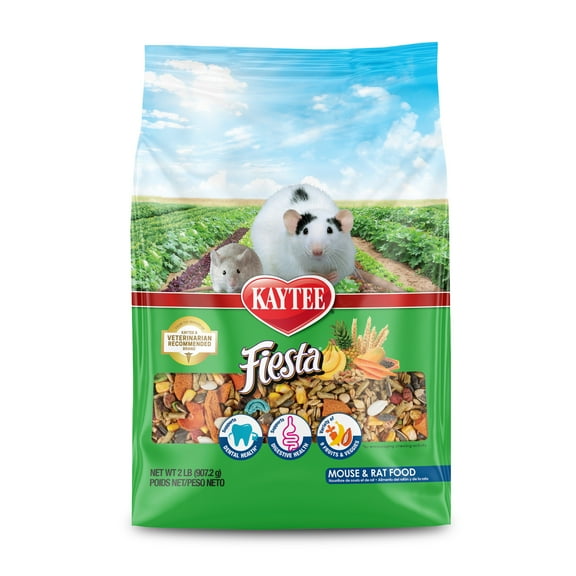
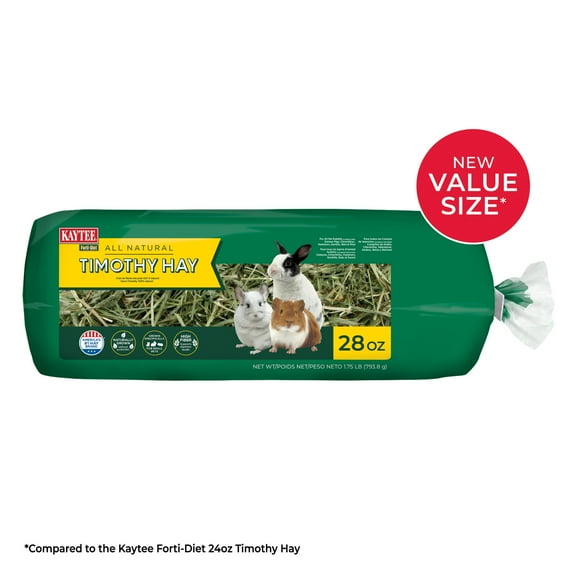
Food is another major decision because your rats need a consistent staple, not random treats alone. You can compare formulas by reading protein and fat information in simple terms.
In general, you should look for balanced rat food that keeps everyday feeding straightforward. You can use treats and chews as extras, while the main diet stays centered on complete nutrition.
If you’re sorting through stuff for rats, you should pair food choices with bowls, bottles, and storage containers. You’ll make feeding easier when your setup keeps dry food accessible and water clean.
Matching supplies to real pet rat routines
You may be setting up for new pets, upgrading a habitat, or replacing worn essentials. You can use the same decision points to match supplies to your routine and space.
For first setups, you should begin with a roomy cage, secure bar spacing, staple food, and soft bedding. You can then add a hammock, tunnel, and water bottle for a complete starting habitat.
If your rats spend hours climbing, you should focus on shelves, ladders, tunnels, and hanging rest spots. You’ll get more from your layout when vertical space supports natural movement.
For nesting-focused pets, you should compare fleece liners, paper bedding, and enclosed accessories. You can create quieter corners with hideouts and hammocks placed away from food areas.
When cleanup speed matters, you should look for removable trays, washable accessories, and bedding that lifts out easily. You can simplify weekly care when each piece fits your enclosure well.
If you’re refreshing a mature setup, you can swap in new rat accessories without rebuilding the whole habitat. You should check dimensions, mounting style, and material so each upgrade fits your existing cage.
When you shop a pet rat shop category with these choices in mind, you can compare essentials with less guesswork. You’ll end up with rat supplies that fit your pets’ climbing, nesting, and feeding habits.
You can make stronger decisions when your cage, bedding, food, and enrichment work together instead of competing for space. Your setup feels more complete when each item supports daily comfort and cleaner care.